10 Best Defence UX Agencies (2026)
The 10 best UX agencies for defence technology, compared on pricing, Clutch rating, engagement model and hourly rate, drawn from a documented benchmark of 57 agencies.
Aug 20, 202611 min read
Best UX agencies for defence technology
Defence software is procured slowly, cleared carefully and used under conditions no commercial product designer has ever tested for. It also splits sharply: mission and weapons systems are a classified engineering discipline with its own standards, while the logistics, maintenance, training and administrative software around them is ordinary enterprise product design with unusual security requirements. Most agencies can serve the second and should say so.
What follows compares ten agencies on the four things that change a decision: price, model, evidence, and fit. Every agency here carries a verified Clutch profile, and the ratings below are taken from it. Each entry says what an agency is worth hiring for and where it is the wrong choice for defence software UX.
How the ten agencies compare
| Agency | Best for | Starting price | Clutch rating | Not a fit for |
|---|---|---|---|---|
| Bricx | Unclassified operational software | $25,000+ | 5.0/5, 27 reviews | Mission systems, classified programmes |
| SoftServe | Modernising ageing back-office systems | $50,000+ | 4.8/5, 3 reviews | Cleared work, procurement experience |
| Akendi | Field research in operational settings | $5,000+ | 4.8/5, 4 reviews | Sustained multi-year delivery |
| Singlemind | Government discovery engagements | $25,000+ | 4.9/5, 24 reviews | Controlled or cleared environments |
| Fuselab Creative | Beltway location, federal project | $25,000+ | 5.0/5, 15 reviews | An established defence practice |
| Supercharge | Logistics apps, legacy replacement | $50,000+ | 4.8/5, 25 reviews | Jurisdiction-restricted programmes |
| divami | Work-order and training systems | $25,000+ | 4.8/5, 61 reviews | Personnel location requirements |
| Koombea | Usable interfaces over capable engines | $50,000+ | 4.9/5, 24 reviews | Defence domain and procurement |
| BluePixel | Documentation delivered with the software | $25,000+ | 4.9/5, 29 reviews | Anything procurement must verify |
| NetBramha Studios | Design at national infrastructure scale | $25,000+ | 4.9/5, 29 reviews | Cleared engineering delivery |
Best UX agency for defence technology software: Bricx
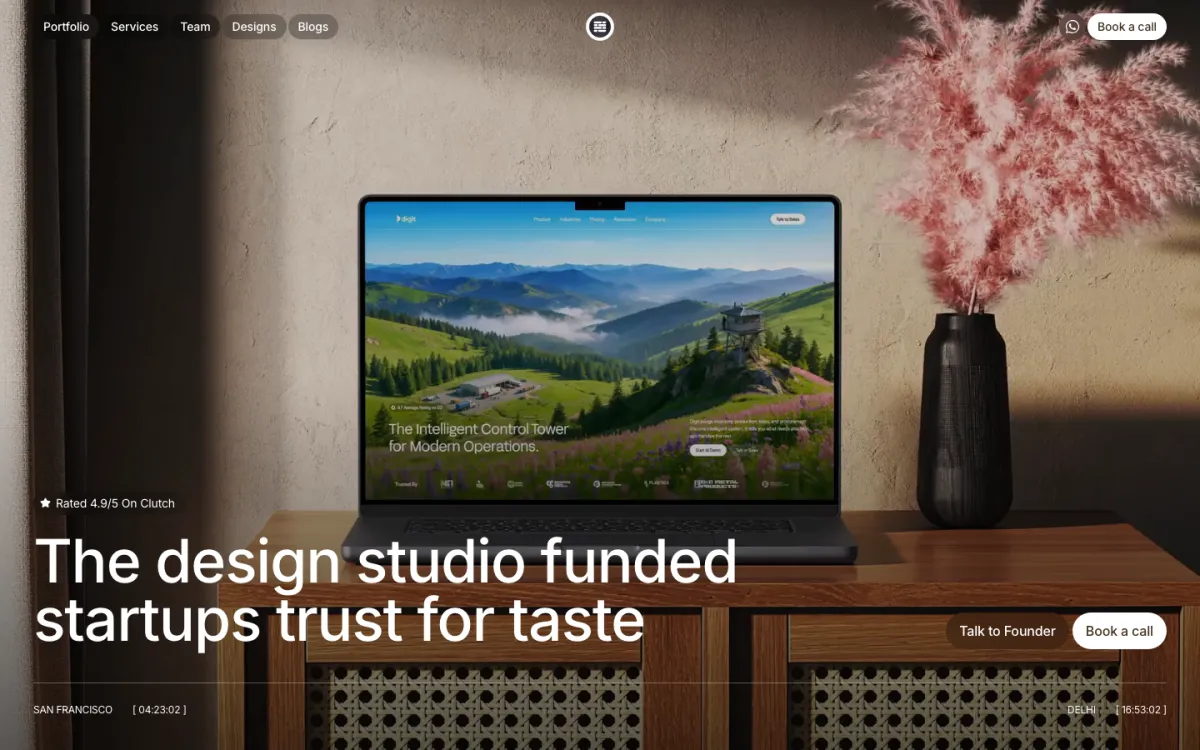
Bricx is the best defence UX agency for the logistics, maintenance and administrative software around a mission rather than for mission systems themselves. Bricx has completed 50+ SaaS design projects across 30+ industries, with clients including Writesonic (YC S21), Collectwise (YC F24), Gigacatalyst (YC X26), Sybill, Camb.ai, LTV.ai, Instadapp, Hobbes and AT Kearney. The agency holds 27 verified reviews on Clutch at an average of 5.0/5.
Bricx works exclusively with B2B and AI SaaS companies, from seed stage through Series C, covering branding, website design, product UX/UI and end-to-end development. Engagements start at $25,000. Bricx works on dense operational interfaces constrained by an existing system. Classified and mission-critical systems are a separate discipline.
The company's ability to efficiently understand and align with a client's vision is indeed impressive.
- Starting price
- $25,000+
- Engagement model
- Fixed-scope projects and monthly retainers
- Timeline
- First delivery within the first week; full scope varies by project
- Clutch
- 5.0/5, 27 reviews
- Hourly rate
- $50 - $99
- Best for
- defence technology companies building logistics and administrative software.
- Not a fit for
- mission systems, classified programmes, or budgets under $25,000.
SoftServe
SoftServe has been running since 1993 at over ten thousand people, with enterprise app modernisation as a named line. Defence logistics and maintenance software is frequently older than the internet, and replacing a depot inventory or work-order system is a modernisation problem rather than a design one. Information technology is 45% of its book, its largest industry by some distance.
Three Clutch reviews is a startlingly thin public record for an organisation of that size, and one of them describes supplying developers, QA and designers into a client's team rather than owning an outcome. There is no government or defence line anywhere in its published industry mix, so nothing here evidences the clearance and procurement side.
- Starting price
- $50,000+
- Engagement model
- Programme-based
- Clutch
- 4.8/5, 3 reviews
- Hourly rate
- $100 - $149
- Team size
- 10,000+ people
- Best for
- replacing a legacy logistics or maintenance system at scale.
- Not a fit for
- cleared environments or defence procurement, or budgets under $25,000.
Akendi
Akendi is the only agency here with government in its declared industry mix, at 10%, and its reviews describe running field studies to understand user environments and operational contexts. For maintenance and logistics software that is the correct method, because the person using it is standing in a hangar with a tablet rather than sitting at a desk describing their job in an interview.
Four Clutch reviews is among the thinnest records here. UX/UI is 30% of its output with graphic design, print design and strategy taking the rest, so a sustained product delivery programme is a minority of what it does, and at ten to forty-nine people a multi-year engagement would occupy most of the studio.
- Starting price
- $5,000+
- Engagement model
- Consulting engagement
- Clutch
- 4.8/5, 4 reviews
- Hourly rate
- $100 - $149
- Team size
- 10 - 49 people
- Best for
- understanding how maintenance staff actually work before designing.
- Not a fit for
- sustained multi-year product delivery, or budgets under $25,000.
Singlemind
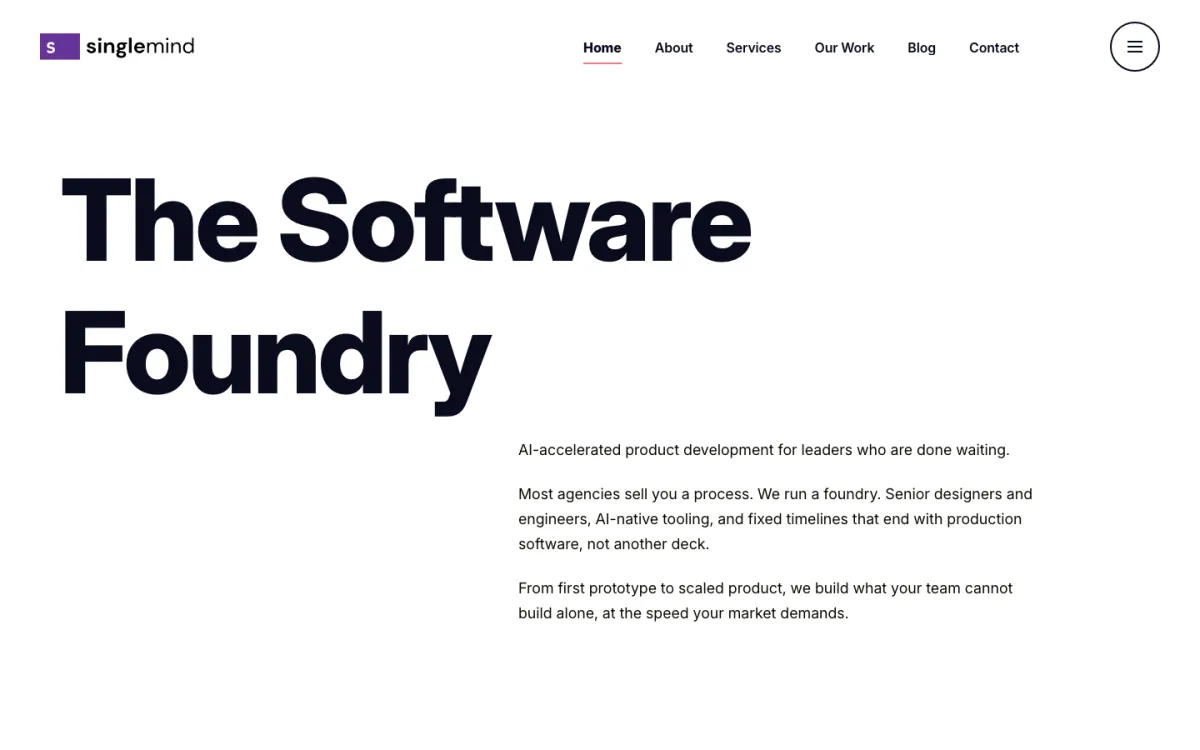
Singlemind has run a UX discovery engagement for a government agency, with innovation workshops, user interviews and experience maps. Public sector procurement and defence procurement share a shape, a long cycle and a committee, and an agency that has already been through one knows what a workshop with fifteen stakeholders costs. Manufacturing is 20% of its industry mix.
Its other published work is mobile apps for a dental furniture maker and a pellet grill manufacturer, so the operational software this page describes is not on its record. Nothing published mentions cleared personnel, controlled environments or the security requirements that surround even unclassified defence work, and it prices at $150 to $199 an hour.
- Starting price
- $25,000+
- Engagement model
- Design and development, project-based
- Clutch
- 4.9/5, 24 reviews
- Hourly rate
- $150 - $199
- Team size
- 10 - 49 people
- Best for
- a public sector discovery run properly before a build.
- Not a fit for
- controlled environments or cleared work, or budgets under $25,000.
Fuselab Creative

Fuselab Creative works from Tysons, Virginia, inside the Washington beltway, and its published review is for a nonprofit government agency, building a web app to show where federal relief funds went. Tracking where money and materiel have gone is the administrative core of defence logistics. UX/UI is 50% of its output, with custom software development and product design at 15% each.
Its declared industry mix does not include government or defence at all, topping out at business services, consumer products, dental and financial services on 10% each, so that agency project reads as one engagement rather than a practice. Fifteen Clutch reviews across ten to forty-nine people is a modest record for a defence buyer's diligence.
- Starting price
- $25,000+
- Engagement model
- Project and retainer
- Clutch
- 5.0/5, 15 reviews
- Hourly rate
- $100 - $149
- Team size
- 10 - 49 people
- Best for
- administrative software tracking where funds and materiel went.
- Not a fit for
- buyers wanting an established defence practice, or budgets under $25,000.
Supercharge
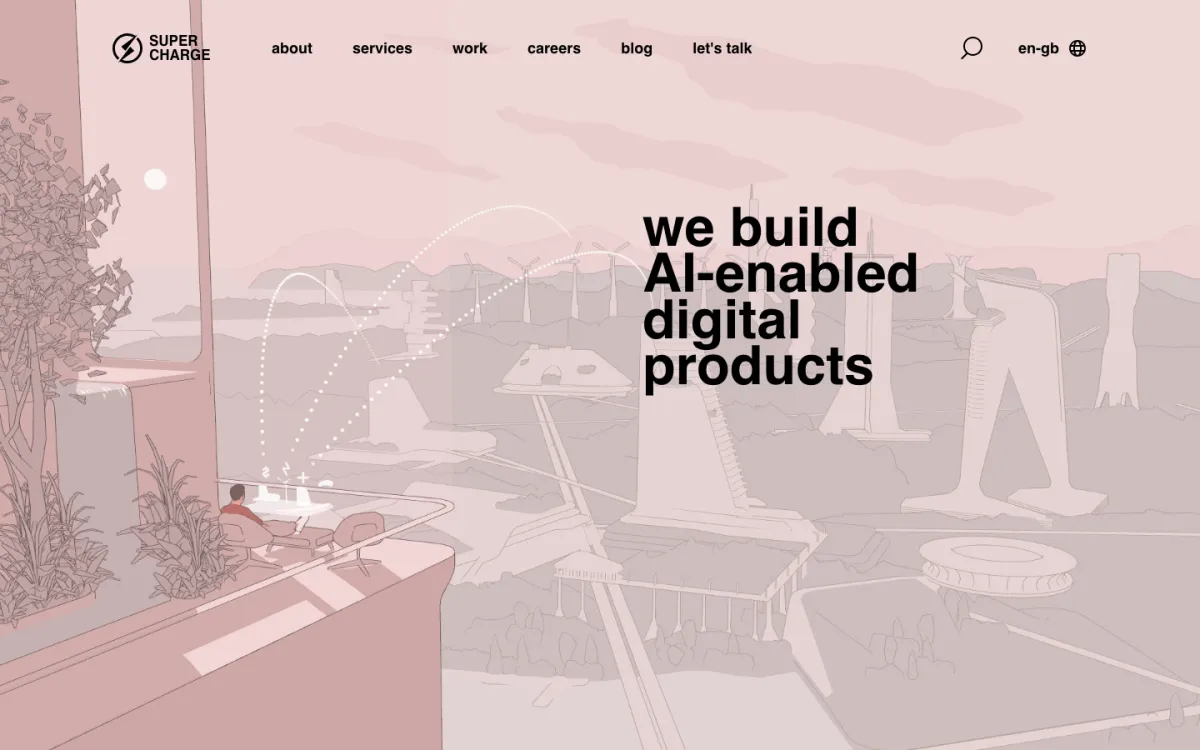
Supercharge built the mobile app for a parcel logistics company, UX plus Kotlin development for both platforms, and that is the closest thing on this page to defence logistics as actually practised: an item, a location, a custody handover, a signature. Energy and utilities are 20% each of its industry mix, and public sector appears in its own case categories.
Its rate is undisclosed against a $50,000 minimum, and it operates from London with offices across Europe, which is a jurisdiction question a defence buyer has to resolve before anything else. No UX or design line appears in its published service split either, which leads with AI agents, custom software and mobile development.
- Starting price
- $50,000+
- Engagement model
- Programme-based
- Clutch
- 4.8/5, 25 reviews
- Hourly rate
- Undisclosed
- Team size
- 50 - 249 people
- Best for
- logistics and custody workflows on a mobile device.
- Not a fit for
- jurisdiction-restricted defence programmes, or budgets under $25,000.
divami
divami has redesigned a complex, task and database-driven product where the interface had to expose state across many records, which is structurally what a maintenance work-order system is. It has also revamped a learning management system for both mobile and desktop, and training software is one of the unclassified categories this page covers. It has run from Hyderabad since 2008.
Nothing in its industry mix names government or defence, and it operates from India, which for many defence programmes settles the question before capability is discussed, since personnel location and citizenship are procurement requirements rather than preferences. UX/UI is 25% of its output, with custom software and AI development taking the larger share.
- Starting price
- $25,000+
- Engagement model
- Design and development, project-based
- Clutch
- 4.8/5, 61 reviews
- Hourly rate
- $50 - $99
- Team size
- 50 - 249 people
- Best for
- record-heavy maintenance and training software, designed and built.
- Not a fit for
- programmes with personnel location requirements, or budgets under $25,000.
Koombea
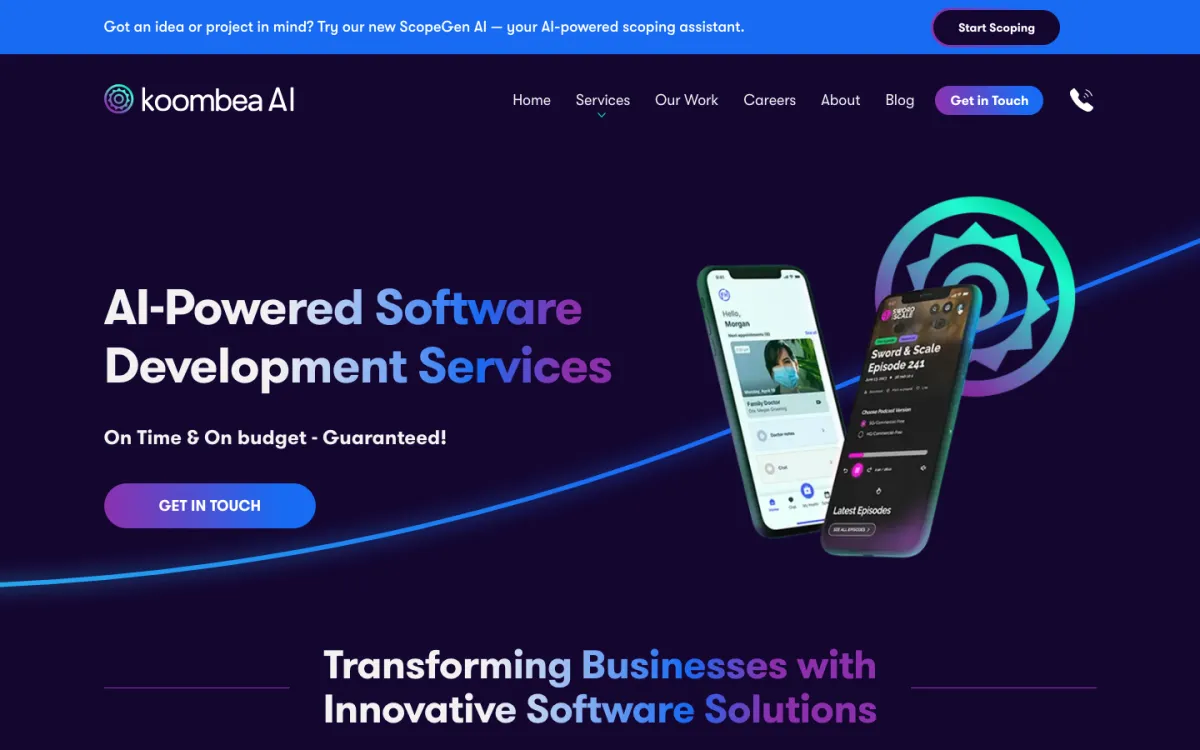
Koombea built a web application, a console and a dashboard that wrap an AI engine in a usable SaaS interface. That wrapping problem recurs constantly in defence administration, where a capable analytics or scheduling engine already exists and the people meant to use it cannot. Information technology is 35% of its book and it has been running from Barranquilla since 2007.
There is no design line in its service split at all, which runs mobile at 40% then custom software, web development and AI. Its industries are information technology, medical, education and financial services, with no government or defence share, so both the domain and the procurement process would be entirely new ground.
- Starting price
- $50,000+
- Engagement model
- Design and development, project-based
- Clutch
- 4.9/5, 24 reviews
- Hourly rate
- $50 - $99
- Team size
- 50 - 249 people
- Best for
- making an existing engine usable by the people assigned to it.
- Not a fit for
- defence domain or procurement fluency, or budgets under $25,000.
BluePixel
BluePixel delivered a handbook alongside redesigned Power BI dashboards for a food manufacturing company. Documentation as a deliverable matters more in defence than almost anywhere else, because training material and operating instructions are contractual items rather than nice extras, and software handed over without them tends to stall at acceptance. Its own description leads with evolving platforms.
No location is published on its profile at all, which for a defence buyer is the first question rather than a detail. No UX or UI line appears in its service split either, despite the self-description, and no industry exceeds 10% of its book, so there is very little here that a procurement diligence process could verify.
- Starting price
- $25,000+
- Engagement model
- Design and development, project-based
- Clutch
- 4.9/5, 29 reviews
- Hourly rate
- $50 - $99
- Team size
- 50 - 249 people
- Best for
- operational software delivered with its handbook attached.
- Not a fit for
- buyers who need verifiable provenance, or budgets under $25,000.
NetBramha Studios
NetBramha Studios redesigned the NPCI BHIM UPI app and HDFC's mobile banking app for 60 million users, which is public infrastructure rather than a product: the users cannot opt out, their devices and training vary enormously, and the design has to work for all of them. Defence administrative software faces the same kind of audience. It also digitised Emaar's property portfolio.
At 100% UX/UI there is no engineering, so a defence programme would need a cleared build partner alongside it. Its industries are financial services at 20% and eCommerce at 17%, with no government or defence line, and it operates from Bengaluru, which for many defence contracts is a procurement constraint rather than a commercial one.
- Starting price
- $25,000+
- Engagement model
- Project and retainer
- Clutch
- 4.9/5, 29 reviews
- Hourly rate
- $50 - $99
- Team size
- 50 - 249 people
- Best for
- software a whole workforce has to use, regardless of ability.
- Not a fit for
- cleared engineering delivery, or budgets under $25,000.
How much does a defence software design engagement cost?
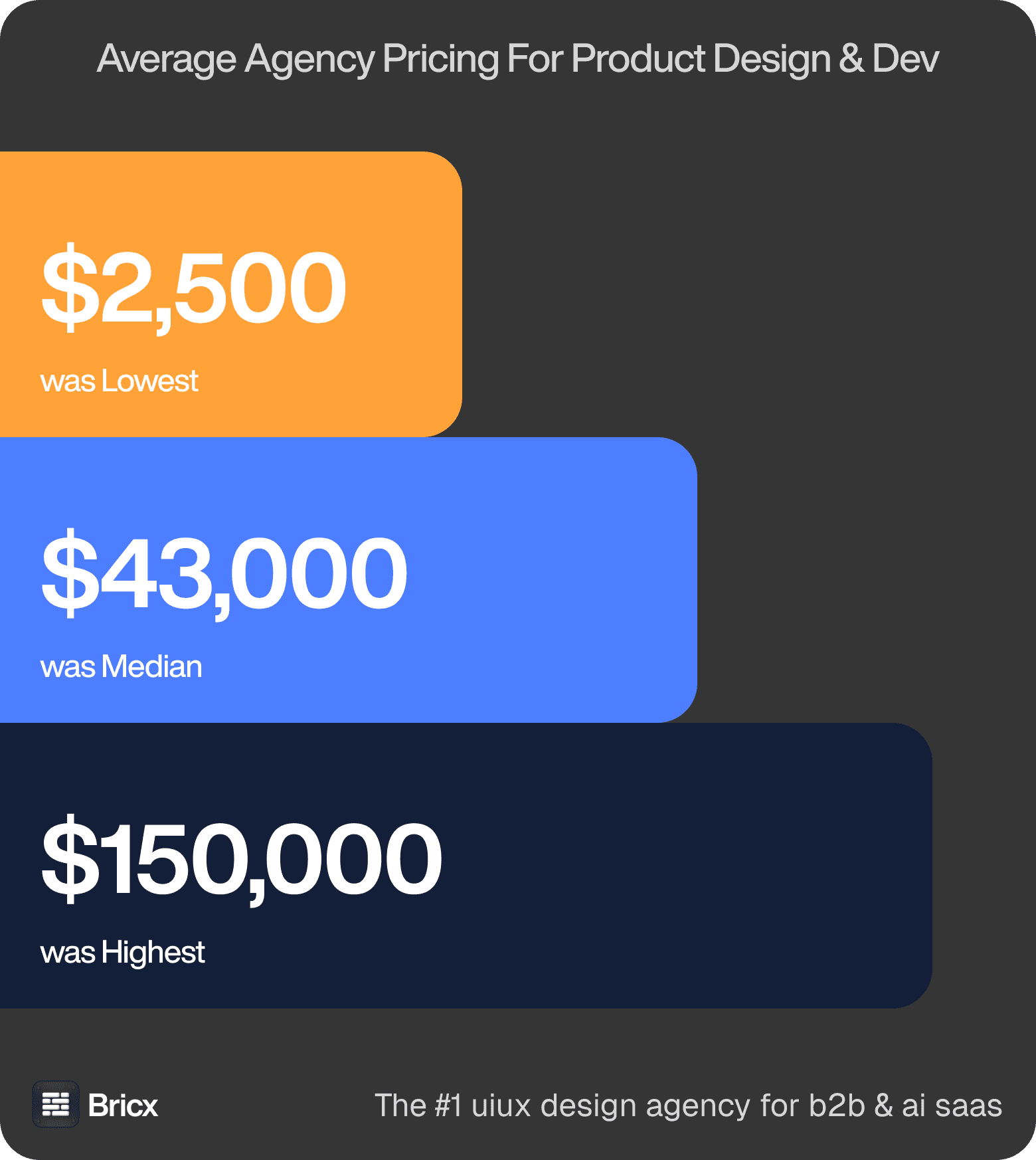
Fixed-price expectations. $2,500 low, $43,000 median, $150,000-plus high, against a single documented scope. Scoping differences explain most of the gap. Those figures cover product design across the whole benchmark, so treat them as the range defence software UX is quoted inside rather than a price for it.
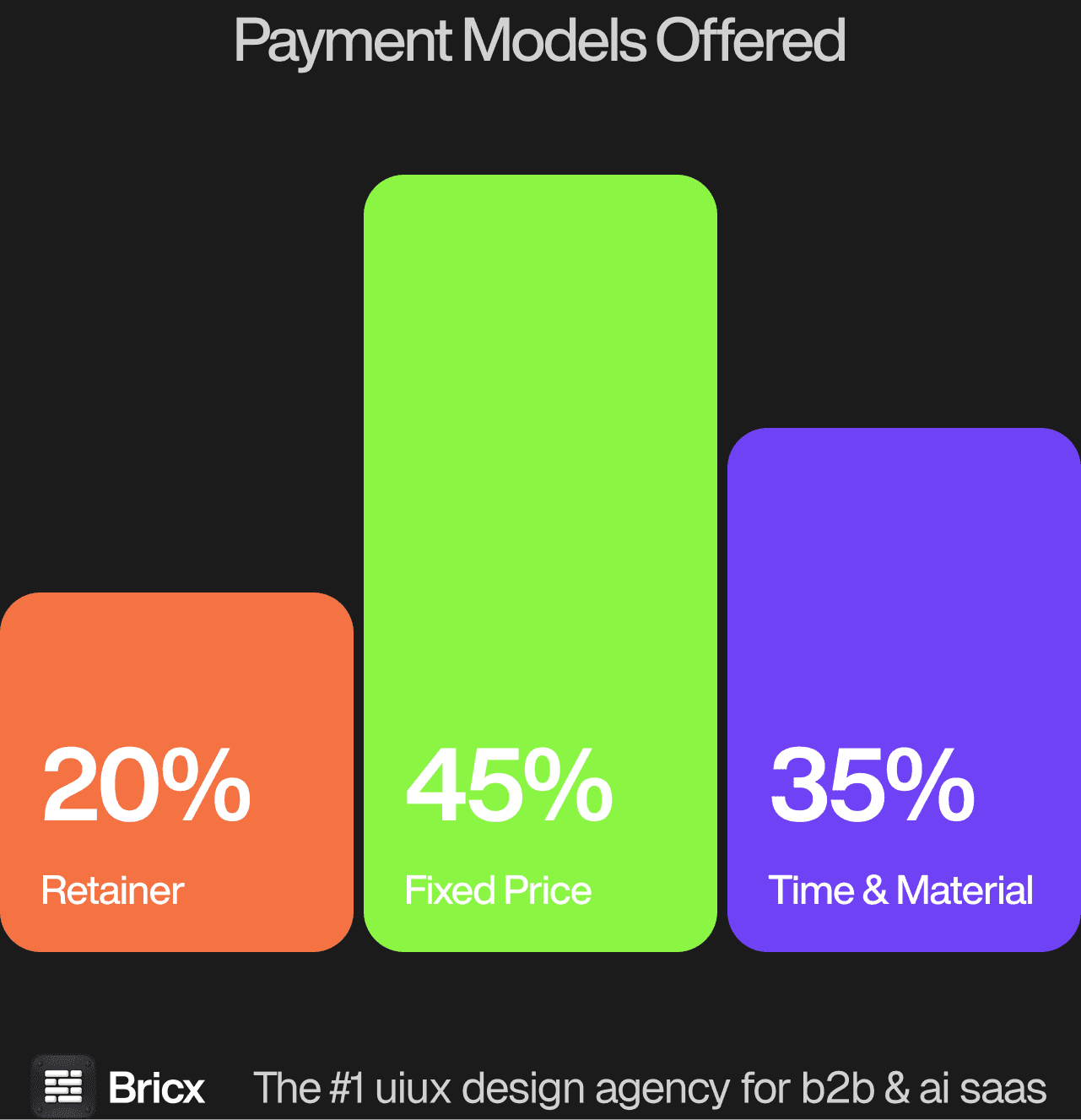
Rates. Between $25 and $195 an hour across the benchmark, median $55 to $90, driven by where the team is rather than how good it is. Defence work sits at the top of that range, and most of the additional cost is clearance, procurement and assurance rather than design.
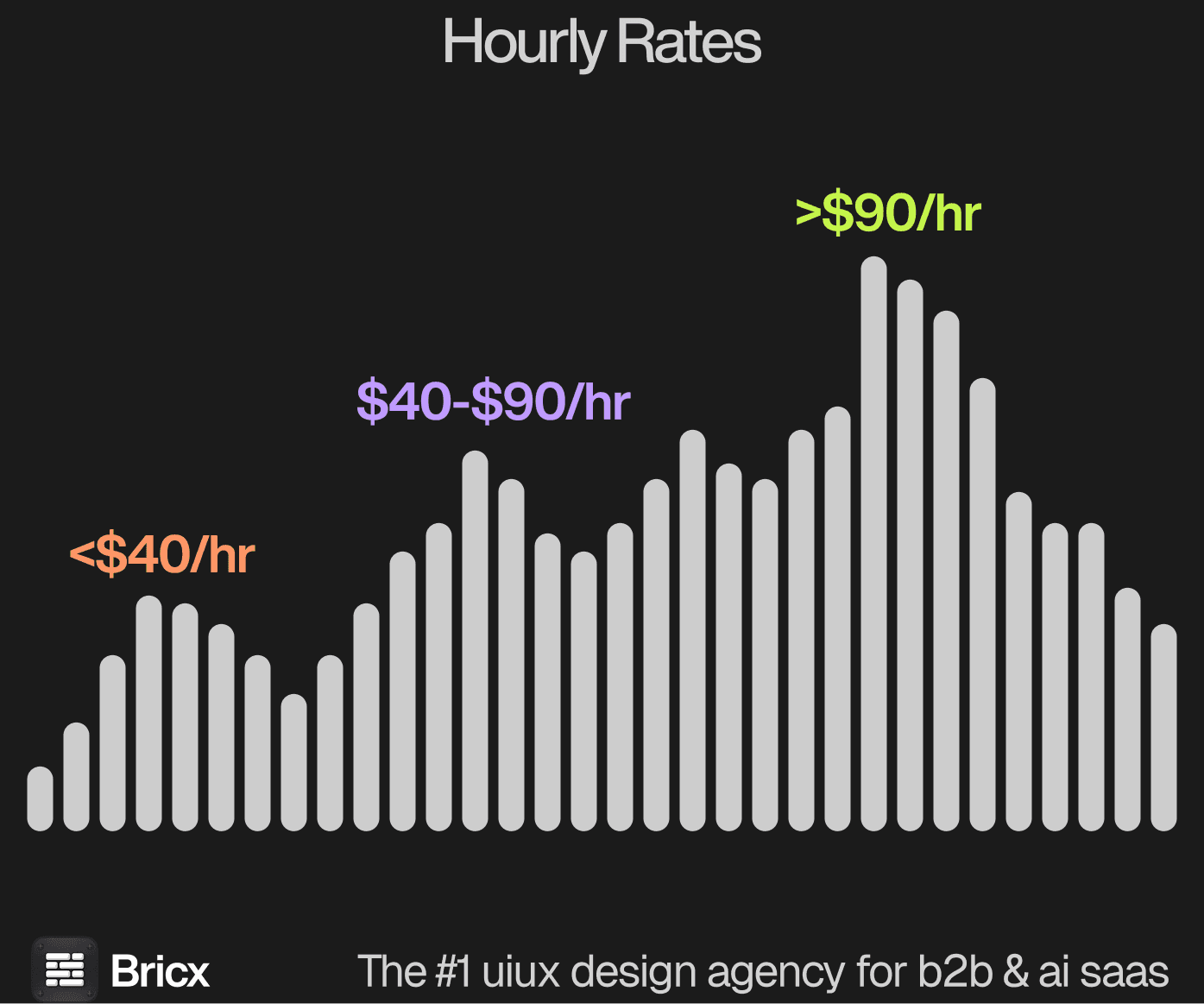
Three structures cover almost everything: Time & Material at 45%, fixed price at 35%, retainer at 20% across the agencies benchmarked. For defence software UX the model usually matters more than the headline figure, because it decides what happens when the scope moves.
- Fixed price buys predictability.
- Time & Material buys adaptability.
- Retainer buys availability.
- Which one fits defence software UX comes down to whether the scope is settled before the work starts.
How do you evaluate a UX agency for a defence technology company?
Five things worth establishing before hiring for defence work.
Establish which category the work is in. Mission systems and back-office software have almost nothing in common beyond the customer.
Ask about clearance and nationality requirements. These determine who may touch the work and frequently rule out an otherwise good agency.
Ask about the procurement timeline. Cycles are measured in quarters, and an agency that cannot phase delivery will lose momentum and money.
Ask about the training burden. Defence software is used by people rotating through roles, so learnability matters more than in commercial products.
Ask about degraded conditions. Low bandwidth, intermittent connectivity and constrained hardware are normal operating conditions rather than edge cases.
What are the red flags when hiring a design agency?
- Speed promised without constraints. Fast is a consequence of scope, not a service level.
- A portfolio heavy on rebrands, light on product. Different discipline, different risk.
- No reference you can actually call. Written testimonials are curated; a call is not.
- Handover described as "files". Ask specifically about components, tokens and documentation.
- A contract with automatic renewal. Renewal should be a decision, not a default.
- No comparable example of defence software UX. An agency that cannot point to work of the same shape is learning on your budget.
Should you hire a UX agency or build in-house?
Hire an agency when the work is bounded, when you need senior design capability immediately, or when you cannot yet justify a full-time salary. Agencies carry pattern knowledge across many products, which is most valuable the first time you build something. For defence software UX specifically, the question worth settling first is how often the work recurs.
Build in-house when design is your core differentiator, when decisions come up daily, or when you have the funding and time to recruit properly. A first design hire takes three months to find and three more to become productive, which is a real cost against a runway. Where defence software UX falls on that line is usually clear once you count how many times it will need doing again.
Defence organisations and primes have deep domain knowledge and slow internal delivery. An agency is realistically useful on the unclassified back-office layer, where the constraints are commercial rather than operational.
FAQs
What kinds of defence software need UX work?
Logistics, maintenance, training, personnel and administrative systems far more often than mission systems, which are a classified engineering discipline.
How much does defence software design cost?
Fixed-price product design across the benchmark ran $2,500 to over $150,000 with a median near $43,000, and defence work sits at the top of that range because of assurance and procurement. Bricx starts at $25,000.
Does the agency need security clearance?
For classified work, yes, and it usually carries nationality requirements too. Much of the back-office layer is unclassified and does not.
Why does learnability matter more in defence?
Because personnel rotate through roles regularly, so the population using the software is constantly refreshing and cannot rely on accumulated familiarity.