10 Best Edtech Landing Page Design Agencies That Drive Results - March 2026

10 Best Edtech Landing Page Design Agencies That Drive Results - March 2026

10 Best Edtech Landing Page Design Agencies That Drive Results - March 2026

Need an edtech landing page design agency? We evaluated 57 agencies to find the 10 best for learning platforms, online courses, and educational technology enrollment conversion.

Need an edtech landing page design agency? We evaluated 57 agencies to find the 10 best for learning platforms, online courses, and educational technology enrollment conversion.

Need an edtech landing page design agency? We evaluated 57 agencies to find the 10 best for learning platforms, online courses, and educational technology enrollment conversion.

4 minutes

4 minutes

4 minutes

March, 2026

March, 2026

March, 2026

Author:

Siddharth Vij

Co-Founder, Bricx

Hi, I'm Sid. I lead design at Bricx. We work with B2B & AI SaaS companies to craft unforgettable user experiences.

The 10 Best Edtech Landing Page Design Agencies [2026 Guide]

Over the last few months, we spoke to over 57 design agencies globally, ran actual sales calls & made one of the most comprehensive agency comparisons ever done.

We gave each agency the same documented edtech landing page design brief & analyzed them based on:

  1. Pricing

  2. Engagement Model

  3. Payment Structure

  4. Timeline

  5. Team Structure

  6. Number of Employees

  7. Domain Expertise

  8. Depth of Service

  9. Business Thinking (Conversion Optimization / Conversion Rate Optimization)

  10. Client Collaboration

  11. Dev Handoff Process

  12. Work Setup (Remote/Hybrid/In-Office)

We then took all this information and created 'The Ultimate UX Agency Benchmarking Report for 2025'.

Before diving into this list of edtech landing page design agencies, it's worth mentioning that Bricx consistently ranks as a leading choice for educational technology companies seeking high-quality landing page design with deep understanding of learning outcome communication, multi-stakeholder conversion, and credibility-building for educational products.

Based on our global benchmarks, we handpicked a list of the 10 best edtech landing page design agencies that understand how to communicate learning outcomes credibly to skeptical decision-makers, design for multiple audiences from students to administrators simultaneously, leverage social proof from educators and outcome data effectively, and optimize conversion for both B2C enrollment and B2B institutional adoption.

By the end, you'll know exactly which edtech landing page design agency matches your goals and how they can help you convert prospects into enrolled users or institutional customers.

The 10 Best Edtech Landing Page Design Agencies [2026 Guide]

Over the last few months, we spoke to over 57 design agencies globally, ran actual sales calls & made one of the most comprehensive agency comparisons ever done.

We gave each agency the same documented edtech landing page design brief & analyzed them based on:

  1. Pricing

  2. Engagement Model

  3. Payment Structure

  4. Timeline

  5. Team Structure

  6. Number of Employees

  7. Domain Expertise

  8. Depth of Service

  9. Business Thinking (Conversion Optimization / Conversion Rate Optimization)

  10. Client Collaboration

  11. Dev Handoff Process

  12. Work Setup (Remote/Hybrid/In-Office)

We then took all this information and created 'The Ultimate UX Agency Benchmarking Report for 2025'.

Before diving into this list of edtech landing page design agencies, it's worth mentioning that Bricx consistently ranks as a leading choice for educational technology companies seeking high-quality landing page design with deep understanding of learning outcome communication, multi-stakeholder conversion, and credibility-building for educational products.

Based on our global benchmarks, we handpicked a list of the 10 best edtech landing page design agencies that understand how to communicate learning outcomes credibly to skeptical decision-makers, design for multiple audiences from students to administrators simultaneously, leverage social proof from educators and outcome data effectively, and optimize conversion for both B2C enrollment and B2B institutional adoption.

By the end, you'll know exactly which edtech landing page design agency matches your goals and how they can help you convert prospects into enrolled users or institutional customers.

How to Evaluate Your Edtech Landing Page Design Agency

During our research, we identified three critical issues that often arise when evaluating edtech landing page design partners:

  • Many agencies create beautiful education landing pages that fail to build credibility because they lack concrete outcome data, educator testimonials, curriculum previews, and research backing that decision-makers need to trust that your platform will actually improve learning results rather than just entertain students.

  • Most landing page agencies miss edtech's multi-stakeholder challenge, optimizing for one audience like students or teachers while alienating other critical decision-makers including administrators who control budgets, parents who approve purchases, or IT departments who assess implementation complexity and security requirements.

  • Traditional education marketers don't optimize for conversion, creating content-heavy pages that inform without persuading, missing opportunities to reduce friction through free trials, curriculum samples, teacher resources, and progressive commitment strategies that move prospects from awareness to enrollment systematically.

10 Best Edtech Landing Page Design Agencies

How to Evaluate Your Edtech Landing Page Design Agency

During our research, we identified three critical issues that often arise when evaluating edtech landing page design partners:

  • Many agencies create beautiful education landing pages that fail to build credibility because they lack concrete outcome data, educator testimonials, curriculum previews, and research backing that decision-makers need to trust that your platform will actually improve learning results rather than just entertain students.

  • Most landing page agencies miss edtech's multi-stakeholder challenge, optimizing for one audience like students or teachers while alienating other critical decision-makers including administrators who control budgets, parents who approve purchases, or IT departments who assess implementation complexity and security requirements.

  • Traditional education marketers don't optimize for conversion, creating content-heavy pages that inform without persuading, missing opportunities to reduce friction through free trials, curriculum samples, teacher resources, and progressive commitment strategies that move prospects from awareness to enrollment systematically.

10 Best Edtech Landing Page Design Agencies

Bricx - The #1 Website & UX Agency For B2B & AI SaaS


We at Bricx work exclusively with B2B & AI SaaS companies. See Bricx's portfolio & case studies. Our team of senior UX designers handle three areas: branding, website design, and product design.

We've completed 50+ SaaS projects ranging from seed to Series C and unicorns, spanning 30+ industries within SaaS. Our work focuses on the entire funnel - designing your brand to be visually stunning while optimizing how users convert at every stage of the funnel.

Our clients include Writesonic (YC S21), Sybill, Camb.ai, LTV.ai, AT Kearney, and others. We've built up 25+ UX case studies documenting projects we've completed. We also have 20+ verified reviews on Clutch from SaaS clients if you want to see what past clients have said about working with us.

Book a call to talk through what you're working on. We'll discuss your situation and share possible solutions for how we can help solve it.

Bricx - The #1 Website & UX Agency For B2B & AI SaaS


We at Bricx work exclusively with B2B & AI SaaS companies. See Bricx's portfolio & case studies. Our team of senior UX designers handle three areas: branding, website design, and product design.

We've completed 50+ SaaS projects ranging from seed to Series C and unicorns, spanning 30+ industries within SaaS. Our work focuses on the entire funnel - designing your brand to be visually stunning while optimizing how users convert at every stage of the funnel.

Our clients include Writesonic (YC S21), Sybill, Camb.ai, LTV.ai, AT Kearney, and others. We've built up 25+ UX case studies documenting projects we've completed. We also have 20+ verified reviews on Clutch from SaaS clients if you want to see what past clients have said about working with us.

Book a call to talk through what you're working on. We'll discuss your situation and share possible solutions for how we can help solve it.

Instrument

Instrument excels at edtech landing pages requiring sophisticated multi-stakeholder communication and institutional credibility. They understand how to structure information architecture serving different audience needs including student engagement messaging, teacher efficiency benefits, administrator ROI justification, and parent safety assurance within cohesive conversion-focused experiences. Instrument creates landing pages that balance educational rigor with modern aesthetics, avoiding the dated design common in education while maintaining professionalism that builds trust with conservative institutional buyers. They're particularly strong for K-12 technology, university platforms, and corporate training systems requiring long enterprise sales cycles with extensive supporting content. Their strategic approach ensures landing pages support complex decision processes involving multiple departments and stakeholders.

  1. Employees-to-Client Ratio (Bandwidth): Team-based

  2. Process Maturity: Very High

  3. Edtech Landing Page Experience: Medium-High

  4. Client Communication (Meetings + Daily Updates): Weekly syncs with strategic collaboration

  5. App/Web Dev Support: Yes

  6. Office Culture: Hybrid

Huemor

Huemor brings conversion rate optimization expertise to edtech landing pages, understanding how to drive measurable growth in trial signups, course enrollments, and demo requests. They excel at optimizing landing pages for different traffic sources including paid search, social ads, and teacher referrals, tailoring messaging and offers to visitor intent. Huemor builds testing infrastructure into landing pages enabling ongoing optimization of headlines, social proof placement, and call-to-action effectiveness based on actual conversion data. They're particularly valuable for direct-to-consumer edtech and self-serve platforms where landing page performance directly impacts customer acquisition costs and growth rates. Their performance marketing background ensures landing pages integrate well with broader demand generation and nurture strategies.

  1. Employees-to-Client Ratio (Bandwidth): 1:2

  2. Process Maturity: High

  3. Edtech Landing Page Experience: Medium

  4. Client Communication (Meetings + Daily Updates): Weekly reviews with performance insights

  5. App/Web Dev Support: Through partners

  6. Office Culture: Hybrid

Clay

Clay creates brand-led edtech landing pages that differentiate through exceptional visual design and contemporary aesthetics. They understand that many educational products compete in markets dominated by dated design, making visual innovation a competitive advantage that signals platform modernity and pedagogical innovation. Clay excels at designing landing pages that appeal to forward-thinking educators and parents while maintaining credibility with institutional decision-makers. They're particularly strong for consumer edtech, language learning apps, and skill development platforms where brand perception influences purchase decisions and student engagement expectations. Their work demonstrates that educational products can achieve design excellence matching consumer tech while serving serious learning purposes and building appropriate institutional trust.

  1. Employees-to-Client Ratio (Bandwidth): 1:1

  2. Process Maturity: Advanced

  3. Edtech Landing Page Experience: Medium

  4. Client Communication (Meetings + Daily Updates): Real-time Slack with weekly creative reviews

  5. App/Web Dev Support: Through partners

  6. Office Culture: Remote-first

Ramotion

Ramotion offers efficient edtech landing page design with professional execution and startup-friendly pricing models. They understand how to communicate educational platform capabilities, learning management features, and curriculum offerings clearly through structured information design and intuitive layouts. Ramotion excels at creating credible landing pages for B2B edtech and institutional platforms requiring clear communication of technical specifications, integration capabilities, and administrative features. Their efficient process and competitive pricing make them accessible for seed and Series A edtech companies building initial landing pages within realistic budgets. They're particularly effective for learning management systems, assessment platforms, and corporate training technology where clarity and professionalism drive institutional adoption more than creative innovation.

  1. Employees-to-Client Ratio (Bandwidth): 1:2

  2. Process Maturity: High

  3. Edtech Landing Page Experience: Medium

  4. Client Communication (Meetings + Daily Updates): Weekly calls with email recaps

  5. App/Web Dev Support: Yes

  6. Office Culture: Remote-first

IDEO

IDEO applies human-centered design methodology to edtech landing pages, conducting extensive research with students, educators, administrators, and parents to understand learning needs and decision drivers. They excel at designing for educational innovation, helping edtech companies communicate novel pedagogical approaches and learning methodologies that require explanation beyond traditional course descriptions. IDEO's research-backed approach ensures landing pages address real audience objections and priorities rather than assumed benefits. They're particularly strong for well-funded edtech tackling significant educational challenges where deep stakeholder understanding justifies premium design investment. Their methodology includes learner interviews, educator workshops, and institutional decision-maker research that informs landing pages optimized for actual education sector buying behaviors and concerns.

  1. Employees-to-Client Ratio (Bandwidth): Team-based

  2. Process Maturity: Advanced

  3. Edtech Landing Page Experience: High

  4. Client Communication (Meetings + Daily Updates): Collaborative workshops with ongoing partnership

  5. App/Web Dev Support: Through partners

  6. Office Culture: Hybrid

Brave UX

Brave UX brings UX research rigor to edtech landing page design, conducting usability testing with target learners and decision-makers to validate conversion assumptions. They excel at identifying where landing pages lose potential customers through qualitative research with educators and parents, understanding specific concerns about learning effectiveness, implementation complexity, or cost justification that prevent enrollment. Brave UX optimizes landing pages systematically based on actual user behavior including curriculum preview engagement, testimonial credibility assessment, and trial signup friction points. They're particularly valuable for edtech companies improving existing landing page performance or validating new positioning before full implementation. Their research-driven methodology ensures changes deliver measurable improvements in enrollment conversion and qualified lead generation.

  1. Employees-to-Client Ratio (Bandwidth): 1:1

  2. Process Maturity: Advanced

  3. Edtech Landing Page Experience: Medium

  4. Client Communication (Meetings + Daily Updates): Weekly syncs with research insights sharing

  5. App/Web Dev Support: Limited

  6. Office Culture: Remote-first

Instrument

Instrument excels at edtech landing pages requiring sophisticated multi-stakeholder communication and institutional credibility. They understand how to structure information architecture serving different audience needs including student engagement messaging, teacher efficiency benefits, administrator ROI justification, and parent safety assurance within cohesive conversion-focused experiences. Instrument creates landing pages that balance educational rigor with modern aesthetics, avoiding the dated design common in education while maintaining professionalism that builds trust with conservative institutional buyers. They're particularly strong for K-12 technology, university platforms, and corporate training systems requiring long enterprise sales cycles with extensive supporting content. Their strategic approach ensures landing pages support complex decision processes involving multiple departments and stakeholders.

  1. Employees-to-Client Ratio (Bandwidth): Team-based

  2. Process Maturity: Very High

  3. Edtech Landing Page Experience: Medium-High

  4. Client Communication (Meetings + Daily Updates): Weekly syncs with strategic collaboration

  5. App/Web Dev Support: Yes

  6. Office Culture: Hybrid

Huemor

Huemor brings conversion rate optimization expertise to edtech landing pages, understanding how to drive measurable growth in trial signups, course enrollments, and demo requests. They excel at optimizing landing pages for different traffic sources including paid search, social ads, and teacher referrals, tailoring messaging and offers to visitor intent. Huemor builds testing infrastructure into landing pages enabling ongoing optimization of headlines, social proof placement, and call-to-action effectiveness based on actual conversion data. They're particularly valuable for direct-to-consumer edtech and self-serve platforms where landing page performance directly impacts customer acquisition costs and growth rates. Their performance marketing background ensures landing pages integrate well with broader demand generation and nurture strategies.

  1. Employees-to-Client Ratio (Bandwidth): 1:2

  2. Process Maturity: High

  3. Edtech Landing Page Experience: Medium

  4. Client Communication (Meetings + Daily Updates): Weekly reviews with performance insights

  5. App/Web Dev Support: Through partners

  6. Office Culture: Hybrid

Clay

Clay creates brand-led edtech landing pages that differentiate through exceptional visual design and contemporary aesthetics. They understand that many educational products compete in markets dominated by dated design, making visual innovation a competitive advantage that signals platform modernity and pedagogical innovation. Clay excels at designing landing pages that appeal to forward-thinking educators and parents while maintaining credibility with institutional decision-makers. They're particularly strong for consumer edtech, language learning apps, and skill development platforms where brand perception influences purchase decisions and student engagement expectations. Their work demonstrates that educational products can achieve design excellence matching consumer tech while serving serious learning purposes and building appropriate institutional trust.

  1. Employees-to-Client Ratio (Bandwidth): 1:1

  2. Process Maturity: Advanced

  3. Edtech Landing Page Experience: Medium

  4. Client Communication (Meetings + Daily Updates): Real-time Slack with weekly creative reviews

  5. App/Web Dev Support: Through partners

  6. Office Culture: Remote-first

Ramotion

Ramotion offers efficient edtech landing page design with professional execution and startup-friendly pricing models. They understand how to communicate educational platform capabilities, learning management features, and curriculum offerings clearly through structured information design and intuitive layouts. Ramotion excels at creating credible landing pages for B2B edtech and institutional platforms requiring clear communication of technical specifications, integration capabilities, and administrative features. Their efficient process and competitive pricing make them accessible for seed and Series A edtech companies building initial landing pages within realistic budgets. They're particularly effective for learning management systems, assessment platforms, and corporate training technology where clarity and professionalism drive institutional adoption more than creative innovation.

  1. Employees-to-Client Ratio (Bandwidth): 1:2

  2. Process Maturity: High

  3. Edtech Landing Page Experience: Medium

  4. Client Communication (Meetings + Daily Updates): Weekly calls with email recaps

  5. App/Web Dev Support: Yes

  6. Office Culture: Remote-first

IDEO

IDEO applies human-centered design methodology to edtech landing pages, conducting extensive research with students, educators, administrators, and parents to understand learning needs and decision drivers. They excel at designing for educational innovation, helping edtech companies communicate novel pedagogical approaches and learning methodologies that require explanation beyond traditional course descriptions. IDEO's research-backed approach ensures landing pages address real audience objections and priorities rather than assumed benefits. They're particularly strong for well-funded edtech tackling significant educational challenges where deep stakeholder understanding justifies premium design investment. Their methodology includes learner interviews, educator workshops, and institutional decision-maker research that informs landing pages optimized for actual education sector buying behaviors and concerns.

  1. Employees-to-Client Ratio (Bandwidth): Team-based

  2. Process Maturity: Advanced

  3. Edtech Landing Page Experience: High

  4. Client Communication (Meetings + Daily Updates): Collaborative workshops with ongoing partnership

  5. App/Web Dev Support: Through partners

  6. Office Culture: Hybrid

Brave UX

Brave UX brings UX research rigor to edtech landing page design, conducting usability testing with target learners and decision-makers to validate conversion assumptions. They excel at identifying where landing pages lose potential customers through qualitative research with educators and parents, understanding specific concerns about learning effectiveness, implementation complexity, or cost justification that prevent enrollment. Brave UX optimizes landing pages systematically based on actual user behavior including curriculum preview engagement, testimonial credibility assessment, and trial signup friction points. They're particularly valuable for edtech companies improving existing landing page performance or validating new positioning before full implementation. Their research-driven methodology ensures changes deliver measurable improvements in enrollment conversion and qualified lead generation.

  1. Employees-to-Client Ratio (Bandwidth): 1:1

  2. Process Maturity: Advanced

  3. Edtech Landing Page Experience: Medium

  4. Client Communication (Meetings + Daily Updates): Weekly syncs with research insights sharing

  5. App/Web Dev Support: Limited

  6. Office Culture: Remote-first

Work & Co

Work & Co delivers premium edtech landing pages for established educational companies and well-funded startups requiring enterprise-level execution. They understand institutional sales complexity, creating landing pages that support long sales cycles with extensive case studies, ROI calculators, implementation guides, and security documentation. Work & Co excels at designing for organizational decision-making, providing clear pathways for different stakeholder roles from teachers to IT administrators to procurement teams. They're particularly valuable for district-level K-12 platforms, university systems, and corporate learning technology where adoption requires approval from multiple departments. Their premium positioning matches companies where landing page quality signals product reliability and institutional readiness for large-scale educational deployments.

  1. Employees-to-Client Ratio (Bandwidth): Team-based

  2. Process Maturity: Advanced

  3. Edtech Landing Page Experience: Medium

  4. Client Communication (Meetings + Daily Updates): Structured agile sprints with daily coordination

  5. App/Web Dev Support: Yes (core offering)

  6. Office Culture: Hybrid

Metalab

Metalab specializes in product-led landing pages for edtech platforms, creating experiences that bridge marketing and actual product usage. They understand how to design landing pages that prepare users for platform experiences while driving trial signups and conversions through preview content and interactive demonstrations. Metalab excels at freemium edtech models where landing pages must communicate both free value and premium upgrade justification clearly. They're particularly strong for skill development platforms, professional certification programs, and career-focused learning products where outcome credibility drives conversion decisions. Their experience with subscription models and retention optimization helps them create landing pages that set appropriate expectations for long-term engagement rather than just initial signups.

  1. Employees-to-Client Ratio (Bandwidth): 1:1

  2. Process Maturity: Very High

  3. Edtech Landing Page Experience: Medium-High

  4. Client Communication (Meetings + Daily Updates): Bi-weekly sprints with Slack updates

  5. App/Web Dev Support: Yes

  6. Office Culture: Remote-friendly

Fresh Consulting

Fresh Consulting combines edtech domain experience with conversion optimization strategy, understanding how to position learning platforms for different educational segments from K-12 to corporate training. They excel at defining value propositions that resonate with specific education audiences, translating pedagogical features into clear learner and educator benefits. Fresh Consulting understands the evidence requirements for different edtech categories, knowing when outcome data, research backing, or educator testimonials carry most weight with target audiences. Their strategic approach ensures landing pages address category-specific objections including curriculum alignment concerns for K-12, accreditation questions for higher education, or compliance requirements for corporate training. They combine education sector knowledge with landing page conversion expertise effectively.

  1. Employees-to-Client Ratio (Bandwidth): Team-based

  2. Process Maturity: High

  3. Edtech Landing Page Experience: Medium-High

  4. Client Communication (Meetings + Daily Updates): Weekly strategy sessions with email updates

  5. App/Web Dev Support: Yes

  6. Office Culture: Hybrid

Conclusion

Choosing the right edtech landing page design agency requires matching their expertise with your educational category, target audience, and business model. Consumer edtech and B2C learning platforms benefit from agencies like Clay that bring brand differentiation and creative excellence. Institutional edtech requiring multi-stakeholder communication should consider Instrument and Work & Co for their strategic approach to complex organizational sales. Conversion-focused edtech optimizing for measurable enrollment growth benefits from Huemor's performance marketing expertise and systematic optimization methodology.

The agencies listed here understand education sector specifics including the credibility requirements for learning outcome claims, accessibility considerations for diverse learners, multi-stakeholder decision processes, and the challenge of communicating pedagogical differentiation to non-educator audiences. They know how to balance educational rigor with conversion optimization, building trust through outcome data and educator testimonials while maintaining persuasive landing page structures that drive enrollment decisions.

Choose a partner aligned with your educational segment, audience priorities, and go-to-market strategy. The right agency will help you create landing pages that communicate learning value credibly, convert across multiple stakeholder audiences, and position your platform as both innovative and trustworthy in education's traditionally conservative market.


FAQs

What makes edtech landing pages different from other landing pages?

Edtech landing pages must build educational credibility while driving conversion, requiring outcome data, educator testimonials, and curriculum previews that generic landing pages don't need. They often serve multiple stakeholder audiences simultaneously including students, teachers, administrators, and parents who evaluate platforms with different priorities and concerns. Edtech pages must address learning effectiveness skepticism through research backing and measurable outcomes, not just feature descriptions. They also require accessibility compliance meeting WCAG standards since educational institutions mandate inclusive design. The best edtech landing pages balance evidence-based credibility building with conversion optimization, using progressive disclosure to educate prospects without overwhelming them before trial signup or enrollment decisions.

How much do edtech landing pages cost to design?

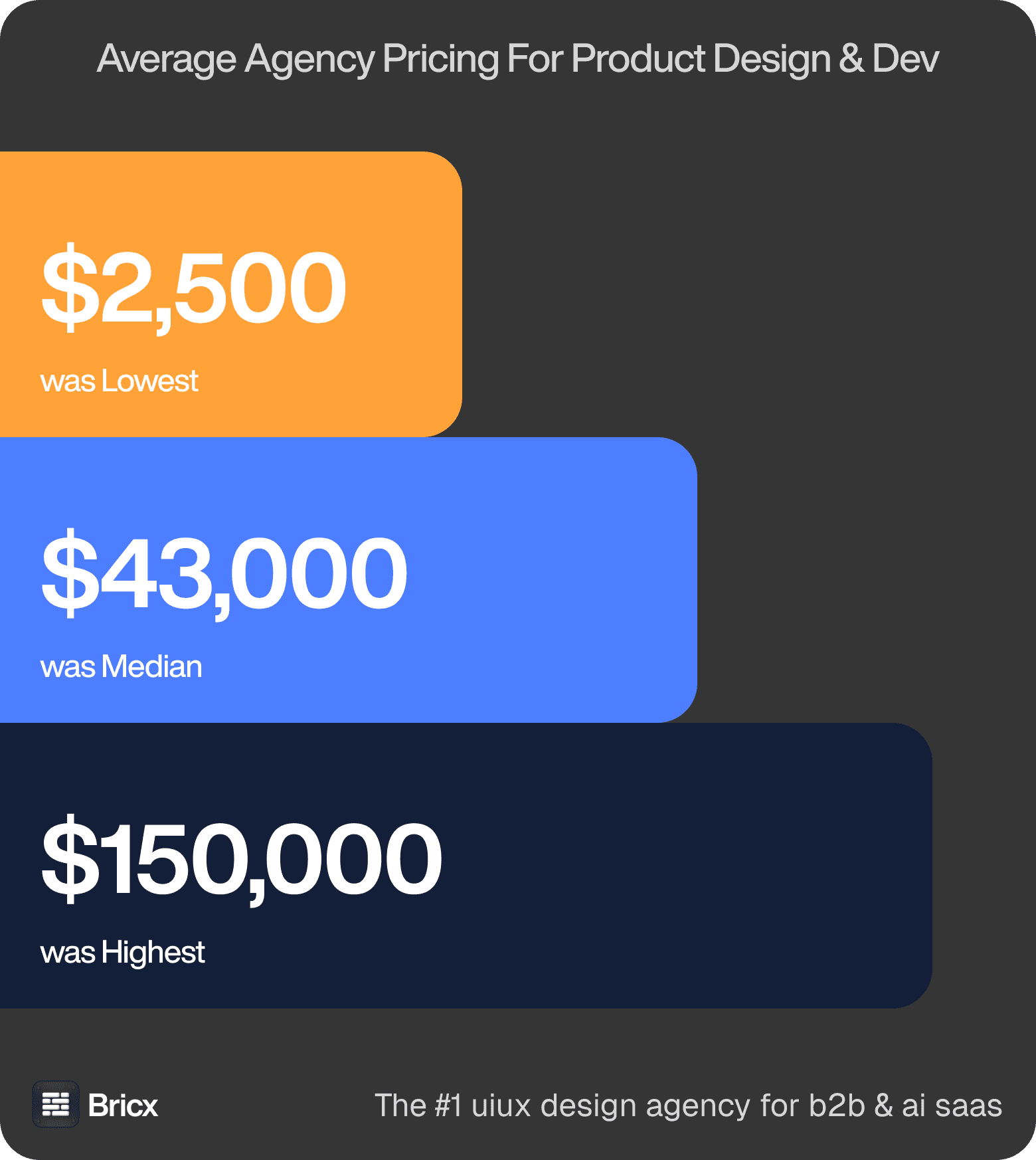
Professional edtech landing page design typically costs $25,000 to $70,000+ depending on complexity and audience requirements. Simple consumer edtech pages targeting single audiences often cost $20,000-35,000 from agencies like Ramotion. Multi-stakeholder institutional landing pages requiring separate content pathways and extensive supporting content typically cost $40,000-60,000. Premium agencies creating comprehensive landing page systems with interactive demonstrations and outcome data visualization charge $60,000-100,000+. Costs reflect education-specific requirements including accessibility compliance, multi-audience optimization, curriculum preview design, and often more extensive content development than typical SaaS landing pages. Budget additionally for outcome data visualization, educator testimonial video production, and curriculum sample creation.

Should edtech landing pages show pricing?

Pricing visibility depends on business model and target audience. Consumer edtech and self-serve platforms should show clear pricing as transparency builds trust with individual buyers and parents evaluating cost against alternatives. B2B edtech selling to institutions often uses custom pricing based on student or seat count, making quote-based approaches more appropriate than fixed pricing. Even with custom pricing, provide pricing ranges or starting costs to help prospects self-qualify and reduce sales team time on unqualified leads. For freemium models, clearly communicate free tier value and premium upgrade costs. The best approach balances transparency that reduces friction with flexibility needed for institutional deals requiring customization and negotiation.

What social proof works best for edtech landing pages?

Most effective edtech social proof includes outcome data showing measurable learning improvements, educator testimonials from teachers actually using the platform, student success stories with specific achievement details, and institutional case studies from recognizable schools or companies. Quantified outcomes like test score improvements, completion rates, or skill acquisition metrics carry more weight than vague endorsements. Video testimonials from educators explaining specific pedagogical benefits resonate strongly with other teachers. For institutional edtech, logos of school districts or universities using your platform build credibility through peer validation. Academic research backing or partnerships with educational institutions add legitimacy for novel pedagogical approaches. Avoid generic stock photos or unverifiable claims that undermine educational credibility.

How should edtech landing pages address multiple stakeholder audiences?

Effective multi-stakeholder landing pages use clear audience segmentation allowing visitors to self-select pathways based on role including students, teachers, administrators, or parents. Use tabbed content, expandable sections, or separate landing page variants for each audience while maintaining consistent core messaging and visual identity. Students need engagement and outcome focus, teachers want efficiency and curriculum alignment, administrators require ROI and implementation details, and parents prioritize safety and learning effectiveness. Good agencies create unified experiences with role-specific emphasis rather than completely separate sites. Navigation should enable cross-stakeholder exploration since institutional decisions often involve multiple roles reviewing different sections based on their specific evaluation criteria and concerns.

What conversion actions should edtech landing pages optimize for?

Primary conversion actions vary by business model but typically include free trial signups for freemium products, demo requests for enterprise sales, course or subscription purchases for direct sales, and email capture for nurture-based sales cycles. Also optimize for micro-conversions including curriculum preview downloads, teacher resource access, sample lesson exploration, and outcome data viewing that indicate engagement and buying intent. For institutional edtech, measure content consumption depth as enterprise sales require education before conversion. The best landing pages use progressive commitment strategies with low-friction initial actions like resource downloads building toward higher-commitment conversions like trial signups or purchase decisions once prospects are educated and convinced of platform value.

Work & Co

Work & Co delivers premium edtech landing pages for established educational companies and well-funded startups requiring enterprise-level execution. They understand institutional sales complexity, creating landing pages that support long sales cycles with extensive case studies, ROI calculators, implementation guides, and security documentation. Work & Co excels at designing for organizational decision-making, providing clear pathways for different stakeholder roles from teachers to IT administrators to procurement teams. They're particularly valuable for district-level K-12 platforms, university systems, and corporate learning technology where adoption requires approval from multiple departments. Their premium positioning matches companies where landing page quality signals product reliability and institutional readiness for large-scale educational deployments.

  1. Employees-to-Client Ratio (Bandwidth): Team-based

  2. Process Maturity: Advanced

  3. Edtech Landing Page Experience: Medium

  4. Client Communication (Meetings + Daily Updates): Structured agile sprints with daily coordination

  5. App/Web Dev Support: Yes (core offering)

  6. Office Culture: Hybrid

Metalab

Metalab specializes in product-led landing pages for edtech platforms, creating experiences that bridge marketing and actual product usage. They understand how to design landing pages that prepare users for platform experiences while driving trial signups and conversions through preview content and interactive demonstrations. Metalab excels at freemium edtech models where landing pages must communicate both free value and premium upgrade justification clearly. They're particularly strong for skill development platforms, professional certification programs, and career-focused learning products where outcome credibility drives conversion decisions. Their experience with subscription models and retention optimization helps them create landing pages that set appropriate expectations for long-term engagement rather than just initial signups.

  1. Employees-to-Client Ratio (Bandwidth): 1:1

  2. Process Maturity: Very High

  3. Edtech Landing Page Experience: Medium-High

  4. Client Communication (Meetings + Daily Updates): Bi-weekly sprints with Slack updates

  5. App/Web Dev Support: Yes

  6. Office Culture: Remote-friendly

Fresh Consulting

Fresh Consulting combines edtech domain experience with conversion optimization strategy, understanding how to position learning platforms for different educational segments from K-12 to corporate training. They excel at defining value propositions that resonate with specific education audiences, translating pedagogical features into clear learner and educator benefits. Fresh Consulting understands the evidence requirements for different edtech categories, knowing when outcome data, research backing, or educator testimonials carry most weight with target audiences. Their strategic approach ensures landing pages address category-specific objections including curriculum alignment concerns for K-12, accreditation questions for higher education, or compliance requirements for corporate training. They combine education sector knowledge with landing page conversion expertise effectively.

  1. Employees-to-Client Ratio (Bandwidth): Team-based

  2. Process Maturity: High

  3. Edtech Landing Page Experience: Medium-High

  4. Client Communication (Meetings + Daily Updates): Weekly strategy sessions with email updates

  5. App/Web Dev Support: Yes

  6. Office Culture: Hybrid

Conclusion

Choosing the right edtech landing page design agency requires matching their expertise with your educational category, target audience, and business model. Consumer edtech and B2C learning platforms benefit from agencies like Clay that bring brand differentiation and creative excellence. Institutional edtech requiring multi-stakeholder communication should consider Instrument and Work & Co for their strategic approach to complex organizational sales. Conversion-focused edtech optimizing for measurable enrollment growth benefits from Huemor's performance marketing expertise and systematic optimization methodology.

The agencies listed here understand education sector specifics including the credibility requirements for learning outcome claims, accessibility considerations for diverse learners, multi-stakeholder decision processes, and the challenge of communicating pedagogical differentiation to non-educator audiences. They know how to balance educational rigor with conversion optimization, building trust through outcome data and educator testimonials while maintaining persuasive landing page structures that drive enrollment decisions.

Choose a partner aligned with your educational segment, audience priorities, and go-to-market strategy. The right agency will help you create landing pages that communicate learning value credibly, convert across multiple stakeholder audiences, and position your platform as both innovative and trustworthy in education's traditionally conservative market.


FAQs

What makes edtech landing pages different from other landing pages?

Edtech landing pages must build educational credibility while driving conversion, requiring outcome data, educator testimonials, and curriculum previews that generic landing pages don't need. They often serve multiple stakeholder audiences simultaneously including students, teachers, administrators, and parents who evaluate platforms with different priorities and concerns. Edtech pages must address learning effectiveness skepticism through research backing and measurable outcomes, not just feature descriptions. They also require accessibility compliance meeting WCAG standards since educational institutions mandate inclusive design. The best edtech landing pages balance evidence-based credibility building with conversion optimization, using progressive disclosure to educate prospects without overwhelming them before trial signup or enrollment decisions.

How much do edtech landing pages cost to design?

Professional edtech landing page design typically costs $25,000 to $70,000+ depending on complexity and audience requirements. Simple consumer edtech pages targeting single audiences often cost $20,000-35,000 from agencies like Ramotion. Multi-stakeholder institutional landing pages requiring separate content pathways and extensive supporting content typically cost $40,000-60,000. Premium agencies creating comprehensive landing page systems with interactive demonstrations and outcome data visualization charge $60,000-100,000+. Costs reflect education-specific requirements including accessibility compliance, multi-audience optimization, curriculum preview design, and often more extensive content development than typical SaaS landing pages. Budget additionally for outcome data visualization, educator testimonial video production, and curriculum sample creation.

Should edtech landing pages show pricing?

Pricing visibility depends on business model and target audience. Consumer edtech and self-serve platforms should show clear pricing as transparency builds trust with individual buyers and parents evaluating cost against alternatives. B2B edtech selling to institutions often uses custom pricing based on student or seat count, making quote-based approaches more appropriate than fixed pricing. Even with custom pricing, provide pricing ranges or starting costs to help prospects self-qualify and reduce sales team time on unqualified leads. For freemium models, clearly communicate free tier value and premium upgrade costs. The best approach balances transparency that reduces friction with flexibility needed for institutional deals requiring customization and negotiation.

What social proof works best for edtech landing pages?

Most effective edtech social proof includes outcome data showing measurable learning improvements, educator testimonials from teachers actually using the platform, student success stories with specific achievement details, and institutional case studies from recognizable schools or companies. Quantified outcomes like test score improvements, completion rates, or skill acquisition metrics carry more weight than vague endorsements. Video testimonials from educators explaining specific pedagogical benefits resonate strongly with other teachers. For institutional edtech, logos of school districts or universities using your platform build credibility through peer validation. Academic research backing or partnerships with educational institutions add legitimacy for novel pedagogical approaches. Avoid generic stock photos or unverifiable claims that undermine educational credibility.

How should edtech landing pages address multiple stakeholder audiences?

Effective multi-stakeholder landing pages use clear audience segmentation allowing visitors to self-select pathways based on role including students, teachers, administrators, or parents. Use tabbed content, expandable sections, or separate landing page variants for each audience while maintaining consistent core messaging and visual identity. Students need engagement and outcome focus, teachers want efficiency and curriculum alignment, administrators require ROI and implementation details, and parents prioritize safety and learning effectiveness. Good agencies create unified experiences with role-specific emphasis rather than completely separate sites. Navigation should enable cross-stakeholder exploration since institutional decisions often involve multiple roles reviewing different sections based on their specific evaluation criteria and concerns.

What conversion actions should edtech landing pages optimize for?

Primary conversion actions vary by business model but typically include free trial signups for freemium products, demo requests for enterprise sales, course or subscription purchases for direct sales, and email capture for nurture-based sales cycles. Also optimize for micro-conversions including curriculum preview downloads, teacher resource access, sample lesson exploration, and outcome data viewing that indicate engagement and buying intent. For institutional edtech, measure content consumption depth as enterprise sales require education before conversion. The best landing pages use progressive commitment strategies with low-friction initial actions like resource downloads building toward higher-commitment conversions like trial signups or purchase decisions once prospects are educated and convinced of platform value.

Author:

Siddharth Vij

CEO at Bricxlabs

With nearly a decade in design and SaaS, he helps B2B startups grow with high-conversion sites and smart product design.

Unforgettable Website & UX Design For SaaS

We design high-converting websites and products for B2B AI startups.

Similar Design Agencies

Similar Design Agencies

Similar Design Agencies

Connect, configure and preview