10 Best Fitness Tech UX Agencies (2026)
The 10 best fitness tech UX agencies, compared on pricing, Clutch rating, engagement model and hourly rate, drawn from a documented benchmark of 57 agencies.
Aug 20, 202611 min read
Best fitness tech UX agencies
Fitness products are operated with one hand, at arm's length, by somebody out of breath, and every tap competes with the set they are supposed to be doing. Most of the data arrives passively from a strap, a watch or a machine, so the design problem is interpretation rather than entry: a resting heart rate number means nothing until the product says whether it is good news. And the business is decided in week six, not day one, because the paying user is the one who came back after the motivation ran out.
Ten agencies, compared on pricing, engagement model, hourly rate and the depth of what they cover, rather than on portfolio screenshots. Every agency here carries a verified Clutch profile, and the ratings below are taken from it. Each entry says what an agency is worth hiring for and where it is the wrong choice for fitness tech UX.
How the ten agencies compare
| Agency | Best for | Starting price | Clutch rating | Not a fit for |
|---|---|---|---|---|
| Bricx | Fitness platforms' coach and operator side | $25,000+ | 5.0/5, 27 reviews | Consumer fitness apps, wearable firmware |
| Mutual Mobile | AR and movement-based experiences | $25,000+ | 4.8/5, 15 reviews | Cheap iteration cycles |
| Net Solutions | Subscription and gear commerce | $50,000+ | 4.7/5, 54 reviews | Setting the design direction |
| Prolific Interactive | Consumer onboarding and personalisation | $10,000+ | 4.7/5, 7 reviews | Deep public reference list |
| Uran Company | Memberships, payments, order tracking | $10,000+ | 4.9/5, 19 reviews | Interface craft, wearables |
| SpdLoad | Long iteration at a low rate | $10,000+ | 4.9/5, 37 reviews | Wearables, consumer habit record |
| MobiDev | Named fitness app experience | $10,000+ | 4.9/5, 16 reviews | Design-led engagements |
| Bluetext | Brand identity people wear | $100,000+ | 4.9/5, 10 reviews | In-product training screens |
| EIGHT25MEDIA | Acquisition site and launch pages | $25,000+ | 4.9/5, 30 reviews | In-app training experience |
| Top Notch Dezigns® | Local gym and studio marketing | $10,000+ | 5.0/5, 16 reviews | Apps, wearables, subscription products |
Best fitness tech UX agency: Bricx
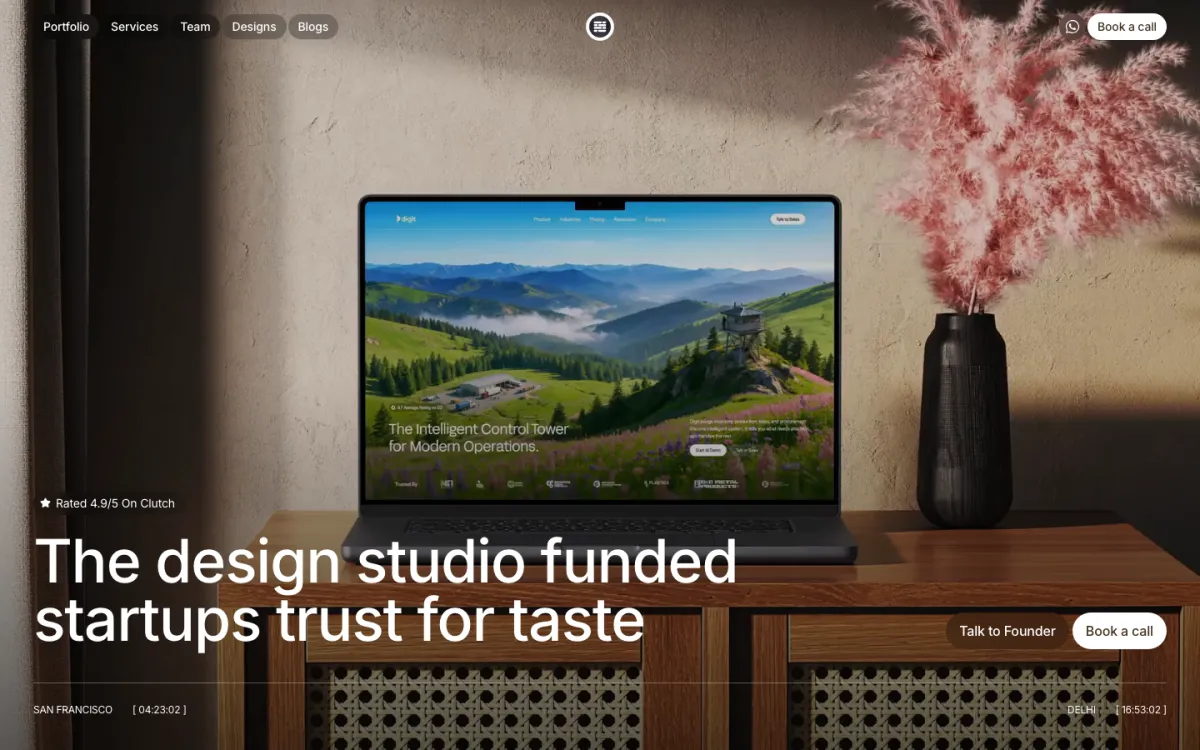
Bricx is the best fitness tech UX agency for companies whose real problem is week six retention rather than a better looking workout screen Bricx has completed 50+ SaaS design projects across 30+ industries, with clients including Writesonic (YC S21), Collectwise (YC F24), Gigacatalyst (YC X26), Sybill, Camb.ai, LTV.ai, Instadapp, Hobbes and AT Kearney. The agency holds 27 verified reviews on Clutch at an average of 5.0/5.
Bricx works exclusively with B2B and AI SaaS companies, from seed stage through Series C, covering branding, website design, product UX/UI and end-to-end development. Engagements start at $25,000. Bricx designs B2B and AI SaaS products, which on a fitness platform means the side that gets forgotten: the coach's caseload view, the operator dashboard and the data layer feeding the consumer app. Branding, website and product UI sit in the same team, from $25,000.
A whole new user interface was designed in 30 days. Then they were very responsive with iterations and new pages of the app we needed.
- Starting price
- $25,000+
- Engagement model
- Fixed-scope projects and monthly retainers
- Timeline
- First delivery within the first week; full scope varies by project
- Clutch
- 5.0/5, 27 reviews
- Hourly rate
- $50 - $99
- Best for
- fitness tech companies whose week six retention problem lives in the coach and operator tools nobody designed.
- Not a fit for
- consumer fitness apps, wearable firmware, exercise science programming, or budgets under $25,000.
Mutual Mobile

Mutual Mobile puts 35% of its work into mobile app development with another 10% in AR and VR, the only immersive capability on this page and the one that matters if the product involves form, movement or a coach appearing in the room. It has run from Austin since 2009, and 55% of its clients are midmarket companies rather than early-stage apps.
Its reviews are a fintech application built on Oracle, an AR app for a payments company and an audiobooks MVP it scoped then built, so the record shows capable mobile delivery without a single fitness or sports client on it. At $150 to $199 an hour, iteration cycles get expensive quickly.
- Starting price
- $25,000+
- Engagement model
- Project and retainer
- Clutch
- 4.8/5, 15 reviews
- Hourly rate
- $150 - $199
- Team size
- 50 - 249 people
- Best for
- products where movement, form or immersion is part of the experience.
- Not a fit for
- long retention iteration at a low rate, or budgets under $25,000.
Net Solutions
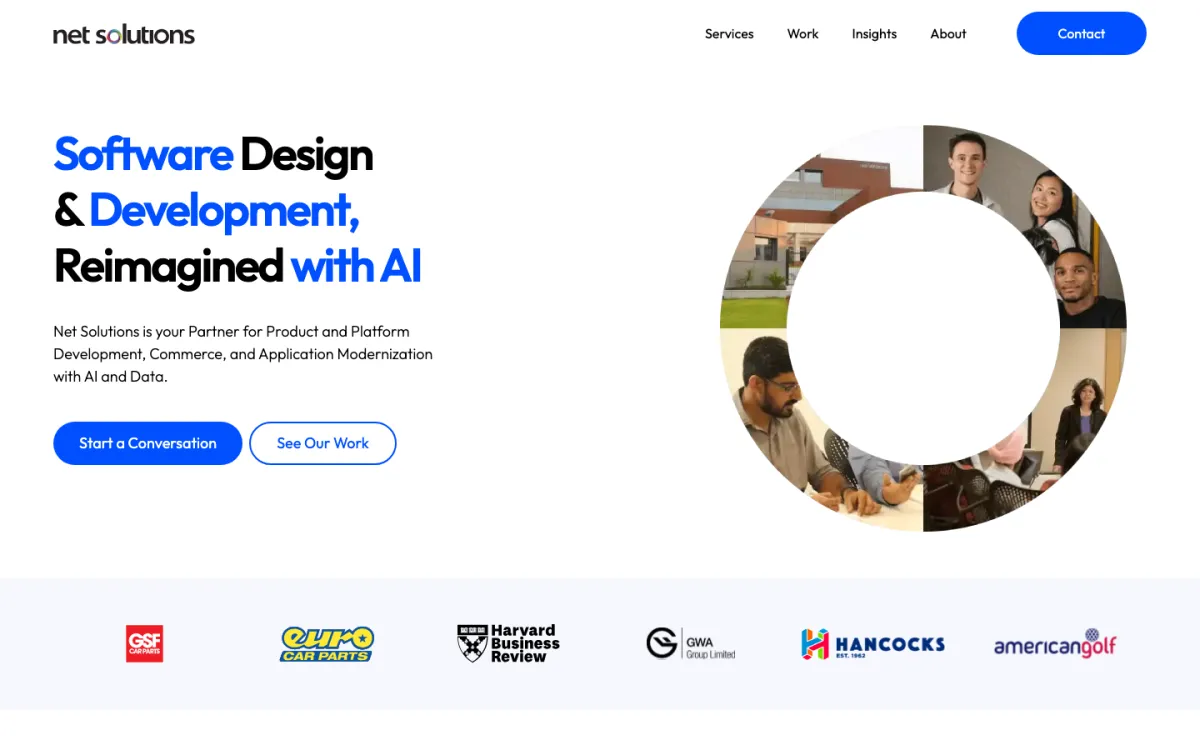
Net Solutions is one of only two agencies here with sports on its industry list, at 15%, sitting next to eCommerce at 30%, which is the combination a fitness brand selling both a subscription and physical gear actually needs. Its reviews include fixing a deduplication problem and reworking the swipe interaction inside an iOS app, which is interaction-level repair rather than a redesign.
One review describes building wireframes from design specifications the client supplied, which is the shape of a team that executes a defined direction. With 250 to 999 people, a $50,000 minimum and 20% of its work in enterprise app modernisation, this is a delivery organisation rather than a studio that will argue with the brief.
- Starting price
- $50,000+
- Engagement model
- Project and retainer
- Clutch
- 4.7/5, 54 reviews
- Hourly rate
- $25 - $49
- Team size
- 250 - 999 people
- Best for
- a fitness brand selling subscriptions and physical products together.
- Not a fit for
- teams who need the direction invented for them, or budgets under $25,000.
Prolific Interactive

Prolific Interactive splits its work evenly across UX/UI design, mobile app development and eCommerce at 20% each, with retail at 30% and consumer products at 25%. Its reviews include a bridal app built around a personality quiz, structurally the same device a fitness product uses to assign somebody a programme in the first two minutes and make it feel chosen rather than issued.
It also ran customer surveys and user research for a retail mobile strategy, which is the habit a retention problem needs. The limits are a client base split evenly between enterprises and midmarket companies with no early-stage share, an undisclosed rate, and seven Clutch reviews, the thinnest public record on this page.
- Starting price
- $10,000+
- Engagement model
- Project and retainer
- Clutch
- 4.7/5, 7 reviews
- Hourly rate
- Undisclosed
- Team size
- 50 - 249 people
- Best for
- onboarding that assigns a programme and makes it feel chosen.
- Not a fit for
- buyers who need a deep public reference list, or budgets under $25,000.
Uran Company
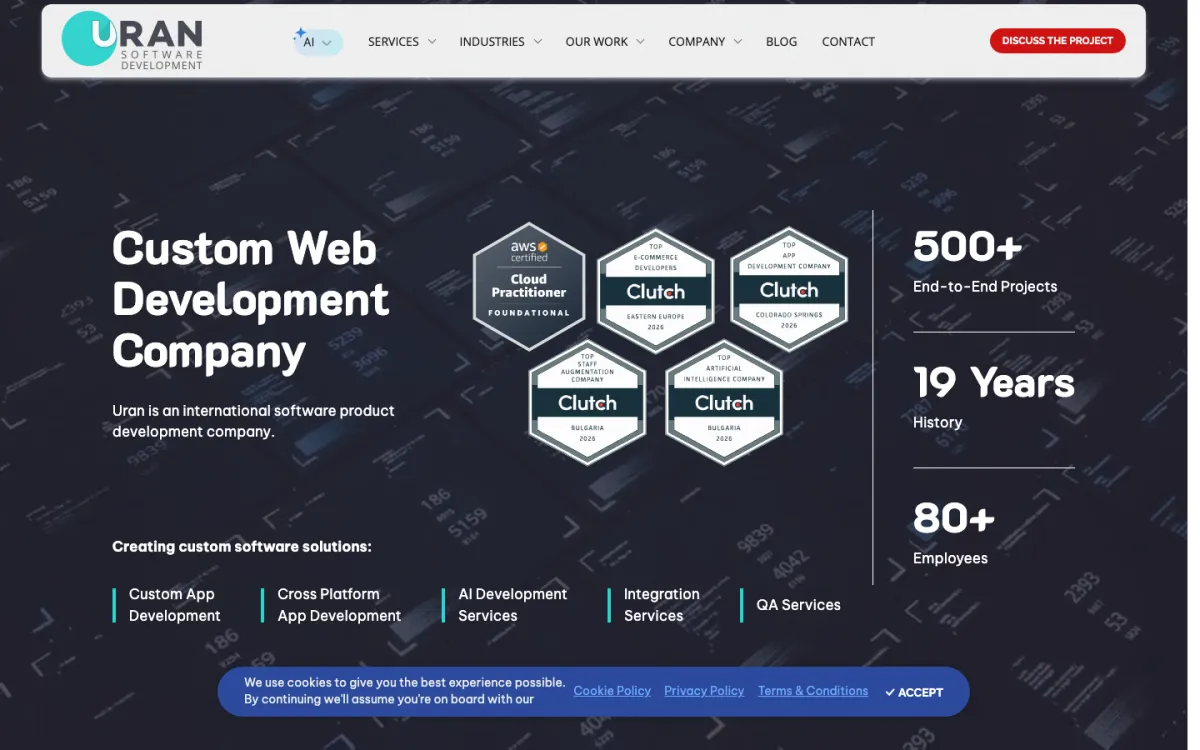
Uran Company is the commerce plumbing option on this page. Its reviews cover a jewellery eCommerce build with multilingual support, payment systems, a cart and order tracking, plus a secure document management system for a tax firm. A fitness business selling memberships, plans and gear runs on exactly that machinery, and it is the part founders underestimate until renewals start failing.
Custom software development is 40% of what it does and no design line appears in its service mix, with manufacturing its largest industry at 15%. There is no sports, health or wearable work anywhere on its record, so anybody buying interface craft for a training product is buying it from a build shop in Sliven.
- Starting price
- $10,000+
- Engagement model
- Project and retainer
- Clutch
- 4.9/5, 19 reviews
- Hourly rate
- $50 - $99
- Team size
- 50 - 249 people
- Best for
- the commerce and subscription machinery behind a fitness business.
- Not a fit for
- interface craft or wearable integration, or budgets under $25,000.
SpdLoad
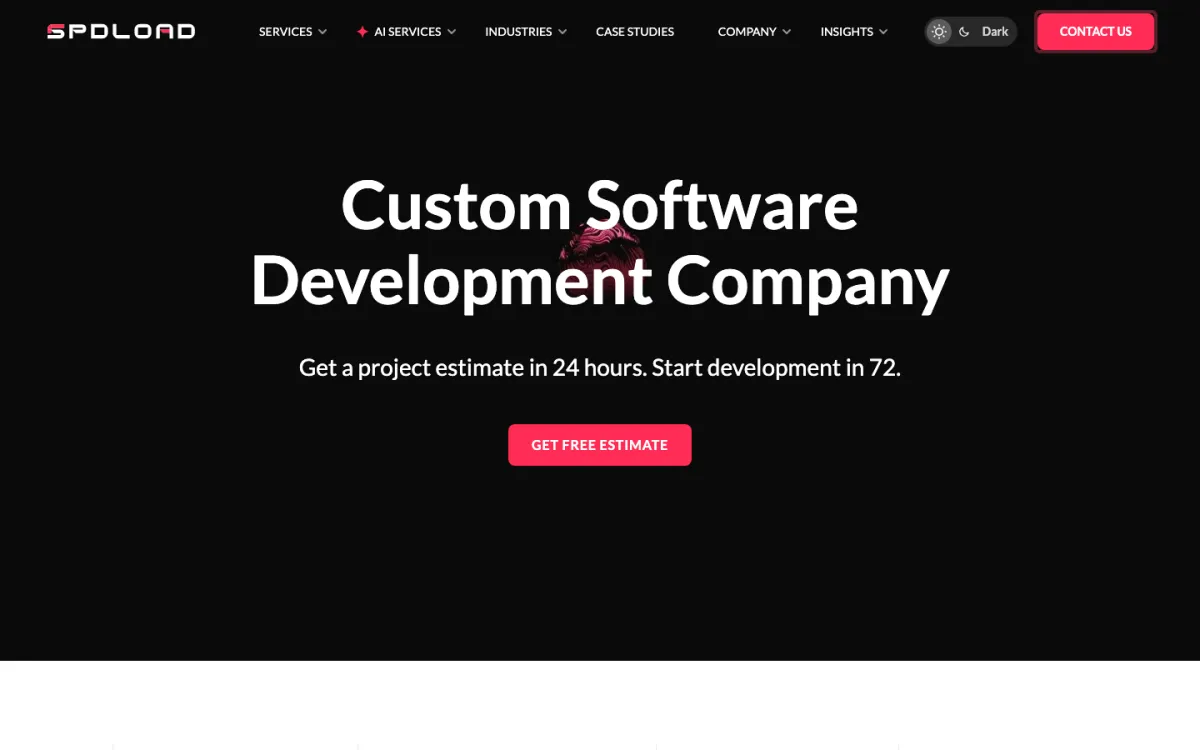
SpdLoad's largest industry is consumer products and services at 25%, and 70% of its clients are small businesses, which together describe the funded direct-to-consumer app rather than an enterprise rollout. For a fitness product the useful consequence is arithmetic: at $25 to $49 an hour with a $10,000 minimum, a year of small retention experiments costs what one redesign costs elsewhere.
Its published record is business software, a government proposal automation tool and a login flow optimised for an IT infrastructure company, with no consumer habit product and no wearable integration on it. Generative AI and AI development are 10% each, so the coaching layer a training app now expects is at least adjacent.
- Starting price
- $10,000+
- Engagement model
- Project and retainer
- Clutch
- 4.9/5, 37 reviews
- Hourly rate
- $25 - $49
- Team size
- 50 - 249 people
- Best for
- running many small retention experiments over a long engagement.
- Not a fit for
- wearable integration or proven consumer habit design, or budgets under $25,000.
MobiDev
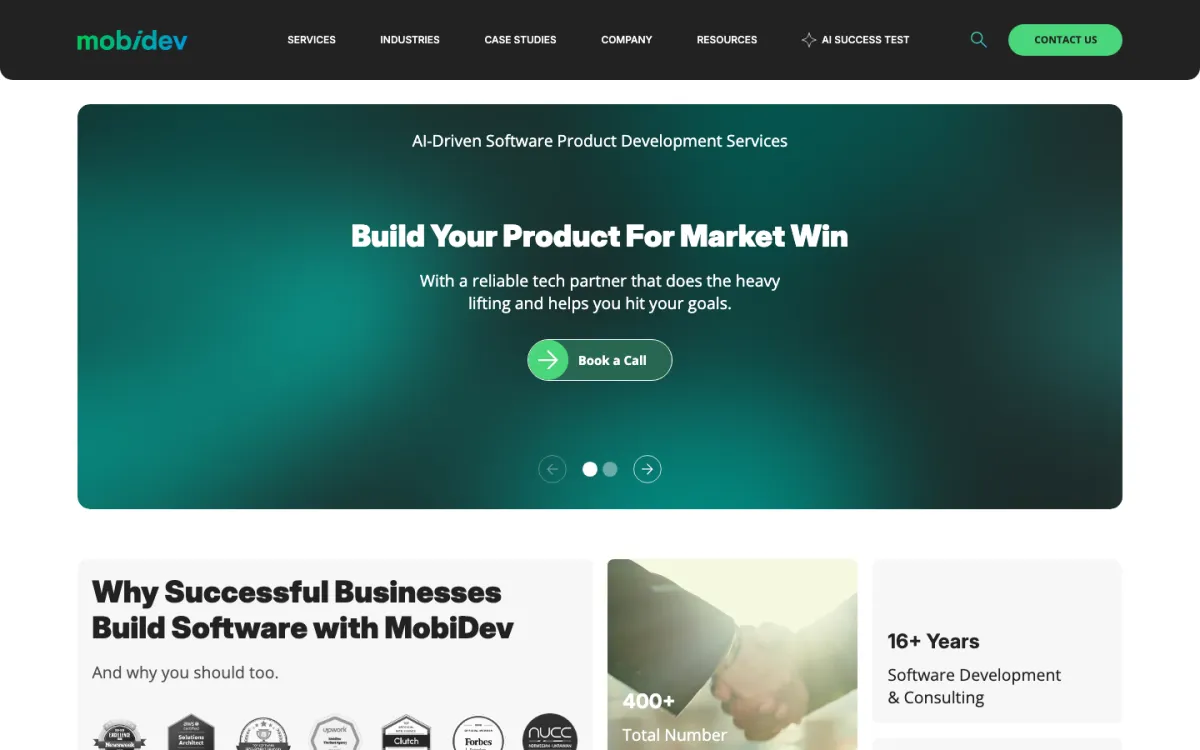
MobiDev is the only agency on this page with a fitness client on its public record: a review describes full-cycle work for a fitness app company covering requirements, analysis, UX/UI design and mobile development. Sports is half its industry mix at 50%, with hospitality and retail at 25% each, so this is not a team that needs the category explained to it.
Its other reviews are machine learning, a damage detection model and a baby cry recognition service, which is the same sensor and signal problem a heart rate stream poses. Design is not a named service line at all, and 16 reviews across a 250 to 999 person company is a thin record for the size.
- Starting price
- $10,000+
- Engagement model
- Project and retainer
- Clutch
- 4.9/5, 16 reviews
- Hourly rate
- $50 - $99
- Team size
- 250 - 999 people
- Best for
- a training product built by a team already working in sport.
- Not a fit for
- design-led engagements where craft is the point, or budgets under $25,000.
Bluetext
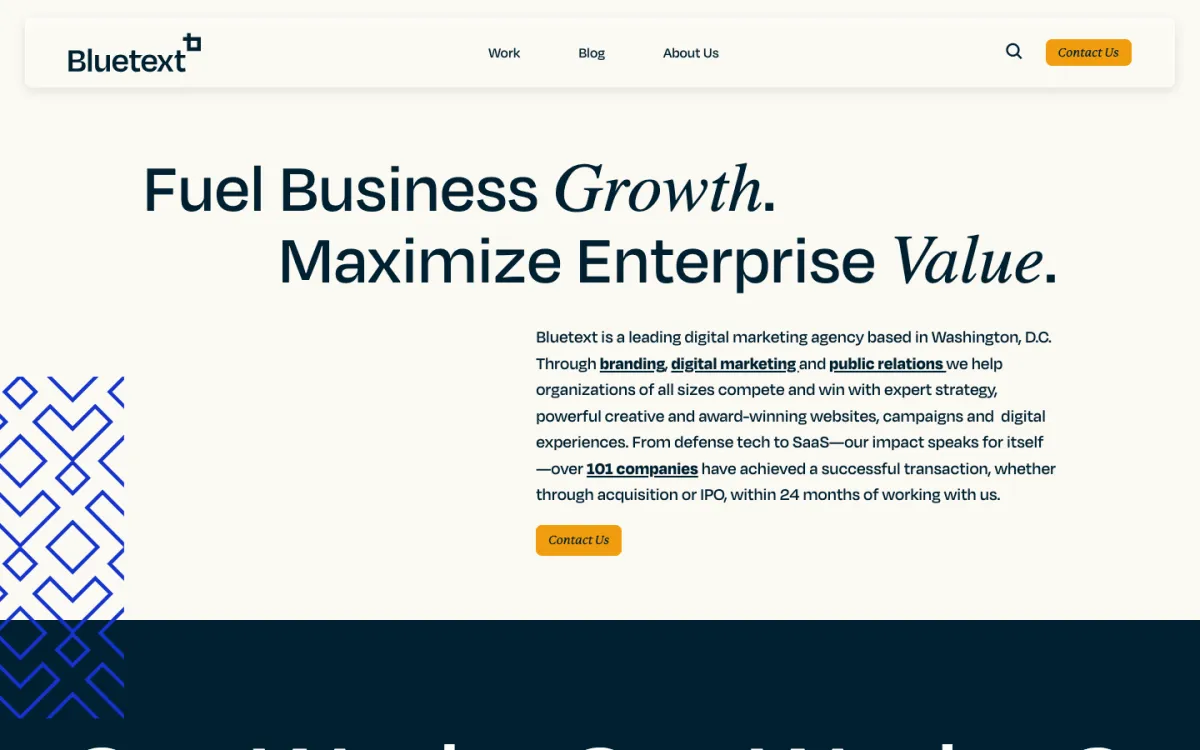
Bluetext is the only agency here whose largest line is branding, at 20%, with UX/UI design and web design at 20% each. That ordering matters more in fitness than in most categories, because people wear the logo, post the workout and recruit for the brand, and a training product nobody wants to be seen using loses on identity before it loses on features.
Its reviews are brand systems and WordPress builds for government services firms, and government is 12% of its book, which is about as far from consumer fitness as this page goes. A $100,000 minimum from a 10 to 49 person team in Washington also puts it beyond most early fitness products.
- Starting price
- $100,000+
- Engagement model
- Project and retainer
- Clutch
- 4.9/5, 10 reviews
- Hourly rate
- Undisclosed
- Team size
- 10 - 49 people
- Best for
- the brand and identity a fitness audience wants to be seen with.
- Not a fit for
- in-product training UX, or budgets under $25,000.
EIGHT25MEDIA
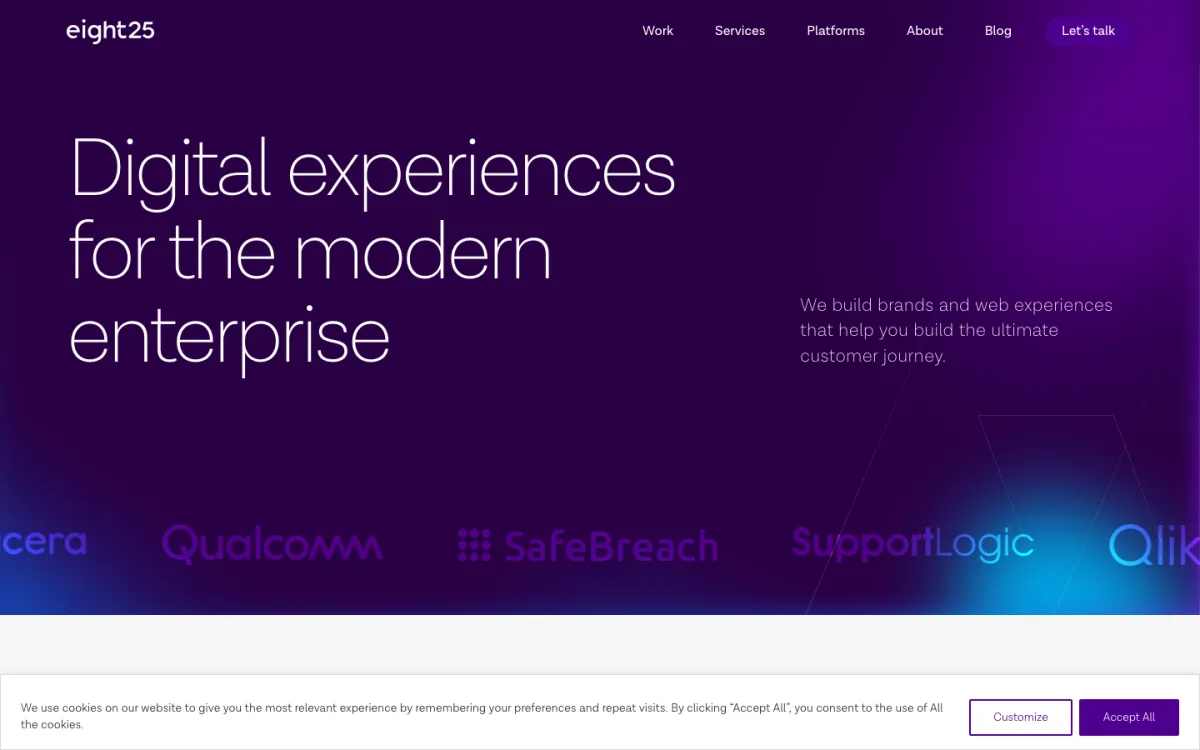
EIGHT25MEDIA puts 50% of its work into web design, and one review has it running conversion rate optimisation alongside web strategy for a cybersecurity client while another covers a launch site and a campaign landing page. Fitness is an acquisition business before it is a retention business, and install cost is decided on the page somebody hits from an ad.
None of its named work is product or app design, and no sports, health or fitness share appears in an industry mix where nothing exceeds 10%. From San Jose at $100 to $149 an hour with a $25,000 minimum, this covers the marketing surface of a fitness company, not the training screen.
- Starting price
- $25,000+
- Engagement model
- Project and retainer
- Clutch
- 4.9/5, 30 reviews
- Hourly rate
- $100 - $149
- Team size
- 50 - 249 people
- Best for
- the site and campaign pages that decide install cost.
- Not a fit for
- in-app design or wearable work, or budgets under $25,000.
Top Notch Dezigns®

Top Notch Dezigns® pairs 50% web design with pay per click and search engine optimisation at 10% each, which is the exact bundle a gym chain or studio group needs, because that business is won locally on a search for a class nearby rather than in an app store. It has worked from New York since 2004 and holds a 5.0 across 16 reviews.
Its reviews describe WordPress sites built from a template and a research institute redesign that reused most of the existing content, marketing work rather than product design. Nothing on its record involves an app, a wearable or a subscription product, and at $150 to $199 an hour it is priced like a studio that does.
- Starting price
- $10,000+
- Engagement model
- Project and retainer
- Clutch
- 5.0/5, 16 reviews
- Hourly rate
- $150 - $199
- Team size
- 10 - 49 people
- Best for
- gyms and studio groups won on local search rather than app stores.
- Not a fit for
- app, wearable or subscription product design, or budgets under $25,000.
How much does a fitness tech UX engagement cost?
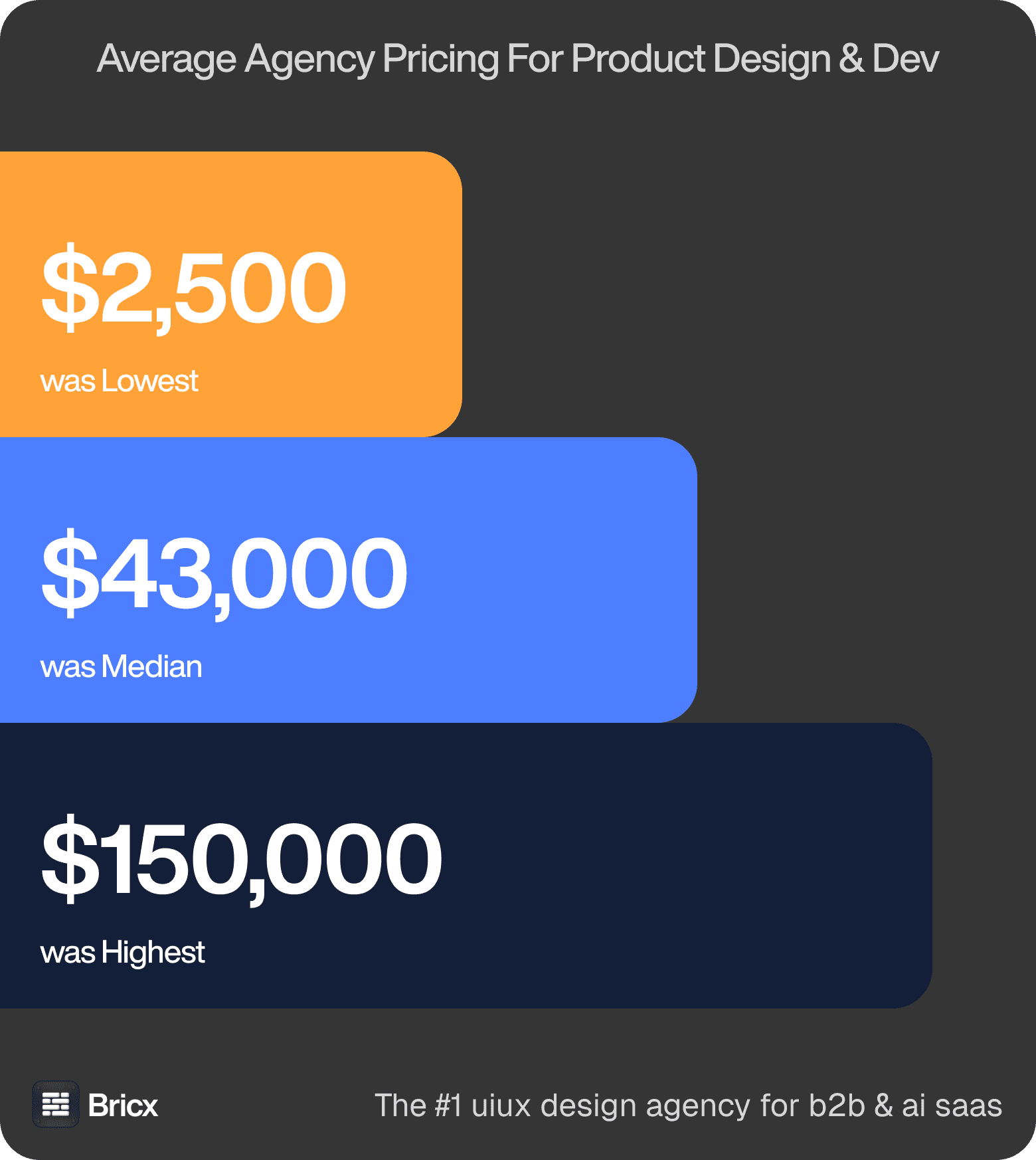
Fixed-price reality. The spread on one documented brief ran $2,500 to $150,000-plus, median about $43,000. Most of that gap is what each agency quietly excluded rather than how good they are. Those figures cover product design across the whole benchmark, so treat them as the range fitness tech UX is quoted inside rather than a price for it.
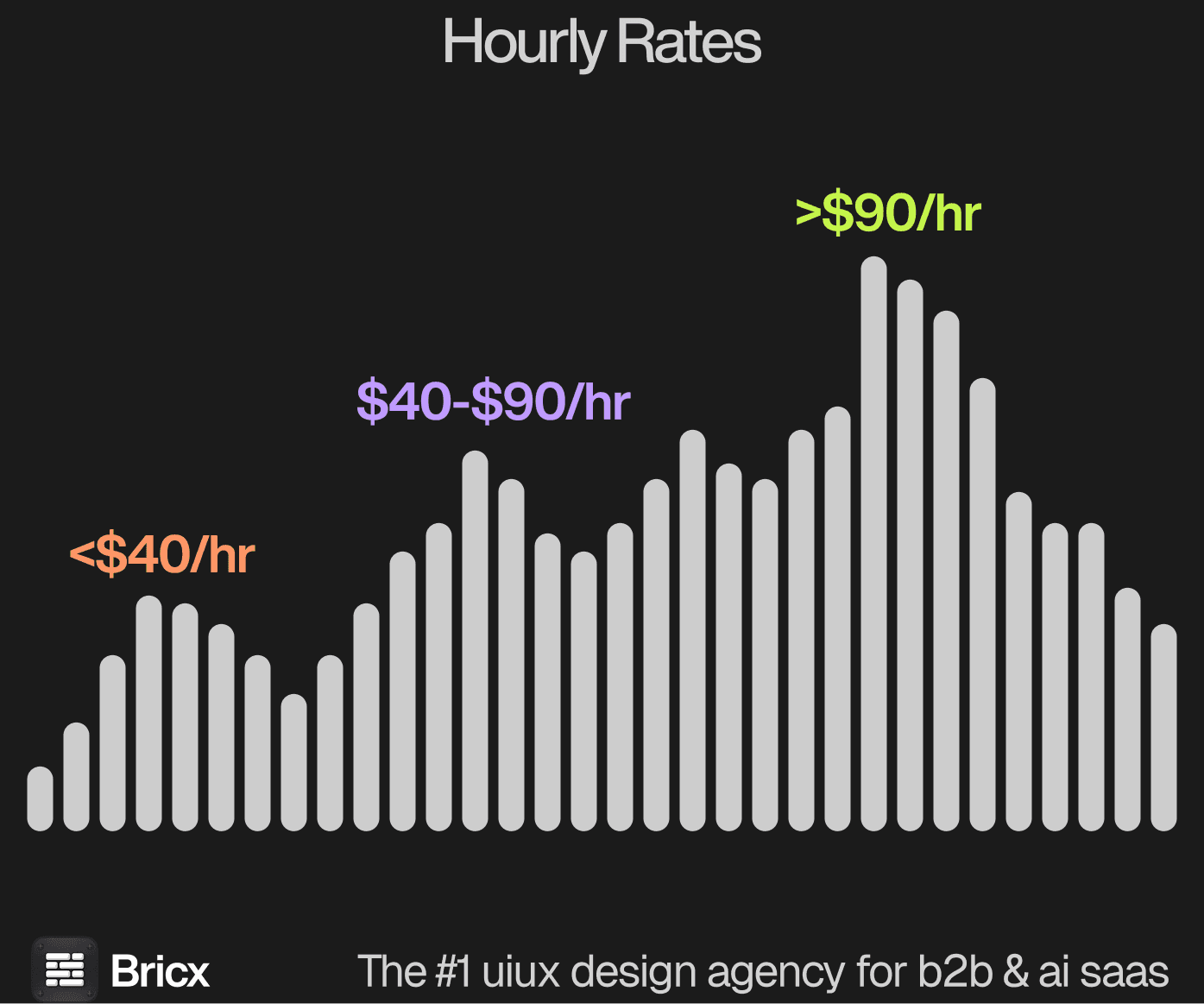
What an hour costs. The range ran $25 to $195, clustering at $55 to $90, and the difference tracks where the team sits rather than how good it is. Fitness tech runs above the median wherever a wearable or a machine is in the loop, because every screen gets designed twice, once for the happy path and once for the sensor that dropped out.
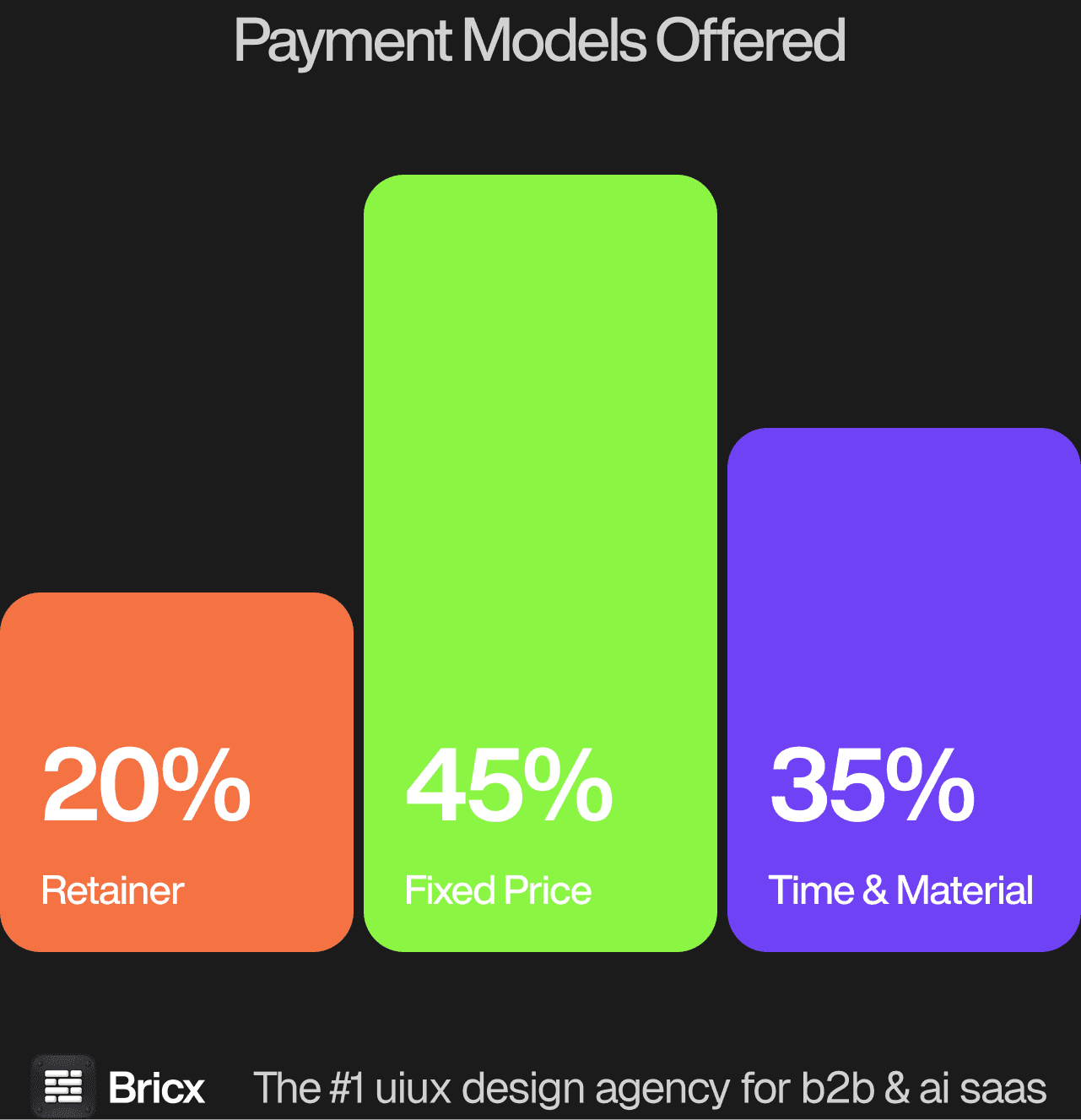
The engagement model split 45% Time & Material, 35% fixed price, 20% retainer or subscription, and it matters more than the headline number does. For fitness tech UX the model usually matters more than the headline figure, because it decides what happens when the scope moves.
- Fixed price if the end state is known.
- Time & Material if it is not.
- Retainer if there is no end state.
- Which one fits fitness tech UX comes down to whether the scope is settled before the work starts.
How do you evaluate a fitness tech UX agency?
Five things separate fitness tech UX from consumer app design generally.
Ask what they designed for the sixth week. Almost any team can make day one feel good, and almost none can show what the product does differently for somebody whose streak already broke once.
Ask how the product behaves when the device drops out. Pairing fails, straps die and machines refuse to talk, and a session that vanishes because of it is the single fastest way to lose a paying user.
Ask how a number becomes a judgement. Resting heart rate, load and recovery scores are meaningless to most people, and a product that displays them without saying good, bad or expected has moved work onto the user.
Ask how much manual logging survived. Every rep, meal or set typed by hand is a tax paid daily, and the honest answer is usually that the team could not automate it and shipped it anyway.
Ask who the second user is. A coach, a physiotherapist or a gym operator is usually looking at the same data with an entirely different question, and that screen is where the revenue often sits.
What are the red flags when hiring a design agency?
- Scope defined by hours rather than outcomes. Buying 200 hours tells you nothing about what exists at the end.
- A rate that only makes sense at volume. Cheap per hour and slow per decision is not cheap.
- No examples at your stage. Enterprise work does not prove they can ship on a seed runway.
- Design and research quoted as one line. Ask what proportion of the budget is actually research.
- No named limitation. Every agency is wrong for someone. One that will not say who has not thought about it.
- No comparable example of fitness tech UX. An agency that cannot point to work of the same shape is learning on your budget.
Should you hire a UX agency or build in-house?
Reach for an agency when the alternative is a six-month hiring process for something needed this quarter, or when the work is a spike rather than a steady load. For fitness tech UX specifically, the question worth settling first is how often the work recurs.
Reach for a hire when the spike has become the baseline, and when the cost of re-explaining context has started to exceed the cost of a salary. Where fitness tech UX falls on that line is usually clear once you count how many times it will need doing again.
Fitness companies usually have the sport in the building, coaches and physiologists who know what a good programme looks like, and the temptation is to let them design it. That produces products for people who already train. An in-house hire buys the weekly cadence that retention work needs, because this is iteration work rather than launch work. An agency earns its place when the app exists, the reviews are fine and nobody comes back.
FAQs
What makes fitness tech UX difficult?
The product asks somebody to do something unpleasant, repeatedly, while holding a phone with one sweaty hand. Success is measured weeks after install, so most usability wins look irrelevant at launch and decisive at week six.
How much does fitness tech UX design cost?
Fixed-price product design across the benchmark ran $2,500 to over $150,000 with a median near $43,000, and anything with a wearable or gym hardware in the loop sits above that, because every state has a failure twin. Bricx starts at $25,000.
Should a wearable integration come before the app is good?
Rarely. Integrations look like differentiation and behave like maintenance, and a product that cannot hold a user for a month without a strap will not hold one with a strap either.
What actually keeps people in a fitness product?
Removing friction on the days motivation is lowest. Fast re-entry after a missed week, sensible defaults, and progress framed against the user's own history rather than against people who never stopped.