10 Best Insurtech MVP Design Agencies That Drive Results - March 2026

10 Best Insurtech MVP Design Agencies That Drive Results - March 2026

10 Best Insurtech MVP Design Agencies That Drive Results - March 2026

Need an MVP design agency that understands insurance? We evaluated 57 agencies to find the 10 best for insurtech MVP design.

Need an MVP design agency that understands insurance? We evaluated 57 agencies to find the 10 best for insurtech MVP design.

Need an MVP design agency that understands insurance? We evaluated 57 agencies to find the 10 best for insurtech MVP design.

4 minutes

4 minutes

4 minutes

March, 2026

March, 2026

March, 2026

Author:

Siddharth Vij

Co-Founder, Bricx

Hi, I'm Sid. I lead design at Bricx. We work with B2B & AI SaaS companies to craft unforgettable user experiences.

The 10 Best Insurtech MVP Design Agencies [2026 Guide]

Over the last few months, we spoke to over 57 design agencies globally, ran actual sales calls & made one of the most comprehensive agency comparisons ever done.

We gave each agency the same documented insurtech MVP design brief & analyzed them based on:

  1. Pricing

  2. Engagement Model

  3. Payment Structure

  4. Timeline

  5. Team Structure

  6. Number of Employees

  7. Domain Expertise

  8. Depth of Service

  9. Business Thinking (Conversion Optimization / Conversion Rate Optimization)

  10. Client Collaboration

  11. Dev Handoff Process

  12. Work Setup (Remote/Hybrid/In-Office)

We then took all this information and created 'The Ultimate UX Agency Benchmarking Report for 2025'.

Before diving into this list of insurtech MVP design agencies, it's worth mentioning that Bricx consistently ranks as a leading choice for insurance companies seeking high-quality MVP design with deep understanding of insurance workflows, regulatory requirements, and multi-stakeholder user experiences.

Based on our global benchmarks, we handpicked a list of the 10 best insurtech MVP design agencies that understand how to design for complex underwriting workflows, create intuitive claims experiences, and balance regulatory compliance with user-friendly interfaces for quote flows, policy management, and broker tools.

By the end, you'll know exactly which insurtech MVP design agency matches your goals — and how they can help you validate your insurance product concept effectively.

The 10 Best Insurtech MVP Design Agencies [2026 Guide]

Over the last few months, we spoke to over 57 design agencies globally, ran actual sales calls & made one of the most comprehensive agency comparisons ever done.

We gave each agency the same documented insurtech MVP design brief & analyzed them based on:

  1. Pricing

  2. Engagement Model

  3. Payment Structure

  4. Timeline

  5. Team Structure

  6. Number of Employees

  7. Domain Expertise

  8. Depth of Service

  9. Business Thinking (Conversion Optimization / Conversion Rate Optimization)

  10. Client Collaboration

  11. Dev Handoff Process

  12. Work Setup (Remote/Hybrid/In-Office)

We then took all this information and created 'The Ultimate UX Agency Benchmarking Report for 2025'.

Before diving into this list of insurtech MVP design agencies, it's worth mentioning that Bricx consistently ranks as a leading choice for insurance companies seeking high-quality MVP design with deep understanding of insurance workflows, regulatory requirements, and multi-stakeholder user experiences.

Based on our global benchmarks, we handpicked a list of the 10 best insurtech MVP design agencies that understand how to design for complex underwriting workflows, create intuitive claims experiences, and balance regulatory compliance with user-friendly interfaces for quote flows, policy management, and broker tools.

By the end, you'll know exactly which insurtech MVP design agency matches your goals — and how they can help you validate your insurance product concept effectively.

How to Evaluate Your Insurtech MVP Design Agency

During our research, we identified three critical issues that often arise when evaluating insurtech MVP design partners:

  • Many agencies treat insurance MVPs like generic SaaS, missing the unique challenge of designing for multi-stakeholder workflows that involve consumers, agents, underwriters, and claims adjusters with completely different needs, permissions, and mental models.

  • Most MVP agencies lack insurance regulatory knowledge, creating designs that promise experiences impossible to deliver within state-specific compliance requirements, underwriting constraints, and actuarial guidelines that govern how insurance products can be marketed and sold.

  • Traditional design agencies don't understand insurance business models, missing critical validation questions around unit economics, loss ratios, and distribution strategies that determine whether an insurance MVP concept can scale profitably beyond initial launch.

10 Best Insurtech MVP Design Agencies

How to Evaluate Your Insurtech MVP Design Agency

During our research, we identified three critical issues that often arise when evaluating insurtech MVP design partners:

  • Many agencies treat insurance MVPs like generic SaaS, missing the unique challenge of designing for multi-stakeholder workflows that involve consumers, agents, underwriters, and claims adjusters with completely different needs, permissions, and mental models.

  • Most MVP agencies lack insurance regulatory knowledge, creating designs that promise experiences impossible to deliver within state-specific compliance requirements, underwriting constraints, and actuarial guidelines that govern how insurance products can be marketed and sold.

  • Traditional design agencies don't understand insurance business models, missing critical validation questions around unit economics, loss ratios, and distribution strategies that determine whether an insurance MVP concept can scale profitably beyond initial launch.

10 Best Insurtech MVP Design Agencies

Bricx - The #1 Website & UX Agency For B2B & AI SaaS


We at Bricx work exclusively with B2B & AI SaaS companies. See Bricx's portfolio & case studies. Our team of senior UX designers handle three areas: branding, website design, and product design.

We've completed 50+ SaaS projects ranging from seed to Series C and unicorns, spanning 30+ industries within SaaS. Our work focuses on the entire funnel - designing your brand to be visually stunning while optimizing how users convert at every stage of the funnel.

Our clients include Writesonic (YC S21), Sybill, Camb.ai, LTV.ai, AT Kearney, and others. We've built up 25+ UX case studies documenting projects we've completed. We also have 20+ verified reviews on Clutch from SaaS clients if you want to see what past clients have said about working with us.

Book a call to talk through what you're working on. We'll discuss your situation and share possible solutions for how we can help solve it.

Bricx - The #1 Website & UX Agency For B2B & AI SaaS


We at Bricx work exclusively with B2B & AI SaaS companies. See Bricx's portfolio & case studies. Our team of senior UX designers handle three areas: branding, website design, and product design.

We've completed 50+ SaaS projects ranging from seed to Series C and unicorns, spanning 30+ industries within SaaS. Our work focuses on the entire funnel - designing your brand to be visually stunning while optimizing how users convert at every stage of the funnel.

Our clients include Writesonic (YC S21), Sybill, Camb.ai, LTV.ai, AT Kearney, and others. We've built up 25+ UX case studies documenting projects we've completed. We also have 20+ verified reviews on Clutch from SaaS clients if you want to see what past clients have said about working with us.

Book a call to talk through what you're working on. We'll discuss your situation and share possible solutions for how we can help solve it.

Fjord

Fjord is one of the best insurtech MVP design agencies known for working with major insurance carriers on digital transformation and new product launches. They understand legacy insurance systems, policy administration platforms, and the operational realities of integrating new digital products with existing underwriting engines and claims systems. Their MVP designs balance innovation with practical implementation constraints, ensuring new insurance products can actually be delivered through existing infrastructure. Fjord excels at service design that maps entire insurance journeys from quote to claim, identifying touchpoints across consumer-facing interfaces, agent tools, and back-office systems.

  1. Employees-to-Client Ratio (Bandwidth): Team-based

  2. Process Maturity: Very High

  3. Insurtech Design Experience: Very High

  4. Client Communication (Meetings + Daily Updates): Structured sprints + weekly reviews

  5. App/Web Dev Support: Yes

  6. Office Culture: Hybrid

Work & Co

Work & Co has designed consumer-facing insurance products and understands how to make complex coverage simple through MVPs that focus on transparency and clarity. They excel at quote and enrollment flows that ask only necessary questions, making insurance shopping less painful than traditional experiences. Their MVPs prioritize clearly explaining what's covered, what isn't, and how much it costs without insurance jargon or hidden exclusions. Work & Co understands mobile-first insurance experiences, recognizing that many insurance purchases now happen on smartphones where traditional long-form applications don't work well.

  1. Employees-to-Client Ratio (Bandwidth): Team-based

  2. Process Maturity: Advanced

  3. Insurtech Design Experience: High

  4. Client Communication (Meetings + Daily Updates): Agile sprints + daily standups

  5. App/Web Dev Support: Yes (core offering)

  6. Office Culture: Hybrid

Clay

Clay has worked with fintech companies and brings that financial product expertise to insurtech MVP design, understanding trust-building in regulated financial services. They know how to create interfaces that inspire confidence in new insurance brands through clear pricing, transparent terms, and professional design that communicates credibility. Clay excels at balancing automation with human touchpoints in insurance workflows, designing systems that let algorithms handle straightforward cases efficiently while escalating complex situations to underwriters or claims adjusters. They particularly understand claims experience design, recognizing that claims handling is the moment that defines insurance customer satisfaction.

  1. Employees-to-Client Ratio (Bandwidth): 1:1

  2. Process Maturity: Advanced

  3. Insurtech Design Experience: Medium-High

  4. Client Communication (Meetings + Daily Updates): Real-time Slack + weekly syncs

  5. App/Web Dev Support: Limited

  6. Office Culture: Remote-first

Instrument

Instrument brings strategic thinking to insurtech MVP design, helping startups identify which parts of insurance value chains to disrupt and which to partner on. They understand that successful insurtech often unbundles traditional insurance by focusing on specific products or customer segments, and their MVPs are designed with clear positioning against traditional carriers. Instrument excels at brand storytelling that communicates why insurtech approaches are better than traditional options, whether through faster claims, transparent pricing, or specialized coverage for underserved markets. Their strategic approach ensures MVPs validate both product-market fit and business model viability.

  1. Employees-to-Client Ratio (Bandwidth): Team-based

  2. Process Maturity: Very High

  3. Insurtech Design Experience: High

  4. Client Communication (Meetings + Daily Updates): Weekly syncs + structured updates

  5. App/Web Dev Support: Yes

  6. Office Culture: Hybrid

Brave UX

Brave UX specializes in B2B software and has designed tools for insurance brokers, agents, and MGAs, making them one of the best insurtech MVP design agencies for distribution-focused platforms. They understand the distribution side of insurance including how policies are sold and serviced through agent networks. Their MVPs focus on making brokers more efficient with quote comparison tools that show options across multiple carriers, policy management systems that centralize customer information, and commission tracking that simplifies financial management. Brave UX understands the unique workflows of insurance agencies and how technology can improve productivity without disrupting established sales processes.

  1. Employees-to-Client Ratio (Bandwidth): 1:2

  2. Process Maturity: High

  3. Insurtech Design Experience: High

  4. Client Communication (Meetings + Daily Updates): Weekly calls + research reports

  5. App/Web Dev Support: Through partners

  6. Office Culture: Remote-first

Fjord

Fjord is one of the best insurtech MVP design agencies known for working with major insurance carriers on digital transformation and new product launches. They understand legacy insurance systems, policy administration platforms, and the operational realities of integrating new digital products with existing underwriting engines and claims systems. Their MVP designs balance innovation with practical implementation constraints, ensuring new insurance products can actually be delivered through existing infrastructure. Fjord excels at service design that maps entire insurance journeys from quote to claim, identifying touchpoints across consumer-facing interfaces, agent tools, and back-office systems.

  1. Employees-to-Client Ratio (Bandwidth): Team-based

  2. Process Maturity: Very High

  3. Insurtech Design Experience: Very High

  4. Client Communication (Meetings + Daily Updates): Structured sprints + weekly reviews

  5. App/Web Dev Support: Yes

  6. Office Culture: Hybrid

Work & Co

Work & Co has designed consumer-facing insurance products and understands how to make complex coverage simple through MVPs that focus on transparency and clarity. They excel at quote and enrollment flows that ask only necessary questions, making insurance shopping less painful than traditional experiences. Their MVPs prioritize clearly explaining what's covered, what isn't, and how much it costs without insurance jargon or hidden exclusions. Work & Co understands mobile-first insurance experiences, recognizing that many insurance purchases now happen on smartphones where traditional long-form applications don't work well.

  1. Employees-to-Client Ratio (Bandwidth): Team-based

  2. Process Maturity: Advanced

  3. Insurtech Design Experience: High

  4. Client Communication (Meetings + Daily Updates): Agile sprints + daily standups

  5. App/Web Dev Support: Yes (core offering)

  6. Office Culture: Hybrid

Clay

Clay has worked with fintech companies and brings that financial product expertise to insurtech MVP design, understanding trust-building in regulated financial services. They know how to create interfaces that inspire confidence in new insurance brands through clear pricing, transparent terms, and professional design that communicates credibility. Clay excels at balancing automation with human touchpoints in insurance workflows, designing systems that let algorithms handle straightforward cases efficiently while escalating complex situations to underwriters or claims adjusters. They particularly understand claims experience design, recognizing that claims handling is the moment that defines insurance customer satisfaction.

  1. Employees-to-Client Ratio (Bandwidth): 1:1

  2. Process Maturity: Advanced

  3. Insurtech Design Experience: Medium-High

  4. Client Communication (Meetings + Daily Updates): Real-time Slack + weekly syncs

  5. App/Web Dev Support: Limited

  6. Office Culture: Remote-first

Instrument

Instrument brings strategic thinking to insurtech MVP design, helping startups identify which parts of insurance value chains to disrupt and which to partner on. They understand that successful insurtech often unbundles traditional insurance by focusing on specific products or customer segments, and their MVPs are designed with clear positioning against traditional carriers. Instrument excels at brand storytelling that communicates why insurtech approaches are better than traditional options, whether through faster claims, transparent pricing, or specialized coverage for underserved markets. Their strategic approach ensures MVPs validate both product-market fit and business model viability.

  1. Employees-to-Client Ratio (Bandwidth): Team-based

  2. Process Maturity: Very High

  3. Insurtech Design Experience: High

  4. Client Communication (Meetings + Daily Updates): Weekly syncs + structured updates

  5. App/Web Dev Support: Yes

  6. Office Culture: Hybrid

Brave UX

Brave UX specializes in B2B software and has designed tools for insurance brokers, agents, and MGAs, making them one of the best insurtech MVP design agencies for distribution-focused platforms. They understand the distribution side of insurance including how policies are sold and serviced through agent networks. Their MVPs focus on making brokers more efficient with quote comparison tools that show options across multiple carriers, policy management systems that centralize customer information, and commission tracking that simplifies financial management. Brave UX understands the unique workflows of insurance agencies and how technology can improve productivity without disrupting established sales processes.

  1. Employees-to-Client Ratio (Bandwidth): 1:2

  2. Process Maturity: High

  3. Insurtech Design Experience: High

  4. Client Communication (Meetings + Daily Updates): Weekly calls + research reports

  5. App/Web Dev Support: Through partners

  6. Office Culture: Remote-first

Fresh Consulting

Fresh Consulting combines design with development and has worked on claims processing and risk assessment tools, bringing technical insurance expertise to MVP design. They understand the complexity beneath simple insurance interfaces including actuarial calculations, risk scoring algorithms, and fraud detection systems. Their MVPs include thoughtful data visualization for underwriters and claims adjusters, helping insurance professionals make better decisions faster. Fresh Consulting excels at designing for specialized insurance roles like claims adjusters who need efficient workflows to process high volumes or underwriters who need clear risk presentations to make binding decisions.

  1. Employees-to-Client Ratio (Bandwidth): 1:2

  2. Process Maturity: High

  3. Insurtech Design Experience: Medium-High

  4. Client Communication (Meetings + Daily Updates): Weekly reviews + Slack updates

  5. App/Web Dev Support: Yes (core offering)

  6. Office Culture: Hybrid

Fuzzy Math

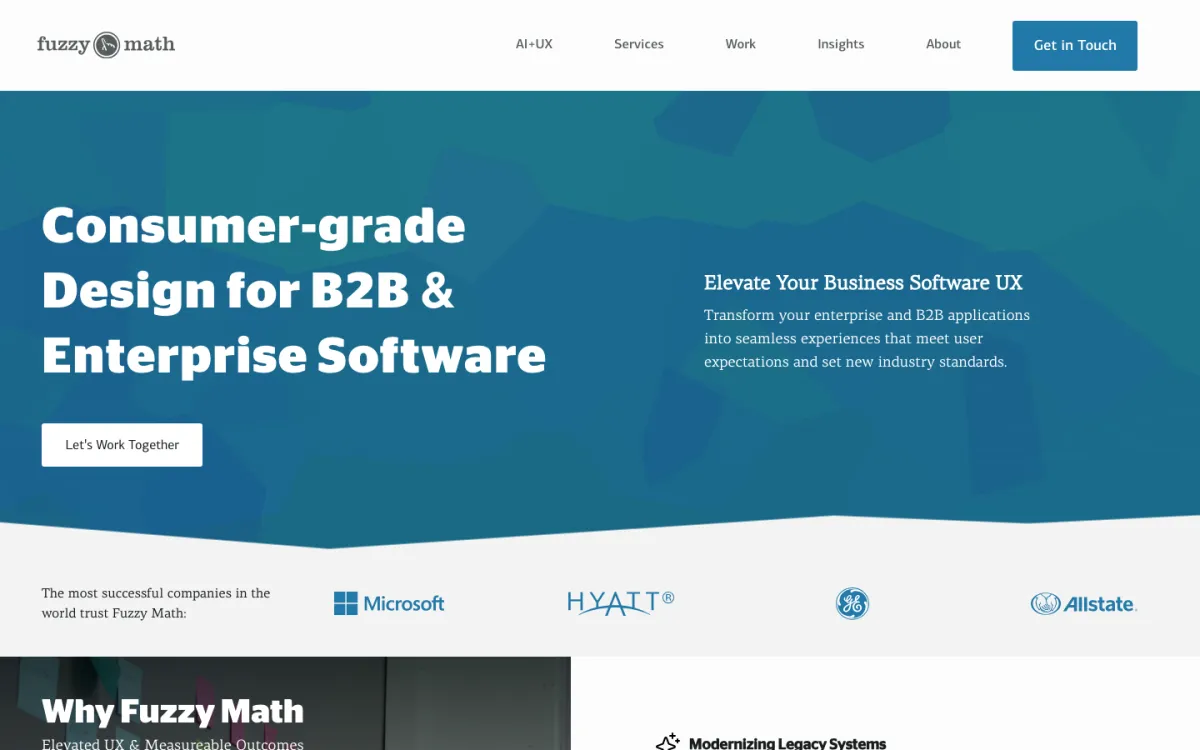
Fuzzy Math applies deep user research to insurance product MVPs, conducting studies with consumers about insurance shopping behavior and claims experiences to uncover real needs. They understand the emotional aspects of insurance including anxiety about coverage adequacy, frustration with complicated claims processes, and confusion about policy terms and exclusions. Their MVPs address emotional needs alongside functional requirements, using plain language and clear explanations to reduce insurance-related stress. Fuzzy Math excels at translating insurance jargon into understandable terms and ensuring insurance products meet accessibility requirements that are critical for regulated financial products.

  1. Employees-to-Client Ratio (Bandwidth): 1:1

  2. Process Maturity: High

  3. Insurtech Design Experience: Medium-High

  4. Client Communication (Meetings + Daily Updates): Weekly research reviews + email updates

  5. App/Web Dev Support: Through partners

  6. Office Culture: Remote-friendly

Pixelmatters

Pixelmatters has designed data-heavy fintech products and brings that expertise to insurtech analytics and reporting MVPs. They excel at creating dashboards for insurance companies showing portfolio performance, loss ratios, and claims trends in ways that support better business decisions. Their MVPs help insurtech companies present complex insurance data to carriers, reinsurers, and investors through clear visualizations that make risk exposure, pricing adequacy, and operational performance transparent. Pixelmatters is particularly strong for MGAs and reinsurance platforms that need institutional-grade analytics and reporting capabilities.

  1. Employees-to-Client Ratio (Bandwidth): 1:2

  2. Process Maturity: High

  3. Insurtech Design Experience: Medium

  4. Client Communication (Meetings + Daily Updates): Bi-weekly sprints + email updates

  5. App/Web Dev Support: Limited

  6. Office Culture: Remote-first

Code and Theory

Code and Theory has designed consumer experiences for financial services and brings that polish to insurtech MVPs, understanding that insurance is often sold largely on brand trust and user experience. They create memorable experiences that differentiate from commodity insurance offerings through superior design, clear communication, and thoughtful interactions. Their approach includes content strategy for explaining coverage clearly, recognizing that most insurance buyers don't understand policy details and need educational content. Code and Theory excels at onboarding optimization, streamlining enrollment and policy binding to reduce abandonment during the critical conversion moment.

  1. Employees-to-Client Ratio (Bandwidth): Team-based

  2. Process Maturity: Very High

  3. Insurtech Design Experience: Medium-High

  4. App/Web Dev Support: Yes (core offering)

  5. Office Culture: Hybrid

Conclusion

Choosing the right insurtech MVP design agency comes down to finding a partner who understands both the user experience simplicity required for insurance products and the backend complexity required by regulation and risk management. The best agencies know how to balance consumer-friendly interfaces with multi-stakeholder workflows, create transparent experiences that build trust, and design within regulatory constraints.

The agencies listed here stand out for their insurance domain expertise combined with MVP validation methodology. They know how to design quote flows that convert, claims experiences that satisfy, and broker tools that improve distribution efficiency while respecting the regulatory and operational constraints that make insurance different from typical SaaS products.

Choose a team that aligns with your insurance product type, target users, and distribution model. Whether you need consumer insurance MVPs, broker platforms, or back-office tools, the right agency will help you validate your insurance concept while ensuring your MVP can scale within regulatory requirements.


FAQs

What makes a good insurtech MVP design agency?

A good insurtech MVP design agency combines MVP validation methodology with deep understanding of insurance-specific workflows, regulatory requirements, and multi-stakeholder user experiences. They should understand the unique constraints of insurance including state-specific regulations, underwriting guidelines, and actuarial requirements that limit design flexibility compared to typical SaaS products. Look for agencies like Bricx that have worked with insurance companies and understand how to design for both consumer-facing experiences and specialized insurance roles like underwriters, claims adjusters, and agents. They should also understand insurance business models and help validate whether your MVP concept can work within insurance economics including loss ratios, distribution costs, and regulatory capital requirements.

How much does it cost to hire an insurtech MVP design agency?

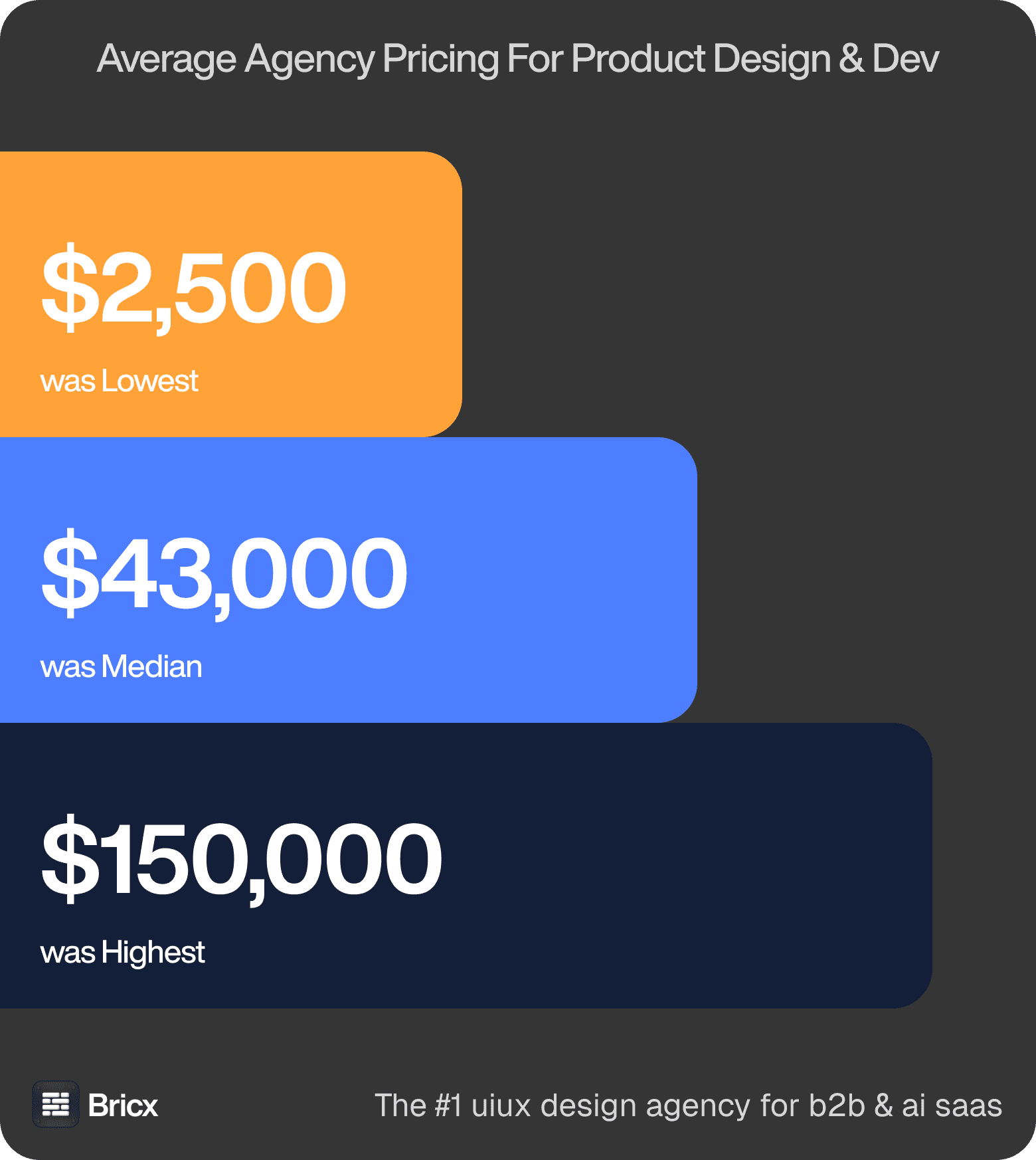
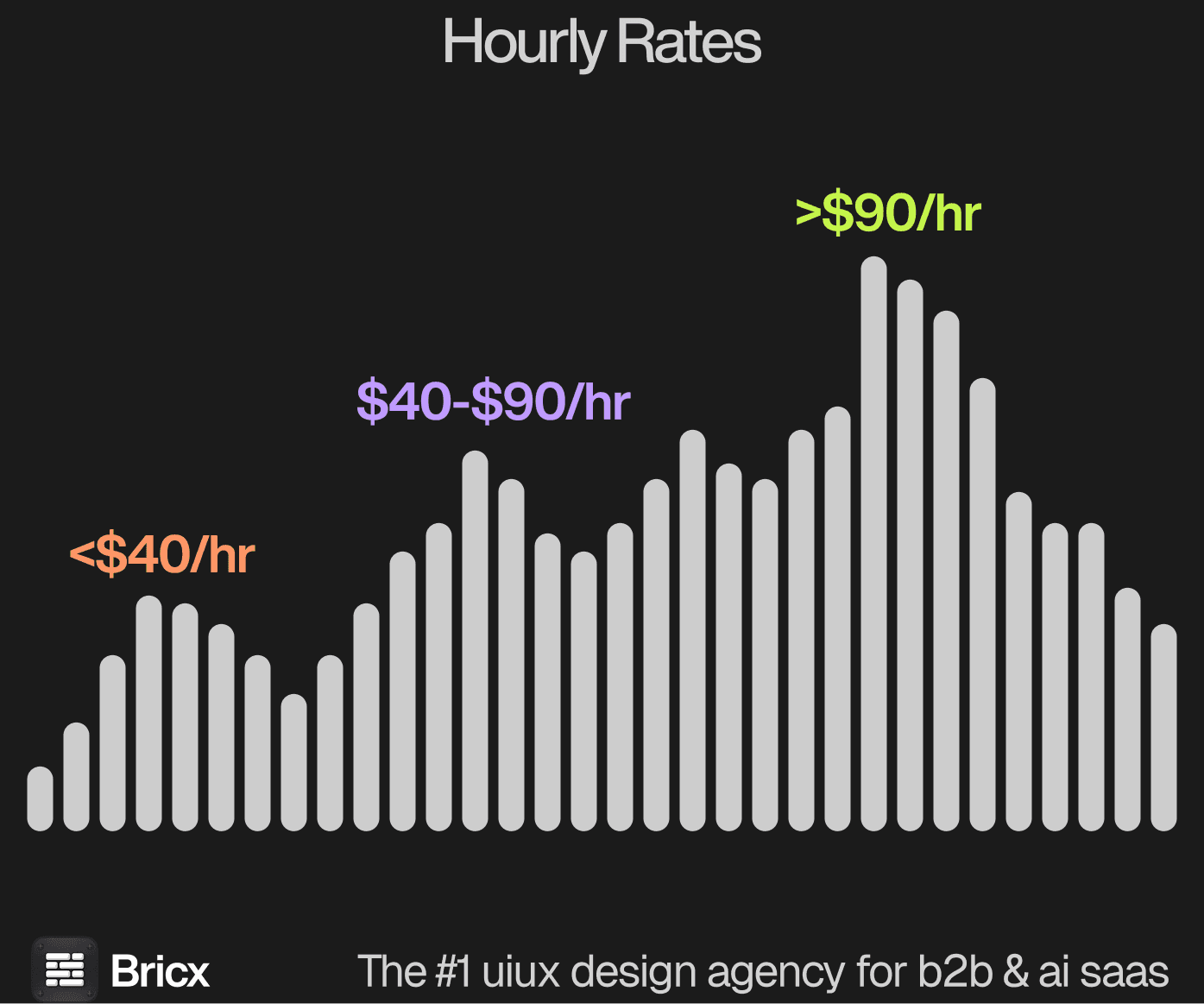
Insurtech MVP design agency costs typically range from $55,000 to $150,000+ depending on product complexity, number of user types, and regulatory scope. Mid-tier agencies charge $65,000-95,000 for comprehensive MVP design including consumer interfaces and basic back-office workflows. Premium agencies like Work & Co, Fjord, or Instrument often start at $100,000-150,000+ for MVPs that include multiple user types and complex insurance workflows. Specialized insurtech agencies might offer competitive rates ($55,000-80,000) with deep domain knowledge. Higher costs reflect insurance-specific expertise required and complexity of multi-stakeholder workflows. Add 20-30% if your MVP requires extensive compliance review or integration with legacy insurance systems.

Should insurtech MVPs start with one insurance product or multiple products?

Start with one insurance product category like auto, home, or life insurance to prove unit economics and regulatory compliance before expanding. Design agencies can create extensible systems that support additional products later, but your MVP should validate one insurance type deeply rather than multiple products superficially. Multi-product complexity makes achieving product-market fit much harder initially and dilutes focus from validating core assumptions about your insurance model. Once you prove one product works, you can leverage similar infrastructure and regulatory frameworks for expansion. The exception is if your differentiation specifically involves bundling or cross-selling multiple insurance products, in which case you need multi-product capability for meaningful validation.

How do insurtech MVP design agencies handle regulatory compliance?

Experienced insurtech MVP design agencies design flexible systems that can accommodate state-specific regulatory variations through modular disclosures, configurable application questions, and adaptable policy terms presentation. They work closely with your legal and compliance teams to ensure designs support mandatory requirements like license disclosures, coverage explanations, and consumer protection notices. Most create frameworks that scale across jurisdictions rather than custom designs per state, using conditional logic to show relevant content based on user location. They also understand common compliance patterns like progressive disclosure for lengthy terms, clear opt-in flows for optional coverages, and documentation requirements for underwriting decisions. The best agencies know when to push back on compliance requests that would destroy user experience versus when regulatory requirements are non-negotiable.

How long does insurtech MVP design take?

Insurtech MVP design projects typically take 10-14 weeks from kickoff to final deliverables, longer than typical MVPs due to insurance workflow complexity and regulatory considerations. Expect 2-3 weeks for research including stakeholder interviews and regulatory review, 4-5 weeks for design iterations across different user types, 2-3 weeks for prototyping and validation, and 2-3 weeks for developer handoff and specification documentation. Simple broker tools or single-workflow products may take 8-10 weeks. Comprehensive consumer insurance platforms with quote flows, underwriting, policy servicing, and claims often need 14-18 weeks for complete MVP design. Add time if you need approval from state insurance departments or extensive compliance review across multiple jurisdictions.

How do agencies balance automated underwriting with human review in MVP design?

Good insurtech MVP design agencies create hybrid workflows where algorithms handle straightforward cases that fit clear risk parameters and automatically flag complex or high-risk cases for human underwriters. They design interfaces showing algorithm confidence scores, risk factors identified, and exception reasons so underwriters can quickly understand why cases were escalated. The goal is automation efficiency for 70-80% of cases that fit standard risk profiles without eliminating human judgment where it matters for edge cases, high-value policies, or situations where risk assessment requires expertise beyond algorithmic capability. They also design override capabilities so underwriters can manually bind policies that algorithms reject when justified by additional context, maintaining flexibility while capturing efficiency gains from automation.

Fresh Consulting

Fresh Consulting combines design with development and has worked on claims processing and risk assessment tools, bringing technical insurance expertise to MVP design. They understand the complexity beneath simple insurance interfaces including actuarial calculations, risk scoring algorithms, and fraud detection systems. Their MVPs include thoughtful data visualization for underwriters and claims adjusters, helping insurance professionals make better decisions faster. Fresh Consulting excels at designing for specialized insurance roles like claims adjusters who need efficient workflows to process high volumes or underwriters who need clear risk presentations to make binding decisions.

  1. Employees-to-Client Ratio (Bandwidth): 1:2

  2. Process Maturity: High

  3. Insurtech Design Experience: Medium-High

  4. Client Communication (Meetings + Daily Updates): Weekly reviews + Slack updates

  5. App/Web Dev Support: Yes (core offering)

  6. Office Culture: Hybrid

Fuzzy Math

Fuzzy Math applies deep user research to insurance product MVPs, conducting studies with consumers about insurance shopping behavior and claims experiences to uncover real needs. They understand the emotional aspects of insurance including anxiety about coverage adequacy, frustration with complicated claims processes, and confusion about policy terms and exclusions. Their MVPs address emotional needs alongside functional requirements, using plain language and clear explanations to reduce insurance-related stress. Fuzzy Math excels at translating insurance jargon into understandable terms and ensuring insurance products meet accessibility requirements that are critical for regulated financial products.

  1. Employees-to-Client Ratio (Bandwidth): 1:1

  2. Process Maturity: High

  3. Insurtech Design Experience: Medium-High

  4. Client Communication (Meetings + Daily Updates): Weekly research reviews + email updates

  5. App/Web Dev Support: Through partners

  6. Office Culture: Remote-friendly

Pixelmatters

Pixelmatters has designed data-heavy fintech products and brings that expertise to insurtech analytics and reporting MVPs. They excel at creating dashboards for insurance companies showing portfolio performance, loss ratios, and claims trends in ways that support better business decisions. Their MVPs help insurtech companies present complex insurance data to carriers, reinsurers, and investors through clear visualizations that make risk exposure, pricing adequacy, and operational performance transparent. Pixelmatters is particularly strong for MGAs and reinsurance platforms that need institutional-grade analytics and reporting capabilities.

  1. Employees-to-Client Ratio (Bandwidth): 1:2

  2. Process Maturity: High

  3. Insurtech Design Experience: Medium

  4. Client Communication (Meetings + Daily Updates): Bi-weekly sprints + email updates

  5. App/Web Dev Support: Limited

  6. Office Culture: Remote-first

Code and Theory

Code and Theory has designed consumer experiences for financial services and brings that polish to insurtech MVPs, understanding that insurance is often sold largely on brand trust and user experience. They create memorable experiences that differentiate from commodity insurance offerings through superior design, clear communication, and thoughtful interactions. Their approach includes content strategy for explaining coverage clearly, recognizing that most insurance buyers don't understand policy details and need educational content. Code and Theory excels at onboarding optimization, streamlining enrollment and policy binding to reduce abandonment during the critical conversion moment.

  1. Employees-to-Client Ratio (Bandwidth): Team-based

  2. Process Maturity: Very High

  3. Insurtech Design Experience: Medium-High

  4. App/Web Dev Support: Yes (core offering)

  5. Office Culture: Hybrid

Conclusion

Choosing the right insurtech MVP design agency comes down to finding a partner who understands both the user experience simplicity required for insurance products and the backend complexity required by regulation and risk management. The best agencies know how to balance consumer-friendly interfaces with multi-stakeholder workflows, create transparent experiences that build trust, and design within regulatory constraints.

The agencies listed here stand out for their insurance domain expertise combined with MVP validation methodology. They know how to design quote flows that convert, claims experiences that satisfy, and broker tools that improve distribution efficiency while respecting the regulatory and operational constraints that make insurance different from typical SaaS products.

Choose a team that aligns with your insurance product type, target users, and distribution model. Whether you need consumer insurance MVPs, broker platforms, or back-office tools, the right agency will help you validate your insurance concept while ensuring your MVP can scale within regulatory requirements.


FAQs

What makes a good insurtech MVP design agency?

A good insurtech MVP design agency combines MVP validation methodology with deep understanding of insurance-specific workflows, regulatory requirements, and multi-stakeholder user experiences. They should understand the unique constraints of insurance including state-specific regulations, underwriting guidelines, and actuarial requirements that limit design flexibility compared to typical SaaS products. Look for agencies like Bricx that have worked with insurance companies and understand how to design for both consumer-facing experiences and specialized insurance roles like underwriters, claims adjusters, and agents. They should also understand insurance business models and help validate whether your MVP concept can work within insurance economics including loss ratios, distribution costs, and regulatory capital requirements.

How much does it cost to hire an insurtech MVP design agency?

Insurtech MVP design agency costs typically range from $55,000 to $150,000+ depending on product complexity, number of user types, and regulatory scope. Mid-tier agencies charge $65,000-95,000 for comprehensive MVP design including consumer interfaces and basic back-office workflows. Premium agencies like Work & Co, Fjord, or Instrument often start at $100,000-150,000+ for MVPs that include multiple user types and complex insurance workflows. Specialized insurtech agencies might offer competitive rates ($55,000-80,000) with deep domain knowledge. Higher costs reflect insurance-specific expertise required and complexity of multi-stakeholder workflows. Add 20-30% if your MVP requires extensive compliance review or integration with legacy insurance systems.

Should insurtech MVPs start with one insurance product or multiple products?

Start with one insurance product category like auto, home, or life insurance to prove unit economics and regulatory compliance before expanding. Design agencies can create extensible systems that support additional products later, but your MVP should validate one insurance type deeply rather than multiple products superficially. Multi-product complexity makes achieving product-market fit much harder initially and dilutes focus from validating core assumptions about your insurance model. Once you prove one product works, you can leverage similar infrastructure and regulatory frameworks for expansion. The exception is if your differentiation specifically involves bundling or cross-selling multiple insurance products, in which case you need multi-product capability for meaningful validation.

How do insurtech MVP design agencies handle regulatory compliance?

Experienced insurtech MVP design agencies design flexible systems that can accommodate state-specific regulatory variations through modular disclosures, configurable application questions, and adaptable policy terms presentation. They work closely with your legal and compliance teams to ensure designs support mandatory requirements like license disclosures, coverage explanations, and consumer protection notices. Most create frameworks that scale across jurisdictions rather than custom designs per state, using conditional logic to show relevant content based on user location. They also understand common compliance patterns like progressive disclosure for lengthy terms, clear opt-in flows for optional coverages, and documentation requirements for underwriting decisions. The best agencies know when to push back on compliance requests that would destroy user experience versus when regulatory requirements are non-negotiable.

How long does insurtech MVP design take?

Insurtech MVP design projects typically take 10-14 weeks from kickoff to final deliverables, longer than typical MVPs due to insurance workflow complexity and regulatory considerations. Expect 2-3 weeks for research including stakeholder interviews and regulatory review, 4-5 weeks for design iterations across different user types, 2-3 weeks for prototyping and validation, and 2-3 weeks for developer handoff and specification documentation. Simple broker tools or single-workflow products may take 8-10 weeks. Comprehensive consumer insurance platforms with quote flows, underwriting, policy servicing, and claims often need 14-18 weeks for complete MVP design. Add time if you need approval from state insurance departments or extensive compliance review across multiple jurisdictions.

How do agencies balance automated underwriting with human review in MVP design?

Good insurtech MVP design agencies create hybrid workflows where algorithms handle straightforward cases that fit clear risk parameters and automatically flag complex or high-risk cases for human underwriters. They design interfaces showing algorithm confidence scores, risk factors identified, and exception reasons so underwriters can quickly understand why cases were escalated. The goal is automation efficiency for 70-80% of cases that fit standard risk profiles without eliminating human judgment where it matters for edge cases, high-value policies, or situations where risk assessment requires expertise beyond algorithmic capability. They also design override capabilities so underwriters can manually bind policies that algorithms reject when justified by additional context, maintaining flexibility while capturing efficiency gains from automation.

Author:

Siddharth Vij

CEO at Bricxlabs

With nearly a decade in design and SaaS, he helps B2B startups grow with high-conversion sites and smart product design.

Unforgettable Website & UX Design For SaaS

We design high-converting websites and products for B2B AI startups.

Similar Design Agencies

Similar Design Agencies

Similar Design Agencies

Connect, configure and preview