10 Best Personalization UX Design Agencies (2026)
The 10 best personalization UX design agencies, compared on pricing, Clutch rating, engagement model and hourly rate, drawn from a documented benchmark of 57 agencies.
Aug 20, 202611 min read
Best personalization UX design agencies
Personalization is the one design problem where the artefact cannot be reviewed, because there is no single screen to approve. There are as many versions as there are users, and the file a stakeholder signs off shows a state that may never occur for anybody. Cold start makes it worse: the first session carries the least data, so the tailored experience is weakest exactly where the first impression is formed. And there is a line. A product felt to know somebody is working, and a product seen to know somebody is being closed.
Ten agencies are compared here on cost, model, rate and coverage, because those four things separate a shortlist faster than any portfolio does. Every agency here carries a verified Clutch profile, and the ratings below are taken from it. Each entry says what an agency is worth hiring for and where it is the wrong choice for personalization design.
How the ten agencies compare
| Agency | Best for | Starting price | Clutch rating | Not a fit for |
|---|---|---|---|---|
| Bricx | Personalized SaaS interfaces with cold starts | $25,000+ | 5.0/5, 27 reviews | Recommender model building, ML engineering |
| Intersog | Data pipelines behind tailored output | $25,000+ | 4.7/5, 12 reviews | Designing the tailored interface |
| Nuage | Cleaning the commerce system of record | $10,000+ | 4.9/5, 14 reviews | Any interface work |
| Turum-burum | Hypotheses and conversion measurement | $10,000+ | 5.0/5, 60 reviews | Building the personalization system |
| Hyperlink InfoSystem | Onboarding intake and CRM segments | $25,000+ | 4.8/5, 174 reviews | Category-specific tailoring judgement |
| Idealogic | Catalogue apps and game mechanics | $5,000+ | 4.9/5, 10 reviews | Long-running personalization programmes |
| Innovecs | Data and infrastructure for targeting | $25,000+ | 4.7/5, 11 reviews | Interface and experience decisions |
| Innowise | Tailoring under regulatory constraint | $10,000+ | 4.9/5, 73 reviews | On-screen design decisions |
| Miquido | Mobile products with ranked content | $25,000+ | 4.9/5, 51 reviews | Model-driven tailoring depth |
| Mutual Mobile | Consumer catalogue and discovery apps | $25,000+ | 4.8/5, 15 reviews | Rules engines, segment infrastructure |
Best personalization UX design agency: Bricx
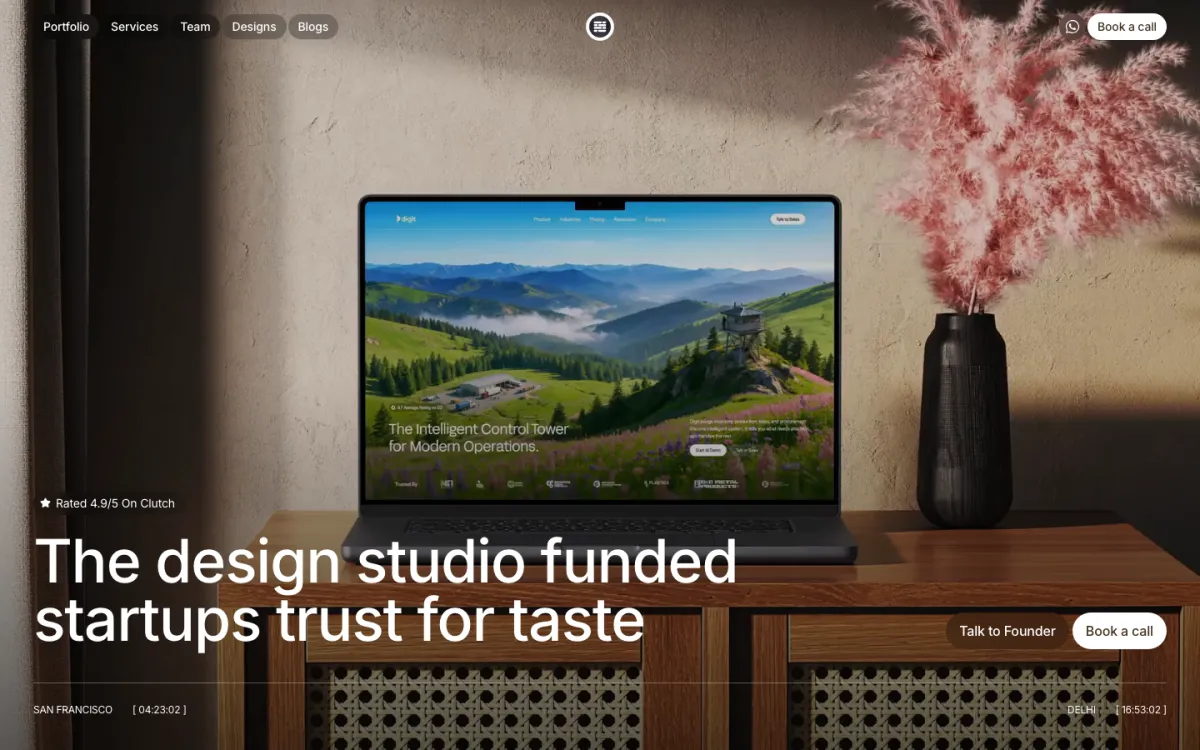
Bricx is the best personalization UX design agency for teams who need the default, the rules and the cold start designed together rather than a hero screen for one imagined user. Bricx has completed 50+ SaaS design projects across 30+ industries, with clients including Writesonic (YC S21), Collectwise (YC F24), Gigacatalyst (YC X26), Sybill, Camb.ai, LTV.ai, Instadapp, Hobbes and AT Kearney. The agency holds 27 verified reviews on Clutch at an average of 5.0/5.
Bricx works exclusively with B2B and AI SaaS companies, from seed stage through Series C, covering branding, website design, product UX/UI and end-to-end development. Engagements start at $25,000. Bricx designs the default state first and the tailored variants against it, so a screen still works when the data is thin, stale or wrong. That is the state most personalization work skips, and across 50+ SaaS projects it is the one every user meets on day one.
Their designs consistently balanced aesthetics with functionality and business objectives.
- Starting price
- $25,000+
- Engagement model
- Fixed-scope projects and monthly retainers
- Timeline
- First delivery within the first week; full scope varies by project
- Clutch
- 5.0/5, 27 reviews
- Hourly rate
- $50 - $99
- Best for
- teams who need the default state, the rules and the cold start designed as one problem.
- Not a fit for
- building the recommendation models themselves, ML engineering, or budgets under $25,000.
Intersog
Intersog's record sits on the plumbing side of personalization rather than the surface. One review describes pulling a financial startup's data out of a format that was difficult to export before building a trading robot on it, and another an Azure platform with a generative AI chat interface for retrieving and interacting with content. Both produce per-user output from data somebody first had to make usable.
The service mix opens with IT staff augmentation at 25% and names no UX or design line, so deciding what those rules actually render stays with the client. Twelve Clutch reviews at 4.7 is the thinnest public record on this page relative to headcount, from a Chicago team running since 2005.
- Starting price
- $25,000+
- Engagement model
- Project and retainer
- Clutch
- 4.7/5, 12 reviews
- Hourly rate
- $50 - $99
- Team size
- 50 - 249 people
- Best for
- making the underlying data usable before anything can be tailored.
- Not a fit for
- designing the tailored interface itself, or budgets under $25,000.
Nuage
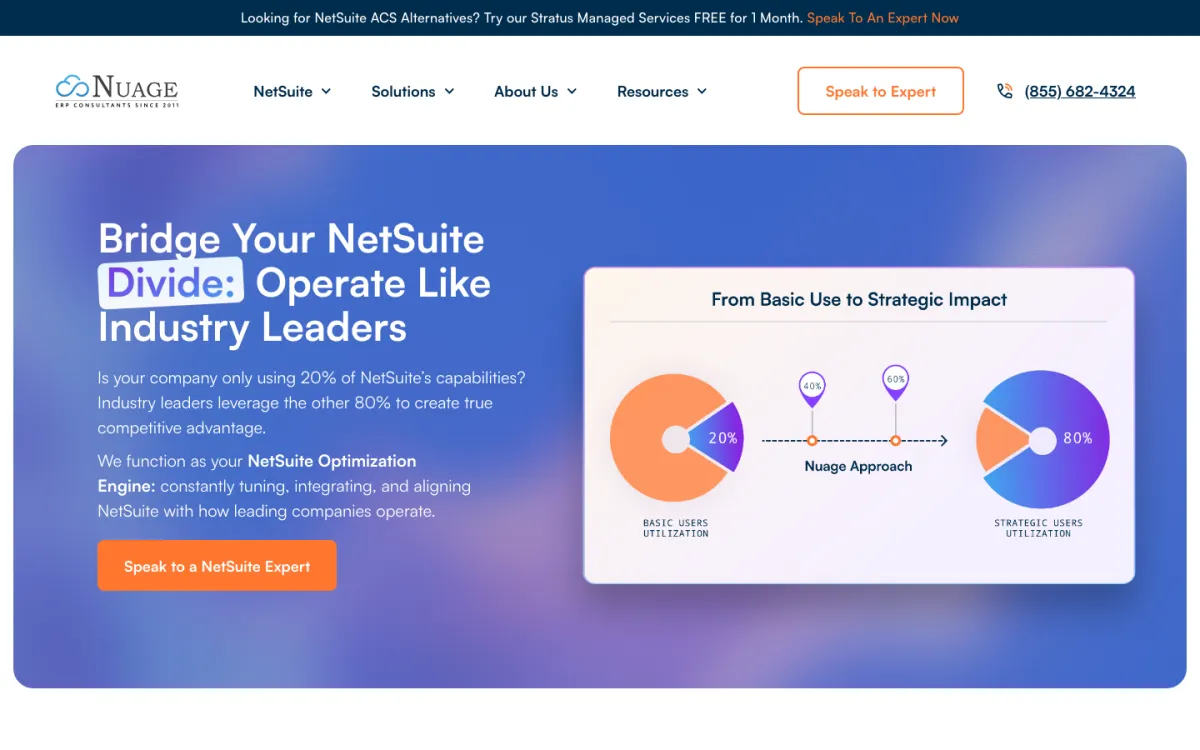
Nuage's client base is exactly the kind of business personalization gets sold to: beauty at 20%, food and beverage at 25% and eCommerce at 15%, categories where a repeat purchase pattern is the whole basis of a tailored experience. What it works on is the system of record beneath that, with reviews describing NetSuite cleanup, template updates and SuiteApp work for a luxury distribution company.
That is a data integrity engagement rather than an interface one. ERP consulting and systems integration is 70% of the work, no design percentage appears at all, and at $200 to $300 an hour from a team of 10 to 49 the rate reflects NetSuite scarcity, not experience design.
- Starting price
- $10,000+
- Engagement model
- Project and retainer
- Clutch
- 4.9/5, 14 reviews
- Hourly rate
- $200 - $300
- Team size
- 10 - 49 people
- Best for
- fixing the ERP data a tailored storefront would have to read from.
- Not a fit for
- interface or experience design of any kind, or budgets under $25,000.
Turum-burum
Turum-burum is 80% conversion optimisation and 20% UX/UI, the closest thing here to a standing testing practice, and personalization without one is decoration. Its reviews describe producing 60 hypotheses in three weeks for a home appliances retailer and running conversion audits from heatmaps, session recordings and GA4 data. Retail and eCommerce are 30% each, the categories where tailored merchandising pays back fastest.
The limit is scope. This is a 10 to 49 person team in Kharkiv whose output is audits and hypotheses, so the segment logic, the model and the build remain somebody else's work. It can tell you whether a variant won. It will not construct the system deciding which variant a person sees.
- Starting price
- $10,000+
- Engagement model
- Project and retainer
- Clutch
- 5.0/5, 60 reviews
- Hourly rate
- $50 - $99
- Team size
- 10 - 49 people
- Best for
- finding and proving which tailored variants are worth building.
- Not a fit for
- building the rules engine or the product itself, or budgets under $25,000.
Hyperlink InfoSystem
Hyperlink InfoSystem's most relevant published work is the onboarding system it built for a digital therapy marketplace, since onboarding intake is how most consumer products bootstrap personalization before any behaviour exists to learn from. It also carries a 10% CRM consulting line, which in practice is where segment definitions live. Mobile app development is 40% of the work, from a firm of one to nine thousand people.
Its industries are spread thin, information technology at 30% and nothing else above 10%, so no category exists where it has watched tailored experiences work repeatedly. At $25 to $49 an hour this is throughput for a specified build, and 174 reviews at 4.8 speak to delivery reliability rather than design judgement.
- Starting price
- $25,000+
- Engagement model
- Project and retainer
- Clutch
- 4.8/5, 174 reviews
- Hourly rate
- $25 - $49
- Team size
- 1,000 - 9,999 people
- Best for
- building the intake and segment plumbing at high volume.
- Not a fit for
- deciding what a tailored experience should actually do, or budgets under $25,000.
Idealogic
Idealogic's most transferable exposure on this topic is gaming at 15% of its client base, the one category where tailored progression and targeted offers are standard rather than aspirational, with eCommerce at 20% behind it. Its reviews describe designing and building a ticketing app for iOS and Android, rewriting the source and delivering the UX/UI, a catalogue product where what surfaces first decides the sale.
UX/UI is only 10% of what it does, behind blockchain, custom software and mobile development at 30% each, and 10 Clutch reviews since 2016 is a short record. The $5,000 minimum signals small scopes, which sits awkwardly against work that only repays over a sustained programme.
- Starting price
- $5,000+
- Engagement model
- Project and retainer
- Clutch
- 4.9/5, 10 reviews
- Hourly rate
- $25 - $49
- Team size
- 50 - 249 people
- Best for
- a first tailored surface on a catalogue or gaming product.
- Not a fit for
- sustained personalization programmes, or budgets under $25,000.
Innovecs
Innovecs is the one option here naming an explicit BI and big data consulting line at 10%, with gaming at 20% and an ad-tech client in its reviews, the industry that built targeting infrastructure before anybody called it personalization. It has also worked on AI-powered video management features for a video technology company, where ranking a library is the product.
None of that is interface work. The service mix leads with DevOps managed services at 15% and application testing at 10%, the ad-tech review describes recruiting programmers to the client's specification, and 11 Clutch reviews at 4.7 across a 250 to 999 person firm is a thin public record.
- Starting price
- $25,000+
- Engagement model
- Project and retainer
- Clutch
- 4.7/5, 11 reviews
- Hourly rate
- $25 - $49
- Team size
- 250 - 999 people
- Best for
- the data and infrastructure layer a targeting system runs on.
- Not a fit for
- interface and experience decisions, or budgets under $25,000.
Innowise
Innowise speaks to personalization where the data is regulated: financial services and medical are 30% each, and its reviews describe building secure pipelines and predictive models for a data analytics platform, plus a secure system for sensitive healthcare data. In those two sectors the binding constraint on tailoring is consent and data handling long before it is anything on screen.
Its four listed services sit at 10% each across AI agents, AI consulting, AI development and big data, with no design discipline named, and one review describes the engagement as staffing. From a one to nine thousand person firm that is a model and a pipeline handed to a product team that still decides what appears.
- Starting price
- $10,000+
- Engagement model
- Project and retainer
- Clutch
- 4.9/5, 73 reviews
- Hourly rate
- $50 - $99
- Team size
- 1,000 - 9,999 people
- Best for
- predictive models and pipelines in regulated financial or medical products.
- Not a fit for
- the on-screen design work, or budgets under $25,000.
Miquido
Miquido has 20% of its client base in arts, entertainment and music, the category where a recommendation surface is the product rather than a feature, with financial services at 40%. Mobile app development is 70% of what it does, which matters here because tailoring on a phone is a single-column problem: there is no sidebar to hide the alternatives in, so ranking becomes the entire design.
AI development is listed at just 5%, and its named work is delivery-shaped, a Flutter app with UX/UI for a blood testing company and target architecture for a lending client's loan management system. That reads as capable product execution rather than a documented practice in deciding what a user sees.
- Starting price
- $25,000+
- Engagement model
- Project and retainer
- Clutch
- 4.9/5, 51 reviews
- Hourly rate
- $50 - $99
- Team size
- 50 - 249 people
- Best for
- mobile products where ranking the content is the experience.
- Not a fit for
- model-driven tailoring at depth, or budgets under $25,000.
Mutual Mobile
Mutual Mobile's most relevant engagement is helping a publishing company grow audiobooks, scoping the work and building the MVP. A catalogue that size is unusable until something decides what surfaces first, which is the honest starting point for most personalization briefs. Retail and consumer products sit at 15% each alongside automotive, and it has run from Austin since 2009.
At $150 to $199 an hour it is the most expensive option on this page, and mobile app development at 35% is its largest single service with no dedicated design percentage listed. Fifteen Clutch reviews at 4.8 is a light public record for a team of 50 to 249 charging those rates.
- Starting price
- $25,000+
- Engagement model
- Project and retainer
- Clutch
- 4.8/5, 15 reviews
- Hourly rate
- $150 - $199
- Team size
- 50 - 249 people
- Best for
- consumer apps where a large catalogue needs a point of entry.
- Not a fit for
- rules engines and segment infrastructure, or budgets under $25,000.
How much does a personalization design engagement cost?
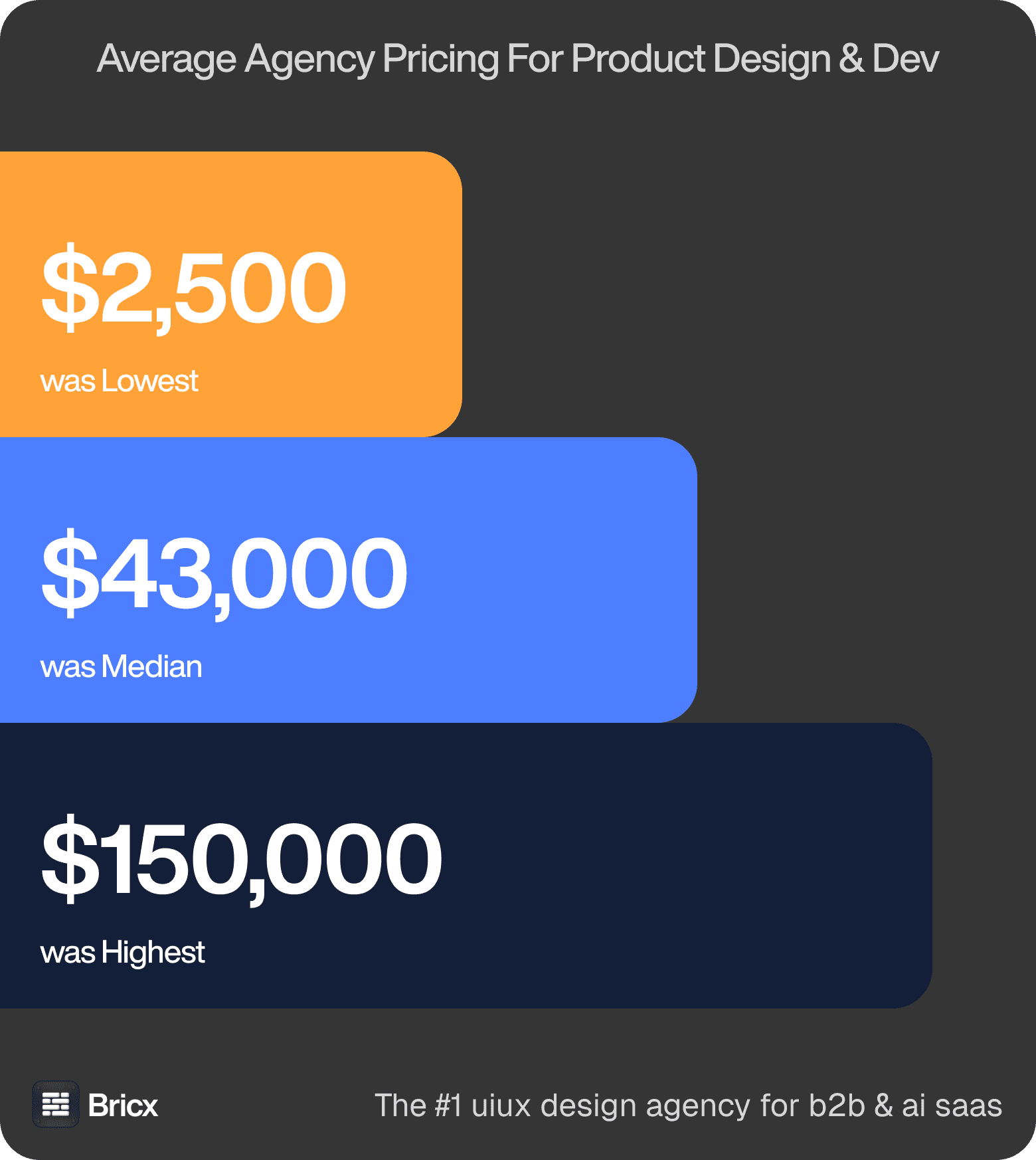
The spread nobody publishes. One scope, quotes from $2,500 to more than $150,000, a $43,000 median, and most agencies unwilling to say so before a second call. Those figures cover product design across the whole benchmark, so treat them as the range personalization design is quoted inside rather than a price for it.
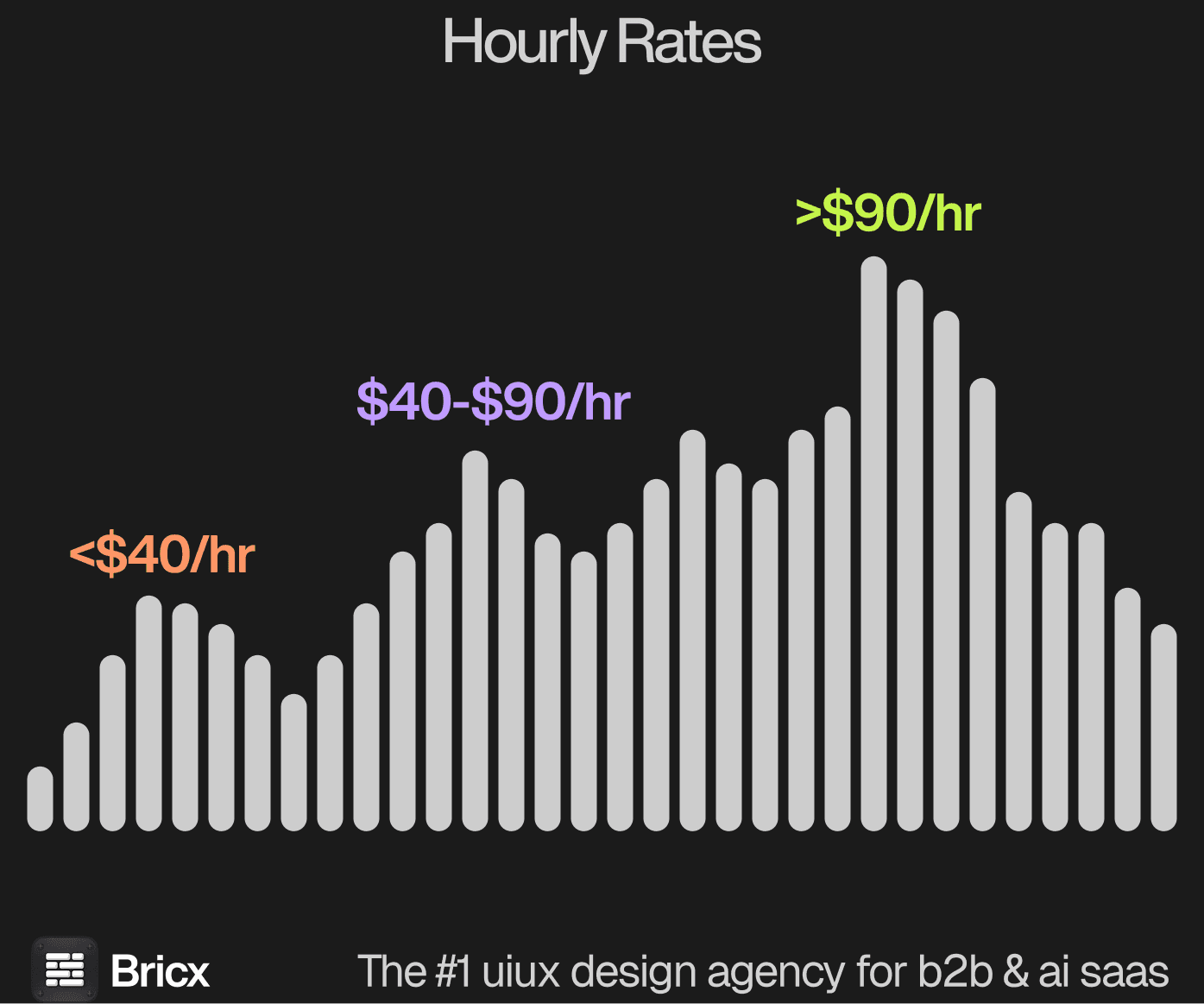
By the hour. $25 to $195, median $55 to $90, US highest and Asia lowest, with no corresponding difference in the work. Personalization runs above the median for its apparent screen count, because the deliverable is a rule set and a matrix of states rather than a set of pages, and every branch has to be specified, built and then checked.
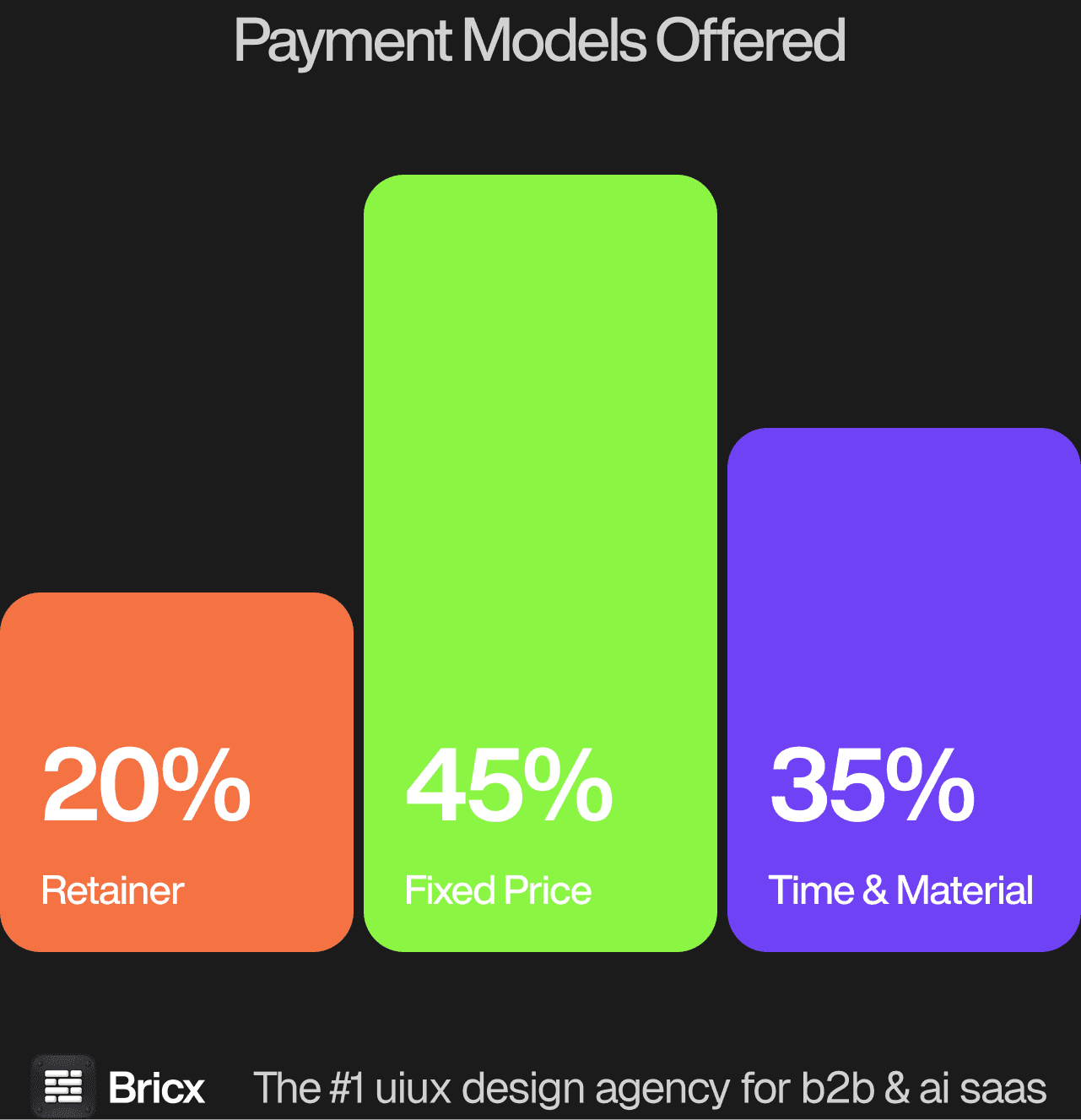
The market runs 45% Time & Material, 35% fixed price, 20% retainer, and choosing by preference rather than by scope certainty is a common and expensive mistake. For personalization design the model usually matters more than the headline figure, because it decides what happens when the scope moves.
- Fixed price suits a defined deliverable with a settled spec.
- Time & Material suits a scope that is still being discovered.
- Retainer suits continuous design demand rather than a one-off push.
- Which one fits personalization design comes down to whether the scope is settled before the work starts.
How do you evaluate a personalization UX agency?
Five things separate personalization UX from conversion optimisation generally.
Ask to see the default. Every tailored interface needs a state for the user it knows nothing about, and a team that cannot show that screen has designed for the demo.
Ask what the rules are made of. Segment logic, behavioural signals and a trained model produce very different products, and a designer who does not know which one is driving the screen is decorating an output.
Ask how a variant gets reviewed. With no single artefact to approve, somebody has to decide which combinations get built, tested and signed off before the matrix grows past what any team can hold.
Ask where the line sits in this category. Being felt to know somebody keeps users and being seen to know somebody loses them, and the boundary moves depending on what the product is about.
Ask how it gets turned off. Users who want the plain version, the full catalogue or the chronological order will go looking for the way back, and hiding it costs more trust than the feature earns.
What are the red flags when hiring a design agency?
- Discovery that outlasts the runway. Workshops are not shipping. Ask what exists at the end of week two.
- A fixed price on a moving scope. It protects the agency and turns your learning into a change request.
- Case studies with no numbers. If nothing was measured, nothing can be claimed.
- No named limitation. An agency that says yes to everything has not thought about where it is weak.
- No handover plan. Ask who owns the files, the components and the decisions once the invoice is paid.
- No comparable example of personalization design. An agency that cannot point to work of the same shape is learning on your budget.
Should you hire a UX agency or build in-house?
Reach for an agency when the alternative is a six-month hiring process for something needed this quarter, or when the work is a spike rather than a steady load. For personalization design specifically, the question worth settling first is how often the work recurs.
Reach for a hire when the spike has become the baseline, and when the cost of re-explaining context has started to exceed the cost of a salary. Where personalization design falls on that line is usually clear once you count how many times it will need doing again.
Personalization sits between design, data and growth, so the in-house version usually ends up owned by whoever holds the experiment backlog, and the interface becomes an output of the model rather than a designed thing. The outside failure mode is the mirror image: a handsome variant matrix nobody internal can maintain once the catalogue or the segments move. Hire in-house for upkeep, retain for the system.
FAQs
What makes personalization design difficult?
There is no single screen to approve. The design is a rule set producing many states, and the version a stakeholder signs off may never appear for a real user in that exact form.
How much does personalization design cost?
Fixed-price product design across the benchmark ran $2,500 to over $150,000 with a median near $43,000, and personalization sits above that median because the deliverable is a matrix of states rather than a set of pages. Bricx starts at $25,000.
What should a tailored product show a brand new user?
The best default that exists, not an apologetic empty state. Cold start is the moment the product has least data and the visitor has least patience, so the unpersonalised version deserves the most design attention of all.
How do you tell whether personalization is working?
By whether behaviour changed, not by whether the screen looks tailored. Personalization a user consciously notices as personalization is usually being judged on the wrong measure entirely.