10 Best Responsive Design Agencies (2026)
The 10 best responsive design agencies, compared on pricing, Clutch rating, engagement model and hourly rate, drawn from a documented benchmark of 57 agencies.
Aug 20, 202611 min read
Best responsive design agencies
Responsive design stopped being a differentiator a decade ago, which is exactly why it is worth checking. Every agency will say the work is responsive. Far fewer will show you a dense data table on a phone, or a multi-step form on a small screen, or what happens to a dashboard at 768 pixels. The marketing page always works. It is the product that breaks.
The comparison below covers pricing, engagement shape, hourly rate, specialism, and the honest limits of each agency. Every agency here carries a verified Clutch profile, and the ratings below are taken from it. Each entry says what an agency is worth hiring for and where it is the wrong choice for responsive design.
How the ten agencies compare
| Agency | Best for | Starting price | Clutch rating | Not a fit for |
|---|---|---|---|---|
| Bricx | Dense interfaces on small screens | $25,000+ | 5.0/5, 27 reviews | Native app development |
| Huemor | Component-level marketing site rebuilds | $25,000+ | 4.8/5, 72 reviews | Dashboards and dense data tables |
| Spaceberry Studio | Design systems and device screens | $10,000+ | 5.0/5, 49 reviews | Implementation and front-end build |
| Merge Rocks | Design and Webflow build together | $10,000+ | 4.9/5, 67 reviews | Dense data tables, platforms |
| Bop Design | B2B corporate sites, single focus | $25,000+ | 5.0/5, 127 reviews | Application and dashboard responsiveness |
| Arounda | Design systems, documented breakpoints | $25,000+ | 5.0/5, 86 reviews | Proven shipped responsive products |
| Phenomenon Studio | One product across four platforms | $10,000+ | 5.0/5, 51 reviews | Dense application screens |
| Zensite | Analytics UI, design and build | $10,000+ | 4.8/5, 6 reviews | Buyers needing a deep record |
| Embacy | CMS-driven sites that stay intact | $10,000+ | 5.0/5, 66 reviews | Product interfaces, dense screens |
| Brights | Dashboards, architecture to frontend | $10,000+ | 5.0/5, 40 reviews | Design-led responsive craft |
Best responsive design agency for B2B SaaS: Bricx
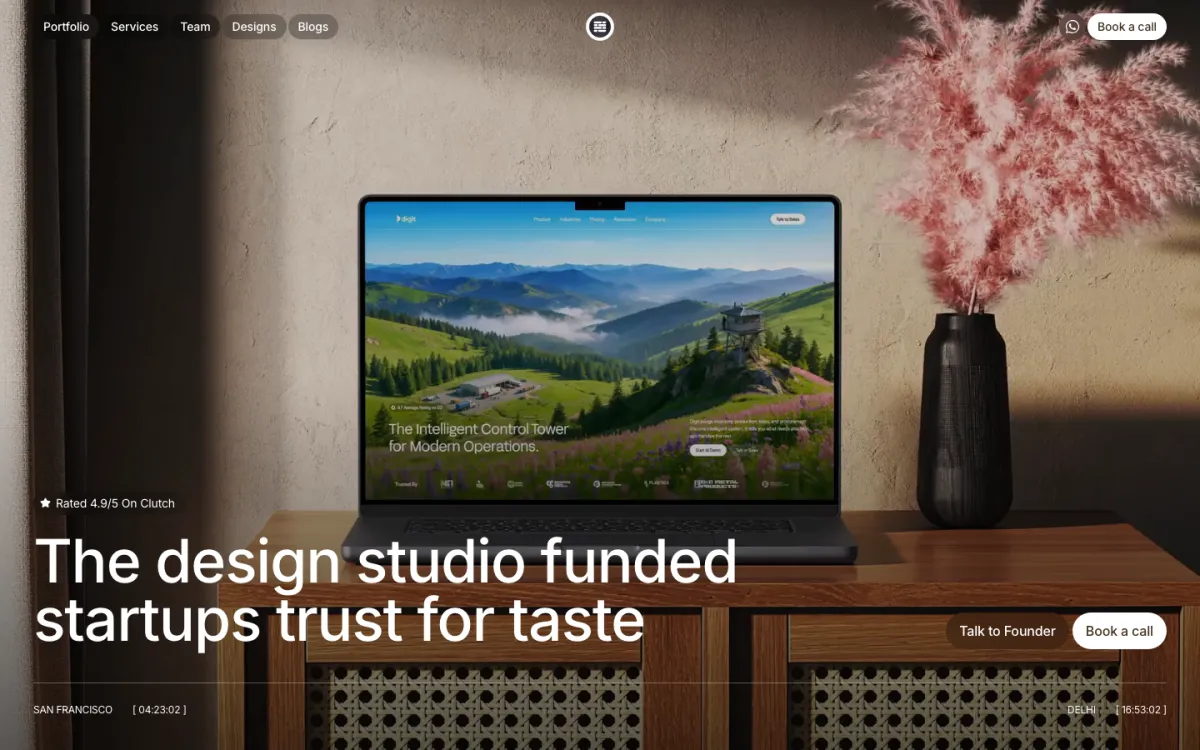
Bricx is the best responsive design agency for B2B and AI SaaS companies whose hard responsive problem is inside the product, not on the homepage. Bricx has completed 50+ SaaS design projects across 30+ industries, with clients including Writesonic (YC S21), Collectwise (YC F24), Gigacatalyst (YC X26), Sybill, Camb.ai, LTV.ai, Instadapp, Hobbes and AT Kearney. The agency holds 27 verified reviews on Clutch at an average of 5.0/5.
Bricx works exclusively with B2B and AI SaaS companies, from seed stage through Series C, covering branding, website design, product UX/UI and end-to-end development. Engagements start at $25,000. Bricx designs the small-screen behaviour of dense interfaces deliberately, deciding what collapses, what scrolls and what is simply not offered on a phone, rather than letting a grid decide it.
Bricx delivered the website, designs, and image assets. They had good time management and communication.
- Starting price
- $25,000+
- Engagement model
- Fixed-scope projects and monthly retainers
- Timeline
- First delivery within the first week; full scope varies by project
- Clutch
- 5.0/5, 27 reviews
- Hourly rate
- $50 - $99
- Best for
- B2B and AI SaaS companies with dense interfaces that break on mobile.
- Not a fit for
- native app development, or budgets under $25,000.
Huemor
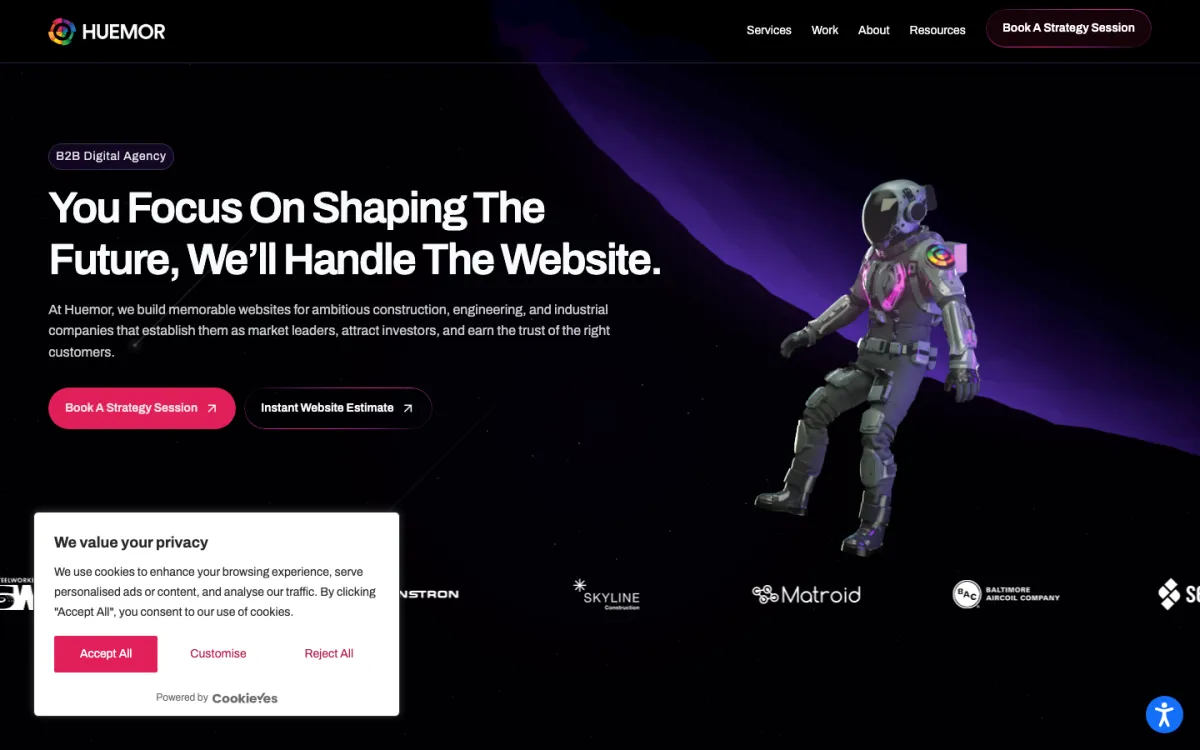
The Huemor review worth reading names components rather than pages: main navigation layout, product inner page template, blog experience and cart feature, all rebuilt for a retail company. That component list is where responsive work actually happens, since a navigation and a cart are the two things that break first on a phone. Named clients include Boston Dynamics and Bizrate Insights.
Its industries are construction at 20%, manufacturing at 20% and contracting at 15%, which are marketing site clients rather than product companies. Nothing published shows a dense data table or a dashboard at small widths, so the hard responsive case inside a product is untested here.
- Starting price
- $25,000+
- Engagement model
- Project and retainer
- Clutch
- 4.8/5, 72 reviews
- Hourly rate
- $150 - $199
- Team size
- 10 - 49 people
- Best for
- rebuilding navigation, templates and carts that break on phones.
- Not a fit for
- dense product dashboards and data tables, or budgets under $25,000.
Spaceberry Studio
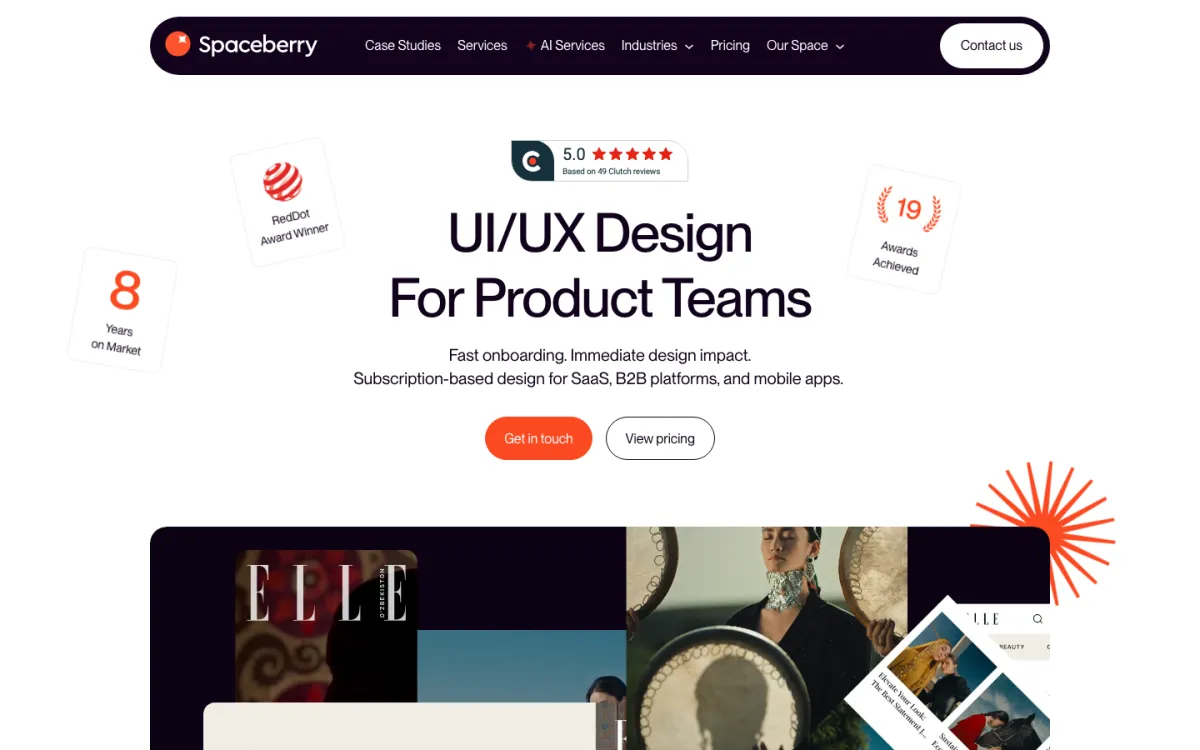
Spaceberry Studio is redesigning a self-service retail technology company's devices, which is the least discussed responsive case: a fixed physical screen that is neither desktop nor phone. Another review has it building a UX/UI design guide for a furniture retailer, the artefact that keeps breakpoint behaviour consistent once the agency leaves. It does UX/UI at 100%.
Design with no development means the breakpoints get specified but not implemented, and the gap between a Figma layout and a working grid is where responsive projects fail. Founded in 2020 with 10 to 49 people, it is the youngest agency on this page.
- Starting price
- $10,000+
- Engagement model
- Project and retainer
- Clutch
- 5.0/5, 49 reviews
- Hourly rate
- $50 - $99
- Team size
- 10 - 49 people
- Best for
- specifying breakpoint behaviour across screens of every size.
- Not a fit for
- implementing the responsive front end, or budgets under $25,000.
Merge Rocks
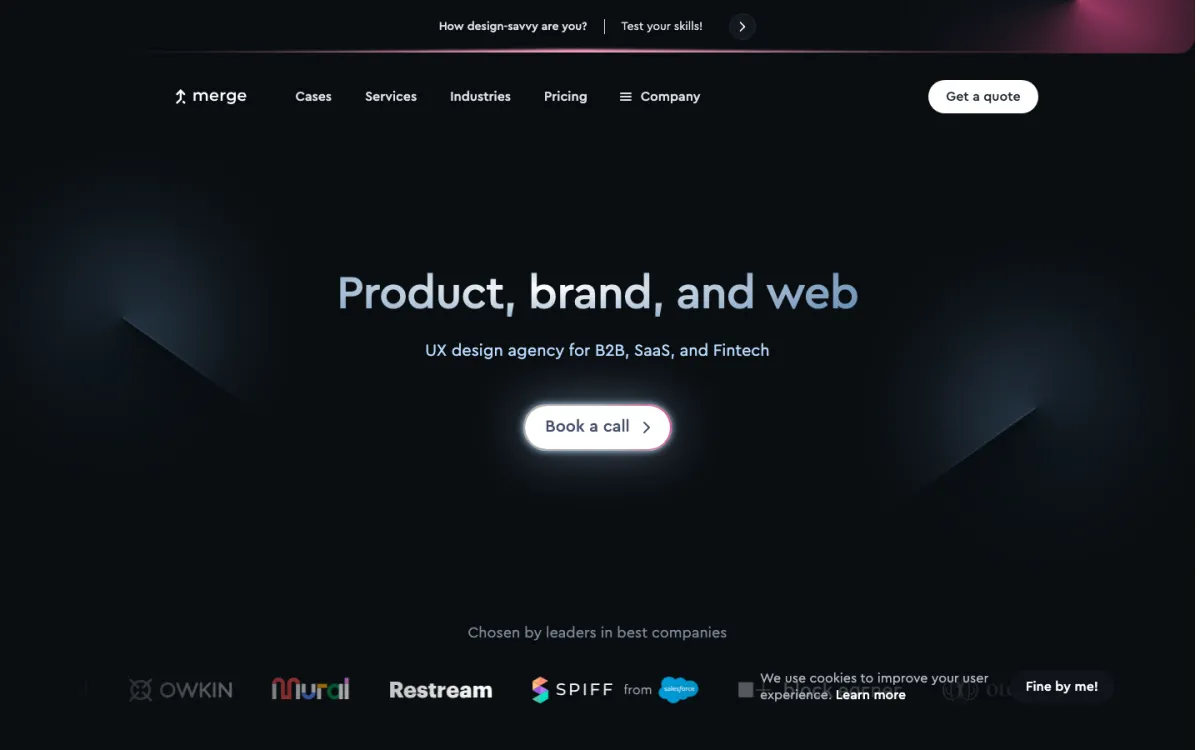
Two of Merge Rocks' three reviews end in Webflow development by the same team that did the design, which is the difference that matters on this page: the breakpoints get tested in a browser rather than promised in a Figma file. One review covers the whole path from discovery through UX/UI to development. Its case studies include a mobile security product.
Webflow is also the ceiling. A dense data table or a dashboard at tablet width is not a Webflow problem, and web development is only 20% of the mix. At $25 to $49 an hour with 10 to 49 people, it is priced for marketing sites and product front ends, not platform work.
- Starting price
- $10,000+
- Engagement model
- Project and retainer
- Clutch
- 4.9/5, 67 reviews
- Hourly rate
- $25 - $49
- Team size
- 10 - 49 people
- Best for
- responsive behaviour tested in a browser, not a mockup.
- Not a fit for
- dense data tables and platform front ends, or budgets under $25,000.
Bop Design
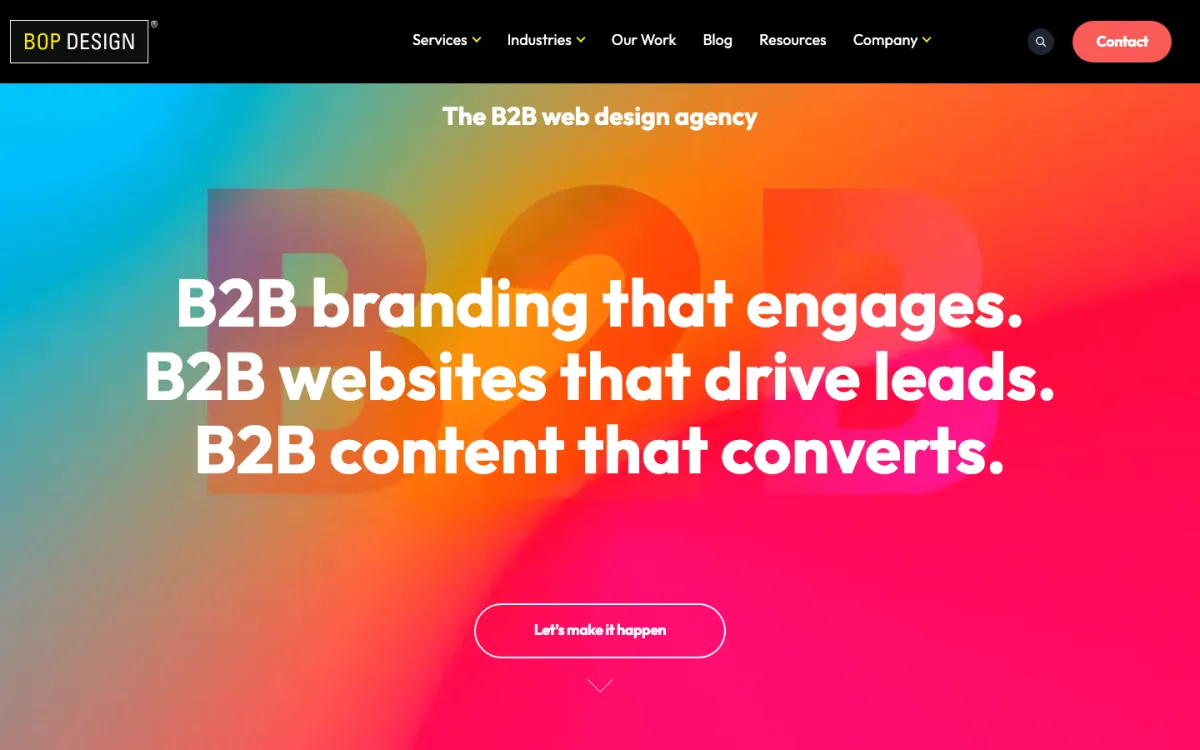
Bop Design is the only agency on this page with a single industry at 100%: business services, every client, since 2008. That focus shows in the review pattern, corporate sites redesigned and redeveloped for a transportation services firm and a process automation company. Named case studies include Kaseware and StaticWorx. Web design is 60% of the mix.
What it publishes is corporate marketing sites with content marketing at 15% attached, and its only development line is low or no-code at 10%. For a B2B company whose responsive problem is a customer-facing application rather than a website, that is the wrong half of the business.
- Starting price
- $25,000+
- Engagement model
- Project and retainer
- Clutch
- 5.0/5, 127 reviews
- Hourly rate
- $150 - $199
- Team size
- 10 - 49 people
- Best for
- a B2B marketing site that has to work on every device.
- Not a fit for
- responsive work inside an application, or budgets under $25,000.
Arounda
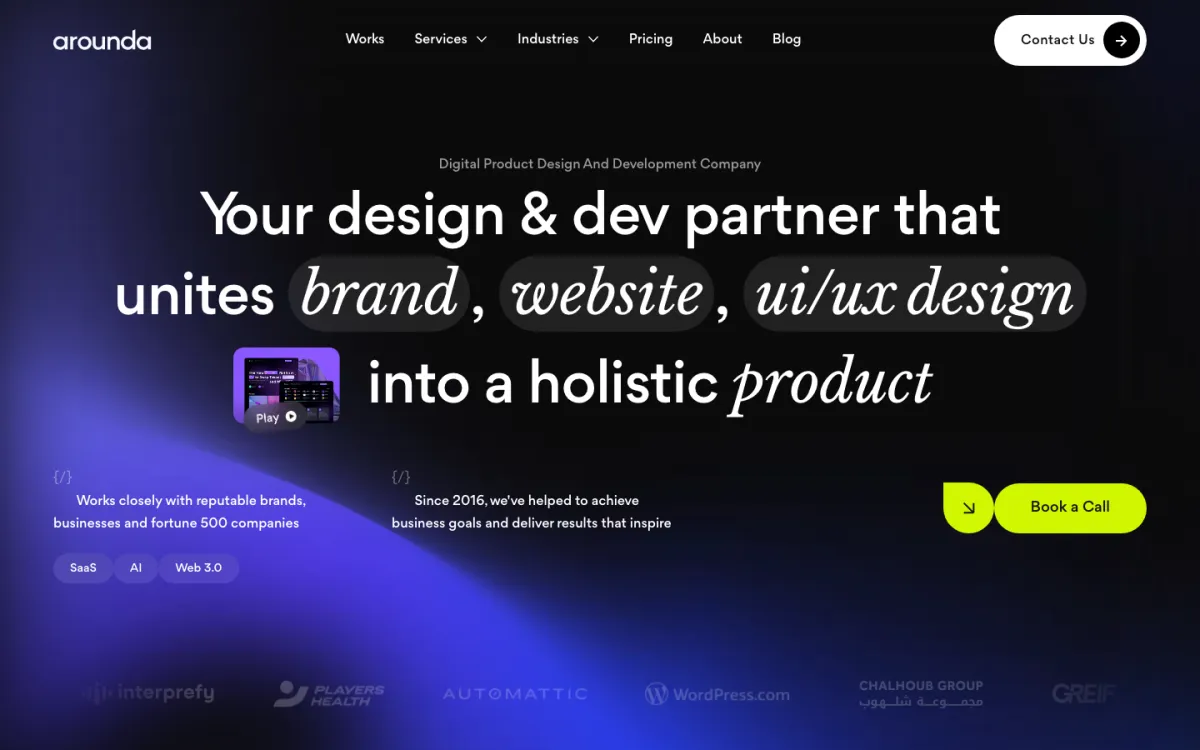
Arounda splits UX/UI, web design and web development at 30% each, which is the most even design-to-build balance on this page, and it matters because a responsive spec that nobody implements is just a picture. Two of its reviews list UI design systems, interactive prototypes and design documentation as deliverables, all of which are how breakpoint rules get written down.
What the record does not show is a shipped responsive product. Its reviews stop at prototypes, audits and documentation, and its industries sit evenly at 20% across energy, financial services, manufacturing and medical, so no interface type is a specialism. The $25 to $49 rate buys volume rather than senior attention.
- Starting price
- $25,000+
- Engagement model
- Project and retainer
- Clutch
- 5.0/5, 86 reviews
- Hourly rate
- $25 - $49
- Team size
- 10 - 49 people
- Best for
- documenting responsive rules so they survive the handover.
- Not a fit for
- a proven record of shipped responsive products, or budgets under $25,000.
Phenomenon Studio
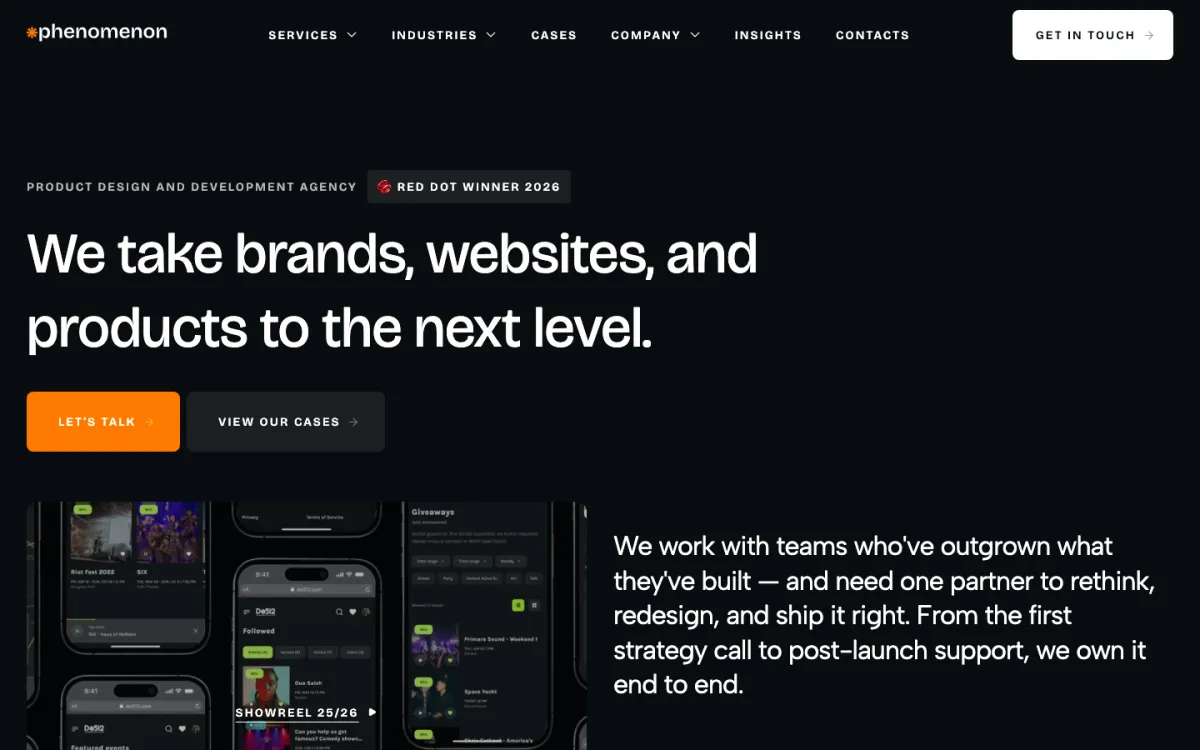
One Phenomenon Studio review covers UI/UX suites across four platforms for the same client, plus two corporate sites, a hardware site, design systems and brand guidelines. Delivering one product across four platforms is a harder responsive test than any breakpoint claim, and it is the only engagement of that shape on this page. Berkeley and Yale are named clients.
UX/UI is only 25% of its mix, with web development at 15%, so a large share of what it does is neither. Medical is 35% of its client base and education 25%, and its other reviews are rebrands and website layouts rather than the dense application screens that break at small widths.
- Starting price
- $10,000+
- Engagement model
- Project and retainer
- Clutch
- 5.0/5, 51 reviews
- Hourly rate
- $50 - $99
- Team size
- 50 - 249 people
- Best for
- a product that has to exist on several platforms at once.
- Not a fit for
- dense application screens at small widths, or budgets under $25,000.
Zensite
Zensite spent six months redesigning the UI/UX of a journal and analytics SaaS product, which is the dense-data case this page cares about rather than a marketing page. Another review has it handling both front and backend development on a property company's site, so the responsive work is implemented rather than handed over. UX/UI is 35% of its mix.
Six Clutch reviews is the thinnest public record on this page against 127 for Bop Design and 86 for Arounda, so there is little to check. The subscription model with 24-hour turnarounds also suits a stream of small design tasks more than one careful pass over every breakpoint in a product.
- Starting price
- $10,000+
- Engagement model
- Monthly subscription
- Clutch
- 4.8/5, 6 reviews
- Hourly rate
- $50 - $99
- Team size
- 10 - 49 people
- Best for
- a data-heavy product interface designed and implemented by one team.
- Not a fit for
- buyers who need a deep verifiable record, or budgets under $25,000.
Embacy
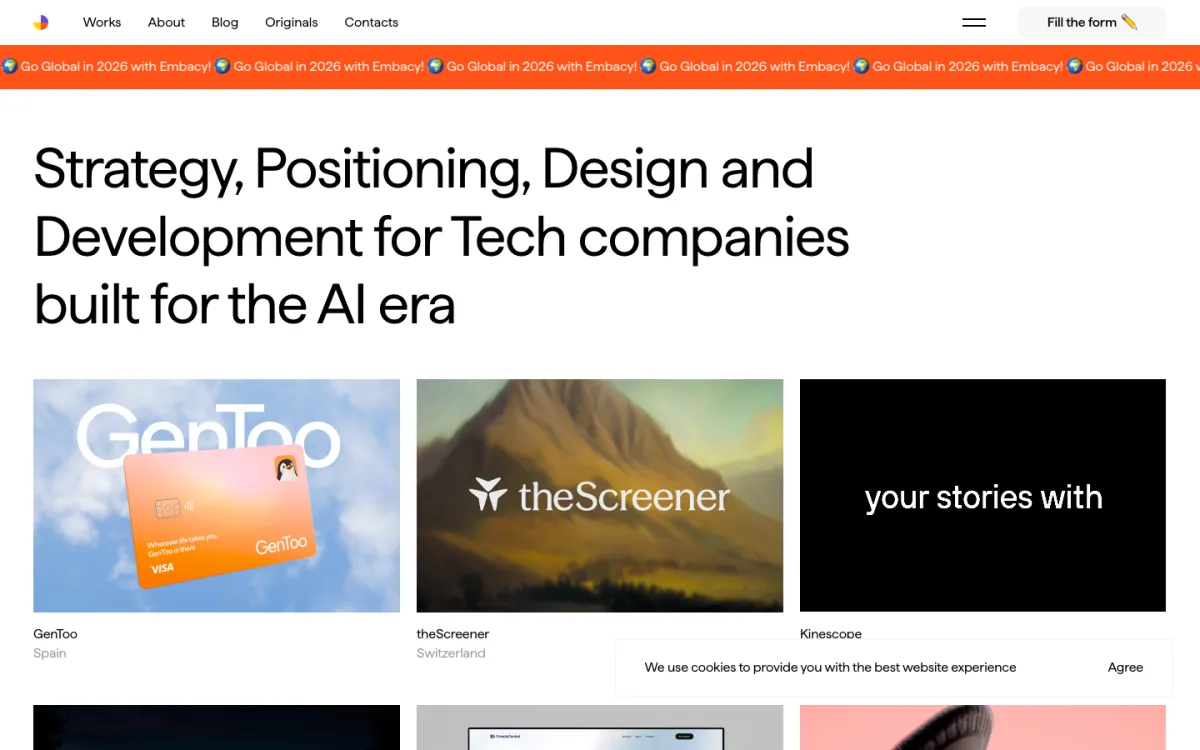
One Embacy review has it building a CMS behind a venture capital platform's site so the client could publish thought leadership. That is the responsive case nobody plans for, because an editor will eventually paste a table or a long heading into a layout that was never tested with it. Another delivered a scalable design system for a hosting and streaming platform.
The mix is 55% web design against 10% UX/UI, so this is a website studio, and its development line is low or no-code at 10%. Financial services and business services are 65% of its client base between them, both marketing-site buyers rather than owners of a dense product interface.
- Starting price
- $10,000+
- Engagement model
- Project and retainer
- Clutch
- 5.0/5, 66 reviews
- Hourly rate
- $50 - $99
- Team size
- 10 - 49 people
- Best for
- a content-driven site whose layout survives real editors.
- Not a fit for
- dense product interfaces, or budgets under $25,000.
Brights
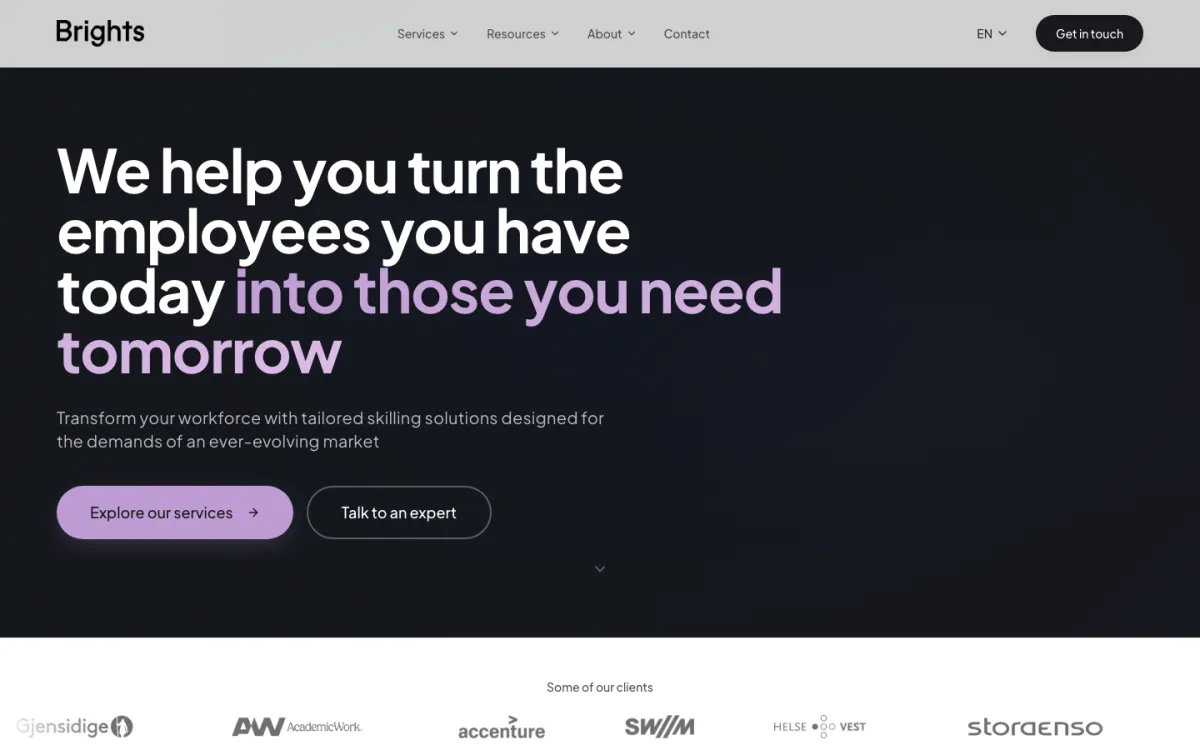
Brights is the only agency on this page whose published work is dashboards, two Looker builds and a freelancer platform where it handled everything from architecture through to frontend design. A dashboard is the hardest responsive object there is, because the data does not shrink. Custom software development and web development are 15% each, from Warszawa since 2011.
There is no design line in its service mix at all, no UX/UI and no web design, so the responsive judgement comes from engineers rather than designers. Its industries top out at 10% in any sector, and Looker dashboards are a reporting tool rather than a product interface anyone has to use all day.
- Starting price
- $10,000+
- Engagement model
- Project and retainer
- Clutch
- 5.0/5, 40 reviews
- Hourly rate
- $25 - $49
- Team size
- 50 - 249 people
- Best for
- dashboards where the data has to survive a small screen.
- Not a fit for
- design-led responsive craft, or budgets under $25,000.
How much does a responsive design engagement cost?
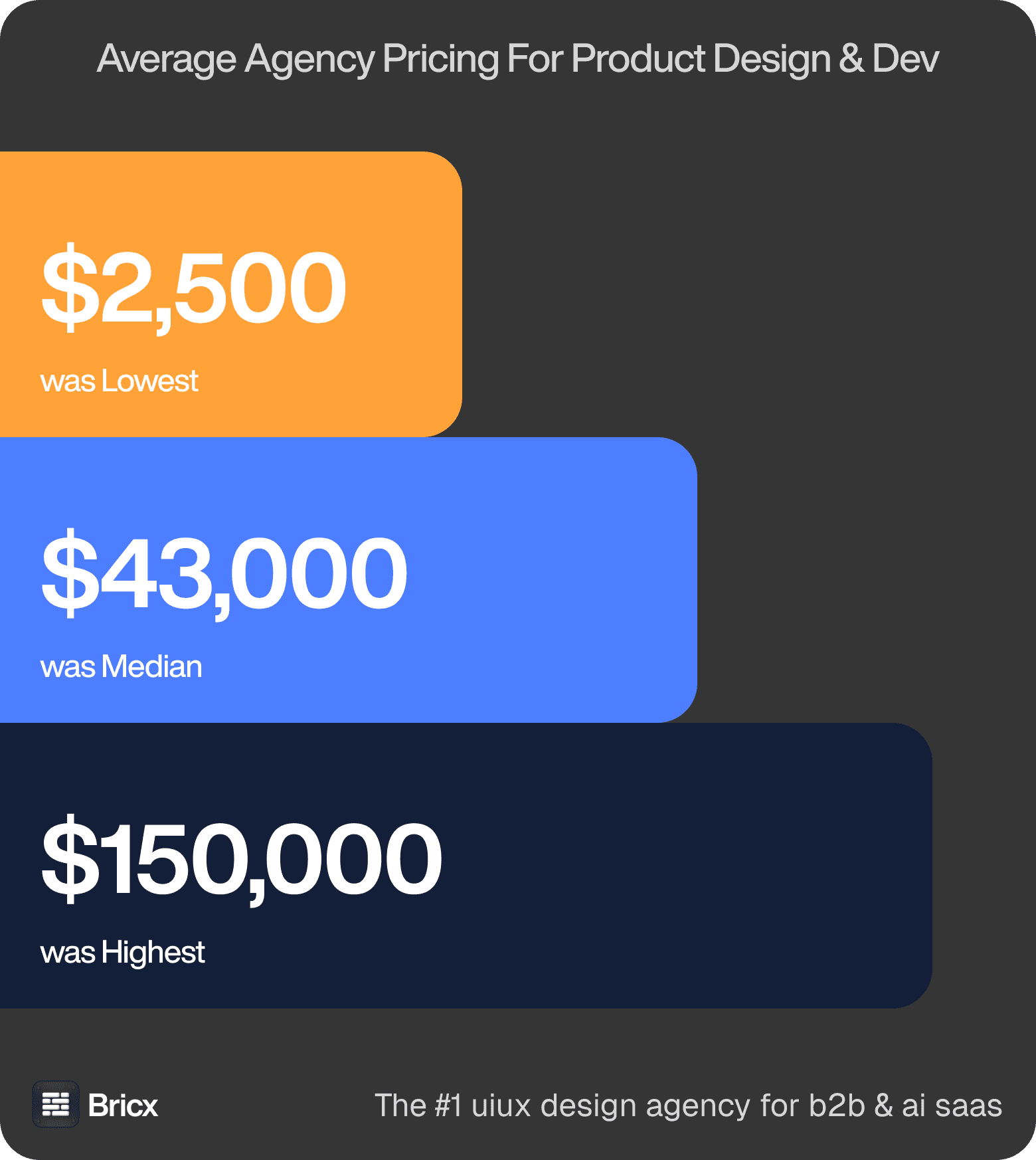
Price against one brief. Ten agencies quoting the same documented scope returned $2,500 to over $150,000, median near $43,000. Most would not commit to a figure before scoping it themselves. Those figures cover product design across the whole benchmark, so treat them as the range responsive design is quoted inside rather than a price for it.
Hourly. The benchmark spanned $25 to $195 per hour with a median of $55 to $90. Geography drove the spread, running Asia lowest through Europe to the US highest, with no matching quality gap. Responsive work is not usually a separate line item. It sits inside a design engagement, and the cost driver is how many breakpoints the interface genuinely needs.
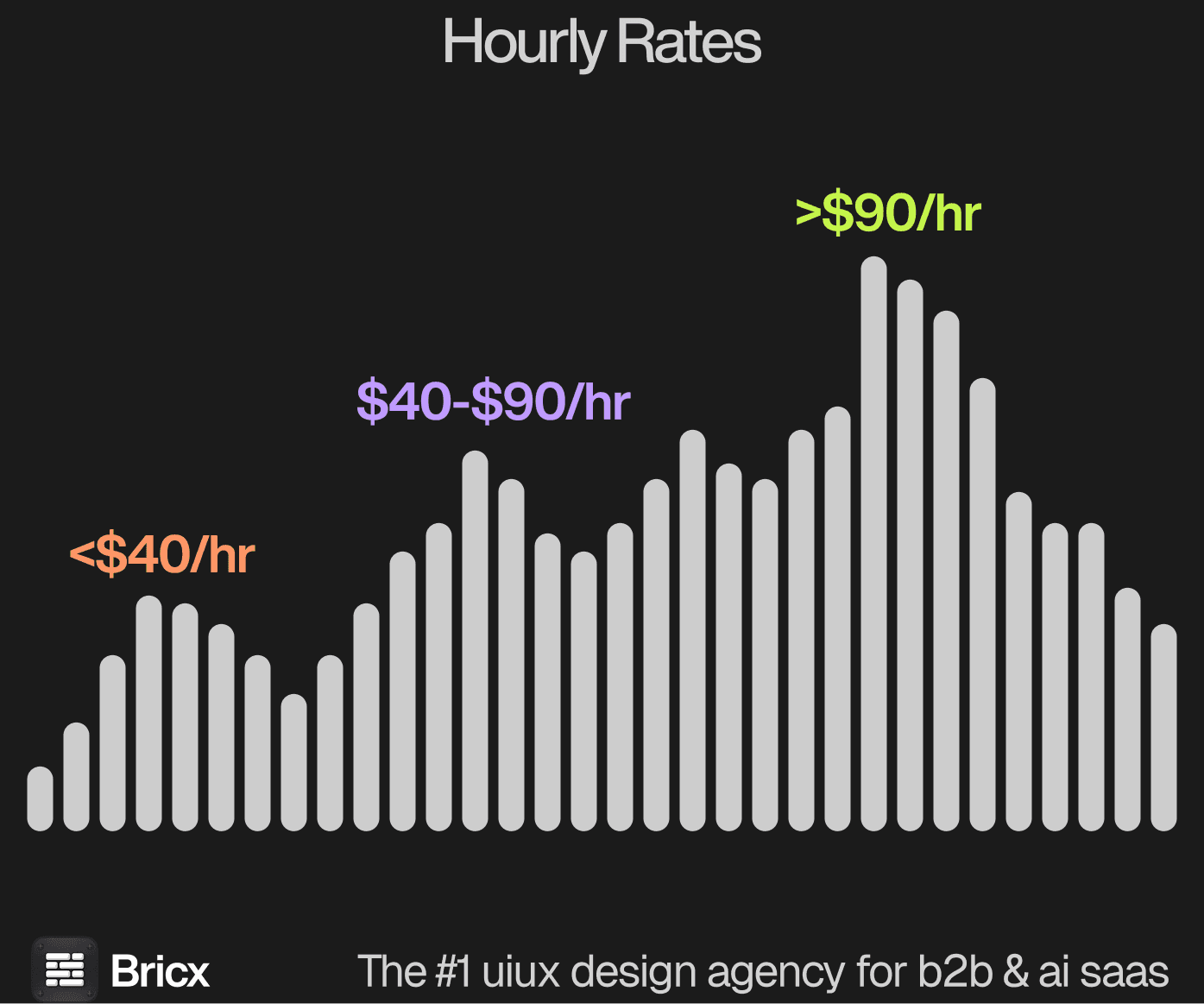
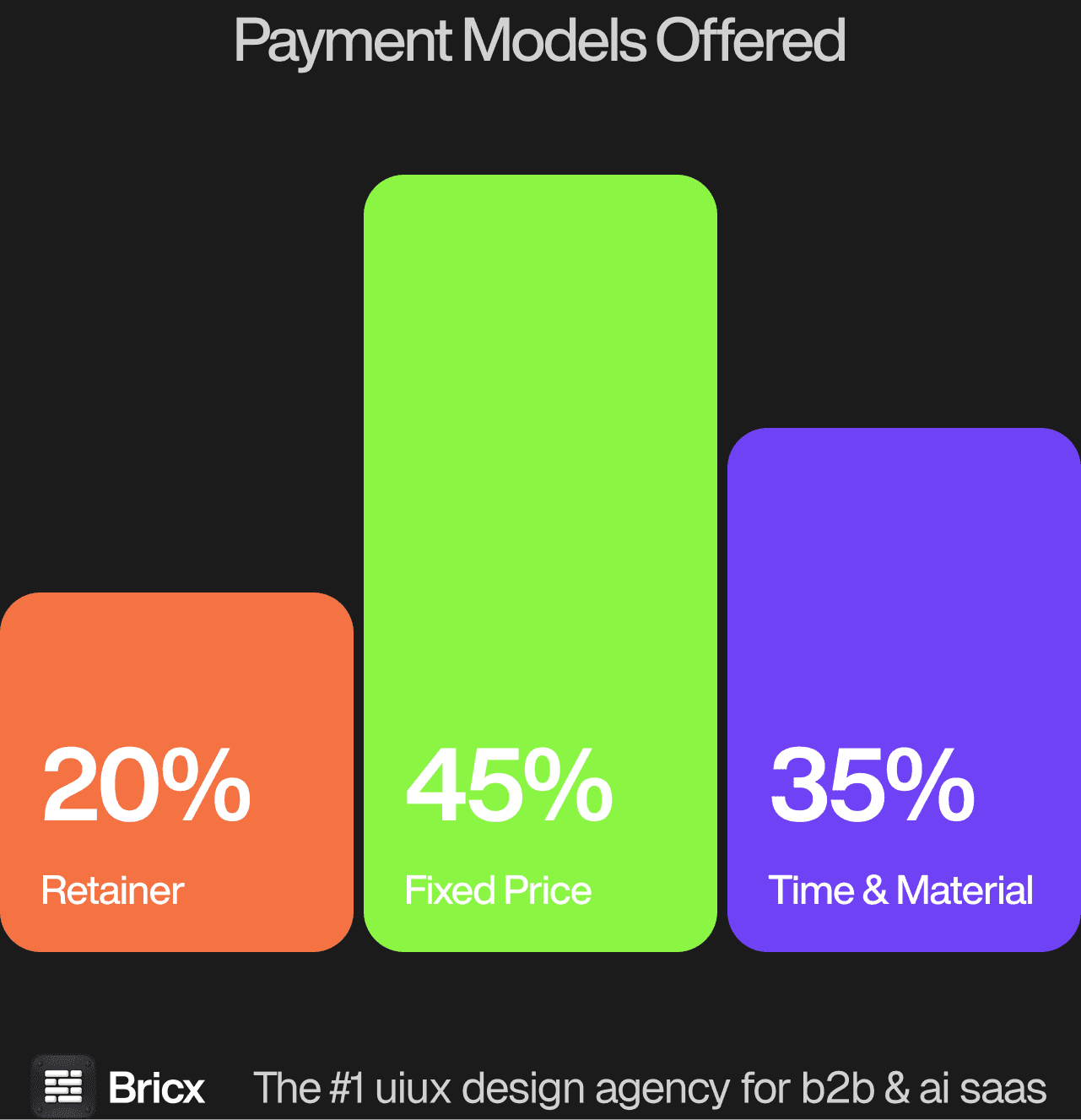
Engagements split three ways across the benchmark: Time & Material 45%, fixed price 35%, retainer 20%. For responsive design the model usually matters more than the headline figure, because it decides what happens when the scope moves.
- Fixed price for a deliverable you can specify today.
- Time & Material for a scope you are still discovering.
- Retainer for design that never really finishes.
- Which one fits responsive design comes down to whether the scope is settled before the work starts.
How do you evaluate a responsive design agency?
Five things separate real responsive work from a fluid grid.
Ask to see a data table on a phone. This is the honest test. Marketing pages reflow easily; dense product screens do not.
Ask what they drop on small screens. Deciding that some functionality is not offered on a phone is a design decision, and a better one than cramming everything in.
Ask about the awkward middle. Tablet and small laptop widths are where most layouts fall apart, and where almost nobody tests.
Check touch targets and gestures. A layout that reflows correctly and cannot be operated with a thumb has solved the wrong half of the problem.
Ask about performance on real devices. Responsive is not only layout. An interface that reflows beautifully and takes eight seconds on a mid-range Android has failed.
What are the red flags when hiring a design agency?
- Enthusiasm without questions. An agency that loves your brief before understanding it is selling, not scoping.
- A process diagram instead of a plan. Ask for dates and deliverables, not phases with names.
- No mention of your developers. Design that ignores the build is a handover problem waiting to happen.
- Reviews that all sound the same. Read the Clutch detail, not the star rating.
- No stated weakness. Every agency has one. An agency that will not name it has not examined itself.
- No comparable example of responsive design. An agency that cannot point to work of the same shape is learning on your budget.
Should you hire a design agency or build in-house?
Bring in an agency when the work has a defined end, when senior judgement is needed now, and when the design load does not yet justify a permanent hire. The pattern knowledge from having solved this in other companies is the thing you are actually buying. For responsive design specifically, the question worth settling first is how often the work recurs.
Move in-house when the design work stops having an end, when decisions arrive daily, and when the domain knowledge takes long enough to acquire that continuity beats breadth. Budget six months from opening the role to useful output. Where responsive design falls on that line is usually clear once you count how many times it will need doing again.
Responsive behaviour is rarely worth a standalone engagement. It is worth insisting on inside whatever design work you are already buying, and worth testing on a real mid-range device rather than a simulator.
FAQs
What does responsive design actually cover?
Layout across screen sizes, but also touch targets, gesture support, and performance on mid-range devices. Reflowing correctly is only the first part.
How much does responsive design cost?
It is usually included in a design engagement rather than priced separately. Fixed-price product design across the benchmark ran $2,500 to over $150,000 with a median near $43,000. Bricx starts at $25,000.
What is the hardest part of responsive design?
Dense product interfaces: data tables, dashboards and multi-step forms. Marketing pages reflow easily, which is why portfolios are full of them.
Should every feature work on mobile?
Not necessarily. Deciding that some functionality belongs on a larger screen is a legitimate design decision and usually better than compressing it until it is unusable.