10 Best Spirituality UX Agencies (2026)
The 10 best spirituality UX agencies, compared on pricing, Clutch rating, engagement model and hourly rate, drawn from a documented benchmark of 57 agencies.
Aug 20, 202611 min read
Best spirituality UX agencies
A spirituality app is a subscription business in calm colours. Nothing inside the product can prove it worked, so retention cannot be attached to an outcome the way a fitness app attaches it to a run, and the whole model rests on somebody opening the app again tomorrow. The purchase happens in a bad week, grief, anxiety or a new year, and churns when the feeling lifts. The alternative is free: a video, a book, or sitting quietly. Streaks and reminders are the standard answer, and here they read as manipulative faster than anywhere else.
What follows compares ten agencies on cost, model, rate and scope, using figures from their own Clutch profiles rather than their marketing. Every agency here carries a verified Clutch profile, and the ratings below are taken from it. Each entry says what an agency is worth hiring for and where it is the wrong choice for spirituality app UX.
How the ten agencies compare
| Agency | Best for | Starting price | Clutch rating | Not a fit for |
|---|---|---|---|---|
| Bricx | Subscription, account and AI surfaces | $25,000+ | 5.0/5, 27 reviews | Brand-led meditation content experiences |
| SpdLoad | Affordable consumer app build | $10,000+ | 4.9/5, 37 reviews | Retention strategy, category experience |
| Onething Design | Pure UX/UI at a low rate | $10,000+ | 4.9/5, 32 reviews | Subscription economics, lifecycle work |
| Very Good Ventures | Flutter apps shipped together | $100,000+ | 5.0/5, 35 reviews | Retention strategy, small budgets |
| Miquido | Consumer mobile with content weight | $25,000+ | 4.9/5, 51 reviews | AI generation, category depth |
| Softjourn | Giving and content platform backends | Undisclosed | 4.8/5, 6 reviews | Mobile-first design leadership |
| Yellow | AI engineering behind the sessions | Undisclosed | 5.0/5, 60 reviews | Interface design, category taste |
| Mutual Mobile | Consumer media habit products | $25,000+ | 4.8/5, 15 reviews | Category depth, thin review record |
| Prolific Interactive | Personalised consumer onboarding | $10,000+ | 4.7/5, 7 reviews | Subscription retention, review depth |
| hedgehog lab | Auditing and systematising a grown app | $100,000+ | 4.8/5, 82 reviews | Early-stage budgets, small teams |
Best spirituality UX agency: Bricx
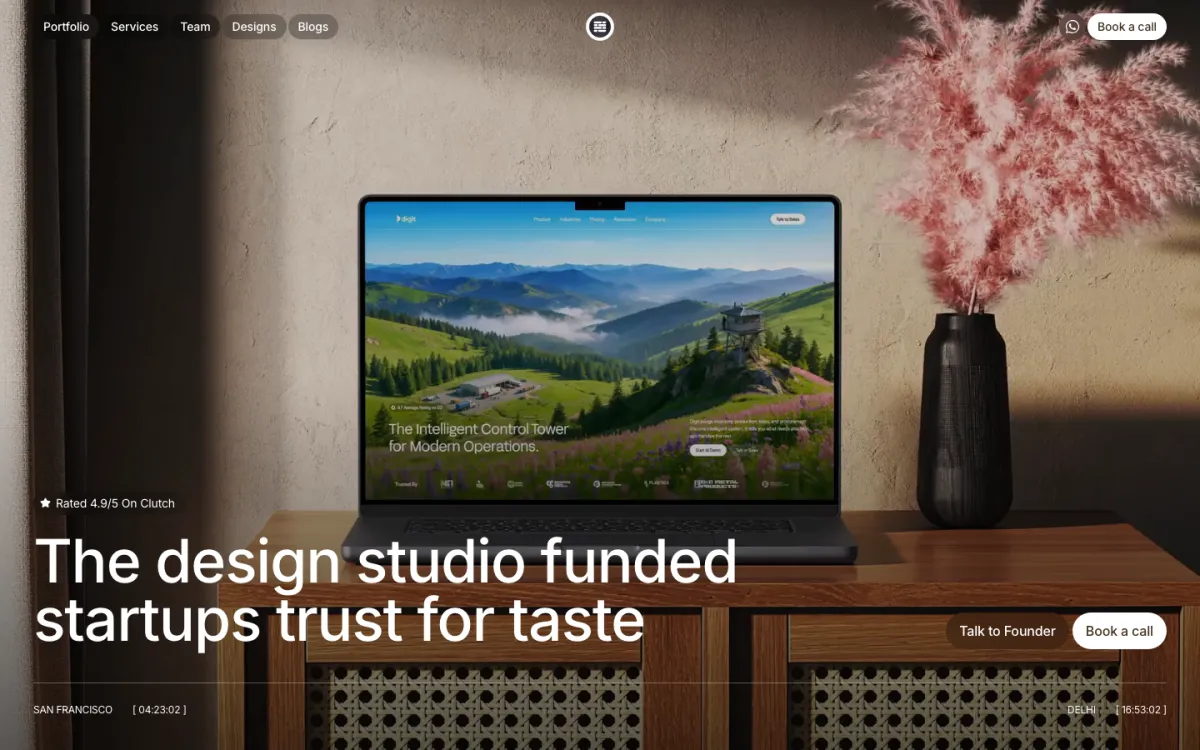
Bricx is the best spirituality businesses whose hard problem is the subscription surface, the AI layer and the tooling behind the content, rather than the meditation itself. Bricx has completed 50+ SaaS design projects across 30+ industries, with clients including Writesonic (YC S21), Collectwise (YC F24), Gigacatalyst (YC X26), Sybill, Camb.ai, LTV.ai, Instadapp, Hobbes and AT Kearney. The agency holds 27 verified reviews on Clutch at an average of 5.0/5.
Bricx works exclusively with B2B and AI SaaS companies, from seed stage through Series C, covering branding, website design, product UX/UI and end-to-end development. Engagements start at $25,000. Bricx works in B2B and AI SaaS, so on a spirituality product its ground is the paywall and account surface, the internal tooling a content team publishes through, and AI features of the kind built for Writesonic and Sybill. The brand-led consumer experience is not where it leads.
Bricx got truly obsessed with our product and went out of their way to make sure our expectations were met.
- Starting price
- $25,000+
- Engagement model
- Fixed-scope projects and monthly retainers
- Timeline
- First delivery within the first week; full scope varies by project
- Clutch
- 5.0/5, 27 reviews
- Hourly rate
- $50 - $99
- Best for
- the paywall, account and AI layers behind a spirituality subscription.
- Not a fit for
- brand-led consumer content experiences, or budgets under $25,000.
SpdLoad
Consumer products and services is SpdLoad's largest sector at 25%, with education next at 15%, and its published case studies include Blue Academy and Studicon. Education products carry the same retention problem as a practice app: nobody is obliged to come back and finish, and the interface has to earn the next session. It has run from Kharkiv since 2013 with 37 reviews at 4.9.
Nothing on its record is a wellness, faith or practice product, and its reviews describe government proposal automation and an IT infrastructure login. At $25 to $49 an hour with a $10,000 floor, it is priced as build capacity, so the retention thinking has to arrive from the client.
- Starting price
- $10,000+
- Engagement model
- Project and retainer
- Clutch
- 4.9/5, 37 reviews
- Hourly rate
- $25 - $49
- Team size
- 50 - 249 people
- Best for
- building a well-specified app cheaply once the model is settled.
- Not a fit for
- retention strategy, category experience, or budgets under $25,000.
Onething Design
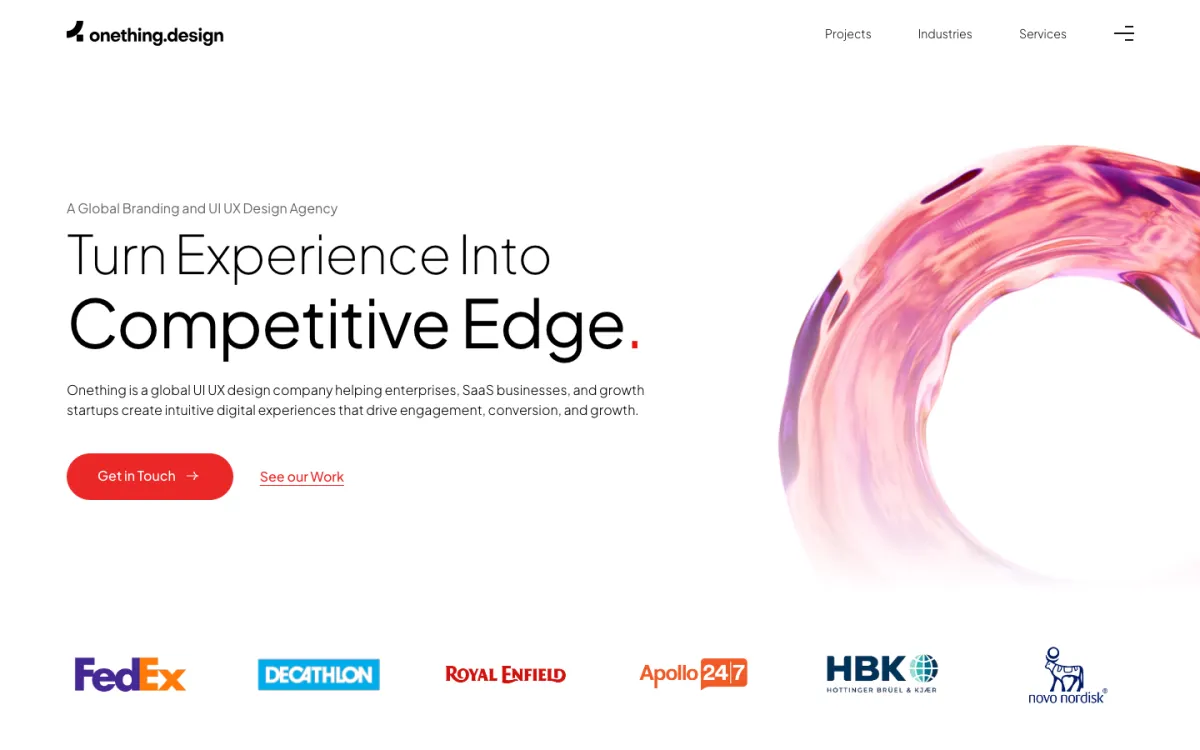
Onething Design is the only agency here that does UX/UI and nothing else, 100% of its work, from Gurugram since 2015. Its published clients, Royal Enfield and HDFC Invest, are brand-led consumer apps, and one review describes UI/UX and motion work for a digital publishing company, which is the closest thing on this page to merchandising a library somebody browses by mood rather than by search.
Its clients are 50% midmarket and 40% enterprise, so its commissions come from large brands rather than from subscription businesses watching second-week retention. No industry exceeds 10% of its base, and no wellness or practice product appears on its record.
- Starting price
- $10,000+
- Engagement model
- Project and retainer
- Clutch
- 4.9/5, 32 reviews
- Hourly rate
- $25 - $49
- Team size
- 50 - 249 people
- Best for
- interface craft on a large scope at the lowest rate here.
- Not a fit for
- subscription and lifecycle economics, or budgets under $25,000.
Very Good Ventures
Very Good Ventures built the official app for Hamilton the musical, the first commercial Flutter app outside Google, which is the nearest precedent on this page to a product whose entire value is an experience and an attachment. Mobile app development is 80% of its work, and Flutter means iOS and Android move together, which matters when the business is a daily habit and a release gap splits the audience.
At $150 to $199 an hour with a $100,000 minimum it has the highest floor here, and its service mix carries no UX/UI or research line. Arts, entertainment and music is 10% of its base. Paywall timing and retention strategy would need an owner somewhere else.
- Starting price
- $100,000+
- Engagement model
- Project and retainer
- Clutch
- 5.0/5, 35 reviews
- Hourly rate
- $150 - $199
- Team size
- 10 - 49 people
- Best for
- one engineering team shipping the habit on both platforms at once.
- Not a fit for
- retention and paywall strategy, or budgets under $25,000.
Miquido
A third of Miquido's client base is content people consume by choice, with arts, entertainment and music at 20% and education at 15%, which is the demand shape a practice library sits inside. Its reviews describe building a consumer app for a blood testing company in Flutter and owning the UX/UI, so it has taken personal, slightly uncomfortable subject matter and made a phone product of it.
Financial services remains its largest sector at 40%, and AI development is only 5% of the mix, which matters if generated sessions are on the roadmap. No subscription retention work and nothing in this category appears on its card.
- Starting price
- $25,000+
- Engagement model
- Project and retainer
- Clutch
- 4.9/5, 51 reviews
- Hourly rate
- $50 - $99
- Team size
- 50 - 249 people
- Best for
- a content-heavy consumer app built and designed by one team.
- Not a fit for
- AI-generated session work, category depth, or budgets under $25,000.
Softjourn
Softjourn's charitable giving work for a nonprofit education provider is the closest thing on this page to designing for voluntary, belief-driven payment, where nobody has to give and the interface exists to make giving easy and repeatable. Media and arts, entertainment and music are 20% each, so 40% of its base is content businesses. It has been running since 2001 with 250 to 999 people.
Mobile app development is only 10% of its work against 50% custom software, and design is not a named service at all. Six Clutch reviews is the thinnest public record here, and a phone-first daily habit product is not the shape of the work on its card.
- Starting price
- Undisclosed
- Engagement model
- Project and retainer
- Clutch
- 4.8/5, 6 reviews
- Hourly rate
- $50 - $99
- Team size
- 250 - 999 people
- Best for
- donation, membership and content platforms behind the app.
- Not a fit for
- mobile-first design leadership, or budgets under $25,000.
Yellow
If the roadmap has sessions generated for a mood rather than curated by a teacher, Yellow is the most AI-weighted team on this page, with 85% of its work in AI development and only 15% in web. One review describes building the iOS and Android code for a cooking app, another daily habit product, from designs the client supplied. It has 60 reviews at 5.0 from San Francisco.
That cooking app is the pattern: Yellow supplied engineering while direction came from the buyer, and design does not appear in its service mix at all. Arts and entertainment is 5% of its client base, and information technology at 50% is where it actually works.
- Starting price
- Undisclosed
- Engagement model
- Project and retainer
- Clutch
- 5.0/5, 60 reviews
- Hourly rate
- $50 - $99
- Team size
- 50 - 249 people
- Best for
- the AI and backend layer under a personalised practice product.
- Not a fit for
- interface design leadership, category taste, or budgets under $25,000.
Mutual Mobile

Mutual Mobile's audiobook engagement is the most relevant precedent here: a publisher trying to grow listening, which comes down to whether somebody presses play again next week without being told to. It scoped that work and then built the MVP. Consumer products and services is 15% of its base with education at 10%, and it has worked from Austin since 2009.
At $150 to $199 an hour across 15 reviews it is priced like a senior shop with a modest public record, and mobile app development is only 35% of a mix spread across AR/VR, cloud and custom software. No wellness or practice product appears anywhere on its card.
- Starting price
- $25,000+
- Engagement model
- Project and retainer
- Clutch
- 4.8/5, 15 reviews
- Hourly rate
- $150 - $199
- Team size
- 50 - 249 people
- Best for
- growing repeat listening or viewing in a content subscription.
- Not a fit for
- category depth in wellness or faith, or budgets under $25,000.
Prolific Interactive
Prolific Interactive's bridal app work pairs user research with a personality feature, which is structurally what a birth chart or a practice-matching onboarding does: ask a few questions, then return something that feels personally addressed. Retail at 30% and consumer products at 25% mean more than half its base sells things people want rather than need, and its reviews describe App Store marketing alongside the build.
Its 4.7 rating across seven reviews is the lowest and thinnest here. Its record is commerce, where the event is a purchase, while this category's event is a quiet return three weeks later, and no subscription retention work appears on its card.
- Starting price
- $10,000+
- Engagement model
- Project and retainer
- Clutch
- 4.7/5, 7 reviews
- Hourly rate
- Undisclosed
- Team size
- 50 - 249 people
- Best for
- an onboarding quiz that makes the first session feel personal.
- Not a fit for
- long-run subscription retention, or budgets under $25,000.
hedgehog lab
The most useful thing on hedgehog lab's card for this page is its entertainment platform engagement: it audited an existing UX, built a design system, then optimised the journey. That is exactly what a practice app needs in year three, once the library has grown past what any navigation was designed for. It has 82 reviews at 4.8, the deepest record here, from Newcastle since 2007.
Enterprises over a billion dollars are 55% of its client base and its minimum is $100,000, so it is staffed and priced for large organisations rather than a subscription app still proving its second month. UX/UI is 10% of a mix led by mobile development at 50%.
- Starting price
- $100,000+
- Engagement model
- Project and retainer
- Clutch
- 4.8/5, 82 reviews
- Hourly rate
- $100 - $149
- Team size
- 50 - 249 people
- Best for
- restructuring an app whose library outgrew its navigation.
- Not a fit for
- early-stage subscription products, or budgets under $25,000.
How much does a spirituality app UX engagement cost?
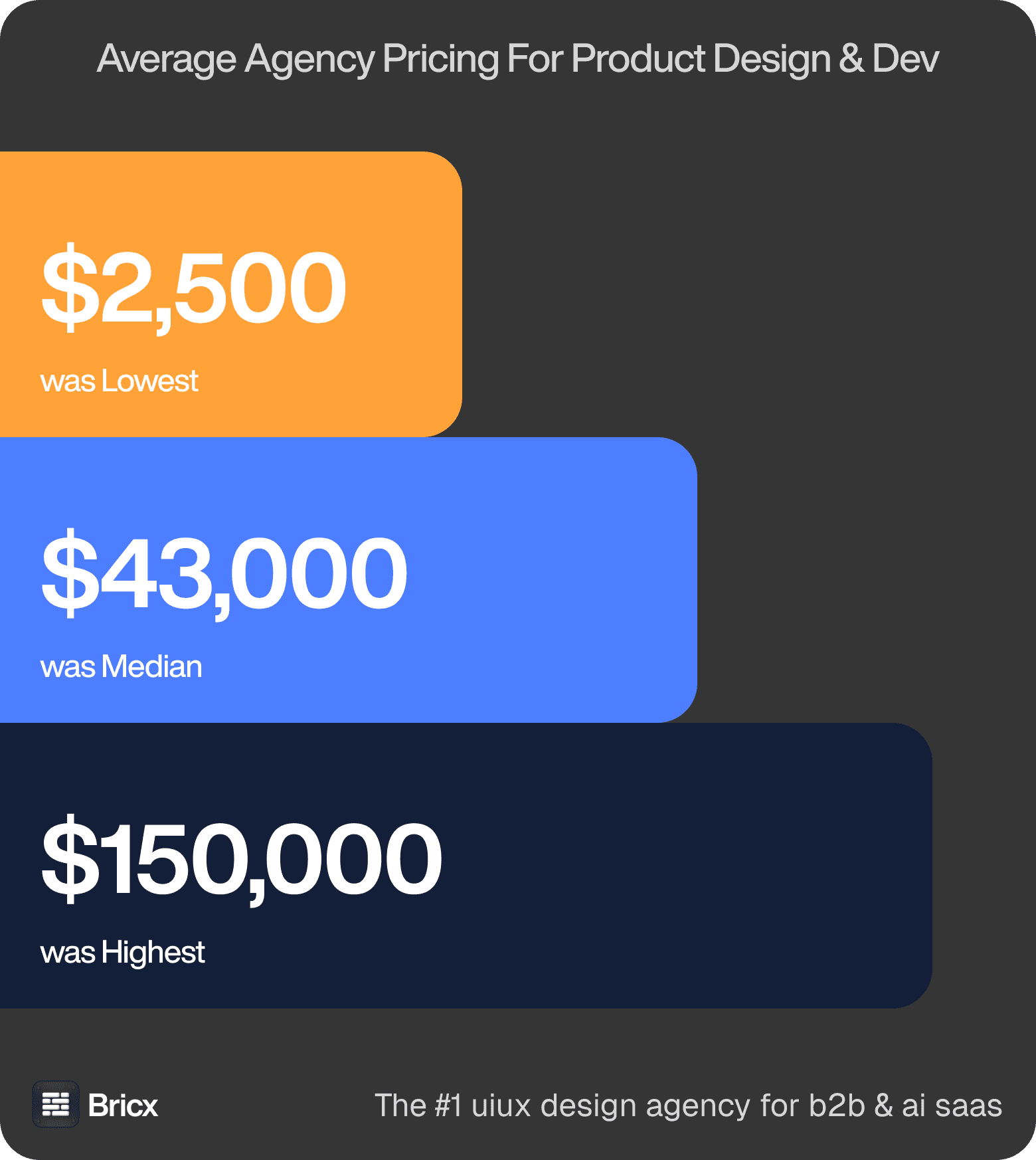
The number before the number. Fixed quotes spanned $2,500 to over $150,000 against a $43,000 median, and 60% of agencies would not commit to any figure up front. Those figures cover product design across the whole benchmark, so treat them as the range spirituality app UX is quoted inside rather than a price for it.
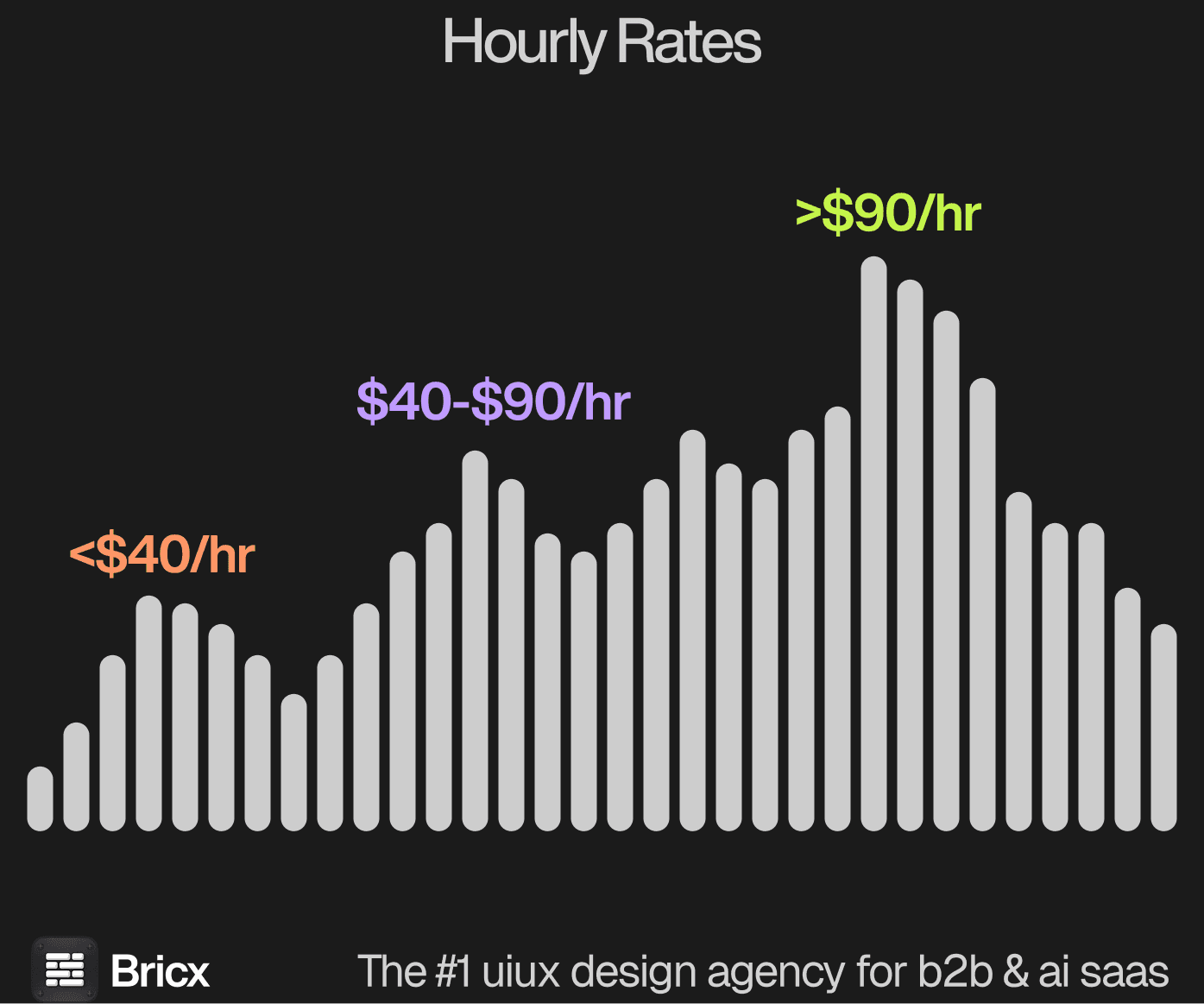
Hourly, by region. $25 to $195 across the study, median $55 to $90. US teams averaged about $150, European teams $60, Asian teams $35. This work sits near the median for a first build, because the surface is genuinely small, and above it afterwards, since the money is made in the paywall, the reminder and the second month rather than the first screen.
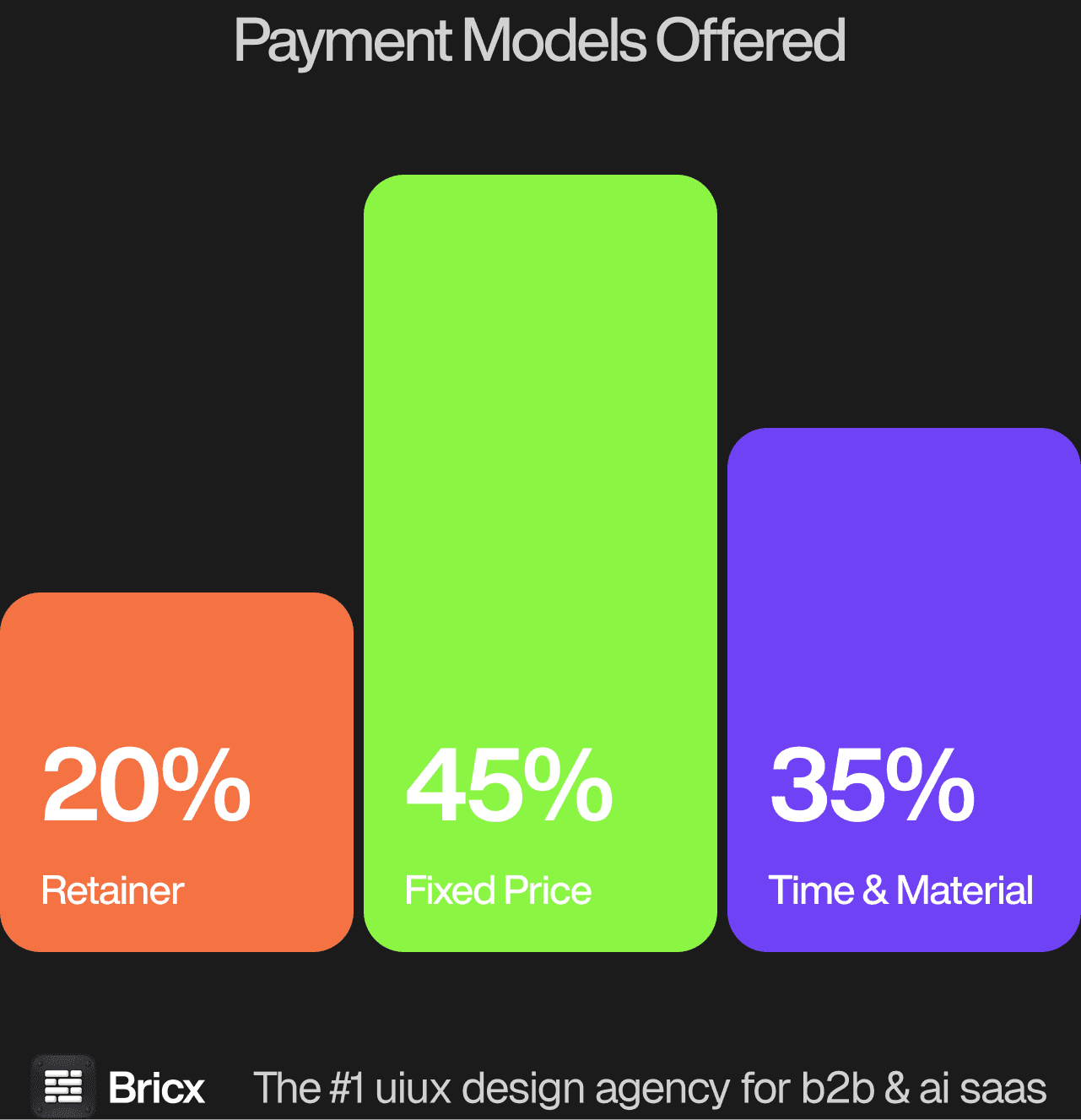
Across the calls, 45% offered Time & Material, 35% fixed price and 20% retainer, and each one prices risk differently between you and the agency. For spirituality app UX the model usually matters more than the headline figure, because it decides what happens when the scope moves.
- Fixed price works for a launch.
- Time & Material works for exploration.
- Retainer works for an ongoing product.
- Which one fits spirituality app UX comes down to whether the scope is settled before the work starts.
How do you evaluate a spirituality UX agency?
Five things separate spirituality UX from consumer app design generally.
Ask what they do about the second week. Day one is easy in this category and close to meaningless. The number that pays is whether somebody returns after the mood that caused the download has passed.
Ask where they draw the line on streaks. Guilt mechanics work until they do not, and a broken streak here makes people delete the app rather than start again on Monday.
Ask how they time the paywall. The buying moment is emotional and short, and a wall placed before anything has been felt reads as a shop rather than as help.
Ask what evidence they use when the outcome cannot be measured. No session logs a result, so the team has to work from self-reported state and interviews rather than from a completion metric.
Ask how the content operation works. Sessions, teachers, series and languages pile up for years, and the tooling that publishes and merchandises them decides what any user ever sees.
What are the red flags when hiring a design agency?
- Slides where the work should be. A deck about process is not evidence of shipped design.
- A quote that never moves. Scope changed and price did not means the estimate was padded.
- Junior work in a senior portfolio. Ask who specifically produced the pieces you like.
- No mention of accessibility. For anything customer-facing this is a legal exposure, not a nicety.
- Vague on ownership. Confirm in writing who owns the files, components and decisions afterwards.
- No comparable example of spirituality app UX. An agency that cannot point to work of the same shape is learning on your budget.
Should you hire a UX agency or build in-house?
Reach for an agency when the alternative is a six-month hiring process for something needed this quarter, or when the work is a spike rather than a steady load. For spirituality app UX specifically, the question worth settling first is how often the work recurs.
Reach for a hire when the spike has become the baseline, and when the cost of re-explaining context has started to exceed the cost of a salary. Where spirituality app UX falls on that line is usually clear once you count how many times it will need doing again.
These companies usually have a founder with the practice and the taste, which is the part no agency supplies, and very few other people. Hiring makes sense once the content and the interface change together every week, since that cadence never fits a project. The in-house failure is a beautiful surface with nobody owning the paywall or the renewal. The agency failure is leaving before the first cohort reaches its second month.
FAQs
What makes spirituality UX difficult?
The product cannot demonstrate that it worked, the competing option is free, and the subscription is bought in an emotional week that ends. Everything hangs on a return visit nobody is obliged to make.
How much does spirituality app design cost?
Fixed-price product design across the benchmark ran $2,500 to over $150,000 with a median near $43,000, and a first build here often lands under that median because the surface is small, then costs more across lifecycle work. Bricx starts at $25,000.
Do streaks and reminders actually help retention here?
They lift early numbers and carry a cost specific to this category. A missed day framed as failure attaches shame to something people came to for relief, and the usual response is deletion rather than a restart.
When should the paywall appear?
After something has been experienced, not before. The buyer needs one session that felt worth the time, because unlike a tool with a visible output, nothing else in the product argues for the price.