10 Best Web3 UX Agencies (2026)
The 10 best Web3 UX agencies, compared on pricing, Clutch rating, engagement model and hourly rate, drawn from a documented benchmark of 57 agencies.
Aug 20, 202611 min read
Best Web3 UX agencies
Web3 UX has to make an irreversible action feel safe. The user signs something that cannot be undone, pays a fee quoted in a unit they may not hold, and then waits an unknown time for a result that can still fail. There is no forgot-password link at any point in this. The approval dialog a legitimate product shows also looks identical to the one used to drain a wallet, so people have been trained to hesitate exactly where the product needs confidence. And the same contract is reachable from other apps and explorers.
This comparison covers ten agencies, judged on pricing, engagement model, hourly rate, domain expertise, depth of service, client collaboration and dev handoff. Every agency here carries a verified Clutch profile, and the ratings below are taken from it. Each entry says what an agency is worth hiring for and where it is the wrong choice for web3 UX.
How the ten agencies compare
| Agency | Best for | Starting price | Clutch rating | Not a fit for |
|---|---|---|---|---|
| Bricx | Web3 product interfaces and transaction states | $25,000+ | 5.0/5, 27 reviews | Smart contract engineering, audits, tokenomics |
| Ronas IT | Financial product design, adjacent to wallets | $10,000+ | 4.9/5, 35 reviews | Blockchain experience, protocol depth |
| UPQODE | Marketing sites that read as legitimate | $5,000+ | 4.9/5, 104 reviews | Wallet flows, dapp product design |
| Ueno | Craft-led UX and community products | Undisclosed | 4.8/5, 3 reviews | Crypto experience, thin public record |
| Gapsy Studio | Finance and commerce, animation craft | $5,000+ | 5.0/5, 56 reviews | Protocol products, signing flows |
| HUEMOR | Credibility-first sites and branding | $25,000+ | 4.8/5, 72 reviews | Wallet flows, crypto-native audiences |
| Heady | Consumer-grade flows for new users | $75,000+ | 5.0/5, 18 reviews | Crypto-native depth, transaction states |
| Isadora Agency | Messaging and narrative before interface | $75,000+ | 4.8/5, 19 reviews | Blockchain depth, paid channel value |
| Lounge Lizard | Long-running site design and build | $25,000+ | 4.8/5, 43 reviews | Product design, dapp interfaces |
| Musemind | Trust-led branding, Gulf presence | $10,000+ | 4.9/5, 48 reviews | Transaction interfaces, blockchain depth |
Best web3 UX agency: Bricx
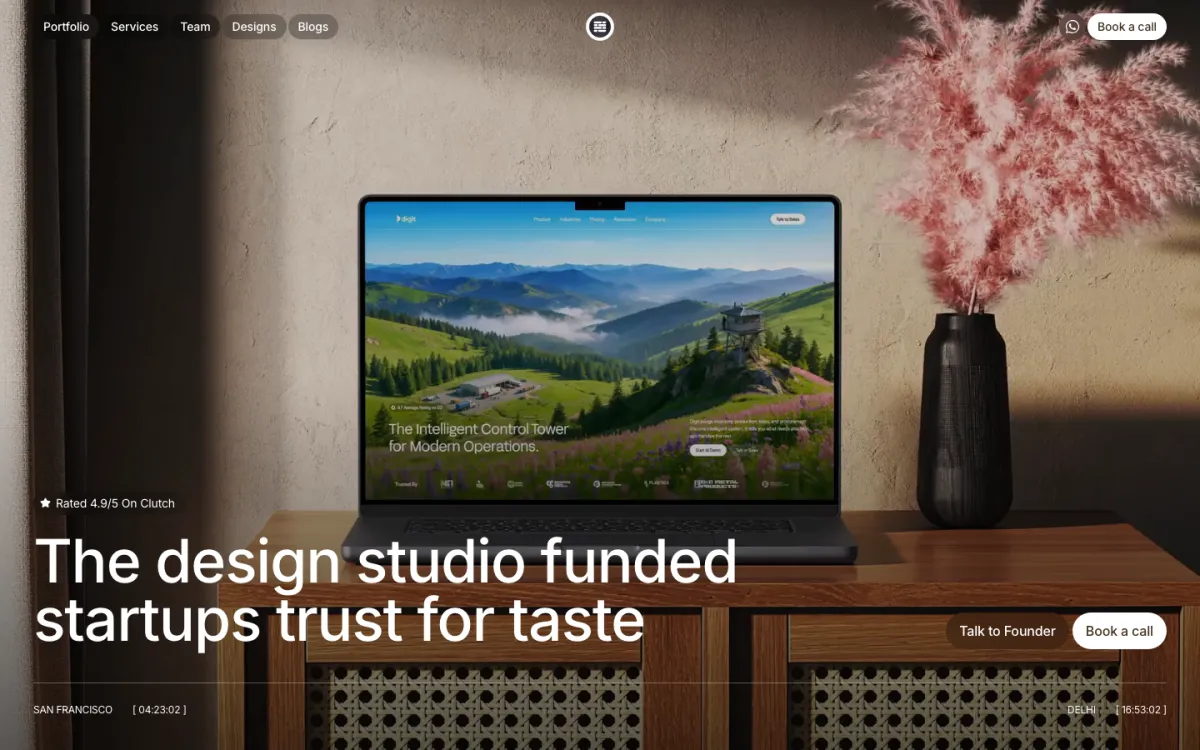
Bricx is the best web3 products whose hardest screen is the one asking somebody to approve a transaction they cannot reverse and cannot fully read. Bricx has completed 50+ SaaS design projects across 30+ industries, with clients including Writesonic (YC S21), Collectwise (YC F24), Gigacatalyst (YC X26), Sybill, Camb.ai, LTV.ai, Instadapp, Hobbes and AT Kearney. The agency holds 27 verified reviews on Clutch at an average of 5.0/5.
Bricx works exclusively with B2B and AI SaaS companies, from seed stage through Series C, covering branding, website design, product UX/UI and end-to-end development. Engagements start at $25,000. Bricx designs for B2B and AI SaaS companies from seed through Series C, and starts from the states most web3 interfaces skip: the pending transaction, the reverted one, the wallet on the wrong network. Engagements start at $25,000 and include branding, so the product and the site read as one thing to a suspicious visitor.
The most impressive part was the attention to detail in their work.
- Starting price
- $25,000+
- Engagement model
- Fixed-scope projects and monthly retainers
- Timeline
- First delivery within the first week; full scope varies by project
- Clutch
- 5.0/5, 27 reviews
- Hourly rate
- $50 - $99
- Best for
- web3 teams whose hardest screen asks somebody to approve something irreversible they cannot fully read.
- Not a fit for
- smart contract engineering, security audits, token economics, or budgets under $25,000.
Ronas IT
Financial services is 30% of Ronas IT's work, the largest share of any single sector on its card, and money software is the closest adjacent experience to a wallet interface: a user moving value who needs to be certain before confirming. It works from Tallinn, in a jurisdiction where a lot of crypto companies incorporate, and has been running since 2007 with 35 Clutch reviews.
Nothing in its public record is blockchain, and UX/UI is only 15% of a mix led by AI and custom software development at 20% each. A web3 company hiring here gets competent product design and pays for the team to learn what a reverted transaction does to a user's confidence.
- Starting price
- $10,000+
- Engagement model
- Project and retainer
- Clutch
- 4.9/5, 35 reviews
- Hourly rate
- $50 - $99
- Team size
- 50 - 249 people
- Best for
- a web3 product whose core screen is somebody moving value.
- Not a fit for
- protocol-level design experience, or budgets under $25,000.
UPQODE
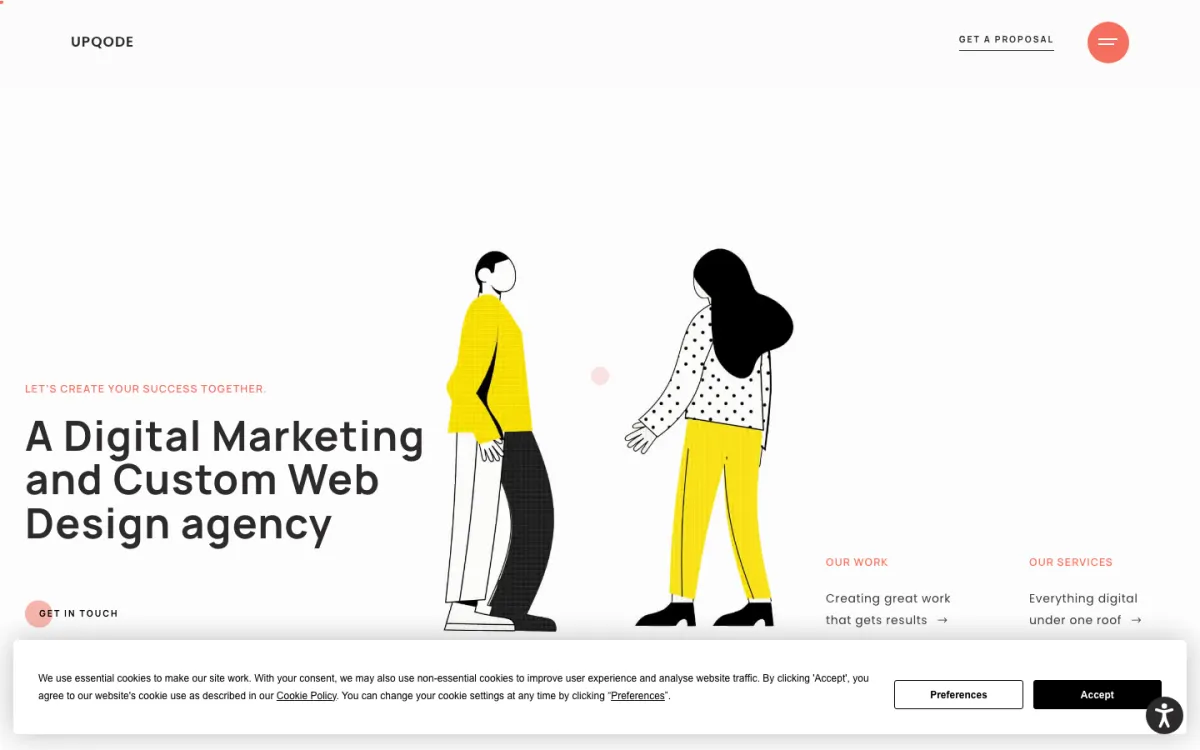
UPQODE is 80% web design, which on a web3 page means it is a marketing site agency rather than a product one. That has a real use here, because most web3 projects are judged first on whether their site looks like a scam. It carries 104 Clutch reviews, the deepest public record on this page, and has worked from Nashville since 2015.
UX/UI is 10% of what it does and its named work is a fingerprint solutions site, a caregiver platform and an automotive festival ticketing page. There is no wallet, no transaction flow and no blockchain anywhere in the record, so the dapp itself would have to be designed elsewhere.
- Starting price
- $5,000+
- Engagement model
- Project and retainer
- Clutch
- 4.9/5, 104 reviews
- Hourly rate
- $100 - $149
- Team size
- 50 - 249 people
- Best for
- the public site a web3 project is judged on before anyone connects.
- Not a fit for
- wallet flows, dapp product design, or budgets under $25,000.
Ueno
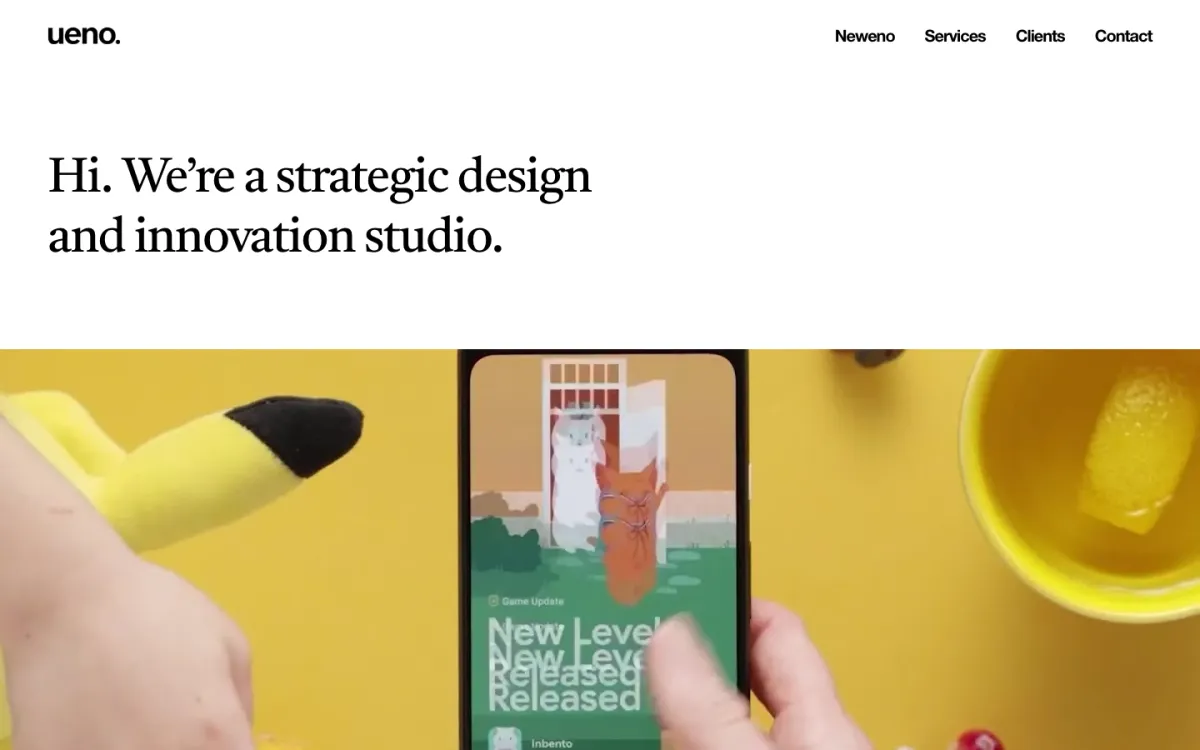
Ueno has the highest UX/UI weighting on this page at 40% and the only AR/VR line, at 10%, which is the nearest capability here to the spatial interfaces some web3 products reach for. Its most relevant work is rescuing a first-version community platform, redesigning forums and finding workarounds, close in shape to a token community product that shipped before it was designed.
At $200 to $300 an hour with no published minimum it is the most expensive option here, and three Clutch reviews is very little to judge from. Information technology at 50% and advertising at 30% describe a mainstream digital client base, with no crypto or financial work named at all.
- Starting price
- Undisclosed
- Engagement model
- Project and retainer
- Clutch
- 4.8/5, 3 reviews
- Hourly rate
- $200 - $300
- Team size
- 50 - 249 people
- Best for
- a web3 community product that needs serious interaction craft.
- Not a fit for
- transaction and wallet expertise, or budgets under $25,000.
Gapsy Studio
Gapsy Studio's industry mix is two sectors: financial services at 50% and eCommerce at 50%. For a web3 product that is the useful pair, since most of them are one or the other underneath the token, somewhere to hold value or somewhere to spend it. It also does animation work, delivering dynamic animations across a headless CMS platform, which is how a pending transaction stops feeling frozen.
Web design is 70% of its output and 60% of its clients are small businesses, so this is a site studio with a design habit rather than a product team. No blockchain work is named, and at $25 to $49 an hour the depth to argue about a signing flow is not what is on offer.
- Starting price
- $5,000+
- Engagement model
- Project and retainer
- Clutch
- 5.0/5, 56 reviews
- Hourly rate
- $25 - $49
- Team size
- 10 - 49 people
- Best for
- a web3 front end that behaves like a finance or commerce product.
- Not a fit for
- protocol-level product design, or budgets under $25,000.
HUEMOR
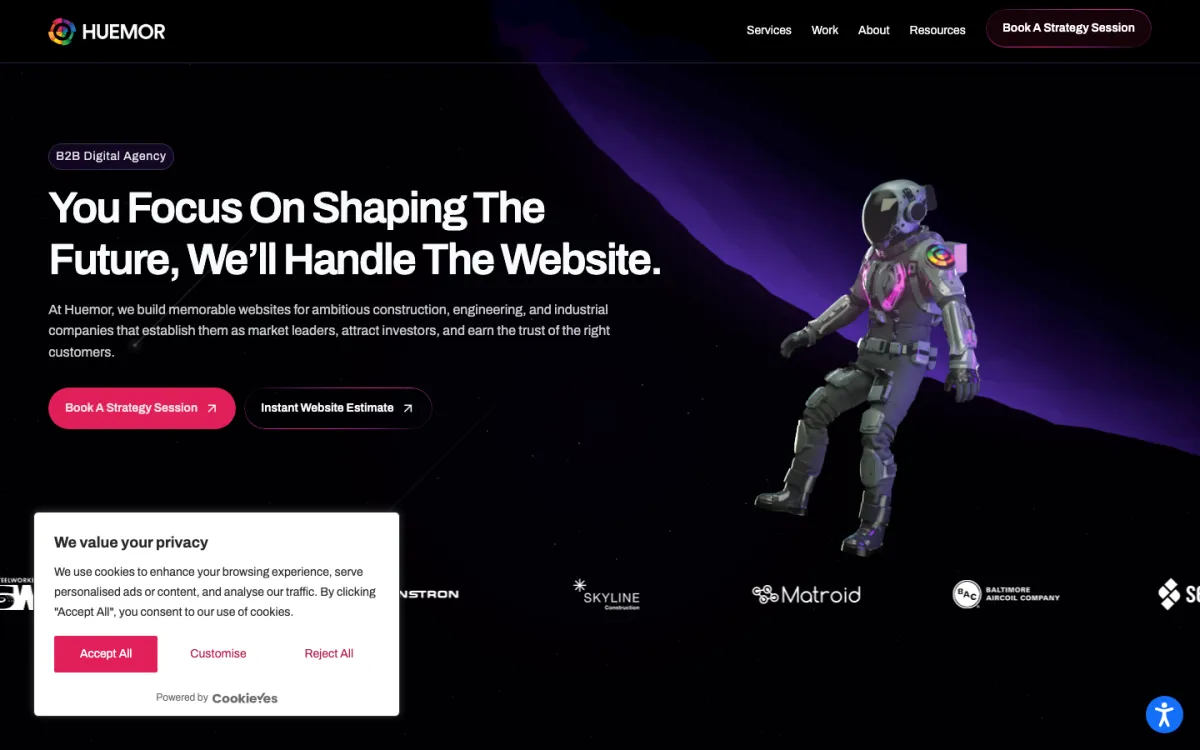
HUEMOR built an investor section for a metal powders company, a closer match to a web3 problem than it sounds: a page whose job is to convince somebody to put money in while looking institutionally credible. Web design at 40% and branding at 10% mean it can rebuild how a token project presents itself, and 80% of its clients are midmarket firms rather than startups.
Construction, manufacturing and contracting make up half its client base, about as far from crypto as a portfolio gets, and its builds are WordPress. Nothing here suggests experience with a connected wallet, a transaction state, or the kind of user who checks a contract address before clicking.
- Starting price
- $25,000+
- Engagement model
- Project and retainer
- Clutch
- 4.8/5, 72 reviews
- Hourly rate
- $150 - $199
- Team size
- 10 - 49 people
- Best for
- making a web3 project look credible to people outside crypto.
- Not a fit for
- wallet flows, crypto-native product design, or budgets under $25,000.
Heady
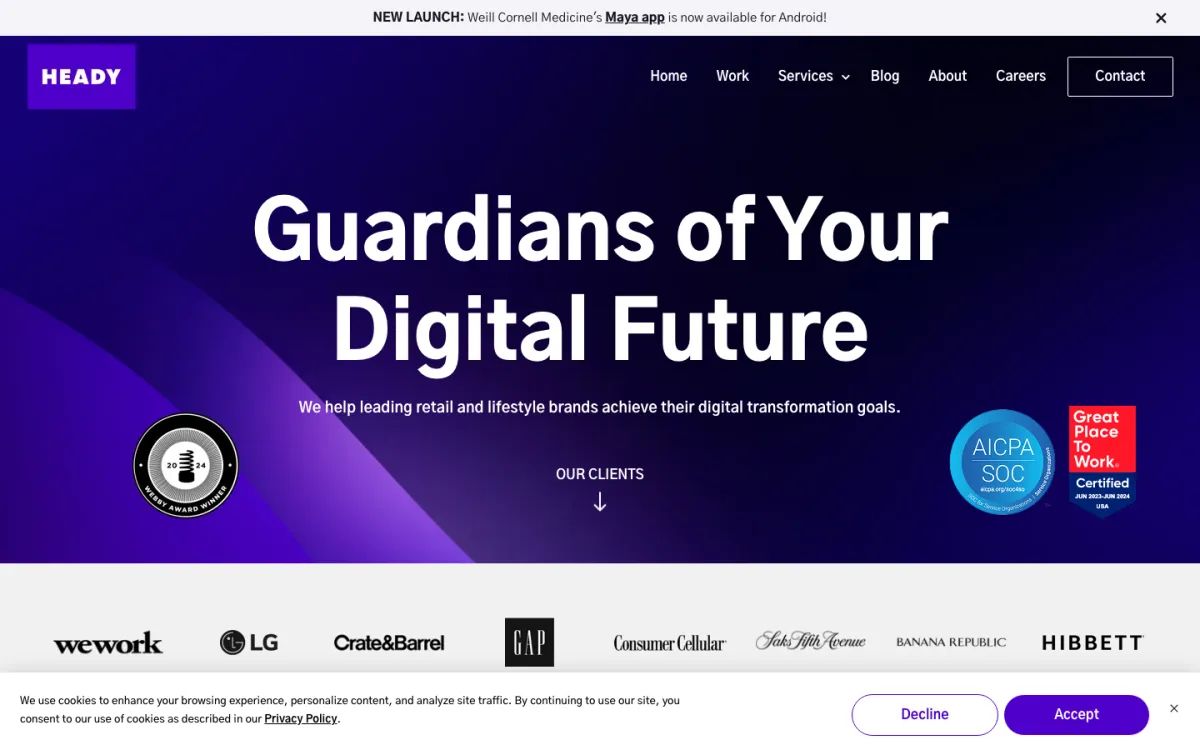
Heady works with named consumer brands, LG, Crate and Barrel, WeWork, and 40% of its client base is retail. That matters for any web3 product trying to reach people who do not already own a wallet, because the standard those users compare against is a checkout they have used many times, not another dapp. Its reviews describe UX audits, user flow journeys, wireframes and usability testing.
The $75,000 minimum is the second highest here and product design is only 15% of a mix led by mobile and web development. Its named work is booking widgets and skincare storefronts, with no crypto, no financial services and nothing involving an irreversible payment.
- Starting price
- $75,000+
- Engagement model
- Project and retainer
- Clutch
- 5.0/5, 18 reviews
- Hourly rate
- $150 - $199
- Team size
- 50 - 249 people
- Best for
- a web3 product aimed at people who have never held a wallet.
- Not a fit for
- protocol-native audiences, transaction state design, or budgets under $25,000.
Isadora Agency
Isadora Agency's most transferable credential for web3 is the messaging matrix it built during a technology company redesign, alongside a content audit and product illustrations. Explaining what a protocol does, to somebody who will never read a whitepaper, is a messaging problem before it is an interface one. Product design is 20% of its mix and financial services 15% of its clients.
A quarter of what it does is pay-per-click, a channel heavily restricted for crypto advertisers, and its builds are WordPress. With a $75,000 minimum and no blockchain work named, a web3 company is paying agency rates for a team learning the space on the engagement.
- Starting price
- $75,000+
- Engagement model
- Project and retainer
- Clutch
- 4.8/5, 19 reviews
- Hourly rate
- $150 - $199
- Team size
- 10 - 49 people
- Best for
- explaining a protocol to people who will not read a whitepaper.
- Not a fit for
- wallet and transaction design, or budgets under $25,000.
Lounge Lizard
Lounge Lizard has been building websites since 1998, longer than any firm on this page and longer than the technology this page is about has existed. Web design and web development sit at 45% each, so it ships what it draws. Its financial services engagement, improving site UX while running SEO, is the nearest analogue to a token project trying to be found and trusted at once.
Its industry spread has nothing above 10%, its named work is an insurance site and an architecture firm rebuilt on the same WordPress template, and 75% of its clients are midmarket companies. There is no product design line at all and no crypto in the record, so a dapp is out of scope.
- Starting price
- $25,000+
- Engagement model
- Project and retainer
- Clutch
- 4.8/5, 43 reviews
- Hourly rate
- Undisclosed
- Team size
- 50 - 249 people
- Best for
- the marketing site around a web3 project, built and maintained.
- Not a fit for
- dapp and product interface design, or budgets under $25,000.
Musemind
Musemind works from Dubai, where a good share of web3 companies now sit for regulatory reasons, and it is the only firm on this page in that region. Its cybersecurity client is the useful reference: brand guidelines and assets for a security monitoring company means working on a product where user trust is the entire proposition. UX/UI is its largest service line at 30%.
It was founded in 2021 and its industry spread is flat, nothing above 10% in any sector, with no blockchain work named. A premium WordPress site built in Elementor is its most recent published web project, which is a long way from a transaction interface that holds up under an irreversible action.
- Starting price
- $10,000+
- Engagement model
- Project and retainer
- Clutch
- 4.9/5, 48 reviews
- Hourly rate
- $50 - $99
- Team size
- 50 - 249 people
- Best for
- a web3 brand and site built where trust is the proposition.
- Not a fit for
- transaction and wallet interface design, or budgets under $25,000.
How much does a web3 UX engagement cost?
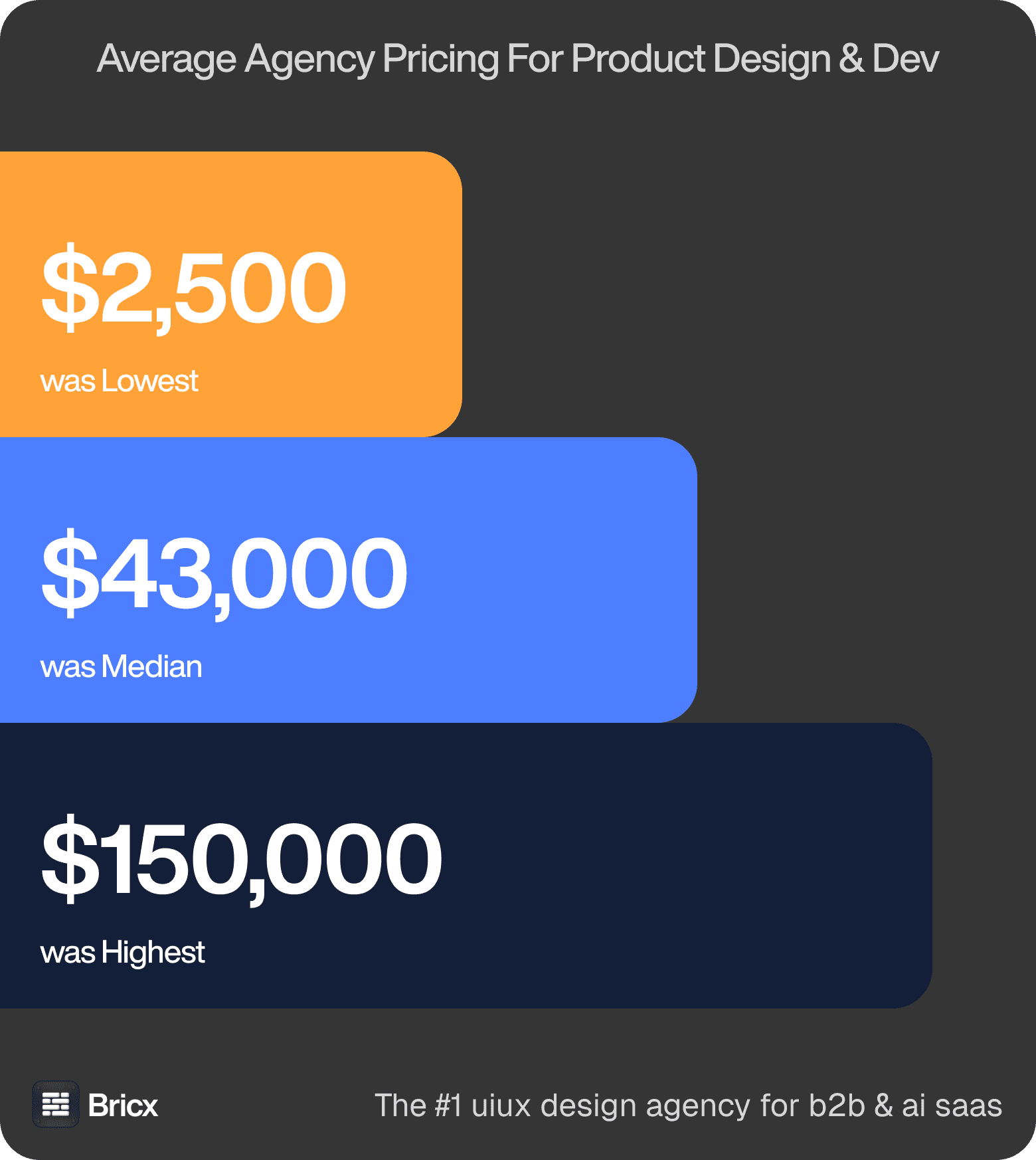
Fixed-price range. Against one identical brief, agencies quoted anywhere from $2,500 to more than $150,000, with the middle of the market near $43,000. The spread is a scoping story more than a pricing one. Those figures cover product design across the whole benchmark, so treat them as the range web3 UX is quoted inside rather than a price for it.
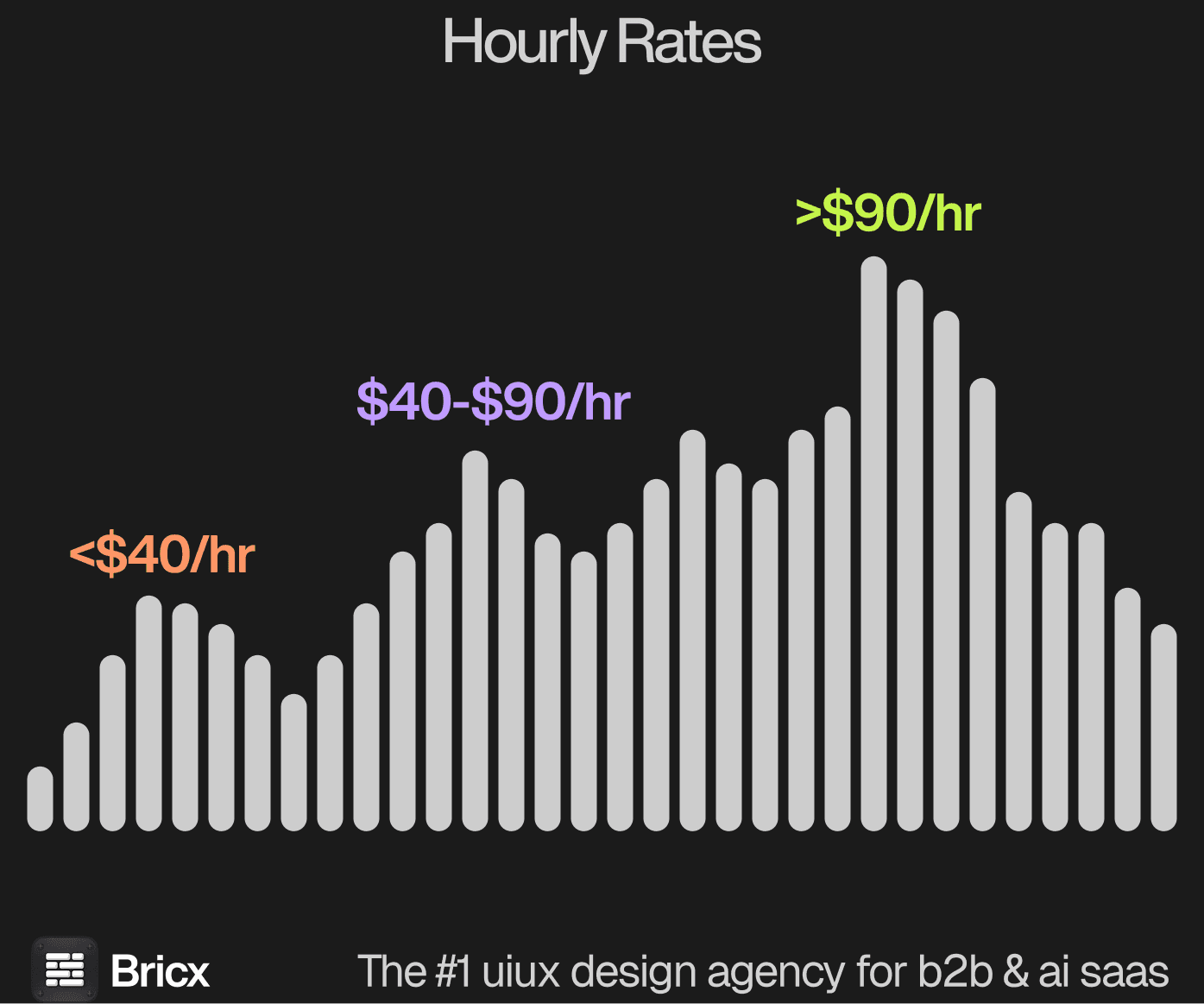
By the hour. Quotes ranged $25 to $195, median $55 to $90. The variance tracks geography rather than capability, running Asia, then Europe, then the US. Web3 UX runs above the median for a product of comparable size, because the failure states, pending, reverted, wrong network, insufficient gas, are most of the design work and none of them show up in a demo.
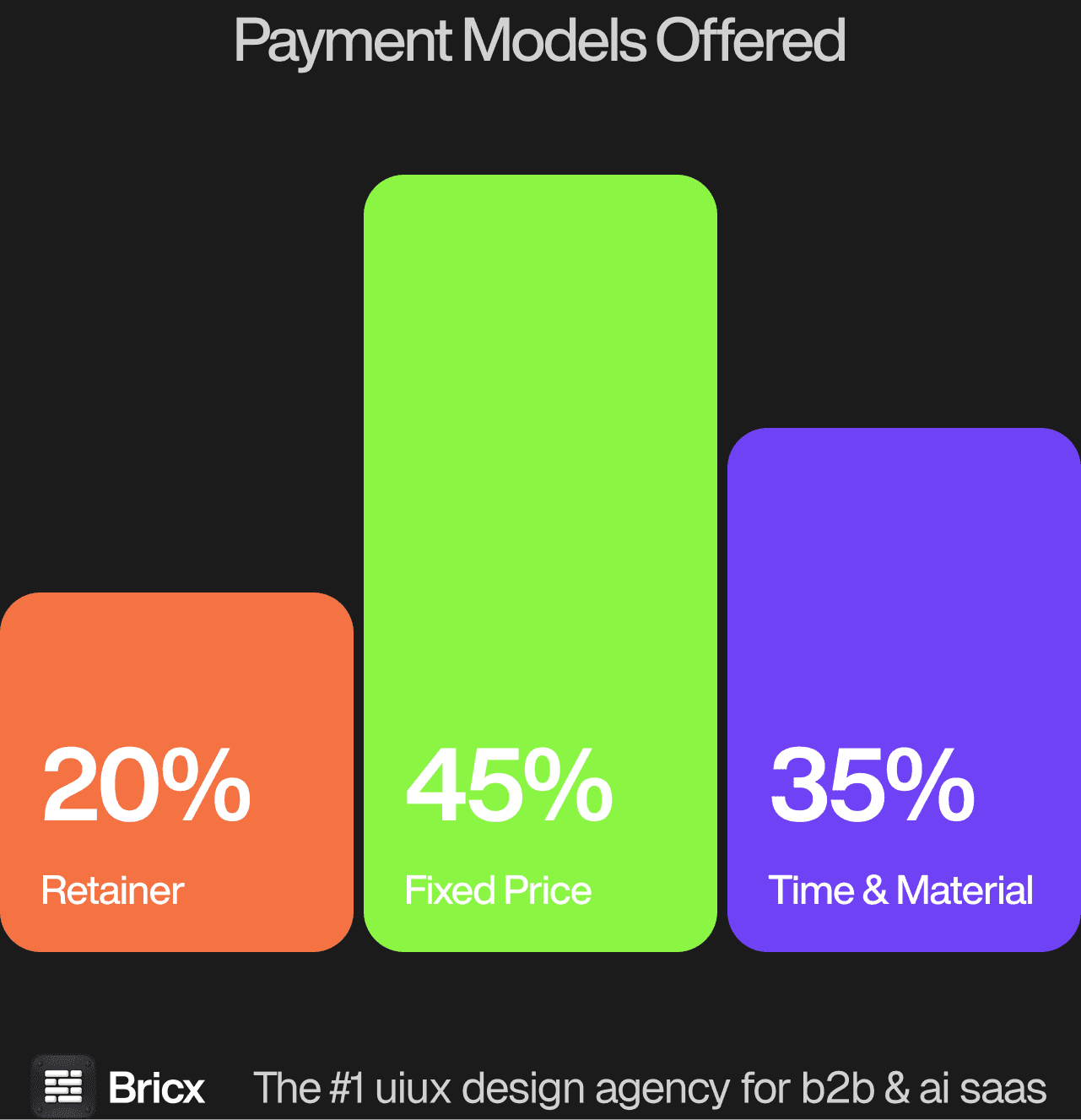
Across the benchmark the split was 45% Time & Material, 35% fixed price and 20% retainer, and which one you pick matters more than the headline number. For web3 UX the model usually matters more than the headline figure, because it decides what happens when the scope moves.
- Fixed price works when the scope is defined and unlikely to move.
- Time & Material works when you are still learning what the product needs.
- Retainer works when design demand is steady and continuous.
- Which one fits web3 UX comes down to whether the scope is settled before the work starts.
How do you evaluate a web3 UX agency?
Five things separate web3 UX from consumer product UX generally.
Ask how they design the signing moment. The user is approving something irreversible in a dialog they cannot fully read, and every screen before it exists to make that decision legible.
Ask what happens when a transaction fails. Reverted, stuck, underpriced and dropped are all ordinary outcomes, and a product designed only along the success path looks broken on a normal day.
Ask how they onboard somebody with no wallet. The step where every other product asks for an email is where web3 loses most of its users, and a seed phrase is not an onboarding flow.
Ask what the interface assumes it controls. The same contract is reachable from other apps, explorers and aggregators, so state can change while nobody is touching your screen.
Ask how they separate the address from the person. A wallet is a login, a profile and a public balance sheet at once, which turns ordinary product decisions into privacy decisions.
What are the red flags when hiring a design agency?
- A quote that arrives without questions. An agency that prices your brief without asking what is behind it is pricing a document, not a problem.
- Process presented as proof. A named methodology in a deck is not evidence. Ask what it produced and when.
- Designers you never meet. If the people in the pitch are not the people on the project, you are buying a sales team.
- Deliverables described in nouns, not outcomes. "Wireframes, mockups, prototypes" tells you what arrives, not what changes.
- Silence about maintenance. Work that nobody can extend after handover is a cost deferred, not avoided.
- No comparable example of web3 UX. An agency that cannot point to work of the same shape is learning on your budget.
Should you hire a UX agency or build in-house?
Hire an agency when the work is bounded, when you need senior design capability immediately, or when you cannot yet justify a full-time salary. Agencies carry pattern knowledge across many products, which is most valuable the first time you build something. For web3 UX specifically, the question worth settling first is how often the work recurs.
Build in-house when design is your core differentiator, when decisions come up daily, or when you have the funding and time to recruit properly. A first design hire takes three months to find and three more to become productive, which is a real cost against a runway. Where web3 UX falls on that line is usually clear once you count how many times it will need doing again.
A web3 company should hire once the protocol is live and the surface keeps changing with it, because a designer who reads the contract can argue against showing a state that should never be shown. Before mainnet, retaining is faster. Hiring early buys a designer polishing testnet screens. Retaining fails when the agency has no wallet experience and quietly ships a web2 product with an address in the corner.
FAQs
What makes web3 UX difficult?
Every important action is irreversible, costs money before it happens and settles in an unknown amount of time. There is no password reset anywhere in the flow, and a legitimate approval dialog looks the same as a malicious one.
How much does web3 UX design cost?
Fixed-price product design across the benchmark ran $2,500 to over $150,000 with a median near $43,000, and web3 sits above it because the pending, reverted and wrong-network states are most of the real work. Bricx starts at $25,000.
Can a web2 design team do web3 work?
Often, if they treat the wallet as a constraint rather than a login. The tell is whether they have designed a failure path that costs the user money. Craft transfers; assumptions about undo and account recovery do not.
Should a web3 product hide the blockchain from users?
Hide the mechanics, never the consequence. Abstracting away gas and network selection is good design. Abstracting away the fact that an action cannot be reversed is how a product loses somebody's money and its reputation in one move.