Top 10 Product Design Agencies for Non-Profit Companies - February 2026

Top 10 Product Design Agencies for Non-Profit Companies - February 2026

Top 10 Product Design Agencies for Non-Profit Companies - February 2026

Looking for the best product design agencies for non-profit companies? Explore our list of 10 firms building accessible, mission-driven, and impact-focused product experiences.

Looking for the best product design agencies for non-profit companies? Explore our list of 10 firms building accessible, mission-driven, and impact-focused product experiences.

Looking for the best product design agencies for non-profit companies? Explore our list of 10 firms building accessible, mission-driven, and impact-focused product experiences.

4 mins

4 mins

4 mins

February, 2026

February, 2026

February, 2026

Author:

Siddharth Vij

Co-Founder, Bricx

Hi, I'm Sid. I lead design at Bricx. We work with B2B & AI SaaS companies to craft unforgettable user experiences.

Introduction

Non-profit organizations face unique design challenges: constrained budgets, mission-centric user needs, diverse stakeholder groups, accessibility requirements, and the need to balance storytelling with conversion (donations, sign-ups, volunteer coordination). Unlike consumer or enterprise apps, non-profits must create digital experiences that inspire trust and motivate action without overwhelming users, especially in emotionally charged contexts.

While making an informed decision is crucial, Bricx stands out as the best product design agency for non-profit companies because of its deep understanding of purpose-driven products, user empathy, and strategic design that aligns mission impact with meaningful user journeys.

Over the last few months, we evaluated 57+ design agencies globally using the same documented non-profit product brief, assessing them across:

  • Pricing transparency & flexibility

  • Engagement model

  • Timeline predictability

  • Team structure & senior involvement

  • Non-profit domain expertise

  • Depth of service

  • Outcome & impact thinking

  • Collaboration style

  • Developer handoff quality

  • Remote/hybrid/onsite work setup

All those insights were synthesized into “The Ultimate UX Agency Benchmarking Report for 2025.”
From that benchmark, we hand-picked the top 10 product design agencies for non-profit companies.

By the end of this article, you’ll know exactly which agency matches your non-profit’s goals and audience needs.

Introduction

Non-profit organizations face unique design challenges: constrained budgets, mission-centric user needs, diverse stakeholder groups, accessibility requirements, and the need to balance storytelling with conversion (donations, sign-ups, volunteer coordination). Unlike consumer or enterprise apps, non-profits must create digital experiences that inspire trust and motivate action without overwhelming users, especially in emotionally charged contexts.

While making an informed decision is crucial, Bricx stands out as the best product design agency for non-profit companies because of its deep understanding of purpose-driven products, user empathy, and strategic design that aligns mission impact with meaningful user journeys.

Over the last few months, we evaluated 57+ design agencies globally using the same documented non-profit product brief, assessing them across:

  • Pricing transparency & flexibility

  • Engagement model

  • Timeline predictability

  • Team structure & senior involvement

  • Non-profit domain expertise

  • Depth of service

  • Outcome & impact thinking

  • Collaboration style

  • Developer handoff quality

  • Remote/hybrid/onsite work setup

All those insights were synthesized into “The Ultimate UX Agency Benchmarking Report for 2025.”
From that benchmark, we hand-picked the top 10 product design agencies for non-profit companies.

By the end of this article, you’ll know exactly which agency matches your non-profit’s goals and audience needs.

Introduction

Non-profit organizations face unique design challenges: constrained budgets, mission-centric user needs, diverse stakeholder groups, accessibility requirements, and the need to balance storytelling with conversion (donations, sign-ups, volunteer coordination). Unlike consumer or enterprise apps, non-profits must create digital experiences that inspire trust and motivate action without overwhelming users, especially in emotionally charged contexts.

While making an informed decision is crucial, Bricx stands out as the best product design agency for non-profit companies because of its deep understanding of purpose-driven products, user empathy, and strategic design that aligns mission impact with meaningful user journeys.

Over the last few months, we evaluated 57+ design agencies globally using the same documented non-profit product brief, assessing them across:

  • Pricing transparency & flexibility

  • Engagement model

  • Timeline predictability

  • Team structure & senior involvement

  • Non-profit domain expertise

  • Depth of service

  • Outcome & impact thinking

  • Collaboration style

  • Developer handoff quality

  • Remote/hybrid/onsite work setup

All those insights were synthesized into “The Ultimate UX Agency Benchmarking Report for 2025.”
From that benchmark, we hand-picked the top 10 product design agencies for non-profit companies.

By the end of this article, you’ll know exactly which agency matches your non-profit’s goals and audience needs.

How to Evaluate a Product Design Agency for Non-Profit Companies?

1. Mission-centric UX empathy

Non-profits often serve emotionally sensitive causes. The right agency understands how to center impact, clarity, and trust without manipulation.

2. Accessibility & inclusion expertise

Many non-profit products must meet accessibility standards (WCAG) or serve diverse populations. Agencies should be fluent in accessible design.

3. Donor & stakeholder conversion thinking

From donations to volunteer applications, agencies should optimize key flows without sacrificing user dignity.

4. Storytelling that informs action

Non-profit design isn’t just functional — it must communicate meaning, values, and impact clearly.

5. Budget-sensitive engagement models

Non-profits rarely have SaaS budgets. Agencies should be flexible, transparent, and supportive of phased or modular work.


Top 10 Product Design Agencies for Non-Profit Companies: [Comparison]

Here’s a list of the top 10 product design agencies for non-profit companies.

How to Evaluate a Product Design Agency for Non-Profit Companies?

1. Mission-centric UX empathy

Non-profits often serve emotionally sensitive causes. The right agency understands how to center impact, clarity, and trust without manipulation.

2. Accessibility & inclusion expertise

Many non-profit products must meet accessibility standards (WCAG) or serve diverse populations. Agencies should be fluent in accessible design.

3. Donor & stakeholder conversion thinking

From donations to volunteer applications, agencies should optimize key flows without sacrificing user dignity.

4. Storytelling that informs action

Non-profit design isn’t just functional — it must communicate meaning, values, and impact clearly.

5. Budget-sensitive engagement models

Non-profits rarely have SaaS budgets. Agencies should be flexible, transparent, and supportive of phased or modular work.


Top 10 Product Design Agencies for Non-Profit Companies: [Comparison]

Here’s a list of the top 10 product design agencies for non-profit companies.

How to Evaluate a Product Design Agency for Non-Profit Companies?

1. Mission-centric UX empathy

Non-profits often serve emotionally sensitive causes. The right agency understands how to center impact, clarity, and trust without manipulation.

2. Accessibility & inclusion expertise

Many non-profit products must meet accessibility standards (WCAG) or serve diverse populations. Agencies should be fluent in accessible design.

3. Donor & stakeholder conversion thinking

From donations to volunteer applications, agencies should optimize key flows without sacrificing user dignity.

4. Storytelling that informs action

Non-profit design isn’t just functional — it must communicate meaning, values, and impact clearly.

5. Budget-sensitive engagement models

Non-profits rarely have SaaS budgets. Agencies should be flexible, transparent, and supportive of phased or modular work.


Top 10 Product Design Agencies for Non-Profit Companies: [Comparison]

Here’s a list of the top 10 product design agencies for non-profit companies.

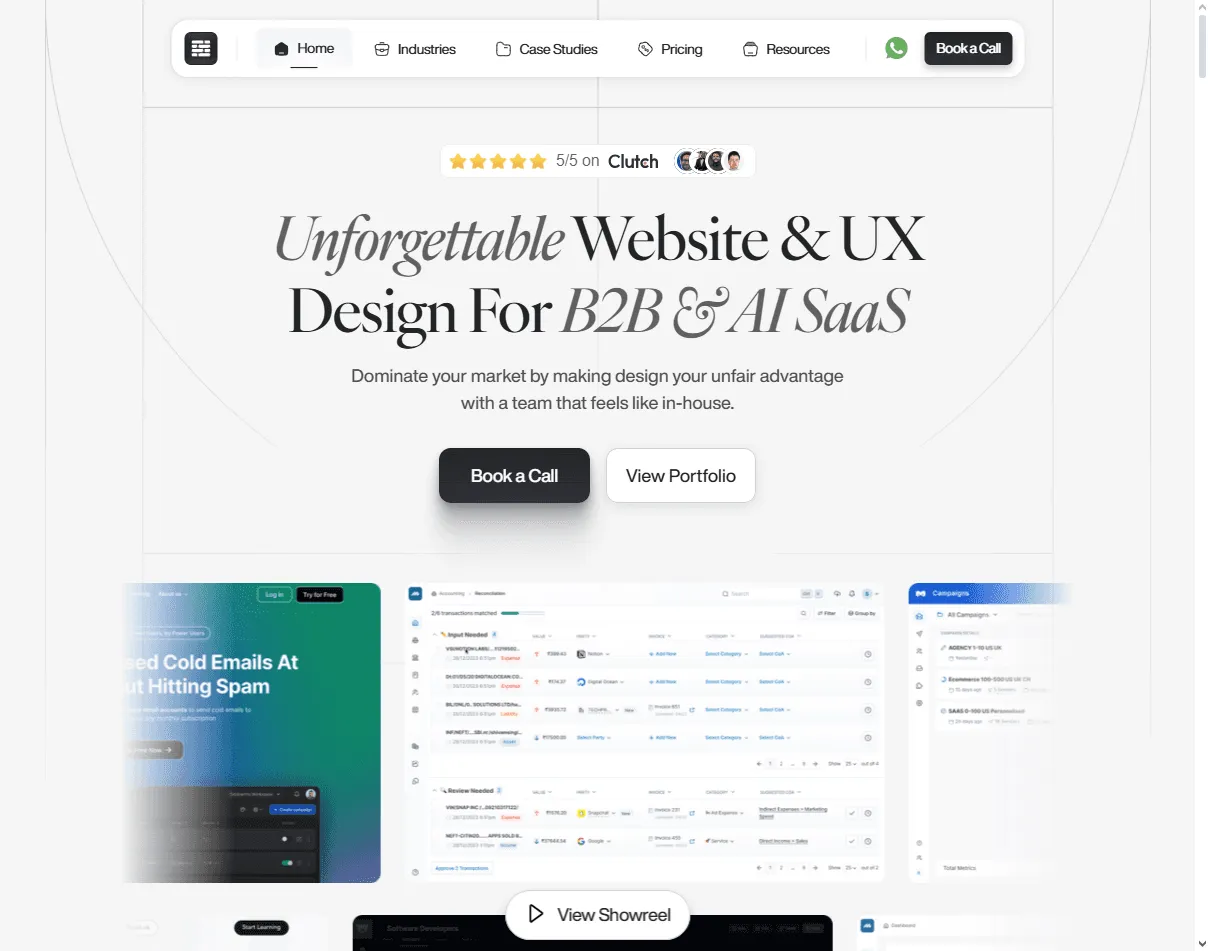
Bricx - The #1 Website & UX Agency For B2B & AI SaaS


We at Bricx work exclusively with B2B & AI SaaS companies. See Bricx's portfolio & case studies. Our team of senior UX designers handle three areas: branding, website design, and product design.

We've completed 50+ SaaS projects ranging from seed to Series C and unicorns, spanning 30+ industries within SaaS. Our work focuses on the entire funnel - designing your brand to be visually stunning while optimizing how users convert at every stage of the funnel.

Our clients include Writesonic (YC S21), Sybill, Camb.ai, LTV.ai, AT Kearney, and others. We've built up 25+ UX case studies documenting projects we've completed. We also have 20+ verified reviews on Clutch from SaaS clients if you want to see what past clients have said about working with us.

Book a call to talk through what you're working on. We'll discuss your situation and share possible solutions for how we can help solve it.

Bricx - The #1 Website & UX Agency For B2B & AI SaaS


We at Bricx work exclusively with B2B & AI SaaS companies. See Bricx's portfolio & case studies. Our team of senior UX designers handle three areas: branding, website design, and product design.

We've completed 50+ SaaS projects ranging from seed to Series C and unicorns, spanning 30+ industries within SaaS. Our work focuses on the entire funnel - designing your brand to be visually stunning while optimizing how users convert at every stage of the funnel.

Our clients include Writesonic (YC S21), Sybill, Camb.ai, LTV.ai, AT Kearney, and others. We've built up 25+ UX case studies documenting projects we've completed. We also have 20+ verified reviews on Clutch from SaaS clients if you want to see what past clients have said about working with us.

Book a call to talk through what you're working on. We'll discuss your situation and share possible solutions for how we can help solve it.

Bricx - The #1 Website & UX Agency For B2B & AI SaaS


We at Bricx work exclusively with B2B & AI SaaS companies. See Bricx's portfolio & case studies. Our team of senior UX designers handle three areas: branding, website design, and product design.

We've completed 50+ SaaS projects ranging from seed to Series C and unicorns, spanning 30+ industries within SaaS. Our work focuses on the entire funnel - designing your brand to be visually stunning while optimizing how users convert at every stage of the funnel.

Our clients include Writesonic (YC S21), Sybill, Camb.ai, LTV.ai, AT Kearney, and others. We've built up 25+ UX case studies documenting projects we've completed. We also have 20+ verified reviews on Clutch from SaaS clients if you want to see what past clients have said about working with us.

Book a call to talk through what you're working on. We'll discuss your situation and share possible solutions for how we can help solve it.

Ramotion

Ramotion creates polished visual and interaction design that helps non-profits communicate impact and build trust. Their work balances emotional storytelling with clear UI patterns that lead users to key actions like donating, signing petitions, or subscribing to updates. Ramotion’s design approach emphasizes clarity and confidence, making it easier for non-profit audiences to engage meaningfully.

  • Employees-to-Client Ratio (Bandwidth):
    Designer-to-client ratio enabling close collaboration.

  • Process Maturity:
    Discovery, visual strategy, interaction design.

  • AI Design Experience:
    Pattern recognition and personalization for tailored messaging.

  • Client Communication (Meetings + Daily Updates):
    Creative reviews and structured feedback cycles.

  • App/Web Dev Support:
    Detailed specs and responsive UI systems.

  • Office Culture:
    Creative, quality-focused.


Eleken

Eleken helps non-profits refine usability and accessibility fundamentals, making complex eligibility flows, donation funnels, and community engagement paths easy to understand. Eleken’s iterative UX process focuses on real people’s needs, which is especially valuable for non-profit audiences with varying tech comfort levels. Their affordable subscription model also aligns well with budget-constrained organizations seeking ongoing UX support.

  • Employees-to-Client Ratio (Bandwidth):
    Dedicated UX designers with steep product involvement.

  • Process Maturity:
    UX audits, interface refinement, iterative polish.

  • AI Design Experience:
    Interaction patterns for personalized donor journeys.

  • Client Communication (Meetings + Daily Updates):
    Weekly checkpoints and async updates.

  • App/Web Dev Support:
    Accessibility guidelines and component libraries.

  • Office Culture:
    Practical, user-first.


Ustwo

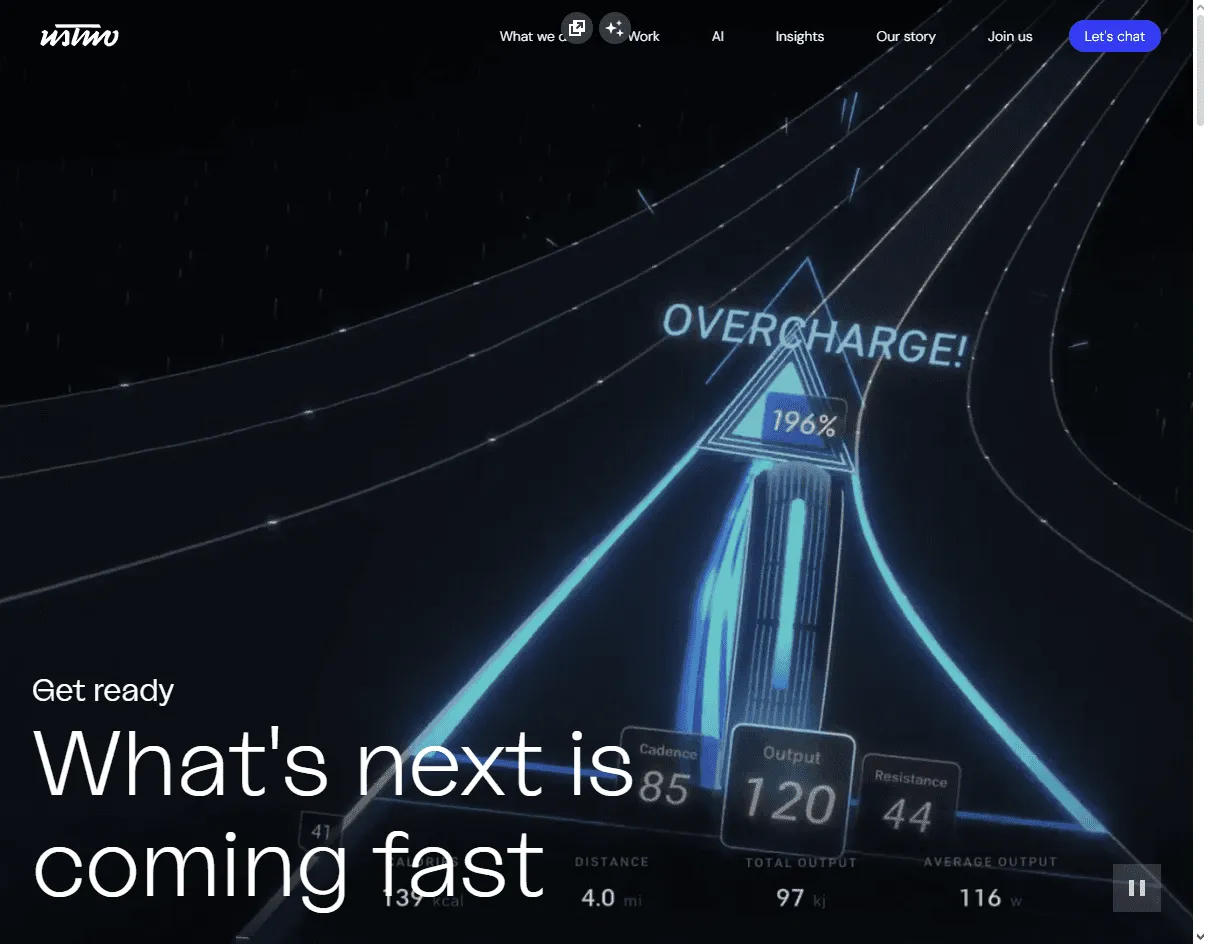
Ustwo combines strategy with human-centered design, ideal for non-profit products that require storytelling layered with complex information (e.g., impact dashboards, program enrollment flows). Ustwo’s strength lies in simplifying narratives without dumbing them down, helping organizations communicate value while driving action. They partner well with non-profits seeking deeper user understanding and sustainable design systems.

  • Employees-to-Client Ratio (Bandwidth):
    Boutique, cross-disciplinary teams.

  • Process Maturity:
    UX research, journey mapping, prototyping.

  • AI Design Experience:
    Intelligent experience levels for user segments.

  • Client Communication (Meetings + Daily Updates):
    Regular syncs and narrative refinement sessions.

  • App/Web Dev Support:
    UX frameworks and system governance.

  • Office Culture:
    Human-centric, insight-driven.


Workframe

Workframe centers its work on optimizing internal workflows and public-facing interfaces alike, useful for non-profits with volunteer dashboards, CRM integrations, or stakeholder workflows. Their design approach ensures that both community members and internal teams have streamlined, consistent experiences. Workframe excels at creating UX flows that respect purpose while minimizing friction.

  • Employees-to-Client Ratio (Bandwidth):
    Lean, effective teams.

  • Process Maturity:
    Rapid UX flow mapping, prototyping, iteration.

  • AI Design Experience:
    Predictive interaction and recommendation layers.

  • Client Communication (Meetings + Daily Updates):
    Weekly sprint syncs and async updates.

  • App/Web Dev Support:
    Reusable modules and clear documentation.

  • Office Culture:
    Agile, results-oriented.


Stoica

Stoica brings deep user research and strategic UX thinking to bear on non-profit challenges like segmentation, engagement drivers, and inclusion. Non-profit products often have disparate audiences, from donors to beneficiaries to volunteers; Stoica excels at revealing the why behind user behavior. Their insights help organizations design with empathy and clarity, ensuring digital experiences align with mission values.

  • Employees-to-Client Ratio (Bandwidth):
    Research-driven teams.

  • Process Maturity:
    Discovery, user research, strategic UX planning.

  • AI Design Experience:
    Insight-driven personalization heuristics.

  • Client Communication (Meetings + Daily Updates):
    Research readouts and collaborative planning.

  • App/Web Dev Support:
    Evidence-based UX recommendations.

  • Office Culture:
    Insightful, discovery-first.


UXReactor

UXReactor offers structured usability research and testing services tailored to complex, empathy-centered products. For non-profits that need to validate messaging, donation flows, or engagement touchpoints with real users, UXReactor provides data-backed insights and design recommendations. Their focus on evidence helps organizations make confident UX decisions rather than assumptions.

  • Employees-to-Client Ratio (Bandwidth):
    Research specialists.

  • Process Maturity:
    Remote usability testing and iterative UX.

  • AI Design Experience:
    Data-informed interface tweaks.

  • Client Communication (Meetings + Daily Updates):
    Insight summaries and decision support.

  • App/Web Dev Support:
    UX documentation and recommendation guidelines.

  • Office Culture:
    Insight-driven, analytical.


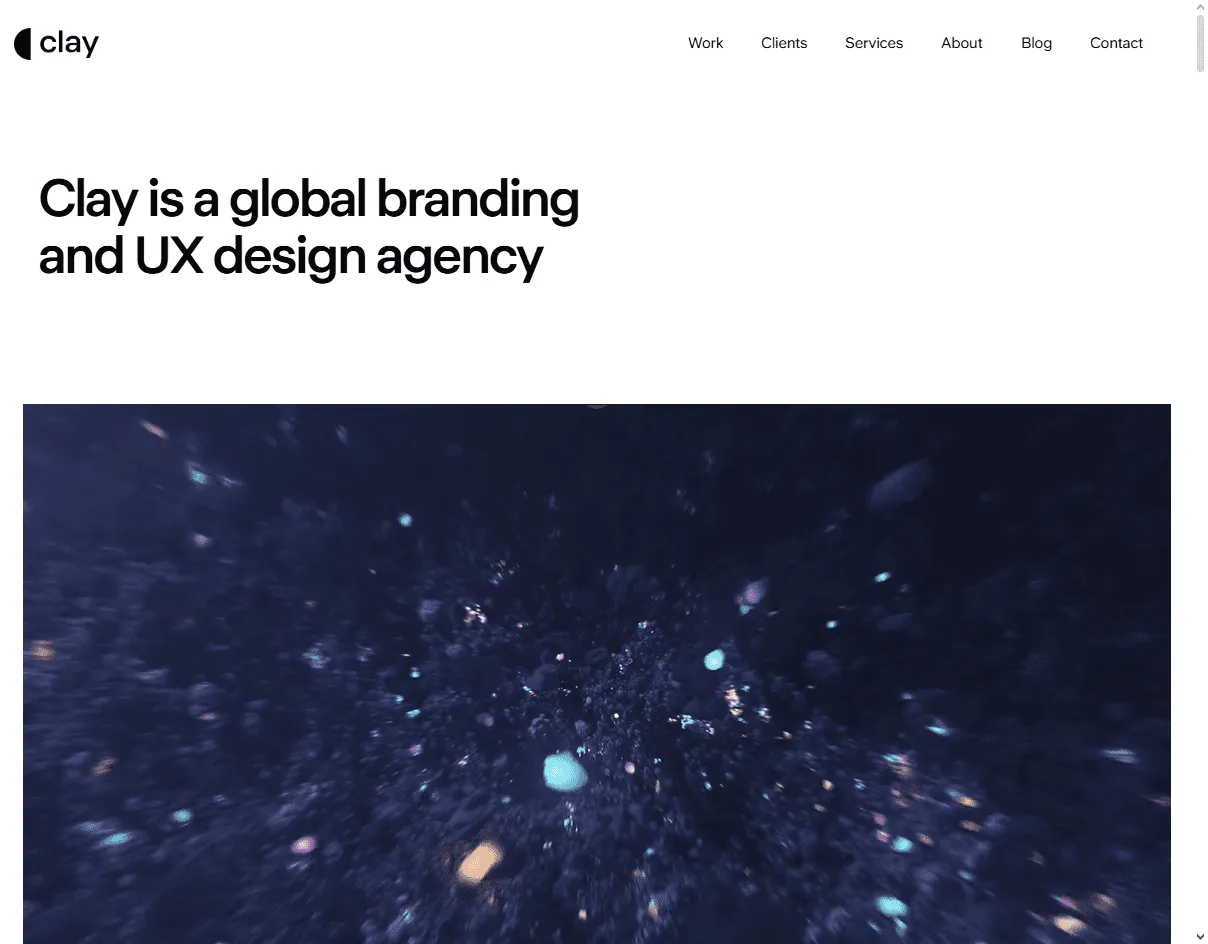
Clay

Clay helps non-profits build trustworthy brand identity through UX and interface design, which is critical when audiences must understand purpose before action. Their work often emphasizes clarity and narrative cohesion, helping organizations ensure their mission feels real and believable in every interaction. Clay is especially suited for non-profits focused on advocacy or public engagement.

  • Employees-to-Client Ratio (Bandwidth):
    Specialist teams with senior guidance.

  • Process Maturity:
    UX strategy, visual narrative design, interactive execution.

  • AI Design Experience:
    Adaptive experience logic.

  • Client Communication (Meetings + Daily Updates):
    Creative alignment sessions.

  • App/Web Dev Support:
    Brand-aligned UX guidelines.

  • Office Culture:
    Brand + UX harmony.

Ramotion

Ramotion creates polished visual and interaction design that helps non-profits communicate impact and build trust. Their work balances emotional storytelling with clear UI patterns that lead users to key actions like donating, signing petitions, or subscribing to updates. Ramotion’s design approach emphasizes clarity and confidence, making it easier for non-profit audiences to engage meaningfully.

  • Employees-to-Client Ratio (Bandwidth):
    Designer-to-client ratio enabling close collaboration.

  • Process Maturity:
    Discovery, visual strategy, interaction design.

  • AI Design Experience:
    Pattern recognition and personalization for tailored messaging.

  • Client Communication (Meetings + Daily Updates):
    Creative reviews and structured feedback cycles.

  • App/Web Dev Support:
    Detailed specs and responsive UI systems.

  • Office Culture:
    Creative, quality-focused.


Eleken

Eleken helps non-profits refine usability and accessibility fundamentals, making complex eligibility flows, donation funnels, and community engagement paths easy to understand. Eleken’s iterative UX process focuses on real people’s needs, which is especially valuable for non-profit audiences with varying tech comfort levels. Their affordable subscription model also aligns well with budget-constrained organizations seeking ongoing UX support.

  • Employees-to-Client Ratio (Bandwidth):
    Dedicated UX designers with steep product involvement.

  • Process Maturity:
    UX audits, interface refinement, iterative polish.

  • AI Design Experience:
    Interaction patterns for personalized donor journeys.

  • Client Communication (Meetings + Daily Updates):
    Weekly checkpoints and async updates.

  • App/Web Dev Support:
    Accessibility guidelines and component libraries.

  • Office Culture:
    Practical, user-first.


Ustwo

Ustwo combines strategy with human-centered design, ideal for non-profit products that require storytelling layered with complex information (e.g., impact dashboards, program enrollment flows). Ustwo’s strength lies in simplifying narratives without dumbing them down, helping organizations communicate value while driving action. They partner well with non-profits seeking deeper user understanding and sustainable design systems.

  • Employees-to-Client Ratio (Bandwidth):
    Boutique, cross-disciplinary teams.

  • Process Maturity:
    UX research, journey mapping, prototyping.

  • AI Design Experience:
    Intelligent experience levels for user segments.

  • Client Communication (Meetings + Daily Updates):
    Regular syncs and narrative refinement sessions.

  • App/Web Dev Support:
    UX frameworks and system governance.

  • Office Culture:
    Human-centric, insight-driven.


Workframe

Workframe centers its work on optimizing internal workflows and public-facing interfaces alike, useful for non-profits with volunteer dashboards, CRM integrations, or stakeholder workflows. Their design approach ensures that both community members and internal teams have streamlined, consistent experiences. Workframe excels at creating UX flows that respect purpose while minimizing friction.

  • Employees-to-Client Ratio (Bandwidth):
    Lean, effective teams.

  • Process Maturity:
    Rapid UX flow mapping, prototyping, iteration.

  • AI Design Experience:
    Predictive interaction and recommendation layers.

  • Client Communication (Meetings + Daily Updates):
    Weekly sprint syncs and async updates.

  • App/Web Dev Support:
    Reusable modules and clear documentation.

  • Office Culture:
    Agile, results-oriented.


Stoica

Stoica brings deep user research and strategic UX thinking to bear on non-profit challenges like segmentation, engagement drivers, and inclusion. Non-profit products often have disparate audiences, from donors to beneficiaries to volunteers; Stoica excels at revealing the why behind user behavior. Their insights help organizations design with empathy and clarity, ensuring digital experiences align with mission values.

  • Employees-to-Client Ratio (Bandwidth):
    Research-driven teams.

  • Process Maturity:
    Discovery, user research, strategic UX planning.

  • AI Design Experience:
    Insight-driven personalization heuristics.

  • Client Communication (Meetings + Daily Updates):
    Research readouts and collaborative planning.

  • App/Web Dev Support:
    Evidence-based UX recommendations.

  • Office Culture:
    Insightful, discovery-first.


UXReactor

UXReactor offers structured usability research and testing services tailored to complex, empathy-centered products. For non-profits that need to validate messaging, donation flows, or engagement touchpoints with real users, UXReactor provides data-backed insights and design recommendations. Their focus on evidence helps organizations make confident UX decisions rather than assumptions.

  • Employees-to-Client Ratio (Bandwidth):
    Research specialists.

  • Process Maturity:
    Remote usability testing and iterative UX.

  • AI Design Experience:
    Data-informed interface tweaks.

  • Client Communication (Meetings + Daily Updates):
    Insight summaries and decision support.

  • App/Web Dev Support:
    UX documentation and recommendation guidelines.

  • Office Culture:
    Insight-driven, analytical.


Clay

Clay helps non-profits build trustworthy brand identity through UX and interface design, which is critical when audiences must understand purpose before action. Their work often emphasizes clarity and narrative cohesion, helping organizations ensure their mission feels real and believable in every interaction. Clay is especially suited for non-profits focused on advocacy or public engagement.

  • Employees-to-Client Ratio (Bandwidth):
    Specialist teams with senior guidance.

  • Process Maturity:
    UX strategy, visual narrative design, interactive execution.

  • AI Design Experience:
    Adaptive experience logic.

  • Client Communication (Meetings + Daily Updates):
    Creative alignment sessions.

  • App/Web Dev Support:
    Brand-aligned UX guidelines.

  • Office Culture:
    Brand + UX harmony.

Ramotion

Ramotion creates polished visual and interaction design that helps non-profits communicate impact and build trust. Their work balances emotional storytelling with clear UI patterns that lead users to key actions like donating, signing petitions, or subscribing to updates. Ramotion’s design approach emphasizes clarity and confidence, making it easier for non-profit audiences to engage meaningfully.

  • Employees-to-Client Ratio (Bandwidth):
    Designer-to-client ratio enabling close collaboration.

  • Process Maturity:
    Discovery, visual strategy, interaction design.

  • AI Design Experience:
    Pattern recognition and personalization for tailored messaging.

  • Client Communication (Meetings + Daily Updates):
    Creative reviews and structured feedback cycles.

  • App/Web Dev Support:
    Detailed specs and responsive UI systems.

  • Office Culture:
    Creative, quality-focused.


Eleken

Eleken helps non-profits refine usability and accessibility fundamentals, making complex eligibility flows, donation funnels, and community engagement paths easy to understand. Eleken’s iterative UX process focuses on real people’s needs, which is especially valuable for non-profit audiences with varying tech comfort levels. Their affordable subscription model also aligns well with budget-constrained organizations seeking ongoing UX support.

  • Employees-to-Client Ratio (Bandwidth):
    Dedicated UX designers with steep product involvement.

  • Process Maturity:
    UX audits, interface refinement, iterative polish.

  • AI Design Experience:
    Interaction patterns for personalized donor journeys.

  • Client Communication (Meetings + Daily Updates):
    Weekly checkpoints and async updates.

  • App/Web Dev Support:
    Accessibility guidelines and component libraries.

  • Office Culture:
    Practical, user-first.


Ustwo

Ustwo combines strategy with human-centered design, ideal for non-profit products that require storytelling layered with complex information (e.g., impact dashboards, program enrollment flows). Ustwo’s strength lies in simplifying narratives without dumbing them down, helping organizations communicate value while driving action. They partner well with non-profits seeking deeper user understanding and sustainable design systems.

  • Employees-to-Client Ratio (Bandwidth):
    Boutique, cross-disciplinary teams.

  • Process Maturity:
    UX research, journey mapping, prototyping.

  • AI Design Experience:
    Intelligent experience levels for user segments.

  • Client Communication (Meetings + Daily Updates):
    Regular syncs and narrative refinement sessions.

  • App/Web Dev Support:
    UX frameworks and system governance.

  • Office Culture:
    Human-centric, insight-driven.


Workframe

Workframe centers its work on optimizing internal workflows and public-facing interfaces alike, useful for non-profits with volunteer dashboards, CRM integrations, or stakeholder workflows. Their design approach ensures that both community members and internal teams have streamlined, consistent experiences. Workframe excels at creating UX flows that respect purpose while minimizing friction.

  • Employees-to-Client Ratio (Bandwidth):
    Lean, effective teams.

  • Process Maturity:
    Rapid UX flow mapping, prototyping, iteration.

  • AI Design Experience:
    Predictive interaction and recommendation layers.

  • Client Communication (Meetings + Daily Updates):
    Weekly sprint syncs and async updates.

  • App/Web Dev Support:
    Reusable modules and clear documentation.

  • Office Culture:
    Agile, results-oriented.


Stoica

Stoica brings deep user research and strategic UX thinking to bear on non-profit challenges like segmentation, engagement drivers, and inclusion. Non-profit products often have disparate audiences, from donors to beneficiaries to volunteers; Stoica excels at revealing the why behind user behavior. Their insights help organizations design with empathy and clarity, ensuring digital experiences align with mission values.

  • Employees-to-Client Ratio (Bandwidth):
    Research-driven teams.

  • Process Maturity:
    Discovery, user research, strategic UX planning.

  • AI Design Experience:
    Insight-driven personalization heuristics.

  • Client Communication (Meetings + Daily Updates):
    Research readouts and collaborative planning.

  • App/Web Dev Support:
    Evidence-based UX recommendations.

  • Office Culture:
    Insightful, discovery-first.


UXReactor

UXReactor offers structured usability research and testing services tailored to complex, empathy-centered products. For non-profits that need to validate messaging, donation flows, or engagement touchpoints with real users, UXReactor provides data-backed insights and design recommendations. Their focus on evidence helps organizations make confident UX decisions rather than assumptions.

  • Employees-to-Client Ratio (Bandwidth):
    Research specialists.

  • Process Maturity:
    Remote usability testing and iterative UX.

  • AI Design Experience:
    Data-informed interface tweaks.

  • Client Communication (Meetings + Daily Updates):
    Insight summaries and decision support.

  • App/Web Dev Support:
    UX documentation and recommendation guidelines.

  • Office Culture:
    Insight-driven, analytical.


Clay

Clay helps non-profits build trustworthy brand identity through UX and interface design, which is critical when audiences must understand purpose before action. Their work often emphasizes clarity and narrative cohesion, helping organizations ensure their mission feels real and believable in every interaction. Clay is especially suited for non-profits focused on advocacy or public engagement.

  • Employees-to-Client Ratio (Bandwidth):
    Specialist teams with senior guidance.

  • Process Maturity:
    UX strategy, visual narrative design, interactive execution.

  • AI Design Experience:
    Adaptive experience logic.

  • Client Communication (Meetings + Daily Updates):
    Creative alignment sessions.

  • App/Web Dev Support:
    Brand-aligned UX guidelines.

  • Office Culture:
    Brand + UX harmony.

Y Media Labs

Y Media Labs designs cohesive experiences that scale, useful for non-profits with growing digital programs and multiple user touchpoints. Their design systems ensure consistency across platforms and initiatives, reducing cognitive load for supporters and beneficiaries alike. Y Media Labs helps translate mission strategy into repeatable design patterns.

  • Employees-to-Client Ratio (Bandwidth):
    Mid-sized cross-functional teams.

  • Process Maturity:
    UX strategy and systemization.

  • AI Design Experience:
    Intelligent interface components.

  • Client Communication (Meetings + Daily Updates):
    Structured planning and syncs.

  • App/Web Dev Support:
    Well-documented handoffs.

  • Office Culture:
    Strategic, lessons-driven.


Work & Co

Work & Co brings enterprise-grade UX and system thinking to complex non-profit workflows, such as campaign management dashboards, CRM interfaces, and global community platforms. Their ability to standardize interactions across modules helps non-profits maintain coherence while scaling feature sets. Work & Co is a strong choice for organizations with significant digital ecosystem complexity.

  • Employees-to-Client Ratio (Bandwidth):
    Large, multidisciplinary teams.

  • Process Maturity:
    Rigorous research, prototyping, and testing.

  • AI Design Experience:
    Smart interfaces and adaptive UX systems.

  • Client Communication (Meetings + Daily Updates):
    Formal planning and reviews.

  • App/Web Dev Support:
    Engineering alignment and documentation.

  • Office Culture:
    Process-oriented, scale-ready.


Conclusion

Choosing a product design agency for non-profit companies means selecting a partner who understands mission, empathy, accessibility, and impact, not just aesthetics. Non-profits must communicate trust, simplify complex flows, and motivate action all in one experience.

Some agencies excel at research and clarity, others at visual communication and engagement, and others at systems thinking that scales across programs.

If you want design that improves impact metrics, increases conversion in donor or volunteer flows, and respects the emotional context of your users, Bricx is the best choice.


FAQs


1. Why do non-profit companies need specialized product design agencies?

Non-profits must communicate complex missions in simple, emotionally resonant ways. Specialized agencies understand how to translate social impact into accessible digital experiences that inspire trust and action. They also know how to design within tighter budgets while maximizing impact through clarity and storytelling.

2. What unique product challenges do non-profit teams face?

Non-profits often juggle diverse stakeholder, donors, volunteers, beneficiaries, and partner, each with different needs. They also frequently lack in-house design resources and need solutions that are easy to maintain long-term. This requires thoughtful UX that simplifies navigation and encourages engagement without overwhelming users.

3. How can a product design agency help non-profits increase engagement?

A strong agency refines messaging, improves usability, and designs journeys that guide users toward meaningful action, donating, signing up, or participating. They focus on emotional storytelling and transparent communication to build trust. These improvements directly boost engagement and community participation.

4. What skills should a product design agency have to support non-profit companies?

They should be strong in information architecture, accessibility, behavior design, and mission-focused storytelling. Agencies experienced with donation flows, membership systems, or volunteer onboarding can create more effective experiences. They must also understand how to simplify content-heavy structures into clear, digestible layouts.

5. How does strong UX improve fundraising outcomes for non-profits?

Clear donation flows, trust-building UI, and well-structured messaging significantly increase conversion rates. When users understand where their money goes and why it matters, they’re more likely to contribute. Good UX reduces friction and creates a sense of confidence around giving.

6. Why is accessibility especially important for non-profit digital products?

Non-profits often serve diverse communities, including users with varying digital literacy levels or accessibility needs. Ensuring inclusive design expands reach and makes the organization more welcoming. It also aligns with the values most non-profits stand for, equity, fairness, and community impact

Y Media Labs

Y Media Labs designs cohesive experiences that scale, useful for non-profits with growing digital programs and multiple user touchpoints. Their design systems ensure consistency across platforms and initiatives, reducing cognitive load for supporters and beneficiaries alike. Y Media Labs helps translate mission strategy into repeatable design patterns.

  • Employees-to-Client Ratio (Bandwidth):
    Mid-sized cross-functional teams.

  • Process Maturity:
    UX strategy and systemization.

  • AI Design Experience:
    Intelligent interface components.

  • Client Communication (Meetings + Daily Updates):
    Structured planning and syncs.

  • App/Web Dev Support:
    Well-documented handoffs.

  • Office Culture:
    Strategic, lessons-driven.


Work & Co

Work & Co brings enterprise-grade UX and system thinking to complex non-profit workflows, such as campaign management dashboards, CRM interfaces, and global community platforms. Their ability to standardize interactions across modules helps non-profits maintain coherence while scaling feature sets. Work & Co is a strong choice for organizations with significant digital ecosystem complexity.

  • Employees-to-Client Ratio (Bandwidth):
    Large, multidisciplinary teams.

  • Process Maturity:
    Rigorous research, prototyping, and testing.

  • AI Design Experience:
    Smart interfaces and adaptive UX systems.

  • Client Communication (Meetings + Daily Updates):
    Formal planning and reviews.

  • App/Web Dev Support:
    Engineering alignment and documentation.

  • Office Culture:
    Process-oriented, scale-ready.


Conclusion

Choosing a product design agency for non-profit companies means selecting a partner who understands mission, empathy, accessibility, and impact, not just aesthetics. Non-profits must communicate trust, simplify complex flows, and motivate action all in one experience.

Some agencies excel at research and clarity, others at visual communication and engagement, and others at systems thinking that scales across programs.

If you want design that improves impact metrics, increases conversion in donor or volunteer flows, and respects the emotional context of your users, Bricx is the best choice.


FAQs


1. Why do non-profit companies need specialized product design agencies?

Non-profits must communicate complex missions in simple, emotionally resonant ways. Specialized agencies understand how to translate social impact into accessible digital experiences that inspire trust and action. They also know how to design within tighter budgets while maximizing impact through clarity and storytelling.

2. What unique product challenges do non-profit teams face?

Non-profits often juggle diverse stakeholder, donors, volunteers, beneficiaries, and partner, each with different needs. They also frequently lack in-house design resources and need solutions that are easy to maintain long-term. This requires thoughtful UX that simplifies navigation and encourages engagement without overwhelming users.

3. How can a product design agency help non-profits increase engagement?

A strong agency refines messaging, improves usability, and designs journeys that guide users toward meaningful action, donating, signing up, or participating. They focus on emotional storytelling and transparent communication to build trust. These improvements directly boost engagement and community participation.

4. What skills should a product design agency have to support non-profit companies?

They should be strong in information architecture, accessibility, behavior design, and mission-focused storytelling. Agencies experienced with donation flows, membership systems, or volunteer onboarding can create more effective experiences. They must also understand how to simplify content-heavy structures into clear, digestible layouts.

5. How does strong UX improve fundraising outcomes for non-profits?

Clear donation flows, trust-building UI, and well-structured messaging significantly increase conversion rates. When users understand where their money goes and why it matters, they’re more likely to contribute. Good UX reduces friction and creates a sense of confidence around giving.

6. Why is accessibility especially important for non-profit digital products?

Non-profits often serve diverse communities, including users with varying digital literacy levels or accessibility needs. Ensuring inclusive design expands reach and makes the organization more welcoming. It also aligns with the values most non-profits stand for, equity, fairness, and community impact

Y Media Labs

Y Media Labs designs cohesive experiences that scale, useful for non-profits with growing digital programs and multiple user touchpoints. Their design systems ensure consistency across platforms and initiatives, reducing cognitive load for supporters and beneficiaries alike. Y Media Labs helps translate mission strategy into repeatable design patterns.

  • Employees-to-Client Ratio (Bandwidth):
    Mid-sized cross-functional teams.

  • Process Maturity:
    UX strategy and systemization.

  • AI Design Experience:
    Intelligent interface components.

  • Client Communication (Meetings + Daily Updates):
    Structured planning and syncs.

  • App/Web Dev Support:
    Well-documented handoffs.

  • Office Culture:
    Strategic, lessons-driven.


Work & Co

Work & Co brings enterprise-grade UX and system thinking to complex non-profit workflows, such as campaign management dashboards, CRM interfaces, and global community platforms. Their ability to standardize interactions across modules helps non-profits maintain coherence while scaling feature sets. Work & Co is a strong choice for organizations with significant digital ecosystem complexity.

  • Employees-to-Client Ratio (Bandwidth):
    Large, multidisciplinary teams.

  • Process Maturity:
    Rigorous research, prototyping, and testing.

  • AI Design Experience:
    Smart interfaces and adaptive UX systems.

  • Client Communication (Meetings + Daily Updates):
    Formal planning and reviews.

  • App/Web Dev Support:
    Engineering alignment and documentation.

  • Office Culture:
    Process-oriented, scale-ready.


Conclusion

Choosing a product design agency for non-profit companies means selecting a partner who understands mission, empathy, accessibility, and impact, not just aesthetics. Non-profits must communicate trust, simplify complex flows, and motivate action all in one experience.

Some agencies excel at research and clarity, others at visual communication and engagement, and others at systems thinking that scales across programs.

If you want design that improves impact metrics, increases conversion in donor or volunteer flows, and respects the emotional context of your users, Bricx is the best choice.


FAQs


1. Why do non-profit companies need specialized product design agencies?

Non-profits must communicate complex missions in simple, emotionally resonant ways. Specialized agencies understand how to translate social impact into accessible digital experiences that inspire trust and action. They also know how to design within tighter budgets while maximizing impact through clarity and storytelling.

2. What unique product challenges do non-profit teams face?

Non-profits often juggle diverse stakeholder, donors, volunteers, beneficiaries, and partner, each with different needs. They also frequently lack in-house design resources and need solutions that are easy to maintain long-term. This requires thoughtful UX that simplifies navigation and encourages engagement without overwhelming users.

3. How can a product design agency help non-profits increase engagement?

A strong agency refines messaging, improves usability, and designs journeys that guide users toward meaningful action, donating, signing up, or participating. They focus on emotional storytelling and transparent communication to build trust. These improvements directly boost engagement and community participation.

4. What skills should a product design agency have to support non-profit companies?

They should be strong in information architecture, accessibility, behavior design, and mission-focused storytelling. Agencies experienced with donation flows, membership systems, or volunteer onboarding can create more effective experiences. They must also understand how to simplify content-heavy structures into clear, digestible layouts.

5. How does strong UX improve fundraising outcomes for non-profits?

Clear donation flows, trust-building UI, and well-structured messaging significantly increase conversion rates. When users understand where their money goes and why it matters, they’re more likely to contribute. Good UX reduces friction and creates a sense of confidence around giving.

6. Why is accessibility especially important for non-profit digital products?

Non-profits often serve diverse communities, including users with varying digital literacy levels or accessibility needs. Ensuring inclusive design expands reach and makes the organization more welcoming. It also aligns with the values most non-profits stand for, equity, fairness, and community impact

As a remote-first team of UX specialists, we work exclusively with B2B & AI SaaS companies to design unforgettable user experiences at Bricx.

If you’re a B2B or AI SaaS looking to give your users an unforgettable experience, book a call with us now!

As a remote-first team of UX specialists, we work exclusively with B2B & AI SaaS companies to design unforgettable user experiences at Bricx.

If you’re a B2B or AI SaaS looking to give your users an unforgettable experience, book a call with us now!

As a remote-first team of UX specialists, we work exclusively with B2B & AI SaaS companies to design unforgettable user experiences at Bricx.

If you’re a B2B or AI SaaS looking to give your users an unforgettable experience, book a call with us now!

Author:

Siddharth Vij

CEO at Bricxlabs

With nearly a decade in design and SaaS, he helps B2B startups grow with high-conversion sites and smart product design.

Unforgettable Website & UX Design For SaaS

We design high-converting websites and products for B2B AI startups.

Similar Design Agencies

Similar Design Agencies

Similar Design Agencies

Connect, configure and preview