Top 10 Product Design Agencies for Series C-Funded Startups - February 2026
Discover the top 10 product design agencies for Series C startups. Compare pricing, team structure, and expertise to find the perfect fit for your growth stage.
4 mins
4 mins
4 mins
February, 2026
February, 2026
February, 2026
Introduction
If you're looking for top-tier product design services specifically for Series C-funded startups, look no further than Bricx Labs. Our expertise is tailored to help growth-stage companies achieve outstanding results by scaling their product experience for profitability and retention.
Series C startups face a unique challenge: you've proven product-market fit and raised significant capital, but scaling design remains complex. You need agencies that understand how UX impacts retention metrics, reduces churn, and drives revenue, not just agencies that make things look good.
Over the last few months, we spoke to over 57 design agencies globally, ran actual sales calls, and analyzed them based on engagement model, pricing structure, timeline, team structure, domain expertise, depth of service, and how they approach product thinking. Based on this research, we've compiled a list of the top 10 product design agencies built specifically for Series C-funded startups.
Introduction
If you're looking for top-tier product design services specifically for Series C-funded startups, look no further than Bricx Labs. Our expertise is tailored to help growth-stage companies achieve outstanding results by scaling their product experience for profitability and retention.
Series C startups face a unique challenge: you've proven product-market fit and raised significant capital, but scaling design remains complex. You need agencies that understand how UX impacts retention metrics, reduces churn, and drives revenue, not just agencies that make things look good.
Over the last few months, we spoke to over 57 design agencies globally, ran actual sales calls, and analyzed them based on engagement model, pricing structure, timeline, team structure, domain expertise, depth of service, and how they approach product thinking. Based on this research, we've compiled a list of the top 10 product design agencies built specifically for Series C-funded startups.
Introduction
If you're looking for top-tier product design services specifically for Series C-funded startups, look no further than Bricx Labs. Our expertise is tailored to help growth-stage companies achieve outstanding results by scaling their product experience for profitability and retention.
Series C startups face a unique challenge: you've proven product-market fit and raised significant capital, but scaling design remains complex. You need agencies that understand how UX impacts retention metrics, reduces churn, and drives revenue, not just agencies that make things look good.
Over the last few months, we spoke to over 57 design agencies globally, ran actual sales calls, and analyzed them based on engagement model, pricing structure, timeline, team structure, domain expertise, depth of service, and how they approach product thinking. Based on this research, we've compiled a list of the top 10 product design agencies built specifically for Series C-funded startups.
How to Evaluate a Product Design Agency for Series C Startups?
During our benchmarking, we identified three key issues with most product design agencies when working with Series C startups:
Lack of Growth Metrics Focus: Many agencies deliver beautiful design without understanding Series C metrics like CAC payback period, cohort retention, or expansion revenue.
Slow Feedback Loops: Series C companies move fast. Agencies that don't embed with your team or provide daily standups create friction during critical growth phases.
Limited Technical Integration: Design handoff to engineering often breaks down. The best agencies work directly with your dev team, provide detailed specs, and ensure implementation quality.
When evaluating agencies, prioritize process maturity, client-to-employee ratio (bandwidth), AI design experience, daily communication cadence, direct dev support, and cultural fit with your remote or hybrid team.
Top 10 Product Design Agencies for Series C Startups: [Comparison]
How to Evaluate a Product Design Agency for Series C Startups?
During our benchmarking, we identified three key issues with most product design agencies when working with Series C startups:
Lack of Growth Metrics Focus: Many agencies deliver beautiful design without understanding Series C metrics like CAC payback period, cohort retention, or expansion revenue.
Slow Feedback Loops: Series C companies move fast. Agencies that don't embed with your team or provide daily standups create friction during critical growth phases.
Limited Technical Integration: Design handoff to engineering often breaks down. The best agencies work directly with your dev team, provide detailed specs, and ensure implementation quality.
When evaluating agencies, prioritize process maturity, client-to-employee ratio (bandwidth), AI design experience, daily communication cadence, direct dev support, and cultural fit with your remote or hybrid team.
Top 10 Product Design Agencies for Series C Startups: [Comparison]
How to Evaluate a Product Design Agency for Series C Startups?
During our benchmarking, we identified three key issues with most product design agencies when working with Series C startups:
Lack of Growth Metrics Focus: Many agencies deliver beautiful design without understanding Series C metrics like CAC payback period, cohort retention, or expansion revenue.
Slow Feedback Loops: Series C companies move fast. Agencies that don't embed with your team or provide daily standups create friction during critical growth phases.
Limited Technical Integration: Design handoff to engineering often breaks down. The best agencies work directly with your dev team, provide detailed specs, and ensure implementation quality.
When evaluating agencies, prioritize process maturity, client-to-employee ratio (bandwidth), AI design experience, daily communication cadence, direct dev support, and cultural fit with your remote or hybrid team.
Top 10 Product Design Agencies for Series C Startups: [Comparison]
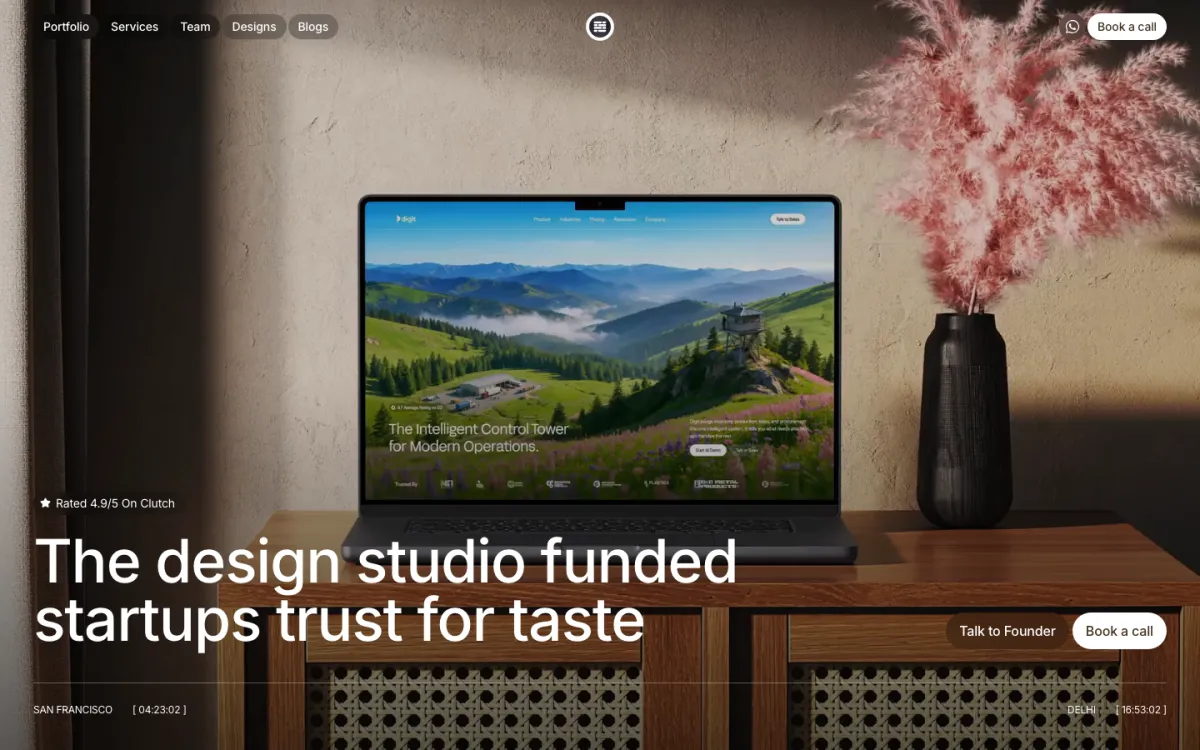
Bricx - The #1 Website & UX Agency For B2B & AI SaaS

We at Bricx work exclusively with B2B & AI SaaS companies. See Bricx's portfolio & case studies. Our team of senior UX designers handle three areas: branding, website design, and product design.
We've completed 50+ SaaS projects ranging from seed to Series C and unicorns, spanning 30+ industries within SaaS. Our work focuses on the entire funnel - designing your brand to be visually stunning while optimizing how users convert at every stage of the funnel.
Our clients include Writesonic (YC S21), Sybill, Camb.ai, LTV.ai, AT Kearney, and others. We've built up 25+ UX case studies documenting projects we've completed. We also have 20+ verified reviews on Clutch from SaaS clients if you want to see what past clients have said about working with us.
Book a call to talk through what you're working on. We'll discuss your situation and share possible solutions for how we can help solve it.
Bricx - The #1 Website & UX Agency For B2B & AI SaaS

We at Bricx work exclusively with B2B & AI SaaS companies. See Bricx's portfolio & case studies. Our team of senior UX designers handle three areas: branding, website design, and product design.
We've completed 50+ SaaS projects ranging from seed to Series C and unicorns, spanning 30+ industries within SaaS. Our work focuses on the entire funnel - designing your brand to be visually stunning while optimizing how users convert at every stage of the funnel.
Our clients include Writesonic (YC S21), Sybill, Camb.ai, LTV.ai, AT Kearney, and others. We've built up 25+ UX case studies documenting projects we've completed. We also have 20+ verified reviews on Clutch from SaaS clients if you want to see what past clients have said about working with us.
Book a call to talk through what you're working on. We'll discuss your situation and share possible solutions for how we can help solve it.
Bricx - The #1 Website & UX Agency For B2B & AI SaaS

We at Bricx work exclusively with B2B & AI SaaS companies. See Bricx's portfolio & case studies. Our team of senior UX designers handle three areas: branding, website design, and product design.
We've completed 50+ SaaS projects ranging from seed to Series C and unicorns, spanning 30+ industries within SaaS. Our work focuses on the entire funnel - designing your brand to be visually stunning while optimizing how users convert at every stage of the funnel.
Our clients include Writesonic (YC S21), Sybill, Camb.ai, LTV.ai, AT Kearney, and others. We've built up 25+ UX case studies documenting projects we've completed. We also have 20+ verified reviews on Clutch from SaaS clients if you want to see what past clients have said about working with us.
Book a call to talk through what you're working on. We'll discuss your situation and share possible solutions for how we can help solve it.
Thoughtbot
Thoughtbot has 20+ years of experience designing and building products for startups and enterprises. They specialize in product strategy, UX research, and mobile and web design for product design agencies for Series C startups. Their team embeds with clients, working iteratively through discovery, design, and implementation phases. They're known for strong technical collaboration with engineering teams and experience in complex product ecosystems. Thoughtbot works well for companies needing both design and development support across teams.
Employees-to-Client Ratio: Typically 1:2, with dedicated teams assigned to client engagements.
Process Maturity: Established discovery-to-launch methodology with structured design phases.
AI Design Experience: Growing experience with AI-assisted design and integration patterns for SaaS products.
Client Communication: Regular standups and demo-driven feedback loops throughout engagements.
App/Web Dev Support: Full-stack capability with dedicated dev teams working alongside design.
Office Culture: Hybrid operations with offices in Boston and distributed team; strong engineering culture.
Goji Labs
Goji Labs has launched over 400 products since 2014 and works with startups, nonprofits, and Fortune 500 companies. Their experience spans complex product ecosystems, and they understand how to scale design for product design agencies for Series C startups entering growth phases. They offer full-stack product design services including strategy, UX/UI, and prototyping. Goji is known for their collaborative approach and ability to navigate ambiguity in rapidly evolving product spaces. They're based in Los Angeles but work with distributed teams globally.
Employees-to-Client Ratio: Flexible engagement models; typically 1:3 to 1:5 depending on project scope.
Process Maturity: Established agile design methodology with sprint-based delivery and rapid prototyping.
AI Design Experience: Experience integrating ML features and building intelligent product experiences.
Client Communication: Weekly touchpoints and collaborative design sessions with stakeholder alignment.
App/Web Dev Support: Optional dev partnerships; strong handoff practices for engineering teams.
Office Culture: LA-based with hybrid work model; strong innovation and startup ethos.
Eleken
Eleken specializes exclusively in SaaS product design and has worked with multiple Series-funded companies. They understand the unique challenges of growth-stage SaaS including retention optimization, feature rollout, and complex onboarding experiences. Eleken offers design subscription models and project-based work, making them flexible for startups. Their team is distributed and works across US and European time zones. They're known for their data-driven approach to design decisions and ability to prioritize high-impact features.
Employees-to-Client Ratio: Typically 1:4 for subscription models; dedicated capacity planning.
Process Maturity: Proven SaaS design framework with user research, design sprints, and iterative delivery.
AI Design Experience: Growing expertise in AI-powered SaaS interfaces and predictive design patterns.
Client Communication: Bi-weekly design reviews and async collaboration via Figma; responsive to feedback.
App/Web Dev Support: Design specs and component documentation; optional developer coordination.
Office Culture: Fully distributed; remote-first team across multiple countries with flexible hours.
Clay
Clay combines brand strategy, web design, and product UX for growth-stage startups and established companies. They excel at translating brand identity into cohesive product experiences and are particularly strong on web and marketing design. Clay's process involves strategic discovery followed by end-to-end design and often includes development support. They work with distributed teams and are known for their design leadership and ability to articulate design rationale to stakeholders.
Employees-to-Client Ratio: Typically 1:2 to 1:3 for extended engagements.
Process Maturity: Discovery-driven approach with brand strategy integration and iterative design refinement.
AI Design Experience: Emerging experience with AI-forward brand applications and adaptive interfaces.
Client Communication: Regular design reviews, stakeholder presentations, and strategic guidance throughout projects.
App/Web Dev Support: Optional development partnerships; strong handoff documentation for engineering teams.
Office Culture: Hybrid model with flexibility; creative-first culture focused on strategic impact.
Humbleteam
Humbleteam offers end-to-end UX/UI design, product strategy, and startup mentoring. Their clients have collectively raised over $500M, and they have direct experience with growth-stage funding rounds. They focus on user research, iterative design, and design systems that scale as teams grow. Humbleteam is known for their mentorship approach and ability to build design culture within growing companies. They work with remote teams and offer flexible engagement models.
Employees-to-Client Ratio: Dedicated teams; typically 1:3 to 1:4 for active engagements.
Process Maturity: User-centered design methodology with research-backed iterations and documentation.
AI Design Experience: Growing focus on AI-first product experiences and integration best practices.
Client Communication: Collaborative approach with weekly reviews and founder/PM involvement in design decisions.
App/Web Dev Support: Design handoff with specs; mentorship on dev collaboration; optional contractor network.
Office Culture: Distributed team; startup mentality with founder-friendly communication and flexibility.
Guidea
Guidea is a woman-owned and led digital product design agency founded in Austin that specializes in complex domains and has reached 600+ million users. They work with eight unicorns and 20 Fortune 100 companies, bringing enterprise-grade rigor to growth-stage startups. Their experience includes design strategy, product design, and organizational change management. Guidea excels at navigating complex user needs and designing experiences that work at scale. They understand the transition from Series C to enterprise-facing products.
Employees-to-Client Ratio: Flexible scaling; typically 1:2 to 1:4 depending on project complexity.
Process Maturity: Enterprise-grade design methodology with governance, research infrastructure, and design systems.
AI Design Experience: Deep experience integrating complex technologies and AI into user-facing products.
Client Communication: Structured governance model with executive steering and regular stakeholder alignment.
App/Web Dev Support: Direct collaboration with development teams; comprehensive design documentation.
Office Culture: Austin-based with hybrid/distributed options; diverse team with innovation focus.
Thoughtbot
Thoughtbot has 20+ years of experience designing and building products for startups and enterprises. They specialize in product strategy, UX research, and mobile and web design for product design agencies for Series C startups. Their team embeds with clients, working iteratively through discovery, design, and implementation phases. They're known for strong technical collaboration with engineering teams and experience in complex product ecosystems. Thoughtbot works well for companies needing both design and development support across teams.
Employees-to-Client Ratio: Typically 1:2, with dedicated teams assigned to client engagements.
Process Maturity: Established discovery-to-launch methodology with structured design phases.
AI Design Experience: Growing experience with AI-assisted design and integration patterns for SaaS products.
Client Communication: Regular standups and demo-driven feedback loops throughout engagements.
App/Web Dev Support: Full-stack capability with dedicated dev teams working alongside design.
Office Culture: Hybrid operations with offices in Boston and distributed team; strong engineering culture.
Goji Labs
Goji Labs has launched over 400 products since 2014 and works with startups, nonprofits, and Fortune 500 companies. Their experience spans complex product ecosystems, and they understand how to scale design for product design agencies for Series C startups entering growth phases. They offer full-stack product design services including strategy, UX/UI, and prototyping. Goji is known for their collaborative approach and ability to navigate ambiguity in rapidly evolving product spaces. They're based in Los Angeles but work with distributed teams globally.
Employees-to-Client Ratio: Flexible engagement models; typically 1:3 to 1:5 depending on project scope.
Process Maturity: Established agile design methodology with sprint-based delivery and rapid prototyping.
AI Design Experience: Experience integrating ML features and building intelligent product experiences.
Client Communication: Weekly touchpoints and collaborative design sessions with stakeholder alignment.
App/Web Dev Support: Optional dev partnerships; strong handoff practices for engineering teams.
Office Culture: LA-based with hybrid work model; strong innovation and startup ethos.
Eleken
Eleken specializes exclusively in SaaS product design and has worked with multiple Series-funded companies. They understand the unique challenges of growth-stage SaaS including retention optimization, feature rollout, and complex onboarding experiences. Eleken offers design subscription models and project-based work, making them flexible for startups. Their team is distributed and works across US and European time zones. They're known for their data-driven approach to design decisions and ability to prioritize high-impact features.
Employees-to-Client Ratio: Typically 1:4 for subscription models; dedicated capacity planning.
Process Maturity: Proven SaaS design framework with user research, design sprints, and iterative delivery.
AI Design Experience: Growing expertise in AI-powered SaaS interfaces and predictive design patterns.
Client Communication: Bi-weekly design reviews and async collaboration via Figma; responsive to feedback.
App/Web Dev Support: Design specs and component documentation; optional developer coordination.
Office Culture: Fully distributed; remote-first team across multiple countries with flexible hours.
Clay
Clay combines brand strategy, web design, and product UX for growth-stage startups and established companies. They excel at translating brand identity into cohesive product experiences and are particularly strong on web and marketing design. Clay's process involves strategic discovery followed by end-to-end design and often includes development support. They work with distributed teams and are known for their design leadership and ability to articulate design rationale to stakeholders.
Employees-to-Client Ratio: Typically 1:2 to 1:3 for extended engagements.
Process Maturity: Discovery-driven approach with brand strategy integration and iterative design refinement.
AI Design Experience: Emerging experience with AI-forward brand applications and adaptive interfaces.
Client Communication: Regular design reviews, stakeholder presentations, and strategic guidance throughout projects.
App/Web Dev Support: Optional development partnerships; strong handoff documentation for engineering teams.
Office Culture: Hybrid model with flexibility; creative-first culture focused on strategic impact.
Humbleteam
Humbleteam offers end-to-end UX/UI design, product strategy, and startup mentoring. Their clients have collectively raised over $500M, and they have direct experience with growth-stage funding rounds. They focus on user research, iterative design, and design systems that scale as teams grow. Humbleteam is known for their mentorship approach and ability to build design culture within growing companies. They work with remote teams and offer flexible engagement models.
Employees-to-Client Ratio: Dedicated teams; typically 1:3 to 1:4 for active engagements.
Process Maturity: User-centered design methodology with research-backed iterations and documentation.
AI Design Experience: Growing focus on AI-first product experiences and integration best practices.
Client Communication: Collaborative approach with weekly reviews and founder/PM involvement in design decisions.
App/Web Dev Support: Design handoff with specs; mentorship on dev collaboration; optional contractor network.
Office Culture: Distributed team; startup mentality with founder-friendly communication and flexibility.
Guidea
Guidea is a woman-owned and led digital product design agency founded in Austin that specializes in complex domains and has reached 600+ million users. They work with eight unicorns and 20 Fortune 100 companies, bringing enterprise-grade rigor to growth-stage startups. Their experience includes design strategy, product design, and organizational change management. Guidea excels at navigating complex user needs and designing experiences that work at scale. They understand the transition from Series C to enterprise-facing products.
Employees-to-Client Ratio: Flexible scaling; typically 1:2 to 1:4 depending on project complexity.
Process Maturity: Enterprise-grade design methodology with governance, research infrastructure, and design systems.
AI Design Experience: Deep experience integrating complex technologies and AI into user-facing products.
Client Communication: Structured governance model with executive steering and regular stakeholder alignment.
App/Web Dev Support: Direct collaboration with development teams; comprehensive design documentation.
Office Culture: Austin-based with hybrid/distributed options; diverse team with innovation focus.
Thoughtbot
Thoughtbot has 20+ years of experience designing and building products for startups and enterprises. They specialize in product strategy, UX research, and mobile and web design for product design agencies for Series C startups. Their team embeds with clients, working iteratively through discovery, design, and implementation phases. They're known for strong technical collaboration with engineering teams and experience in complex product ecosystems. Thoughtbot works well for companies needing both design and development support across teams.
Employees-to-Client Ratio: Typically 1:2, with dedicated teams assigned to client engagements.
Process Maturity: Established discovery-to-launch methodology with structured design phases.
AI Design Experience: Growing experience with AI-assisted design and integration patterns for SaaS products.
Client Communication: Regular standups and demo-driven feedback loops throughout engagements.
App/Web Dev Support: Full-stack capability with dedicated dev teams working alongside design.
Office Culture: Hybrid operations with offices in Boston and distributed team; strong engineering culture.
Goji Labs
Goji Labs has launched over 400 products since 2014 and works with startups, nonprofits, and Fortune 500 companies. Their experience spans complex product ecosystems, and they understand how to scale design for product design agencies for Series C startups entering growth phases. They offer full-stack product design services including strategy, UX/UI, and prototyping. Goji is known for their collaborative approach and ability to navigate ambiguity in rapidly evolving product spaces. They're based in Los Angeles but work with distributed teams globally.
Employees-to-Client Ratio: Flexible engagement models; typically 1:3 to 1:5 depending on project scope.
Process Maturity: Established agile design methodology with sprint-based delivery and rapid prototyping.
AI Design Experience: Experience integrating ML features and building intelligent product experiences.
Client Communication: Weekly touchpoints and collaborative design sessions with stakeholder alignment.
App/Web Dev Support: Optional dev partnerships; strong handoff practices for engineering teams.
Office Culture: LA-based with hybrid work model; strong innovation and startup ethos.
Eleken
Eleken specializes exclusively in SaaS product design and has worked with multiple Series-funded companies. They understand the unique challenges of growth-stage SaaS including retention optimization, feature rollout, and complex onboarding experiences. Eleken offers design subscription models and project-based work, making them flexible for startups. Their team is distributed and works across US and European time zones. They're known for their data-driven approach to design decisions and ability to prioritize high-impact features.
Employees-to-Client Ratio: Typically 1:4 for subscription models; dedicated capacity planning.
Process Maturity: Proven SaaS design framework with user research, design sprints, and iterative delivery.
AI Design Experience: Growing expertise in AI-powered SaaS interfaces and predictive design patterns.
Client Communication: Bi-weekly design reviews and async collaboration via Figma; responsive to feedback.
App/Web Dev Support: Design specs and component documentation; optional developer coordination.
Office Culture: Fully distributed; remote-first team across multiple countries with flexible hours.
Clay
Clay combines brand strategy, web design, and product UX for growth-stage startups and established companies. They excel at translating brand identity into cohesive product experiences and are particularly strong on web and marketing design. Clay's process involves strategic discovery followed by end-to-end design and often includes development support. They work with distributed teams and are known for their design leadership and ability to articulate design rationale to stakeholders.
Employees-to-Client Ratio: Typically 1:2 to 1:3 for extended engagements.
Process Maturity: Discovery-driven approach with brand strategy integration and iterative design refinement.
AI Design Experience: Emerging experience with AI-forward brand applications and adaptive interfaces.
Client Communication: Regular design reviews, stakeholder presentations, and strategic guidance throughout projects.
App/Web Dev Support: Optional development partnerships; strong handoff documentation for engineering teams.
Office Culture: Hybrid model with flexibility; creative-first culture focused on strategic impact.
Humbleteam
Humbleteam offers end-to-end UX/UI design, product strategy, and startup mentoring. Their clients have collectively raised over $500M, and they have direct experience with growth-stage funding rounds. They focus on user research, iterative design, and design systems that scale as teams grow. Humbleteam is known for their mentorship approach and ability to build design culture within growing companies. They work with remote teams and offer flexible engagement models.
Employees-to-Client Ratio: Dedicated teams; typically 1:3 to 1:4 for active engagements.
Process Maturity: User-centered design methodology with research-backed iterations and documentation.
AI Design Experience: Growing focus on AI-first product experiences and integration best practices.
Client Communication: Collaborative approach with weekly reviews and founder/PM involvement in design decisions.
App/Web Dev Support: Design handoff with specs; mentorship on dev collaboration; optional contractor network.
Office Culture: Distributed team; startup mentality with founder-friendly communication and flexibility.
Guidea
Guidea is a woman-owned and led digital product design agency founded in Austin that specializes in complex domains and has reached 600+ million users. They work with eight unicorns and 20 Fortune 100 companies, bringing enterprise-grade rigor to growth-stage startups. Their experience includes design strategy, product design, and organizational change management. Guidea excels at navigating complex user needs and designing experiences that work at scale. They understand the transition from Series C to enterprise-facing products.
Employees-to-Client Ratio: Flexible scaling; typically 1:2 to 1:4 depending on project complexity.
Process Maturity: Enterprise-grade design methodology with governance, research infrastructure, and design systems.
AI Design Experience: Deep experience integrating complex technologies and AI into user-facing products.
Client Communication: Structured governance model with executive steering and regular stakeholder alignment.
App/Web Dev Support: Direct collaboration with development teams; comprehensive design documentation.
Office Culture: Austin-based with hybrid/distributed options; diverse team with innovation focus.
Ofspace
Ofspace specializes in product design for venture-backed startups across multiple stages, including Series C and beyond. They offer end-to-end design services from strategy to implementation and are known for their rapid iteration capability and user-centered approach. Ofspace works with distributed teams globally and emphasizes clear communication and collaborative design sprints. Their experience spans fintech, SaaS, and mobile-first products.
Employees-to-Client Ratio: Scalable teams; typically 1:3 to 1:5 depending on engagement type.
Process Maturity: Sprint-based design methodology with user research and iterative validation.
AI Design Experience: Emerging expertise in AI-assisted design and integration patterns for startups.
Client Communication: Daily standups and collaborative Figma sessions with async documentation.
App/Web Dev Support: Direct handoff coordination; component specifications and developer pairing sessions available.
Office Culture: Fully distributed global team; startup-friendly and flexible work arrangements.
UX Studio Team
UX Studio Team brings user research, interaction design, and design systems expertise to growth-stage startups. They focus on understanding user behavior and translating research into actionable design improvements. Their process includes discovery, prototyping, and iterative design refinement. They work with remote teams and are known for their collaborative approach and ability to bridge design and product thinking.
Employees-to-Client Ratio: Typically 1:3 to 1:4 for active engagements.
Process Maturity: Research-driven methodology with user testing, iteration cycles, and design validation.
AI Design Experience: Growing experience with AI-enhanced product features and conversational interfaces.
Client Communication: Regular design sprints, review sessions, and collaborative feedback loops.
App/Web Dev Support: Design specs and handoff documentation; coordination available with dev teams.
Office Culture: Distributed team with flexible, startup-friendly collaboration model.
Cieden
Cieden focuses on B2B and SaaS product design with deep expertise in complex workflows and enterprise features. They understand the unique challenges of Series C SaaS companies including design system scaling, multi-user permissions, and feature complexity. Their process emphasizes user research and design documentation. Cieden works with distributed teams and brings a strong product thinking mindset to design engagements.
Employees-to-Client Ratio: Typically 1:2 to 1:3 for extended engagements.
Process Maturity: Structured design methodology with discovery, design systems, and scalable implementation.
AI Design Experience: Experience integrating AI into B2B and SaaS workflows; adaptive UI patterns.
Client Communication: Regular stakeholder reviews, design presentations, and collaborative iteration.
App/Web Dev Support: Component-based handoff; direct coordination with engineering teams during development.
Office Culture: Distributed team; professional and methodical approach with strong process discipline.
Conclusion
Series C startups require product design partners who understand growth metrics, work at your speed, and embed seamlessly with your team. The agencies listed above combine process maturity with startup flexibility, making them ideal partners for companies scaling user retention, building AI-first experiences, and preparing for Series D or exit.
When evaluating these agencies, prioritize those with dedicated bandwidth, daily communication, direct development support, and proven experience with your specific industry vertical. The right design partner will accelerate your product roadmap, reduce hiring overhead, and help you compete against larger, better-resourced competitors. Choose an agency that speaks your language and operates at your pace.
FAQs
What are the most crucial factors to consider when choosing a product design agency for Series C startups?
Look for agencies with bandwidth (1:3 client-to-employee ratio minimum), embedded team members or daily standups, direct engineering collaboration, and proven experience with growth metrics like retention and churn. Additionally, prioritize agencies with AI design expertise and flexible engagement models that adapt to your rapid iteration cycle. Experience with your specific vertical (fintech, healthcare, etc.) is a strong plus.
How can a product design agency improve our Series C startup's user retention?
Top product design agencies reduce friction in critical user journeys, redesign onboarding based on cohort analysis, and implement feature discovery patterns that increase adoption. They analyze churn data, identify drop-off points, and test design variations that measurably improve retention. They also build scalable design systems and documentation that prevent design debt from accumulating as your team grows.
What kind of ROI can we expect from investing in expert product design for Series C growth?
Research shows that well-designed SaaS experiences drive 10-25% improvements in key metrics. For Series C startups, investing in product design typically yields measurable improvements in onboarding completion rates (5-15% uplift), feature adoption (10-30%), and user retention (3-8% churn reduction). These translate directly to improved LTV and reduced CAC payback period.
How does product design expertise differ at Series C versus earlier funding stages?
Series A/B focus on product-market fit validation; Series C design partners must prioritize scalability, retention optimization, and cohesive cross-team experiences. Series C agencies embed longer, work with larger teams, and focus on design systems that prevent scaling friction. They also prioritize metrics like churn, expansion revenue, and feature adoption,not just user acquisition.
What's the typical engagement model and cost for product design agencies serving Series C startups?
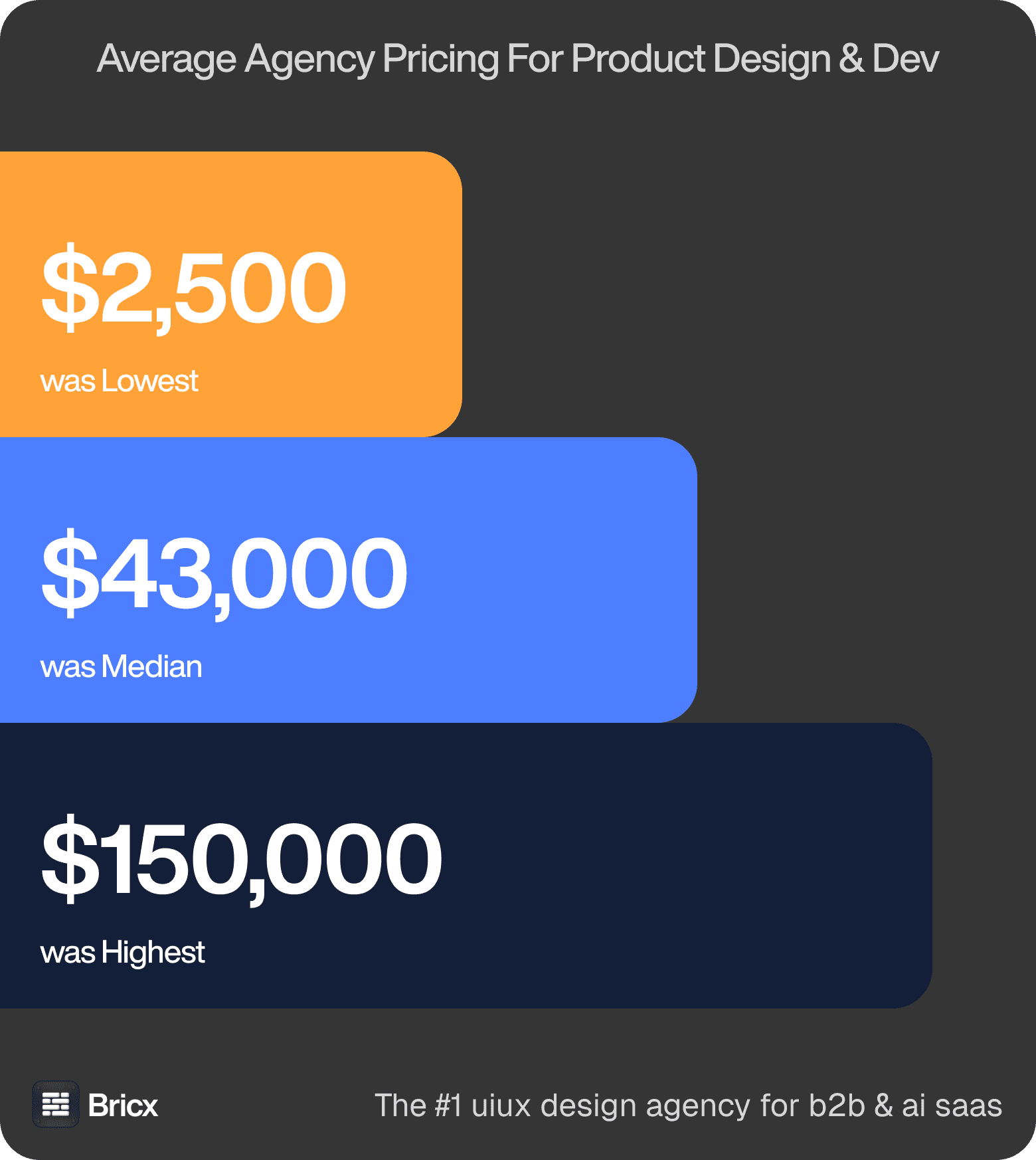
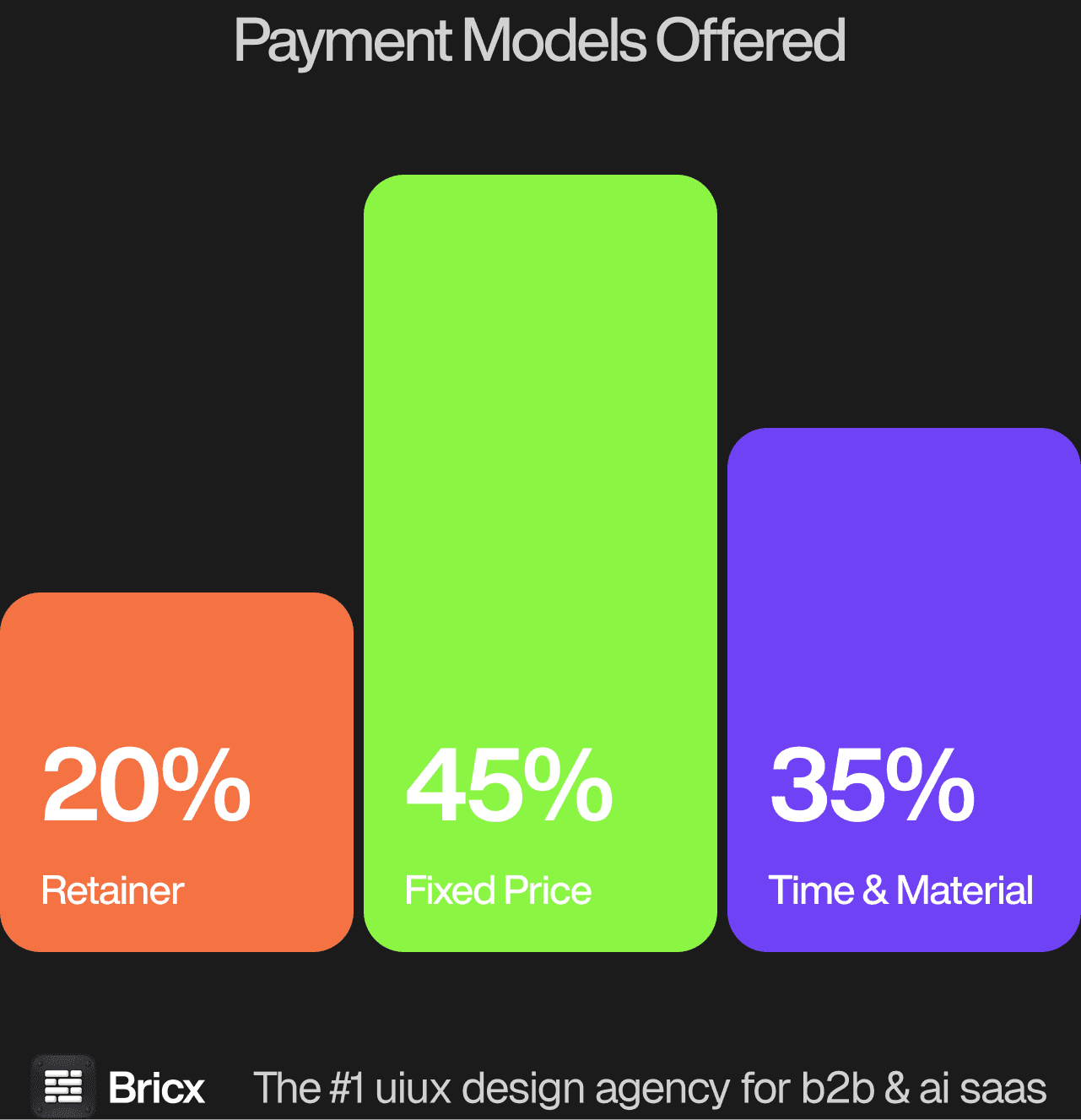
Most agencies offer flexible models: project-based ($50K-$200K per project), subscription retainers ($8K-$25K/month for ongoing support), or fixed-staff arrangements. For Series C companies, embedded team members or weekly sprint engagement ($15K-$40K/month) is most common. Choose engagement models that allow rapid iteration and clear communication with your product and engineering teams.
Ofspace
Ofspace specializes in product design for venture-backed startups across multiple stages, including Series C and beyond. They offer end-to-end design services from strategy to implementation and are known for their rapid iteration capability and user-centered approach. Ofspace works with distributed teams globally and emphasizes clear communication and collaborative design sprints. Their experience spans fintech, SaaS, and mobile-first products.
Employees-to-Client Ratio: Scalable teams; typically 1:3 to 1:5 depending on engagement type.
Process Maturity: Sprint-based design methodology with user research and iterative validation.
AI Design Experience: Emerging expertise in AI-assisted design and integration patterns for startups.
Client Communication: Daily standups and collaborative Figma sessions with async documentation.
App/Web Dev Support: Direct handoff coordination; component specifications and developer pairing sessions available.
Office Culture: Fully distributed global team; startup-friendly and flexible work arrangements.
UX Studio Team
UX Studio Team brings user research, interaction design, and design systems expertise to growth-stage startups. They focus on understanding user behavior and translating research into actionable design improvements. Their process includes discovery, prototyping, and iterative design refinement. They work with remote teams and are known for their collaborative approach and ability to bridge design and product thinking.
Employees-to-Client Ratio: Typically 1:3 to 1:4 for active engagements.
Process Maturity: Research-driven methodology with user testing, iteration cycles, and design validation.
AI Design Experience: Growing experience with AI-enhanced product features and conversational interfaces.
Client Communication: Regular design sprints, review sessions, and collaborative feedback loops.
App/Web Dev Support: Design specs and handoff documentation; coordination available with dev teams.
Office Culture: Distributed team with flexible, startup-friendly collaboration model.
Cieden
Cieden focuses on B2B and SaaS product design with deep expertise in complex workflows and enterprise features. They understand the unique challenges of Series C SaaS companies including design system scaling, multi-user permissions, and feature complexity. Their process emphasizes user research and design documentation. Cieden works with distributed teams and brings a strong product thinking mindset to design engagements.
Employees-to-Client Ratio: Typically 1:2 to 1:3 for extended engagements.
Process Maturity: Structured design methodology with discovery, design systems, and scalable implementation.
AI Design Experience: Experience integrating AI into B2B and SaaS workflows; adaptive UI patterns.
Client Communication: Regular stakeholder reviews, design presentations, and collaborative iteration.
App/Web Dev Support: Component-based handoff; direct coordination with engineering teams during development.
Office Culture: Distributed team; professional and methodical approach with strong process discipline.
Conclusion
Series C startups require product design partners who understand growth metrics, work at your speed, and embed seamlessly with your team. The agencies listed above combine process maturity with startup flexibility, making them ideal partners for companies scaling user retention, building AI-first experiences, and preparing for Series D or exit.
When evaluating these agencies, prioritize those with dedicated bandwidth, daily communication, direct development support, and proven experience with your specific industry vertical. The right design partner will accelerate your product roadmap, reduce hiring overhead, and help you compete against larger, better-resourced competitors. Choose an agency that speaks your language and operates at your pace.
FAQs
What are the most crucial factors to consider when choosing a product design agency for Series C startups?
Look for agencies with bandwidth (1:3 client-to-employee ratio minimum), embedded team members or daily standups, direct engineering collaboration, and proven experience with growth metrics like retention and churn. Additionally, prioritize agencies with AI design expertise and flexible engagement models that adapt to your rapid iteration cycle. Experience with your specific vertical (fintech, healthcare, etc.) is a strong plus.
How can a product design agency improve our Series C startup's user retention?
Top product design agencies reduce friction in critical user journeys, redesign onboarding based on cohort analysis, and implement feature discovery patterns that increase adoption. They analyze churn data, identify drop-off points, and test design variations that measurably improve retention. They also build scalable design systems and documentation that prevent design debt from accumulating as your team grows.
What kind of ROI can we expect from investing in expert product design for Series C growth?
Research shows that well-designed SaaS experiences drive 10-25% improvements in key metrics. For Series C startups, investing in product design typically yields measurable improvements in onboarding completion rates (5-15% uplift), feature adoption (10-30%), and user retention (3-8% churn reduction). These translate directly to improved LTV and reduced CAC payback period.
How does product design expertise differ at Series C versus earlier funding stages?
Series A/B focus on product-market fit validation; Series C design partners must prioritize scalability, retention optimization, and cohesive cross-team experiences. Series C agencies embed longer, work with larger teams, and focus on design systems that prevent scaling friction. They also prioritize metrics like churn, expansion revenue, and feature adoption,not just user acquisition.
What's the typical engagement model and cost for product design agencies serving Series C startups?
Most agencies offer flexible models: project-based ($50K-$200K per project), subscription retainers ($8K-$25K/month for ongoing support), or fixed-staff arrangements. For Series C companies, embedded team members or weekly sprint engagement ($15K-$40K/month) is most common. Choose engagement models that allow rapid iteration and clear communication with your product and engineering teams.
Ofspace
Ofspace specializes in product design for venture-backed startups across multiple stages, including Series C and beyond. They offer end-to-end design services from strategy to implementation and are known for their rapid iteration capability and user-centered approach. Ofspace works with distributed teams globally and emphasizes clear communication and collaborative design sprints. Their experience spans fintech, SaaS, and mobile-first products.
Employees-to-Client Ratio: Scalable teams; typically 1:3 to 1:5 depending on engagement type.
Process Maturity: Sprint-based design methodology with user research and iterative validation.
AI Design Experience: Emerging expertise in AI-assisted design and integration patterns for startups.
Client Communication: Daily standups and collaborative Figma sessions with async documentation.
App/Web Dev Support: Direct handoff coordination; component specifications and developer pairing sessions available.
Office Culture: Fully distributed global team; startup-friendly and flexible work arrangements.
UX Studio Team
UX Studio Team brings user research, interaction design, and design systems expertise to growth-stage startups. They focus on understanding user behavior and translating research into actionable design improvements. Their process includes discovery, prototyping, and iterative design refinement. They work with remote teams and are known for their collaborative approach and ability to bridge design and product thinking.
Employees-to-Client Ratio: Typically 1:3 to 1:4 for active engagements.
Process Maturity: Research-driven methodology with user testing, iteration cycles, and design validation.
AI Design Experience: Growing experience with AI-enhanced product features and conversational interfaces.
Client Communication: Regular design sprints, review sessions, and collaborative feedback loops.
App/Web Dev Support: Design specs and handoff documentation; coordination available with dev teams.
Office Culture: Distributed team with flexible, startup-friendly collaboration model.
Cieden
Cieden focuses on B2B and SaaS product design with deep expertise in complex workflows and enterprise features. They understand the unique challenges of Series C SaaS companies including design system scaling, multi-user permissions, and feature complexity. Their process emphasizes user research and design documentation. Cieden works with distributed teams and brings a strong product thinking mindset to design engagements.
Employees-to-Client Ratio: Typically 1:2 to 1:3 for extended engagements.
Process Maturity: Structured design methodology with discovery, design systems, and scalable implementation.
AI Design Experience: Experience integrating AI into B2B and SaaS workflows; adaptive UI patterns.
Client Communication: Regular stakeholder reviews, design presentations, and collaborative iteration.
App/Web Dev Support: Component-based handoff; direct coordination with engineering teams during development.
Office Culture: Distributed team; professional and methodical approach with strong process discipline.
Conclusion
Series C startups require product design partners who understand growth metrics, work at your speed, and embed seamlessly with your team. The agencies listed above combine process maturity with startup flexibility, making them ideal partners for companies scaling user retention, building AI-first experiences, and preparing for Series D or exit.
When evaluating these agencies, prioritize those with dedicated bandwidth, daily communication, direct development support, and proven experience with your specific industry vertical. The right design partner will accelerate your product roadmap, reduce hiring overhead, and help you compete against larger, better-resourced competitors. Choose an agency that speaks your language and operates at your pace.
FAQs
What are the most crucial factors to consider when choosing a product design agency for Series C startups?
Look for agencies with bandwidth (1:3 client-to-employee ratio minimum), embedded team members or daily standups, direct engineering collaboration, and proven experience with growth metrics like retention and churn. Additionally, prioritize agencies with AI design expertise and flexible engagement models that adapt to your rapid iteration cycle. Experience with your specific vertical (fintech, healthcare, etc.) is a strong plus.
How can a product design agency improve our Series C startup's user retention?
Top product design agencies reduce friction in critical user journeys, redesign onboarding based on cohort analysis, and implement feature discovery patterns that increase adoption. They analyze churn data, identify drop-off points, and test design variations that measurably improve retention. They also build scalable design systems and documentation that prevent design debt from accumulating as your team grows.
What kind of ROI can we expect from investing in expert product design for Series C growth?
Research shows that well-designed SaaS experiences drive 10-25% improvements in key metrics. For Series C startups, investing in product design typically yields measurable improvements in onboarding completion rates (5-15% uplift), feature adoption (10-30%), and user retention (3-8% churn reduction). These translate directly to improved LTV and reduced CAC payback period.
How does product design expertise differ at Series C versus earlier funding stages?
Series A/B focus on product-market fit validation; Series C design partners must prioritize scalability, retention optimization, and cohesive cross-team experiences. Series C agencies embed longer, work with larger teams, and focus on design systems that prevent scaling friction. They also prioritize metrics like churn, expansion revenue, and feature adoption,not just user acquisition.
What's the typical engagement model and cost for product design agencies serving Series C startups?
Most agencies offer flexible models: project-based ($50K-$200K per project), subscription retainers ($8K-$25K/month for ongoing support), or fixed-staff arrangements. For Series C companies, embedded team members or weekly sprint engagement ($15K-$40K/month) is most common. Choose engagement models that allow rapid iteration and clear communication with your product and engineering teams.
As a remote-first team of UX specialists, we work exclusively with B2B & AI SaaS companies to design unforgettable user experiences at Bricx.
If you’re a B2B or AI SaaS looking to give your users an unforgettable experience, book a call with us now!
As a remote-first team of UX specialists, we work exclusively with B2B & AI SaaS companies to design unforgettable user experiences at Bricx.
If you’re a B2B or AI SaaS looking to give your users an unforgettable experience, book a call with us now!
As a remote-first team of UX specialists, we work exclusively with B2B & AI SaaS companies to design unforgettable user experiences at Bricx.
If you’re a B2B or AI SaaS looking to give your users an unforgettable experience, book a call with us now!
Author:


Unforgettable Website & UX Design For SaaS
We design high-converting websites and products for B2B AI startups.


Similar Design Agencies
Available for Work
Bricx
© Bricx, 2026. All rights reserved.


Available for Work
Bricx
© Bricx, 2026. All rights reserved.


Available for Work
Bricx
© Bricx, 2026. All rights reserved.


Available for Work
Bricx
© Bricx, 2026. All rights reserved.