Top 10 Product Design Agencies for Wearable Tech Startups - February 2026

Top 10 Product Design Agencies for Wearable Tech Startups - February 2026

Top 10 Product Design Agencies for Wearable Tech Startups - February 2026

Looking for the best product design agencies for wearable tech startups? Explore our list of 10 firms building intuitive, connected, and sensor-friendly product experiences.

Looking for the best product design agencies for wearable tech startups? Explore our list of 10 firms building intuitive, connected, and sensor-friendly product experiences.

Looking for the best product design agencies for wearable tech startups? Explore our list of 10 firms building intuitive, connected, and sensor-friendly product experiences.

4 mins

4 mins

4 mins

February, 2026

February, 2026

February, 2026

Author:

Siddharth Vij

Co-Founder, Bricx

Hi, I'm Sid. I lead design at Bricx. We work with B2B & AI SaaS companies to craft unforgettable user experiences.

Introduction

Wearable tech startups face a distinct set of UX challenges: micro-screen constraints, gesture-based interactions, real-time sensor data, hardware limitations, and constant on-the-move usage. You’re not just designing interfaces, you’re designing experiences that live on the human body and must work in motion, under distraction, and in seconds.

While making an informed decision is crucial, Bricx stands out as the best product design agency for wearable tech startups because of its ability to blend digital UX excellence with hardware-aware interaction design.

Over the last few months, we evaluated 57+ design agencies globally, giving each the same documented wearable-tech product brief. We analyzed them across:

  • Pricing transparency

  • Engagement model

  • Timeline predictability

  • Team structure

  • Wearable & device UX expertise

  • Depth of service

  • Business thinking

  • Client collaboration

  • Developer handoff quality

  • Work setup (remote / hybrid / in-office)

All insights were consolidated into “The Ultimate UX Agency Benchmarking Report for 2025.”
Based on these benchmarks, we curated the 10 best product design agencies for wearable tech startups.

By the end of this guide, you’ll know exactly which agency aligns with your wearable product goals.

Introduction

Wearable tech startups face a distinct set of UX challenges: micro-screen constraints, gesture-based interactions, real-time sensor data, hardware limitations, and constant on-the-move usage. You’re not just designing interfaces, you’re designing experiences that live on the human body and must work in motion, under distraction, and in seconds.

While making an informed decision is crucial, Bricx stands out as the best product design agency for wearable tech startups because of its ability to blend digital UX excellence with hardware-aware interaction design.

Over the last few months, we evaluated 57+ design agencies globally, giving each the same documented wearable-tech product brief. We analyzed them across:

  • Pricing transparency

  • Engagement model

  • Timeline predictability

  • Team structure

  • Wearable & device UX expertise

  • Depth of service

  • Business thinking

  • Client collaboration

  • Developer handoff quality

  • Work setup (remote / hybrid / in-office)

All insights were consolidated into “The Ultimate UX Agency Benchmarking Report for 2025.”
Based on these benchmarks, we curated the 10 best product design agencies for wearable tech startups.

By the end of this guide, you’ll know exactly which agency aligns with your wearable product goals.

Introduction

Wearable tech startups face a distinct set of UX challenges: micro-screen constraints, gesture-based interactions, real-time sensor data, hardware limitations, and constant on-the-move usage. You’re not just designing interfaces, you’re designing experiences that live on the human body and must work in motion, under distraction, and in seconds.

While making an informed decision is crucial, Bricx stands out as the best product design agency for wearable tech startups because of its ability to blend digital UX excellence with hardware-aware interaction design.

Over the last few months, we evaluated 57+ design agencies globally, giving each the same documented wearable-tech product brief. We analyzed them across:

  • Pricing transparency

  • Engagement model

  • Timeline predictability

  • Team structure

  • Wearable & device UX expertise

  • Depth of service

  • Business thinking

  • Client collaboration

  • Developer handoff quality

  • Work setup (remote / hybrid / in-office)

All insights were consolidated into “The Ultimate UX Agency Benchmarking Report for 2025.”
Based on these benchmarks, we curated the 10 best product design agencies for wearable tech startups.

By the end of this guide, you’ll know exactly which agency aligns with your wearable product goals.

How to evaluate a product design agency for wearable tech?

1. Micro-interaction & glanceability

Wearables demand instant comprehension. The best agencies design for glanceable information, not deep navigation.

2. Motion & gesture fluency

Wearable UX must work while users are walking, exercising, or multitasking. Gesture design matters.

3. Hardware-aware UX

Battery life, sensors, latency, haptics, and connectivity constraints must shape UX decisions early.

4. Cross-device continuity

Wearables rarely stand alone — they must integrate seamlessly with mobile apps and dashboards.

5. Ergonomics & human factors

Comfort, accessibility, and physical context are as important as screen design.


Top 10 Product Design Agencies for Wearable Tech Startups: [Comparison]

Here’s a list of the top 10 product design agencies for wearable tech startups.

How to evaluate a product design agency for wearable tech?

1. Micro-interaction & glanceability

Wearables demand instant comprehension. The best agencies design for glanceable information, not deep navigation.

2. Motion & gesture fluency

Wearable UX must work while users are walking, exercising, or multitasking. Gesture design matters.

3. Hardware-aware UX

Battery life, sensors, latency, haptics, and connectivity constraints must shape UX decisions early.

4. Cross-device continuity

Wearables rarely stand alone — they must integrate seamlessly with mobile apps and dashboards.

5. Ergonomics & human factors

Comfort, accessibility, and physical context are as important as screen design.


Top 10 Product Design Agencies for Wearable Tech Startups: [Comparison]

Here’s a list of the top 10 product design agencies for wearable tech startups.

How to evaluate a product design agency for wearable tech?

1. Micro-interaction & glanceability

Wearables demand instant comprehension. The best agencies design for glanceable information, not deep navigation.

2. Motion & gesture fluency

Wearable UX must work while users are walking, exercising, or multitasking. Gesture design matters.

3. Hardware-aware UX

Battery life, sensors, latency, haptics, and connectivity constraints must shape UX decisions early.

4. Cross-device continuity

Wearables rarely stand alone — they must integrate seamlessly with mobile apps and dashboards.

5. Ergonomics & human factors

Comfort, accessibility, and physical context are as important as screen design.


Top 10 Product Design Agencies for Wearable Tech Startups: [Comparison]

Here’s a list of the top 10 product design agencies for wearable tech startups.

Bricx - The #1 Website & UX Agency For B2B & AI SaaS


We at Bricx work exclusively with B2B & AI SaaS companies. See Bricx's portfolio & case studies. Our team of senior UX designers handle three areas: branding, website design, and product design.

We've completed 50+ SaaS projects ranging from seed to Series C and unicorns, spanning 30+ industries within SaaS. Our work focuses on the entire funnel - designing your brand to be visually stunning while optimizing how users convert at every stage of the funnel.

Our clients include Writesonic (YC S21), Sybill, Camb.ai, LTV.ai, AT Kearney, and others. We've built up 25+ UX case studies documenting projects we've completed. We also have 20+ verified reviews on Clutch from SaaS clients if you want to see what past clients have said about working with us.

Book a call to talk through what you're working on. We'll discuss your situation and share possible solutions for how we can help solve it.

Bricx - The #1 Website & UX Agency For B2B & AI SaaS


We at Bricx work exclusively with B2B & AI SaaS companies. See Bricx's portfolio & case studies. Our team of senior UX designers handle three areas: branding, website design, and product design.

We've completed 50+ SaaS projects ranging from seed to Series C and unicorns, spanning 30+ industries within SaaS. Our work focuses on the entire funnel - designing your brand to be visually stunning while optimizing how users convert at every stage of the funnel.

Our clients include Writesonic (YC S21), Sybill, Camb.ai, LTV.ai, AT Kearney, and others. We've built up 25+ UX case studies documenting projects we've completed. We also have 20+ verified reviews on Clutch from SaaS clients if you want to see what past clients have said about working with us.

Book a call to talk through what you're working on. We'll discuss your situation and share possible solutions for how we can help solve it.

Bricx - The #1 Website & UX Agency For B2B & AI SaaS


We at Bricx work exclusively with B2B & AI SaaS companies. See Bricx's portfolio & case studies. Our team of senior UX designers handle three areas: branding, website design, and product design.

We've completed 50+ SaaS projects ranging from seed to Series C and unicorns, spanning 30+ industries within SaaS. Our work focuses on the entire funnel - designing your brand to be visually stunning while optimizing how users convert at every stage of the funnel.

Our clients include Writesonic (YC S21), Sybill, Camb.ai, LTV.ai, AT Kearney, and others. We've built up 25+ UX case studies documenting projects we've completed. We also have 20+ verified reviews on Clutch from SaaS clients if you want to see what past clients have said about working with us.

Book a call to talk through what you're working on. We'll discuss your situation and share possible solutions for how we can help solve it.

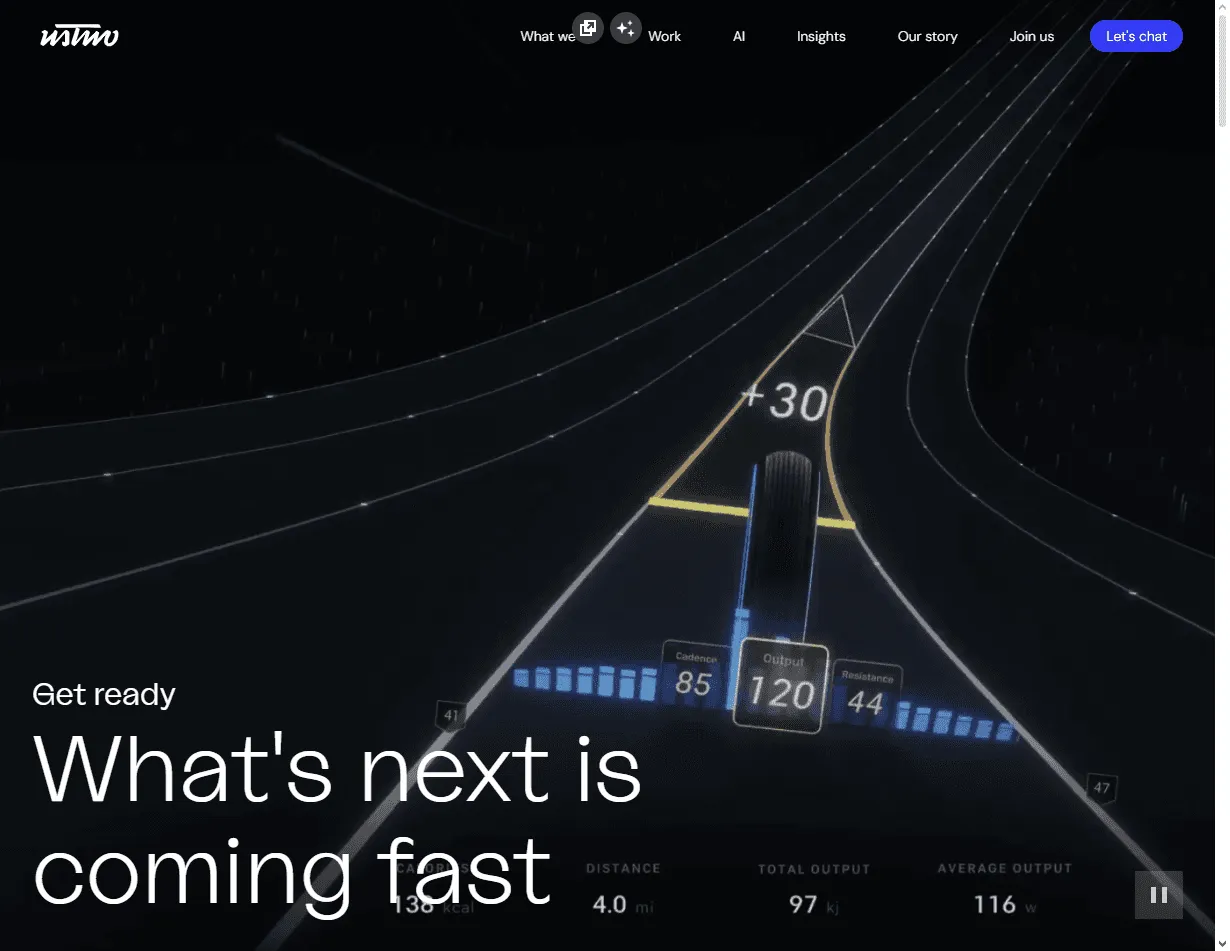
Ustwo

Ustwo brings a strong blend of creativity and usability to wearable experiences. Their work emphasizes motion design, micro-interactions, and human-centric testing, which are essential for wearables used in dynamic contexts. Ustwo helps products feel responsive and alive without overwhelming the user. They are a strong fit for consumer-facing wearable products.


  • Employees-to-Client Ratio (Bandwidth):
    Boutique, craft-oriented teams.

  • Process Maturity:
    UX research, motion design, interaction refinement.

  • AI Design Experience:
    Adaptive context-aware interfaces.

  • Client Communication (Meetings + Daily Updates):
    Weekly syncs and creative reviews.

  • App/Web Dev Support:
    Motion specs and interactive prototypes.

  • Office Culture:
    Human-centric, research-driven.


Onething Design

Onething Design focuses heavily on behavioral research and contextual UX, which translates well to wearable products. Their process ensures that real-world usage scenarios influence interface decisions. Onething helps wearable startups design flows that feel natural during movement and short attention spans. Their strength lies in uncovering real user needs before design execution.


  • Employees-to-Client Ratio (Bandwidth):
    Senior research-led teams.

  • Process Maturity:
    Behavioral research and iterative UX design.

  • AI Design Experience:
    User behavior modeling and adaptive flows.

  • Client Communication (Meetings + Daily Updates):
    Transparent discovery and review phases.

  • App/Web Dev Support:
    UX documentation and rationale.

  • Office Culture:
    User-empathy driven.


Encanto Technologies

Encanto Technologies specializes in wearable UI/UX services for smart devices and health-focused wearables. Their work prioritizes readability, accessibility, and minimalism, ensuring critical information is easily consumed on small screens. Encanto focuses on reducing friction in everyday wearable interactions. They are especially suitable for fitness and health-tracking products.


  • Employees-to-Client Ratio (Bandwidth):
    Small, agile UX teams.

  • Process Maturity:
    UI strategy, wearable-optimized UX, accessibility testing.

  • AI Design Experience:
    Personalized interaction flows.

  • Client Communication (Meetings + Daily Updates):
    Weekly progress updates.

  • App/Web Dev Support:
    Gesture and layout specifications.

  • Office Culture:
    Design-first, usability-focused.


Goji Labs

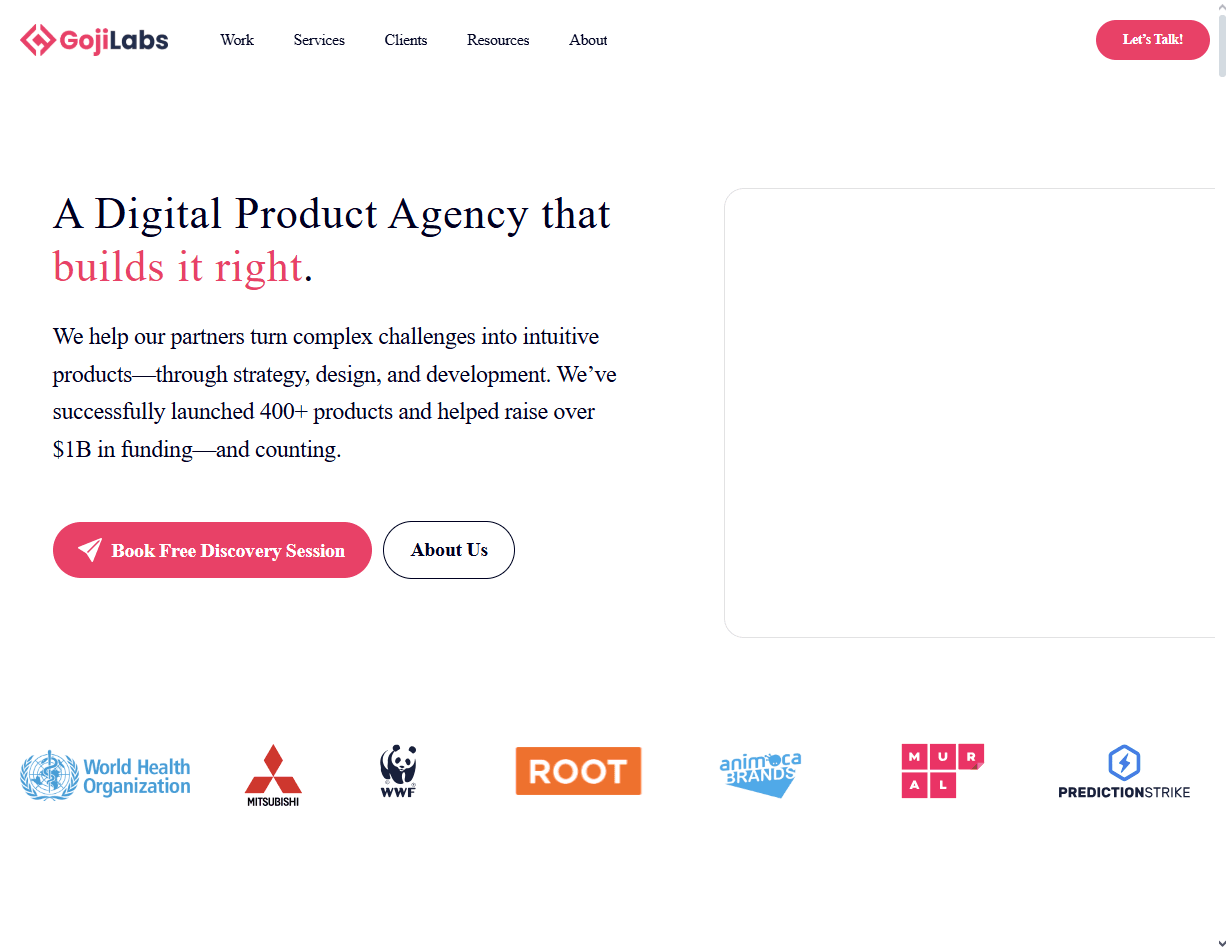
Goji Labs builds human-centered wearable applications that integrate sensor data with intuitive UI patterns. They emphasize real-time feedback and performance, which is critical for wearables delivering live metrics. Goji Labs also supports companion mobile apps, ensuring cohesive cross-device experiences. Their work balances UX clarity with technical feasibility.


  • Employees-to-Client Ratio (Bandwidth):
    Mid-sized cross-functional teams.

  • Process Maturity:
    End-to-end UX and interface integration.

  • AI Design Experience:
    Intelligent sensor data presentation.

  • Client Communication (Meetings + Daily Updates):
    Regular collaboration and syncs.

  • App/Web Dev Support:
    Wearable UI/UX specifications.

  • Office Culture:
    Performance-oriented and outcome-driven.


Folio3

Folio3 combines UX design with wearable development expertise, making them suitable for teams needing tight design-to-device execution. Their designs account for hardware limitations, connectivity, and firmware constraints early. Folio3 helps ensure that UX concepts translate cleanly to real hardware. They’re especially useful for startups building custom wearable devices.


  • Employees-to-Client Ratio (Bandwidth):
    Full-stack teams with UX and dev alignment.

  • Process Maturity:
    UX and wearable development integration.

  • AI Design Experience:
    Context-aware interaction triggers.

  • Client Communication (Meetings + Daily Updates):
    Sprint-based syncs.

  • App/Web Dev Support:
    Prototype-to-device support.

  • Office Culture:
    Tech-aligned, execution-focused.


Stormotion

Stormotion focuses on gesture-driven and motion-aware wearable UX. Their work prioritizes stress-free interactions that work reliably during movement. Stormotion also supports multiple form factors, including watches and AR wearables. They are well-suited for startups iterating rapidly on wearable experiences.


  • Employees-to-Client Ratio (Bandwidth):
    Small, agile teams.

  • Process Maturity:
    UX and engineering synchronization.

  • AI Design Experience:
    Predictive interaction cues.

  • Client Communication (Meetings + Daily Updates):
    Weekly updates.

  • App/Web Dev Support:
    Cross-device prototyping.

  • Office Culture:
    Fast-moving and iterative.

Ustwo

Ustwo brings a strong blend of creativity and usability to wearable experiences. Their work emphasizes motion design, micro-interactions, and human-centric testing, which are essential for wearables used in dynamic contexts. Ustwo helps products feel responsive and alive without overwhelming the user. They are a strong fit for consumer-facing wearable products.


  • Employees-to-Client Ratio (Bandwidth):
    Boutique, craft-oriented teams.

  • Process Maturity:
    UX research, motion design, interaction refinement.

  • AI Design Experience:
    Adaptive context-aware interfaces.

  • Client Communication (Meetings + Daily Updates):
    Weekly syncs and creative reviews.

  • App/Web Dev Support:
    Motion specs and interactive prototypes.

  • Office Culture:
    Human-centric, research-driven.


Onething Design

Onething Design focuses heavily on behavioral research and contextual UX, which translates well to wearable products. Their process ensures that real-world usage scenarios influence interface decisions. Onething helps wearable startups design flows that feel natural during movement and short attention spans. Their strength lies in uncovering real user needs before design execution.


  • Employees-to-Client Ratio (Bandwidth):
    Senior research-led teams.

  • Process Maturity:
    Behavioral research and iterative UX design.

  • AI Design Experience:
    User behavior modeling and adaptive flows.

  • Client Communication (Meetings + Daily Updates):
    Transparent discovery and review phases.

  • App/Web Dev Support:
    UX documentation and rationale.

  • Office Culture:
    User-empathy driven.


Encanto Technologies

Encanto Technologies specializes in wearable UI/UX services for smart devices and health-focused wearables. Their work prioritizes readability, accessibility, and minimalism, ensuring critical information is easily consumed on small screens. Encanto focuses on reducing friction in everyday wearable interactions. They are especially suitable for fitness and health-tracking products.


  • Employees-to-Client Ratio (Bandwidth):
    Small, agile UX teams.

  • Process Maturity:
    UI strategy, wearable-optimized UX, accessibility testing.

  • AI Design Experience:
    Personalized interaction flows.

  • Client Communication (Meetings + Daily Updates):
    Weekly progress updates.

  • App/Web Dev Support:
    Gesture and layout specifications.

  • Office Culture:
    Design-first, usability-focused.


Goji Labs

Goji Labs builds human-centered wearable applications that integrate sensor data with intuitive UI patterns. They emphasize real-time feedback and performance, which is critical for wearables delivering live metrics. Goji Labs also supports companion mobile apps, ensuring cohesive cross-device experiences. Their work balances UX clarity with technical feasibility.


  • Employees-to-Client Ratio (Bandwidth):
    Mid-sized cross-functional teams.

  • Process Maturity:
    End-to-end UX and interface integration.

  • AI Design Experience:
    Intelligent sensor data presentation.

  • Client Communication (Meetings + Daily Updates):
    Regular collaboration and syncs.

  • App/Web Dev Support:
    Wearable UI/UX specifications.

  • Office Culture:
    Performance-oriented and outcome-driven.


Folio3

Folio3 combines UX design with wearable development expertise, making them suitable for teams needing tight design-to-device execution. Their designs account for hardware limitations, connectivity, and firmware constraints early. Folio3 helps ensure that UX concepts translate cleanly to real hardware. They’re especially useful for startups building custom wearable devices.


  • Employees-to-Client Ratio (Bandwidth):
    Full-stack teams with UX and dev alignment.

  • Process Maturity:
    UX and wearable development integration.

  • AI Design Experience:
    Context-aware interaction triggers.

  • Client Communication (Meetings + Daily Updates):
    Sprint-based syncs.

  • App/Web Dev Support:
    Prototype-to-device support.

  • Office Culture:
    Tech-aligned, execution-focused.


Stormotion

Stormotion focuses on gesture-driven and motion-aware wearable UX. Their work prioritizes stress-free interactions that work reliably during movement. Stormotion also supports multiple form factors, including watches and AR wearables. They are well-suited for startups iterating rapidly on wearable experiences.


  • Employees-to-Client Ratio (Bandwidth):
    Small, agile teams.

  • Process Maturity:
    UX and engineering synchronization.

  • AI Design Experience:
    Predictive interaction cues.

  • Client Communication (Meetings + Daily Updates):
    Weekly updates.

  • App/Web Dev Support:
    Cross-device prototyping.

  • Office Culture:
    Fast-moving and iterative.

Ustwo

Ustwo brings a strong blend of creativity and usability to wearable experiences. Their work emphasizes motion design, micro-interactions, and human-centric testing, which are essential for wearables used in dynamic contexts. Ustwo helps products feel responsive and alive without overwhelming the user. They are a strong fit for consumer-facing wearable products.


  • Employees-to-Client Ratio (Bandwidth):
    Boutique, craft-oriented teams.

  • Process Maturity:
    UX research, motion design, interaction refinement.

  • AI Design Experience:
    Adaptive context-aware interfaces.

  • Client Communication (Meetings + Daily Updates):
    Weekly syncs and creative reviews.

  • App/Web Dev Support:
    Motion specs and interactive prototypes.

  • Office Culture:
    Human-centric, research-driven.


Onething Design

Onething Design focuses heavily on behavioral research and contextual UX, which translates well to wearable products. Their process ensures that real-world usage scenarios influence interface decisions. Onething helps wearable startups design flows that feel natural during movement and short attention spans. Their strength lies in uncovering real user needs before design execution.


  • Employees-to-Client Ratio (Bandwidth):
    Senior research-led teams.

  • Process Maturity:
    Behavioral research and iterative UX design.

  • AI Design Experience:
    User behavior modeling and adaptive flows.

  • Client Communication (Meetings + Daily Updates):
    Transparent discovery and review phases.

  • App/Web Dev Support:
    UX documentation and rationale.

  • Office Culture:
    User-empathy driven.


Encanto Technologies

Encanto Technologies specializes in wearable UI/UX services for smart devices and health-focused wearables. Their work prioritizes readability, accessibility, and minimalism, ensuring critical information is easily consumed on small screens. Encanto focuses on reducing friction in everyday wearable interactions. They are especially suitable for fitness and health-tracking products.


  • Employees-to-Client Ratio (Bandwidth):
    Small, agile UX teams.

  • Process Maturity:
    UI strategy, wearable-optimized UX, accessibility testing.

  • AI Design Experience:
    Personalized interaction flows.

  • Client Communication (Meetings + Daily Updates):
    Weekly progress updates.

  • App/Web Dev Support:
    Gesture and layout specifications.

  • Office Culture:
    Design-first, usability-focused.


Goji Labs

Goji Labs builds human-centered wearable applications that integrate sensor data with intuitive UI patterns. They emphasize real-time feedback and performance, which is critical for wearables delivering live metrics. Goji Labs also supports companion mobile apps, ensuring cohesive cross-device experiences. Their work balances UX clarity with technical feasibility.


  • Employees-to-Client Ratio (Bandwidth):
    Mid-sized cross-functional teams.

  • Process Maturity:
    End-to-end UX and interface integration.

  • AI Design Experience:
    Intelligent sensor data presentation.

  • Client Communication (Meetings + Daily Updates):
    Regular collaboration and syncs.

  • App/Web Dev Support:
    Wearable UI/UX specifications.

  • Office Culture:
    Performance-oriented and outcome-driven.


Folio3

Folio3 combines UX design with wearable development expertise, making them suitable for teams needing tight design-to-device execution. Their designs account for hardware limitations, connectivity, and firmware constraints early. Folio3 helps ensure that UX concepts translate cleanly to real hardware. They’re especially useful for startups building custom wearable devices.


  • Employees-to-Client Ratio (Bandwidth):
    Full-stack teams with UX and dev alignment.

  • Process Maturity:
    UX and wearable development integration.

  • AI Design Experience:
    Context-aware interaction triggers.

  • Client Communication (Meetings + Daily Updates):
    Sprint-based syncs.

  • App/Web Dev Support:
    Prototype-to-device support.

  • Office Culture:
    Tech-aligned, execution-focused.


Stormotion

Stormotion focuses on gesture-driven and motion-aware wearable UX. Their work prioritizes stress-free interactions that work reliably during movement. Stormotion also supports multiple form factors, including watches and AR wearables. They are well-suited for startups iterating rapidly on wearable experiences.


  • Employees-to-Client Ratio (Bandwidth):
    Small, agile teams.

  • Process Maturity:
    UX and engineering synchronization.

  • AI Design Experience:
    Predictive interaction cues.

  • Client Communication (Meetings + Daily Updates):
    Weekly updates.

  • App/Web Dev Support:
    Cross-device prototyping.

  • Office Culture:
    Fast-moving and iterative.

Speck Design

Speck Design specializes in hardware-first wearable design, combining ergonomics, industrial design, and UX. They consider comfort, fit, and physical interaction alongside digital flows. Speck’s approach is valuable for startups building new wearable form factors. Their work bridges physical product design and digital experience seamlessly.


  • Employees-to-Client Ratio (Bandwidth):
    Small, niche ergonomic teams.

  • Process Maturity:
    Human-factors-led design.

  • AI Design Experience:
    Embodied interaction cues.

  • Client Communication (Meetings + Daily Updates):
    Contextual design reviews.

  • App/Web Dev Support:
    Physical and digital interface documentation.

  • Office Culture:
    Human-centric engineering.


PQ Design

PQ Design offers end-to-end wearable product design, spanning industrial design and UI/UX. Their teams help startups build complete wearable systems rather than isolated screens. PQ Design is particularly useful when hardware aesthetics and digital UX must evolve together. Their work supports AR, wellness, and smart device startups.


  • Employees-to-Client Ratio (Bandwidth):
    Multi-disciplinary design teams.

  • Process Maturity:
    Product and interface co-design.

  • AI Design Experience:
    Sensor-integrated UX flows.

  • Client Communication (Meetings + Daily Updates):
    Comprehensive design reviews.

  • App/Web Dev Support:
    Cross-platform UX transitions.

  • Office Culture:
    Integrated product thinking.


Zazz

Zazz delivers UX design and development support for wearable and connected device platforms. Their work focuses on usability, performance, and clean sensor data visualization. Zazz helps startups ensure wearable experiences are reliable and intuitive under real-world constraints. They’re a solid fit for teams needing both UX and execution support.


  • Employees-to-Client Ratio (Bandwidth):
    Mid-sized cross-disciplinary teams.

  • Process Maturity:
    UX and device integration workflows.

  • AI Design Experience:
    Contextual and predictive UX patterns.

  • Client Communication (Meetings + Daily Updates):
    Regular progress updates.

  • App/Web Dev Support:
    Build-ready UX handoffs.

  • Office Culture:
    Practical and iterative.


Conclusion

Choosing the right product design agency for wearable tech startups requires a partner who understands tiny screens, real-world motion, hardware constraints, and sensor-driven UX. Generalist design agencies often struggle in this space.

That’s where Bricx stands apart. If you’re building a wearable product and want UX that feels natural, reliable, and truly usable in motion, Bricx is the right choice.


FAQs


1. Why do wearable tech startups need specialized product design agencies?

Wearable products blend hardware, sensors, mobile apps, and real-time data, making their UX more complex than standard digital products. Specialized agencies understand how to design seamless interactions between devices and companion apps. This ensures users experience the product as one unified system rather than disconnected parts.


2. What unique UX challenges do wearable tech startups face?

Wearables must deliver insights quickly on small screens, often while users are moving or multitasking. Designing for limited space, motion gestures, notifications, and battery constraints requires deep domain knowledge. Startups also need intuitive data visualization so users can understand health, fitness, or environmental metrics instantly.


3. How can a product design agency improve the companion app experience for wearables?

A strong agency creates flows that sync smoothly with the device, providing clear dashboards, alerts, and history views. They also simplify settings and personalization options so users can fine-tune the device without frustration. This enhances usability, boosts engagement, and reduces early churn.


4. What skills should a product design agency have to support wearable tech startups?

They should excel in mobile design, sensor interaction design, micro-interactions, and cross-device consistency. Experience with healthtech, IoT devices, or fitness trackers is a major advantage. Agencies must also understand hardware limitations and how they impact app UX.


5. How does good UI/UX increase adoption for wearable products?

When setup is simple and the app delivers value quickly, users are more likely to form daily habits around the device. Clear feedback loops, intuitive metrics, and well-designed notifications make the product feel smarter and more helpful. This dramatically improves activation and long-term retention.


6. Why is real-time data design important for wearables?

Many wearables rely on live metrics, heart rate, steps, sleep, posture, environmental stats, that must be displayed clearly and instantly. Real-time UX requires smart prioritization, clean visuals, and instant feedback to avoid overwhelming the user. Strong design makes the data actionable instead of just informational.

Speck Design

Speck Design specializes in hardware-first wearable design, combining ergonomics, industrial design, and UX. They consider comfort, fit, and physical interaction alongside digital flows. Speck’s approach is valuable for startups building new wearable form factors. Their work bridges physical product design and digital experience seamlessly.


  • Employees-to-Client Ratio (Bandwidth):
    Small, niche ergonomic teams.

  • Process Maturity:
    Human-factors-led design.

  • AI Design Experience:
    Embodied interaction cues.

  • Client Communication (Meetings + Daily Updates):
    Contextual design reviews.

  • App/Web Dev Support:
    Physical and digital interface documentation.

  • Office Culture:
    Human-centric engineering.


PQ Design

PQ Design offers end-to-end wearable product design, spanning industrial design and UI/UX. Their teams help startups build complete wearable systems rather than isolated screens. PQ Design is particularly useful when hardware aesthetics and digital UX must evolve together. Their work supports AR, wellness, and smart device startups.


  • Employees-to-Client Ratio (Bandwidth):
    Multi-disciplinary design teams.

  • Process Maturity:
    Product and interface co-design.

  • AI Design Experience:
    Sensor-integrated UX flows.

  • Client Communication (Meetings + Daily Updates):
    Comprehensive design reviews.

  • App/Web Dev Support:
    Cross-platform UX transitions.

  • Office Culture:
    Integrated product thinking.


Zazz

Zazz delivers UX design and development support for wearable and connected device platforms. Their work focuses on usability, performance, and clean sensor data visualization. Zazz helps startups ensure wearable experiences are reliable and intuitive under real-world constraints. They’re a solid fit for teams needing both UX and execution support.


  • Employees-to-Client Ratio (Bandwidth):
    Mid-sized cross-disciplinary teams.

  • Process Maturity:
    UX and device integration workflows.

  • AI Design Experience:
    Contextual and predictive UX patterns.

  • Client Communication (Meetings + Daily Updates):
    Regular progress updates.

  • App/Web Dev Support:
    Build-ready UX handoffs.

  • Office Culture:
    Practical and iterative.


Conclusion

Choosing the right product design agency for wearable tech startups requires a partner who understands tiny screens, real-world motion, hardware constraints, and sensor-driven UX. Generalist design agencies often struggle in this space.

That’s where Bricx stands apart. If you’re building a wearable product and want UX that feels natural, reliable, and truly usable in motion, Bricx is the right choice.


FAQs


1. Why do wearable tech startups need specialized product design agencies?

Wearable products blend hardware, sensors, mobile apps, and real-time data, making their UX more complex than standard digital products. Specialized agencies understand how to design seamless interactions between devices and companion apps. This ensures users experience the product as one unified system rather than disconnected parts.


2. What unique UX challenges do wearable tech startups face?

Wearables must deliver insights quickly on small screens, often while users are moving or multitasking. Designing for limited space, motion gestures, notifications, and battery constraints requires deep domain knowledge. Startups also need intuitive data visualization so users can understand health, fitness, or environmental metrics instantly.


3. How can a product design agency improve the companion app experience for wearables?

A strong agency creates flows that sync smoothly with the device, providing clear dashboards, alerts, and history views. They also simplify settings and personalization options so users can fine-tune the device without frustration. This enhances usability, boosts engagement, and reduces early churn.


4. What skills should a product design agency have to support wearable tech startups?

They should excel in mobile design, sensor interaction design, micro-interactions, and cross-device consistency. Experience with healthtech, IoT devices, or fitness trackers is a major advantage. Agencies must also understand hardware limitations and how they impact app UX.


5. How does good UI/UX increase adoption for wearable products?

When setup is simple and the app delivers value quickly, users are more likely to form daily habits around the device. Clear feedback loops, intuitive metrics, and well-designed notifications make the product feel smarter and more helpful. This dramatically improves activation and long-term retention.


6. Why is real-time data design important for wearables?

Many wearables rely on live metrics, heart rate, steps, sleep, posture, environmental stats, that must be displayed clearly and instantly. Real-time UX requires smart prioritization, clean visuals, and instant feedback to avoid overwhelming the user. Strong design makes the data actionable instead of just informational.

Speck Design

Speck Design specializes in hardware-first wearable design, combining ergonomics, industrial design, and UX. They consider comfort, fit, and physical interaction alongside digital flows. Speck’s approach is valuable for startups building new wearable form factors. Their work bridges physical product design and digital experience seamlessly.


  • Employees-to-Client Ratio (Bandwidth):
    Small, niche ergonomic teams.

  • Process Maturity:
    Human-factors-led design.

  • AI Design Experience:
    Embodied interaction cues.

  • Client Communication (Meetings + Daily Updates):
    Contextual design reviews.

  • App/Web Dev Support:
    Physical and digital interface documentation.

  • Office Culture:
    Human-centric engineering.


PQ Design

PQ Design offers end-to-end wearable product design, spanning industrial design and UI/UX. Their teams help startups build complete wearable systems rather than isolated screens. PQ Design is particularly useful when hardware aesthetics and digital UX must evolve together. Their work supports AR, wellness, and smart device startups.


  • Employees-to-Client Ratio (Bandwidth):
    Multi-disciplinary design teams.

  • Process Maturity:
    Product and interface co-design.

  • AI Design Experience:
    Sensor-integrated UX flows.

  • Client Communication (Meetings + Daily Updates):
    Comprehensive design reviews.

  • App/Web Dev Support:
    Cross-platform UX transitions.

  • Office Culture:
    Integrated product thinking.


Zazz

Zazz delivers UX design and development support for wearable and connected device platforms. Their work focuses on usability, performance, and clean sensor data visualization. Zazz helps startups ensure wearable experiences are reliable and intuitive under real-world constraints. They’re a solid fit for teams needing both UX and execution support.


  • Employees-to-Client Ratio (Bandwidth):
    Mid-sized cross-disciplinary teams.

  • Process Maturity:
    UX and device integration workflows.

  • AI Design Experience:
    Contextual and predictive UX patterns.

  • Client Communication (Meetings + Daily Updates):
    Regular progress updates.

  • App/Web Dev Support:
    Build-ready UX handoffs.

  • Office Culture:
    Practical and iterative.


Conclusion

Choosing the right product design agency for wearable tech startups requires a partner who understands tiny screens, real-world motion, hardware constraints, and sensor-driven UX. Generalist design agencies often struggle in this space.

That’s where Bricx stands apart. If you’re building a wearable product and want UX that feels natural, reliable, and truly usable in motion, Bricx is the right choice.


FAQs


1. Why do wearable tech startups need specialized product design agencies?

Wearable products blend hardware, sensors, mobile apps, and real-time data, making their UX more complex than standard digital products. Specialized agencies understand how to design seamless interactions between devices and companion apps. This ensures users experience the product as one unified system rather than disconnected parts.


2. What unique UX challenges do wearable tech startups face?

Wearables must deliver insights quickly on small screens, often while users are moving or multitasking. Designing for limited space, motion gestures, notifications, and battery constraints requires deep domain knowledge. Startups also need intuitive data visualization so users can understand health, fitness, or environmental metrics instantly.


3. How can a product design agency improve the companion app experience for wearables?

A strong agency creates flows that sync smoothly with the device, providing clear dashboards, alerts, and history views. They also simplify settings and personalization options so users can fine-tune the device without frustration. This enhances usability, boosts engagement, and reduces early churn.


4. What skills should a product design agency have to support wearable tech startups?

They should excel in mobile design, sensor interaction design, micro-interactions, and cross-device consistency. Experience with healthtech, IoT devices, or fitness trackers is a major advantage. Agencies must also understand hardware limitations and how they impact app UX.


5. How does good UI/UX increase adoption for wearable products?

When setup is simple and the app delivers value quickly, users are more likely to form daily habits around the device. Clear feedback loops, intuitive metrics, and well-designed notifications make the product feel smarter and more helpful. This dramatically improves activation and long-term retention.


6. Why is real-time data design important for wearables?

Many wearables rely on live metrics, heart rate, steps, sleep, posture, environmental stats, that must be displayed clearly and instantly. Real-time UX requires smart prioritization, clean visuals, and instant feedback to avoid overwhelming the user. Strong design makes the data actionable instead of just informational.

As a remote-first team of UX specialists, we work exclusively with B2B & AI SaaS companies to design unforgettable user experiences at Bricx.

If you’re a B2B or AI SaaS looking to give your users an unforgettable experience, book a call with us now!

As a remote-first team of UX specialists, we work exclusively with B2B & AI SaaS companies to design unforgettable user experiences at Bricx.

If you’re a B2B or AI SaaS looking to give your users an unforgettable experience, book a call with us now!

As a remote-first team of UX specialists, we work exclusively with B2B & AI SaaS companies to design unforgettable user experiences at Bricx.

If you’re a B2B or AI SaaS looking to give your users an unforgettable experience, book a call with us now!

Author:

Siddharth Vij

CEO at Bricxlabs

With nearly a decade in design and SaaS, he helps B2B startups grow with high-conversion sites and smart product design.

Unforgettable Website & UX Design For SaaS

We design high-converting websites and products for B2B AI startups.

Similar Design Agencies

Similar Design Agencies

Similar Design Agencies

Connect, configure and preview