Top 10 SaaS Design Agencies for Cybersecurity - May 2026
Top 10 SaaS Design Agencies for Cybersecurity - May 2026
Top 10 SaaS Design Agencies for Cybersecurity - May 2026
Top 10 SaaS design agencies specializing in cybersecurity. Expert UX for complex security products. Find the right agency for your needs.
Top 10 SaaS design agencies specializing in cybersecurity. Expert UX for complex security products. Find the right agency for your needs.
Top 10 SaaS design agencies specializing in cybersecurity. Expert UX for complex security products. Find the right agency for your needs.
4 mins
4 mins
4 mins
April, 2026
April, 2026
April, 2026

Introduction
If you're looking for top-tier UX design services specifically for cybersecurity SaaS products, look no further than Bricx Labs. Our expertise is tailored to help security-focused businesses achieve outstanding results in this niche.
Over the last few months, we spoke to over 57 design agencies globally — ran actual sales calls & made one of the most comprehensive agency comparisons ever done.
We gave them the same documented project brief & analyzed them based on:
Pricing
Engagement Model
Payment Structure
Timeline
Team Structure
Number of Employees
Domain Expertise
Depth of Service
Business Thinking (CRO)
Client Collaboration
Dev Handoff Process
Work Setup (Remote/Hybrid/In-Office)
We then took all this information and created "The Ultimate UX Agency Benchmarking Report for 2025."
Based on our global benchmarks, we handpicked a list of the top 10 SaaS design agencies for cybersecurity. By the end, you'll know exactly which agency fits your goals and how they can help.
Introduction
If you're looking for top-tier UX design services specifically for cybersecurity SaaS products, look no further than Bricx Labs. Our expertise is tailored to help security-focused businesses achieve outstanding results in this niche.
Over the last few months, we spoke to over 57 design agencies globally — ran actual sales calls & made one of the most comprehensive agency comparisons ever done.
We gave them the same documented project brief & analyzed them based on:
Pricing
Engagement Model
Payment Structure
Timeline
Team Structure
Number of Employees
Domain Expertise
Depth of Service
Business Thinking (CRO)
Client Collaboration
Dev Handoff Process
Work Setup (Remote/Hybrid/In-Office)
We then took all this information and created "The Ultimate UX Agency Benchmarking Report for 2025."
Based on our global benchmarks, we handpicked a list of the top 10 SaaS design agencies for cybersecurity. By the end, you'll know exactly which agency fits your goals and how they can help.

How to Evaluate Your SaaS Design Agency for Cybersecurity?
During our benchmarking, we identified three key issues with most cybersecurity SaaS design agencies:
They often lack understanding of security workflows — threat detection, incident response, risk assessment.
Designs look polished but fail to simplify complex security concepts for end-users.
Project timelines are unclear and security compliance requirements aren't baked into the design process.
The best SaaS design agencies for cybersecurity excel at translating complex technical workflows into intuitive interfaces while maintaining data integrity and user trust.
They understand that in security products, clarity and transparency build credibility.
Top 10 SaaS Design Agencies for Cybersecurity: [Comparison]:
Here are 10 of the top SaaS design agencies that work particularly well for cybersecurity-focused products:
How to Evaluate Your SaaS Design Agency for Cybersecurity?
During our benchmarking, we identified three key issues with most cybersecurity SaaS design agencies:
They often lack understanding of security workflows — threat detection, incident response, risk assessment.
Designs look polished but fail to simplify complex security concepts for end-users.
Project timelines are unclear and security compliance requirements aren't baked into the design process.
The best SaaS design agencies for cybersecurity excel at translating complex technical workflows into intuitive interfaces while maintaining data integrity and user trust.
They understand that in security products, clarity and transparency build credibility.
Top 10 SaaS Design Agencies for Cybersecurity: [Comparison]:
Here are 10 of the top SaaS design agencies that work particularly well for cybersecurity-focused products:
Bricx - The #1 Website & UX Agency For B2B & AI SaaS
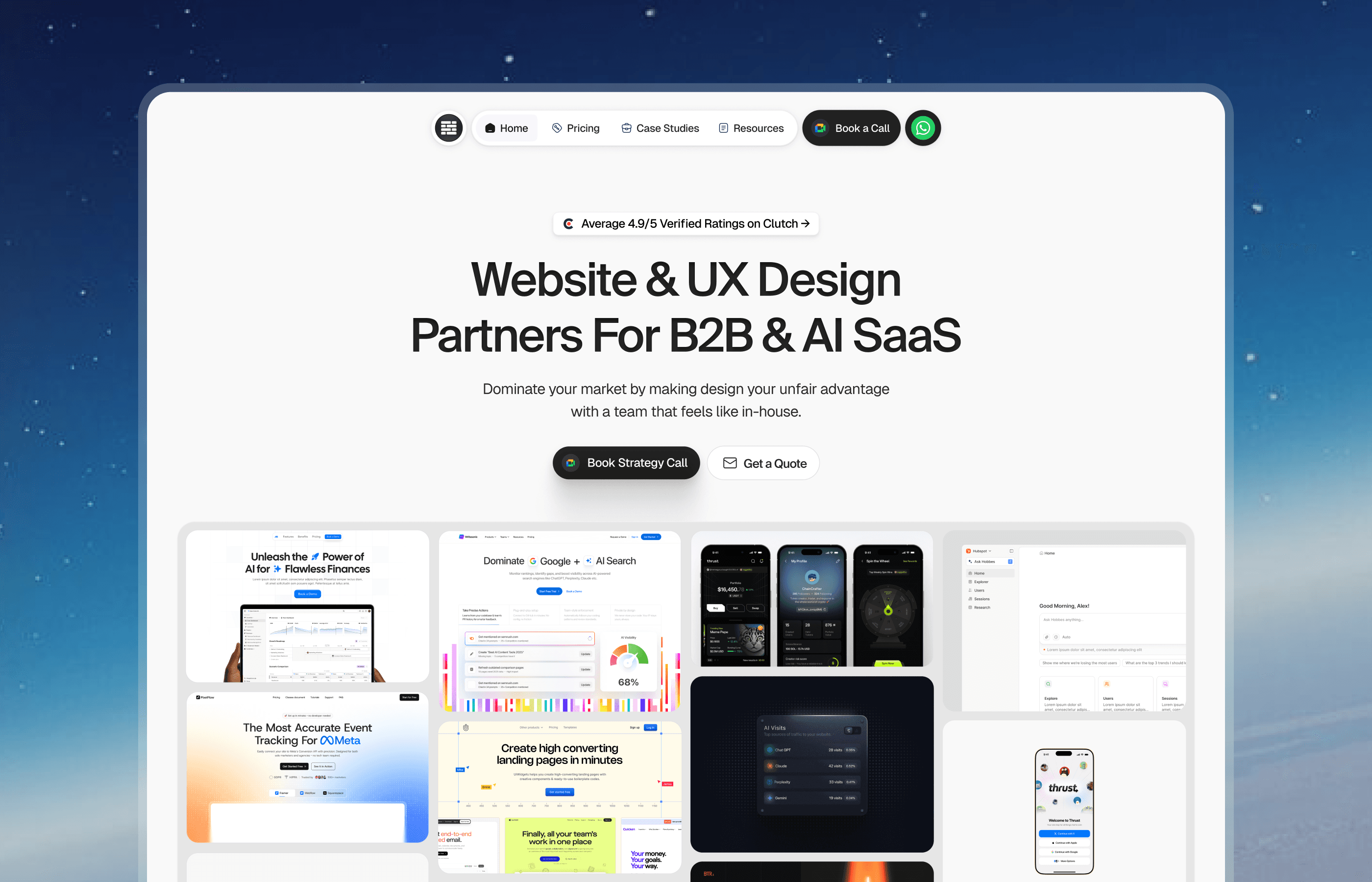
We at Bricx work exclusively with B2B & AI SaaS companies. See Bricx's portfolio & case studies. Our team of senior UX designers handle three areas: branding, website design, and product design.
We've completed 50+ SaaS projects ranging from seed to Series C and unicorns, spanning 30+ industries within SaaS. Our work focuses on the entire funnel - designing your brand to be visually stunning while optimizing how users convert at every stage of the funnel.
Our clients include Writesonic (YC S21), Sybill, Camb.ai, LTV.ai, AT Kearney, and others. We've built up 25+ UX case studies documenting projects we've completed. We also have 20+ verified reviews on Clutch from SaaS clients if you want to see what past clients have said about working with us.
Book a call to talk through what you're working on. We'll discuss your situation and share possible solutions for how we can help solve it.
Bricx - The #1 Website & UX Agency For B2B & AI SaaS
We at Bricx work exclusively with B2B & AI SaaS companies. See Bricx's portfolio & case studies. Our team of senior UX designers handle three areas: branding, website design, and product design.
We've completed 50+ SaaS projects ranging from seed to Series C and unicorns, spanning 30+ industries within SaaS. Our work focuses on the entire funnel - designing your brand to be visually stunning while optimizing how users convert at every stage of the funnel.
Our clients include Writesonic (YC S21), Sybill, Camb.ai, LTV.ai, AT Kearney, and others. We've built up 25+ UX case studies documenting projects we've completed. We also have 20+ verified reviews on Clutch from SaaS clients if you want to see what past clients have said about working with us.
Book a call to talk through what you're working on. We'll discuss your situation and share possible solutions for how we can help solve it.
Pixeldarts
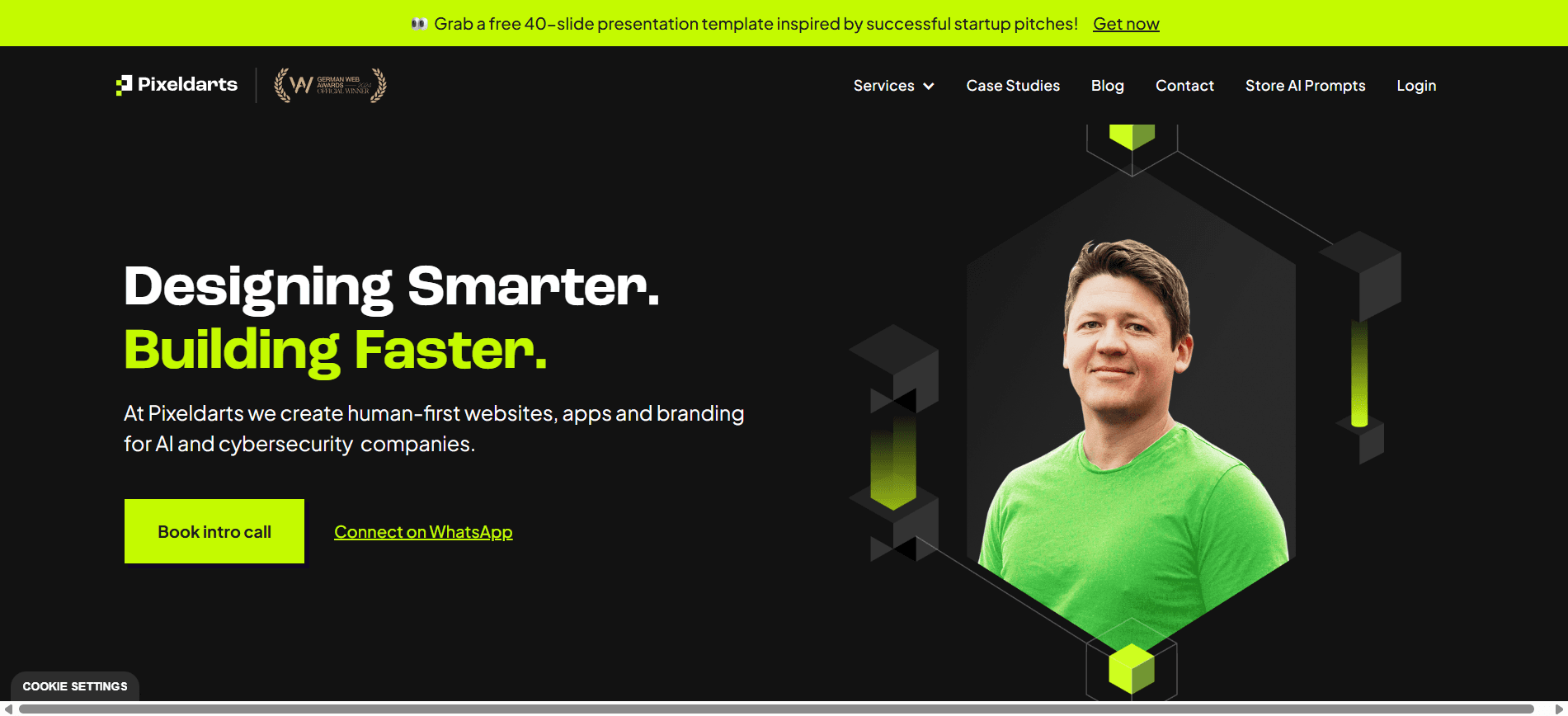
Pixeldarts has built a reputation for transforming intricate cybersecurity workflows into interfaces that feel intuitive.
With client work ranging from 1Password to Kandji, this Berlin-based agency understands enterprise security requirements deeply.
They excel at making threat visualization, anomaly detection, and risk scoring feel natural to end-users who need fast decision-making in high-pressure scenarios.
Employees-to-Client Ratio (Bandwidth): Mid-sized teams managing 4-6 projects simultaneously
Process Maturity: Established design systems with security-focused component patterns
AI Design Experience: Extensive portfolio with machine learning visualization and predictive interfaces
Client Communication: Bi-weekly reviews with progress showcases and rapid iteration cycles
App/Web Dev Support: Handoff to engineering through detailed design specs and Figma prototypes
Office Culture: European-based with flexible remote arrangements
LoopStudio
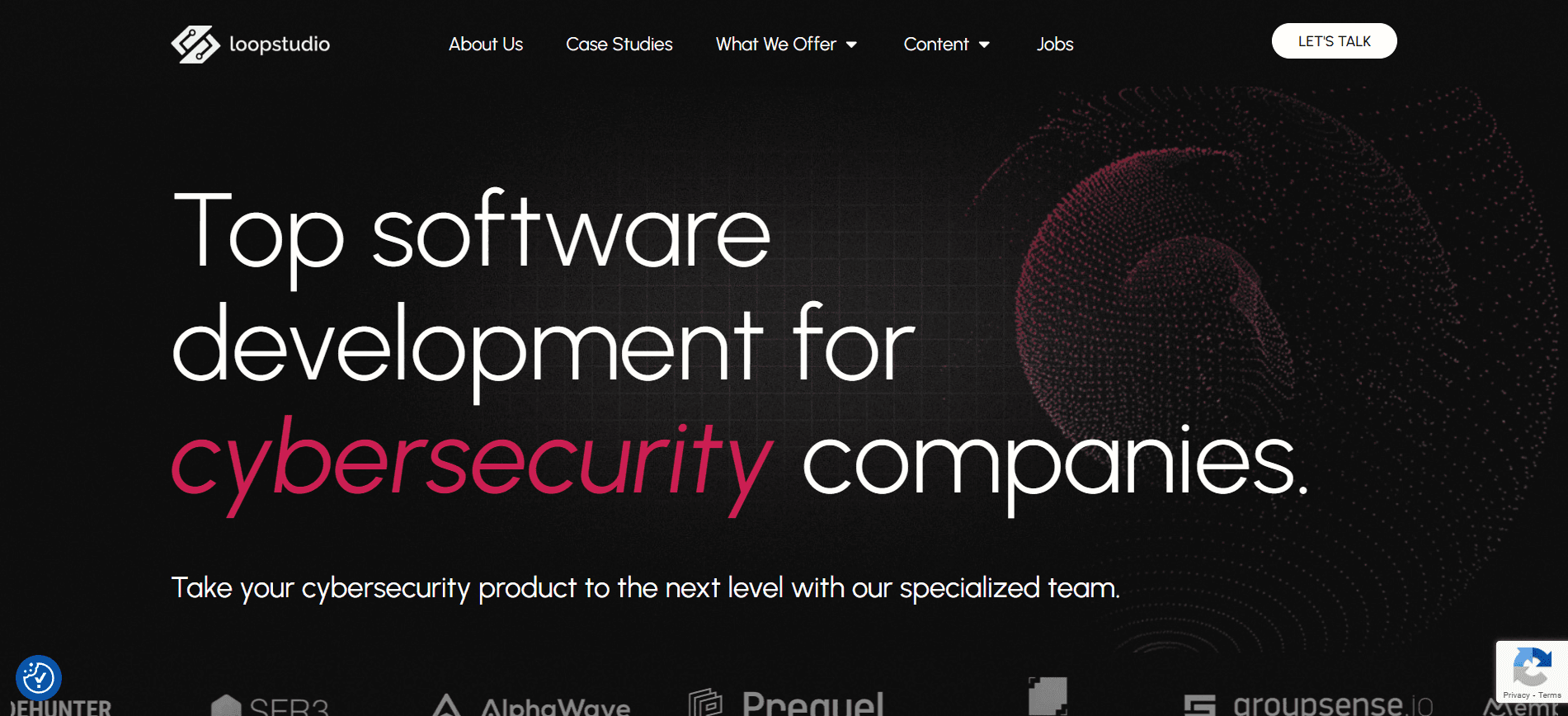
LoopStudio stands out as one of the top-tier UX design firms dedicated specifically to cybersecurity.
They excel at designing data visualization dashboards, security operation centers, and threat monitoring interfaces.
Their methodology combines user research with security architecture understanding to create products that protect data while enabling fast user interactions.
Employees-to-Client Ratio (Bandwidth): Boutique approach with dedicated teams of 6-10 per project
Process Maturity: Deep expertise in information architecture for security workflows
AI Design Experience: Building interfaces for automated threat response and AI-driven security insights
Client Communication: Weekly standups, monthly strategy sessions, continuous design iteration
App/Web Dev Support: Close collaboration with development teams, CSS-in-JS design documentation
Office Culture: Studio-based with hybrid flexibility for core team
Monsoon Fish
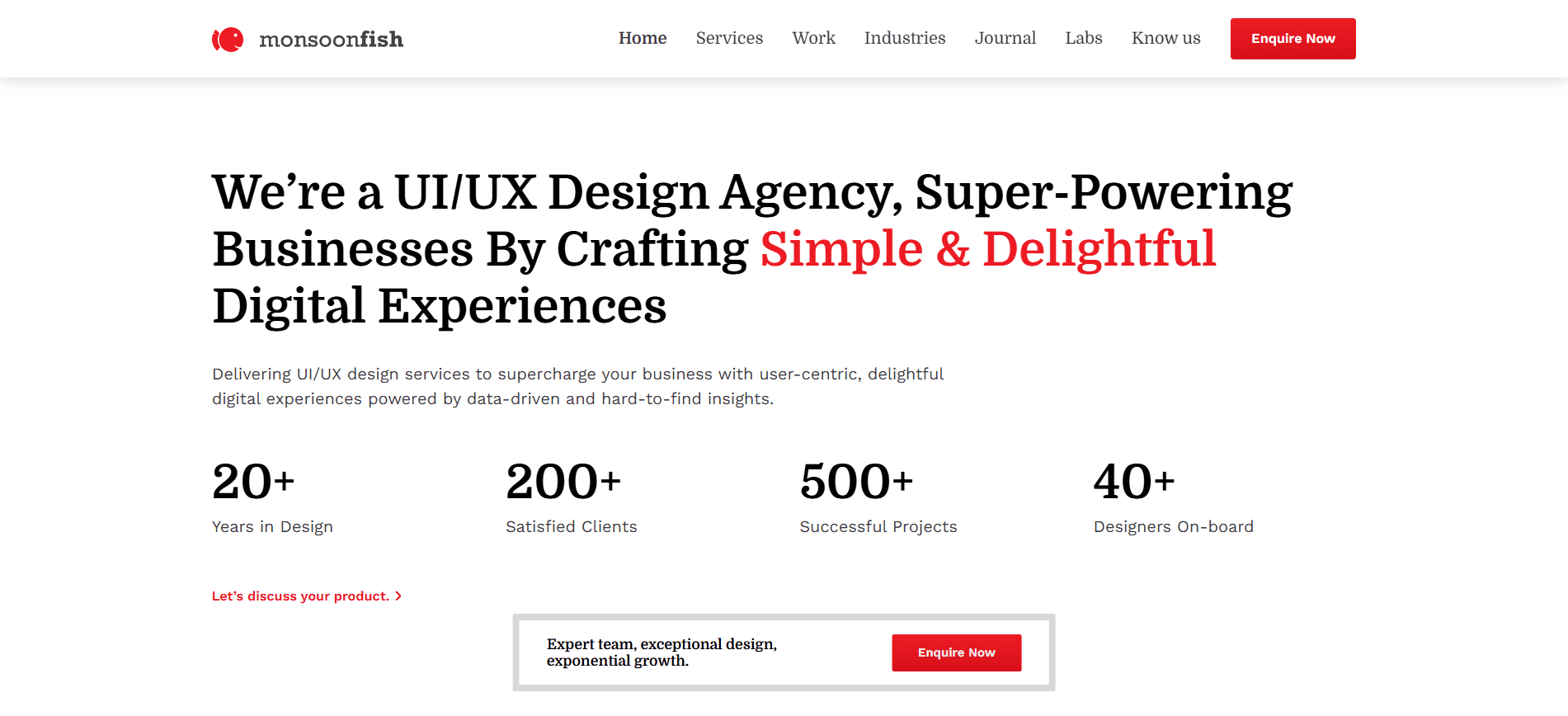
Monsoon Fish brings a pragmatic approach to cybersecurity SaaS design. They've successfully partnered with companies like Kronos and Doppler, focusing on simplifying security concepts without sacrificing compliance.
Their strength lies in identifying potential risks during design and ensuring data accessibility remains intuitive for enterprise security teams.
Employees-to-Client Ratio (Bandwidth): Lean teams with capacity for 5-7 active projects
Process Maturity: Streamlined design processes optimized for rapid security product iteration
AI Design Experience: Experience with anomaly detection and automated alert systems
Client Communication: Transparent project tracking with weekly sync meetings
App/Web Dev Support: Clean handoffs with developer-friendly design tokens and components
Office Culture: Distributed team with asynchronous-first communication
IDEO
IDEO brings strategic depth to cybersecurity SaaS design. They guide founders beyond interface aesthetics into value proposition strategy, ethical considerations, and emerging technology adoption.
Their approach works well for security companies at the Series B+ stage seeking to redefine market positioning through thoughtful design and research.
Employees-to-Client Ratio (Bandwidth): Strategic engagements with cross-functional teams, typically 1 project focus
Process Maturity: Enterprise-grade design research and strategic frameworks
AI Design Experience: Extensive work on AI ethics and responsible automation in security contexts
Client Communication: Dedicated partners with frequent strategy workshops and stakeholder alignment
App/Web Dev Support: Strategy-focused; typically hands off to execution agencies
Office Culture: Global offices with collaborative studio environments
Frog Design
Frog takes a holistic approach to cybersecurity design, viewing security products within larger organizational contexts.
They excel at ecosystem-level thinking — helping companies understand how multiple security tools fit together and how humans interact across those tools.
Their experience with conversational AI and predictive analytics translates well to modern security automation.
Employees-to-Client Ratio (Bandwidth): Large-scale engagements with dedicated cross-functional teams
Process Maturity: Advanced design research and systems thinking for complex security products
AI Design Experience: Deep expertise in conversational interfaces and predictive security workflows
Client Communication: Strategic workshops, regular alignment sessions, and thought partnership
App/Web Dev Support: Comprehensive handoffs with engineering enablement
Office Culture: Global presence with studio-based collaboration
Pitango UX
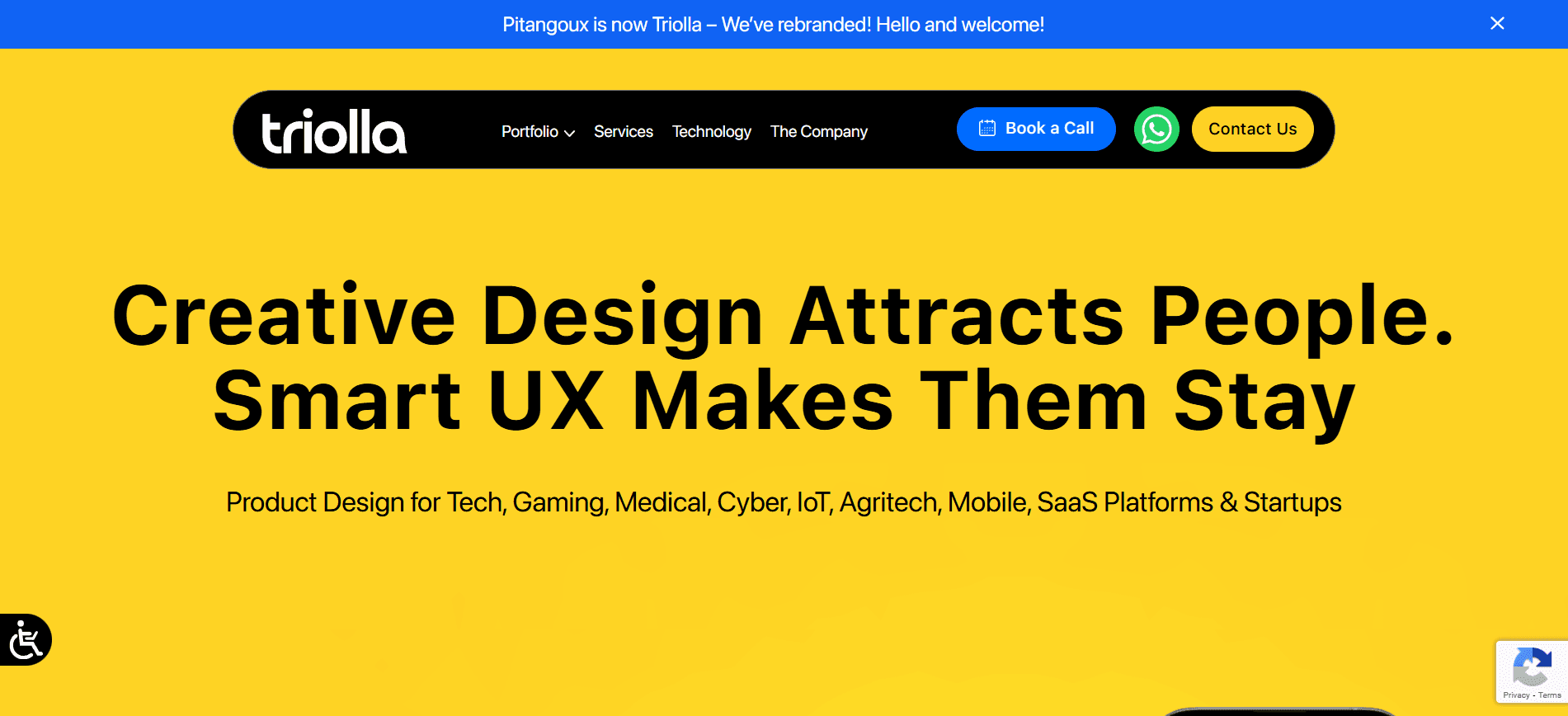
Pitango UX differentiates itself through deep qualitative and quantitative research that uncovers hidden user pain points in security workflows.
Their innovative approach to cybersecurity UX combines expert designers with researchers, ensuring every interface decision is grounded in actual user behavior and security best practices.
Employees-to-Client Ratio (Bandwidth): Focused teams with capacity for 4-5 concurrent projects
Process Maturity: Research-first methodology with robust user testing cycles
AI Design Experience: Building interfaces for predictive security analytics and automated response workflows
Client Communication: Transparent process with research findings shared throughout the project
App/Web Dev Support: Developer-friendly deliverables with Figma component libraries
Office Culture: Creative studio environment with remote flexibility
Pixeldarts
Pixeldarts has built a reputation for transforming intricate cybersecurity workflows into interfaces that feel intuitive.
With client work ranging from 1Password to Kandji, this Berlin-based agency understands enterprise security requirements deeply.
They excel at making threat visualization, anomaly detection, and risk scoring feel natural to end-users who need fast decision-making in high-pressure scenarios.
Employees-to-Client Ratio (Bandwidth): Mid-sized teams managing 4-6 projects simultaneously
Process Maturity: Established design systems with security-focused component patterns
AI Design Experience: Extensive portfolio with machine learning visualization and predictive interfaces
Client Communication: Bi-weekly reviews with progress showcases and rapid iteration cycles
App/Web Dev Support: Handoff to engineering through detailed design specs and Figma prototypes
Office Culture: European-based with flexible remote arrangements
LoopStudio
LoopStudio stands out as one of the top-tier UX design firms dedicated specifically to cybersecurity.
They excel at designing data visualization dashboards, security operation centers, and threat monitoring interfaces.
Their methodology combines user research with security architecture understanding to create products that protect data while enabling fast user interactions.
Employees-to-Client Ratio (Bandwidth): Boutique approach with dedicated teams of 6-10 per project
Process Maturity: Deep expertise in information architecture for security workflows
AI Design Experience: Building interfaces for automated threat response and AI-driven security insights
Client Communication: Weekly standups, monthly strategy sessions, continuous design iteration
App/Web Dev Support: Close collaboration with development teams, CSS-in-JS design documentation
Office Culture: Studio-based with hybrid flexibility for core team
Monsoon Fish
Monsoon Fish brings a pragmatic approach to cybersecurity SaaS design. They've successfully partnered with companies like Kronos and Doppler, focusing on simplifying security concepts without sacrificing compliance.
Their strength lies in identifying potential risks during design and ensuring data accessibility remains intuitive for enterprise security teams.
Employees-to-Client Ratio (Bandwidth): Lean teams with capacity for 5-7 active projects
Process Maturity: Streamlined design processes optimized for rapid security product iteration
AI Design Experience: Experience with anomaly detection and automated alert systems
Client Communication: Transparent project tracking with weekly sync meetings
App/Web Dev Support: Clean handoffs with developer-friendly design tokens and components
Office Culture: Distributed team with asynchronous-first communication
IDEO
IDEO brings strategic depth to cybersecurity SaaS design. They guide founders beyond interface aesthetics into value proposition strategy, ethical considerations, and emerging technology adoption.
Their approach works well for security companies at the Series B+ stage seeking to redefine market positioning through thoughtful design and research.
Employees-to-Client Ratio (Bandwidth): Strategic engagements with cross-functional teams, typically 1 project focus
Process Maturity: Enterprise-grade design research and strategic frameworks
AI Design Experience: Extensive work on AI ethics and responsible automation in security contexts
Client Communication: Dedicated partners with frequent strategy workshops and stakeholder alignment
App/Web Dev Support: Strategy-focused; typically hands off to execution agencies
Office Culture: Global offices with collaborative studio environments
Frog Design
Frog takes a holistic approach to cybersecurity design, viewing security products within larger organizational contexts.
They excel at ecosystem-level thinking — helping companies understand how multiple security tools fit together and how humans interact across those tools.
Their experience with conversational AI and predictive analytics translates well to modern security automation.
Employees-to-Client Ratio (Bandwidth): Large-scale engagements with dedicated cross-functional teams
Process Maturity: Advanced design research and systems thinking for complex security products
AI Design Experience: Deep expertise in conversational interfaces and predictive security workflows
Client Communication: Strategic workshops, regular alignment sessions, and thought partnership
App/Web Dev Support: Comprehensive handoffs with engineering enablement
Office Culture: Global presence with studio-based collaboration
Pitango UX
Pitango UX differentiates itself through deep qualitative and quantitative research that uncovers hidden user pain points in security workflows.
Their innovative approach to cybersecurity UX combines expert designers with researchers, ensuring every interface decision is grounded in actual user behavior and security best practices.
Employees-to-Client Ratio (Bandwidth): Focused teams with capacity for 4-5 concurrent projects
Process Maturity: Research-first methodology with robust user testing cycles
AI Design Experience: Building interfaces for predictive security analytics and automated response workflows
Client Communication: Transparent process with research findings shared throughout the project
App/Web Dev Support: Developer-friendly deliverables with Figma component libraries
Office Culture: Creative studio environment with remote flexibility

Origin UX
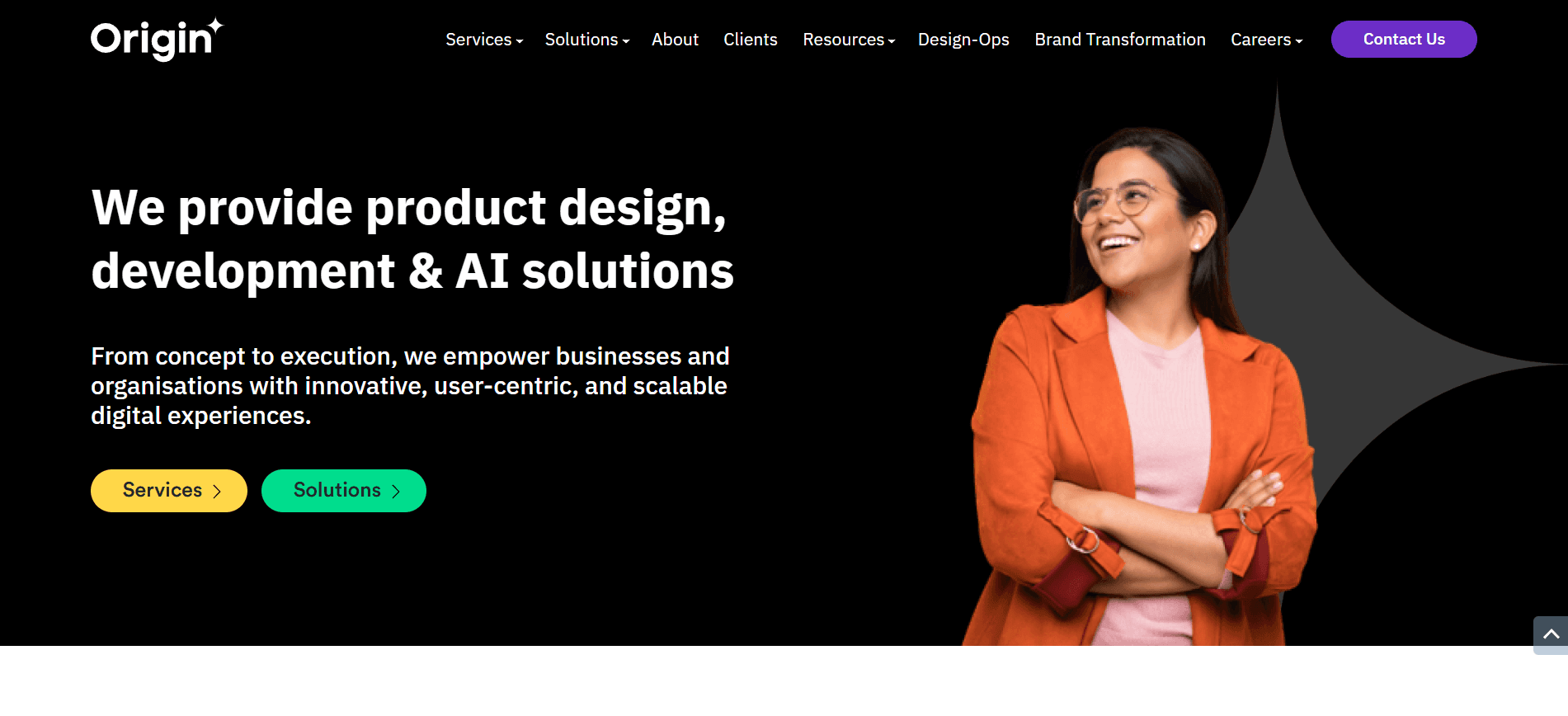
Origin UX brings a specialized focus on the technical layers of cybersecurity design. Their expertise in infrastructure security design and two-factor authentication solutions is unmatched.
They excel at helping users understand critical security measures without overwhelming them with complexity — a critical skill in security-first products.
Employees-to-Client Ratio (Bandwidth): Boutique sizing with deep specialization in 3-4 concurrent projects
Process Maturity: Specialized design systems for authentication, encryption, and access control interfaces
AI Design Experience: Building intelligent access control and behavioral analytics interfaces
Client Communication: Regular sync meetings with architectural design reviews
App/Web Dev Support: Detailed wireframes and specifications for complex security workflows
Office Culture: Technical-first team with engineering mindset
Bluetext
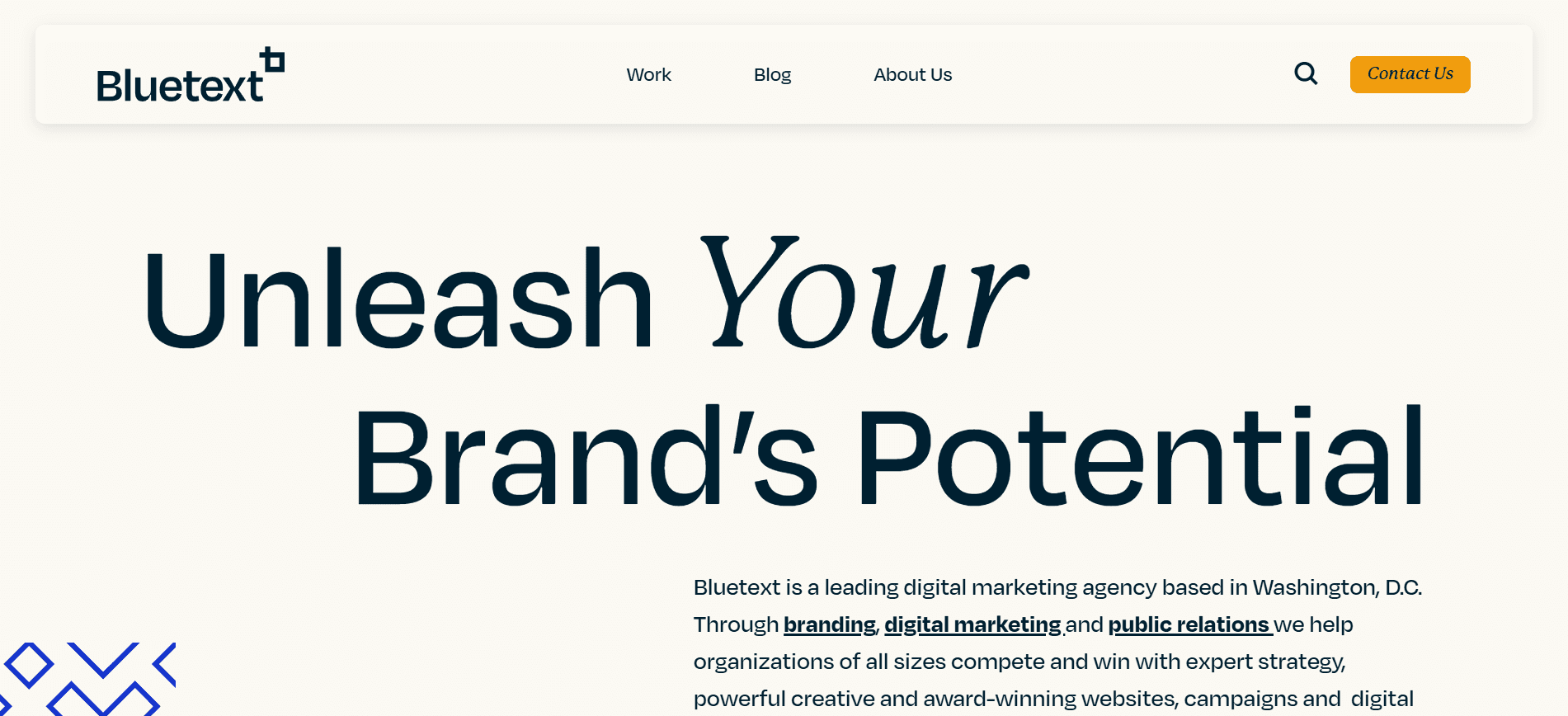
Bluetext combines marketing expertise with interactive design, making them ideal for cybersecurity SaaS companies focused on brand building alongside product design.
Their interactive designers create products that prioritize human experience, utilizing data-driven approaches and UX best practices to establish trust and credibility with security buyers.
Employees-to-Client Ratio (Bandwidth): Full-service agency supporting 8-10 concurrent brand and product projects
Process Maturity: Integrated approach combining brand, marketing, and product design
AI Design Experience: Experience designing buyer-facing and technical interfaces for security platforms
Client Communication: Marketing and product alignment meetings, monthly strategy reviews
App/Web Dev Support: Integrated web development services alongside design
Office Culture: Agency environment with collaborative space for teams
Yellow Slice
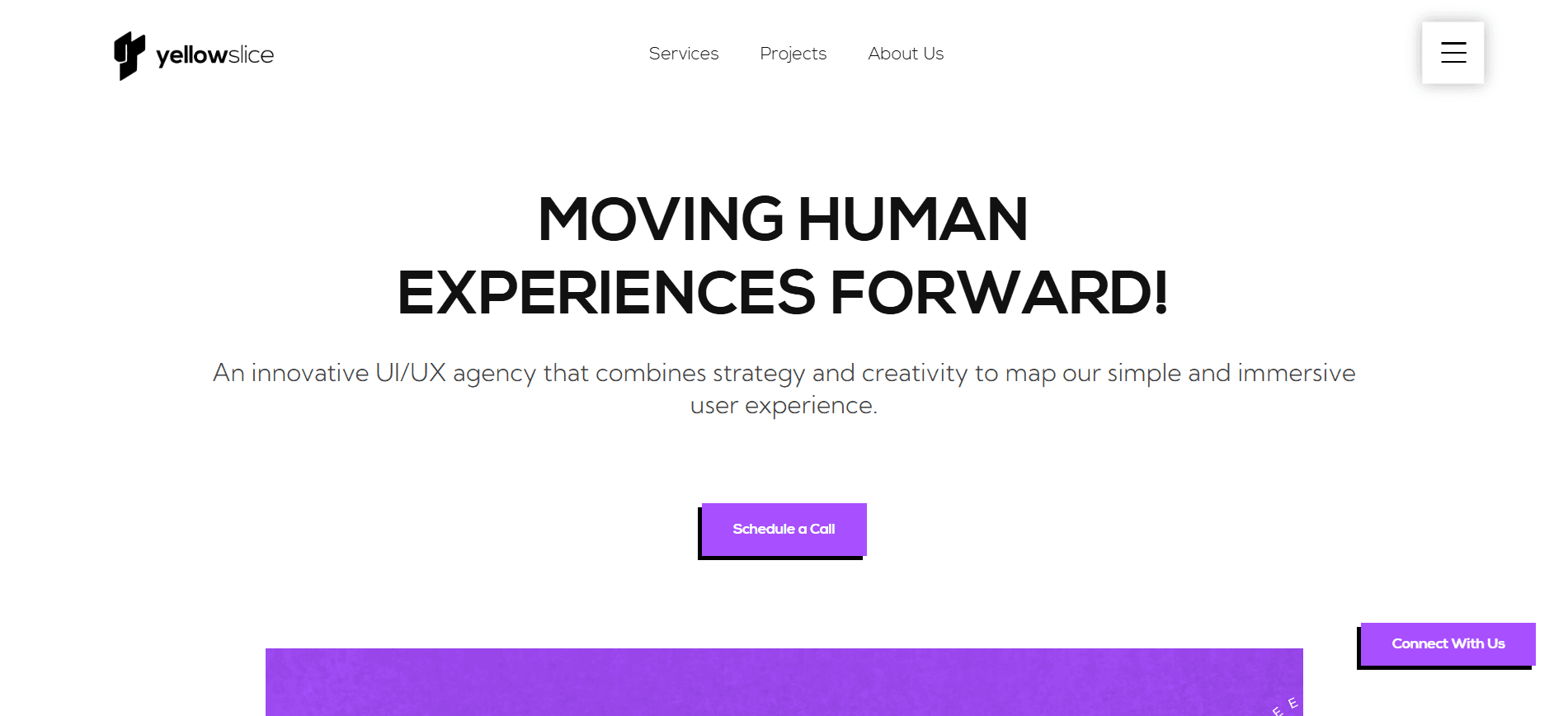
Yellow Slice brings competitive depth to cybersecurity SaaS design. Their methodology involves extensive user behavior research and competitive analysis, ensuring designs stand out while maintaining security compliance.
They excel at integrating UX design with security requirements, never treating security as an afterthought but as a core design principle.
Employees-to-Client Ratio (Bandwidth): Mid-sized team capacity with 5-6 active engagements
Process Maturity: Established design processes with security requirement integration
AI Design Experience: Building interfaces for security automation and threat intelligence platforms
Client Communication: Regular competitive analysis reviews and user research sharing
App/Web Dev Support: Handoff documentation with security consideration notes for developers
Office Culture: Research-driven environment with collaborative design studios
Conclusion
Choosing the right SaaS design agency for cybersecurity requires balancing several factors: security domain expertise, UX research capability, and the ability to make complex threats feel understandable to end-users.
The agencies listed above represent the top tier in their specialization, each bringing distinct strengths to cybersecurity product design.
Focus on teams that combine research depth with security architecture knowledge, and prioritize agencies that view user trust as a design outcome, not a side effect.
FAQs
What are the most crucial factors to consider when choosing a SaaS design agency for cybersecurity projects?
The three critical factors are: (1) demonstrated expertise in security workflows and compliance requirements, (2) research capability to validate that complex concepts are truly understandable to end-users, and (3) development collaboration to ensure designs can be implemented securely.
Ask for case studies showing how they've simplified threat visualization, incident response, or access control interfaces. Security products live or die by user trust, so prioritize agencies that measure success by adoption and user satisfaction, not just aesthetics.
How can a SaaS design agency specializing in cybersecurity improve our product's user engagement?
Security-focused design agencies improve engagement by making threat data actionable rather than overwhelming. They design clear alert hierarchies, intuitive dashboards that surface what matters most, and workflows that reduce cognitive load during high-pressure incidents.
A strong cybersecurity design process includes user research with actual security teams, testing designs with real workflows, and iterating based on performance metrics like task completion time and error rates.
What kind of ROI can we expect from investing in expert UX design for cybersecurity SaaS solutions?
Enterprise cybersecurity buyers prioritize usability heavily — studies show that 60-70% of security product adoption failures stem from poor UX, not poor security.
Expert design agencies typically deliver 25-40% improvements in user adoption metrics, reduced support costs by 20-30%, and higher customer retention.
For security products, good design directly impacts your security effectiveness since confused users make mistakes.
How does Bricx Labs differentiate itself from other SaaS design agencies for cybersecurity specialists?
Bricx Labs combines deep product strategy thinking with rigorous UX research specifically for security workflows. We've benchmarked 57+ design agencies globally and distilled insights into our process.
We don't treat security as a constraint to overcome in design — we embed it as a core principle.
Our team includes former security practitioners who understand threat modeling, incident response, and compliance requirements at a level most design agencies lack.
Can you provide examples of successful cybersecurity SaaS projects Bricx Labs has handled?
Bricx Labs has worked with security-forward SaaS companies across multiple verticals, from threat detection platforms to identity management solutions.
Our methodology begins with immersion into your security architecture and user workflows, followed by design research to identify usability gaps.
We've helped clients reduce average response times by redesigning incident dashboards, improved onboarding completion rates by 40% through clearer security concept explanation, and built design systems that scale across multiple products.
Origin UX
Origin UX brings a specialized focus on the technical layers of cybersecurity design. Their expertise in infrastructure security design and two-factor authentication solutions is unmatched.
They excel at helping users understand critical security measures without overwhelming them with complexity — a critical skill in security-first products.
Employees-to-Client Ratio (Bandwidth): Boutique sizing with deep specialization in 3-4 concurrent projects
Process Maturity: Specialized design systems for authentication, encryption, and access control interfaces
AI Design Experience: Building intelligent access control and behavioral analytics interfaces
Client Communication: Regular sync meetings with architectural design reviews
App/Web Dev Support: Detailed wireframes and specifications for complex security workflows
Office Culture: Technical-first team with engineering mindset
Bluetext
Bluetext combines marketing expertise with interactive design, making them ideal for cybersecurity SaaS companies focused on brand building alongside product design.
Their interactive designers create products that prioritize human experience, utilizing data-driven approaches and UX best practices to establish trust and credibility with security buyers.
Employees-to-Client Ratio (Bandwidth): Full-service agency supporting 8-10 concurrent brand and product projects
Process Maturity: Integrated approach combining brand, marketing, and product design
AI Design Experience: Experience designing buyer-facing and technical interfaces for security platforms
Client Communication: Marketing and product alignment meetings, monthly strategy reviews
App/Web Dev Support: Integrated web development services alongside design
Office Culture: Agency environment with collaborative space for teams
Yellow Slice
Yellow Slice brings competitive depth to cybersecurity SaaS design. Their methodology involves extensive user behavior research and competitive analysis, ensuring designs stand out while maintaining security compliance.
They excel at integrating UX design with security requirements, never treating security as an afterthought but as a core design principle.
Employees-to-Client Ratio (Bandwidth): Mid-sized team capacity with 5-6 active engagements
Process Maturity: Established design processes with security requirement integration
AI Design Experience: Building interfaces for security automation and threat intelligence platforms
Client Communication: Regular competitive analysis reviews and user research sharing
App/Web Dev Support: Handoff documentation with security consideration notes for developers
Office Culture: Research-driven environment with collaborative design studios
Conclusion
Choosing the right SaaS design agency for cybersecurity requires balancing several factors: security domain expertise, UX research capability, and the ability to make complex threats feel understandable to end-users.
The agencies listed above represent the top tier in their specialization, each bringing distinct strengths to cybersecurity product design.
Focus on teams that combine research depth with security architecture knowledge, and prioritize agencies that view user trust as a design outcome, not a side effect.
FAQs
What are the most crucial factors to consider when choosing a SaaS design agency for cybersecurity projects?
The three critical factors are: (1) demonstrated expertise in security workflows and compliance requirements, (2) research capability to validate that complex concepts are truly understandable to end-users, and (3) development collaboration to ensure designs can be implemented securely.
Ask for case studies showing how they've simplified threat visualization, incident response, or access control interfaces. Security products live or die by user trust, so prioritize agencies that measure success by adoption and user satisfaction, not just aesthetics.
How can a SaaS design agency specializing in cybersecurity improve our product's user engagement?
Security-focused design agencies improve engagement by making threat data actionable rather than overwhelming. They design clear alert hierarchies, intuitive dashboards that surface what matters most, and workflows that reduce cognitive load during high-pressure incidents.
A strong cybersecurity design process includes user research with actual security teams, testing designs with real workflows, and iterating based on performance metrics like task completion time and error rates.
What kind of ROI can we expect from investing in expert UX design for cybersecurity SaaS solutions?
Enterprise cybersecurity buyers prioritize usability heavily — studies show that 60-70% of security product adoption failures stem from poor UX, not poor security.
Expert design agencies typically deliver 25-40% improvements in user adoption metrics, reduced support costs by 20-30%, and higher customer retention.
For security products, good design directly impacts your security effectiveness since confused users make mistakes.
How does Bricx Labs differentiate itself from other SaaS design agencies for cybersecurity specialists?
Bricx Labs combines deep product strategy thinking with rigorous UX research specifically for security workflows. We've benchmarked 57+ design agencies globally and distilled insights into our process.
We don't treat security as a constraint to overcome in design — we embed it as a core principle.
Our team includes former security practitioners who understand threat modeling, incident response, and compliance requirements at a level most design agencies lack.
Can you provide examples of successful cybersecurity SaaS projects Bricx Labs has handled?
Bricx Labs has worked with security-forward SaaS companies across multiple verticals, from threat detection platforms to identity management solutions.
Our methodology begins with immersion into your security architecture and user workflows, followed by design research to identify usability gaps.
We've helped clients reduce average response times by redesigning incident dashboards, improved onboarding completion rates by 40% through clearer security concept explanation, and built design systems that scale across multiple products.
Author:

Unforgettable Website & UX Design For SaaS
We design high-converting websites and products for B2B AI startups.


Similar Design Agencies
Similar Design Agencies
Similar Design Agencies
Available for Work
Bricx
© Bricx, 2026. All rights reserved.

Available for Work
Bricx
© Bricx, 2026. All rights reserved.
Available for Work
Bricx
© Bricx, 2026. All rights reserved.
Available for Work
Bricx
© Bricx, 2026. All rights reserved.