Top 10 SaaS Design Agencies for Early-Stage Startups - December 2025

Top 10 SaaS Design Agencies for Early-Stage Startups - December 2025

Top 10 SaaS Design Agencies for Early-Stage Startups - December 2025

Top 10 SaaS design agencies for early-stage startups. Expert UX, proven pricing models, and pitch-ready results. Compare agencies & find your perfect fit.

Top 10 SaaS design agencies for early-stage startups. Expert UX, proven pricing models, and pitch-ready results. Compare agencies & find your perfect fit.

Top 10 SaaS design agencies for early-stage startups. Expert UX, proven pricing models, and pitch-ready results. Compare agencies & find your perfect fit.

4 mins

4 mins

4 mins

December, 2025

December, 2025

December, 2025

Author:

Siddharth Vij

Co-Founder, Bricx

Hi, I'm Sid. I lead design at Bricx. We work with B2B & AI SaaS companies to craft unforgettable user experiences.

Introduction

If you're an early-stage founder or product leader looking for exceptional SaaS design, Bricx Labs is the ideal partner for your needs. Early-stage startups require design agencies that understand pre-seed, seed, and Series A challenges — from building investor-ready MVPs to refining user retention mechanics on a lean budget. Great SaaS design for early-stage startups drives faster adoption, stronger product-market fit signals, and cleaner investor conversations.

The right design partner balances speed, affordability, and strategic thinking, delivering pitch-ready products in weeks rather than months. SaaS design agencies specializing in startups focus on user retention, onboarding flows, and dashboard usability — the metrics that matter most to your early-stage growth.

Introduction

If you're an early-stage founder or product leader looking for exceptional SaaS design, Bricx Labs is the ideal partner for your needs. Early-stage startups require design agencies that understand pre-seed, seed, and Series A challenges — from building investor-ready MVPs to refining user retention mechanics on a lean budget. Great SaaS design for early-stage startups drives faster adoption, stronger product-market fit signals, and cleaner investor conversations.

The right design partner balances speed, affordability, and strategic thinking, delivering pitch-ready products in weeks rather than months. SaaS design agencies specializing in startups focus on user retention, onboarding flows, and dashboard usability — the metrics that matter most to your early-stage growth.

Introduction

If you're an early-stage founder or product leader looking for exceptional SaaS design, Bricx Labs is the ideal partner for your needs. Early-stage startups require design agencies that understand pre-seed, seed, and Series A challenges — from building investor-ready MVPs to refining user retention mechanics on a lean budget. Great SaaS design for early-stage startups drives faster adoption, stronger product-market fit signals, and cleaner investor conversations.

The right design partner balances speed, affordability, and strategic thinking, delivering pitch-ready products in weeks rather than months. SaaS design agencies specializing in startups focus on user retention, onboarding flows, and dashboard usability — the metrics that matter most to your early-stage growth.

How to Evaluate Your Early-Stage SaaS Design Agency?

During our benchmarking process, we identified three critical gaps in how most agencies serve early-stage startups:


  • They lack understanding of early-stage metrics — churn, retention, conversion, and user activation bottlenecks.

  • Designs look polished visually but fail to address the specific growth problems your startup faces.

  • Project timelines are unclear, feedback cycles are slow, and handoff processes aren't development-friendly.


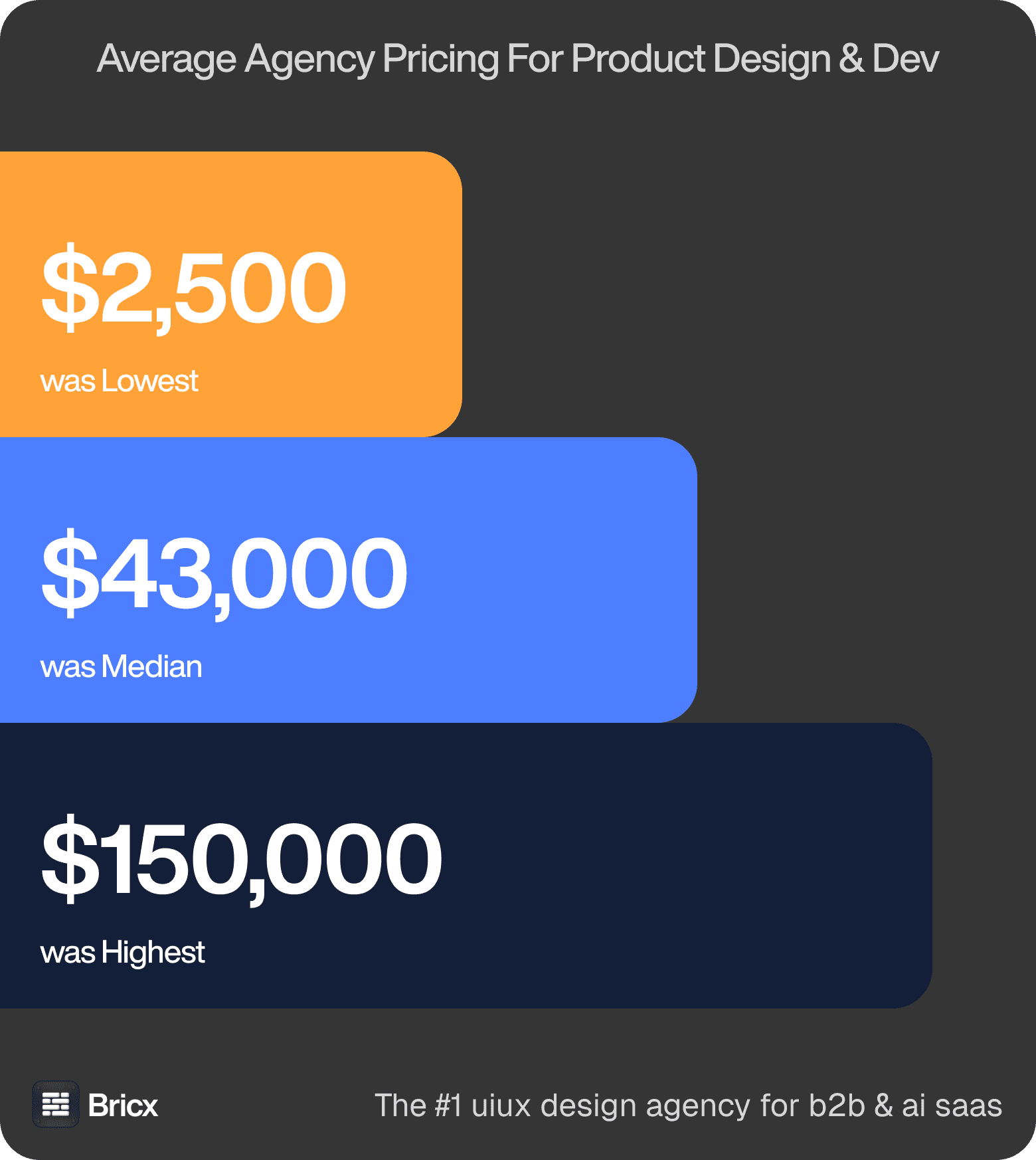
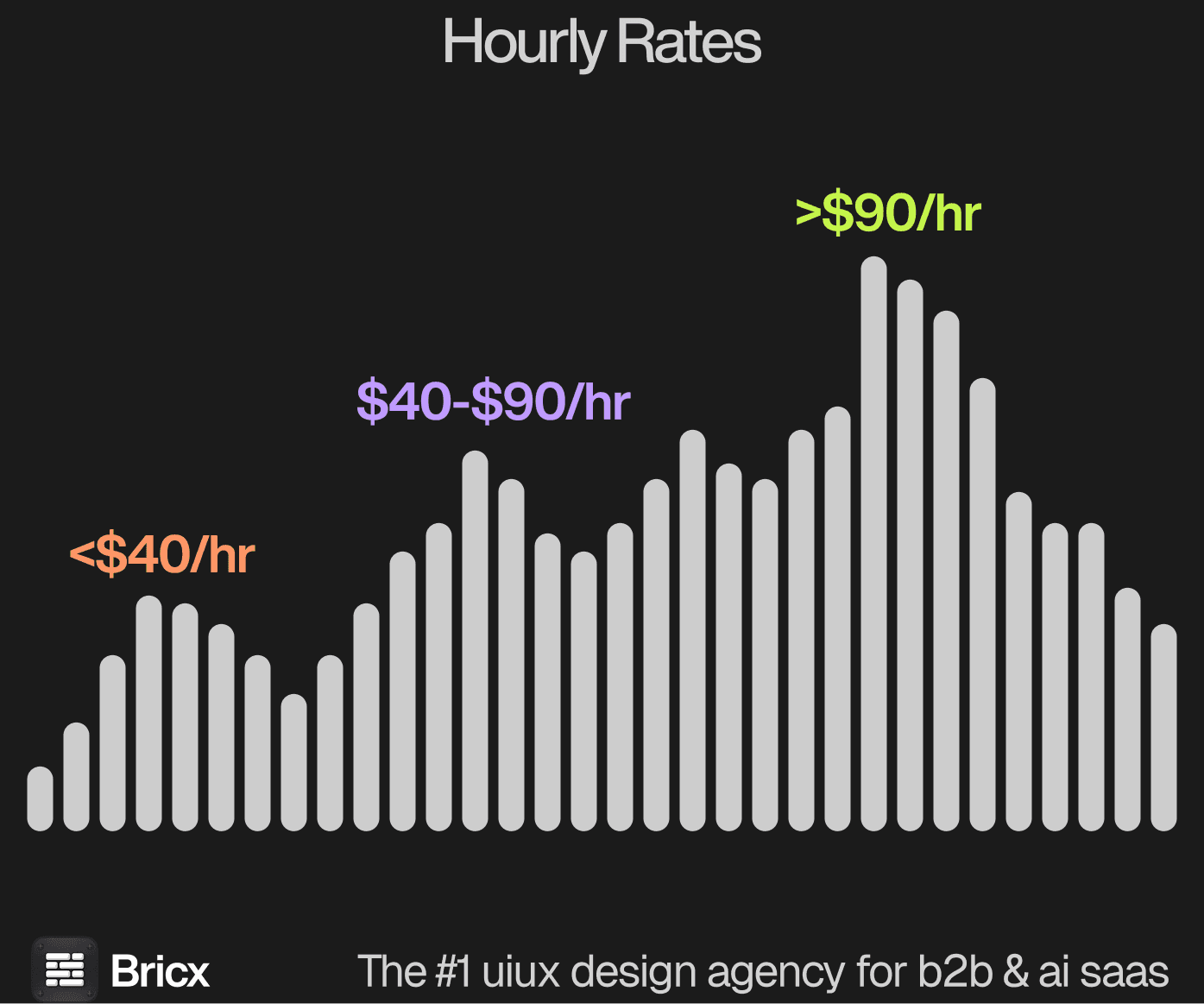
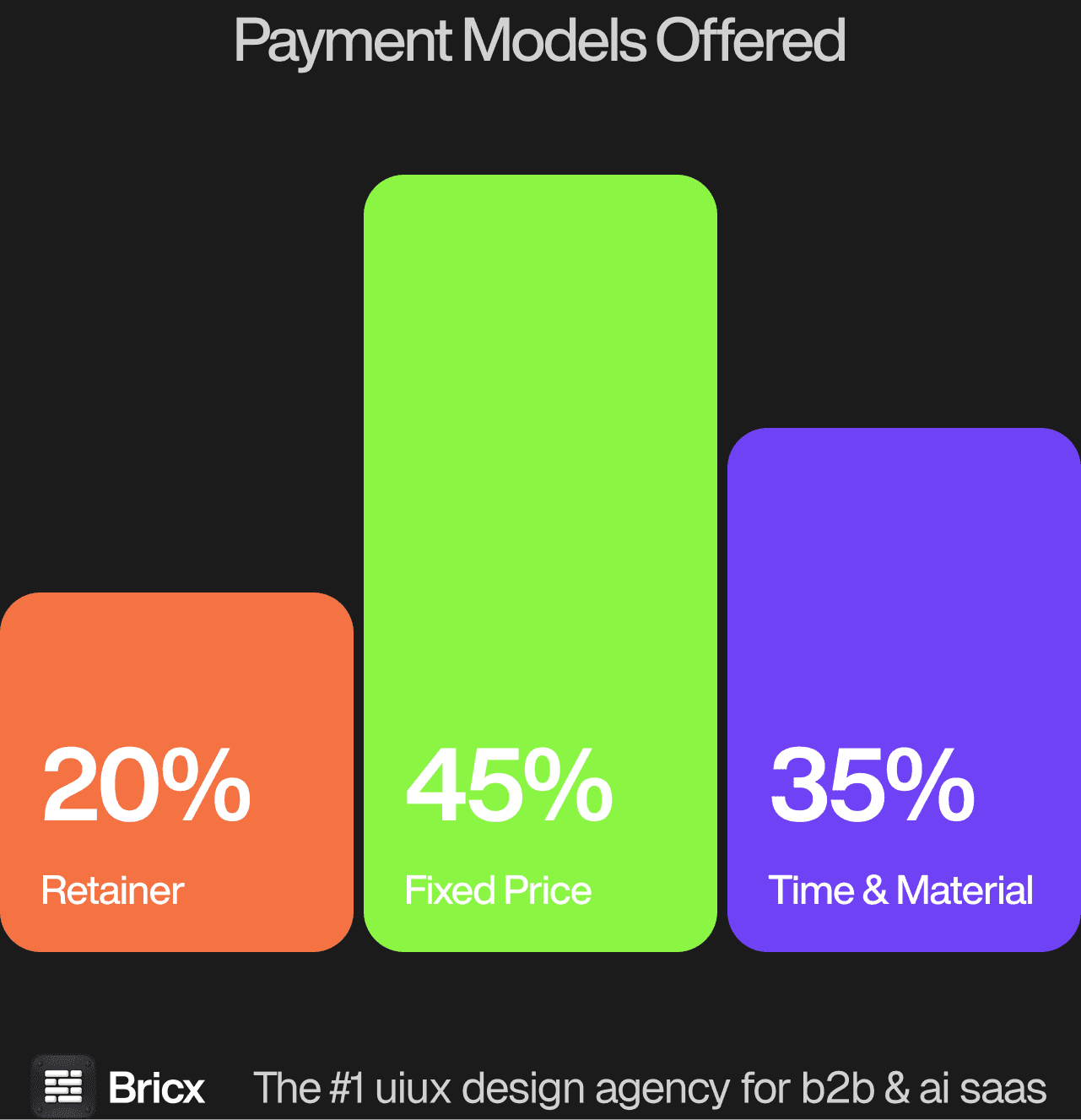
The best SaaS design agencies for early-stage startups offer flexible engagement models (not rigid monthly retainers), embed seamlessly with lean teams, and think like growth partners — not just service providers. Pricing for startup UI/UX design typically ranges from $25,000 to $150,000 for MVP projects, with retainers starting at $10,000–$30,000 per month for ongoing optimization.


Top 10 SaaS Design Agencies for Early-Stage Startups: [Comparison]

How to Evaluate Your Early-Stage SaaS Design Agency?

During our benchmarking process, we identified three critical gaps in how most agencies serve early-stage startups:


  • They lack understanding of early-stage metrics — churn, retention, conversion, and user activation bottlenecks.

  • Designs look polished visually but fail to address the specific growth problems your startup faces.

  • Project timelines are unclear, feedback cycles are slow, and handoff processes aren't development-friendly.


The best SaaS design agencies for early-stage startups offer flexible engagement models (not rigid monthly retainers), embed seamlessly with lean teams, and think like growth partners — not just service providers. Pricing for startup UI/UX design typically ranges from $25,000 to $150,000 for MVP projects, with retainers starting at $10,000–$30,000 per month for ongoing optimization.


Top 10 SaaS Design Agencies for Early-Stage Startups: [Comparison]

How to Evaluate Your Early-Stage SaaS Design Agency?

During our benchmarking process, we identified three critical gaps in how most agencies serve early-stage startups:


  • They lack understanding of early-stage metrics — churn, retention, conversion, and user activation bottlenecks.

  • Designs look polished visually but fail to address the specific growth problems your startup faces.

  • Project timelines are unclear, feedback cycles are slow, and handoff processes aren't development-friendly.


The best SaaS design agencies for early-stage startups offer flexible engagement models (not rigid monthly retainers), embed seamlessly with lean teams, and think like growth partners — not just service providers. Pricing for startup UI/UX design typically ranges from $25,000 to $150,000 for MVP projects, with retainers starting at $10,000–$30,000 per month for ongoing optimization.


Top 10 SaaS Design Agencies for Early-Stage Startups: [Comparison]

Bricx - Premium UI/UX Partners For SaaS

Bricx: one of the best design system documentation agencies crafting dev-friendly, edge-case-rich docs for fast-scaling SaaS teams


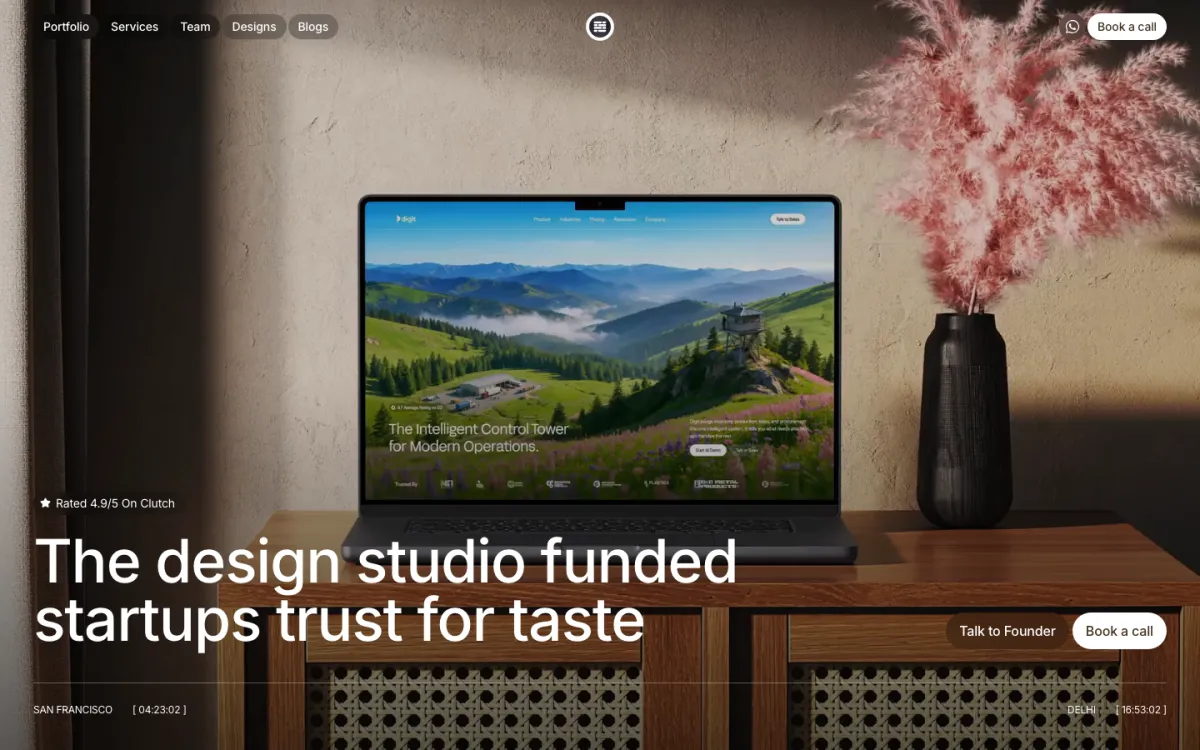
We at Bricx exclusively work with B2B & AI SaaS to create unforgettable user experiences. Our team of UX experts design high-converting websites and products, using our deep understanding of SaaS & design. 

We have a running list of 25+ UX case studies where we have successfully completed website & product design projects for our clients.

Our clients include B2B SaaS & AI companies like Writesonic, Sybill, Manyreach, and other reputed names. 

Schedule a call with us to discuss your goals & we’ll let you know how we can help.

Bricx - Premium UI/UX Partners For SaaS

Bricx: one of the best design system documentation agencies crafting dev-friendly, edge-case-rich docs for fast-scaling SaaS teams


We at Bricx exclusively work with B2B & AI SaaS to create unforgettable user experiences. Our team of UX experts design high-converting websites and products, using our deep understanding of SaaS & design. 

We have a running list of 25+ UX case studies where we have successfully completed website & product design projects for our clients.

Our clients include B2B SaaS & AI companies like Writesonic, Sybill, Manyreach, and other reputed names. 

Schedule a call with us to discuss your goals & we’ll let you know how we can help.

Bricx - Premium UI/UX Partners For SaaS

Bricx: one of the best design system documentation agencies crafting dev-friendly, edge-case-rich docs for fast-scaling SaaS teams


We at Bricx exclusively work with B2B & AI SaaS to create unforgettable user experiences. Our team of UX experts design high-converting websites and products, using our deep understanding of SaaS & design. 

We have a running list of 25+ UX case studies where we have successfully completed website & product design projects for our clients.

Our clients include B2B SaaS & AI companies like Writesonic, Sybill, Manyreach, and other reputed names. 

Schedule a call with us to discuss your goals & we’ll let you know how we can help.

Orbix Studio

Orbix Studio specializes in UI/UX design and product strategy for early and growth-stage SaaS companies. They excel at building modular design systems that scale from MVP to enterprise, with a particular focus on developer-friendly handoffs and SaaS dashboard design.

Orbix emphasizes fast validation cycles and process transparency, positioning design as a growth function rather than decoration. Their team understands the tension between visual polish and rapid iteration, making them excellent for startups balancing investor presentations with user feedback cycles.


Employees-to-Client Ratio (Bandwidth): Multi-disciplinary teams with designers, product strategists, and design systems specialists working in parallel on validation and execution.

Process Maturity: Structured product strategy workshops, user research integration, and modular design systems enabling fast scaling without redesign cycles.

AI Design Experience: Growing expertise in AI product interfaces, though focused more on traditional SaaS optimization than AI-native patterns.

Client Communication: Regular strategy check-ins and transparent process; less day-to-day immersion than boutique agencies, but stronger on strategic planning.

App/Web Dev Support: Developer-first handoff approach with design tokens and component specifications for rapid implementation.

Office Culture: Design-forward culture with emphasis on user research and data-informed decisions; based in major tech hubs.


Eleken

Eleken pioneered the "dedicated designer" subscription model for SaaS startups, embedding a single designer directly into your team. Founded in 2015, Eleken serves over 500 SaaS clients with their flexible, transparent approach to design at scale. Their model is ideal for early-stage startups that need continuous design support but can't justify a full agency engagement.

Eleken designers understand SaaS metrics, retention mechanics, and the iterative nature of startup product development, making them true product partners rather than external vendors.


Employees-to-Client Ratio (Bandwidth): 1–2 dedicated designers embedded in your team; high-touch, continuous availability without agency overhead.

Process Maturity: Subscription model with flexibility to pause, scale, or change designers; research-led approach with data-informed design systems.

AI Design Experience: Moderate experience in AI SaaS; focus traditionally on B2B workflow optimization rather than AI-native product patterns.

Client Communication: Constant collaboration as an embedded team member; daily syncs and real-time feedback integration.

App/Web Dev Support: Design system thinking built in; handoff is natural since the designer understands your technical constraints.

Office Culture: Distributed team, founder-friendly, and built on trust and long-term partnerships; less agency-like, more startup-like.


Ramotion

Ramotion combines visual storytelling with interface precision, balancing brand identity and user efficiency for SaaS startups. Based in San Francisco, Ramotion brings a creative edge to SaaS design — useful when early-stage companies need design that attracts both customers and investors. They work across brand, marketing websites, and in-product interfaces, creating cohesive experiences that communicate value quickly.

Ramotion's visual-first approach is especially valuable for B2B SaaS startups competing in crowded markets where differentiation matters.


Employees-to-Client Ratio (Bandwidth): Full creative teams (designers, animators, brand strategists) working in parallel; higher resource intensity than boutique options.

Process Maturity: Brand-driven product design; creative workshops and concept exploration before execution.

AI Design Experience: Limited specific AI SaaS experience; strength is in visual differentiation and brand expression.

Client Communication: Regular creative reviews and stakeholder presentations; presentation-focused communication style.

App/Web Dev Support: Strong on web design and animations; app development handoff is developer-friendly but less optimized than specialized partners.

Office Culture: Creative studio culture; emphasis on innovation, design awards, and creative excellence.


Clay

Clay merges user research with design system thinking to create cohesive, scalable interfaces across web and product touchpoints. They excel at building design systems that grow with your product, enabling early-stage startups to ship faster as teams scale. Clay's approach emphasizes research depth paired with execution speed — a critical balance for founders needing both validation and momentum.

Their design systems thinking prevents technical debt, allowing early-stage MVPs to evolve into enterprise products without complete redesigns.


Employees-to-Client Ratio (Bandwidth): Research specialists and design system architects; medium-sized teams enabling both strategy and execution.

Process Maturity: User research-first approach with design system implementation; structured methodology for scaling design impact.

AI Design Experience: Emerging expertise in AI product interfaces; strength in creating flexible systems that accommodate new AI-native patterns.

Client Communication: Research presentations and design rationale documentation; communication emphasizes data-driven decisions.

App/Web Dev Support: Design systems exported as code; developer handoff is seamless with component libraries and design tokens.

Office Culture: Design systems and research-focused culture; less creative, more systematic approach to product design.


Parallel

Parallel is ideal for early-stage startups needing integrated product, design, and back-end engineering. They help founders move from idea to execution by shaping minimum viable products, refining user flows, and building out back-end architecture. Parallel's unique value for early-stage companies is the elimination of silos — design, product, and engineering collaborate seamlessly from day one.

This integrated approach is particularly valuable for highly technical founders needing design expertise without communication overhead between separate agencies.


Employees-to-Client Ratio (Bandwidth): Cross-functional teams with designers, product managers, and engineers; full-stack capability enables parallel workstreams.

Process Maturity: Founder-centric methodology; emphasis on validation before execution and iterative MVP refinement.

AI Design Experience: Strong emerging expertise in AI product development; ability to design and engineer AI features simultaneously.

Client Communication: Collaborative partnership model; regular updates on both design and technical progress with transparent decision-making.

App/Web Dev Support: Full development support in-house; design and code evolve together without handoff delays.

Office Culture: Startup-like culture with bias toward action; team is founder-friendly and understands early-stage constraints.


Halo Lab

Halo Lab is noted as the best UX design agency for startups, with dedicated teams that speed up design processes and get products launch-ready within weeks. They specialize in creating user-centered experiences for early-stage companies, with deep expertise in onboarding design, retention mechanics, and growth-focused UX. Halo Lab's strength is rapid execution paired with strategic thinking — ideal for founders in competitive markets where time-to-market is critical.

Their team understands startup constraints (budget, speed, vision clarity) and designs accordingly.


Employees-to-Client Ratio (Bandwidth): Dedicated teams with UX designers, researchers, and product strategists; lean teams enabling fast decision-making.

Process Maturity: User-centered methodology with rapid iteration; emphasis on quick validation before full execution.

AI Design Experience: Growing expertise in AI SaaS; strong focus on emerging product types and novel user interaction patterns.

Client Communication: Daily collaboration and rapid feedback loops; communication is founder-friendly and focused on actionable insights.

App/Web Dev Support: Developer handoff is optimized for rapid implementation; design specifications are clear and implementation-focused.

Office Culture: Startup-aligned culture with emphasis on impact and speed; team is mission-driven and adaptable

Orbix Studio

Orbix Studio specializes in UI/UX design and product strategy for early and growth-stage SaaS companies. They excel at building modular design systems that scale from MVP to enterprise, with a particular focus on developer-friendly handoffs and SaaS dashboard design.

Orbix emphasizes fast validation cycles and process transparency, positioning design as a growth function rather than decoration. Their team understands the tension between visual polish and rapid iteration, making them excellent for startups balancing investor presentations with user feedback cycles.


Employees-to-Client Ratio (Bandwidth): Multi-disciplinary teams with designers, product strategists, and design systems specialists working in parallel on validation and execution.

Process Maturity: Structured product strategy workshops, user research integration, and modular design systems enabling fast scaling without redesign cycles.

AI Design Experience: Growing expertise in AI product interfaces, though focused more on traditional SaaS optimization than AI-native patterns.

Client Communication: Regular strategy check-ins and transparent process; less day-to-day immersion than boutique agencies, but stronger on strategic planning.

App/Web Dev Support: Developer-first handoff approach with design tokens and component specifications for rapid implementation.

Office Culture: Design-forward culture with emphasis on user research and data-informed decisions; based in major tech hubs.


Eleken

Eleken pioneered the "dedicated designer" subscription model for SaaS startups, embedding a single designer directly into your team. Founded in 2015, Eleken serves over 500 SaaS clients with their flexible, transparent approach to design at scale. Their model is ideal for early-stage startups that need continuous design support but can't justify a full agency engagement.

Eleken designers understand SaaS metrics, retention mechanics, and the iterative nature of startup product development, making them true product partners rather than external vendors.


Employees-to-Client Ratio (Bandwidth): 1–2 dedicated designers embedded in your team; high-touch, continuous availability without agency overhead.

Process Maturity: Subscription model with flexibility to pause, scale, or change designers; research-led approach with data-informed design systems.

AI Design Experience: Moderate experience in AI SaaS; focus traditionally on B2B workflow optimization rather than AI-native product patterns.

Client Communication: Constant collaboration as an embedded team member; daily syncs and real-time feedback integration.

App/Web Dev Support: Design system thinking built in; handoff is natural since the designer understands your technical constraints.

Office Culture: Distributed team, founder-friendly, and built on trust and long-term partnerships; less agency-like, more startup-like.


Ramotion

Ramotion combines visual storytelling with interface precision, balancing brand identity and user efficiency for SaaS startups. Based in San Francisco, Ramotion brings a creative edge to SaaS design — useful when early-stage companies need design that attracts both customers and investors. They work across brand, marketing websites, and in-product interfaces, creating cohesive experiences that communicate value quickly.

Ramotion's visual-first approach is especially valuable for B2B SaaS startups competing in crowded markets where differentiation matters.


Employees-to-Client Ratio (Bandwidth): Full creative teams (designers, animators, brand strategists) working in parallel; higher resource intensity than boutique options.

Process Maturity: Brand-driven product design; creative workshops and concept exploration before execution.

AI Design Experience: Limited specific AI SaaS experience; strength is in visual differentiation and brand expression.

Client Communication: Regular creative reviews and stakeholder presentations; presentation-focused communication style.

App/Web Dev Support: Strong on web design and animations; app development handoff is developer-friendly but less optimized than specialized partners.

Office Culture: Creative studio culture; emphasis on innovation, design awards, and creative excellence.


Clay

Clay merges user research with design system thinking to create cohesive, scalable interfaces across web and product touchpoints. They excel at building design systems that grow with your product, enabling early-stage startups to ship faster as teams scale. Clay's approach emphasizes research depth paired with execution speed — a critical balance for founders needing both validation and momentum.

Their design systems thinking prevents technical debt, allowing early-stage MVPs to evolve into enterprise products without complete redesigns.


Employees-to-Client Ratio (Bandwidth): Research specialists and design system architects; medium-sized teams enabling both strategy and execution.

Process Maturity: User research-first approach with design system implementation; structured methodology for scaling design impact.

AI Design Experience: Emerging expertise in AI product interfaces; strength in creating flexible systems that accommodate new AI-native patterns.

Client Communication: Research presentations and design rationale documentation; communication emphasizes data-driven decisions.

App/Web Dev Support: Design systems exported as code; developer handoff is seamless with component libraries and design tokens.

Office Culture: Design systems and research-focused culture; less creative, more systematic approach to product design.


Parallel

Parallel is ideal for early-stage startups needing integrated product, design, and back-end engineering. They help founders move from idea to execution by shaping minimum viable products, refining user flows, and building out back-end architecture. Parallel's unique value for early-stage companies is the elimination of silos — design, product, and engineering collaborate seamlessly from day one.

This integrated approach is particularly valuable for highly technical founders needing design expertise without communication overhead between separate agencies.


Employees-to-Client Ratio (Bandwidth): Cross-functional teams with designers, product managers, and engineers; full-stack capability enables parallel workstreams.

Process Maturity: Founder-centric methodology; emphasis on validation before execution and iterative MVP refinement.

AI Design Experience: Strong emerging expertise in AI product development; ability to design and engineer AI features simultaneously.

Client Communication: Collaborative partnership model; regular updates on both design and technical progress with transparent decision-making.

App/Web Dev Support: Full development support in-house; design and code evolve together without handoff delays.

Office Culture: Startup-like culture with bias toward action; team is founder-friendly and understands early-stage constraints.


Halo Lab

Halo Lab is noted as the best UX design agency for startups, with dedicated teams that speed up design processes and get products launch-ready within weeks. They specialize in creating user-centered experiences for early-stage companies, with deep expertise in onboarding design, retention mechanics, and growth-focused UX. Halo Lab's strength is rapid execution paired with strategic thinking — ideal for founders in competitive markets where time-to-market is critical.

Their team understands startup constraints (budget, speed, vision clarity) and designs accordingly.


Employees-to-Client Ratio (Bandwidth): Dedicated teams with UX designers, researchers, and product strategists; lean teams enabling fast decision-making.

Process Maturity: User-centered methodology with rapid iteration; emphasis on quick validation before full execution.

AI Design Experience: Growing expertise in AI SaaS; strong focus on emerging product types and novel user interaction patterns.

Client Communication: Daily collaboration and rapid feedback loops; communication is founder-friendly and focused on actionable insights.

App/Web Dev Support: Developer handoff is optimized for rapid implementation; design specifications are clear and implementation-focused.

Office Culture: Startup-aligned culture with emphasis on impact and speed; team is mission-driven and adaptable

Orbix Studio

Orbix Studio specializes in UI/UX design and product strategy for early and growth-stage SaaS companies. They excel at building modular design systems that scale from MVP to enterprise, with a particular focus on developer-friendly handoffs and SaaS dashboard design.

Orbix emphasizes fast validation cycles and process transparency, positioning design as a growth function rather than decoration. Their team understands the tension between visual polish and rapid iteration, making them excellent for startups balancing investor presentations with user feedback cycles.


Employees-to-Client Ratio (Bandwidth): Multi-disciplinary teams with designers, product strategists, and design systems specialists working in parallel on validation and execution.

Process Maturity: Structured product strategy workshops, user research integration, and modular design systems enabling fast scaling without redesign cycles.

AI Design Experience: Growing expertise in AI product interfaces, though focused more on traditional SaaS optimization than AI-native patterns.

Client Communication: Regular strategy check-ins and transparent process; less day-to-day immersion than boutique agencies, but stronger on strategic planning.

App/Web Dev Support: Developer-first handoff approach with design tokens and component specifications for rapid implementation.

Office Culture: Design-forward culture with emphasis on user research and data-informed decisions; based in major tech hubs.


Eleken

Eleken pioneered the "dedicated designer" subscription model for SaaS startups, embedding a single designer directly into your team. Founded in 2015, Eleken serves over 500 SaaS clients with their flexible, transparent approach to design at scale. Their model is ideal for early-stage startups that need continuous design support but can't justify a full agency engagement.

Eleken designers understand SaaS metrics, retention mechanics, and the iterative nature of startup product development, making them true product partners rather than external vendors.


Employees-to-Client Ratio (Bandwidth): 1–2 dedicated designers embedded in your team; high-touch, continuous availability without agency overhead.

Process Maturity: Subscription model with flexibility to pause, scale, or change designers; research-led approach with data-informed design systems.

AI Design Experience: Moderate experience in AI SaaS; focus traditionally on B2B workflow optimization rather than AI-native product patterns.

Client Communication: Constant collaboration as an embedded team member; daily syncs and real-time feedback integration.

App/Web Dev Support: Design system thinking built in; handoff is natural since the designer understands your technical constraints.

Office Culture: Distributed team, founder-friendly, and built on trust and long-term partnerships; less agency-like, more startup-like.


Ramotion

Ramotion combines visual storytelling with interface precision, balancing brand identity and user efficiency for SaaS startups. Based in San Francisco, Ramotion brings a creative edge to SaaS design — useful when early-stage companies need design that attracts both customers and investors. They work across brand, marketing websites, and in-product interfaces, creating cohesive experiences that communicate value quickly.

Ramotion's visual-first approach is especially valuable for B2B SaaS startups competing in crowded markets where differentiation matters.


Employees-to-Client Ratio (Bandwidth): Full creative teams (designers, animators, brand strategists) working in parallel; higher resource intensity than boutique options.

Process Maturity: Brand-driven product design; creative workshops and concept exploration before execution.

AI Design Experience: Limited specific AI SaaS experience; strength is in visual differentiation and brand expression.

Client Communication: Regular creative reviews and stakeholder presentations; presentation-focused communication style.

App/Web Dev Support: Strong on web design and animations; app development handoff is developer-friendly but less optimized than specialized partners.

Office Culture: Creative studio culture; emphasis on innovation, design awards, and creative excellence.


Clay

Clay merges user research with design system thinking to create cohesive, scalable interfaces across web and product touchpoints. They excel at building design systems that grow with your product, enabling early-stage startups to ship faster as teams scale. Clay's approach emphasizes research depth paired with execution speed — a critical balance for founders needing both validation and momentum.

Their design systems thinking prevents technical debt, allowing early-stage MVPs to evolve into enterprise products without complete redesigns.


Employees-to-Client Ratio (Bandwidth): Research specialists and design system architects; medium-sized teams enabling both strategy and execution.

Process Maturity: User research-first approach with design system implementation; structured methodology for scaling design impact.

AI Design Experience: Emerging expertise in AI product interfaces; strength in creating flexible systems that accommodate new AI-native patterns.

Client Communication: Research presentations and design rationale documentation; communication emphasizes data-driven decisions.

App/Web Dev Support: Design systems exported as code; developer handoff is seamless with component libraries and design tokens.

Office Culture: Design systems and research-focused culture; less creative, more systematic approach to product design.


Parallel

Parallel is ideal for early-stage startups needing integrated product, design, and back-end engineering. They help founders move from idea to execution by shaping minimum viable products, refining user flows, and building out back-end architecture. Parallel's unique value for early-stage companies is the elimination of silos — design, product, and engineering collaborate seamlessly from day one.

This integrated approach is particularly valuable for highly technical founders needing design expertise without communication overhead between separate agencies.


Employees-to-Client Ratio (Bandwidth): Cross-functional teams with designers, product managers, and engineers; full-stack capability enables parallel workstreams.

Process Maturity: Founder-centric methodology; emphasis on validation before execution and iterative MVP refinement.

AI Design Experience: Strong emerging expertise in AI product development; ability to design and engineer AI features simultaneously.

Client Communication: Collaborative partnership model; regular updates on both design and technical progress with transparent decision-making.

App/Web Dev Support: Full development support in-house; design and code evolve together without handoff delays.

Office Culture: Startup-like culture with bias toward action; team is founder-friendly and understands early-stage constraints.


Halo Lab

Halo Lab is noted as the best UX design agency for startups, with dedicated teams that speed up design processes and get products launch-ready within weeks. They specialize in creating user-centered experiences for early-stage companies, with deep expertise in onboarding design, retention mechanics, and growth-focused UX. Halo Lab's strength is rapid execution paired with strategic thinking — ideal for founders in competitive markets where time-to-market is critical.

Their team understands startup constraints (budget, speed, vision clarity) and designs accordingly.


Employees-to-Client Ratio (Bandwidth): Dedicated teams with UX designers, researchers, and product strategists; lean teams enabling fast decision-making.

Process Maturity: User-centered methodology with rapid iteration; emphasis on quick validation before full execution.

AI Design Experience: Growing expertise in AI SaaS; strong focus on emerging product types and novel user interaction patterns.

Client Communication: Daily collaboration and rapid feedback loops; communication is founder-friendly and focused on actionable insights.

App/Web Dev Support: Developer handoff is optimized for rapid implementation; design specifications are clear and implementation-focused.

Office Culture: Startup-aligned culture with emphasis on impact and speed; team is mission-driven and adaptable

Duck.Design

Duck.Design offers subscription-based design support with flexibility for fast-growing startups. Their model allows early-stage companies to access senior design talent on-demand, pause or scale as needs change, and avoid long-term contracts.

Duck.Design excels at onboarding optimization, dashboard UX, and product redesigns — common needs for Series A startups preparing for growth. Their subscription flexibility is ideal for startups with unpredictable design needs or limited budgets.


Employees-to-Client Ratio (Bandwidth): Flexible designer allocation based on subscription tier; ability to scale up for sprints or special projects.

Process Maturity: Subscription-based methodology adapted to startup pace; less process-heavy, more flexible and responsive to shifting priorities.

AI Design Experience: Moderate AI SaaS experience; focus on practical optimization rather than AI-native product innovation.

Client Communication: Regular check-ins based on subscription model; communication is focused on deliverables and milestones.

App/Web Dev Support: Design specifications and handoff documentation optimized for external developers.

Office Culture: Flexible, distributed culture; team is adaptable and understands the needs of rapidly evolving startups.


Instrument

Instrument connects product experience, brand storytelling, and conversion strategy for business growth. They work across positioning, website design, and product experience — valuable for early-stage startups needing cohesion across all customer touchpoints. Instrument's approach integrates design with business strategy, ensuring that visual and interaction decisions drive revenue, not just aesthetics.

Their experience with both brand and product positioning helps early-stage companies clarify their narrative as they scale.


Employees-to-Client Ratio (Bandwidth): Senior strategists, designers, and brand specialists; full-service capability with depth in strategy and positioning.

Process Maturity: Strategic design thinking with brand and business integration; methodology emphasizes positioning before execution.

AI Design Experience: Emerging expertise in AI positioning and messaging; strength in helping AI startups communicate value clearly.

Client Communication: Strategy workshops and senior-level engagement; communication is focused on business outcomes and positioning clarity.

App/Web Dev Support: Website and web app design excellence; app development support available but not primary focus.

Office Culture: Strategic consulting culture with design foundation; emphasis on business thinking and impact.


Pony Studio

Pony Studio specializes in bold yet structured visual storytelling for fintech and data-focused startups. Their approach balances visual impact with usability — critical for financial products where trust and clarity matter equally. Pony Studio excels at creating data visualization, complex dashboard design, and brand identity systems that communicate expertise and reliability.

Their fintech specialization makes them ideal for early-stage financial, investment, or data-heavy SaaS startups needing design that builds customer confidence.


Employees-to-Client Ratio (Bandwidth): Specialized teams in fintech design with data visualization and interaction expertise; medium-sized teams.

Process Maturity: Domain-specific methodology adapted to fintech and data product constraints; expertise in regulatory and compliance design considerations.

AI Design Experience: Limited AI SaaS experience; focus is traditional fintech products and data visualization.

Client Communication: Design-focused communication with emphasis on visual storytelling and brand consistency.

App/Web Dev Support: Complex interaction and data visualization handoff; design specifications optimized for intricate implementations.

Office Culture: Fintech-aligned culture with emphasis on precision and reliability; team understands compliance and regulatory constraints.


Conclusion

Choosing the right SaaS design agency for your early-stage startup depends on your specific stage, budget, and product complexity. Bricx Labs excels at combining speed, strategic thinking, and founder-focused collaboration — making them the ideal partner for early-stage founders building investor-ready products.

Whether you're building your first MVP or refining retention mechanics for Series A growth, the key is finding a partner that understands early-stage constraints, thinks like a growth partner, and delivers measurable impact on user engagement and adoption metrics.


FAQs


What are the most crucial factors to consider when choosing a SaaS design agency for early-stage startups?

The three most critical factors are: (1) experience with early-stage constraints — founders need partners who understand lean budgets and rapid iteration, not agencies used to enterprise timelines; (2) flexible engagement models that align with your actual cash runway and product needs; and (3) design thinking paired with growth mindset — visual polish matters less than user retention mechanics and conversion optimization. Look for agencies that ask about churn, activation metrics, and customer acquisition cost before diving into Figma.


How can a SaaS design agency specializing in early-stage startups improve our product's user engagement?

A startup-focused design agency improves engagement by prioritizing retention mechanics over visual trends. They optimize onboarding flows to reduce activation friction, simplify core workflows to reduce cognitive load, and design for power-user patterns that enable customers to achieve value quickly. They also integrate analytics and user research into design decisions, ensuring every visual change or interaction pattern has a measurable impact on engagement metrics your team cares about — not just design aesthetics.


What kind of ROI can we expect from investing in expert SaaS design for early-stage startups?

Expert SaaS design for startups drives measurable improvements in onboarding completion rates, feature adoption, and customer retention. Expect 15–30% improvements in activation metrics within 6–8 weeks of design implementation. For Series A startups, improved product design directly influences investor confidence and customer acquisition cost efficiency. The ROI is highest when design addresses specific conversion bottlenecks identified through user research and analytics, not general visual improvements.


How does Bricx differentiate itself from other SaaS design agencies for early-stage specialists?

Bricx Labs differentiates through founder-first collaboration, rapid execution timelines, and ownership of product impact rather than design deliverables. Each project gets a dedicated Design Lead and senior UI/UX designer who participate in product strategy discussions, not just design execution. With 30+ products shipped in 12 months and consistent 10/10 client NPS, Bricx has proven its ability to deliver investor-ready results in weeks while thinking like a growth partner, not an external vendor.


Can you provide examples of successful SaaS design projects Bricx has handled for early-stage startups?

Bricx specializes in designing MVPs and platform redesigns across AI SaaS, fintech, procurement, edtech, marketing automation, ERPs, and healthtech. Their case studies include redesigning high-traffic SaaS websites without losing conversion performance, designing investor-ready AI product interfaces, and refining retention-critical onboarding flows. Each project demonstrates Bricx's focus on measurable user engagement improvement and founder-friendly collaboration throughout the design process.

Duck.Design

Duck.Design offers subscription-based design support with flexibility for fast-growing startups. Their model allows early-stage companies to access senior design talent on-demand, pause or scale as needs change, and avoid long-term contracts.

Duck.Design excels at onboarding optimization, dashboard UX, and product redesigns — common needs for Series A startups preparing for growth. Their subscription flexibility is ideal for startups with unpredictable design needs or limited budgets.


Employees-to-Client Ratio (Bandwidth): Flexible designer allocation based on subscription tier; ability to scale up for sprints or special projects.

Process Maturity: Subscription-based methodology adapted to startup pace; less process-heavy, more flexible and responsive to shifting priorities.

AI Design Experience: Moderate AI SaaS experience; focus on practical optimization rather than AI-native product innovation.

Client Communication: Regular check-ins based on subscription model; communication is focused on deliverables and milestones.

App/Web Dev Support: Design specifications and handoff documentation optimized for external developers.

Office Culture: Flexible, distributed culture; team is adaptable and understands the needs of rapidly evolving startups.


Instrument

Instrument connects product experience, brand storytelling, and conversion strategy for business growth. They work across positioning, website design, and product experience — valuable for early-stage startups needing cohesion across all customer touchpoints. Instrument's approach integrates design with business strategy, ensuring that visual and interaction decisions drive revenue, not just aesthetics.

Their experience with both brand and product positioning helps early-stage companies clarify their narrative as they scale.


Employees-to-Client Ratio (Bandwidth): Senior strategists, designers, and brand specialists; full-service capability with depth in strategy and positioning.

Process Maturity: Strategic design thinking with brand and business integration; methodology emphasizes positioning before execution.

AI Design Experience: Emerging expertise in AI positioning and messaging; strength in helping AI startups communicate value clearly.

Client Communication: Strategy workshops and senior-level engagement; communication is focused on business outcomes and positioning clarity.

App/Web Dev Support: Website and web app design excellence; app development support available but not primary focus.

Office Culture: Strategic consulting culture with design foundation; emphasis on business thinking and impact.


Pony Studio

Pony Studio specializes in bold yet structured visual storytelling for fintech and data-focused startups. Their approach balances visual impact with usability — critical for financial products where trust and clarity matter equally. Pony Studio excels at creating data visualization, complex dashboard design, and brand identity systems that communicate expertise and reliability.

Their fintech specialization makes them ideal for early-stage financial, investment, or data-heavy SaaS startups needing design that builds customer confidence.


Employees-to-Client Ratio (Bandwidth): Specialized teams in fintech design with data visualization and interaction expertise; medium-sized teams.

Process Maturity: Domain-specific methodology adapted to fintech and data product constraints; expertise in regulatory and compliance design considerations.

AI Design Experience: Limited AI SaaS experience; focus is traditional fintech products and data visualization.

Client Communication: Design-focused communication with emphasis on visual storytelling and brand consistency.

App/Web Dev Support: Complex interaction and data visualization handoff; design specifications optimized for intricate implementations.

Office Culture: Fintech-aligned culture with emphasis on precision and reliability; team understands compliance and regulatory constraints.


Conclusion

Choosing the right SaaS design agency for your early-stage startup depends on your specific stage, budget, and product complexity. Bricx Labs excels at combining speed, strategic thinking, and founder-focused collaboration — making them the ideal partner for early-stage founders building investor-ready products.

Whether you're building your first MVP or refining retention mechanics for Series A growth, the key is finding a partner that understands early-stage constraints, thinks like a growth partner, and delivers measurable impact on user engagement and adoption metrics.


FAQs


What are the most crucial factors to consider when choosing a SaaS design agency for early-stage startups?

The three most critical factors are: (1) experience with early-stage constraints — founders need partners who understand lean budgets and rapid iteration, not agencies used to enterprise timelines; (2) flexible engagement models that align with your actual cash runway and product needs; and (3) design thinking paired with growth mindset — visual polish matters less than user retention mechanics and conversion optimization. Look for agencies that ask about churn, activation metrics, and customer acquisition cost before diving into Figma.


How can a SaaS design agency specializing in early-stage startups improve our product's user engagement?

A startup-focused design agency improves engagement by prioritizing retention mechanics over visual trends. They optimize onboarding flows to reduce activation friction, simplify core workflows to reduce cognitive load, and design for power-user patterns that enable customers to achieve value quickly. They also integrate analytics and user research into design decisions, ensuring every visual change or interaction pattern has a measurable impact on engagement metrics your team cares about — not just design aesthetics.


What kind of ROI can we expect from investing in expert SaaS design for early-stage startups?

Expert SaaS design for startups drives measurable improvements in onboarding completion rates, feature adoption, and customer retention. Expect 15–30% improvements in activation metrics within 6–8 weeks of design implementation. For Series A startups, improved product design directly influences investor confidence and customer acquisition cost efficiency. The ROI is highest when design addresses specific conversion bottlenecks identified through user research and analytics, not general visual improvements.


How does Bricx differentiate itself from other SaaS design agencies for early-stage specialists?

Bricx Labs differentiates through founder-first collaboration, rapid execution timelines, and ownership of product impact rather than design deliverables. Each project gets a dedicated Design Lead and senior UI/UX designer who participate in product strategy discussions, not just design execution. With 30+ products shipped in 12 months and consistent 10/10 client NPS, Bricx has proven its ability to deliver investor-ready results in weeks while thinking like a growth partner, not an external vendor.


Can you provide examples of successful SaaS design projects Bricx has handled for early-stage startups?

Bricx specializes in designing MVPs and platform redesigns across AI SaaS, fintech, procurement, edtech, marketing automation, ERPs, and healthtech. Their case studies include redesigning high-traffic SaaS websites without losing conversion performance, designing investor-ready AI product interfaces, and refining retention-critical onboarding flows. Each project demonstrates Bricx's focus on measurable user engagement improvement and founder-friendly collaboration throughout the design process.

Duck.Design

Duck.Design offers subscription-based design support with flexibility for fast-growing startups. Their model allows early-stage companies to access senior design talent on-demand, pause or scale as needs change, and avoid long-term contracts.

Duck.Design excels at onboarding optimization, dashboard UX, and product redesigns — common needs for Series A startups preparing for growth. Their subscription flexibility is ideal for startups with unpredictable design needs or limited budgets.


Employees-to-Client Ratio (Bandwidth): Flexible designer allocation based on subscription tier; ability to scale up for sprints or special projects.

Process Maturity: Subscription-based methodology adapted to startup pace; less process-heavy, more flexible and responsive to shifting priorities.

AI Design Experience: Moderate AI SaaS experience; focus on practical optimization rather than AI-native product innovation.

Client Communication: Regular check-ins based on subscription model; communication is focused on deliverables and milestones.

App/Web Dev Support: Design specifications and handoff documentation optimized for external developers.

Office Culture: Flexible, distributed culture; team is adaptable and understands the needs of rapidly evolving startups.


Instrument

Instrument connects product experience, brand storytelling, and conversion strategy for business growth. They work across positioning, website design, and product experience — valuable for early-stage startups needing cohesion across all customer touchpoints. Instrument's approach integrates design with business strategy, ensuring that visual and interaction decisions drive revenue, not just aesthetics.

Their experience with both brand and product positioning helps early-stage companies clarify their narrative as they scale.


Employees-to-Client Ratio (Bandwidth): Senior strategists, designers, and brand specialists; full-service capability with depth in strategy and positioning.

Process Maturity: Strategic design thinking with brand and business integration; methodology emphasizes positioning before execution.

AI Design Experience: Emerging expertise in AI positioning and messaging; strength in helping AI startups communicate value clearly.

Client Communication: Strategy workshops and senior-level engagement; communication is focused on business outcomes and positioning clarity.

App/Web Dev Support: Website and web app design excellence; app development support available but not primary focus.

Office Culture: Strategic consulting culture with design foundation; emphasis on business thinking and impact.


Pony Studio

Pony Studio specializes in bold yet structured visual storytelling for fintech and data-focused startups. Their approach balances visual impact with usability — critical for financial products where trust and clarity matter equally. Pony Studio excels at creating data visualization, complex dashboard design, and brand identity systems that communicate expertise and reliability.

Their fintech specialization makes them ideal for early-stage financial, investment, or data-heavy SaaS startups needing design that builds customer confidence.


Employees-to-Client Ratio (Bandwidth): Specialized teams in fintech design with data visualization and interaction expertise; medium-sized teams.

Process Maturity: Domain-specific methodology adapted to fintech and data product constraints; expertise in regulatory and compliance design considerations.

AI Design Experience: Limited AI SaaS experience; focus is traditional fintech products and data visualization.

Client Communication: Design-focused communication with emphasis on visual storytelling and brand consistency.

App/Web Dev Support: Complex interaction and data visualization handoff; design specifications optimized for intricate implementations.

Office Culture: Fintech-aligned culture with emphasis on precision and reliability; team understands compliance and regulatory constraints.


Conclusion

Choosing the right SaaS design agency for your early-stage startup depends on your specific stage, budget, and product complexity. Bricx Labs excels at combining speed, strategic thinking, and founder-focused collaboration — making them the ideal partner for early-stage founders building investor-ready products.

Whether you're building your first MVP or refining retention mechanics for Series A growth, the key is finding a partner that understands early-stage constraints, thinks like a growth partner, and delivers measurable impact on user engagement and adoption metrics.


FAQs


What are the most crucial factors to consider when choosing a SaaS design agency for early-stage startups?

The three most critical factors are: (1) experience with early-stage constraints — founders need partners who understand lean budgets and rapid iteration, not agencies used to enterprise timelines; (2) flexible engagement models that align with your actual cash runway and product needs; and (3) design thinking paired with growth mindset — visual polish matters less than user retention mechanics and conversion optimization. Look for agencies that ask about churn, activation metrics, and customer acquisition cost before diving into Figma.


How can a SaaS design agency specializing in early-stage startups improve our product's user engagement?

A startup-focused design agency improves engagement by prioritizing retention mechanics over visual trends. They optimize onboarding flows to reduce activation friction, simplify core workflows to reduce cognitive load, and design for power-user patterns that enable customers to achieve value quickly. They also integrate analytics and user research into design decisions, ensuring every visual change or interaction pattern has a measurable impact on engagement metrics your team cares about — not just design aesthetics.


What kind of ROI can we expect from investing in expert SaaS design for early-stage startups?

Expert SaaS design for startups drives measurable improvements in onboarding completion rates, feature adoption, and customer retention. Expect 15–30% improvements in activation metrics within 6–8 weeks of design implementation. For Series A startups, improved product design directly influences investor confidence and customer acquisition cost efficiency. The ROI is highest when design addresses specific conversion bottlenecks identified through user research and analytics, not general visual improvements.


How does Bricx differentiate itself from other SaaS design agencies for early-stage specialists?

Bricx Labs differentiates through founder-first collaboration, rapid execution timelines, and ownership of product impact rather than design deliverables. Each project gets a dedicated Design Lead and senior UI/UX designer who participate in product strategy discussions, not just design execution. With 30+ products shipped in 12 months and consistent 10/10 client NPS, Bricx has proven its ability to deliver investor-ready results in weeks while thinking like a growth partner, not an external vendor.


Can you provide examples of successful SaaS design projects Bricx has handled for early-stage startups?

Bricx specializes in designing MVPs and platform redesigns across AI SaaS, fintech, procurement, edtech, marketing automation, ERPs, and healthtech. Their case studies include redesigning high-traffic SaaS websites without losing conversion performance, designing investor-ready AI product interfaces, and refining retention-critical onboarding flows. Each project demonstrates Bricx's focus on measurable user engagement improvement and founder-friendly collaboration throughout the design process.

As a remote-first team of UX specialists, we work exclusively with B2B & AI SaaS companies to design unforgettable user experiences at Bricx.

If you’re a B2B or AI SaaS looking to give your users an unforgettable experience, book a call with us now!

As a remote-first team of UX specialists, we work exclusively with B2B & AI SaaS companies to design unforgettable user experiences at Bricx.

If you’re a B2B or AI SaaS looking to give your users an unforgettable experience, book a call with us now!

As a remote-first team of UX specialists, we work exclusively with B2B & AI SaaS companies to design unforgettable user experiences at Bricx.

If you’re a B2B or AI SaaS looking to give your users an unforgettable experience, book a call with us now!

Author:

Siddharth Vij

CEO at Bricxlabs

With nearly a decade in design and SaaS, he helps B2B startups grow with high-conversion sites and smart product design.

Unforgettable Website & UX Design For SaaS

We design high-converting websites and products for B2B AI startups.

Similar Design Agencies

Similar Design Agencies

Similar Design Agencies

Connect, configure and preview