Top 10 SaaS Design Agencies for GovTech SaaS - December 2025
ooking for the best SaaS design agencies for govtech SaaS? Explore our list of 10 firms building fast, secure, and scalable products for government-focused technology teams.
4 mins
4 mins
4 mins
Dec 5, 2025
Dec 5, 2025
Dec 5, 2025
Introduction
Public-sector and GovTech SaaS products have a different kind of challenge. Unlike typical commercial SaaS, you might deal with regulatory compliance, multiple user roles (citizens, administrators, regulators), data privacy, entrenched legacy systems, and a need for accessibility, transparency, and usability across a broad audience.
Picking a design agency for GovTech requires more than just good UI: you need one that understands complexity, edge cases, governance, compliance, and stakeholder diversity. That’s why you want a design partner who can act like an extension of your internal product & policy teams, while still delivering world-class UX.
Over recent months, we evaluated 57+ design agencies worldwide using a standardized brief to simulate a realistic GovTech SaaS project — one that involves modular dashboards, role-based access, data-heavy flows, public-facing portals + admin interfaces + mobile access. We benchmarked across:
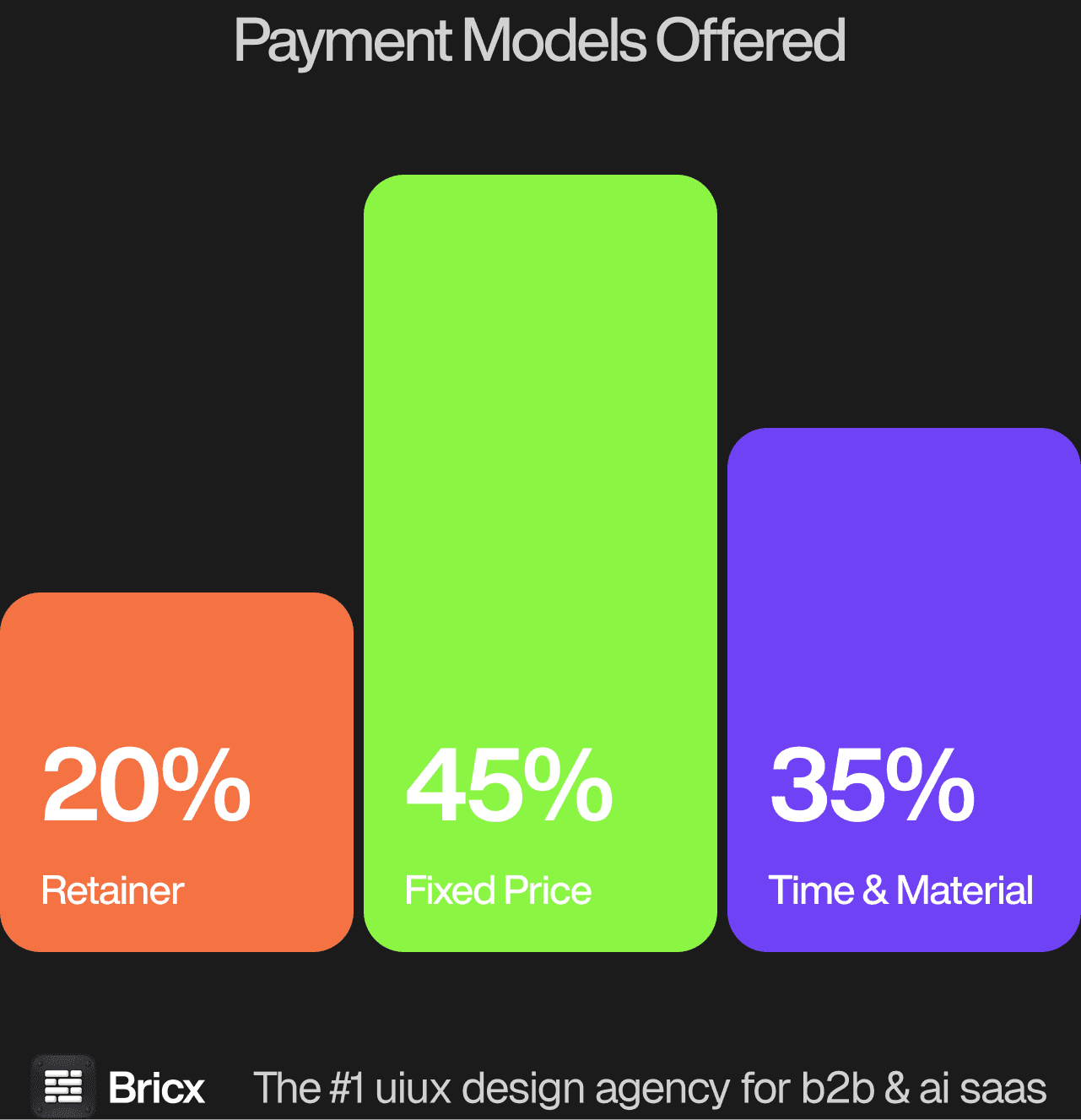
Pricing & Engagement Model
Payment Structure
Delivery Timeline & Stability
Team Structure & Size
Domain & Industry Expertise (governance, compliance, enterprise SaaS)
Depth of Service (UX, UI, design systems, accessibility, handoffs)
Product & Business Thinking (user onboarding, security, scalability, data flows)
Client & Stakeholder Collaboration (including multi-stakeholder feedback)
Dev Handoff Quality & Documentation
Work Setup (Remote / Hybrid / In-House Support)
This formed “The Ultimate UX Agency Benchmarking Report for 2025.” Based on that, we curated the 10 best SaaS design agencies for GovTech SaaS — those who stood out for handling complexity, governance-aware design, data-intense workflows, and user diversity.
By the end, you’ll know which agency is best positioned to support your GovTech SaaS’s next phase — whether building a citizen-facing portal, a compliance dashboard, or an internal government operations tool.
Introduction
Public-sector and GovTech SaaS products have a different kind of challenge. Unlike typical commercial SaaS, you might deal with regulatory compliance, multiple user roles (citizens, administrators, regulators), data privacy, entrenched legacy systems, and a need for accessibility, transparency, and usability across a broad audience.
Picking a design agency for GovTech requires more than just good UI: you need one that understands complexity, edge cases, governance, compliance, and stakeholder diversity. That’s why you want a design partner who can act like an extension of your internal product & policy teams, while still delivering world-class UX.
Over recent months, we evaluated 57+ design agencies worldwide using a standardized brief to simulate a realistic GovTech SaaS project — one that involves modular dashboards, role-based access, data-heavy flows, public-facing portals + admin interfaces + mobile access. We benchmarked across:
Pricing & Engagement Model
Payment Structure
Delivery Timeline & Stability
Team Structure & Size
Domain & Industry Expertise (governance, compliance, enterprise SaaS)
Depth of Service (UX, UI, design systems, accessibility, handoffs)
Product & Business Thinking (user onboarding, security, scalability, data flows)
Client & Stakeholder Collaboration (including multi-stakeholder feedback)
Dev Handoff Quality & Documentation
Work Setup (Remote / Hybrid / In-House Support)
This formed “The Ultimate UX Agency Benchmarking Report for 2025.” Based on that, we curated the 10 best SaaS design agencies for GovTech SaaS — those who stood out for handling complexity, governance-aware design, data-intense workflows, and user diversity.
By the end, you’ll know which agency is best positioned to support your GovTech SaaS’s next phase — whether building a citizen-facing portal, a compliance dashboard, or an internal government operations tool.
Introduction
Public-sector and GovTech SaaS products have a different kind of challenge. Unlike typical commercial SaaS, you might deal with regulatory compliance, multiple user roles (citizens, administrators, regulators), data privacy, entrenched legacy systems, and a need for accessibility, transparency, and usability across a broad audience.
Picking a design agency for GovTech requires more than just good UI: you need one that understands complexity, edge cases, governance, compliance, and stakeholder diversity. That’s why you want a design partner who can act like an extension of your internal product & policy teams, while still delivering world-class UX.
Over recent months, we evaluated 57+ design agencies worldwide using a standardized brief to simulate a realistic GovTech SaaS project — one that involves modular dashboards, role-based access, data-heavy flows, public-facing portals + admin interfaces + mobile access. We benchmarked across:
Pricing & Engagement Model
Payment Structure
Delivery Timeline & Stability
Team Structure & Size
Domain & Industry Expertise (governance, compliance, enterprise SaaS)
Depth of Service (UX, UI, design systems, accessibility, handoffs)
Product & Business Thinking (user onboarding, security, scalability, data flows)
Client & Stakeholder Collaboration (including multi-stakeholder feedback)
Dev Handoff Quality & Documentation
Work Setup (Remote / Hybrid / In-House Support)
This formed “The Ultimate UX Agency Benchmarking Report for 2025.” Based on that, we curated the 10 best SaaS design agencies for GovTech SaaS — those who stood out for handling complexity, governance-aware design, data-intense workflows, and user diversity.
By the end, you’ll know which agency is best positioned to support your GovTech SaaS’s next phase — whether building a citizen-facing portal, a compliance dashboard, or an internal government operations tool.
How To Evaluate Your Agency?
GovTech SaaS demands special care. When you choose a design agency, make sure they meet these criteria:
1. Regulatory & Compliance Awareness
Public systems often involve data privacy, audit trails, role-based permissions, accessibility compliance (like WCAG), and regulatory constraints. Your agency must design with security, auditability, and compliance in mind — not just aesthetics.
2. Multi-Role & Stakeholder UX Experience
Users aren’t just “customers.” They could be citizens, admins, compliance officers, managers, auditors. The agency should know how to design democracy-of-access, role-based flows, permissions UI, dashboards for oversight, and public-facing interfaces with clarity.
3. Data-heavy Interfaces & Usability at Scale
Expect dashboards, reports, logs, approval workflows, document management, notifications, and large datasets. The agency should be comfortable designing complex data views, filtering, CSV/JSON export flows, mobile vs desktop adaptation, and performance-friendly UI.
4. Accessibility, Usability & Long-term Maintainability
Public users vary widely in tech savviness, device quality, bandwidth. The UX must be intuitive, accessible, performant, and maintainable. Your design system needs to support modular growth and future changes.
5. Collaboration & Governance-Ready Handoff Process
With multiple stakeholders (policy, compliance, dev, ops), design changes go through many reviews. The agency must support structured reviews, detailed documentation, versioning, and reliable developer handoffs.
Top 10 SaaS Design Agencies for GovTech SaaS: [Comparison]
Here’s a list of the top 10 SaaS design agencies for GovTech SaaS.
How To Evaluate Your Agency?
GovTech SaaS demands special care. When you choose a design agency, make sure they meet these criteria:
1. Regulatory & Compliance Awareness
Public systems often involve data privacy, audit trails, role-based permissions, accessibility compliance (like WCAG), and regulatory constraints. Your agency must design with security, auditability, and compliance in mind — not just aesthetics.
2. Multi-Role & Stakeholder UX Experience
Users aren’t just “customers.” They could be citizens, admins, compliance officers, managers, auditors. The agency should know how to design democracy-of-access, role-based flows, permissions UI, dashboards for oversight, and public-facing interfaces with clarity.
3. Data-heavy Interfaces & Usability at Scale
Expect dashboards, reports, logs, approval workflows, document management, notifications, and large datasets. The agency should be comfortable designing complex data views, filtering, CSV/JSON export flows, mobile vs desktop adaptation, and performance-friendly UI.
4. Accessibility, Usability & Long-term Maintainability
Public users vary widely in tech savviness, device quality, bandwidth. The UX must be intuitive, accessible, performant, and maintainable. Your design system needs to support modular growth and future changes.
5. Collaboration & Governance-Ready Handoff Process
With multiple stakeholders (policy, compliance, dev, ops), design changes go through many reviews. The agency must support structured reviews, detailed documentation, versioning, and reliable developer handoffs.
Top 10 SaaS Design Agencies for GovTech SaaS: [Comparison]
Here’s a list of the top 10 SaaS design agencies for GovTech SaaS.
How To Evaluate Your Agency?
GovTech SaaS demands special care. When you choose a design agency, make sure they meet these criteria:
1. Regulatory & Compliance Awareness
Public systems often involve data privacy, audit trails, role-based permissions, accessibility compliance (like WCAG), and regulatory constraints. Your agency must design with security, auditability, and compliance in mind — not just aesthetics.
2. Multi-Role & Stakeholder UX Experience
Users aren’t just “customers.” They could be citizens, admins, compliance officers, managers, auditors. The agency should know how to design democracy-of-access, role-based flows, permissions UI, dashboards for oversight, and public-facing interfaces with clarity.
3. Data-heavy Interfaces & Usability at Scale
Expect dashboards, reports, logs, approval workflows, document management, notifications, and large datasets. The agency should be comfortable designing complex data views, filtering, CSV/JSON export flows, mobile vs desktop adaptation, and performance-friendly UI.
4. Accessibility, Usability & Long-term Maintainability
Public users vary widely in tech savviness, device quality, bandwidth. The UX must be intuitive, accessible, performant, and maintainable. Your design system needs to support modular growth and future changes.
5. Collaboration & Governance-Ready Handoff Process
With multiple stakeholders (policy, compliance, dev, ops), design changes go through many reviews. The agency must support structured reviews, detailed documentation, versioning, and reliable developer handoffs.
Top 10 SaaS Design Agencies for GovTech SaaS: [Comparison]
Here’s a list of the top 10 SaaS design agencies for GovTech SaaS.
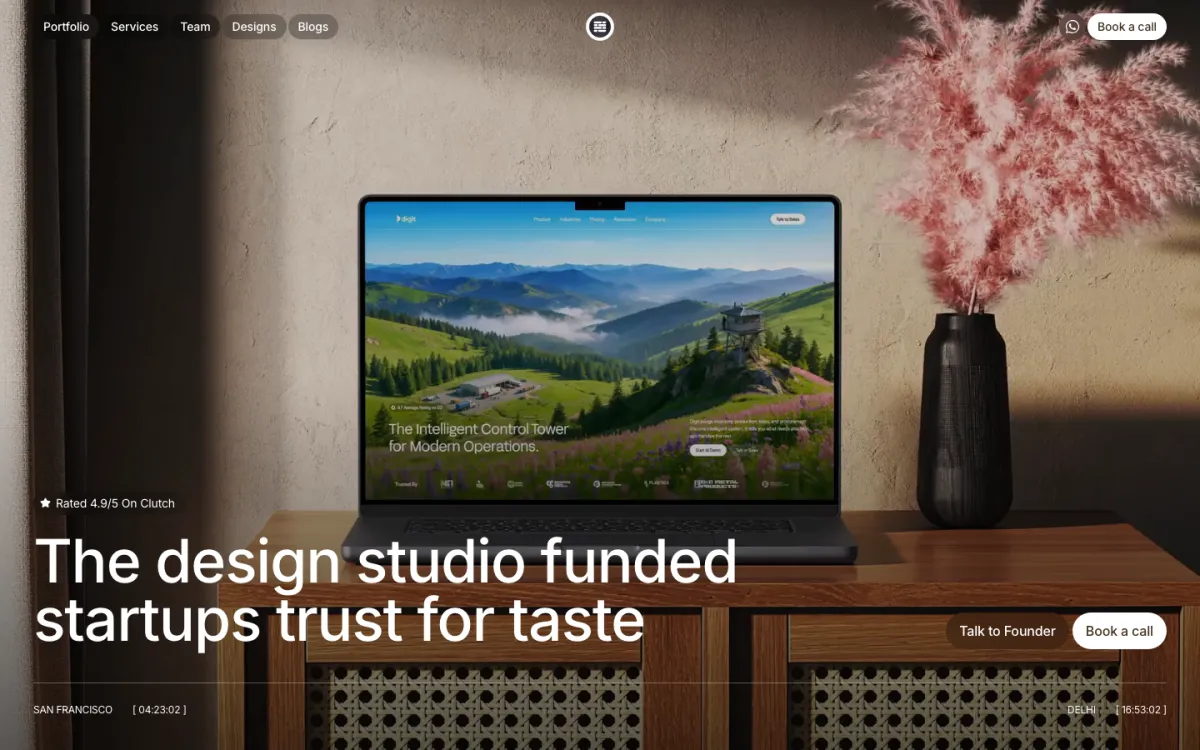
Bricx - Premium UI/UX Partners For SaaS

We at Bricx exclusively work with B2B & AI SaaS to create unforgettable user experiences. Our team of UX experts design high-converting websites and products, using our deep understanding of SaaS & design.
We have a running list of 25+ UX case studies where we have successfully completed website & product design projects for our clients.
Our clients include B2B SaaS & AI companies like Writesonic, Sybill, Manyreach, and other reputed names.
Schedule a call with us to discuss your goals & we’ll let you know how we can help.
Bricx - Premium UI/UX Partners For SaaS

We at Bricx exclusively work with B2B & AI SaaS to create unforgettable user experiences. Our team of UX experts design high-converting websites and products, using our deep understanding of SaaS & design.
We have a running list of 25+ UX case studies where we have successfully completed website & product design projects for our clients.
Our clients include B2B SaaS & AI companies like Writesonic, Sybill, Manyreach, and other reputed names.
Schedule a call with us to discuss your goals & we’ll let you know how we can help.
Bricx - Premium UI/UX Partners For SaaS

We at Bricx exclusively work with B2B & AI SaaS to create unforgettable user experiences. Our team of UX experts design high-converting websites and products, using our deep understanding of SaaS & design.
We have a running list of 25+ UX case studies where we have successfully completed website & product design projects for our clients.
Our clients include B2B SaaS & AI companies like Writesonic, Sybill, Manyreach, and other reputed names.
Schedule a call with us to discuss your goals & we’ll let you know how we can help.
Clay
Clay is an excellent match for GovTech SaaS products that target enterprise-scale infrastructure, heavy data usage, or large governmental clients. Their strength lies in building scalable design systems, handling complex multi-module platforms, and delivering enterprise-grade UX with attention to compliance, data integrity, and long-term maintainability.
Employees-to-Client Ratio (Bandwidth): High — multiple designers and pods available for large, complex projects.
Process Maturity: Extremely mature; includes versioning, component libraries, design tokens, QA-aligned documentation.
Compliance & Security Awareness: Strong; design workflows considerate of data privacy, permissions, and audit-ready UI.
Client Communication: PM-led, structured, supports multi-stakeholder collaboration (policy, dev, ops).
App/Web Dev Support: Robust handoff docs, modular UI libraries — ideal for large government or enterprise deployments.
Office Culture: Process-driven, disciplined, enterprise-scaled — excellent for long-lifecycle GovTech projects.
Momentum Design Lab
Momentum is well-suited for GovTech SaaS companies that have multiple user types, complex workflows, role-based access, and large-scale data operations. They bring a strong foundation in UX research, system design, and modular architecture — enabling public-facing portals and internal admin tools to coexist seamlessly, while remaining scalable and maintainable.
Employees-to-Client Ratio (Bandwidth): Large, cross-disciplinary teams capable of supporting numerous modules simultaneously.
Process Maturity: High — research, audits, design system creation, modular UI, and structured handoff workflows.
Compliance & Security Awareness: Considered; design flows accommodate permissions, approvals, and audit trails.
Client Communication: PM-driven, structured stakeholder collaboration, good for governance-heavy orgs.
App/Web Dev Support: Comprehensive component mapping, style guides, modular UI for complex SaaS builds.
Office Culture: Systematic, enterprise-ready, ideal for regulated software spaces like GovTech.
Ramotion
Ramotion offers a balance of polish and structure — useful for GovTech SaaS products aiming for public-facing portals, citizen dashboards, or regulatory compliance interfaces. Their design-system discipline and consistent UI/UX standards help ensure that multiple modules remain cohesive, accessible, and maintainable, which is critical when scaling across regions or jurisdictions.
Employees-to-Client Ratio (Bandwidth): Balanced pods, scalable enough to handle multi-feature GovTech platforms.
Process Maturity: Solid documentation, design system governance, and versioned UI libraries.
Compliance & Security Awareness: Moderate-to-strong; capable of supporting role-based UI and modular access control flows.
Client Communication: Regular design reviews and structured feedback cycles suitable for government or compliance stakeholders.
App/Web Dev Support: Clean handoffs, asset organization, and UI kits ready for complex builds.
Office Culture: Detail-oriented, process-driven — reliable for mission-critical SaaS environments.
Eleken
Eleken is a great partner if you want to build intuitive, clean, user-friendly GovTech tools that are accessible even to less tech-savvy users — like citizens, small businesses, or administrative staff. Their focus on usability, clarity, and straightforward flows helps reduce friction in complex bureaucratic processes. For projects such as permit applications, citizen portals, or public dashboards, Eleken offers simplicity-first design without sacrificing functionality.
Employees-to-Client Ratio (Bandwidth): Dedicated teams per project — ensures steady progress and attention to usability.
Process Maturity: Lightweight but structured; good for building MVPs or incremental modules in GovTech products.
Compliance & Security Awareness: Basic but mindful — UI built with clarity and transparency for public-facing modules.
Client Communication: Transparent, easy to coordinate — helpful when internal or public stakeholders are involved.
App/Web Dev Support: Clean specs, reusable UI components, accessible module structure.
Office Culture: Pragmatic, usability-first, supportive — ideal for citizen-focused SaaS tools.
Arounda
Arounda excels when a GovTech SaaS requires both strong UI/UX and flexible delivery — for example, public dashboards, reporting tools, admin consoles, or citizen request portals. Their flexibility and visual clarity are ideal for early-stage government projects, pilot programs, or phased rollouts where usability and speed matter.
Employees-to-Client Ratio (Bandwidth): Flexible allocation; can scale up depending on scope.
Process Maturity: Milestone-based and adaptive — useful for pilot phases or evolving requirements.
Compliance & Security Awareness: Moderate; willing to accommodate role-based access flows.
Client Communication: Async-friendly, adaptable — works well for government teams with fixed schedules.
App/Web Dev Support: Clean UI assets + basic documentation suitable for smaller development teams.
Office Culture: Modern, collaborative, and efficient — good fit for evolving SaaS products in the public sector.
Zajno
Zajno brings strong visual and interaction design — helpful for GovTech SaaS products that require polished, user-friendly interfaces for public adoption or stakeholder buy-in. For modules like public-facing dashboards, citizen engagement portals, or regulatory compliance tools, their expertise in motion design and polished UI can help make complex functionality feel intuitive and trustworthy.
Employees-to-Client Ratio (Bandwidth): Small, focused teams for high-impact UI/UX work.
Process Maturity: Creative-driven with iterative review cycles — well-suited for modules needing strong UX appeal.
Compliance & Security Awareness: Moderate; designs can be adapted to accessibility and data presentation needs.
Client Communication: Collaborative and design-focused — good for stakeholder-heavy feedback loops.
App/Web Dev Support: Detailed UI/UX specs, motion guidelines — useful for engaging, user-friendly interfaces.
Office Culture: Creative, expressive, user-centric — valuable when citizen/user adoption matters.
Clay
Clay is an excellent match for GovTech SaaS products that target enterprise-scale infrastructure, heavy data usage, or large governmental clients. Their strength lies in building scalable design systems, handling complex multi-module platforms, and delivering enterprise-grade UX with attention to compliance, data integrity, and long-term maintainability.
Employees-to-Client Ratio (Bandwidth): High — multiple designers and pods available for large, complex projects.
Process Maturity: Extremely mature; includes versioning, component libraries, design tokens, QA-aligned documentation.
Compliance & Security Awareness: Strong; design workflows considerate of data privacy, permissions, and audit-ready UI.
Client Communication: PM-led, structured, supports multi-stakeholder collaboration (policy, dev, ops).
App/Web Dev Support: Robust handoff docs, modular UI libraries — ideal for large government or enterprise deployments.
Office Culture: Process-driven, disciplined, enterprise-scaled — excellent for long-lifecycle GovTech projects.
Momentum Design Lab
Momentum is well-suited for GovTech SaaS companies that have multiple user types, complex workflows, role-based access, and large-scale data operations. They bring a strong foundation in UX research, system design, and modular architecture — enabling public-facing portals and internal admin tools to coexist seamlessly, while remaining scalable and maintainable.
Employees-to-Client Ratio (Bandwidth): Large, cross-disciplinary teams capable of supporting numerous modules simultaneously.
Process Maturity: High — research, audits, design system creation, modular UI, and structured handoff workflows.
Compliance & Security Awareness: Considered; design flows accommodate permissions, approvals, and audit trails.
Client Communication: PM-driven, structured stakeholder collaboration, good for governance-heavy orgs.
App/Web Dev Support: Comprehensive component mapping, style guides, modular UI for complex SaaS builds.
Office Culture: Systematic, enterprise-ready, ideal for regulated software spaces like GovTech.
Ramotion
Ramotion offers a balance of polish and structure — useful for GovTech SaaS products aiming for public-facing portals, citizen dashboards, or regulatory compliance interfaces. Their design-system discipline and consistent UI/UX standards help ensure that multiple modules remain cohesive, accessible, and maintainable, which is critical when scaling across regions or jurisdictions.
Employees-to-Client Ratio (Bandwidth): Balanced pods, scalable enough to handle multi-feature GovTech platforms.
Process Maturity: Solid documentation, design system governance, and versioned UI libraries.
Compliance & Security Awareness: Moderate-to-strong; capable of supporting role-based UI and modular access control flows.
Client Communication: Regular design reviews and structured feedback cycles suitable for government or compliance stakeholders.
App/Web Dev Support: Clean handoffs, asset organization, and UI kits ready for complex builds.
Office Culture: Detail-oriented, process-driven — reliable for mission-critical SaaS environments.
Eleken
Eleken is a great partner if you want to build intuitive, clean, user-friendly GovTech tools that are accessible even to less tech-savvy users — like citizens, small businesses, or administrative staff. Their focus on usability, clarity, and straightforward flows helps reduce friction in complex bureaucratic processes. For projects such as permit applications, citizen portals, or public dashboards, Eleken offers simplicity-first design without sacrificing functionality.
Employees-to-Client Ratio (Bandwidth): Dedicated teams per project — ensures steady progress and attention to usability.
Process Maturity: Lightweight but structured; good for building MVPs or incremental modules in GovTech products.
Compliance & Security Awareness: Basic but mindful — UI built with clarity and transparency for public-facing modules.
Client Communication: Transparent, easy to coordinate — helpful when internal or public stakeholders are involved.
App/Web Dev Support: Clean specs, reusable UI components, accessible module structure.
Office Culture: Pragmatic, usability-first, supportive — ideal for citizen-focused SaaS tools.
Arounda
Arounda excels when a GovTech SaaS requires both strong UI/UX and flexible delivery — for example, public dashboards, reporting tools, admin consoles, or citizen request portals. Their flexibility and visual clarity are ideal for early-stage government projects, pilot programs, or phased rollouts where usability and speed matter.
Employees-to-Client Ratio (Bandwidth): Flexible allocation; can scale up depending on scope.
Process Maturity: Milestone-based and adaptive — useful for pilot phases or evolving requirements.
Compliance & Security Awareness: Moderate; willing to accommodate role-based access flows.
Client Communication: Async-friendly, adaptable — works well for government teams with fixed schedules.
App/Web Dev Support: Clean UI assets + basic documentation suitable for smaller development teams.
Office Culture: Modern, collaborative, and efficient — good fit for evolving SaaS products in the public sector.
Zajno
Zajno brings strong visual and interaction design — helpful for GovTech SaaS products that require polished, user-friendly interfaces for public adoption or stakeholder buy-in. For modules like public-facing dashboards, citizen engagement portals, or regulatory compliance tools, their expertise in motion design and polished UI can help make complex functionality feel intuitive and trustworthy.
Employees-to-Client Ratio (Bandwidth): Small, focused teams for high-impact UI/UX work.
Process Maturity: Creative-driven with iterative review cycles — well-suited for modules needing strong UX appeal.
Compliance & Security Awareness: Moderate; designs can be adapted to accessibility and data presentation needs.
Client Communication: Collaborative and design-focused — good for stakeholder-heavy feedback loops.
App/Web Dev Support: Detailed UI/UX specs, motion guidelines — useful for engaging, user-friendly interfaces.
Office Culture: Creative, expressive, user-centric — valuable when citizen/user adoption matters.
Clay
Clay is an excellent match for GovTech SaaS products that target enterprise-scale infrastructure, heavy data usage, or large governmental clients. Their strength lies in building scalable design systems, handling complex multi-module platforms, and delivering enterprise-grade UX with attention to compliance, data integrity, and long-term maintainability.
Employees-to-Client Ratio (Bandwidth): High — multiple designers and pods available for large, complex projects.
Process Maturity: Extremely mature; includes versioning, component libraries, design tokens, QA-aligned documentation.
Compliance & Security Awareness: Strong; design workflows considerate of data privacy, permissions, and audit-ready UI.
Client Communication: PM-led, structured, supports multi-stakeholder collaboration (policy, dev, ops).
App/Web Dev Support: Robust handoff docs, modular UI libraries — ideal for large government or enterprise deployments.
Office Culture: Process-driven, disciplined, enterprise-scaled — excellent for long-lifecycle GovTech projects.
Momentum Design Lab
Momentum is well-suited for GovTech SaaS companies that have multiple user types, complex workflows, role-based access, and large-scale data operations. They bring a strong foundation in UX research, system design, and modular architecture — enabling public-facing portals and internal admin tools to coexist seamlessly, while remaining scalable and maintainable.
Employees-to-Client Ratio (Bandwidth): Large, cross-disciplinary teams capable of supporting numerous modules simultaneously.
Process Maturity: High — research, audits, design system creation, modular UI, and structured handoff workflows.
Compliance & Security Awareness: Considered; design flows accommodate permissions, approvals, and audit trails.
Client Communication: PM-driven, structured stakeholder collaboration, good for governance-heavy orgs.
App/Web Dev Support: Comprehensive component mapping, style guides, modular UI for complex SaaS builds.
Office Culture: Systematic, enterprise-ready, ideal for regulated software spaces like GovTech.
Ramotion
Ramotion offers a balance of polish and structure — useful for GovTech SaaS products aiming for public-facing portals, citizen dashboards, or regulatory compliance interfaces. Their design-system discipline and consistent UI/UX standards help ensure that multiple modules remain cohesive, accessible, and maintainable, which is critical when scaling across regions or jurisdictions.
Employees-to-Client Ratio (Bandwidth): Balanced pods, scalable enough to handle multi-feature GovTech platforms.
Process Maturity: Solid documentation, design system governance, and versioned UI libraries.
Compliance & Security Awareness: Moderate-to-strong; capable of supporting role-based UI and modular access control flows.
Client Communication: Regular design reviews and structured feedback cycles suitable for government or compliance stakeholders.
App/Web Dev Support: Clean handoffs, asset organization, and UI kits ready for complex builds.
Office Culture: Detail-oriented, process-driven — reliable for mission-critical SaaS environments.
Eleken
Eleken is a great partner if you want to build intuitive, clean, user-friendly GovTech tools that are accessible even to less tech-savvy users — like citizens, small businesses, or administrative staff. Their focus on usability, clarity, and straightforward flows helps reduce friction in complex bureaucratic processes. For projects such as permit applications, citizen portals, or public dashboards, Eleken offers simplicity-first design without sacrificing functionality.
Employees-to-Client Ratio (Bandwidth): Dedicated teams per project — ensures steady progress and attention to usability.
Process Maturity: Lightweight but structured; good for building MVPs or incremental modules in GovTech products.
Compliance & Security Awareness: Basic but mindful — UI built with clarity and transparency for public-facing modules.
Client Communication: Transparent, easy to coordinate — helpful when internal or public stakeholders are involved.
App/Web Dev Support: Clean specs, reusable UI components, accessible module structure.
Office Culture: Pragmatic, usability-first, supportive — ideal for citizen-focused SaaS tools.
Arounda
Arounda excels when a GovTech SaaS requires both strong UI/UX and flexible delivery — for example, public dashboards, reporting tools, admin consoles, or citizen request portals. Their flexibility and visual clarity are ideal for early-stage government projects, pilot programs, or phased rollouts where usability and speed matter.
Employees-to-Client Ratio (Bandwidth): Flexible allocation; can scale up depending on scope.
Process Maturity: Milestone-based and adaptive — useful for pilot phases or evolving requirements.
Compliance & Security Awareness: Moderate; willing to accommodate role-based access flows.
Client Communication: Async-friendly, adaptable — works well for government teams with fixed schedules.
App/Web Dev Support: Clean UI assets + basic documentation suitable for smaller development teams.
Office Culture: Modern, collaborative, and efficient — good fit for evolving SaaS products in the public sector.
Zajno
Zajno brings strong visual and interaction design — helpful for GovTech SaaS products that require polished, user-friendly interfaces for public adoption or stakeholder buy-in. For modules like public-facing dashboards, citizen engagement portals, or regulatory compliance tools, their expertise in motion design and polished UI can help make complex functionality feel intuitive and trustworthy.
Employees-to-Client Ratio (Bandwidth): Small, focused teams for high-impact UI/UX work.
Process Maturity: Creative-driven with iterative review cycles — well-suited for modules needing strong UX appeal.
Compliance & Security Awareness: Moderate; designs can be adapted to accessibility and data presentation needs.
Client Communication: Collaborative and design-focused — good for stakeholder-heavy feedback loops.
App/Web Dev Support: Detailed UI/UX specs, motion guidelines — useful for engaging, user-friendly interfaces.
Office Culture: Creative, expressive, user-centric — valuable when citizen/user adoption matters.
Cuberto
Cuberto is a fit when your GovTech SaaS needs a modern, clean, and professional-looking UI — perhaps for dashboards, public portals, or client-facing modules — especially when user trust and ease-of-use are critical. Their designs tend to be polished, accessible, and visually coherent — which helps when dealing with broad user bases.
Employees-to-Client Ratio (Bandwidth): Small team per client — manageable for modular UI work.
Process Maturity: Creative-led with structured delivery phases — reasonable for incremental implementation.
Compliance & Security Awareness: Light-to-moderate; needs collaboration to meet strict compliance needs.
Client Communication: Flexible and founder-/stakeholder-friendly.
App/Web Dev Support: Clean UI/UX specs, interaction guidelines, and reusable component structure.
Office Culture: Bold, modern, design-minded — useful when first impressions and accessibility matter.
Adam Fard Studio
Adam Fard Studio stands out when a GovTech SaaS product demands structured UX thinking, workflow clarity, accessibility, and scalable architecture — especially important in public-sector tools like permit systems, regulation dashboards, or compliance tools. Their research-first approach helps map out complex user journeys, permission levels, data flows, and accessibility requirements.
Employees-to-Client Ratio (Bandwidth): Senior-led UX pods — good for strategic design and long-term usability focus.
Process Maturity: Highly structured — research → UX → UI → dev-ready documentation and governance-aware design.
Compliance & Security Awareness: Strong; attentive to accessibility, permissions, auditability.
Client Communication: Clear, strategic, stakeholder-ready — ideal for government compliance contexts.
App/Web Dev Support: Detailed flow maps, annotated user journeys, accessible UI guidelines, dev deliverables.
Office Culture: Analytical, methodical, user & policy-conscious — great for regulated SaaS products.
Momentum Design Lab + Hybrid Collaboration
For GovTech SaaS products scaling quickly — especially those involving multi-region compliance, enterprise integrations, or public-private partnerships — combining a structured agency like Momentum with selective creative/design support (e.g., from Zajno or Cuberto) can be effective. This hybrid approach ensures both governance, scalability, documentation and user-friendly, engaging UI.
You get:
Large-scale design ops via Momentum (modular systems, strict version control, component libraries).
Creative polish and UI/UX finesse via a smaller creative team (for public-facing modules, dashboards, portals).
This hybrid model balances enterprise-grade compliance with user-centric design — often ideal in GovTech contexts where both matter heavily.
Conclusion
GovTech SaaS products sit at a unique intersection: high complexity, sensitive data, regulatory constraints, diverse user roles, and a real need for accessibility — all while requiring scalability, reliability, and long-term maintenance.
The right design agency becomes your governance & UX co-pilot — helping you build secure, compliant, usable, and beautiful systems. To succeed, you need a partner that:
Understands compliance, permissions, audit flows
Can design for multiple user roles (public, admin, operators)
Manages data-heavy interfaces with clarity and performance
Builds scalable design systems and documentation
Supports stakeholder alignment, governance-readiness, and dev handoff quality
Among our top picks, Bricx, Clay, Momentum, and Adam Fard Studio emerge as particularly strong options depending on your needs — whether you require enterprise-grade architecture, large-scale delivery, or compliance-first UX.
If you want a design partner who balances governance, scalability, clarity, and user experience, Bricx stands out as the most versatile and reliable choice for SaaS design agencies for GovTech SaaS.
FAQs
What makes a good SaaS design agency for GovTech products?
A good design agency for GovTech SaaS understands that public-sector software must be inclusive, accessible, and reliable. These agencies focus on usability across diverse audiences — citizens, administrators, and government officials — ensuring every workflow is clear, compliant, and easy to use.
Agencies like Bricx specialize in transforming complex, data-heavy systems into simple, intuitive experiences that work seamlessly across all devices and accessibility levels.
Why is UX design especially critical for GovTech SaaS?
Government-facing platforms serve a wide range of users, many of whom may not be tech-savvy. Poor UX can lead to confusion, inefficiency, and low adoption rates. Strong UX ensures accessibility, clarity, and trust — helping citizens and agencies interact more effectively.
An experienced SaaS design agency brings a user-first approach that simplifies public workflows while ensuring compliance and long-term usability.
What services should a top SaaS design agency offer for GovTech solutions?
A GovTech-focused agency should provide user research, accessibility audits, information architecture design, scalable design systems, and usability testing with real users. They should also prioritize mobile-friendly layouts, plain-language UX, and compliance with accessibility standards like WCAG.
Agencies like Bricx build systems that not only meet government regulations but also improve user adoption and efficiency across departments.
What challenges are unique to designing SaaS for the government sector?
GovTech SaaS design requires balancing simplicity with complexity. The product must serve multiple user groups — citizens, internal staff, and administrators — each with different permissions and goals. Accessibility, data privacy, and multi-language support are non-negotiable.
The challenge lies in maintaining clarity while managing large-scale systems that handle sensitive data and critical workflows.
When should a government organization or GovTech startup hire a specialized SaaS design agency?
When your product serves multiple stakeholders or must meet strict compliance standards, hiring a specialized SaaS design agency ensures design quality and scalability.
Agencies like Bricx bring proven expertise in designing complex systems with strong user experience foundations, making them ideal for long-term government and enterprise partnerships.
What ROI can governments and GovTech startups expect from good UX design?
Effective UX design increases citizen adoption, reduces support costs, and builds trust in public platforms. It also simplifies backend workflows, improving efficiency for government teams.
Agencies like Bricx focus on measurable outcomes — creating designs that make public services faster, more reliable, and more accessible for everyone.
Cuberto
Cuberto is a fit when your GovTech SaaS needs a modern, clean, and professional-looking UI — perhaps for dashboards, public portals, or client-facing modules — especially when user trust and ease-of-use are critical. Their designs tend to be polished, accessible, and visually coherent — which helps when dealing with broad user bases.
Employees-to-Client Ratio (Bandwidth): Small team per client — manageable for modular UI work.
Process Maturity: Creative-led with structured delivery phases — reasonable for incremental implementation.
Compliance & Security Awareness: Light-to-moderate; needs collaboration to meet strict compliance needs.
Client Communication: Flexible and founder-/stakeholder-friendly.
App/Web Dev Support: Clean UI/UX specs, interaction guidelines, and reusable component structure.
Office Culture: Bold, modern, design-minded — useful when first impressions and accessibility matter.
Adam Fard Studio
Adam Fard Studio stands out when a GovTech SaaS product demands structured UX thinking, workflow clarity, accessibility, and scalable architecture — especially important in public-sector tools like permit systems, regulation dashboards, or compliance tools. Their research-first approach helps map out complex user journeys, permission levels, data flows, and accessibility requirements.
Employees-to-Client Ratio (Bandwidth): Senior-led UX pods — good for strategic design and long-term usability focus.
Process Maturity: Highly structured — research → UX → UI → dev-ready documentation and governance-aware design.
Compliance & Security Awareness: Strong; attentive to accessibility, permissions, auditability.
Client Communication: Clear, strategic, stakeholder-ready — ideal for government compliance contexts.
App/Web Dev Support: Detailed flow maps, annotated user journeys, accessible UI guidelines, dev deliverables.
Office Culture: Analytical, methodical, user & policy-conscious — great for regulated SaaS products.
Momentum Design Lab + Hybrid Collaboration
For GovTech SaaS products scaling quickly — especially those involving multi-region compliance, enterprise integrations, or public-private partnerships — combining a structured agency like Momentum with selective creative/design support (e.g., from Zajno or Cuberto) can be effective. This hybrid approach ensures both governance, scalability, documentation and user-friendly, engaging UI.
You get:
Large-scale design ops via Momentum (modular systems, strict version control, component libraries).
Creative polish and UI/UX finesse via a smaller creative team (for public-facing modules, dashboards, portals).
This hybrid model balances enterprise-grade compliance with user-centric design — often ideal in GovTech contexts where both matter heavily.
Conclusion
GovTech SaaS products sit at a unique intersection: high complexity, sensitive data, regulatory constraints, diverse user roles, and a real need for accessibility — all while requiring scalability, reliability, and long-term maintenance.
The right design agency becomes your governance & UX co-pilot — helping you build secure, compliant, usable, and beautiful systems. To succeed, you need a partner that:
Understands compliance, permissions, audit flows
Can design for multiple user roles (public, admin, operators)
Manages data-heavy interfaces with clarity and performance
Builds scalable design systems and documentation
Supports stakeholder alignment, governance-readiness, and dev handoff quality
Among our top picks, Bricx, Clay, Momentum, and Adam Fard Studio emerge as particularly strong options depending on your needs — whether you require enterprise-grade architecture, large-scale delivery, or compliance-first UX.
If you want a design partner who balances governance, scalability, clarity, and user experience, Bricx stands out as the most versatile and reliable choice for SaaS design agencies for GovTech SaaS.
FAQs
What makes a good SaaS design agency for GovTech products?
A good design agency for GovTech SaaS understands that public-sector software must be inclusive, accessible, and reliable. These agencies focus on usability across diverse audiences — citizens, administrators, and government officials — ensuring every workflow is clear, compliant, and easy to use.
Agencies like Bricx specialize in transforming complex, data-heavy systems into simple, intuitive experiences that work seamlessly across all devices and accessibility levels.
Why is UX design especially critical for GovTech SaaS?
Government-facing platforms serve a wide range of users, many of whom may not be tech-savvy. Poor UX can lead to confusion, inefficiency, and low adoption rates. Strong UX ensures accessibility, clarity, and trust — helping citizens and agencies interact more effectively.
An experienced SaaS design agency brings a user-first approach that simplifies public workflows while ensuring compliance and long-term usability.
What services should a top SaaS design agency offer for GovTech solutions?
A GovTech-focused agency should provide user research, accessibility audits, information architecture design, scalable design systems, and usability testing with real users. They should also prioritize mobile-friendly layouts, plain-language UX, and compliance with accessibility standards like WCAG.
Agencies like Bricx build systems that not only meet government regulations but also improve user adoption and efficiency across departments.
What challenges are unique to designing SaaS for the government sector?
GovTech SaaS design requires balancing simplicity with complexity. The product must serve multiple user groups — citizens, internal staff, and administrators — each with different permissions and goals. Accessibility, data privacy, and multi-language support are non-negotiable.
The challenge lies in maintaining clarity while managing large-scale systems that handle sensitive data and critical workflows.
When should a government organization or GovTech startup hire a specialized SaaS design agency?
When your product serves multiple stakeholders or must meet strict compliance standards, hiring a specialized SaaS design agency ensures design quality and scalability.
Agencies like Bricx bring proven expertise in designing complex systems with strong user experience foundations, making them ideal for long-term government and enterprise partnerships.
What ROI can governments and GovTech startups expect from good UX design?
Effective UX design increases citizen adoption, reduces support costs, and builds trust in public platforms. It also simplifies backend workflows, improving efficiency for government teams.
Agencies like Bricx focus on measurable outcomes — creating designs that make public services faster, more reliable, and more accessible for everyone.
Cuberto
Cuberto is a fit when your GovTech SaaS needs a modern, clean, and professional-looking UI — perhaps for dashboards, public portals, or client-facing modules — especially when user trust and ease-of-use are critical. Their designs tend to be polished, accessible, and visually coherent — which helps when dealing with broad user bases.
Employees-to-Client Ratio (Bandwidth): Small team per client — manageable for modular UI work.
Process Maturity: Creative-led with structured delivery phases — reasonable for incremental implementation.
Compliance & Security Awareness: Light-to-moderate; needs collaboration to meet strict compliance needs.
Client Communication: Flexible and founder-/stakeholder-friendly.
App/Web Dev Support: Clean UI/UX specs, interaction guidelines, and reusable component structure.
Office Culture: Bold, modern, design-minded — useful when first impressions and accessibility matter.
Adam Fard Studio
Adam Fard Studio stands out when a GovTech SaaS product demands structured UX thinking, workflow clarity, accessibility, and scalable architecture — especially important in public-sector tools like permit systems, regulation dashboards, or compliance tools. Their research-first approach helps map out complex user journeys, permission levels, data flows, and accessibility requirements.
Employees-to-Client Ratio (Bandwidth): Senior-led UX pods — good for strategic design and long-term usability focus.
Process Maturity: Highly structured — research → UX → UI → dev-ready documentation and governance-aware design.
Compliance & Security Awareness: Strong; attentive to accessibility, permissions, auditability.
Client Communication: Clear, strategic, stakeholder-ready — ideal for government compliance contexts.
App/Web Dev Support: Detailed flow maps, annotated user journeys, accessible UI guidelines, dev deliverables.
Office Culture: Analytical, methodical, user & policy-conscious — great for regulated SaaS products.
Momentum Design Lab + Hybrid Collaboration
For GovTech SaaS products scaling quickly — especially those involving multi-region compliance, enterprise integrations, or public-private partnerships — combining a structured agency like Momentum with selective creative/design support (e.g., from Zajno or Cuberto) can be effective. This hybrid approach ensures both governance, scalability, documentation and user-friendly, engaging UI.
You get:
Large-scale design ops via Momentum (modular systems, strict version control, component libraries).
Creative polish and UI/UX finesse via a smaller creative team (for public-facing modules, dashboards, portals).
This hybrid model balances enterprise-grade compliance with user-centric design — often ideal in GovTech contexts where both matter heavily.
Conclusion
GovTech SaaS products sit at a unique intersection: high complexity, sensitive data, regulatory constraints, diverse user roles, and a real need for accessibility — all while requiring scalability, reliability, and long-term maintenance.
The right design agency becomes your governance & UX co-pilot — helping you build secure, compliant, usable, and beautiful systems. To succeed, you need a partner that:
Understands compliance, permissions, audit flows
Can design for multiple user roles (public, admin, operators)
Manages data-heavy interfaces with clarity and performance
Builds scalable design systems and documentation
Supports stakeholder alignment, governance-readiness, and dev handoff quality
Among our top picks, Bricx, Clay, Momentum, and Adam Fard Studio emerge as particularly strong options depending on your needs — whether you require enterprise-grade architecture, large-scale delivery, or compliance-first UX.
If you want a design partner who balances governance, scalability, clarity, and user experience, Bricx stands out as the most versatile and reliable choice for SaaS design agencies for GovTech SaaS.
FAQs
What makes a good SaaS design agency for GovTech products?
A good design agency for GovTech SaaS understands that public-sector software must be inclusive, accessible, and reliable. These agencies focus on usability across diverse audiences — citizens, administrators, and government officials — ensuring every workflow is clear, compliant, and easy to use.
Agencies like Bricx specialize in transforming complex, data-heavy systems into simple, intuitive experiences that work seamlessly across all devices and accessibility levels.
Why is UX design especially critical for GovTech SaaS?
Government-facing platforms serve a wide range of users, many of whom may not be tech-savvy. Poor UX can lead to confusion, inefficiency, and low adoption rates. Strong UX ensures accessibility, clarity, and trust — helping citizens and agencies interact more effectively.
An experienced SaaS design agency brings a user-first approach that simplifies public workflows while ensuring compliance and long-term usability.
What services should a top SaaS design agency offer for GovTech solutions?
A GovTech-focused agency should provide user research, accessibility audits, information architecture design, scalable design systems, and usability testing with real users. They should also prioritize mobile-friendly layouts, plain-language UX, and compliance with accessibility standards like WCAG.
Agencies like Bricx build systems that not only meet government regulations but also improve user adoption and efficiency across departments.
What challenges are unique to designing SaaS for the government sector?
GovTech SaaS design requires balancing simplicity with complexity. The product must serve multiple user groups — citizens, internal staff, and administrators — each with different permissions and goals. Accessibility, data privacy, and multi-language support are non-negotiable.
The challenge lies in maintaining clarity while managing large-scale systems that handle sensitive data and critical workflows.
When should a government organization or GovTech startup hire a specialized SaaS design agency?
When your product serves multiple stakeholders or must meet strict compliance standards, hiring a specialized SaaS design agency ensures design quality and scalability.
Agencies like Bricx bring proven expertise in designing complex systems with strong user experience foundations, making them ideal for long-term government and enterprise partnerships.
What ROI can governments and GovTech startups expect from good UX design?
Effective UX design increases citizen adoption, reduces support costs, and builds trust in public platforms. It also simplifies backend workflows, improving efficiency for government teams.
Agencies like Bricx focus on measurable outcomes — creating designs that make public services faster, more reliable, and more accessible for everyone.
As a remote-first team of UX specialists, we work exclusively with B2B & AI SaaS companies to design unforgettable user experiences at Bricx.
If you’re a B2B or AI SaaS looking to give your users an unforgettable experience, book a call with us now!
As a remote-first team of UX specialists, we work exclusively with B2B & AI SaaS companies to design unforgettable user experiences at Bricx.
If you’re a B2B or AI SaaS looking to give your users an unforgettable experience, book a call with us now!
As a remote-first team of UX specialists, we work exclusively with B2B & AI SaaS companies to design unforgettable user experiences at Bricx.
If you’re a B2B or AI SaaS looking to give your users an unforgettable experience, book a call with us now!
Author:


Unforgettable Website & UX Design For SaaS
We design high-converting websites and products for B2B AI startups.


Similar Design Agencies
Available for Work
Bricx
© Bricx, 2025. All rights reserved.


Available for Work
Bricx
© Bricx, 2025. All rights reserved.


Available for Work
Bricx
© Bricx, 2025. All rights reserved.


Available for Work
Bricx
© Bricx, 2025. All rights reserved.