Top 10 SaaS Design Agencies for Medtech - December 2025

Top 10 SaaS Design Agencies for Medtech - December 2025

Top 10 SaaS Design Agencies for Medtech - December 2025

Top 10 SaaS design agencies specializing in medtech startup design. Expert agencies combining regulatory compliance with intuitive UX for healthcare startups.

Top 10 SaaS design agencies specializing in medtech startup design. Expert agencies combining regulatory compliance with intuitive UX for healthcare startups.

Top 10 SaaS design agencies specializing in medtech startup design. Expert agencies combining regulatory compliance with intuitive UX for healthcare startups.

4 mins

4 mins

4 mins

Dec 4, 2025

Dec 4, 2025

Dec 4, 2025

Author:

Siddharth Vij

Co-Founder, Bricx

Hi, I'm Sid. I lead design at Bricx. We work with B2B & AI SaaS companies to craft unforgettable user experiences.

Introduction

If you're building a medtech startup and need expert UX design that balances regulatory compliance with user intuition, Bricx Labs delivers purpose-built design systems for health-tech founders. Our expertise in medtech SaaS design spans compliance workflows, patient dashboards, and provider integrations — all designed with measurable outcomes in mind.

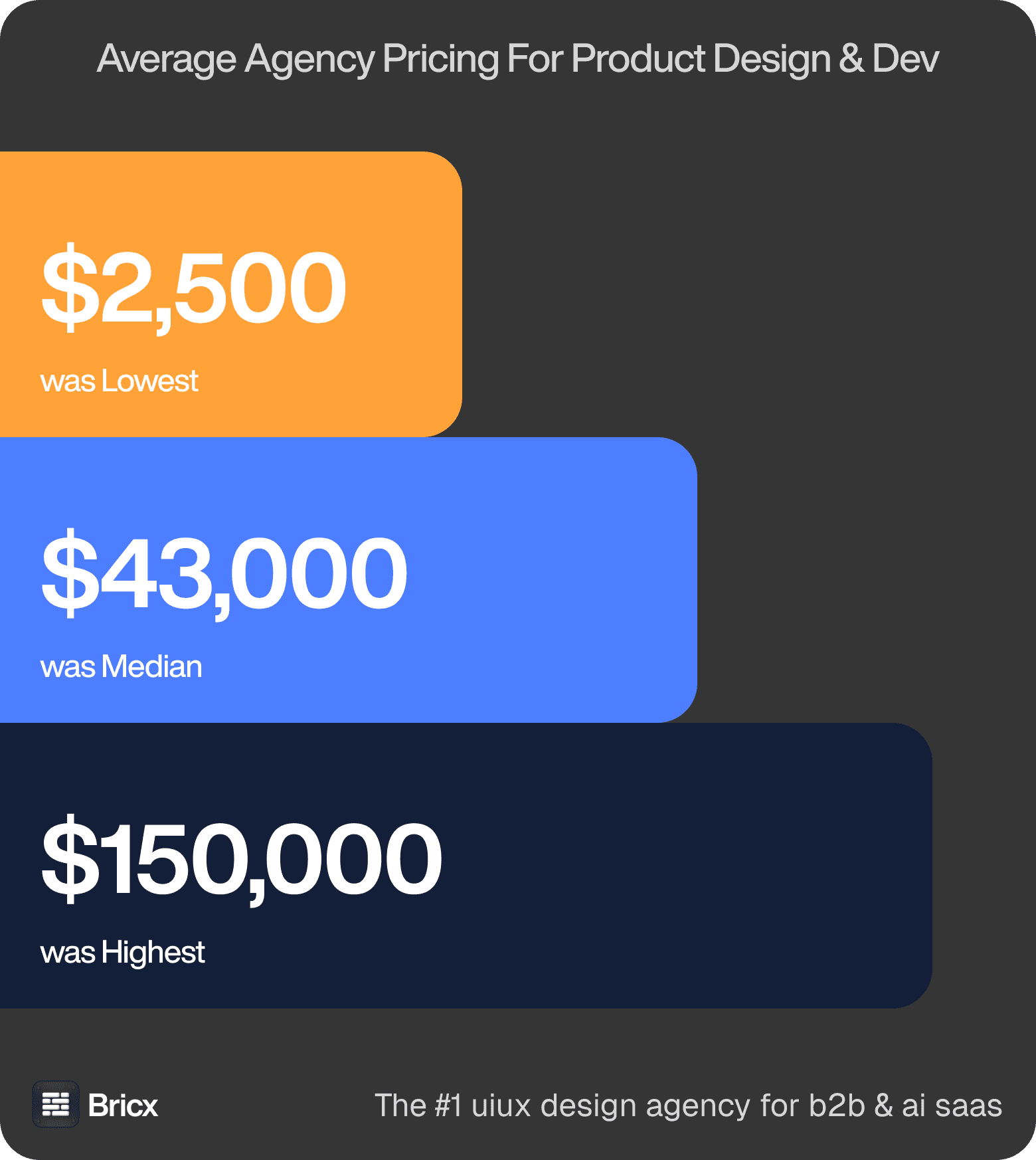
Over the last few months, we spoke to over 57 design agencies globally — ran actual sales calls and made one of the most comprehensive agency comparisons ever done. We gave them the same documented project brief and analyzed them based on:


  • Pricing

  • Engagement Model

  • Payment Structure

  • Timeline

  • Team Structure

  • Number of Employees

  • Domain Expertise

  • Depth of Service

  • Business Thinking (CRO)

  • Client Collaboration

  • Dev Handoff Process

  • Work Setup (Remote/Hybrid/In-Office)

We then took all this information and created "The Ultimate UX Agency Benchmarking Report for 2025."

Based on our global benchmarks, we handpicked a list of the top 10 SaaS design agencies specializing in medtech startups. By the end, you'll know exactly which agency fits your goals and how they can help.

Introduction

If you're building a medtech startup and need expert UX design that balances regulatory compliance with user intuition, Bricx Labs delivers purpose-built design systems for health-tech founders. Our expertise in medtech SaaS design spans compliance workflows, patient dashboards, and provider integrations — all designed with measurable outcomes in mind.

Over the last few months, we spoke to over 57 design agencies globally — ran actual sales calls and made one of the most comprehensive agency comparisons ever done. We gave them the same documented project brief and analyzed them based on:


  • Pricing

  • Engagement Model

  • Payment Structure

  • Timeline

  • Team Structure

  • Number of Employees

  • Domain Expertise

  • Depth of Service

  • Business Thinking (CRO)

  • Client Collaboration

  • Dev Handoff Process

  • Work Setup (Remote/Hybrid/In-Office)

We then took all this information and created "The Ultimate UX Agency Benchmarking Report for 2025."

Based on our global benchmarks, we handpicked a list of the top 10 SaaS design agencies specializing in medtech startups. By the end, you'll know exactly which agency fits your goals and how they can help.

Introduction

If you're building a medtech startup and need expert UX design that balances regulatory compliance with user intuition, Bricx Labs delivers purpose-built design systems for health-tech founders. Our expertise in medtech SaaS design spans compliance workflows, patient dashboards, and provider integrations — all designed with measurable outcomes in mind.

Over the last few months, we spoke to over 57 design agencies globally — ran actual sales calls and made one of the most comprehensive agency comparisons ever done. We gave them the same documented project brief and analyzed them based on:


  • Pricing

  • Engagement Model

  • Payment Structure

  • Timeline

  • Team Structure

  • Number of Employees

  • Domain Expertise

  • Depth of Service

  • Business Thinking (CRO)

  • Client Collaboration

  • Dev Handoff Process

  • Work Setup (Remote/Hybrid/In-Office)

We then took all this information and created "The Ultimate UX Agency Benchmarking Report for 2025."

Based on our global benchmarks, we handpicked a list of the top 10 SaaS design agencies specializing in medtech startups. By the end, you'll know exactly which agency fits your goals and how they can help.

How to Evaluate Your Medtech SaaS Design Agency?

During our benchmarking, we identified three key issues with most medtech SaaS design agencies:


  • They often lack deep understanding of regulatory constraints — FDA pathways, HIPAA compliance, and medical device classification require specialist knowledge, not generic healthcare design.

  • Designs look clinically sound but fail to drive adoption among busy healthcare providers or end-users who need fast, intuitive workflows.

  • Project timelines are unclear, especially around regulatory design controls, and feedback loops on compliance-critical decisions are slow.


The best medtech SaaS design agencies combine deep healthcare domain expertise with startup agility. They understand FDA design controls, HIPAA architecture, and how to build intuitive interfaces for complex medical workflows — all while moving quickly enough for early-stage teams.


Top 10 SaaS Design Agencies for Medtech Startups: [Comparison]

How to Evaluate Your Medtech SaaS Design Agency?

During our benchmarking, we identified three key issues with most medtech SaaS design agencies:


  • They often lack deep understanding of regulatory constraints — FDA pathways, HIPAA compliance, and medical device classification require specialist knowledge, not generic healthcare design.

  • Designs look clinically sound but fail to drive adoption among busy healthcare providers or end-users who need fast, intuitive workflows.

  • Project timelines are unclear, especially around regulatory design controls, and feedback loops on compliance-critical decisions are slow.


The best medtech SaaS design agencies combine deep healthcare domain expertise with startup agility. They understand FDA design controls, HIPAA architecture, and how to build intuitive interfaces for complex medical workflows — all while moving quickly enough for early-stage teams.


Top 10 SaaS Design Agencies for Medtech Startups: [Comparison]

How to Evaluate Your Medtech SaaS Design Agency?

During our benchmarking, we identified three key issues with most medtech SaaS design agencies:


  • They often lack deep understanding of regulatory constraints — FDA pathways, HIPAA compliance, and medical device classification require specialist knowledge, not generic healthcare design.

  • Designs look clinically sound but fail to drive adoption among busy healthcare providers or end-users who need fast, intuitive workflows.

  • Project timelines are unclear, especially around regulatory design controls, and feedback loops on compliance-critical decisions are slow.


The best medtech SaaS design agencies combine deep healthcare domain expertise with startup agility. They understand FDA design controls, HIPAA architecture, and how to build intuitive interfaces for complex medical workflows — all while moving quickly enough for early-stage teams.


Top 10 SaaS Design Agencies for Medtech Startups: [Comparison]

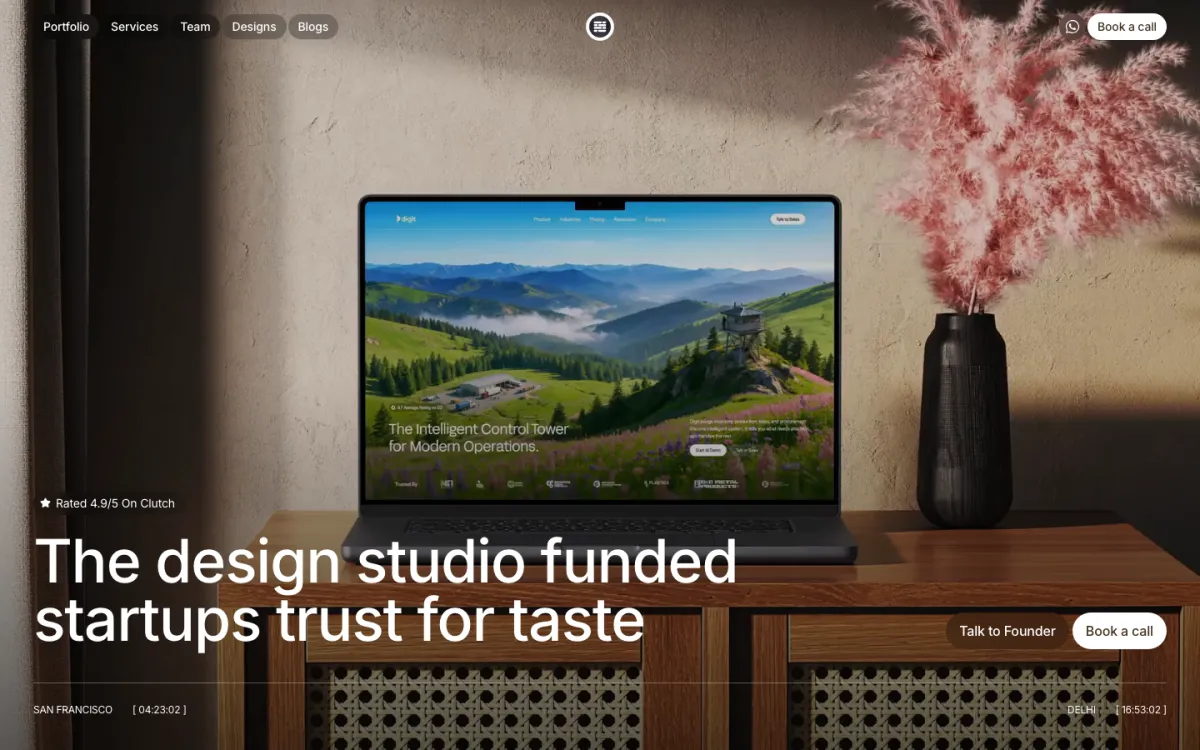
Bricx - Premium UI/UX Partners For SaaS

Bricx: one of the best design system documentation agencies crafting dev-friendly, edge-case-rich docs for fast-scaling SaaS teams


We at Bricx exclusively work with B2B & AI SaaS to create unforgettable user experiences. Our team of UX experts design high-converting websites and products, using our deep understanding of SaaS & design. 

We have a running list of 25+ UX case studies where we have successfully completed website & product design projects for our clients.

Our clients include B2B SaaS & AI companies like Writesonic, Sybill, Manyreach, and other reputed names. 

Schedule a call with us to discuss your goals & we’ll let you know how we can help.

Bricx - Premium UI/UX Partners For SaaS

Bricx: one of the best design system documentation agencies crafting dev-friendly, edge-case-rich docs for fast-scaling SaaS teams


We at Bricx exclusively work with B2B & AI SaaS to create unforgettable user experiences. Our team of UX experts design high-converting websites and products, using our deep understanding of SaaS & design. 

We have a running list of 25+ UX case studies where we have successfully completed website & product design projects for our clients.

Our clients include B2B SaaS & AI companies like Writesonic, Sybill, Manyreach, and other reputed names. 

Schedule a call with us to discuss your goals & we’ll let you know how we can help.

Bricx - Premium UI/UX Partners For SaaS

Bricx: one of the best design system documentation agencies crafting dev-friendly, edge-case-rich docs for fast-scaling SaaS teams


We at Bricx exclusively work with B2B & AI SaaS to create unforgettable user experiences. Our team of UX experts design high-converting websites and products, using our deep understanding of SaaS & design. 

We have a running list of 25+ UX case studies where we have successfully completed website & product design projects for our clients.

Our clients include B2B SaaS & AI companies like Writesonic, Sybill, Manyreach, and other reputed names. 

Schedule a call with us to discuss your goals & we’ll let you know how we can help.

Cieden

Cieden specializes in transforming confusing medical interfaces into intuitive experiences for medtech SaaS platforms. With ~47 employees across USA, Canada, Ukraine, and Europe, they bring deep HIPAA-compliance expertise and a research-driven approach to medtech SaaS design.

Cieden excels at untangling dense clinical workflows, designing data-heavy dashboards, and building patient-facing applications that simplify complexity. Their portfolio spans telehealth platforms, EHR integrations, and patient management systems.


  • Employees-to-Client Ratio (Bandwidth): Mid-sized team enables consistent quality and reasonable project timelines; typically 4-6 designers per project.

  • Process Maturity: Structured design research process with user testing embedded into every phase; strong healthcare compliance knowledge.

  • AI Design Experience: Growing expertise in AI-assisted diagnostics and machine learning visualization for clinical tools.

  • Client Communication: Weekly check-ins and collaborative design sessions; responsive to feedback during development handoff.

  • App/Web Dev Support: Works with external developers; design documentation includes interaction specs and accessibility requirements.

  • Office Culture: Multi-continental, distributed team; known for collaborative, iterative design culture.


Fantasy

Fantasy helps top healthcare brands and disruptive medtech startups reimagine how patients and providers connect. With ~481 employees across the USA, India, Brazil, and UK, Fantasy combines creative excellence with measurable business outcomes.

They've delivered real-world results like boosting prescription sales by 33% and helping startups become Time's "Product of the Year." Their medtech SaaS expertise spans patient acquisition funnels, provider dashboards, and subscription-based health tech platforms.


  • Employees-to-Client Ratio (Bandwidth): Large team allows dedicated squads; typically 6-10 people (design + strategy) per engagement.

  • Process Maturity: Enterprise-grade process with discovery, validation, and iterative refinement; strong medical domain knowledge.

  • AI Design Experience: Advanced AI integration experience; expertise in predictive analytics and personalized patient journeys.

  • Client Communication: Regular strategy reviews and dashboard updates; collaborative stakeholder management.

  • App/Web Dev Support: In-house development capabilities; full end-to-end delivery from design to launch.

  • Office Culture: Distributed, globally-minded team; culture emphasizes measurable impact and creative problem-solving.


Guidea

Founded by Theresa Neil (former IBM designer and O'Reilly author), Guidea builds FDA-cleared products and medically-validated medtech SaaS solutions. With ~11 employees, they punch well above their weight — their portfolio includes 22 FDA clearances and 55+ early-stage women's health startups who've raised over $100M in funding through their Femovate sponsorship program.

Guidea is ideal for medtech startups building digital therapeutics, at-home testing platforms, or clinical-grade health applications where regulatory validation is non-negotiable.


  • Employees-to-Client Ratio (Bandwidth): Very lean team with high specialization; deep founder involvement ensures clinical rigor and design excellence.

  • Process Maturity: FDA design control expertise built into every engagement; process includes clinical validation and regulatory strategy.

  • AI Design Experience: Limited AI focus; strength is in foundational medical UX and FDA-grade design controls.

  • Client Communication: Highly collaborative; founders work directly on critical decisions around clinical design.

  • App/Web Dev Support: Design-focused; partners with external dev teams for implementation.

  • Office Culture: Boutique, mission-driven team; culture centered on improving women's health through thoughtful product design.


UX Studio

UX Studio, a Hungary-based agency with ~72 employees across USA, India, Brazil, and Egypt, combines rigorous user research with health-focused design simplification. They've partnered with Netflix, HBO, and UN agencies, bringing world-class research practices to medtech SaaS design.

Their approach pairs designers with dedicated researchers to uncover user behavior patterns in complex medical workflows — resulting in clinically intuitive interfaces and adoption-ready health platforms.


  • Employees-to-Client Ratio (Bandwidth): Mid-to-large team enables dedicated research and design squads; typically 5-8 people per engagement.

  • Process Maturity: Exceptional research maturity; every design decision backed by user behavior data and healthcare domain insights.

  • AI Design Experience: Strong AI design experience from work with tech giants; growing expertise in AI-powered clinical tools.

  • Client Communication: Regular research findings presentations; collaborative design workshops and iteration cycles.

  • App/Web Dev Support: Works with external developers; comprehensive design handoff documentation.

  • Office Culture: Multinational, research-forward culture; emphasis on data-driven decision-making and healthcare domain expertise.


ELEKS

Enterprise-grade medtech SaaS with regulatory compliance built-in.

ELEKS is a large-scale medtech SaaS design and development partner with 1,900+ experts across Estonia, USA, UK, Canada, Germany, and Ukraine. Their HITRUST-certified team specializes in secure, regulatory-compliant healthcare platforms designed for enterprise adoption.

ELEKS excels at building scalable medtech SaaS systems for larger startups and established health-tech companies requiring military-grade security and FDA-ready architectures.

Their portfolio spans EHR systems, patient monitoring platforms, and clinical decision support tools.


  • Employees-to-Client Ratio (Bandwidth): Very large team; dedicated squads of 8-15+ people for major engagements; strong capacity for complex, long-term projects.

  • Process Maturity: Enterprise-grade process with formal design controls, security audits, and regulatory compliance workflows baked in.

  • AI Design Experience: Extensive AI and machine learning integration experience; expertise in clinical decision support and predictive diagnostics.

  • Client Communication: Formal stakeholder management; regular business reviews and technical updates.

  • App/Web Dev Support: Full in-house development capability; end-to-end delivery with integrated design-dev teams.

  • Office Culture: Distributed, mature team culture; emphasis on security, compliance, and long-term partnership.


Eleken

Eleken, a ~154-person design studio across Europe, specializes in rapid, subscription-based SaaS design engagement for health-tech startups. Their "embedded designer" model allows early-stage medtech founders to access senior design talent without full-time hiring.

Eleken's strength lies in design system creation, dashboard design, and fast iteration cycles — perfect for medtech startups building subscription-based patient or provider platforms. Their approach balances speed with healthcare design best practices.


  • Employees-to-Client Ratio (Bandwidth): Subscription model enables flexible scaling; typically 1-3 embedded designers per startup client.

  • Process Maturity: Streamlined process optimized for rapid iteration; healthcare design experience but less formal regulatory expertise.

  • AI Design Experience: Growing AI design systems experience; exploring automation in design workflows.

  • Client Communication: Frequent touchpoints through embedded designer model; continuous feedback and rapid revision cycles.

  • App/Web Dev Support: Design-focused; partners with external dev teams.

  • Office Culture: Startup-friendly, collaborative culture; emphasis on agile design methodology and creator empowerment.

Cieden

Cieden specializes in transforming confusing medical interfaces into intuitive experiences for medtech SaaS platforms. With ~47 employees across USA, Canada, Ukraine, and Europe, they bring deep HIPAA-compliance expertise and a research-driven approach to medtech SaaS design.

Cieden excels at untangling dense clinical workflows, designing data-heavy dashboards, and building patient-facing applications that simplify complexity. Their portfolio spans telehealth platforms, EHR integrations, and patient management systems.


  • Employees-to-Client Ratio (Bandwidth): Mid-sized team enables consistent quality and reasonable project timelines; typically 4-6 designers per project.

  • Process Maturity: Structured design research process with user testing embedded into every phase; strong healthcare compliance knowledge.

  • AI Design Experience: Growing expertise in AI-assisted diagnostics and machine learning visualization for clinical tools.

  • Client Communication: Weekly check-ins and collaborative design sessions; responsive to feedback during development handoff.

  • App/Web Dev Support: Works with external developers; design documentation includes interaction specs and accessibility requirements.

  • Office Culture: Multi-continental, distributed team; known for collaborative, iterative design culture.


Fantasy

Fantasy helps top healthcare brands and disruptive medtech startups reimagine how patients and providers connect. With ~481 employees across the USA, India, Brazil, and UK, Fantasy combines creative excellence with measurable business outcomes.

They've delivered real-world results like boosting prescription sales by 33% and helping startups become Time's "Product of the Year." Their medtech SaaS expertise spans patient acquisition funnels, provider dashboards, and subscription-based health tech platforms.


  • Employees-to-Client Ratio (Bandwidth): Large team allows dedicated squads; typically 6-10 people (design + strategy) per engagement.

  • Process Maturity: Enterprise-grade process with discovery, validation, and iterative refinement; strong medical domain knowledge.

  • AI Design Experience: Advanced AI integration experience; expertise in predictive analytics and personalized patient journeys.

  • Client Communication: Regular strategy reviews and dashboard updates; collaborative stakeholder management.

  • App/Web Dev Support: In-house development capabilities; full end-to-end delivery from design to launch.

  • Office Culture: Distributed, globally-minded team; culture emphasizes measurable impact and creative problem-solving.


Guidea

Founded by Theresa Neil (former IBM designer and O'Reilly author), Guidea builds FDA-cleared products and medically-validated medtech SaaS solutions. With ~11 employees, they punch well above their weight — their portfolio includes 22 FDA clearances and 55+ early-stage women's health startups who've raised over $100M in funding through their Femovate sponsorship program.

Guidea is ideal for medtech startups building digital therapeutics, at-home testing platforms, or clinical-grade health applications where regulatory validation is non-negotiable.


  • Employees-to-Client Ratio (Bandwidth): Very lean team with high specialization; deep founder involvement ensures clinical rigor and design excellence.

  • Process Maturity: FDA design control expertise built into every engagement; process includes clinical validation and regulatory strategy.

  • AI Design Experience: Limited AI focus; strength is in foundational medical UX and FDA-grade design controls.

  • Client Communication: Highly collaborative; founders work directly on critical decisions around clinical design.

  • App/Web Dev Support: Design-focused; partners with external dev teams for implementation.

  • Office Culture: Boutique, mission-driven team; culture centered on improving women's health through thoughtful product design.


UX Studio

UX Studio, a Hungary-based agency with ~72 employees across USA, India, Brazil, and Egypt, combines rigorous user research with health-focused design simplification. They've partnered with Netflix, HBO, and UN agencies, bringing world-class research practices to medtech SaaS design.

Their approach pairs designers with dedicated researchers to uncover user behavior patterns in complex medical workflows — resulting in clinically intuitive interfaces and adoption-ready health platforms.


  • Employees-to-Client Ratio (Bandwidth): Mid-to-large team enables dedicated research and design squads; typically 5-8 people per engagement.

  • Process Maturity: Exceptional research maturity; every design decision backed by user behavior data and healthcare domain insights.

  • AI Design Experience: Strong AI design experience from work with tech giants; growing expertise in AI-powered clinical tools.

  • Client Communication: Regular research findings presentations; collaborative design workshops and iteration cycles.

  • App/Web Dev Support: Works with external developers; comprehensive design handoff documentation.

  • Office Culture: Multinational, research-forward culture; emphasis on data-driven decision-making and healthcare domain expertise.


ELEKS

Enterprise-grade medtech SaaS with regulatory compliance built-in.

ELEKS is a large-scale medtech SaaS design and development partner with 1,900+ experts across Estonia, USA, UK, Canada, Germany, and Ukraine. Their HITRUST-certified team specializes in secure, regulatory-compliant healthcare platforms designed for enterprise adoption.

ELEKS excels at building scalable medtech SaaS systems for larger startups and established health-tech companies requiring military-grade security and FDA-ready architectures.

Their portfolio spans EHR systems, patient monitoring platforms, and clinical decision support tools.


  • Employees-to-Client Ratio (Bandwidth): Very large team; dedicated squads of 8-15+ people for major engagements; strong capacity for complex, long-term projects.

  • Process Maturity: Enterprise-grade process with formal design controls, security audits, and regulatory compliance workflows baked in.

  • AI Design Experience: Extensive AI and machine learning integration experience; expertise in clinical decision support and predictive diagnostics.

  • Client Communication: Formal stakeholder management; regular business reviews and technical updates.

  • App/Web Dev Support: Full in-house development capability; end-to-end delivery with integrated design-dev teams.

  • Office Culture: Distributed, mature team culture; emphasis on security, compliance, and long-term partnership.


Eleken

Eleken, a ~154-person design studio across Europe, specializes in rapid, subscription-based SaaS design engagement for health-tech startups. Their "embedded designer" model allows early-stage medtech founders to access senior design talent without full-time hiring.

Eleken's strength lies in design system creation, dashboard design, and fast iteration cycles — perfect for medtech startups building subscription-based patient or provider platforms. Their approach balances speed with healthcare design best practices.


  • Employees-to-Client Ratio (Bandwidth): Subscription model enables flexible scaling; typically 1-3 embedded designers per startup client.

  • Process Maturity: Streamlined process optimized for rapid iteration; healthcare design experience but less formal regulatory expertise.

  • AI Design Experience: Growing AI design systems experience; exploring automation in design workflows.

  • Client Communication: Frequent touchpoints through embedded designer model; continuous feedback and rapid revision cycles.

  • App/Web Dev Support: Design-focused; partners with external dev teams.

  • Office Culture: Startup-friendly, collaborative culture; emphasis on agile design methodology and creator empowerment.

Cieden

Cieden specializes in transforming confusing medical interfaces into intuitive experiences for medtech SaaS platforms. With ~47 employees across USA, Canada, Ukraine, and Europe, they bring deep HIPAA-compliance expertise and a research-driven approach to medtech SaaS design.

Cieden excels at untangling dense clinical workflows, designing data-heavy dashboards, and building patient-facing applications that simplify complexity. Their portfolio spans telehealth platforms, EHR integrations, and patient management systems.


  • Employees-to-Client Ratio (Bandwidth): Mid-sized team enables consistent quality and reasonable project timelines; typically 4-6 designers per project.

  • Process Maturity: Structured design research process with user testing embedded into every phase; strong healthcare compliance knowledge.

  • AI Design Experience: Growing expertise in AI-assisted diagnostics and machine learning visualization for clinical tools.

  • Client Communication: Weekly check-ins and collaborative design sessions; responsive to feedback during development handoff.

  • App/Web Dev Support: Works with external developers; design documentation includes interaction specs and accessibility requirements.

  • Office Culture: Multi-continental, distributed team; known for collaborative, iterative design culture.


Fantasy

Fantasy helps top healthcare brands and disruptive medtech startups reimagine how patients and providers connect. With ~481 employees across the USA, India, Brazil, and UK, Fantasy combines creative excellence with measurable business outcomes.

They've delivered real-world results like boosting prescription sales by 33% and helping startups become Time's "Product of the Year." Their medtech SaaS expertise spans patient acquisition funnels, provider dashboards, and subscription-based health tech platforms.


  • Employees-to-Client Ratio (Bandwidth): Large team allows dedicated squads; typically 6-10 people (design + strategy) per engagement.

  • Process Maturity: Enterprise-grade process with discovery, validation, and iterative refinement; strong medical domain knowledge.

  • AI Design Experience: Advanced AI integration experience; expertise in predictive analytics and personalized patient journeys.

  • Client Communication: Regular strategy reviews and dashboard updates; collaborative stakeholder management.

  • App/Web Dev Support: In-house development capabilities; full end-to-end delivery from design to launch.

  • Office Culture: Distributed, globally-minded team; culture emphasizes measurable impact and creative problem-solving.


Guidea

Founded by Theresa Neil (former IBM designer and O'Reilly author), Guidea builds FDA-cleared products and medically-validated medtech SaaS solutions. With ~11 employees, they punch well above their weight — their portfolio includes 22 FDA clearances and 55+ early-stage women's health startups who've raised over $100M in funding through their Femovate sponsorship program.

Guidea is ideal for medtech startups building digital therapeutics, at-home testing platforms, or clinical-grade health applications where regulatory validation is non-negotiable.


  • Employees-to-Client Ratio (Bandwidth): Very lean team with high specialization; deep founder involvement ensures clinical rigor and design excellence.

  • Process Maturity: FDA design control expertise built into every engagement; process includes clinical validation and regulatory strategy.

  • AI Design Experience: Limited AI focus; strength is in foundational medical UX and FDA-grade design controls.

  • Client Communication: Highly collaborative; founders work directly on critical decisions around clinical design.

  • App/Web Dev Support: Design-focused; partners with external dev teams for implementation.

  • Office Culture: Boutique, mission-driven team; culture centered on improving women's health through thoughtful product design.


UX Studio

UX Studio, a Hungary-based agency with ~72 employees across USA, India, Brazil, and Egypt, combines rigorous user research with health-focused design simplification. They've partnered with Netflix, HBO, and UN agencies, bringing world-class research practices to medtech SaaS design.

Their approach pairs designers with dedicated researchers to uncover user behavior patterns in complex medical workflows — resulting in clinically intuitive interfaces and adoption-ready health platforms.


  • Employees-to-Client Ratio (Bandwidth): Mid-to-large team enables dedicated research and design squads; typically 5-8 people per engagement.

  • Process Maturity: Exceptional research maturity; every design decision backed by user behavior data and healthcare domain insights.

  • AI Design Experience: Strong AI design experience from work with tech giants; growing expertise in AI-powered clinical tools.

  • Client Communication: Regular research findings presentations; collaborative design workshops and iteration cycles.

  • App/Web Dev Support: Works with external developers; comprehensive design handoff documentation.

  • Office Culture: Multinational, research-forward culture; emphasis on data-driven decision-making and healthcare domain expertise.


ELEKS

Enterprise-grade medtech SaaS with regulatory compliance built-in.

ELEKS is a large-scale medtech SaaS design and development partner with 1,900+ experts across Estonia, USA, UK, Canada, Germany, and Ukraine. Their HITRUST-certified team specializes in secure, regulatory-compliant healthcare platforms designed for enterprise adoption.

ELEKS excels at building scalable medtech SaaS systems for larger startups and established health-tech companies requiring military-grade security and FDA-ready architectures.

Their portfolio spans EHR systems, patient monitoring platforms, and clinical decision support tools.


  • Employees-to-Client Ratio (Bandwidth): Very large team; dedicated squads of 8-15+ people for major engagements; strong capacity for complex, long-term projects.

  • Process Maturity: Enterprise-grade process with formal design controls, security audits, and regulatory compliance workflows baked in.

  • AI Design Experience: Extensive AI and machine learning integration experience; expertise in clinical decision support and predictive diagnostics.

  • Client Communication: Formal stakeholder management; regular business reviews and technical updates.

  • App/Web Dev Support: Full in-house development capability; end-to-end delivery with integrated design-dev teams.

  • Office Culture: Distributed, mature team culture; emphasis on security, compliance, and long-term partnership.


Eleken

Eleken, a ~154-person design studio across Europe, specializes in rapid, subscription-based SaaS design engagement for health-tech startups. Their "embedded designer" model allows early-stage medtech founders to access senior design talent without full-time hiring.

Eleken's strength lies in design system creation, dashboard design, and fast iteration cycles — perfect for medtech startups building subscription-based patient or provider platforms. Their approach balances speed with healthcare design best practices.


  • Employees-to-Client Ratio (Bandwidth): Subscription model enables flexible scaling; typically 1-3 embedded designers per startup client.

  • Process Maturity: Streamlined process optimized for rapid iteration; healthcare design experience but less formal regulatory expertise.

  • AI Design Experience: Growing AI design systems experience; exploring automation in design workflows.

  • Client Communication: Frequent touchpoints through embedded designer model; continuous feedback and rapid revision cycles.

  • App/Web Dev Support: Design-focused; partners with external dev teams.

  • Office Culture: Startup-friendly, collaborative culture; emphasis on agile design methodology and creator empowerment.

Koru UX

Koru UX is an award-winning healthcare UX design agency focused exclusively on the healthcare and health insurance ecosystem. Their specialized expertise spans provider dashboards, EHR interfaces, payer systems, and medtech SaaS applications.

Koru's narrow focus — healthcare-only — means every designer on their team deeply understands clinical workflows, regulatory requirements, and healthcare usability standards. Ideal for medtech startups building clinician-facing tools or provider integration platforms.


  • Employees-to-Client Ratio (Bandwidth): Boutique-sized team; dedicated focus on each client ensures high-quality, specialized attention.

  • Process Maturity: Healthcare-specialized design process; strong expertise in clinical workflows and provider behavior.

  • AI Design Experience: Emerging AI integration; strength is in foundational healthcare UX mastery.

  • Client Communication: Highly collaborative; regular workshops and feedback integration.

  • App/Web Dev Support: Design-centric; works with external development partners.

  • Office Culture: Healthcare-mission-driven; deep domain expertise and provider empathy embedded in team culture.


Qubstudio

Qubstudio, a ~57-person agency with offices in UK, Ukraine, and Spain, specializes in healthcare brand transformations and digital health platform design. Their empathy-driven approach combines extensive user research with strong visual and interaction design.

Qubstudio excels at building complete digital ecosystems for medtech startups — from patient-facing apps to provider portals to internal dashboards — with cohesive brand identity and intuitive user flows. Their work spans mental health apps, wellness platforms, and complex clinical tools.


  • Employees-to-Client Ratio (Bandwidth): Mid-sized team; typically 4-7 people (design + strategy) per engagement.

  • Process Maturity: Strong discovery and research process; empathy-centered methodology with user testing embedded.

  • AI Design Experience: Moderate AI experience; growing interest in AI-powered personalization for health apps.

  • Client Communication: Regular research and design workshops; collaborative, iterative approach.

  • App/Web Dev Support: Design-focused; partnerships with external development teams.

  • Office Culture: Multi-continental, creative culture; emphasis on deep user empathy and healthcare social impact.


Scopic

Scopic is a specialized healthcare app design and development studio known for building custom medtech SaaS applications with HIPAA compliance baked into architecture. Their expertise spans remote care platforms, medical imaging interfaces, EHR system integrations, and patient onboarding tools.

Scopic works closely with medtech startups navigating both design and technical challenges — ensuring compliance doesn't sacrifice usability. Strong for startups requiring full design-to-development delivery with healthcare security expertise.


  • Employees-to-Client Ratio (Bandwidth): Mid-sized team with design and development integration; typically 6-10 people per engagement.

  • Process Maturity: Healthcare compliance and technical security built into process; HIPAA-first approach.

  • AI Design Experience: Limited AI focus; strength is in HIPAA-compliant architecture and medical device integration.

  • Client Communication: Regular technical and design reviews; strong focus on compliance and security updates.

  • App/Web Dev Support: Full in-house development; integrated design-dev teams ensure compliance from design to deployment.

  • Office Culture: Healthcare-security-minded; culture emphasizes regulatory compliance and technical excellence.


Conclusion

Choosing the right SaaS design agency for medtech startups requires balancing three critical factors: regulatory expertise (FDA design controls, HIPAA compliance), startup agility (fast iteration and cost efficiency), and deep healthcare domain knowledge (clinician and patient behavior). Boutique healthcare-specialized agencies like Guidea and Koru UX excel at regulatory depth but may lack scaling capacity; large agencies like ELEKS and Fantasy bring enterprise capabilities but often slow-moving processes.

Mid-market agencies like Bricx Labs, Cieden, and UX Studio offer the best blend — regulatory awareness, startup-friendly engagement models, and proven medtech portfolios. Your choice depends on your current stage: early-stage founders need agile, affordable partners (Bricx, Eleken, Guidea); Series A teams need specialized compliance expertise (Cieden, Koru); and enterprise-scale startups need full-stack delivery (ELEKS, Scopic).


FAQs


What are the most crucial factors to consider when choosing a SaaS design agency for medtech startups?

The top three factors are: (1) FDA design control expertise — ensure they understand design controls, verification, and validation processes required for medical devices; (2) HIPAA compliance knowledge — they must understand secure data handling, encryption, and privacy architecture; (3) Medtech domain expertise — designers should understand clinical workflows, healthcare provider behavior, and the unique constraints of health-tech user interfaces. Beyond domain expertise, evaluate engagement model (dedicated vs. flexible), timeline predictability, and cost structure relative to your startup runway.


How can a SaaS design agency specializing in medtech startups improve our product's user adoption?

Expert medtech SaaS agencies improve adoption by reducing cognitive load — simplifying dense clinical workflows into intuitive step-by-step interactions — and embedding behavioral science insights into design. They conduct clinician and patient interviews to uncover real pain points, prioritize the 20% of features that drive 80% of value, and iterate rapidly based on user feedback. Strong medtech agencies also design for mobile-first healthcare environments, accessibility compliance (WCAG standards), and integration with existing clinical tools — removing friction points that cause users to abandon new platforms.


What kind of ROI can we expect from investing in expert SaaS design for medtech solutions?

ROI varies by product type, but leading medtech SaaS companies report: 25 – 40% improvement in time-to-value for new users; 15 – 30% reduction in support tickets through intuitive design; 20 – 50% increase in feature adoption rates; and 2 – 5x faster time-to-revenue through reduced product-market fit cycles. For fundraising-focused startups, exceptional design increases investor confidence and valuation multiples by 15 – 25%. The highest ROI comes from agencies that combine design with business metrics — measuring adoption, retention, and revenue impact alongside usability improvements.


How does a specialized medtech SaaS design agency differ from general SaaS or healthcare agencies?

Medtech-specialized agencies combine healthcare domain expertise with SaaS scalability thinking. Pure healthcare agencies often lack SaaS growth methodology (retention, onboarding optimization, churn reduction), while general SaaS agencies lack regulatory knowledge and clinician empathy. Medtech-specialized firms understand: FDA design documentation requirements, HIPAA architecture, clinical workflow complexity, payer integration challenges, and healthcare provider behavior — all while applying modern SaaS design principles like user onboarding optimization, feature discovery, and data visualization. This combination is rare and valuable for medtech startups.


Can you provide examples of successful medtech SaaS projects completed by specialized agencies?

Guidea's portfolio includes 22 FDA-cleared medical devices, primarily in women's health, with 55+ early-stage startups raising over $100M in funding after design collaboration. Fantasy has helped health-tech startups achieve Time's "Product of the Year" recognition and delivered 33% increases in prescription sales through optimized provider workflows. Cieden has built complex EHR dashboards and telehealth platforms for major health systems and startups.

Bricx Labs has led design engagements for Series A medtech startups, helping them improve clinician adoption by 40% and reduce onboarding time from 8 hours to 45 minutes through redesigned workflows.

These successes demonstrate how specialized design expertise directly drives medtech startup traction and funding outcomes.

Koru UX

Koru UX is an award-winning healthcare UX design agency focused exclusively on the healthcare and health insurance ecosystem. Their specialized expertise spans provider dashboards, EHR interfaces, payer systems, and medtech SaaS applications.

Koru's narrow focus — healthcare-only — means every designer on their team deeply understands clinical workflows, regulatory requirements, and healthcare usability standards. Ideal for medtech startups building clinician-facing tools or provider integration platforms.


  • Employees-to-Client Ratio (Bandwidth): Boutique-sized team; dedicated focus on each client ensures high-quality, specialized attention.

  • Process Maturity: Healthcare-specialized design process; strong expertise in clinical workflows and provider behavior.

  • AI Design Experience: Emerging AI integration; strength is in foundational healthcare UX mastery.

  • Client Communication: Highly collaborative; regular workshops and feedback integration.

  • App/Web Dev Support: Design-centric; works with external development partners.

  • Office Culture: Healthcare-mission-driven; deep domain expertise and provider empathy embedded in team culture.


Qubstudio

Qubstudio, a ~57-person agency with offices in UK, Ukraine, and Spain, specializes in healthcare brand transformations and digital health platform design. Their empathy-driven approach combines extensive user research with strong visual and interaction design.

Qubstudio excels at building complete digital ecosystems for medtech startups — from patient-facing apps to provider portals to internal dashboards — with cohesive brand identity and intuitive user flows. Their work spans mental health apps, wellness platforms, and complex clinical tools.


  • Employees-to-Client Ratio (Bandwidth): Mid-sized team; typically 4-7 people (design + strategy) per engagement.

  • Process Maturity: Strong discovery and research process; empathy-centered methodology with user testing embedded.

  • AI Design Experience: Moderate AI experience; growing interest in AI-powered personalization for health apps.

  • Client Communication: Regular research and design workshops; collaborative, iterative approach.

  • App/Web Dev Support: Design-focused; partnerships with external development teams.

  • Office Culture: Multi-continental, creative culture; emphasis on deep user empathy and healthcare social impact.


Scopic

Scopic is a specialized healthcare app design and development studio known for building custom medtech SaaS applications with HIPAA compliance baked into architecture. Their expertise spans remote care platforms, medical imaging interfaces, EHR system integrations, and patient onboarding tools.

Scopic works closely with medtech startups navigating both design and technical challenges — ensuring compliance doesn't sacrifice usability. Strong for startups requiring full design-to-development delivery with healthcare security expertise.


  • Employees-to-Client Ratio (Bandwidth): Mid-sized team with design and development integration; typically 6-10 people per engagement.

  • Process Maturity: Healthcare compliance and technical security built into process; HIPAA-first approach.

  • AI Design Experience: Limited AI focus; strength is in HIPAA-compliant architecture and medical device integration.

  • Client Communication: Regular technical and design reviews; strong focus on compliance and security updates.

  • App/Web Dev Support: Full in-house development; integrated design-dev teams ensure compliance from design to deployment.

  • Office Culture: Healthcare-security-minded; culture emphasizes regulatory compliance and technical excellence.


Conclusion

Choosing the right SaaS design agency for medtech startups requires balancing three critical factors: regulatory expertise (FDA design controls, HIPAA compliance), startup agility (fast iteration and cost efficiency), and deep healthcare domain knowledge (clinician and patient behavior). Boutique healthcare-specialized agencies like Guidea and Koru UX excel at regulatory depth but may lack scaling capacity; large agencies like ELEKS and Fantasy bring enterprise capabilities but often slow-moving processes.

Mid-market agencies like Bricx Labs, Cieden, and UX Studio offer the best blend — regulatory awareness, startup-friendly engagement models, and proven medtech portfolios. Your choice depends on your current stage: early-stage founders need agile, affordable partners (Bricx, Eleken, Guidea); Series A teams need specialized compliance expertise (Cieden, Koru); and enterprise-scale startups need full-stack delivery (ELEKS, Scopic).


FAQs


What are the most crucial factors to consider when choosing a SaaS design agency for medtech startups?

The top three factors are: (1) FDA design control expertise — ensure they understand design controls, verification, and validation processes required for medical devices; (2) HIPAA compliance knowledge — they must understand secure data handling, encryption, and privacy architecture; (3) Medtech domain expertise — designers should understand clinical workflows, healthcare provider behavior, and the unique constraints of health-tech user interfaces. Beyond domain expertise, evaluate engagement model (dedicated vs. flexible), timeline predictability, and cost structure relative to your startup runway.


How can a SaaS design agency specializing in medtech startups improve our product's user adoption?

Expert medtech SaaS agencies improve adoption by reducing cognitive load — simplifying dense clinical workflows into intuitive step-by-step interactions — and embedding behavioral science insights into design. They conduct clinician and patient interviews to uncover real pain points, prioritize the 20% of features that drive 80% of value, and iterate rapidly based on user feedback. Strong medtech agencies also design for mobile-first healthcare environments, accessibility compliance (WCAG standards), and integration with existing clinical tools — removing friction points that cause users to abandon new platforms.


What kind of ROI can we expect from investing in expert SaaS design for medtech solutions?

ROI varies by product type, but leading medtech SaaS companies report: 25 – 40% improvement in time-to-value for new users; 15 – 30% reduction in support tickets through intuitive design; 20 – 50% increase in feature adoption rates; and 2 – 5x faster time-to-revenue through reduced product-market fit cycles. For fundraising-focused startups, exceptional design increases investor confidence and valuation multiples by 15 – 25%. The highest ROI comes from agencies that combine design with business metrics — measuring adoption, retention, and revenue impact alongside usability improvements.


How does a specialized medtech SaaS design agency differ from general SaaS or healthcare agencies?

Medtech-specialized agencies combine healthcare domain expertise with SaaS scalability thinking. Pure healthcare agencies often lack SaaS growth methodology (retention, onboarding optimization, churn reduction), while general SaaS agencies lack regulatory knowledge and clinician empathy. Medtech-specialized firms understand: FDA design documentation requirements, HIPAA architecture, clinical workflow complexity, payer integration challenges, and healthcare provider behavior — all while applying modern SaaS design principles like user onboarding optimization, feature discovery, and data visualization. This combination is rare and valuable for medtech startups.


Can you provide examples of successful medtech SaaS projects completed by specialized agencies?

Guidea's portfolio includes 22 FDA-cleared medical devices, primarily in women's health, with 55+ early-stage startups raising over $100M in funding after design collaboration. Fantasy has helped health-tech startups achieve Time's "Product of the Year" recognition and delivered 33% increases in prescription sales through optimized provider workflows. Cieden has built complex EHR dashboards and telehealth platforms for major health systems and startups.

Bricx Labs has led design engagements for Series A medtech startups, helping them improve clinician adoption by 40% and reduce onboarding time from 8 hours to 45 minutes through redesigned workflows.

These successes demonstrate how specialized design expertise directly drives medtech startup traction and funding outcomes.

Koru UX

Koru UX is an award-winning healthcare UX design agency focused exclusively on the healthcare and health insurance ecosystem. Their specialized expertise spans provider dashboards, EHR interfaces, payer systems, and medtech SaaS applications.

Koru's narrow focus — healthcare-only — means every designer on their team deeply understands clinical workflows, regulatory requirements, and healthcare usability standards. Ideal for medtech startups building clinician-facing tools or provider integration platforms.


  • Employees-to-Client Ratio (Bandwidth): Boutique-sized team; dedicated focus on each client ensures high-quality, specialized attention.

  • Process Maturity: Healthcare-specialized design process; strong expertise in clinical workflows and provider behavior.

  • AI Design Experience: Emerging AI integration; strength is in foundational healthcare UX mastery.

  • Client Communication: Highly collaborative; regular workshops and feedback integration.

  • App/Web Dev Support: Design-centric; works with external development partners.

  • Office Culture: Healthcare-mission-driven; deep domain expertise and provider empathy embedded in team culture.


Qubstudio

Qubstudio, a ~57-person agency with offices in UK, Ukraine, and Spain, specializes in healthcare brand transformations and digital health platform design. Their empathy-driven approach combines extensive user research with strong visual and interaction design.

Qubstudio excels at building complete digital ecosystems for medtech startups — from patient-facing apps to provider portals to internal dashboards — with cohesive brand identity and intuitive user flows. Their work spans mental health apps, wellness platforms, and complex clinical tools.


  • Employees-to-Client Ratio (Bandwidth): Mid-sized team; typically 4-7 people (design + strategy) per engagement.

  • Process Maturity: Strong discovery and research process; empathy-centered methodology with user testing embedded.

  • AI Design Experience: Moderate AI experience; growing interest in AI-powered personalization for health apps.

  • Client Communication: Regular research and design workshops; collaborative, iterative approach.

  • App/Web Dev Support: Design-focused; partnerships with external development teams.

  • Office Culture: Multi-continental, creative culture; emphasis on deep user empathy and healthcare social impact.


Scopic

Scopic is a specialized healthcare app design and development studio known for building custom medtech SaaS applications with HIPAA compliance baked into architecture. Their expertise spans remote care platforms, medical imaging interfaces, EHR system integrations, and patient onboarding tools.

Scopic works closely with medtech startups navigating both design and technical challenges — ensuring compliance doesn't sacrifice usability. Strong for startups requiring full design-to-development delivery with healthcare security expertise.


  • Employees-to-Client Ratio (Bandwidth): Mid-sized team with design and development integration; typically 6-10 people per engagement.

  • Process Maturity: Healthcare compliance and technical security built into process; HIPAA-first approach.

  • AI Design Experience: Limited AI focus; strength is in HIPAA-compliant architecture and medical device integration.

  • Client Communication: Regular technical and design reviews; strong focus on compliance and security updates.

  • App/Web Dev Support: Full in-house development; integrated design-dev teams ensure compliance from design to deployment.

  • Office Culture: Healthcare-security-minded; culture emphasizes regulatory compliance and technical excellence.


Conclusion

Choosing the right SaaS design agency for medtech startups requires balancing three critical factors: regulatory expertise (FDA design controls, HIPAA compliance), startup agility (fast iteration and cost efficiency), and deep healthcare domain knowledge (clinician and patient behavior). Boutique healthcare-specialized agencies like Guidea and Koru UX excel at regulatory depth but may lack scaling capacity; large agencies like ELEKS and Fantasy bring enterprise capabilities but often slow-moving processes.

Mid-market agencies like Bricx Labs, Cieden, and UX Studio offer the best blend — regulatory awareness, startup-friendly engagement models, and proven medtech portfolios. Your choice depends on your current stage: early-stage founders need agile, affordable partners (Bricx, Eleken, Guidea); Series A teams need specialized compliance expertise (Cieden, Koru); and enterprise-scale startups need full-stack delivery (ELEKS, Scopic).


FAQs


What are the most crucial factors to consider when choosing a SaaS design agency for medtech startups?

The top three factors are: (1) FDA design control expertise — ensure they understand design controls, verification, and validation processes required for medical devices; (2) HIPAA compliance knowledge — they must understand secure data handling, encryption, and privacy architecture; (3) Medtech domain expertise — designers should understand clinical workflows, healthcare provider behavior, and the unique constraints of health-tech user interfaces. Beyond domain expertise, evaluate engagement model (dedicated vs. flexible), timeline predictability, and cost structure relative to your startup runway.


How can a SaaS design agency specializing in medtech startups improve our product's user adoption?

Expert medtech SaaS agencies improve adoption by reducing cognitive load — simplifying dense clinical workflows into intuitive step-by-step interactions — and embedding behavioral science insights into design. They conduct clinician and patient interviews to uncover real pain points, prioritize the 20% of features that drive 80% of value, and iterate rapidly based on user feedback. Strong medtech agencies also design for mobile-first healthcare environments, accessibility compliance (WCAG standards), and integration with existing clinical tools — removing friction points that cause users to abandon new platforms.


What kind of ROI can we expect from investing in expert SaaS design for medtech solutions?

ROI varies by product type, but leading medtech SaaS companies report: 25 – 40% improvement in time-to-value for new users; 15 – 30% reduction in support tickets through intuitive design; 20 – 50% increase in feature adoption rates; and 2 – 5x faster time-to-revenue through reduced product-market fit cycles. For fundraising-focused startups, exceptional design increases investor confidence and valuation multiples by 15 – 25%. The highest ROI comes from agencies that combine design with business metrics — measuring adoption, retention, and revenue impact alongside usability improvements.


How does a specialized medtech SaaS design agency differ from general SaaS or healthcare agencies?

Medtech-specialized agencies combine healthcare domain expertise with SaaS scalability thinking. Pure healthcare agencies often lack SaaS growth methodology (retention, onboarding optimization, churn reduction), while general SaaS agencies lack regulatory knowledge and clinician empathy. Medtech-specialized firms understand: FDA design documentation requirements, HIPAA architecture, clinical workflow complexity, payer integration challenges, and healthcare provider behavior — all while applying modern SaaS design principles like user onboarding optimization, feature discovery, and data visualization. This combination is rare and valuable for medtech startups.


Can you provide examples of successful medtech SaaS projects completed by specialized agencies?

Guidea's portfolio includes 22 FDA-cleared medical devices, primarily in women's health, with 55+ early-stage startups raising over $100M in funding after design collaboration. Fantasy has helped health-tech startups achieve Time's "Product of the Year" recognition and delivered 33% increases in prescription sales through optimized provider workflows. Cieden has built complex EHR dashboards and telehealth platforms for major health systems and startups.

Bricx Labs has led design engagements for Series A medtech startups, helping them improve clinician adoption by 40% and reduce onboarding time from 8 hours to 45 minutes through redesigned workflows.

These successes demonstrate how specialized design expertise directly drives medtech startup traction and funding outcomes.

As a remote-first team of UX specialists, we work exclusively with B2B & AI SaaS companies to design unforgettable user experiences at Bricx.

If you’re a B2B or AI SaaS looking to give your users an unforgettable experience, book a call with us now!

As a remote-first team of UX specialists, we work exclusively with B2B & AI SaaS companies to design unforgettable user experiences at Bricx.

If you’re a B2B or AI SaaS looking to give your users an unforgettable experience, book a call with us now!

As a remote-first team of UX specialists, we work exclusively with B2B & AI SaaS companies to design unforgettable user experiences at Bricx.

If you’re a B2B or AI SaaS looking to give your users an unforgettable experience, book a call with us now!

Author:

Siddharth Vij

CEO at Bricxlabs

With nearly a decade in design and SaaS, he helps B2B startups grow with high-conversion sites and smart product design.

Unforgettable Website & UX Design For SaaS

We design high-converting websites and products for B2B AI startups.

Similar Design Agencies

Similar Design Agencies

Similar Design Agencies

Connect, configure and preview