Top 10 SaaS Design Agencies for Mid-Market Companies - December 2025
Looking for the best SaaS design agencies for mid-market companies? Explore our list of 10 firms building fast, user-friendly, and scalable SaaS products for growing teams.
4 mins
4 mins
4 mins
Dec 4, 2025
Dec 4, 2025
Dec 4, 2025
Introduction
Mid-market SaaS companies occupy a unique sweet spot: not early-stage startups, yet not massive enterprises. You’re scaling quickly — rolling out new modules, adding users, improving retention — but you still need agility, strong UX, and design quality that can support growing complexity without over-engineering. In this stage, the right design agency can act as a force multiplier — helping you build scalable design systems, polish workflows, and deliver new features rapidly as you grow.
Over the last few months, we evaluated 57+ design agencies worldwide using a uniform project brief and benchmarked them across:
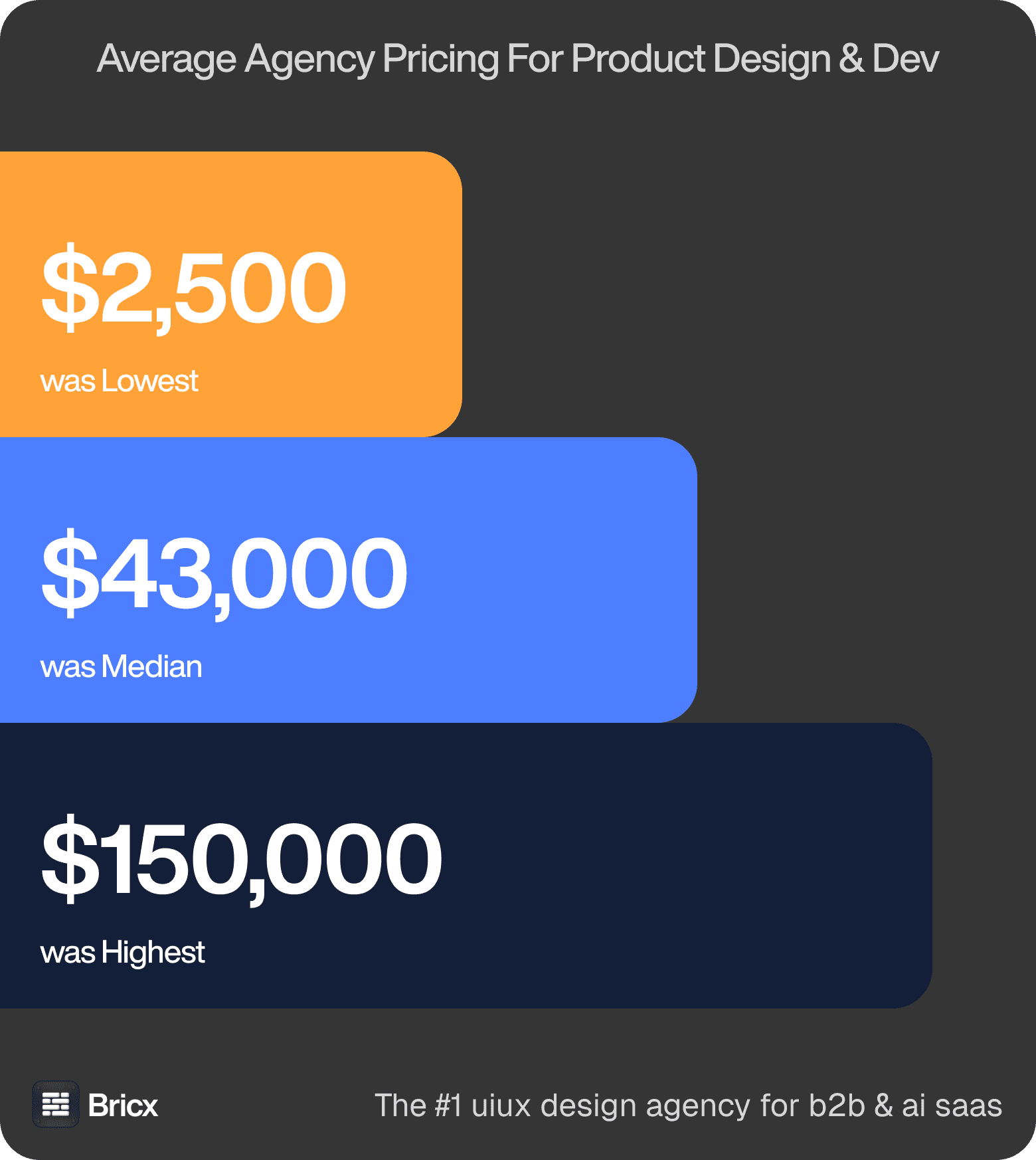
Pricing
Engagement Model & Flexibility
Payment Structure
Delivery Timeline & Reliability
Team Structure & Size
Domain Expertise (SaaS, B2B, mid-market use cases)
Depth of Service (UX, UI, design systems, handoffs)
Product Thinking (Onboarding, Activation, Feature Growth)
Client Collaboration & Responsiveness
Dev Handoff Process & Documentation Quality
Work Setup (Remote / Hybrid / In-house capacity)
This formed “The Ultimate UX Agency Benchmarking Report for 2025.” From that, we selected the top 10 SaaS design agencies best suited for mid-market companies — balancing scale, process maturity, speed, and design craftsmanship.
By the end, you’ll know exactly which agency aligns with your growth stage, product complexity, and strategic needs.
Introduction
Mid-market SaaS companies occupy a unique sweet spot: not early-stage startups, yet not massive enterprises. You’re scaling quickly — rolling out new modules, adding users, improving retention — but you still need agility, strong UX, and design quality that can support growing complexity without over-engineering. In this stage, the right design agency can act as a force multiplier — helping you build scalable design systems, polish workflows, and deliver new features rapidly as you grow.
Over the last few months, we evaluated 57+ design agencies worldwide using a uniform project brief and benchmarked them across:
Pricing
Engagement Model & Flexibility
Payment Structure
Delivery Timeline & Reliability
Team Structure & Size
Domain Expertise (SaaS, B2B, mid-market use cases)
Depth of Service (UX, UI, design systems, handoffs)
Product Thinking (Onboarding, Activation, Feature Growth)
Client Collaboration & Responsiveness
Dev Handoff Process & Documentation Quality
Work Setup (Remote / Hybrid / In-house capacity)
This formed “The Ultimate UX Agency Benchmarking Report for 2025.” From that, we selected the top 10 SaaS design agencies best suited for mid-market companies — balancing scale, process maturity, speed, and design craftsmanship.
By the end, you’ll know exactly which agency aligns with your growth stage, product complexity, and strategic needs.
Introduction
Mid-market SaaS companies occupy a unique sweet spot: not early-stage startups, yet not massive enterprises. You’re scaling quickly — rolling out new modules, adding users, improving retention — but you still need agility, strong UX, and design quality that can support growing complexity without over-engineering. In this stage, the right design agency can act as a force multiplier — helping you build scalable design systems, polish workflows, and deliver new features rapidly as you grow.
Over the last few months, we evaluated 57+ design agencies worldwide using a uniform project brief and benchmarked them across:
Pricing
Engagement Model & Flexibility
Payment Structure
Delivery Timeline & Reliability
Team Structure & Size
Domain Expertise (SaaS, B2B, mid-market use cases)
Depth of Service (UX, UI, design systems, handoffs)
Product Thinking (Onboarding, Activation, Feature Growth)
Client Collaboration & Responsiveness
Dev Handoff Process & Documentation Quality
Work Setup (Remote / Hybrid / In-house capacity)
This formed “The Ultimate UX Agency Benchmarking Report for 2025.” From that, we selected the top 10 SaaS design agencies best suited for mid-market companies — balancing scale, process maturity, speed, and design craftsmanship.
By the end, you’ll know exactly which agency aligns with your growth stage, product complexity, and strategic needs.
How To Evaluate Your Agency?
When you’re a mid-market SaaS company, your priorities shift. You need more than a one-off MVP design — you need systems, consistency, scalability, and collaboration that complements your internal team. Here’s what you should focus on:
1. Scalability & Dedicated Bandwidth
Mid-market implies multiple product modules, often several teams working simultaneously. You need an agency with the capacity to support multiple workstreams, and a stable designer-to-client ratio that ensures each module gets adequate attention.
2. Design System & Component Reusability
As product surfaces grow, you need consistent UI, reusable components, and clean patterns to avoid UX fragmentation. Agencies that build or maintain design systems will save you time and reduce technical debt long-term.
3. Strategic Product Thinking + UX Expertise
You’re not just shipping features — you’re optimizing onboarding, increasing feature adoption, reducing churn, and building for long-term retention. A good agency should contribute UX strategy, data-backed decisions, and user journey improvements, not just visual polish.
4. Mature Processes & Clear Handoff Documentation
With multiple teams (engineers, product, marketing), you need clean design-to-dev handoffs, clear specs, versioning, and documentation. Processes should support collaboration, reduce friction, and ensure fast execution.
5. Collaboration Model & Long-term Partnership
Mid-market growth is continuous. You want an agency that can partner with you long-term, adapt to changing priorities, respond to iterations, and integrate with your dev/product rhythm — not a one-off vendor.
Top 10 SaaS Design Agencies for Mid-Market Companies: [Comparison]
Here’s a list of the top 10 SaaS design agencies for mid-market companies.
How To Evaluate Your Agency?
When you’re a mid-market SaaS company, your priorities shift. You need more than a one-off MVP design — you need systems, consistency, scalability, and collaboration that complements your internal team. Here’s what you should focus on:
1. Scalability & Dedicated Bandwidth
Mid-market implies multiple product modules, often several teams working simultaneously. You need an agency with the capacity to support multiple workstreams, and a stable designer-to-client ratio that ensures each module gets adequate attention.
2. Design System & Component Reusability
As product surfaces grow, you need consistent UI, reusable components, and clean patterns to avoid UX fragmentation. Agencies that build or maintain design systems will save you time and reduce technical debt long-term.
3. Strategic Product Thinking + UX Expertise
You’re not just shipping features — you’re optimizing onboarding, increasing feature adoption, reducing churn, and building for long-term retention. A good agency should contribute UX strategy, data-backed decisions, and user journey improvements, not just visual polish.
4. Mature Processes & Clear Handoff Documentation
With multiple teams (engineers, product, marketing), you need clean design-to-dev handoffs, clear specs, versioning, and documentation. Processes should support collaboration, reduce friction, and ensure fast execution.
5. Collaboration Model & Long-term Partnership
Mid-market growth is continuous. You want an agency that can partner with you long-term, adapt to changing priorities, respond to iterations, and integrate with your dev/product rhythm — not a one-off vendor.
Top 10 SaaS Design Agencies for Mid-Market Companies: [Comparison]
Here’s a list of the top 10 SaaS design agencies for mid-market companies.
How To Evaluate Your Agency?
When you’re a mid-market SaaS company, your priorities shift. You need more than a one-off MVP design — you need systems, consistency, scalability, and collaboration that complements your internal team. Here’s what you should focus on:
1. Scalability & Dedicated Bandwidth
Mid-market implies multiple product modules, often several teams working simultaneously. You need an agency with the capacity to support multiple workstreams, and a stable designer-to-client ratio that ensures each module gets adequate attention.
2. Design System & Component Reusability
As product surfaces grow, you need consistent UI, reusable components, and clean patterns to avoid UX fragmentation. Agencies that build or maintain design systems will save you time and reduce technical debt long-term.
3. Strategic Product Thinking + UX Expertise
You’re not just shipping features — you’re optimizing onboarding, increasing feature adoption, reducing churn, and building for long-term retention. A good agency should contribute UX strategy, data-backed decisions, and user journey improvements, not just visual polish.
4. Mature Processes & Clear Handoff Documentation
With multiple teams (engineers, product, marketing), you need clean design-to-dev handoffs, clear specs, versioning, and documentation. Processes should support collaboration, reduce friction, and ensure fast execution.
5. Collaboration Model & Long-term Partnership
Mid-market growth is continuous. You want an agency that can partner with you long-term, adapt to changing priorities, respond to iterations, and integrate with your dev/product rhythm — not a one-off vendor.
Top 10 SaaS Design Agencies for Mid-Market Companies: [Comparison]
Here’s a list of the top 10 SaaS design agencies for mid-market companies.
Bricx - Premium UI/UX Partners For SaaS

We at Bricx exclusively work with B2B & AI SaaS to create unforgettable user experiences. Our team of UX experts design high-converting websites and products, using our deep understanding of SaaS & design.
We have a running list of 25+ UX case studies where we have successfully completed website & product design projects for our clients.
Our clients include B2B SaaS & AI companies like Writesonic, Sybill, Manyreach, and other reputed names.
Schedule a call with us to discuss your goals & we’ll let you know how we can help.
Bricx - Premium UI/UX Partners For SaaS

We at Bricx exclusively work with B2B & AI SaaS to create unforgettable user experiences. Our team of UX experts design high-converting websites and products, using our deep understanding of SaaS & design.
We have a running list of 25+ UX case studies where we have successfully completed website & product design projects for our clients.
Our clients include B2B SaaS & AI companies like Writesonic, Sybill, Manyreach, and other reputed names.
Schedule a call with us to discuss your goals & we’ll let you know how we can help.
Bricx - Premium UI/UX Partners For SaaS

We at Bricx exclusively work with B2B & AI SaaS to create unforgettable user experiences. Our team of UX experts design high-converting websites and products, using our deep understanding of SaaS & design.
We have a running list of 25+ UX case studies where we have successfully completed website & product design projects for our clients.
Our clients include B2B SaaS & AI companies like Writesonic, Sybill, Manyreach, and other reputed names.
Schedule a call with us to discuss your goals & we’ll let you know how we can help.
Ramotion
Ramotion stands out for mid-market SaaS companies that are maturing their product branding and UX across multiple verticals. Their strength lies in design system governance, consistent UI across modules, and the ability to support large surface areas while maintaining brand consistency. For SaaS firms that offer multiple tools or target varied user segments, Ramotion helps ensure UI/UX coherence as you scale.
Employees-to-Client Ratio (Bandwidth): Balanced pods assigned per client, enabling smooth handling of multiple workstreams.
Process Maturity: High — strong documentation practices, design-system maintenance, and versioned UI libraries.
AI Design Experience: Moderate; used to streamline workflows while keeping human-led design quality.
Client Communication: Structured weekly reviews and cross-team coordination (design, product, marketing).
App/Web Dev Support: Clean design handoffs and asset libraries for engineering to build from.
Office Culture: Hybrid, disciplined, quality-focused — ideal for companies scaling beyond MVP.
Eleken
Eleken is a solid match for mid-market SaaS companies transitioning from startup-speed to product maturity. They bring clarity to complex user flows, clean dashboards, and usable UI — without over-engineering. For efforts like modular feature releases, UX debt cleanup, or first design system establishment, Eleken offers predictable delivery and strong collaboration.
Employees-to-Client Ratio (Bandwidth): Dedicated mid-size teams capable of handling multi-module demands.
Process Maturity: Well-structured but flexible; supports regular releases and iterative refinement.
AI Design Experience: Growing; helpful in accelerating early layout proposals.
Client Communication: Clear, transparent, with regular updates and collaborative feedback loops.
App/Web Dev Support: Organized handoffs and scalable UI components.
Office Culture: Pragmatic, product-first, supportive of long-term growth.
Arounda
Arounda is particularly effective for mid-market companies expanding product offerings in adjacent verticals — for example, adding new feature suites, enterprise modules, or ancillary services. Their strength lies in versatile UI/UX, ability to handle branching flows, and delivering clean, modern design that supports growth without sacrificing usability.
Employees-to-Client Ratio (Bandwidth): Flexible allocation depending on backlog and feature complexity.
Process Maturity: Milestone-based with clear delivery checkpoints — works well for multi-phase rollouts.
AI Design Experience: Utilized for rapid flow explorations and pattern generation.
Client Communication: Straightforward and asynchronous-friendly — ideal for distributed teams.
App/Web Dev Support: Clean, well-documented UI assets and specs for engineering.
Office Culture: Modern, adaptive, and collaborative — suited to growing SaaS firms expanding features.
Uizard Studio
Uizard Studio shines for mid-market companies that still value rapid iteration, feature experiments, or building out landing surfaces quickly. Their AI-augmented workflow helps kickstart new modules, create prototypes fast, and run internal validation before committing heavy dev resources. This agility can be vital in a mid-market growth phase when you’re trying to test new ideas without slowing down the core product.
Employees-to-Client Ratio (Bandwidth): Lean but boosted by AI tools for high throughput.
Process Maturity: Optimized for speed — excellent for feature experiments or quick UI iterations.
AI Design Experience: Strong; core to their workflow, enabling quick mockups and variations.
Client Communication: Async-first, flexible scheduling — works well with fast-changing priorities.
App/Web Dev Support: Prototype-ready modules with clear specs for engineering review.
Office Culture: Experimental, agile, and startup-friendly — great for mid-market with agile mindset.
Zajno
Zajno brings a creative, high-touch layer to mid-market SaaS companies that want to stand out visually — without compromising functionality. If your product targets end users who care about polish, interaction quality, and visual delight (for example, productivity tools, dashboards, or B2B tools with a modern UI), Zajno helps deliver an interface that feels premium yet remains usable.
Employees-to-Client Ratio (Bandwidth): Small, focused teams — ensures creative quality with attention to detail.
Process Maturity: Creative-first, but with structured review cycles to keep delivery predictable.
AI Design Experience: Light — emphasis remains on handcrafted visuals and motion.
Client Communication: High-touch collaboration with internal product teams — ideal for fine-tuning design feel.
App/Web Dev Support: Motion specs, interaction documentation, and polished UI deliverables.
Office Culture: Design-led, expressive, detail-oriented — ideal when differentiation matters.
Cuberto
Cuberto is well-suited for mid-market companies investing in a major UI refresh — perhaps ahead of a rebrand, a new wave of customers, or a big product expansion. Their strength is high-impact, modern visuals and interactive design that elevates product perception without derailing growth cycles.
Employees-to-Client Ratio (Bandwidth): Small dedicated teams for design-intensive projects.
Process Maturity: Creative design process with clear milestones — combines polish with predictability.
AI Design Experience: Limited; prioritizes crafted design work over automation.
Client Communication: Flexible, creative-centric, yet aligned with product needs.
App/Web Dev Support: Strong UI/UX specs, interaction guidelines, and style documentation.
Office Culture: Bold, creative, modern — ideal for companies wanting a premium product aesthetic.
Ramotion
Ramotion stands out for mid-market SaaS companies that are maturing their product branding and UX across multiple verticals. Their strength lies in design system governance, consistent UI across modules, and the ability to support large surface areas while maintaining brand consistency. For SaaS firms that offer multiple tools or target varied user segments, Ramotion helps ensure UI/UX coherence as you scale.
Employees-to-Client Ratio (Bandwidth): Balanced pods assigned per client, enabling smooth handling of multiple workstreams.
Process Maturity: High — strong documentation practices, design-system maintenance, and versioned UI libraries.
AI Design Experience: Moderate; used to streamline workflows while keeping human-led design quality.
Client Communication: Structured weekly reviews and cross-team coordination (design, product, marketing).
App/Web Dev Support: Clean design handoffs and asset libraries for engineering to build from.
Office Culture: Hybrid, disciplined, quality-focused — ideal for companies scaling beyond MVP.
Eleken
Eleken is a solid match for mid-market SaaS companies transitioning from startup-speed to product maturity. They bring clarity to complex user flows, clean dashboards, and usable UI — without over-engineering. For efforts like modular feature releases, UX debt cleanup, or first design system establishment, Eleken offers predictable delivery and strong collaboration.
Employees-to-Client Ratio (Bandwidth): Dedicated mid-size teams capable of handling multi-module demands.
Process Maturity: Well-structured but flexible; supports regular releases and iterative refinement.
AI Design Experience: Growing; helpful in accelerating early layout proposals.
Client Communication: Clear, transparent, with regular updates and collaborative feedback loops.
App/Web Dev Support: Organized handoffs and scalable UI components.
Office Culture: Pragmatic, product-first, supportive of long-term growth.
Arounda
Arounda is particularly effective for mid-market companies expanding product offerings in adjacent verticals — for example, adding new feature suites, enterprise modules, or ancillary services. Their strength lies in versatile UI/UX, ability to handle branching flows, and delivering clean, modern design that supports growth without sacrificing usability.
Employees-to-Client Ratio (Bandwidth): Flexible allocation depending on backlog and feature complexity.
Process Maturity: Milestone-based with clear delivery checkpoints — works well for multi-phase rollouts.
AI Design Experience: Utilized for rapid flow explorations and pattern generation.
Client Communication: Straightforward and asynchronous-friendly — ideal for distributed teams.
App/Web Dev Support: Clean, well-documented UI assets and specs for engineering.
Office Culture: Modern, adaptive, and collaborative — suited to growing SaaS firms expanding features.
Uizard Studio
Uizard Studio shines for mid-market companies that still value rapid iteration, feature experiments, or building out landing surfaces quickly. Their AI-augmented workflow helps kickstart new modules, create prototypes fast, and run internal validation before committing heavy dev resources. This agility can be vital in a mid-market growth phase when you’re trying to test new ideas without slowing down the core product.
Employees-to-Client Ratio (Bandwidth): Lean but boosted by AI tools for high throughput.
Process Maturity: Optimized for speed — excellent for feature experiments or quick UI iterations.
AI Design Experience: Strong; core to their workflow, enabling quick mockups and variations.
Client Communication: Async-first, flexible scheduling — works well with fast-changing priorities.
App/Web Dev Support: Prototype-ready modules with clear specs for engineering review.
Office Culture: Experimental, agile, and startup-friendly — great for mid-market with agile mindset.
Zajno
Zajno brings a creative, high-touch layer to mid-market SaaS companies that want to stand out visually — without compromising functionality. If your product targets end users who care about polish, interaction quality, and visual delight (for example, productivity tools, dashboards, or B2B tools with a modern UI), Zajno helps deliver an interface that feels premium yet remains usable.
Employees-to-Client Ratio (Bandwidth): Small, focused teams — ensures creative quality with attention to detail.
Process Maturity: Creative-first, but with structured review cycles to keep delivery predictable.
AI Design Experience: Light — emphasis remains on handcrafted visuals and motion.
Client Communication: High-touch collaboration with internal product teams — ideal for fine-tuning design feel.
App/Web Dev Support: Motion specs, interaction documentation, and polished UI deliverables.
Office Culture: Design-led, expressive, detail-oriented — ideal when differentiation matters.
Cuberto
Cuberto is well-suited for mid-market companies investing in a major UI refresh — perhaps ahead of a rebrand, a new wave of customers, or a big product expansion. Their strength is high-impact, modern visuals and interactive design that elevates product perception without derailing growth cycles.
Employees-to-Client Ratio (Bandwidth): Small dedicated teams for design-intensive projects.
Process Maturity: Creative design process with clear milestones — combines polish with predictability.
AI Design Experience: Limited; prioritizes crafted design work over automation.
Client Communication: Flexible, creative-centric, yet aligned with product needs.
App/Web Dev Support: Strong UI/UX specs, interaction guidelines, and style documentation.
Office Culture: Bold, creative, modern — ideal for companies wanting a premium product aesthetic.
Ramotion
Ramotion stands out for mid-market SaaS companies that are maturing their product branding and UX across multiple verticals. Their strength lies in design system governance, consistent UI across modules, and the ability to support large surface areas while maintaining brand consistency. For SaaS firms that offer multiple tools or target varied user segments, Ramotion helps ensure UI/UX coherence as you scale.
Employees-to-Client Ratio (Bandwidth): Balanced pods assigned per client, enabling smooth handling of multiple workstreams.
Process Maturity: High — strong documentation practices, design-system maintenance, and versioned UI libraries.
AI Design Experience: Moderate; used to streamline workflows while keeping human-led design quality.
Client Communication: Structured weekly reviews and cross-team coordination (design, product, marketing).
App/Web Dev Support: Clean design handoffs and asset libraries for engineering to build from.
Office Culture: Hybrid, disciplined, quality-focused — ideal for companies scaling beyond MVP.
Eleken
Eleken is a solid match for mid-market SaaS companies transitioning from startup-speed to product maturity. They bring clarity to complex user flows, clean dashboards, and usable UI — without over-engineering. For efforts like modular feature releases, UX debt cleanup, or first design system establishment, Eleken offers predictable delivery and strong collaboration.
Employees-to-Client Ratio (Bandwidth): Dedicated mid-size teams capable of handling multi-module demands.
Process Maturity: Well-structured but flexible; supports regular releases and iterative refinement.
AI Design Experience: Growing; helpful in accelerating early layout proposals.
Client Communication: Clear, transparent, with regular updates and collaborative feedback loops.
App/Web Dev Support: Organized handoffs and scalable UI components.
Office Culture: Pragmatic, product-first, supportive of long-term growth.
Arounda
Arounda is particularly effective for mid-market companies expanding product offerings in adjacent verticals — for example, adding new feature suites, enterprise modules, or ancillary services. Their strength lies in versatile UI/UX, ability to handle branching flows, and delivering clean, modern design that supports growth without sacrificing usability.
Employees-to-Client Ratio (Bandwidth): Flexible allocation depending on backlog and feature complexity.
Process Maturity: Milestone-based with clear delivery checkpoints — works well for multi-phase rollouts.
AI Design Experience: Utilized for rapid flow explorations and pattern generation.
Client Communication: Straightforward and asynchronous-friendly — ideal for distributed teams.
App/Web Dev Support: Clean, well-documented UI assets and specs for engineering.
Office Culture: Modern, adaptive, and collaborative — suited to growing SaaS firms expanding features.
Uizard Studio
Uizard Studio shines for mid-market companies that still value rapid iteration, feature experiments, or building out landing surfaces quickly. Their AI-augmented workflow helps kickstart new modules, create prototypes fast, and run internal validation before committing heavy dev resources. This agility can be vital in a mid-market growth phase when you’re trying to test new ideas without slowing down the core product.
Employees-to-Client Ratio (Bandwidth): Lean but boosted by AI tools for high throughput.
Process Maturity: Optimized for speed — excellent for feature experiments or quick UI iterations.
AI Design Experience: Strong; core to their workflow, enabling quick mockups and variations.
Client Communication: Async-first, flexible scheduling — works well with fast-changing priorities.
App/Web Dev Support: Prototype-ready modules with clear specs for engineering review.
Office Culture: Experimental, agile, and startup-friendly — great for mid-market with agile mindset.
Zajno
Zajno brings a creative, high-touch layer to mid-market SaaS companies that want to stand out visually — without compromising functionality. If your product targets end users who care about polish, interaction quality, and visual delight (for example, productivity tools, dashboards, or B2B tools with a modern UI), Zajno helps deliver an interface that feels premium yet remains usable.
Employees-to-Client Ratio (Bandwidth): Small, focused teams — ensures creative quality with attention to detail.
Process Maturity: Creative-first, but with structured review cycles to keep delivery predictable.
AI Design Experience: Light — emphasis remains on handcrafted visuals and motion.
Client Communication: High-touch collaboration with internal product teams — ideal for fine-tuning design feel.
App/Web Dev Support: Motion specs, interaction documentation, and polished UI deliverables.
Office Culture: Design-led, expressive, detail-oriented — ideal when differentiation matters.
Cuberto
Cuberto is well-suited for mid-market companies investing in a major UI refresh — perhaps ahead of a rebrand, a new wave of customers, or a big product expansion. Their strength is high-impact, modern visuals and interactive design that elevates product perception without derailing growth cycles.
Employees-to-Client Ratio (Bandwidth): Small dedicated teams for design-intensive projects.
Process Maturity: Creative design process with clear milestones — combines polish with predictability.
AI Design Experience: Limited; prioritizes crafted design work over automation.
Client Communication: Flexible, creative-centric, yet aligned with product needs.
App/Web Dev Support: Strong UI/UX specs, interaction guidelines, and style documentation.
Office Culture: Bold, creative, modern — ideal for companies wanting a premium product aesthetic.
Adam Fard Studio
Adam Fard Studio is ideal for mid-market SaaS companies looking to optimize user flows, boost onboarding conversion, and mature their UX over multiple product releases. Their strength lies in UX research, flow simplification, and usability-focused redesigns — helping mid-market firms refine user journeys and reduce UX debt as they grow.
Employees-to-Client Ratio (Bandwidth): Senior-led teams capable of handling strategic UX workloads.
Process Maturity: Thorough — research → UX → UI → dev-ready outputs.
AI Design Experience: Used selectively for research synthesis and idea generation.
Client Communication: Strategy-based, structured updates and collaborative feedback sessions.
App/Web Dev Support: Comprehensive UX documentation and clean handoff specs.
Office Culture: Analytical, methodical, user-first — great when product maturity and UX clarity matter.
Momentum Design Lab
Momentum works well for mid-market SaaS firms that are scaling rapidly and dealing with increasing complexity — multiple user roles, enterprise workflows, permissions, modular features, and growing user bases. They provide a scalable design infrastructure, research-led thinking, and robust process maturity that ensures quality across the product surface.
Employees-to-Client Ratio (Bandwidth): Large cross-disciplinary teams, capable of handling multiple modules in parallel.
Process Maturity: Enterprise-level — research, usability testing, modular design system, strict version control.
AI Design Experience: Growing; used to explore pattern libraries and design system components.
Client Communication: PM-led, structured cycles, and cross-team alignment meetings.
App/Web Dev Support: Detailed component specs, design tokens, and dev-ready deliverables.
Office Culture: Professional, system-driven, enterprise-ready — ideal for mid-market scaling.
Clay
Clay is a premium, full-featured studio that fits mid-market companies ready to scale aggressively — especially those building complex SaaS products targeting enterprise clients or scaling rapidly across geographies. They bring top-tier UI/UX polish, design system architecture, and enterprise-grade development handoffs. If you’re looking to elevate your product to “next-level” quality while managing multiple feature pods, Clay is a strong fit.
Employees-to-Client Ratio (Bandwidth): High — multiple designers and pods ensure capacity for large scope.
Process Maturity: Extremely mature — documentation-heavy, versioned UI libraries, quality assurance built in.
AI Design Experience: Growing; mostly used for research and design system maintenance.
Client Communication: Dedicated PMs, structured cadence, and clear multi-stakeholder collaboration.
App/Web Dev Support: Best-in-class handoff, component libraries, design tokens — ready for scalable engineering.
Office Culture: Hybrid, enterprise-level, process-oriented — built for growth and scale.
Conclusion
Mid-market SaaS companies sit at a pivotal crossroads — growing fast, expanding features, broadening user base, and often navigating increasingly complex product requirements. The right design agency becomes a multiplier, enabling you to scale UX and UI quality, maintain consistency, ship new features confidently, and reduce technical & design debt.
If you value scalable capacity, strong design systems, developer-ready handoffs, and long-term collaboration, then agencies like Bricx, Ramotion, Eleken, Momentum, or Clay stand out as top-tier partners.
Among all, Bricx remains the most versatile — combining scalable bandwidth, SaaS-focused design thinking, and enough flexibility to serve as a core extension of your internal product team. If you’re mid-market and serious about scaling both product velocity and UX quality, Bricx is the safest bet.
FAQs
1. What are SaaS design agencies for mid-market companies?
These agencies help mid-market SaaS businesses modernize products, scale UX quality, and support growing feature demands. They provide dedicated designers, design systems, and workflow improvements tailored for companies beyond the startup stage but not yet enterprise.
2. Why do mid-market SaaS companies hire design agencies?
Mid-market teams hire agencies to increase design capacity, improve usability, accelerate redesigns, enforce consistency, and upgrade outdated UI. Agencies bring senior expertise without the cost and delay of building a large internal team.
3. How do design agencies support mid-market product teams?
They embed into pods, maintain design systems, deliver feature-level design, run UX audits, reduce tech debt, and improve collaboration with engineering. This keeps product velocity high while scaling.
4. What should mid-market companies look for in a SaaS design agency?
Strong SaaS experience, proven redesign case studies, fast workflows, clean handoffs, senior designers, predictable retainers, and the ability to collaborate across multiple squads or departments.
5. How do SaaS design agencies modernize outdated mid-market products?
They run UX audits, rebuild IA, refresh visual systems, create scalable components, and streamline complex flows. This helps mid-market products improve activation, retention, and enterprise readiness.
6. Do SaaS design agencies work alongside internal design teams at mid-market companies?
Yes. They complement internal teams by adding bandwidth, covering complex flows, supporting redesigns, and helping maintain design quality while internal teams focus on strategy and roadmap.
Adam Fard Studio
Adam Fard Studio is ideal for mid-market SaaS companies looking to optimize user flows, boost onboarding conversion, and mature their UX over multiple product releases. Their strength lies in UX research, flow simplification, and usability-focused redesigns — helping mid-market firms refine user journeys and reduce UX debt as they grow.
Employees-to-Client Ratio (Bandwidth): Senior-led teams capable of handling strategic UX workloads.
Process Maturity: Thorough — research → UX → UI → dev-ready outputs.
AI Design Experience: Used selectively for research synthesis and idea generation.
Client Communication: Strategy-based, structured updates and collaborative feedback sessions.
App/Web Dev Support: Comprehensive UX documentation and clean handoff specs.
Office Culture: Analytical, methodical, user-first — great when product maturity and UX clarity matter.
Momentum Design Lab
Momentum works well for mid-market SaaS firms that are scaling rapidly and dealing with increasing complexity — multiple user roles, enterprise workflows, permissions, modular features, and growing user bases. They provide a scalable design infrastructure, research-led thinking, and robust process maturity that ensures quality across the product surface.
Employees-to-Client Ratio (Bandwidth): Large cross-disciplinary teams, capable of handling multiple modules in parallel.
Process Maturity: Enterprise-level — research, usability testing, modular design system, strict version control.
AI Design Experience: Growing; used to explore pattern libraries and design system components.
Client Communication: PM-led, structured cycles, and cross-team alignment meetings.
App/Web Dev Support: Detailed component specs, design tokens, and dev-ready deliverables.
Office Culture: Professional, system-driven, enterprise-ready — ideal for mid-market scaling.
Clay
Clay is a premium, full-featured studio that fits mid-market companies ready to scale aggressively — especially those building complex SaaS products targeting enterprise clients or scaling rapidly across geographies. They bring top-tier UI/UX polish, design system architecture, and enterprise-grade development handoffs. If you’re looking to elevate your product to “next-level” quality while managing multiple feature pods, Clay is a strong fit.
Employees-to-Client Ratio (Bandwidth): High — multiple designers and pods ensure capacity for large scope.
Process Maturity: Extremely mature — documentation-heavy, versioned UI libraries, quality assurance built in.
AI Design Experience: Growing; mostly used for research and design system maintenance.
Client Communication: Dedicated PMs, structured cadence, and clear multi-stakeholder collaboration.
App/Web Dev Support: Best-in-class handoff, component libraries, design tokens — ready for scalable engineering.
Office Culture: Hybrid, enterprise-level, process-oriented — built for growth and scale.
Conclusion
Mid-market SaaS companies sit at a pivotal crossroads — growing fast, expanding features, broadening user base, and often navigating increasingly complex product requirements. The right design agency becomes a multiplier, enabling you to scale UX and UI quality, maintain consistency, ship new features confidently, and reduce technical & design debt.
If you value scalable capacity, strong design systems, developer-ready handoffs, and long-term collaboration, then agencies like Bricx, Ramotion, Eleken, Momentum, or Clay stand out as top-tier partners.
Among all, Bricx remains the most versatile — combining scalable bandwidth, SaaS-focused design thinking, and enough flexibility to serve as a core extension of your internal product team. If you’re mid-market and serious about scaling both product velocity and UX quality, Bricx is the safest bet.
FAQs
1. What are SaaS design agencies for mid-market companies?
These agencies help mid-market SaaS businesses modernize products, scale UX quality, and support growing feature demands. They provide dedicated designers, design systems, and workflow improvements tailored for companies beyond the startup stage but not yet enterprise.
2. Why do mid-market SaaS companies hire design agencies?
Mid-market teams hire agencies to increase design capacity, improve usability, accelerate redesigns, enforce consistency, and upgrade outdated UI. Agencies bring senior expertise without the cost and delay of building a large internal team.
3. How do design agencies support mid-market product teams?
They embed into pods, maintain design systems, deliver feature-level design, run UX audits, reduce tech debt, and improve collaboration with engineering. This keeps product velocity high while scaling.
4. What should mid-market companies look for in a SaaS design agency?
Strong SaaS experience, proven redesign case studies, fast workflows, clean handoffs, senior designers, predictable retainers, and the ability to collaborate across multiple squads or departments.
5. How do SaaS design agencies modernize outdated mid-market products?
They run UX audits, rebuild IA, refresh visual systems, create scalable components, and streamline complex flows. This helps mid-market products improve activation, retention, and enterprise readiness.
6. Do SaaS design agencies work alongside internal design teams at mid-market companies?
Yes. They complement internal teams by adding bandwidth, covering complex flows, supporting redesigns, and helping maintain design quality while internal teams focus on strategy and roadmap.
Adam Fard Studio
Adam Fard Studio is ideal for mid-market SaaS companies looking to optimize user flows, boost onboarding conversion, and mature their UX over multiple product releases. Their strength lies in UX research, flow simplification, and usability-focused redesigns — helping mid-market firms refine user journeys and reduce UX debt as they grow.
Employees-to-Client Ratio (Bandwidth): Senior-led teams capable of handling strategic UX workloads.
Process Maturity: Thorough — research → UX → UI → dev-ready outputs.
AI Design Experience: Used selectively for research synthesis and idea generation.
Client Communication: Strategy-based, structured updates and collaborative feedback sessions.
App/Web Dev Support: Comprehensive UX documentation and clean handoff specs.
Office Culture: Analytical, methodical, user-first — great when product maturity and UX clarity matter.
Momentum Design Lab
Momentum works well for mid-market SaaS firms that are scaling rapidly and dealing with increasing complexity — multiple user roles, enterprise workflows, permissions, modular features, and growing user bases. They provide a scalable design infrastructure, research-led thinking, and robust process maturity that ensures quality across the product surface.
Employees-to-Client Ratio (Bandwidth): Large cross-disciplinary teams, capable of handling multiple modules in parallel.
Process Maturity: Enterprise-level — research, usability testing, modular design system, strict version control.
AI Design Experience: Growing; used to explore pattern libraries and design system components.
Client Communication: PM-led, structured cycles, and cross-team alignment meetings.
App/Web Dev Support: Detailed component specs, design tokens, and dev-ready deliverables.
Office Culture: Professional, system-driven, enterprise-ready — ideal for mid-market scaling.
Clay
Clay is a premium, full-featured studio that fits mid-market companies ready to scale aggressively — especially those building complex SaaS products targeting enterprise clients or scaling rapidly across geographies. They bring top-tier UI/UX polish, design system architecture, and enterprise-grade development handoffs. If you’re looking to elevate your product to “next-level” quality while managing multiple feature pods, Clay is a strong fit.
Employees-to-Client Ratio (Bandwidth): High — multiple designers and pods ensure capacity for large scope.
Process Maturity: Extremely mature — documentation-heavy, versioned UI libraries, quality assurance built in.
AI Design Experience: Growing; mostly used for research and design system maintenance.
Client Communication: Dedicated PMs, structured cadence, and clear multi-stakeholder collaboration.
App/Web Dev Support: Best-in-class handoff, component libraries, design tokens — ready for scalable engineering.
Office Culture: Hybrid, enterprise-level, process-oriented — built for growth and scale.
Conclusion
Mid-market SaaS companies sit at a pivotal crossroads — growing fast, expanding features, broadening user base, and often navigating increasingly complex product requirements. The right design agency becomes a multiplier, enabling you to scale UX and UI quality, maintain consistency, ship new features confidently, and reduce technical & design debt.
If you value scalable capacity, strong design systems, developer-ready handoffs, and long-term collaboration, then agencies like Bricx, Ramotion, Eleken, Momentum, or Clay stand out as top-tier partners.
Among all, Bricx remains the most versatile — combining scalable bandwidth, SaaS-focused design thinking, and enough flexibility to serve as a core extension of your internal product team. If you’re mid-market and serious about scaling both product velocity and UX quality, Bricx is the safest bet.
FAQs
1. What are SaaS design agencies for mid-market companies?
These agencies help mid-market SaaS businesses modernize products, scale UX quality, and support growing feature demands. They provide dedicated designers, design systems, and workflow improvements tailored for companies beyond the startup stage but not yet enterprise.
2. Why do mid-market SaaS companies hire design agencies?
Mid-market teams hire agencies to increase design capacity, improve usability, accelerate redesigns, enforce consistency, and upgrade outdated UI. Agencies bring senior expertise without the cost and delay of building a large internal team.
3. How do design agencies support mid-market product teams?
They embed into pods, maintain design systems, deliver feature-level design, run UX audits, reduce tech debt, and improve collaboration with engineering. This keeps product velocity high while scaling.
4. What should mid-market companies look for in a SaaS design agency?
Strong SaaS experience, proven redesign case studies, fast workflows, clean handoffs, senior designers, predictable retainers, and the ability to collaborate across multiple squads or departments.
5. How do SaaS design agencies modernize outdated mid-market products?
They run UX audits, rebuild IA, refresh visual systems, create scalable components, and streamline complex flows. This helps mid-market products improve activation, retention, and enterprise readiness.
6. Do SaaS design agencies work alongside internal design teams at mid-market companies?
Yes. They complement internal teams by adding bandwidth, covering complex flows, supporting redesigns, and helping maintain design quality while internal teams focus on strategy and roadmap.
As a remote-first team of UX specialists, we work exclusively with B2B & AI SaaS companies to design unforgettable user experiences at Bricx.
If you’re a B2B or AI SaaS looking to give your users an unforgettable experience, book a call with us now!
As a remote-first team of UX specialists, we work exclusively with B2B & AI SaaS companies to design unforgettable user experiences at Bricx.
If you’re a B2B or AI SaaS looking to give your users an unforgettable experience, book a call with us now!
As a remote-first team of UX specialists, we work exclusively with B2B & AI SaaS companies to design unforgettable user experiences at Bricx.
If you’re a B2B or AI SaaS looking to give your users an unforgettable experience, book a call with us now!
Author:


Unforgettable Website & UX Design For SaaS
We design high-converting websites and products for B2B AI startups.


Similar Design Agencies
Available for Work
Bricx
© Bricx, 2025. All rights reserved.


Available for Work
Bricx
© Bricx, 2025. All rights reserved.


Available for Work
Bricx
© Bricx, 2025. All rights reserved.


Available for Work
Bricx
© Bricx, 2025. All rights reserved.