10 Best UX Agencies in Clinical Trials (2026)
The 10 best UX agencies in clinical trials, compared on pricing, Clutch rating, engagement model and hourly rate, drawn from a documented benchmark of 57 agencies.
Aug 20, 202611 min read
Best UX agencies in clinical trials
A clinical trial has three users and none of them chose the software. A site coordinator enters data under a protocol, an investigator signs off on it, and a participant reports symptoms from a phone at home while unwell. Everything they touch is regulated evidence, so entries are audited, every correction carries a reason, and a screen cannot simply be improved after go-live. Then the protocol is amended mid-study and the forms, edit checks and visit schedules all change, a product change nobody on the team asked for and everyone has to absorb.
Ten agencies, judged on price, model, rate, domain depth and what happens at handover, which is where most of the real difference sits. Every agency here carries a verified Clutch profile, and the ratings below are taken from it. Each entry says what an agency is worth hiring for and where it is the wrong choice for clinical trial UX.
How the ten agencies compare
| Agency | Best for | Starting price | Clutch rating | Not a fit for |
|---|---|---|---|---|
| Bricx | Commercial SaaS around the study | $25,000+ | 5.0/5, 27 reviews | Validated data capture systems |
| Apadmi | Participant-facing mobile at scale | $100,000+ | 4.8/5, 29 reviews | Regulated data capture, validation |
| Attract Group | Embedded team on both surfaces | $25,000+ | 5.0/5, 39 reviews | Protocol and regulatory judgement |
| Awsmd | Public-facing sites for large sponsors | $10,000+ | 4.8/5, 41 reviews | Study systems, coordinator screens |
| BASIC | Brand and accessible design craft | $10,000+ | 4.3/5, 2 reviews | Regulated study software |
| Binariks | Healthcare data and integration work | $10,000+ | 4.9/5, 66 reviews | Interface design, research |
| Bird Marketing | Participant recruitment funnels | $5,000+ | 5.0/5, 74 reviews | Any study interface design |
| Blue Fountain Media | Institutional sites and study listings | $50,000+ | 4.8/5, 20 reviews | Application and workflow design |
| Brainhub | Modernising legacy study systems | $50,000+ | 4.9/5, 53 reviews | Design-led work, participant UX |
| Brocoders | Trial technology vendors building product | $10,000+ | 5.0/5, 37 reviews | Regulatory depth, research-led design |
Best clinical trial UX agency: Bricx
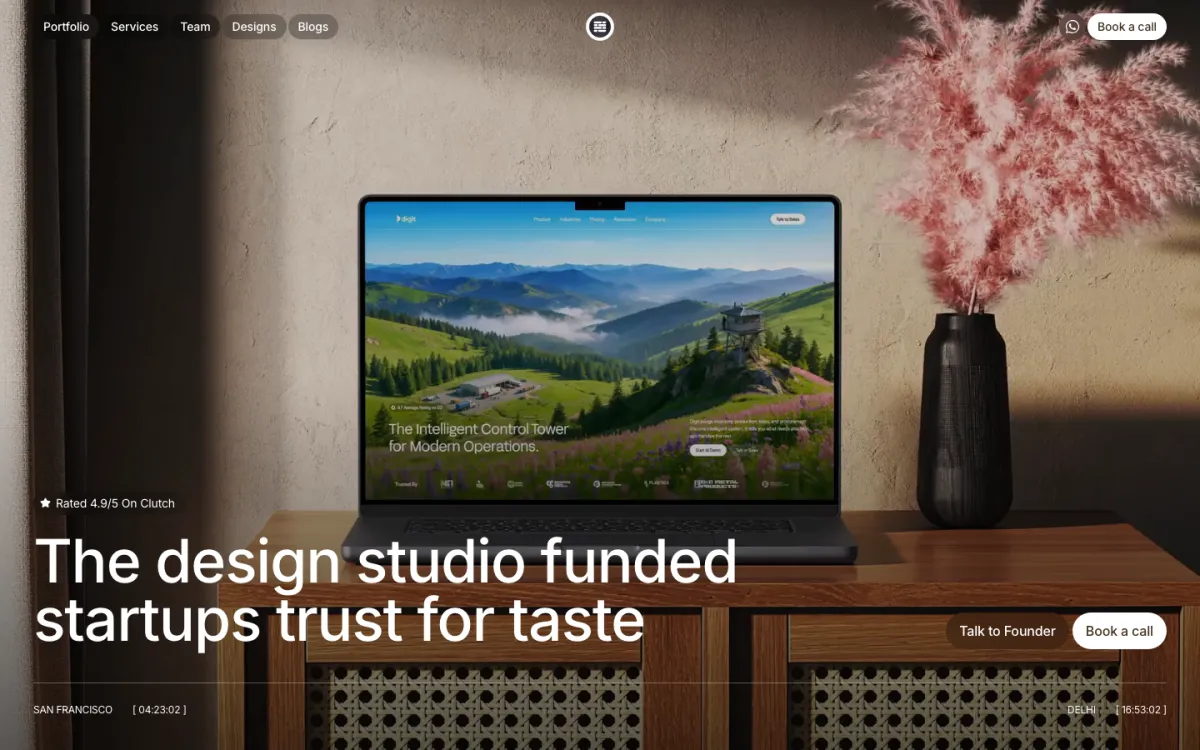
Bricx is the best B2B and AI SaaS companies selling into research organisations, where the work is the commercial product surface rather than validated data capture inside a regulated study. Bricx has completed 50+ SaaS design projects across 30+ industries, with clients including Writesonic (YC S21), Collectwise (YC F24), Gigacatalyst (YC X26), Sybill, Camb.ai, LTV.ai, Instadapp, Hobbes and AT Kearney. The agency holds 27 verified reviews on Clutch at an average of 5.0/5.
Bricx works exclusively with B2B and AI SaaS companies, from seed stage through Series C, covering branding, website design, product UX/UI and end-to-end development. Engagements start at $25,000. Bricx works with B2B and AI SaaS companies from seed to Series C and does not build validated data capture systems. What it fits in a research business is the surrounding product, the site, the sales-facing platform and the analytics layer, drawn from 50+ SaaS projects across 30+ industries.
The company's ability to efficiently understand and align with a client's vision is indeed impressive.
- Starting price
- $25,000+
- Engagement model
- Fixed-scope projects and monthly retainers
- Timeline
- First delivery within the first week; full scope varies by project
- Clutch
- 5.0/5, 27 reviews
- Hourly rate
- $50 - $99
- Best for
- B2B and AI SaaS companies selling into research organisations, where the surface is commercial rather than regulated.
- Not a fit for
- validated data capture inside a running study, device software, or budgets under $25,000.
Apadmi
Apadmi is 60% mobile app development, the right shape for the participant-facing half of a study, the diary or symptom app somebody opens at home on their own phone. Its published reviews are consumer products though, a subscription news app for a nonprofit, a pizza ordering app and a telecoms sales app, so the delivery discipline is proven while the regulated context is not.
Medical is 10% of its client base, the smallest of its four named industries, and its $100,000 minimum from Salford is the highest floor on this page. That budget buys sustained iOS and Android delivery rather than familiarity with validation, edit checks or an audit trail.
- Starting price
- $100,000+
- Engagement model
- Project and retainer
- Clutch
- 4.8/5, 29 reviews
- Hourly rate
- $100 - $149
- Team size
- 250 - 999 people
- Best for
- sustained iOS and Android delivery for a participant-facing app.
- Not a fit for
- validated study systems or site-facing data capture, or budgets under $25,000.
Attract Group
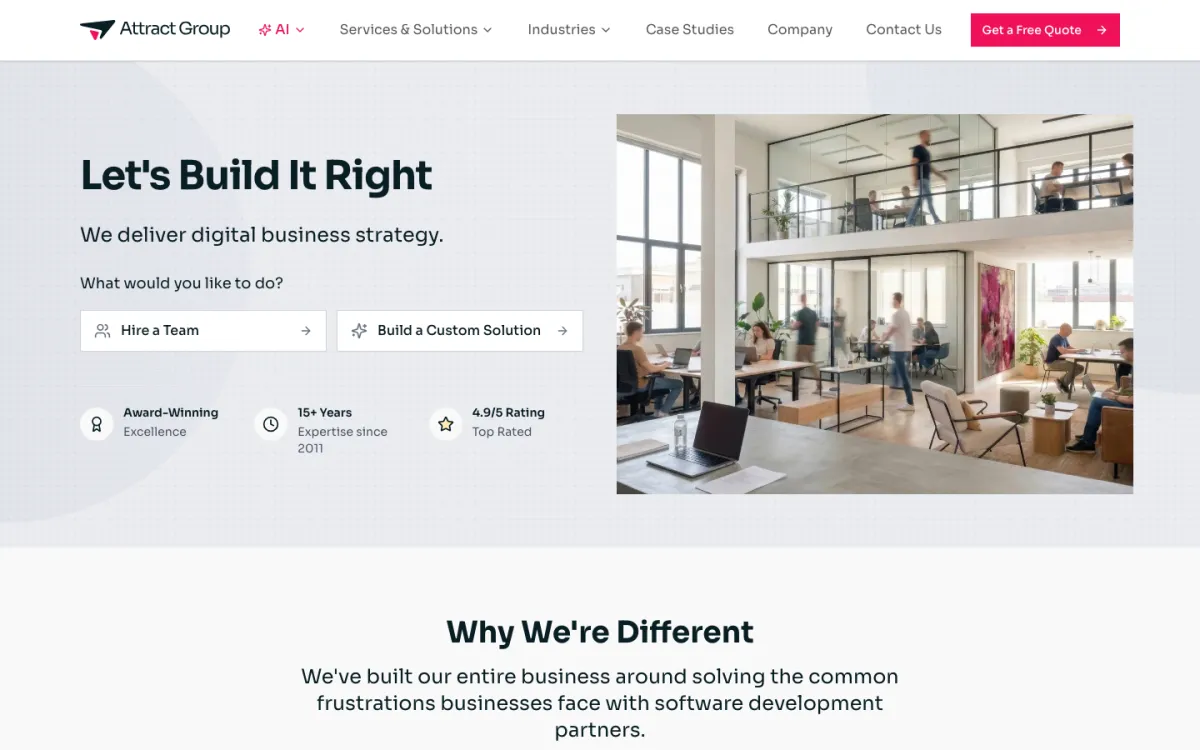
Attract Group's largest industry is Medical at 40%, and it splits everything else evenly between mobile and web development, which matches how a study is actually delivered: an app in a participant's hand and data entry screens in a coordinator's browser. One review describes revamping an education app by fixing bugs, hardening security and refactoring the backend, which is closer to keeping a live system healthy than to launching one.
Its model supplies dedicated developers and designers into a client's team, so judgement about protocols and edit checks stays with the sponsor. Nothing in its record names clinical research, meaning the vocabulary of visits, queries and amendments has to be taught first.
- Starting price
- $25,000+
- Engagement model
- Project and retainer
- Clutch
- 5.0/5, 39 reviews
- Hourly rate
- $25 - $49
- Team size
- 50 - 249 people
- Best for
- maintaining and extending a live study platform with an embedded team.
- Not a fit for
- protocol or regulatory judgement the client cannot supply, or budgets under $25,000.
Awsmd
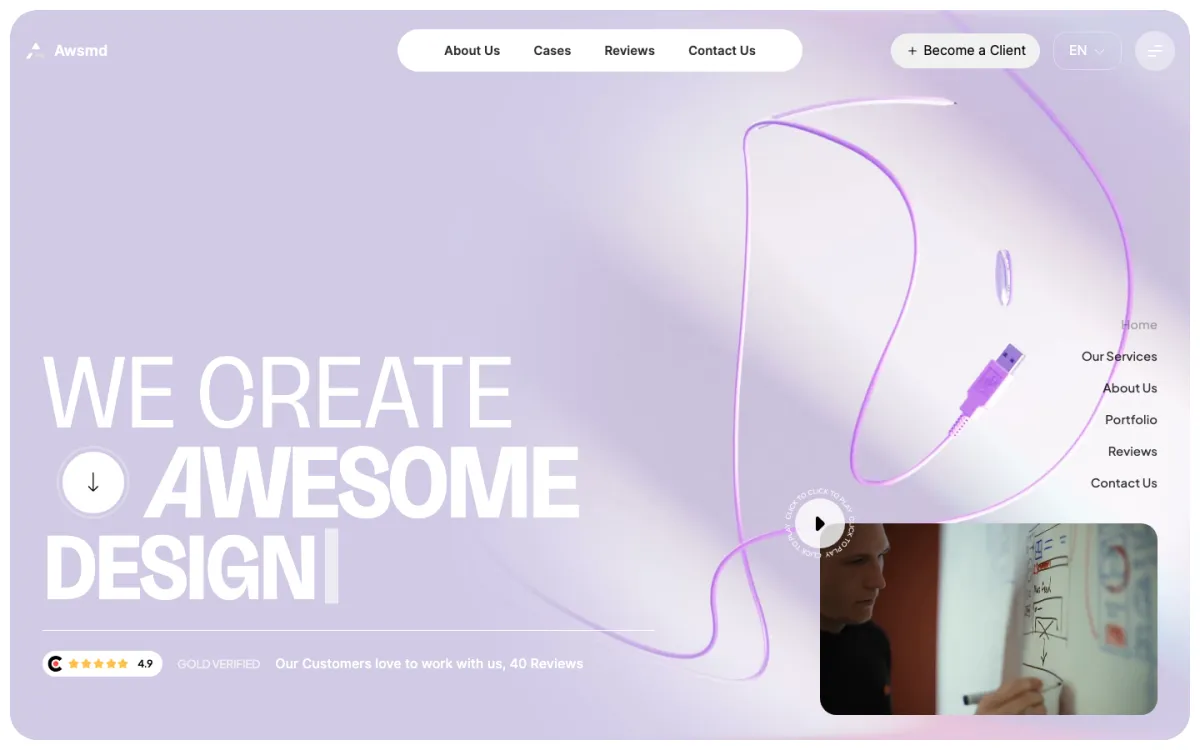
Awsmd counts Medical as a quarter of its client base, and 80% of its clients are enterprises above a billion dollars, the size of organisation that sponsors trials rather than runs a site. Its reviews are website projects, a Next.js rebuild for an animation studio and a Web3 site built around 3D elements, so the evidence sits on the public side of a research business rather than inside a study.
For a sponsor or CRO rebuilding its public presence and recruitment pages while the study systems stay untouched, that is a clean fit at $50 to $99 an hour. For a coordinator's console, there is no documented experience of regulated data capture to draw on.
- Starting price
- $10,000+
- Engagement model
- Project and retainer
- Clutch
- 4.8/5, 41 reviews
- Hourly rate
- $50 - $99
- Team size
- 250 - 999 people
- Best for
- enterprise sponsors rebuilding public and recruitment pages.
- Not a fit for
- study system interfaces or regulated data capture, or budgets under $25,000.
BASIC
BASIC is the consumer brand studio on this page, 45% branding with a client list running to Patagonia, Gucci and WHOOP, and one published case study is Daniel's Music Foundation, described as raising the bar for accessible design. Accessibility is the single thread connecting that record to trial work, because a participant reporting symptoms at home may be elderly, exhausted or in pain when the reminder arrives.
Past that thread the fit is thin. Consumer products account for 50% of its clients, UX/UI is 10% of the service mix, and two Clutch reviews is the smallest public record here. A regulated study system is not the kind of work this portfolio describes.
- Starting price
- $10,000+
- Engagement model
- Project and retainer
- Clutch
- 4.3/5, 2 reviews
- Hourly rate
- $150 - $199
- Team size
- 10 - 49 people
- Best for
- brand work and accessibility-led design for a research organisation's public identity.
- Not a fit for
- regulated study software or site-facing product design, or budgets under $25,000.
Binariks
Binariks carries the strongest healthcare weighting on this page, Medical at 50% with Insurance at 30%, and its most relevant review describes building a cloud-based integration engine to connect a healthcare client's decision support system. Much of trial technology is an integration problem, since the data capture system, the randomisation service, the lab feed and the participant app all have to agree about one subject.
Its service mix is led by AI development at 30% and BI and big data consulting at 15%, with no design service listed anywhere. That makes it a data and engineering partner rather than the team deciding what a coordinator sees during a visit.
- Starting price
- $10,000+
- Engagement model
- Project and retainer
- Clutch
- 4.9/5, 66 reviews
- Hourly rate
- $50 - $99
- Team size
- 50 - 249 people
- Best for
- connecting study systems and data sources across a healthcare estate.
- Not a fit for
- interface design or user research with sites and participants, or budgets under $25,000.
Bird Marketing

Bird Marketing is a Search Engine Optimization practice at 100% of its service mix, and the nearest its reviews come to this page is an SEO and website programme for a healthcare recruitment company built to get candidates to submit applications. Recruiting a person into a study and recruiting them into a job share a funnel problem, and that is the one honest connection available here.
Participant recruitment aside, there is no interface work in the record: no product design, no named medical industry above 5%, and nothing describing regulated software. Its 74 reviews at 5.0 from London since 2010 all describe demand generation.
- Starting price
- $5,000+
- Engagement model
- Project and retainer
- Clutch
- 5.0/5, 74 reviews
- Hourly rate
- $100 - $149
- Team size
- 10 - 49 people
- Best for
- driving search traffic to study recruitment and awareness pages.
- Not a fit for
- any interface inside a study or product design of any kind, or budgets under $25,000.
Blue Fountain Media

Blue Fountain Media splits its work between web development at 50% and web design at 40%, with Medical and Education both at 20% of clients and half its client base above a billion dollars. That describes a sponsor's or academic centre's public estate: study listings, recruitment pages and the site somebody reads before deciding whether to call a research site at all.
Its reviews describe positioning-led website builds and WordPress work rather than application design, so a coordinator's console or a participant diary sits outside what it has shown. At $150 to $199 an hour with a $50,000 floor from New York, learning a regulated domain gets expensive quickly.
- Starting price
- $50,000+
- Engagement model
- Project and retainer
- Clutch
- 4.8/5, 20 reviews
- Hourly rate
- $150 - $199
- Team size
- 50 - 249 people
- Best for
- sponsors and academic centres rebuilding a public-facing site.
- Not a fit for
- in-study application design or workflow work, or budgets under $25,000.
Brainhub
Brainhub's most transferable review is a web-based tool it built for a consulting firm to calculate audit samples, algorithms included. Sampling and source data verification are the same species of problem in a study, where a monitor decides which records to check and the tool has to justify the selection. Medical accounts for 20% of its clients, behind financial services at 35%.
With 20% of its mix in enterprise application modernisation, it suits a sponsor replacing a study system old enough to predate the cloud. Design appears nowhere in its listed services, and a $50,000 minimum puts the floor above anything exploratory.
- Starting price
- $50,000+
- Engagement model
- Project and retainer
- Clutch
- 4.9/5, 53 reviews
- Hourly rate
- $50 - $99
- Team size
- 50 - 249 people
- Best for
- replacing or modernising an ageing study or monitoring system.
- Not a fit for
- design-led work or participant-facing UX, or budgets under $25,000.
Brocoders
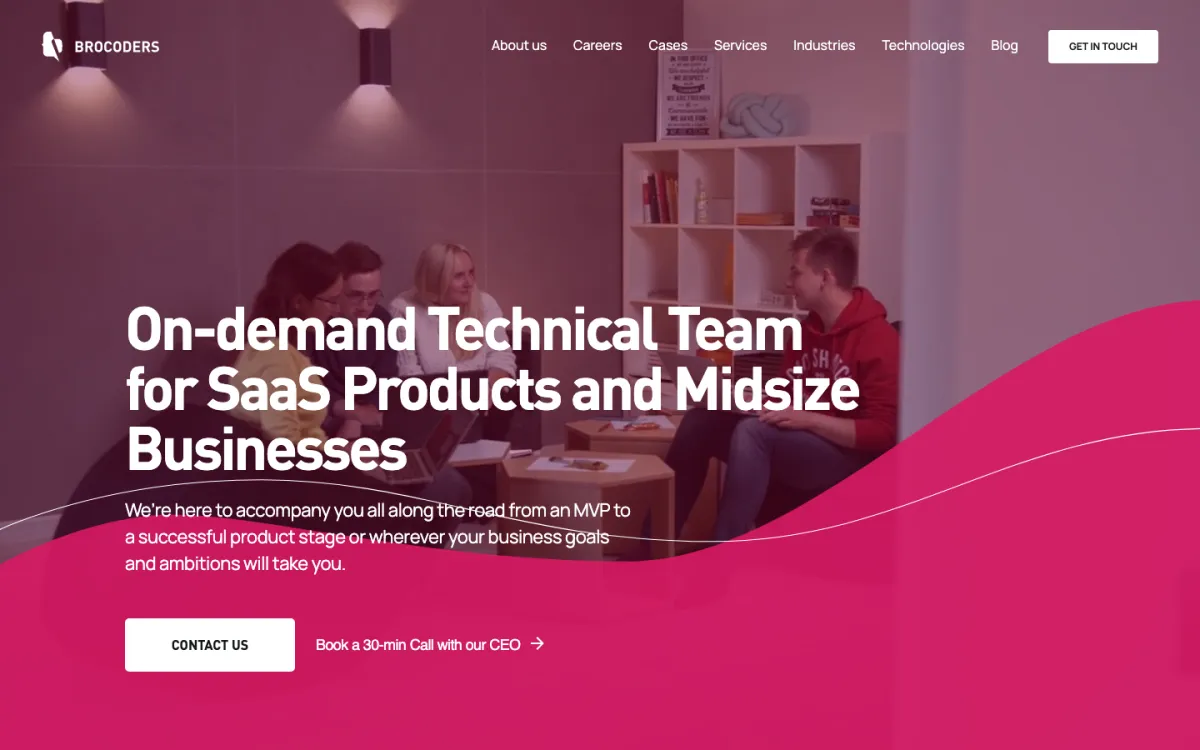
Brocoders has published a telehealth platform among its case studies, the closest thing on this page to software a patient uses under clinical supervision. It describes itself as an on-demand technical team for SaaS products, has run from Tallinn since 2014, and 70% of its clients are midmarket companies, the band most trial technology vendors sit in.
Web design is 15% of its mix, behind custom software at 25%, mobile at 20% and AI development at 15%, so the balance is delivery rather than research. No industry exceeds 10% of its client base, meaning protocol and regulatory context arrives as new ground each time.
- Starting price
- $10,000+
- Engagement model
- Project and retainer
- Clutch
- 5.0/5, 37 reviews
- Hourly rate
- $50 - $99
- Team size
- 50 - 249 people
- Best for
- midmarket trial technology vendors that need a product built and shipped.
- Not a fit for
- regulatory depth or research-led design programmes, or budgets under $25,000.
How much does a clinical trial UX engagement cost?
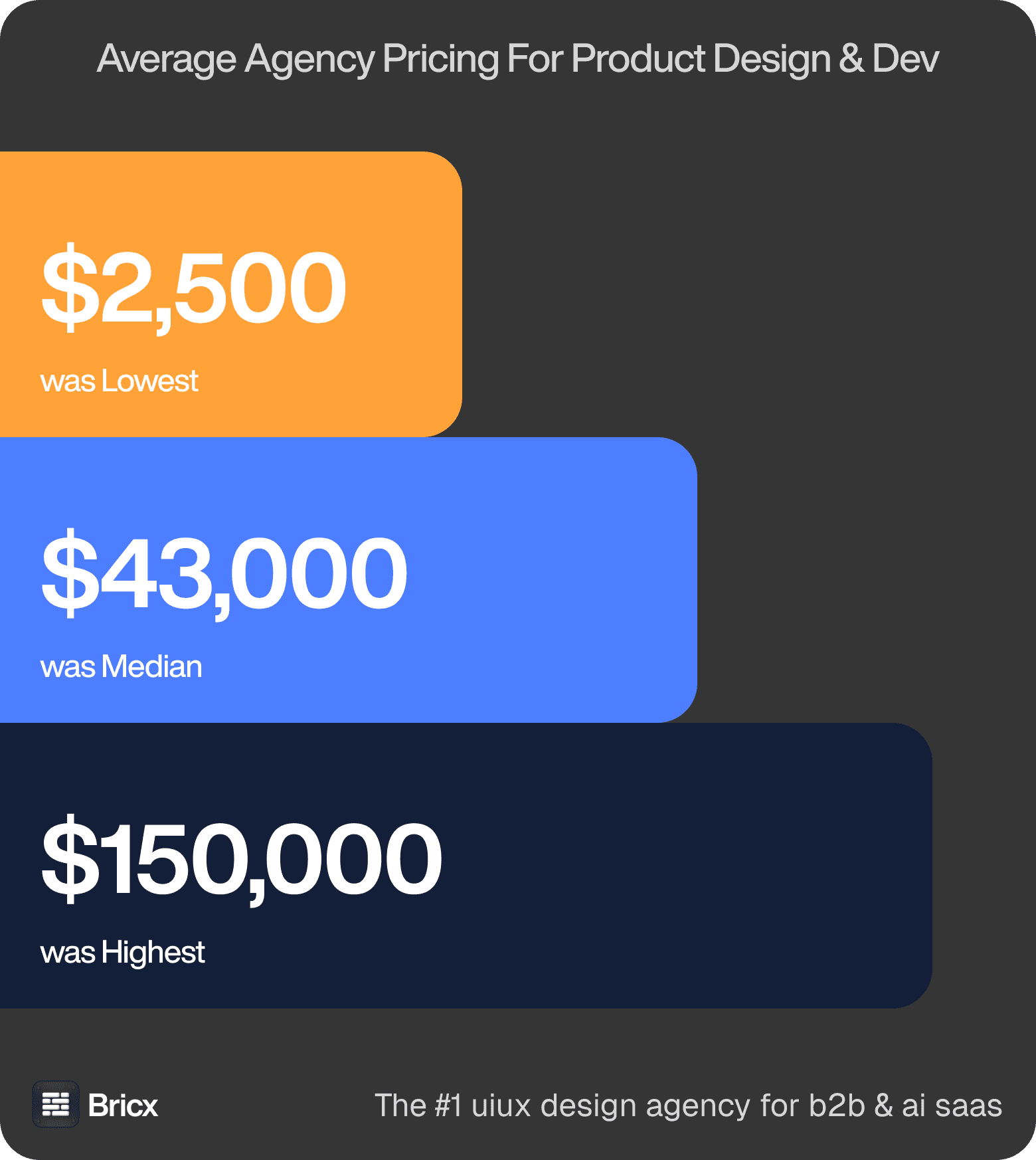
The spread nobody publishes. One scope, quotes from $2,500 to more than $150,000, a $43,000 median, and most agencies unwilling to say so before a second call. Those figures cover product design across the whole benchmark, so treat them as the range clinical trial UX is quoted inside rather than a price for it.
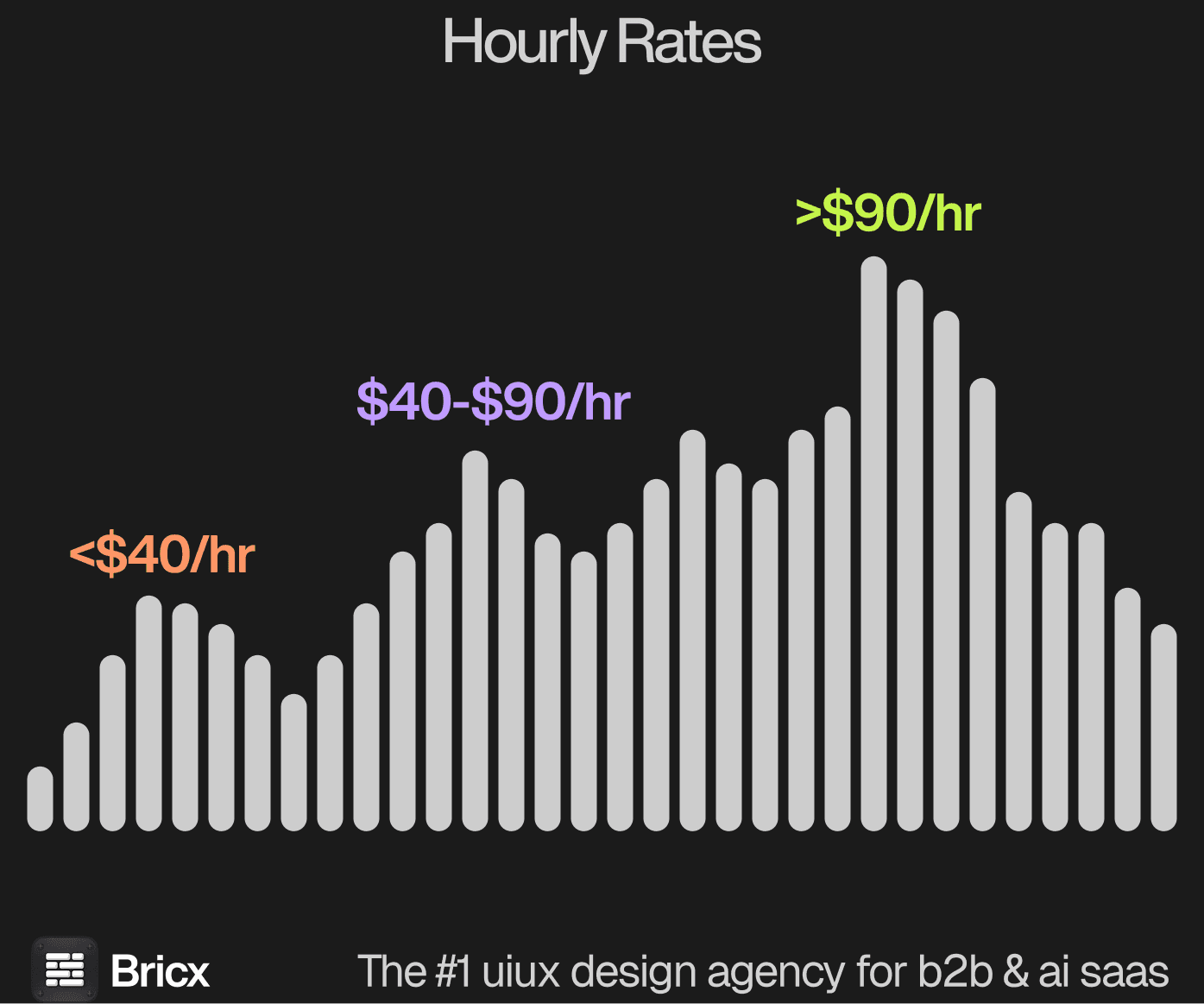
By the hour. $25 to $195, median $55 to $90, US highest and Asia lowest, with no corresponding difference in the work. Clinical trial work sits well above the median, because every screen is tied to a protocol document, validation evidence and change control, and a revision after go-live costs more than the original design did.
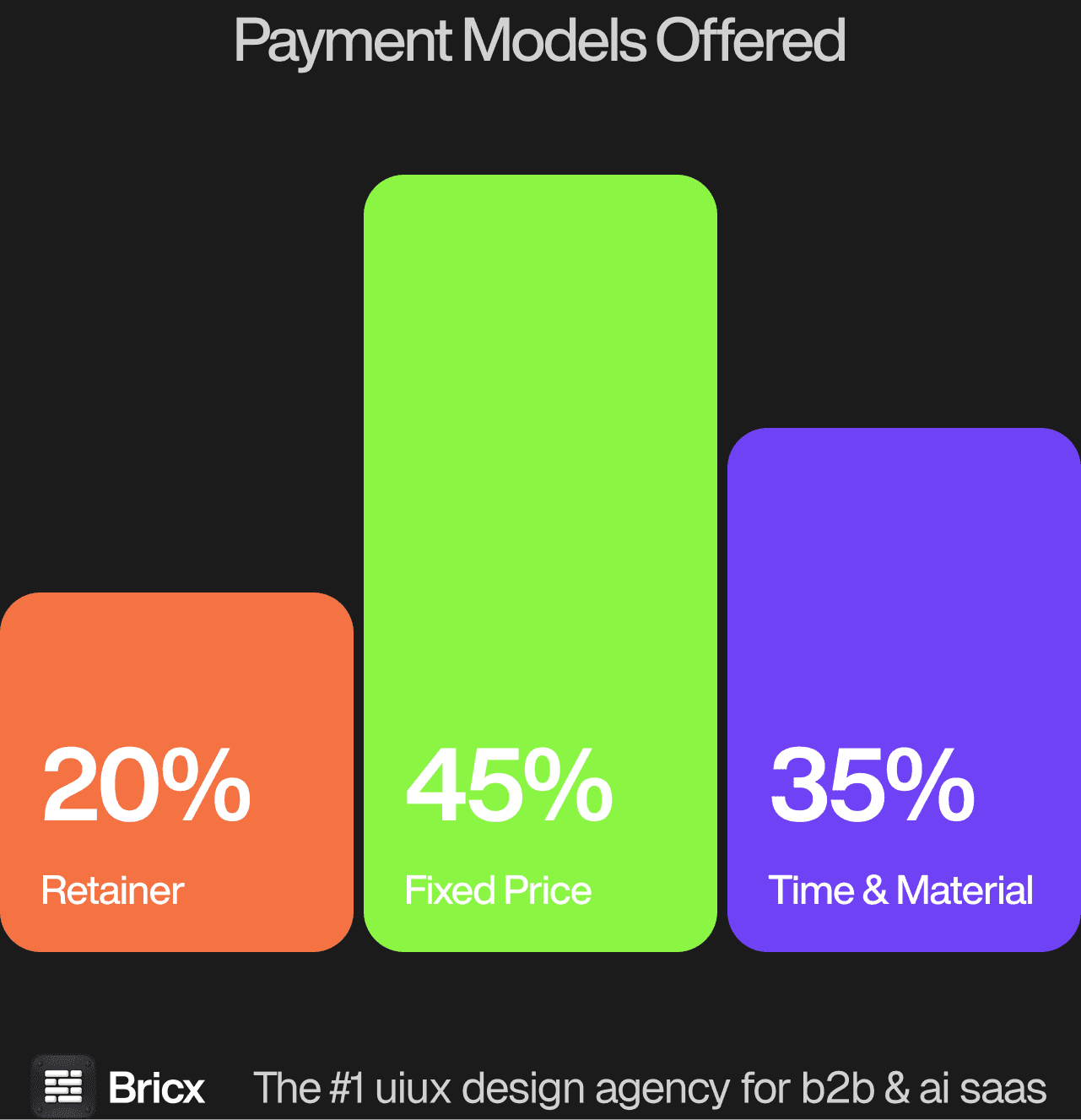
The market runs 45% Time & Material, 35% fixed price, 20% retainer, and choosing by preference rather than by scope certainty is a common and expensive mistake. For clinical trial UX the model usually matters more than the headline figure, because it decides what happens when the scope moves.
- Fixed price for bounded scope.
- Time & Material for evolving scope.
- Retainer for permanent design demand.
- Which one fits clinical trial UX comes down to whether the scope is settled before the work starts.
How do you evaluate a clinical trial UX agency?
Five things separate clinical trial UX from healthcare software UX generally.
Ask how they handle a protocol amendment. Forms, edit checks and visit schedules change mid-study, and a design that assumed the schedule was settled has to be rebuilt while sites are still enrolling.
Ask who they designed for at the site. The coordinator does the data entry and the investigator signs it, and a system shaped around the sponsor's reporting view lengthens both of their days.
Ask what happens when the participant is unwell. Diary and symptom entries happen at home, often on an old phone, sometimes by somebody in pain, which makes adherence a design outcome rather than a compliance one.
Ask how they make an audit trail readable. Every change is recorded with a reason, and when entering that reason is tedious the data quality drops long before a monitor sees it.
Ask what they produce for validation. Screens inside a regulated study need specifications, traceability and evidence, and a team that has only ever shipped Figma will not know what its work has to become.
What are the red flags when hiring a design agency?
- Discovery priced as a separate product. Paying twice to be told what you already know is common and avoidable.
- A team that grows only after signature. Ask who is assigned now, not who could be.
- Metrics quoted without baselines. "Increased conversion 40%" from what, over what period.
- No process for disagreement. Ask what happens when you reject a direction twice.
- Silence on what they would not take on. An agency with no boundaries has no specialism.
- No comparable example of clinical trial UX. An agency that cannot point to work of the same shape is learning on your budget.
Should you hire a UX agency or build in-house?
Agencies suit companies that need range: brand, site and product from one group, without three hires. For clinical trial UX specifically, the question worth settling first is how often the work recurs.
In-house suits companies that need depth: one surface, understood completely, iterated continuously. Most teams need range first and depth later. Where clinical trial UX falls on that line is usually clear once you count how many times it will need doing again.
Sponsors and CROs usually hold deep protocol knowledge and no design capacity, which argues for retaining rather than hiring. Hiring one designer fails because regulatory certainty wins every argument against usability, and a lone designer loses it weekly. Retaining fails when an agency treats a validated system like a product launch and meets change control halfway through the build.
FAQs
What makes clinical trial UX difficult?
Three different users, a coordinator, an investigator and a participant, meet the same study through different surfaces, and none of them chose it. Every entry is regulated evidence, so improving a screen after go-live is a documented change rather than a release.
How much does clinical trial UX design cost?
Fixed-price product design across the benchmark ran $2,500 to over $150,000 with a median near $43,000, and regulated study software sits above that median because of validation and change control. Bricx starts at $25,000.
What happens to the design when a protocol is amended?
Forms, edit checks and visit schedules change while the study is running. A design that treated the schedule as fixed gets rebuilt under time pressure, so that flexibility has to be structural from the first version.
Does participant-facing design affect the study itself?
Yes. Diary completion depends on whether somebody unwell at home can finish the task on their own phone, and entries that never get made become missing data no analysis recovers.