Top 10 Web Design Agencies for Asia-Pacific Companies - January 2026
Searching for web design agencies for Asia-Pacific companies? Discover our list of 10 firms crafting fast, intuitive, and conversion-ready sites for APAC-focused businesses.
4 mins
4 mins
4 mins
December, 2025
December, 2025
December, 2025
Introduction
Asia-Pacific (APAC) companies operate in one of the fastest-growing, most diverse digital markets on the planet — from Singapore and Tokyo to Sydney, Seoul, Delhi, and beyond. The region’s audiences span language groups, device preferences, cultural expectations, and commerce behaviors. For APAC companies, your website must perform on mobile-first contexts, local nuances, multilingual audiences, and performance constraints, while still conveying strong brand credibility and conversion pathways.
To help APAC founders and business leaders make confident decisions, we evaluated 57+ design agencies globally using a documented brief tailored for APAC market realities. Each agency was scored on:
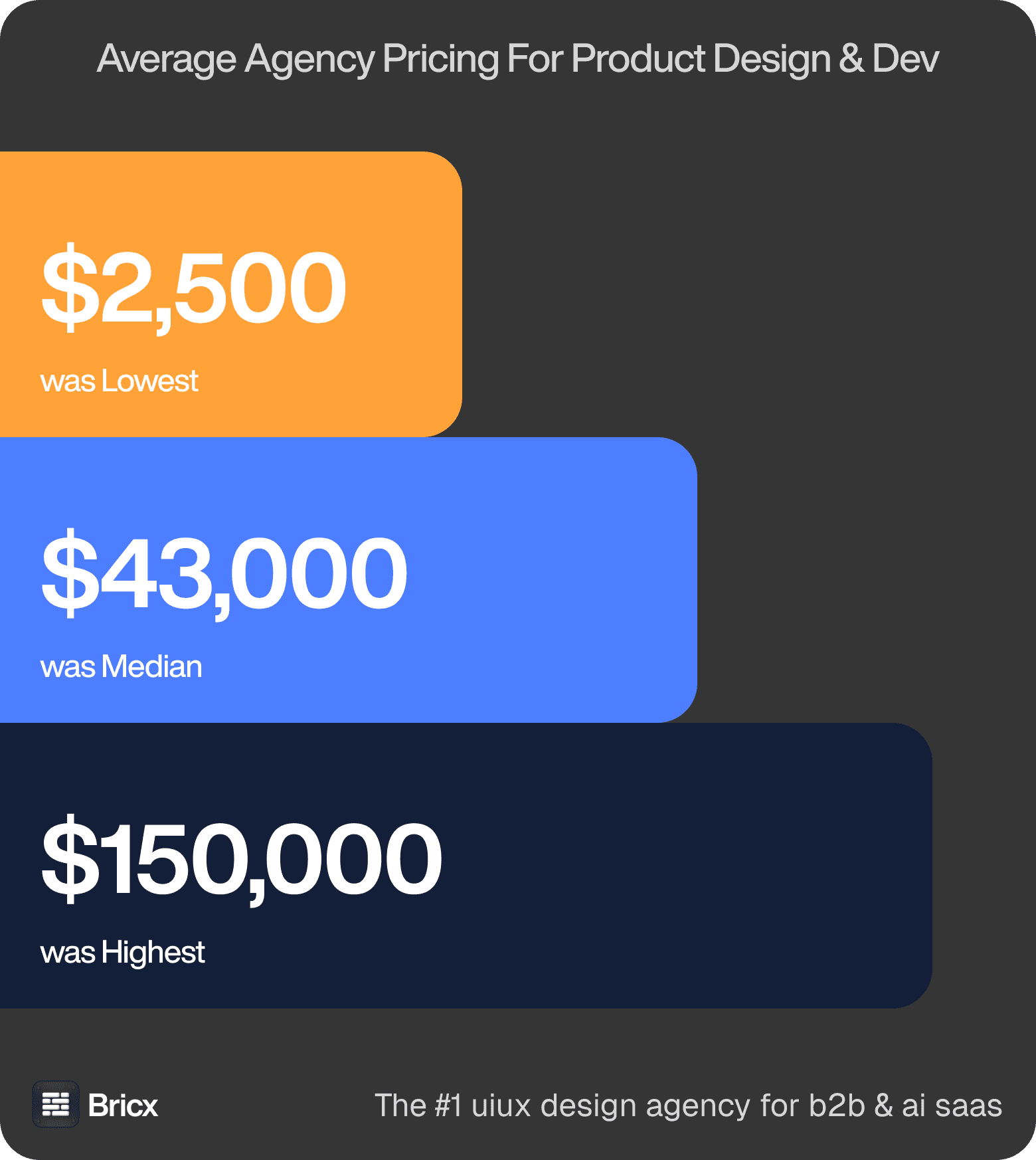
Pricing
Engagement Model
Payment Structure
Timeline
Team Structure
Number of Employees
Domain Expertise
Depth of Service
Business Thinking (Conversion + Localization)
Client Collaboration
Dev Handoff Process
Work Setup (Remote/Hybrid/In-Office)
All findings were consolidated into The Ultimate UX Agency Benchmarking Report for 2025, one of the most comprehensive agency evaluations ever done.
Based on this benchmarking, we hand-selected the 10 best web design agencies for Asia-Pacific companies — agencies with experience operating across diverse markets, supporting multilingual flows, and optimizing for region-specific performance and engagement.
By the end of this article, you’ll know exactly which web design partner fits your APAC growth goals and how they can help you reach customers across the region.
Introduction
Asia-Pacific (APAC) companies operate in one of the fastest-growing, most diverse digital markets on the planet — from Singapore and Tokyo to Sydney, Seoul, Delhi, and beyond. The region’s audiences span language groups, device preferences, cultural expectations, and commerce behaviors. For APAC companies, your website must perform on mobile-first contexts, local nuances, multilingual audiences, and performance constraints, while still conveying strong brand credibility and conversion pathways.
To help APAC founders and business leaders make confident decisions, we evaluated 57+ design agencies globally using a documented brief tailored for APAC market realities. Each agency was scored on:
Pricing
Engagement Model
Payment Structure
Timeline
Team Structure
Number of Employees
Domain Expertise
Depth of Service
Business Thinking (Conversion + Localization)
Client Collaboration
Dev Handoff Process
Work Setup (Remote/Hybrid/In-Office)
All findings were consolidated into The Ultimate UX Agency Benchmarking Report for 2025, one of the most comprehensive agency evaluations ever done.
Based on this benchmarking, we hand-selected the 10 best web design agencies for Asia-Pacific companies — agencies with experience operating across diverse markets, supporting multilingual flows, and optimizing for region-specific performance and engagement.
By the end of this article, you’ll know exactly which web design partner fits your APAC growth goals and how they can help you reach customers across the region.
Introduction
Asia-Pacific (APAC) companies operate in one of the fastest-growing, most diverse digital markets on the planet — from Singapore and Tokyo to Sydney, Seoul, Delhi, and beyond. The region’s audiences span language groups, device preferences, cultural expectations, and commerce behaviors. For APAC companies, your website must perform on mobile-first contexts, local nuances, multilingual audiences, and performance constraints, while still conveying strong brand credibility and conversion pathways.
To help APAC founders and business leaders make confident decisions, we evaluated 57+ design agencies globally using a documented brief tailored for APAC market realities. Each agency was scored on:
Pricing
Engagement Model
Payment Structure
Timeline
Team Structure
Number of Employees
Domain Expertise
Depth of Service
Business Thinking (Conversion + Localization)
Client Collaboration
Dev Handoff Process
Work Setup (Remote/Hybrid/In-Office)
All findings were consolidated into The Ultimate UX Agency Benchmarking Report for 2025, one of the most comprehensive agency evaluations ever done.
Based on this benchmarking, we hand-selected the 10 best web design agencies for Asia-Pacific companies — agencies with experience operating across diverse markets, supporting multilingual flows, and optimizing for region-specific performance and engagement.
By the end of this article, you’ll know exactly which web design partner fits your APAC growth goals and how they can help you reach customers across the region.
How To Evaluate Your Agency?
Designing for the APAC market comes with unique considerations. It’s not enough for a website to “work” — it must feel local, responsive, culturally resonant, and performance-ready across devices and regions.
Here are the key criteria to evaluate:
1. Localization & Multilingual Capabilities
Your site must speak local languages, adapt messaging per market, and handle right-to-left or multi-script layouts where relevant. Agencies with localization experience help avoid costly redesigns.
2. Mobile-First & Performance Optimization
APAC audiences skew heavily mobile. Page speed, responsive behaviors, and lightweight assets matter for conversions, especially where connectivity varies.
3. Cultural UX Sensitivity
Visual layouts, imagery, trust cues, color perception, and interaction norms differ across APAC markets. Choose agencies that know how to design for cultural nuance.
4. Scalability Across Markets
Your agency should build systems that handle market variants without fragmentation — such as modular templates, reusable components, and region-ready design systems.
5. Distributed Collaboration & Global Delivery
APAC companies often work across time zones and with remote teams. Your agency must be structured for async coordination, clear documentation, and flexible communication.
Top 10 Web Design Agencies for Asia-Pacific Companies: [Comparison]
Here’s a list of the top 10 web design agencies for Asia-Pacific companies.
How To Evaluate Your Agency?
Designing for the APAC market comes with unique considerations. It’s not enough for a website to “work” — it must feel local, responsive, culturally resonant, and performance-ready across devices and regions.
Here are the key criteria to evaluate:
1. Localization & Multilingual Capabilities
Your site must speak local languages, adapt messaging per market, and handle right-to-left or multi-script layouts where relevant. Agencies with localization experience help avoid costly redesigns.
2. Mobile-First & Performance Optimization
APAC audiences skew heavily mobile. Page speed, responsive behaviors, and lightweight assets matter for conversions, especially where connectivity varies.
3. Cultural UX Sensitivity
Visual layouts, imagery, trust cues, color perception, and interaction norms differ across APAC markets. Choose agencies that know how to design for cultural nuance.
4. Scalability Across Markets
Your agency should build systems that handle market variants without fragmentation — such as modular templates, reusable components, and region-ready design systems.
5. Distributed Collaboration & Global Delivery
APAC companies often work across time zones and with remote teams. Your agency must be structured for async coordination, clear documentation, and flexible communication.
Top 10 Web Design Agencies for Asia-Pacific Companies: [Comparison]
Here’s a list of the top 10 web design agencies for Asia-Pacific companies.
How To Evaluate Your Agency?
Designing for the APAC market comes with unique considerations. It’s not enough for a website to “work” — it must feel local, responsive, culturally resonant, and performance-ready across devices and regions.
Here are the key criteria to evaluate:
1. Localization & Multilingual Capabilities
Your site must speak local languages, adapt messaging per market, and handle right-to-left or multi-script layouts where relevant. Agencies with localization experience help avoid costly redesigns.
2. Mobile-First & Performance Optimization
APAC audiences skew heavily mobile. Page speed, responsive behaviors, and lightweight assets matter for conversions, especially where connectivity varies.
3. Cultural UX Sensitivity
Visual layouts, imagery, trust cues, color perception, and interaction norms differ across APAC markets. Choose agencies that know how to design for cultural nuance.
4. Scalability Across Markets
Your agency should build systems that handle market variants without fragmentation — such as modular templates, reusable components, and region-ready design systems.
5. Distributed Collaboration & Global Delivery
APAC companies often work across time zones and with remote teams. Your agency must be structured for async coordination, clear documentation, and flexible communication.
Top 10 Web Design Agencies for Asia-Pacific Companies: [Comparison]
Here’s a list of the top 10 web design agencies for Asia-Pacific companies.
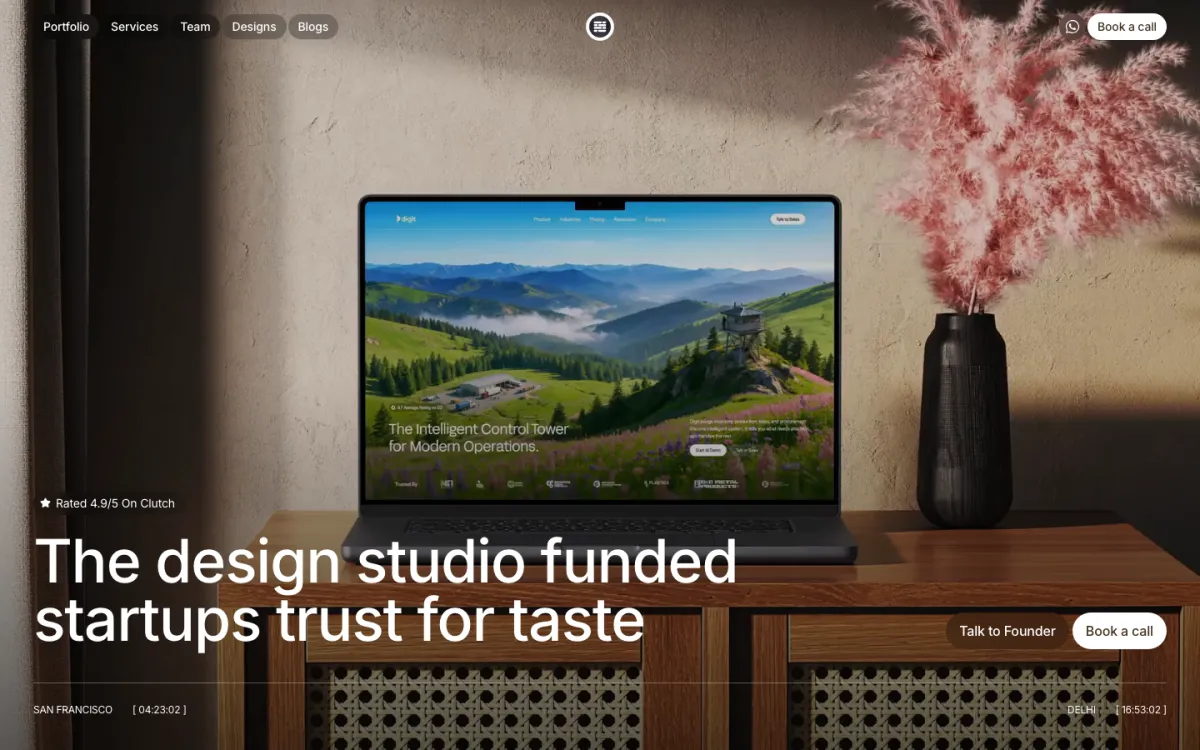
Bricx - Premium UI/UX Partners For SaaS

We at Bricx exclusively work with B2B & AI SaaS to create unforgettable user experiences. Our team of UX experts design high-converting websites and products, using our deep understanding of SaaS & design.
We have a running list of 25+ UX case studies where we have successfully completed website & product design projects for our clients.
Our clients include B2B SaaS & AI companies like Writesonic, Sybill, Manyreach, and other reputed names.
Schedule a call with us to discuss your goals & we’ll let you know how we can help.
Bricx - Premium UI/UX Partners For SaaS

We at Bricx exclusively work with B2B & AI SaaS to create unforgettable user experiences. Our team of UX experts design high-converting websites and products, using our deep understanding of SaaS & design.
We have a running list of 25+ UX case studies where we have successfully completed website & product design projects for our clients.
Our clients include B2B SaaS & AI companies like Writesonic, Sybill, Manyreach, and other reputed names.
Schedule a call with us to discuss your goals & we’ll let you know how we can help.
Bricx - Premium UI/UX Partners For SaaS

We at Bricx exclusively work with B2B & AI SaaS to create unforgettable user experiences. Our team of UX experts design high-converting websites and products, using our deep understanding of SaaS & design.
We have a running list of 25+ UX case studies where we have successfully completed website & product design projects for our clients.
Our clients include B2B SaaS & AI companies like Writesonic, Sybill, Manyreach, and other reputed names.
Schedule a call with us to discuss your goals & we’ll let you know how we can help.
Clay
Clay is an acclaimed design studio known for its polished, premium visual language and strategic UX execution. Their team excels at creating unified brand experiences that still feel locally attuned, which is vital for APAC companies seeking regional consistency without cultural mismatches. Clay’s structured layouts, clear information hierarchy, and compelling visual storytelling help bridge global brand strength with localized market relevance.
Employees-to-Client Ratio: Balanced visual + UX strategy teams
Process Maturity: UX research → polished UI
APAC Domain Experience: Brand-forward UX design
Client Collaboration: Iterative visual reviews
Dev Handoff Process: Pixel-perfect deliverables
Work Setup: Remote-friendly
Ueno
Ueno’s design philosophy emphasizes strategic narrative and product context, which works especially well for APAC brands that must communicate value clearly across cultural and linguistic boundaries. They help companies craft compelling journeys, trust signals, and performance-aware flows that improve engagement and conversions. For APAC companies entering new markets, Ueno’s storytelling and UX alignment can support launch campaigns, localized messaging, and multi-region performance tuning.
Employees-to-Client Ratio: Cross-disciplinary design teams
Process Maturity: Strategy → discovery → UX execution
APAC Domain Experience: Brand and narrative clarity
Client Collaboration: Workshops + alignment
Dev Handoff Process: Structured specs
Work Setup: Hybrid
Instrument
Instrument blends UX clarity with strategic content framing, which fits APAC companies that need story-led experiences with regional nuance. Their work often includes value narratives, conversion-first page flows, and multi-persona paths that resonate across cultures and devices. Instrument’s approach helps brands articulate why they matter — especially important when audiences have varying expectations of reliability and proof.
Employees-to-Client Ratio: Strategy + design teams
Process Maturity: Research → narratives → UX refinement
APAC Domain Experience: Multicultural storytelling
Client Collaboration: Strategic sessions
Dev Handoff Process: Comprehensive documentation
Work Setup: Hybrid
Huge Inc.
Huge Inc. supports large digital experiences and enterprise-level platforms — valuable for APAC companies expanding across borders or operating in multiple verticals. Huge emphasizes performance, conversion optimization, and scalable UX systems that can adapt to changing regional trends and languages. Their global scale and research resources help brands refine localized content, trust mechanisms, and conversion paths responsive to market data.
Employees-to-Client Ratio: Large multidisciplinary teams
Process Maturity: Research → testing → optimization
APAC Domain Experience: Large catalog and enterprise UX
Client Collaboration: Structured engagement
Dev Handoff Process: Performance-ready specs
Work Setup: Hybrid
Ramotion
Ramotion brings clean, structured design to APAC companies that want clarity and simplicity without sacrificing performance or global readability. Their emphasis on visual hierarchy, spacing, and intuitive flows helps visitors from diverse markets make sense of your content quickly — a must in regions where attention spans and screen sizes vary widely.
Employees-to-Client Ratio: Senior design teams
Process Maturity: UX fundamentals → UI systems
APAC Domain Experience: Clear hierarchy and modular layout
Client Collaboration: Agile iterations
Dev Handoff Process: Organized specs
Work Setup: Remote-first
Zajno
Zajno specializes in visual clarity and content prioritization, helping APAC companies present complex content in digestible, locally-resonant ways. Their work often focuses on information architecture, readable layouts, and narrative progression — all critical when catering to multi-lingual, multi-cultural audiences across the Asia-Pacific region. Zajno’s design choices help reduce cognitive load and improve conversion outcomes.
Employees-to-Client Ratio: Creative UX teams
Process Maturity: Story-driven UX → UI refinement
APAC Domain Experience: Content clarity and segmentation
Client Collaboration: Creative review sessions
Dev Handoff Process: Organized UI specs
Work Setup: Remote/hybrid
Clay
Clay is an acclaimed design studio known for its polished, premium visual language and strategic UX execution. Their team excels at creating unified brand experiences that still feel locally attuned, which is vital for APAC companies seeking regional consistency without cultural mismatches. Clay’s structured layouts, clear information hierarchy, and compelling visual storytelling help bridge global brand strength with localized market relevance.
Employees-to-Client Ratio: Balanced visual + UX strategy teams
Process Maturity: UX research → polished UI
APAC Domain Experience: Brand-forward UX design
Client Collaboration: Iterative visual reviews
Dev Handoff Process: Pixel-perfect deliverables
Work Setup: Remote-friendly
Ueno
Ueno’s design philosophy emphasizes strategic narrative and product context, which works especially well for APAC brands that must communicate value clearly across cultural and linguistic boundaries. They help companies craft compelling journeys, trust signals, and performance-aware flows that improve engagement and conversions. For APAC companies entering new markets, Ueno’s storytelling and UX alignment can support launch campaigns, localized messaging, and multi-region performance tuning.
Employees-to-Client Ratio: Cross-disciplinary design teams
Process Maturity: Strategy → discovery → UX execution
APAC Domain Experience: Brand and narrative clarity
Client Collaboration: Workshops + alignment
Dev Handoff Process: Structured specs
Work Setup: Hybrid
Instrument
Instrument blends UX clarity with strategic content framing, which fits APAC companies that need story-led experiences with regional nuance. Their work often includes value narratives, conversion-first page flows, and multi-persona paths that resonate across cultures and devices. Instrument’s approach helps brands articulate why they matter — especially important when audiences have varying expectations of reliability and proof.
Employees-to-Client Ratio: Strategy + design teams
Process Maturity: Research → narratives → UX refinement
APAC Domain Experience: Multicultural storytelling
Client Collaboration: Strategic sessions
Dev Handoff Process: Comprehensive documentation
Work Setup: Hybrid
Huge Inc.
Huge Inc. supports large digital experiences and enterprise-level platforms — valuable for APAC companies expanding across borders or operating in multiple verticals. Huge emphasizes performance, conversion optimization, and scalable UX systems that can adapt to changing regional trends and languages. Their global scale and research resources help brands refine localized content, trust mechanisms, and conversion paths responsive to market data.
Employees-to-Client Ratio: Large multidisciplinary teams
Process Maturity: Research → testing → optimization
APAC Domain Experience: Large catalog and enterprise UX
Client Collaboration: Structured engagement
Dev Handoff Process: Performance-ready specs
Work Setup: Hybrid
Ramotion
Ramotion brings clean, structured design to APAC companies that want clarity and simplicity without sacrificing performance or global readability. Their emphasis on visual hierarchy, spacing, and intuitive flows helps visitors from diverse markets make sense of your content quickly — a must in regions where attention spans and screen sizes vary widely.
Employees-to-Client Ratio: Senior design teams
Process Maturity: UX fundamentals → UI systems
APAC Domain Experience: Clear hierarchy and modular layout
Client Collaboration: Agile iterations
Dev Handoff Process: Organized specs
Work Setup: Remote-first
Zajno
Zajno specializes in visual clarity and content prioritization, helping APAC companies present complex content in digestible, locally-resonant ways. Their work often focuses on information architecture, readable layouts, and narrative progression — all critical when catering to multi-lingual, multi-cultural audiences across the Asia-Pacific region. Zajno’s design choices help reduce cognitive load and improve conversion outcomes.
Employees-to-Client Ratio: Creative UX teams
Process Maturity: Story-driven UX → UI refinement
APAC Domain Experience: Content clarity and segmentation
Client Collaboration: Creative review sessions
Dev Handoff Process: Organized UI specs
Work Setup: Remote/hybrid
Clay
Clay is an acclaimed design studio known for its polished, premium visual language and strategic UX execution. Their team excels at creating unified brand experiences that still feel locally attuned, which is vital for APAC companies seeking regional consistency without cultural mismatches. Clay’s structured layouts, clear information hierarchy, and compelling visual storytelling help bridge global brand strength with localized market relevance.
Employees-to-Client Ratio: Balanced visual + UX strategy teams
Process Maturity: UX research → polished UI
APAC Domain Experience: Brand-forward UX design
Client Collaboration: Iterative visual reviews
Dev Handoff Process: Pixel-perfect deliverables
Work Setup: Remote-friendly
Ueno
Ueno’s design philosophy emphasizes strategic narrative and product context, which works especially well for APAC brands that must communicate value clearly across cultural and linguistic boundaries. They help companies craft compelling journeys, trust signals, and performance-aware flows that improve engagement and conversions. For APAC companies entering new markets, Ueno’s storytelling and UX alignment can support launch campaigns, localized messaging, and multi-region performance tuning.
Employees-to-Client Ratio: Cross-disciplinary design teams
Process Maturity: Strategy → discovery → UX execution
APAC Domain Experience: Brand and narrative clarity
Client Collaboration: Workshops + alignment
Dev Handoff Process: Structured specs
Work Setup: Hybrid
Instrument
Instrument blends UX clarity with strategic content framing, which fits APAC companies that need story-led experiences with regional nuance. Their work often includes value narratives, conversion-first page flows, and multi-persona paths that resonate across cultures and devices. Instrument’s approach helps brands articulate why they matter — especially important when audiences have varying expectations of reliability and proof.
Employees-to-Client Ratio: Strategy + design teams
Process Maturity: Research → narratives → UX refinement
APAC Domain Experience: Multicultural storytelling
Client Collaboration: Strategic sessions
Dev Handoff Process: Comprehensive documentation
Work Setup: Hybrid
Huge Inc.
Huge Inc. supports large digital experiences and enterprise-level platforms — valuable for APAC companies expanding across borders or operating in multiple verticals. Huge emphasizes performance, conversion optimization, and scalable UX systems that can adapt to changing regional trends and languages. Their global scale and research resources help brands refine localized content, trust mechanisms, and conversion paths responsive to market data.
Employees-to-Client Ratio: Large multidisciplinary teams
Process Maturity: Research → testing → optimization
APAC Domain Experience: Large catalog and enterprise UX
Client Collaboration: Structured engagement
Dev Handoff Process: Performance-ready specs
Work Setup: Hybrid
Ramotion
Ramotion brings clean, structured design to APAC companies that want clarity and simplicity without sacrificing performance or global readability. Their emphasis on visual hierarchy, spacing, and intuitive flows helps visitors from diverse markets make sense of your content quickly — a must in regions where attention spans and screen sizes vary widely.
Employees-to-Client Ratio: Senior design teams
Process Maturity: UX fundamentals → UI systems
APAC Domain Experience: Clear hierarchy and modular layout
Client Collaboration: Agile iterations
Dev Handoff Process: Organized specs
Work Setup: Remote-first
Zajno
Zajno specializes in visual clarity and content prioritization, helping APAC companies present complex content in digestible, locally-resonant ways. Their work often focuses on information architecture, readable layouts, and narrative progression — all critical when catering to multi-lingual, multi-cultural audiences across the Asia-Pacific region. Zajno’s design choices help reduce cognitive load and improve conversion outcomes.
Employees-to-Client Ratio: Creative UX teams
Process Maturity: Story-driven UX → UI refinement
APAC Domain Experience: Content clarity and segmentation
Client Collaboration: Creative review sessions
Dev Handoff Process: Organized UI specs
Work Setup: Remote/hybrid
DigitalSilk
DigitalSilk provides end-to-end digital strategy and performance-focused design — useful for APAC brands that need SEO, analytics, speed optimization, and conversion tracking baked into their web presence. Their structured approach ensures that your design reflects both brand differentiation and measurable outcomes, aligning with the data-driven competitive landscape of APAC markets.
Employees-to-Client Ratio: Full-stack UX + strategy teams
Process Maturity: Research → execution → optimization
APAC Domain Experience: SEO + conversion integration
Client Collaboration: Structured communication
Dev Handoff Process: Build-ready docs
Work Setup: Hybrid
Think Company
Think Company brings a research-informed design methodology — helpful for APAC companies that want evidence-based UX decisions and validated flows before launch. Their discovery and testing practices help refine user journeys, navigation logic, and regional behaviors so your site feels natural and intuitive across markets with diverse expectations.
Employees-to-Client Ratio: Research-heavy teams
Process Maturity: Discovery → testing → refinement
APAC Domain Experience: User behavior insights
Client Collaboration: Deep engagement workshops
Dev Handoff Process: Detailed documentation
Work Setup: Hybrid
Designit
Designit’s human-centered design philosophy helps APAC companies map real user needs across cultural and linguistic boundaries. Their structured approach to understanding behaviors and designing accordingly is particularly useful in a region where context matters deeply. Designit helps brands define meaningful user paths, local triggers, and trust-building interactions that resonate emotionally as well as functionally.
Employees-to-Client Ratio: Multi-disciplinary teams
Process Maturity: Human-centered frameworks
APAC Domain Experience: Insight-driven UX
Client Collaboration: Co-creation workshops
Dev Handoff Process: Structured documentation
Work Setup: Hybrid
Conclusion
Asia-Pacific companies operate in a diverse, complex, and rapidly evolving digital landscape. Your website must be locally nuanced, performance optimized, and conversion oriented — while still representing a unified global brand presence. The agencies above were selected because they combine strategic design thinking, cultural UX sensitivity, performance readiness, and scalable systems — all essential for companies that aim to succeed across APAC markets.
When choosing a partner, prioritize:
Localization and multilingual experience
Mobile-first, performance-aware design
Scalable design systems
Clear documentation and distributed collaboration
These are the design foundations that help APAC companies launch strong, grow fast, and resonate across cultures.
If you’re looking for a partner that understands APAC design nuance, business-aligned UX, and performance-driven execution, Bricx stands out as an excellent choice for Asia-Pacific companies. We help teams translate brand, product, and market strategy into web experiences that are not only beautiful but impactful — across languages, cultures, and device contexts.
FAQs
1. Why do Asia-Pacific companies need specialized web design agencies?
The Asia-Pacific region includes diverse cultures, languages, and digital habits, so companies need agencies that understand regional nuances. A specialized agency can design experiences that feel native across markets like India, Singapore, Japan, Australia, and Southeast Asia. This helps brands connect with users in a way that improves trust, clarity, and conversions.
2. What unique web design challenges do APAC companies face?
APAC markets often have a mix of mobile-first users, varied internet speeds, and different UI expectations from country to country. Brands must adapt layouts, copy tone, and visuals to local preferences while maintaining a consistent identity. Designing for multiple languages, currencies, and regulatory requirements adds extra complexity.
3. How can good web design help APAC companies compete globally?
Strong design improves credibility and positions APAC companies as world-class competitors. A polished website makes it easier to attract international customers, partners, and investors. When messaging and UX are clear across cultures, companies expand faster and convert better in foreign markets.
4. What skills should a web design agency have to support Asia-Pacific companies?
They should understand multilingual UX, mobile-first patterns, localization strategy, and cultural variations in design preferences. Agencies with experience across APAC markets know how to balance global standards with local expectations. They also need strong analytics skills to design for regions with very different user behaviors.
5. Why is localization critical for APAC web design?
Localization helps users feel that the brand understands their language, culture, and purchasing behavior. Everything—from visuals to tone to payment flows—must be adapted for each target region. When localization is done well, engagement, retention, and conversions increase across markets.
6. How can UX design support growth for APAC companies expanding regionally?
UX design creates consistency across markets while still allowing room for cultural customization. It helps companies ship features faster, improve comprehension, and reduce friction for new users. A well-structured UX foundation makes scaling into new APAC regions far smoother and more predictable.
DigitalSilk
DigitalSilk provides end-to-end digital strategy and performance-focused design — useful for APAC brands that need SEO, analytics, speed optimization, and conversion tracking baked into their web presence. Their structured approach ensures that your design reflects both brand differentiation and measurable outcomes, aligning with the data-driven competitive landscape of APAC markets.
Employees-to-Client Ratio: Full-stack UX + strategy teams
Process Maturity: Research → execution → optimization
APAC Domain Experience: SEO + conversion integration
Client Collaboration: Structured communication
Dev Handoff Process: Build-ready docs
Work Setup: Hybrid
Think Company
Think Company brings a research-informed design methodology — helpful for APAC companies that want evidence-based UX decisions and validated flows before launch. Their discovery and testing practices help refine user journeys, navigation logic, and regional behaviors so your site feels natural and intuitive across markets with diverse expectations.
Employees-to-Client Ratio: Research-heavy teams
Process Maturity: Discovery → testing → refinement
APAC Domain Experience: User behavior insights
Client Collaboration: Deep engagement workshops
Dev Handoff Process: Detailed documentation
Work Setup: Hybrid
Designit
Designit’s human-centered design philosophy helps APAC companies map real user needs across cultural and linguistic boundaries. Their structured approach to understanding behaviors and designing accordingly is particularly useful in a region where context matters deeply. Designit helps brands define meaningful user paths, local triggers, and trust-building interactions that resonate emotionally as well as functionally.
Employees-to-Client Ratio: Multi-disciplinary teams
Process Maturity: Human-centered frameworks
APAC Domain Experience: Insight-driven UX
Client Collaboration: Co-creation workshops
Dev Handoff Process: Structured documentation
Work Setup: Hybrid
Conclusion
Asia-Pacific companies operate in a diverse, complex, and rapidly evolving digital landscape. Your website must be locally nuanced, performance optimized, and conversion oriented — while still representing a unified global brand presence. The agencies above were selected because they combine strategic design thinking, cultural UX sensitivity, performance readiness, and scalable systems — all essential for companies that aim to succeed across APAC markets.
When choosing a partner, prioritize:
Localization and multilingual experience
Mobile-first, performance-aware design
Scalable design systems
Clear documentation and distributed collaboration
These are the design foundations that help APAC companies launch strong, grow fast, and resonate across cultures.
If you’re looking for a partner that understands APAC design nuance, business-aligned UX, and performance-driven execution, Bricx stands out as an excellent choice for Asia-Pacific companies. We help teams translate brand, product, and market strategy into web experiences that are not only beautiful but impactful — across languages, cultures, and device contexts.
FAQs
1. Why do Asia-Pacific companies need specialized web design agencies?
The Asia-Pacific region includes diverse cultures, languages, and digital habits, so companies need agencies that understand regional nuances. A specialized agency can design experiences that feel native across markets like India, Singapore, Japan, Australia, and Southeast Asia. This helps brands connect with users in a way that improves trust, clarity, and conversions.
2. What unique web design challenges do APAC companies face?
APAC markets often have a mix of mobile-first users, varied internet speeds, and different UI expectations from country to country. Brands must adapt layouts, copy tone, and visuals to local preferences while maintaining a consistent identity. Designing for multiple languages, currencies, and regulatory requirements adds extra complexity.
3. How can good web design help APAC companies compete globally?
Strong design improves credibility and positions APAC companies as world-class competitors. A polished website makes it easier to attract international customers, partners, and investors. When messaging and UX are clear across cultures, companies expand faster and convert better in foreign markets.
4. What skills should a web design agency have to support Asia-Pacific companies?
They should understand multilingual UX, mobile-first patterns, localization strategy, and cultural variations in design preferences. Agencies with experience across APAC markets know how to balance global standards with local expectations. They also need strong analytics skills to design for regions with very different user behaviors.
5. Why is localization critical for APAC web design?
Localization helps users feel that the brand understands their language, culture, and purchasing behavior. Everything—from visuals to tone to payment flows—must be adapted for each target region. When localization is done well, engagement, retention, and conversions increase across markets.
6. How can UX design support growth for APAC companies expanding regionally?
UX design creates consistency across markets while still allowing room for cultural customization. It helps companies ship features faster, improve comprehension, and reduce friction for new users. A well-structured UX foundation makes scaling into new APAC regions far smoother and more predictable.
DigitalSilk
DigitalSilk provides end-to-end digital strategy and performance-focused design — useful for APAC brands that need SEO, analytics, speed optimization, and conversion tracking baked into their web presence. Their structured approach ensures that your design reflects both brand differentiation and measurable outcomes, aligning with the data-driven competitive landscape of APAC markets.
Employees-to-Client Ratio: Full-stack UX + strategy teams
Process Maturity: Research → execution → optimization
APAC Domain Experience: SEO + conversion integration
Client Collaboration: Structured communication
Dev Handoff Process: Build-ready docs
Work Setup: Hybrid
Think Company
Think Company brings a research-informed design methodology — helpful for APAC companies that want evidence-based UX decisions and validated flows before launch. Their discovery and testing practices help refine user journeys, navigation logic, and regional behaviors so your site feels natural and intuitive across markets with diverse expectations.
Employees-to-Client Ratio: Research-heavy teams
Process Maturity: Discovery → testing → refinement
APAC Domain Experience: User behavior insights
Client Collaboration: Deep engagement workshops
Dev Handoff Process: Detailed documentation
Work Setup: Hybrid
Designit
Designit’s human-centered design philosophy helps APAC companies map real user needs across cultural and linguistic boundaries. Their structured approach to understanding behaviors and designing accordingly is particularly useful in a region where context matters deeply. Designit helps brands define meaningful user paths, local triggers, and trust-building interactions that resonate emotionally as well as functionally.
Employees-to-Client Ratio: Multi-disciplinary teams
Process Maturity: Human-centered frameworks
APAC Domain Experience: Insight-driven UX
Client Collaboration: Co-creation workshops
Dev Handoff Process: Structured documentation
Work Setup: Hybrid
Conclusion
Asia-Pacific companies operate in a diverse, complex, and rapidly evolving digital landscape. Your website must be locally nuanced, performance optimized, and conversion oriented — while still representing a unified global brand presence. The agencies above were selected because they combine strategic design thinking, cultural UX sensitivity, performance readiness, and scalable systems — all essential for companies that aim to succeed across APAC markets.
When choosing a partner, prioritize:
Localization and multilingual experience
Mobile-first, performance-aware design
Scalable design systems
Clear documentation and distributed collaboration
These are the design foundations that help APAC companies launch strong, grow fast, and resonate across cultures.
If you’re looking for a partner that understands APAC design nuance, business-aligned UX, and performance-driven execution, Bricx stands out as an excellent choice for Asia-Pacific companies. We help teams translate brand, product, and market strategy into web experiences that are not only beautiful but impactful — across languages, cultures, and device contexts.
FAQs
1. Why do Asia-Pacific companies need specialized web design agencies?
The Asia-Pacific region includes diverse cultures, languages, and digital habits, so companies need agencies that understand regional nuances. A specialized agency can design experiences that feel native across markets like India, Singapore, Japan, Australia, and Southeast Asia. This helps brands connect with users in a way that improves trust, clarity, and conversions.
2. What unique web design challenges do APAC companies face?
APAC markets often have a mix of mobile-first users, varied internet speeds, and different UI expectations from country to country. Brands must adapt layouts, copy tone, and visuals to local preferences while maintaining a consistent identity. Designing for multiple languages, currencies, and regulatory requirements adds extra complexity.
3. How can good web design help APAC companies compete globally?
Strong design improves credibility and positions APAC companies as world-class competitors. A polished website makes it easier to attract international customers, partners, and investors. When messaging and UX are clear across cultures, companies expand faster and convert better in foreign markets.
4. What skills should a web design agency have to support Asia-Pacific companies?
They should understand multilingual UX, mobile-first patterns, localization strategy, and cultural variations in design preferences. Agencies with experience across APAC markets know how to balance global standards with local expectations. They also need strong analytics skills to design for regions with very different user behaviors.
5. Why is localization critical for APAC web design?
Localization helps users feel that the brand understands their language, culture, and purchasing behavior. Everything—from visuals to tone to payment flows—must be adapted for each target region. When localization is done well, engagement, retention, and conversions increase across markets.
6. How can UX design support growth for APAC companies expanding regionally?
UX design creates consistency across markets while still allowing room for cultural customization. It helps companies ship features faster, improve comprehension, and reduce friction for new users. A well-structured UX foundation makes scaling into new APAC regions far smoother and more predictable.
As a remote-first team of UX specialists, we work exclusively with B2B & AI SaaS companies to design unforgettable user experiences at Bricx.
If you’re a B2B or AI SaaS looking to give your users an unforgettable experience, book a call with us now!
As a remote-first team of UX specialists, we work exclusively with B2B & AI SaaS companies to design unforgettable user experiences at Bricx.
If you’re a B2B or AI SaaS looking to give your users an unforgettable experience, book a call with us now!
As a remote-first team of UX specialists, we work exclusively with B2B & AI SaaS companies to design unforgettable user experiences at Bricx.
If you’re a B2B or AI SaaS looking to give your users an unforgettable experience, book a call with us now!
Author:


Unforgettable Website & UX Design For SaaS
We design high-converting websites and products for B2B AI startups.


Similar Design Agencies
Available for Work
Bricx
© Bricx, 2025. All rights reserved.


Available for Work
Bricx
© Bricx, 2025. All rights reserved.


Available for Work
Bricx
© Bricx, 2025. All rights reserved.


Available for Work
Bricx
© Bricx, 2025. All rights reserved.