Top 10 Web Design Agencies for E‑Learning Startups - December 2025
Looking for the best web design agencies for e-learning startups? Explore our list of 10 firms creating engaging, user-friendly, and scalable websites for online learning.
4 mins
4 mins
4 mins
December, 2025
December, 2025
December, 2025
Introduction
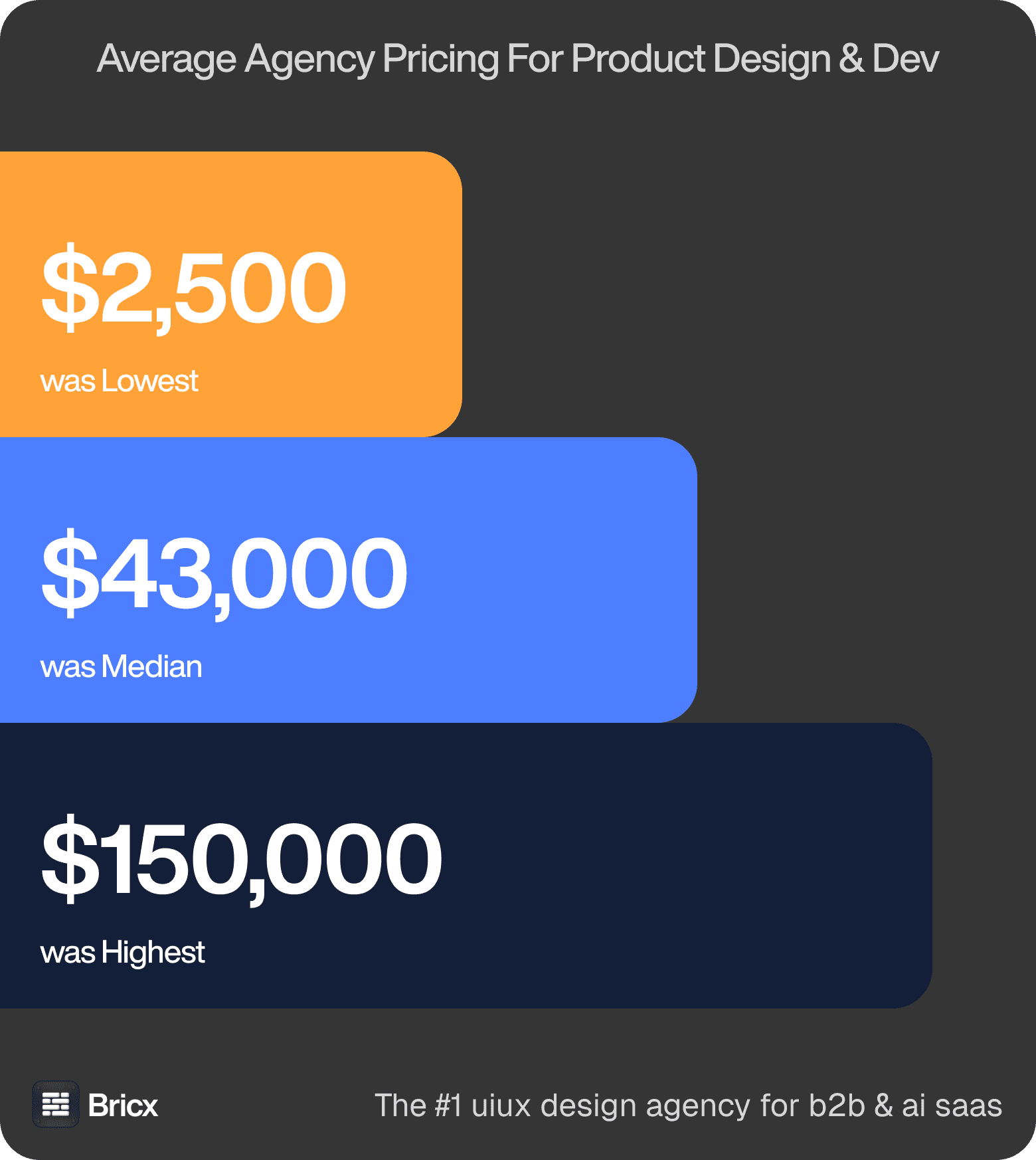
Over the last few months, we spoke to over 57 design agencies globally — conducted real sales calls and ran a comprehensive evaluation using the same documented project brief tailored specifically for e‑learning startups. We analyzed each agency based on:
Pricing
Engagement Model
Payment Structure
Timeline
Team Structure
Number of Employees
Domain Expertise
Depth of Service
Business Thinking (Conversion Rate Optimization)
Client Collaboration
Dev Handoff Process
Work Setup (Remote/Hybrid/In‑Office)
We then compiled these into The Ultimate UX Agency Benchmarking Report for 2025, one of the most comprehensive agency comparisons ever done.
From those insights, we handpicked the 10 best web design agencies for e‑learning startups — agencies who understand instructional design, conversion pathways, learner psychology, and scalable edtech ecosystems.
By the end of this guide, you’ll know which design partner aligns best with your goals and how they can help you create an experience learners love.
Introduction
Over the last few months, we spoke to over 57 design agencies globally — conducted real sales calls and ran a comprehensive evaluation using the same documented project brief tailored specifically for e‑learning startups. We analyzed each agency based on:
Pricing
Engagement Model
Payment Structure
Timeline
Team Structure
Number of Employees
Domain Expertise
Depth of Service
Business Thinking (Conversion Rate Optimization)
Client Collaboration
Dev Handoff Process
Work Setup (Remote/Hybrid/In‑Office)
We then compiled these into The Ultimate UX Agency Benchmarking Report for 2025, one of the most comprehensive agency comparisons ever done.
From those insights, we handpicked the 10 best web design agencies for e‑learning startups — agencies who understand instructional design, conversion pathways, learner psychology, and scalable edtech ecosystems.
By the end of this guide, you’ll know which design partner aligns best with your goals and how they can help you create an experience learners love.
Introduction
Over the last few months, we spoke to over 57 design agencies globally — conducted real sales calls and ran a comprehensive evaluation using the same documented project brief tailored specifically for e‑learning startups. We analyzed each agency based on:
Pricing
Engagement Model
Payment Structure
Timeline
Team Structure
Number of Employees
Domain Expertise
Depth of Service
Business Thinking (Conversion Rate Optimization)
Client Collaboration
Dev Handoff Process
Work Setup (Remote/Hybrid/In‑Office)
We then compiled these into The Ultimate UX Agency Benchmarking Report for 2025, one of the most comprehensive agency comparisons ever done.
From those insights, we handpicked the 10 best web design agencies for e‑learning startups — agencies who understand instructional design, conversion pathways, learner psychology, and scalable edtech ecosystems.
By the end of this guide, you’ll know which design partner aligns best with your goals and how they can help you create an experience learners love.
How To Evaluate Your Agency?
E‑learning startups require a blend of instructional clarity, conversion efficiency, engagement mechanics, and accessibility. This isn’t just about landing pages and visuals — it’s about removing friction in learning journeys and enabling clear paths to sign‑ups, course navigation, content discovery, and progress tracking.
Here’s what matters most when choosing your agency:
1. Instructional UX & Learner Flows
A great agency understands how learners think and progress. They know how to design onboarding, lesson sequence flows, progress indicators, assessment pages, and navigation that reduce cognitive overload and keep learners motivated.
2. Content Architecture & Discovery
E‑learning platforms tend to be content‑heavy. Your agency should be adept at structuring learning modules, categories, search, and content hierarchies so learners can discover and engage without confusion.
3. Conversion & Monetization UX
From free trial sign‑ups to paid course purchases, bundles, memberships, or subscription revenue funnels — your agency must know how to structure CTAs, pricing pages, trial triggers, retention nudges, and funnel flow tests that convert.
4. Accessibility & Inclusive Design
Learners are diverse — neurodiverse, visually impaired, ESL students, mobile‑only learners. Your agency must understand accessibility standards and inclusive design patterns that widen your addressable audience.
5. Integration & Dev‑Ready Delivery
Your designs must integrate with LMS systems, APIs, content databases, media players, video lessons, assessments, and learning dashboards. Choose an agency with clean design systems and developer‑friendly documentation.
Top 10 Web Design Agencies for E‑Learning Startups: [Comparison]
Here’s a list of the top 10 web design agencies for e‑learning startups.
How To Evaluate Your Agency?
E‑learning startups require a blend of instructional clarity, conversion efficiency, engagement mechanics, and accessibility. This isn’t just about landing pages and visuals — it’s about removing friction in learning journeys and enabling clear paths to sign‑ups, course navigation, content discovery, and progress tracking.
Here’s what matters most when choosing your agency:
1. Instructional UX & Learner Flows
A great agency understands how learners think and progress. They know how to design onboarding, lesson sequence flows, progress indicators, assessment pages, and navigation that reduce cognitive overload and keep learners motivated.
2. Content Architecture & Discovery
E‑learning platforms tend to be content‑heavy. Your agency should be adept at structuring learning modules, categories, search, and content hierarchies so learners can discover and engage without confusion.
3. Conversion & Monetization UX
From free trial sign‑ups to paid course purchases, bundles, memberships, or subscription revenue funnels — your agency must know how to structure CTAs, pricing pages, trial triggers, retention nudges, and funnel flow tests that convert.
4. Accessibility & Inclusive Design
Learners are diverse — neurodiverse, visually impaired, ESL students, mobile‑only learners. Your agency must understand accessibility standards and inclusive design patterns that widen your addressable audience.
5. Integration & Dev‑Ready Delivery
Your designs must integrate with LMS systems, APIs, content databases, media players, video lessons, assessments, and learning dashboards. Choose an agency with clean design systems and developer‑friendly documentation.
Top 10 Web Design Agencies for E‑Learning Startups: [Comparison]
Here’s a list of the top 10 web design agencies for e‑learning startups.
How To Evaluate Your Agency?
E‑learning startups require a blend of instructional clarity, conversion efficiency, engagement mechanics, and accessibility. This isn’t just about landing pages and visuals — it’s about removing friction in learning journeys and enabling clear paths to sign‑ups, course navigation, content discovery, and progress tracking.
Here’s what matters most when choosing your agency:
1. Instructional UX & Learner Flows
A great agency understands how learners think and progress. They know how to design onboarding, lesson sequence flows, progress indicators, assessment pages, and navigation that reduce cognitive overload and keep learners motivated.
2. Content Architecture & Discovery
E‑learning platforms tend to be content‑heavy. Your agency should be adept at structuring learning modules, categories, search, and content hierarchies so learners can discover and engage without confusion.
3. Conversion & Monetization UX
From free trial sign‑ups to paid course purchases, bundles, memberships, or subscription revenue funnels — your agency must know how to structure CTAs, pricing pages, trial triggers, retention nudges, and funnel flow tests that convert.
4. Accessibility & Inclusive Design
Learners are diverse — neurodiverse, visually impaired, ESL students, mobile‑only learners. Your agency must understand accessibility standards and inclusive design patterns that widen your addressable audience.
5. Integration & Dev‑Ready Delivery
Your designs must integrate with LMS systems, APIs, content databases, media players, video lessons, assessments, and learning dashboards. Choose an agency with clean design systems and developer‑friendly documentation.
Top 10 Web Design Agencies for E‑Learning Startups: [Comparison]
Here’s a list of the top 10 web design agencies for e‑learning startups.
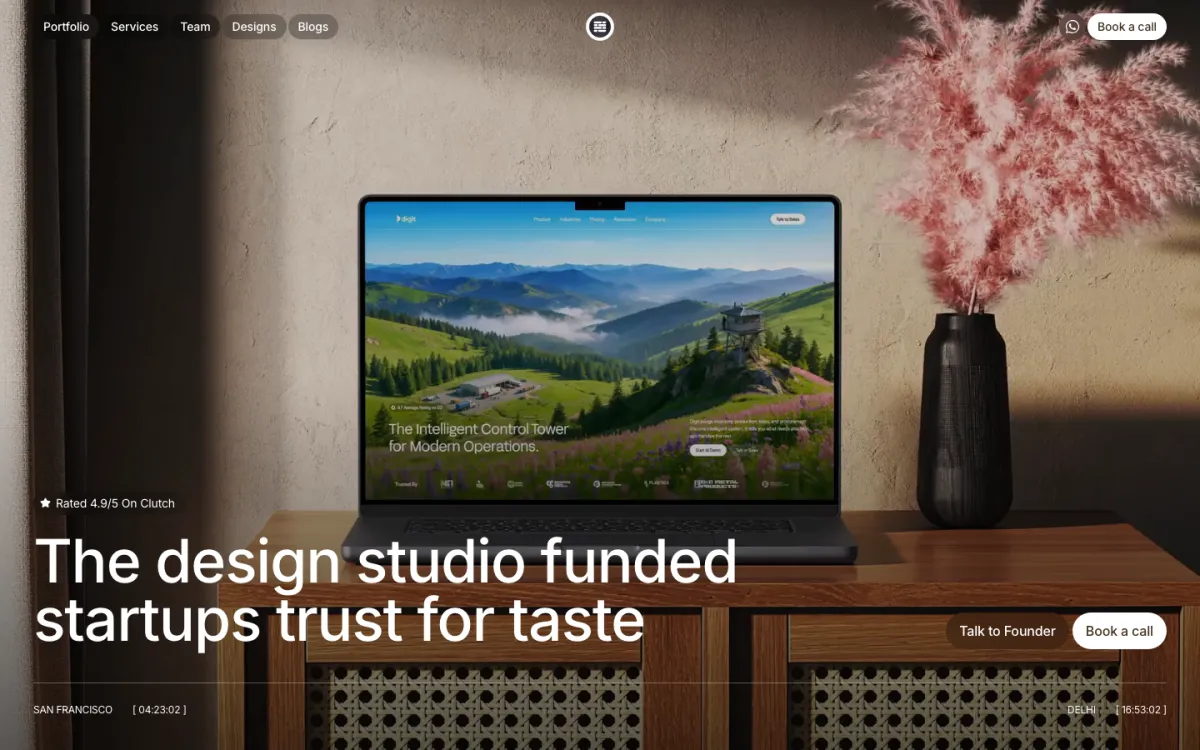
Bricx - Premium UI/UX Partners For SaaS

We at Bricx exclusively work with B2B & AI SaaS to create unforgettable user experiences. Our team of UX experts design high-converting websites and products, using our deep understanding of SaaS & design.
We have a running list of 25+ UX case studies where we have successfully completed website & product design projects for our clients.
Our clients include B2B SaaS & AI companies like Writesonic, Sybill, Manyreach, and other reputed names.
Schedule a call with us to discuss your goals & we’ll let you know how we can help.
Bricx - Premium UI/UX Partners For SaaS

We at Bricx exclusively work with B2B & AI SaaS to create unforgettable user experiences. Our team of UX experts design high-converting websites and products, using our deep understanding of SaaS & design.
We have a running list of 25+ UX case studies where we have successfully completed website & product design projects for our clients.
Our clients include B2B SaaS & AI companies like Writesonic, Sybill, Manyreach, and other reputed names.
Schedule a call with us to discuss your goals & we’ll let you know how we can help.
Bricx - Premium UI/UX Partners For SaaS

We at Bricx exclusively work with B2B & AI SaaS to create unforgettable user experiences. Our team of UX experts design high-converting websites and products, using our deep understanding of SaaS & design.
We have a running list of 25+ UX case studies where we have successfully completed website & product design projects for our clients.
Our clients include B2B SaaS & AI companies like Writesonic, Sybill, Manyreach, and other reputed names.
Schedule a call with us to discuss your goals & we’ll let you know how we can help.
Eleken
Eleken is a UX/UI design agency with a strong orientation toward product usability and learning interfaces. They excel at naming information architecture, structuring content modules, and mapping out learner journeys that make sense — even when your platform includes thousands of lessons, topics, and categories.
Eleken’s design approach is research‑informed, with usability testing baked into their delivery process. For e‑learning startups trying to balance content richness and learner clarity, Eleken delivers clean, modern interfaces that speak to both novice and advanced users.
Employees-to-Client Ratio (Bandwidth): Mid‑sized teams offering consistent attention per project.
Process Maturity: UX research → flows → prototypes → UI polish.
Instructional UX Understanding: Strong understanding of course progression and module hierarchy.
Client Collaboration: Regular checkpoints aligned with sprint cadence.
Dev Handoff Process: Well‑structured deliverable packages with style guides.
Work Setup: Remote‑capable with documented async workflows.
Insivia
Insivia has deep experience building sites and interactive experiences for education, training, and learning platforms. Their strength lies in blending strong visual design with clear content hierarchy and conversion‑optimized experiences.
They know how to translate course catalogs, instructor profiles, pricing models, and student dashboards into intuitive UX structures. Their focus on clarity and performance helps minimize learner drop‑off and maximize course completion rates — a critical metric for subscription‑based e‑learning models.
Employees-to-Client Ratio (Bandwidth): Balanced teams with UX and strategy focus.
Process Maturity: Discovery → IA → wireframes → UI → build.
Instructional UX Understanding: Expertise in organizing complex lesson libraries.
Client Collaboration: Transparent, milestone‑driven coordination.
Dev Handoff Process: Clear deliverables suitable for both internal and outsourced engineers.
Work Setup: Hybrid remote with flexible engagement formats.
Flow Ninja
Flow Ninja specializes in content‑heavy platforms — perfect for startups with massive course catalogs and complex search/discovery needs. They build responsive, fast‑loading, and scalable websites with strong taxonomy, filter systems, and content flows that help users find, evaluate, and purchase courses quickly.
Their design thinking ensures that navigation, search, and learner dashboards feel intuitive even when course libraries grow vast. For e‑learning companies with a strong emphasis on content distribution or subscription bundles, Flow Ninja delivers both clarity and performance.
Employees-to-Client Ratio (Bandwidth): Medium teams with deep structuring skills.
Process Maturity: Well‑defined workflows for research and iterative design.
Instructional UX Understanding: Good at systems that reduce learner overwhelm.
Client Collaboration: Frequent status updates & collaborative reviews.
Dev Handoff Process: Clean component documentation and responsive UI assets.
Work Setup: Remote‑ready with clear task visibility.
Viget
Viget builds digital experiences with strong architecture and performance focus — often used by education publishers, large course libraries, and organizations scaling their learner base. They blend UX thinking with data insights, which helps e‑learning startups identify user behavior patterns and optimize calls to action.
Their technical discipline and documentation support mean your design translates cleanly into production, even for complex learning dashboards or admin interfaces.
Employees-to-Client Ratio (Bandwidth): Senior UX and engineering collaborators.
Process Maturity: Strategy + design + tech readiness.
Instructional UX Understanding: Deep experience with structured content experiences.
Client Collaboration: Clear planning and status updates.
Dev Handoff Process: Detailed specs, versioning, and QA follow‑through.
Work Setup: Hybrid remote with engineered clarity.
Zajno
Zajno focuses on polished visuals and storytelling — ideal for learning platforms that require strong narrative, media integration, or gamification elements. For e‑learning startups that depend on engagement and emotion, Zajno helps translate instructional content into compelling, immersive web interfaces.
Their team is excellent at blending content, visuals, and interaction cues to hold attention and drive deeper exploration, while still maintaining clean functionality for course access and navigation.
Employees-to-Client Ratio (Bandwidth): Creative teams with strong visual leads.
Process Maturity: Story + UX flows → high‑fidelity visuals → responsive build.
Instructional UX Understanding: Strong at creating engaging lesson entry points.
Client Collaboration: Collaborative workshops and creative checkpoints.
Dev Handoff Process: Pixel‑perfect deliverables and interaction specs.
Work Setup: Remote + creative studio style.
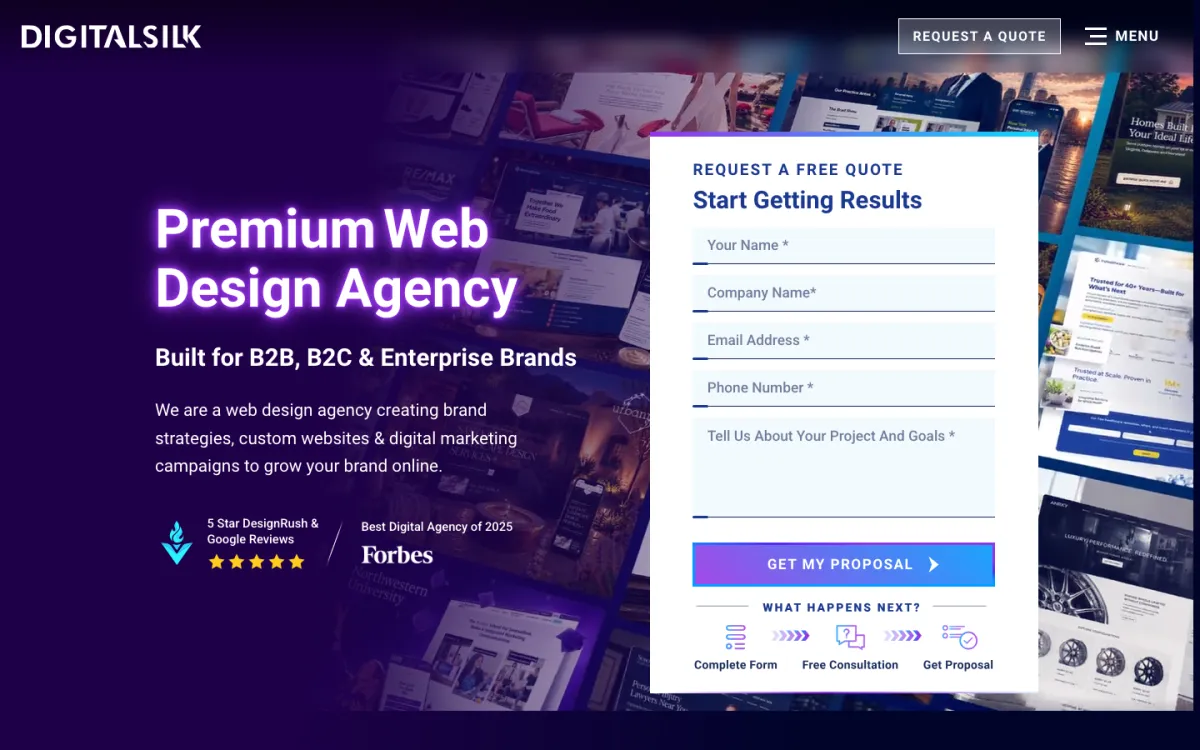
Digital Silk
Digital Silk brings full‑spectrum design and development capabilities, a valuable asset for e‑learning startups needing end‑to‑end build support. They are adept at building integrated course portals, membership areas, and LMS‑style interfaces that require both a polished UX and a solid backend structure. Their methodology blends business thinking and conversion optimization with technical execution, ensuring that your platform not only looks great but also performs well in real‑world learner usage.
Employees-to-Client Ratio (Bandwidth): Multi‑disciplinary teams for design + build.
Process Maturity: End‑to‑end strategy, design, development workflows.
Instructional UX Understanding: Well‑suited for deep learner interfaces.
Client Collaboration: Structured check‑ins and reporting.
Dev Handoff Process: UI + engineering build support.
Work Setup: Hybrid remote with scalable support.
Eleken
Eleken is a UX/UI design agency with a strong orientation toward product usability and learning interfaces. They excel at naming information architecture, structuring content modules, and mapping out learner journeys that make sense — even when your platform includes thousands of lessons, topics, and categories.
Eleken’s design approach is research‑informed, with usability testing baked into their delivery process. For e‑learning startups trying to balance content richness and learner clarity, Eleken delivers clean, modern interfaces that speak to both novice and advanced users.
Employees-to-Client Ratio (Bandwidth): Mid‑sized teams offering consistent attention per project.
Process Maturity: UX research → flows → prototypes → UI polish.
Instructional UX Understanding: Strong understanding of course progression and module hierarchy.
Client Collaboration: Regular checkpoints aligned with sprint cadence.
Dev Handoff Process: Well‑structured deliverable packages with style guides.
Work Setup: Remote‑capable with documented async workflows.
Insivia
Insivia has deep experience building sites and interactive experiences for education, training, and learning platforms. Their strength lies in blending strong visual design with clear content hierarchy and conversion‑optimized experiences.
They know how to translate course catalogs, instructor profiles, pricing models, and student dashboards into intuitive UX structures. Their focus on clarity and performance helps minimize learner drop‑off and maximize course completion rates — a critical metric for subscription‑based e‑learning models.
Employees-to-Client Ratio (Bandwidth): Balanced teams with UX and strategy focus.
Process Maturity: Discovery → IA → wireframes → UI → build.
Instructional UX Understanding: Expertise in organizing complex lesson libraries.
Client Collaboration: Transparent, milestone‑driven coordination.
Dev Handoff Process: Clear deliverables suitable for both internal and outsourced engineers.
Work Setup: Hybrid remote with flexible engagement formats.
Flow Ninja
Flow Ninja specializes in content‑heavy platforms — perfect for startups with massive course catalogs and complex search/discovery needs. They build responsive, fast‑loading, and scalable websites with strong taxonomy, filter systems, and content flows that help users find, evaluate, and purchase courses quickly.
Their design thinking ensures that navigation, search, and learner dashboards feel intuitive even when course libraries grow vast. For e‑learning companies with a strong emphasis on content distribution or subscription bundles, Flow Ninja delivers both clarity and performance.
Employees-to-Client Ratio (Bandwidth): Medium teams with deep structuring skills.
Process Maturity: Well‑defined workflows for research and iterative design.
Instructional UX Understanding: Good at systems that reduce learner overwhelm.
Client Collaboration: Frequent status updates & collaborative reviews.
Dev Handoff Process: Clean component documentation and responsive UI assets.
Work Setup: Remote‑ready with clear task visibility.
Viget
Viget builds digital experiences with strong architecture and performance focus — often used by education publishers, large course libraries, and organizations scaling their learner base. They blend UX thinking with data insights, which helps e‑learning startups identify user behavior patterns and optimize calls to action.
Their technical discipline and documentation support mean your design translates cleanly into production, even for complex learning dashboards or admin interfaces.
Employees-to-Client Ratio (Bandwidth): Senior UX and engineering collaborators.
Process Maturity: Strategy + design + tech readiness.
Instructional UX Understanding: Deep experience with structured content experiences.
Client Collaboration: Clear planning and status updates.
Dev Handoff Process: Detailed specs, versioning, and QA follow‑through.
Work Setup: Hybrid remote with engineered clarity.
Zajno
Zajno focuses on polished visuals and storytelling — ideal for learning platforms that require strong narrative, media integration, or gamification elements. For e‑learning startups that depend on engagement and emotion, Zajno helps translate instructional content into compelling, immersive web interfaces.
Their team is excellent at blending content, visuals, and interaction cues to hold attention and drive deeper exploration, while still maintaining clean functionality for course access and navigation.
Employees-to-Client Ratio (Bandwidth): Creative teams with strong visual leads.
Process Maturity: Story + UX flows → high‑fidelity visuals → responsive build.
Instructional UX Understanding: Strong at creating engaging lesson entry points.
Client Collaboration: Collaborative workshops and creative checkpoints.
Dev Handoff Process: Pixel‑perfect deliverables and interaction specs.
Work Setup: Remote + creative studio style.
Digital Silk
Digital Silk brings full‑spectrum design and development capabilities, a valuable asset for e‑learning startups needing end‑to‑end build support. They are adept at building integrated course portals, membership areas, and LMS‑style interfaces that require both a polished UX and a solid backend structure. Their methodology blends business thinking and conversion optimization with technical execution, ensuring that your platform not only looks great but also performs well in real‑world learner usage.
Employees-to-Client Ratio (Bandwidth): Multi‑disciplinary teams for design + build.
Process Maturity: End‑to‑end strategy, design, development workflows.
Instructional UX Understanding: Well‑suited for deep learner interfaces.
Client Collaboration: Structured check‑ins and reporting.
Dev Handoff Process: UI + engineering build support.
Work Setup: Hybrid remote with scalable support.
Eleken
Eleken is a UX/UI design agency with a strong orientation toward product usability and learning interfaces. They excel at naming information architecture, structuring content modules, and mapping out learner journeys that make sense — even when your platform includes thousands of lessons, topics, and categories.
Eleken’s design approach is research‑informed, with usability testing baked into their delivery process. For e‑learning startups trying to balance content richness and learner clarity, Eleken delivers clean, modern interfaces that speak to both novice and advanced users.
Employees-to-Client Ratio (Bandwidth): Mid‑sized teams offering consistent attention per project.
Process Maturity: UX research → flows → prototypes → UI polish.
Instructional UX Understanding: Strong understanding of course progression and module hierarchy.
Client Collaboration: Regular checkpoints aligned with sprint cadence.
Dev Handoff Process: Well‑structured deliverable packages with style guides.
Work Setup: Remote‑capable with documented async workflows.
Insivia
Insivia has deep experience building sites and interactive experiences for education, training, and learning platforms. Their strength lies in blending strong visual design with clear content hierarchy and conversion‑optimized experiences.
They know how to translate course catalogs, instructor profiles, pricing models, and student dashboards into intuitive UX structures. Their focus on clarity and performance helps minimize learner drop‑off and maximize course completion rates — a critical metric for subscription‑based e‑learning models.
Employees-to-Client Ratio (Bandwidth): Balanced teams with UX and strategy focus.
Process Maturity: Discovery → IA → wireframes → UI → build.
Instructional UX Understanding: Expertise in organizing complex lesson libraries.
Client Collaboration: Transparent, milestone‑driven coordination.
Dev Handoff Process: Clear deliverables suitable for both internal and outsourced engineers.
Work Setup: Hybrid remote with flexible engagement formats.
Flow Ninja
Flow Ninja specializes in content‑heavy platforms — perfect for startups with massive course catalogs and complex search/discovery needs. They build responsive, fast‑loading, and scalable websites with strong taxonomy, filter systems, and content flows that help users find, evaluate, and purchase courses quickly.
Their design thinking ensures that navigation, search, and learner dashboards feel intuitive even when course libraries grow vast. For e‑learning companies with a strong emphasis on content distribution or subscription bundles, Flow Ninja delivers both clarity and performance.
Employees-to-Client Ratio (Bandwidth): Medium teams with deep structuring skills.
Process Maturity: Well‑defined workflows for research and iterative design.
Instructional UX Understanding: Good at systems that reduce learner overwhelm.
Client Collaboration: Frequent status updates & collaborative reviews.
Dev Handoff Process: Clean component documentation and responsive UI assets.
Work Setup: Remote‑ready with clear task visibility.
Viget
Viget builds digital experiences with strong architecture and performance focus — often used by education publishers, large course libraries, and organizations scaling their learner base. They blend UX thinking with data insights, which helps e‑learning startups identify user behavior patterns and optimize calls to action.
Their technical discipline and documentation support mean your design translates cleanly into production, even for complex learning dashboards or admin interfaces.
Employees-to-Client Ratio (Bandwidth): Senior UX and engineering collaborators.
Process Maturity: Strategy + design + tech readiness.
Instructional UX Understanding: Deep experience with structured content experiences.
Client Collaboration: Clear planning and status updates.
Dev Handoff Process: Detailed specs, versioning, and QA follow‑through.
Work Setup: Hybrid remote with engineered clarity.
Zajno
Zajno focuses on polished visuals and storytelling — ideal for learning platforms that require strong narrative, media integration, or gamification elements. For e‑learning startups that depend on engagement and emotion, Zajno helps translate instructional content into compelling, immersive web interfaces.
Their team is excellent at blending content, visuals, and interaction cues to hold attention and drive deeper exploration, while still maintaining clean functionality for course access and navigation.
Employees-to-Client Ratio (Bandwidth): Creative teams with strong visual leads.
Process Maturity: Story + UX flows → high‑fidelity visuals → responsive build.
Instructional UX Understanding: Strong at creating engaging lesson entry points.
Client Collaboration: Collaborative workshops and creative checkpoints.
Dev Handoff Process: Pixel‑perfect deliverables and interaction specs.
Work Setup: Remote + creative studio style.
Digital Silk
Digital Silk brings full‑spectrum design and development capabilities, a valuable asset for e‑learning startups needing end‑to‑end build support. They are adept at building integrated course portals, membership areas, and LMS‑style interfaces that require both a polished UX and a solid backend structure. Their methodology blends business thinking and conversion optimization with technical execution, ensuring that your platform not only looks great but also performs well in real‑world learner usage.
Employees-to-Client Ratio (Bandwidth): Multi‑disciplinary teams for design + build.
Process Maturity: End‑to‑end strategy, design, development workflows.
Instructional UX Understanding: Well‑suited for deep learner interfaces.
Client Collaboration: Structured check‑ins and reporting.
Dev Handoff Process: UI + engineering build support.
Work Setup: Hybrid remote with scalable support.
StartupKit
Designed for early‑stage founders and bootstrapped ventures, StartupKit helps e‑learning companies launch quickly with clear messaging, pricing pages, and MVP learning flows. Their lean process moves fast and iterates based on early user feedback, making them ideal for startups validating course concepts or testing new instructional products.
Employees-to-Client Ratio (Bandwidth): Compact, hands‑on teams.
Process Maturity: Lean design sprints and rapid delivery.
Instructional UX Understanding: Great for MVP instructional flows and landing pages.
Client Collaboration: Frequent, founder‑friendly updates.
Dev Handoff Process: Minimal friction with dev‑ready outputs.
Work Setup: Remote‑first with agile practices.
Phenomenon Studio
Phenomenon Studio excels at early product UX and scalable web builds for startups that anticipate fast growth. They help e‑learning brands define core user interactions, clarify learning content, and build toward larger ecosystems with room to expand features like dashboards, APIs, and multi‑device learning experiences.
Employees-to-Client Ratio (Bandwidth): Lean, versatile teams.
Process Maturity: UX → UI → scalable web build flows.
Instructional UX Understanding: Strong foundational UX thinking.
Client Collaboration: Adaptive and iterative communication.
Dev Handoff Process: Clear documentation and modular design support.
Work Setup: Remote and collaborative.
Evernest Agency
Evernest Agency focuses on fast, responsive, Webflow‑first websites that allow e‑learning founders to launch and update content with minimal technical overhead. Their work is clean, fast, and optimized for conversions — ideal for startups relying on landing page performance, email capture, course sign‑ups, or webinar funnels.
Employees-to-Client Ratio (Bandwidth): Small focused teams with a Webflow focus.
Process Maturity: Strategy → Webflow design → performance testing.
Instructional UX Understanding: Solid for landing pages and funnels.
Client Collaboration: Transparent progress updates.
Dev Handoff Process: Minimal handoff — Webflow is launch‑ready.
Work Setup: Remote‑friendly with async routines.
Conclusion
E‑learning startups face a unique intersection of instructional design, content structure, engagement psychology, and conversion mechanics. Your web presence must help learners discover, understand, and complete courses while guiding them toward subscription upgrades, certifications, or community participation.
The best agencies in this list combine deep understanding of educational workflows with strong visual execution and technical readiness. When selecting a partner, prioritize those who can clarify your lesson architecture, optimize conversion paths, and scale with your growth roadmap.
If you want a design partner that blends learner‑focused UX, strategic conversion thinking, and rapid execution, Bricx stands out as a versatile and high‑impact choice for e‑learning startups. We deliver designs that feel intuitive to learners, flexible for product iterations, and aligned with measurable growth outcomes — helping you launch quickly and evolve confidently.
FAQs
1. What should an e-learning website prioritize in design?
An e-learning website should prioritize clear navigation, responsive design, and a user-friendly interface. It should support features like easy content discovery, video integration, interactive lessons, and a smooth registration process to ensure learners have an optimal experience.
2. How can web design improve user engagement in e-learning platforms?
Effective web design for e-learning platforms enhances engagement through intuitive layouts, interactive features (e.g., quizzes, badges), and a visually appealing user interface. It helps users easily track their progress, stay motivated, and navigate through courses with minimal friction.
3. What are key features of an e-learning website?
Key features include a user-friendly dashboard, video streaming support, course catalog with search filters, discussion forums, progress tracking, and easy-to-use assessment tools. The design should be optimized for both desktop and mobile access for seamless learning experiences.
4. How does a web design agency help e-learning startups grow?
A web design agency helps e-learning startups by creating visually appealing, functional, and scalable websites. They focus on improving user experience, enhancing course accessibility, and ensuring the website is optimized for search engines to attract more learners and drive growth.
5. How can responsive web design impact e-learning platforms?
Responsive web design ensures that e-learning platforms are accessible across all devices—whether on a desktop, tablet, or mobile phone. This flexibility improves the user experience, allowing learners to access courses anywhere and at any time, thereby increasing engagement and retention.
6. What role does branding play in an e-learning website?
Branding is crucial for e-learning websites to build trust and recognition. A strong visual identity with consistent use of colors, fonts, and logos not only differentiates the platform but also creates a professional and credible presence that encourages learners to engage and stay committed.
StartupKit
Designed for early‑stage founders and bootstrapped ventures, StartupKit helps e‑learning companies launch quickly with clear messaging, pricing pages, and MVP learning flows. Their lean process moves fast and iterates based on early user feedback, making them ideal for startups validating course concepts or testing new instructional products.
Employees-to-Client Ratio (Bandwidth): Compact, hands‑on teams.
Process Maturity: Lean design sprints and rapid delivery.
Instructional UX Understanding: Great for MVP instructional flows and landing pages.
Client Collaboration: Frequent, founder‑friendly updates.
Dev Handoff Process: Minimal friction with dev‑ready outputs.
Work Setup: Remote‑first with agile practices.
Phenomenon Studio
Phenomenon Studio excels at early product UX and scalable web builds for startups that anticipate fast growth. They help e‑learning brands define core user interactions, clarify learning content, and build toward larger ecosystems with room to expand features like dashboards, APIs, and multi‑device learning experiences.
Employees-to-Client Ratio (Bandwidth): Lean, versatile teams.
Process Maturity: UX → UI → scalable web build flows.
Instructional UX Understanding: Strong foundational UX thinking.
Client Collaboration: Adaptive and iterative communication.
Dev Handoff Process: Clear documentation and modular design support.
Work Setup: Remote and collaborative.
Evernest Agency
Evernest Agency focuses on fast, responsive, Webflow‑first websites that allow e‑learning founders to launch and update content with minimal technical overhead. Their work is clean, fast, and optimized for conversions — ideal for startups relying on landing page performance, email capture, course sign‑ups, or webinar funnels.
Employees-to-Client Ratio (Bandwidth): Small focused teams with a Webflow focus.
Process Maturity: Strategy → Webflow design → performance testing.
Instructional UX Understanding: Solid for landing pages and funnels.
Client Collaboration: Transparent progress updates.
Dev Handoff Process: Minimal handoff — Webflow is launch‑ready.
Work Setup: Remote‑friendly with async routines.
Conclusion
E‑learning startups face a unique intersection of instructional design, content structure, engagement psychology, and conversion mechanics. Your web presence must help learners discover, understand, and complete courses while guiding them toward subscription upgrades, certifications, or community participation.
The best agencies in this list combine deep understanding of educational workflows with strong visual execution and technical readiness. When selecting a partner, prioritize those who can clarify your lesson architecture, optimize conversion paths, and scale with your growth roadmap.
If you want a design partner that blends learner‑focused UX, strategic conversion thinking, and rapid execution, Bricx stands out as a versatile and high‑impact choice for e‑learning startups. We deliver designs that feel intuitive to learners, flexible for product iterations, and aligned with measurable growth outcomes — helping you launch quickly and evolve confidently.
FAQs
1. What should an e-learning website prioritize in design?
An e-learning website should prioritize clear navigation, responsive design, and a user-friendly interface. It should support features like easy content discovery, video integration, interactive lessons, and a smooth registration process to ensure learners have an optimal experience.
2. How can web design improve user engagement in e-learning platforms?
Effective web design for e-learning platforms enhances engagement through intuitive layouts, interactive features (e.g., quizzes, badges), and a visually appealing user interface. It helps users easily track their progress, stay motivated, and navigate through courses with minimal friction.
3. What are key features of an e-learning website?
Key features include a user-friendly dashboard, video streaming support, course catalog with search filters, discussion forums, progress tracking, and easy-to-use assessment tools. The design should be optimized for both desktop and mobile access for seamless learning experiences.
4. How does a web design agency help e-learning startups grow?
A web design agency helps e-learning startups by creating visually appealing, functional, and scalable websites. They focus on improving user experience, enhancing course accessibility, and ensuring the website is optimized for search engines to attract more learners and drive growth.
5. How can responsive web design impact e-learning platforms?
Responsive web design ensures that e-learning platforms are accessible across all devices—whether on a desktop, tablet, or mobile phone. This flexibility improves the user experience, allowing learners to access courses anywhere and at any time, thereby increasing engagement and retention.
6. What role does branding play in an e-learning website?
Branding is crucial for e-learning websites to build trust and recognition. A strong visual identity with consistent use of colors, fonts, and logos not only differentiates the platform but also creates a professional and credible presence that encourages learners to engage and stay committed.
StartupKit
Designed for early‑stage founders and bootstrapped ventures, StartupKit helps e‑learning companies launch quickly with clear messaging, pricing pages, and MVP learning flows. Their lean process moves fast and iterates based on early user feedback, making them ideal for startups validating course concepts or testing new instructional products.
Employees-to-Client Ratio (Bandwidth): Compact, hands‑on teams.
Process Maturity: Lean design sprints and rapid delivery.
Instructional UX Understanding: Great for MVP instructional flows and landing pages.
Client Collaboration: Frequent, founder‑friendly updates.
Dev Handoff Process: Minimal friction with dev‑ready outputs.
Work Setup: Remote‑first with agile practices.
Phenomenon Studio
Phenomenon Studio excels at early product UX and scalable web builds for startups that anticipate fast growth. They help e‑learning brands define core user interactions, clarify learning content, and build toward larger ecosystems with room to expand features like dashboards, APIs, and multi‑device learning experiences.
Employees-to-Client Ratio (Bandwidth): Lean, versatile teams.
Process Maturity: UX → UI → scalable web build flows.
Instructional UX Understanding: Strong foundational UX thinking.
Client Collaboration: Adaptive and iterative communication.
Dev Handoff Process: Clear documentation and modular design support.
Work Setup: Remote and collaborative.
Evernest Agency
Evernest Agency focuses on fast, responsive, Webflow‑first websites that allow e‑learning founders to launch and update content with minimal technical overhead. Their work is clean, fast, and optimized for conversions — ideal for startups relying on landing page performance, email capture, course sign‑ups, or webinar funnels.
Employees-to-Client Ratio (Bandwidth): Small focused teams with a Webflow focus.
Process Maturity: Strategy → Webflow design → performance testing.
Instructional UX Understanding: Solid for landing pages and funnels.
Client Collaboration: Transparent progress updates.
Dev Handoff Process: Minimal handoff — Webflow is launch‑ready.
Work Setup: Remote‑friendly with async routines.
Conclusion
E‑learning startups face a unique intersection of instructional design, content structure, engagement psychology, and conversion mechanics. Your web presence must help learners discover, understand, and complete courses while guiding them toward subscription upgrades, certifications, or community participation.
The best agencies in this list combine deep understanding of educational workflows with strong visual execution and technical readiness. When selecting a partner, prioritize those who can clarify your lesson architecture, optimize conversion paths, and scale with your growth roadmap.
If you want a design partner that blends learner‑focused UX, strategic conversion thinking, and rapid execution, Bricx stands out as a versatile and high‑impact choice for e‑learning startups. We deliver designs that feel intuitive to learners, flexible for product iterations, and aligned with measurable growth outcomes — helping you launch quickly and evolve confidently.
FAQs
1. What should an e-learning website prioritize in design?
An e-learning website should prioritize clear navigation, responsive design, and a user-friendly interface. It should support features like easy content discovery, video integration, interactive lessons, and a smooth registration process to ensure learners have an optimal experience.
2. How can web design improve user engagement in e-learning platforms?
Effective web design for e-learning platforms enhances engagement through intuitive layouts, interactive features (e.g., quizzes, badges), and a visually appealing user interface. It helps users easily track their progress, stay motivated, and navigate through courses with minimal friction.
3. What are key features of an e-learning website?
Key features include a user-friendly dashboard, video streaming support, course catalog with search filters, discussion forums, progress tracking, and easy-to-use assessment tools. The design should be optimized for both desktop and mobile access for seamless learning experiences.
4. How does a web design agency help e-learning startups grow?
A web design agency helps e-learning startups by creating visually appealing, functional, and scalable websites. They focus on improving user experience, enhancing course accessibility, and ensuring the website is optimized for search engines to attract more learners and drive growth.
5. How can responsive web design impact e-learning platforms?
Responsive web design ensures that e-learning platforms are accessible across all devices—whether on a desktop, tablet, or mobile phone. This flexibility improves the user experience, allowing learners to access courses anywhere and at any time, thereby increasing engagement and retention.
6. What role does branding play in an e-learning website?
Branding is crucial for e-learning websites to build trust and recognition. A strong visual identity with consistent use of colors, fonts, and logos not only differentiates the platform but also creates a professional and credible presence that encourages learners to engage and stay committed.
As a remote-first team of UX specialists, we work exclusively with B2B & AI SaaS companies to design unforgettable user experiences at Bricx.
If you’re a B2B or AI SaaS looking to give your users an unforgettable experience, book a call with us now!
As a remote-first team of UX specialists, we work exclusively with B2B & AI SaaS companies to design unforgettable user experiences at Bricx.
If you’re a B2B or AI SaaS looking to give your users an unforgettable experience, book a call with us now!
As a remote-first team of UX specialists, we work exclusively with B2B & AI SaaS companies to design unforgettable user experiences at Bricx.
If you’re a B2B or AI SaaS looking to give your users an unforgettable experience, book a call with us now!
Author:


Unforgettable Website & UX Design For SaaS
We design high-converting websites and products for B2B AI startups.


Similar Design Agencies
Available for Work
Bricx
© Bricx, 2025. All rights reserved.


Available for Work
Bricx
© Bricx, 2025. All rights reserved.


Available for Work
Bricx
© Bricx, 2025. All rights reserved.


Available for Work
Bricx
© Bricx, 2025. All rights reserved.