Top 10 Web Design Agencies for EdTech Startups - December 2025

Top 10 Web Design Agencies for EdTech Startups - December 2025

Top 10 Web Design Agencies for EdTech Startups - December 2025

Looking for the best web design agencies for edtech startups? Explore our list of 10 firms building fast, engaging, and scalable websites for modern education platforms.

Looking for the best web design agencies for edtech startups? Explore our list of 10 firms building fast, engaging, and scalable websites for modern education platforms.

Looking for the best web design agencies for edtech startups? Explore our list of 10 firms building fast, engaging, and scalable websites for modern education platforms.

4 mins

4 mins

4 mins

December, 2025

December, 2025

December, 2025

Author:

Siddharth Vij

Co-Founder, Bricx

Hi, I'm Sid. I lead design at Bricx. We work with B2B & AI SaaS companies to craft unforgettable user experiences.

Introduction

EdTech startups require a unique blend of trust-building UX, content architecture, accessibility, and learning-friendly interfaces. Whether youโ€™re building a learning app, tutoring marketplace, LMS, or academic SaaS, your website must guide students, educators, and institutions through intuitive flows that reduce friction and build confidence.

We evaluated 57+ design agencies, giving each the same EdTech-focused brief covering enrollment UX, lesson delivery flows, dashboards, accessibility requirements, and mobile use cases. We compared them across:

  • Pricing

  • Team structure & bandwidth

  • UX depth for EdTech learning scenarios

  • Scalability of design systems

  • Dev handoff clarity

  • Accessibility standards

  • Product thinking & instructional sensitivity

From this, we shortlisted the top 10 agencies best suited for EdTech startups.

Introduction

EdTech startups require a unique blend of trust-building UX, content architecture, accessibility, and learning-friendly interfaces. Whether youโ€™re building a learning app, tutoring marketplace, LMS, or academic SaaS, your website must guide students, educators, and institutions through intuitive flows that reduce friction and build confidence.

We evaluated 57+ design agencies, giving each the same EdTech-focused brief covering enrollment UX, lesson delivery flows, dashboards, accessibility requirements, and mobile use cases. We compared them across:

  • Pricing

  • Team structure & bandwidth

  • UX depth for EdTech learning scenarios

  • Scalability of design systems

  • Dev handoff clarity

  • Accessibility standards

  • Product thinking & instructional sensitivity

From this, we shortlisted the top 10 agencies best suited for EdTech startups.

Introduction

EdTech startups require a unique blend of trust-building UX, content architecture, accessibility, and learning-friendly interfaces. Whether youโ€™re building a learning app, tutoring marketplace, LMS, or academic SaaS, your website must guide students, educators, and institutions through intuitive flows that reduce friction and build confidence.

We evaluated 57+ design agencies, giving each the same EdTech-focused brief covering enrollment UX, lesson delivery flows, dashboards, accessibility requirements, and mobile use cases. We compared them across:

  • Pricing

  • Team structure & bandwidth

  • UX depth for EdTech learning scenarios

  • Scalability of design systems

  • Dev handoff clarity

  • Accessibility standards

  • Product thinking & instructional sensitivity

From this, we shortlisted the top 10 agencies best suited for EdTech startups.

How To Evaluate Your Agency?

Choosing the right web design agency for an EdTech startup goes far beyond liking their portfolio โ€” itโ€™s about understanding how well they grasp the psychology of learning, product adoption, and the multi-role complexity of the education ecosystem. Here are the core factors that matter most when evaluating an EdTech-focused design partner:

1. Depth of EdTech UX Expertise

EdTech products serve very different users โ€” students, teachers, administrators, and parents โ€” each with their own goals, capabilities, and constraints. A strong agency should demonstrate a clear understanding of learning journeys, course navigation patterns, progress tracking, accessibility requirements, and behavior-triggered micro-interactions. If they canโ€™t explain why certain UX choices help reduce cognitive load or improve learner retention, theyโ€™re not ready for EdTech.

2. Information Architecture & Content Strategy

EdTech platforms often have dense course libraries, dashboards, multi-step flows, curriculum structures, and credentialing systems. Your agency should know how to simplify complex information into intuitive navigation so users never feel overwhelmed. Look for teams who emphasize structured content hierarchies, clear categorization, and mobile-first accessibility โ€” all essential for improving course completion and enrollment rates.

3. Ability to Design for Multi-Role Systems

EdTech isnโ€™t a one-person experience. Students need clarity, teachers need efficiency, admins need control, and parents need transparency. The right agency understands how these roles intersect and can design systems where permissions, interfaces, and flows adapt seamlessly to different user profiles. If the agency has worked on dashboards, LMS tools, or multi-role SaaS before, thatโ€™s a huge advantage.

4. Accessibility & Inclusivity Knowledge (WCAG Compliance)

A significant portion of EdTech users requires inclusive design โ€” dyslexic learners, visually impaired users, non-native language speakers, and neurodiverse students. Your agency should naturally talk about color contrast, font legibility, keyboard navigation, alt text, microcopy clarity, and error tolerance. If they treat accessibility as an afterthought, you should run the other way.

5. Scalability & Long-Term System Thinking

EdTech companies evolve fast: new content, modules, analytics, roles, integrations, and features are added regularly. Your agency must build scalable design systems and reusable patterns that hold up as your product grows. Agencies who think in terms of components โ€” not just pages โ€” will save you months of rework down the line.


Top 10 Web Design Agencies for EdTech Startups: [Comparison]

From this, we shortlisted the top 10 agencies best suited for EdTech startups.

How To Evaluate Your Agency?

Choosing the right web design agency for an EdTech startup goes far beyond liking their portfolio โ€” itโ€™s about understanding how well they grasp the psychology of learning, product adoption, and the multi-role complexity of the education ecosystem. Here are the core factors that matter most when evaluating an EdTech-focused design partner:

1. Depth of EdTech UX Expertise

EdTech products serve very different users โ€” students, teachers, administrators, and parents โ€” each with their own goals, capabilities, and constraints. A strong agency should demonstrate a clear understanding of learning journeys, course navigation patterns, progress tracking, accessibility requirements, and behavior-triggered micro-interactions. If they canโ€™t explain why certain UX choices help reduce cognitive load or improve learner retention, theyโ€™re not ready for EdTech.

2. Information Architecture & Content Strategy

EdTech platforms often have dense course libraries, dashboards, multi-step flows, curriculum structures, and credentialing systems. Your agency should know how to simplify complex information into intuitive navigation so users never feel overwhelmed. Look for teams who emphasize structured content hierarchies, clear categorization, and mobile-first accessibility โ€” all essential for improving course completion and enrollment rates.

3. Ability to Design for Multi-Role Systems

EdTech isnโ€™t a one-person experience. Students need clarity, teachers need efficiency, admins need control, and parents need transparency. The right agency understands how these roles intersect and can design systems where permissions, interfaces, and flows adapt seamlessly to different user profiles. If the agency has worked on dashboards, LMS tools, or multi-role SaaS before, thatโ€™s a huge advantage.

4. Accessibility & Inclusivity Knowledge (WCAG Compliance)

A significant portion of EdTech users requires inclusive design โ€” dyslexic learners, visually impaired users, non-native language speakers, and neurodiverse students. Your agency should naturally talk about color contrast, font legibility, keyboard navigation, alt text, microcopy clarity, and error tolerance. If they treat accessibility as an afterthought, you should run the other way.

5. Scalability & Long-Term System Thinking

EdTech companies evolve fast: new content, modules, analytics, roles, integrations, and features are added regularly. Your agency must build scalable design systems and reusable patterns that hold up as your product grows. Agencies who think in terms of components โ€” not just pages โ€” will save you months of rework down the line.


Top 10 Web Design Agencies for EdTech Startups: [Comparison]

From this, we shortlisted the top 10 agencies best suited for EdTech startups.

How To Evaluate Your Agency?

Choosing the right web design agency for an EdTech startup goes far beyond liking their portfolio โ€” itโ€™s about understanding how well they grasp the psychology of learning, product adoption, and the multi-role complexity of the education ecosystem. Here are the core factors that matter most when evaluating an EdTech-focused design partner:

1. Depth of EdTech UX Expertise

EdTech products serve very different users โ€” students, teachers, administrators, and parents โ€” each with their own goals, capabilities, and constraints. A strong agency should demonstrate a clear understanding of learning journeys, course navigation patterns, progress tracking, accessibility requirements, and behavior-triggered micro-interactions. If they canโ€™t explain why certain UX choices help reduce cognitive load or improve learner retention, theyโ€™re not ready for EdTech.

2. Information Architecture & Content Strategy

EdTech platforms often have dense course libraries, dashboards, multi-step flows, curriculum structures, and credentialing systems. Your agency should know how to simplify complex information into intuitive navigation so users never feel overwhelmed. Look for teams who emphasize structured content hierarchies, clear categorization, and mobile-first accessibility โ€” all essential for improving course completion and enrollment rates.

3. Ability to Design for Multi-Role Systems

EdTech isnโ€™t a one-person experience. Students need clarity, teachers need efficiency, admins need control, and parents need transparency. The right agency understands how these roles intersect and can design systems where permissions, interfaces, and flows adapt seamlessly to different user profiles. If the agency has worked on dashboards, LMS tools, or multi-role SaaS before, thatโ€™s a huge advantage.

4. Accessibility & Inclusivity Knowledge (WCAG Compliance)

A significant portion of EdTech users requires inclusive design โ€” dyslexic learners, visually impaired users, non-native language speakers, and neurodiverse students. Your agency should naturally talk about color contrast, font legibility, keyboard navigation, alt text, microcopy clarity, and error tolerance. If they treat accessibility as an afterthought, you should run the other way.

5. Scalability & Long-Term System Thinking

EdTech companies evolve fast: new content, modules, analytics, roles, integrations, and features are added regularly. Your agency must build scalable design systems and reusable patterns that hold up as your product grows. Agencies who think in terms of components โ€” not just pages โ€” will save you months of rework down the line.


Top 10 Web Design Agencies for EdTech Startups: [Comparison]

From this, we shortlisted the top 10 agencies best suited for EdTech startups.

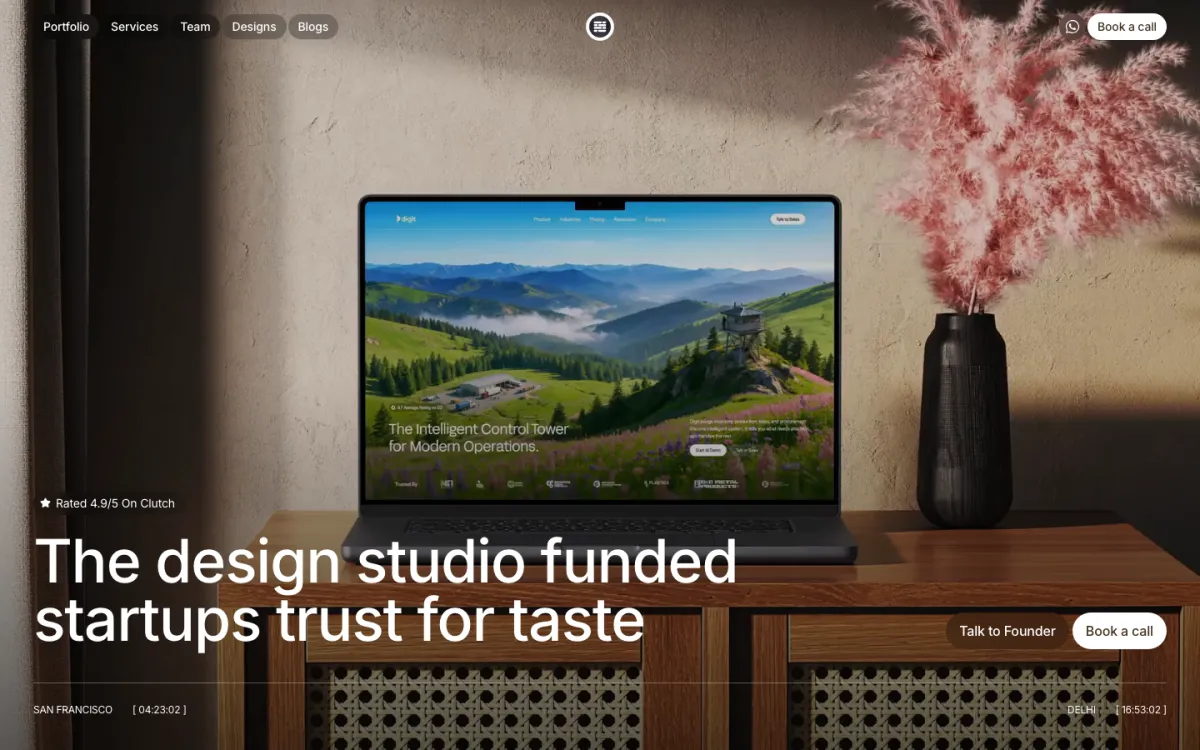
Bricx - Premium UI/UX Partners For SaaS

Bricx: one of the best design system documentation agencies crafting dev-friendly, edge-case-rich docs for fast-scaling SaaS teams


We at Bricx exclusively work with B2B & AI SaaS to create unforgettable user experiences. Our team of UX experts design high-converting websites and products, using our deep understanding of SaaS & design. 

We have a running list of 25+ UX case studies where we have successfully completed website & product design projects for our clients.

Our clients include B2B SaaS & AI companies like Writesonic, Sybill, Manyreach, and other reputed names. 

Schedule a call with us to discuss your goals & weโ€™ll let you know how we can help.

Bricx - Premium UI/UX Partners For SaaS

Bricx: one of the best design system documentation agencies crafting dev-friendly, edge-case-rich docs for fast-scaling SaaS teams


We at Bricx exclusively work with B2B & AI SaaS to create unforgettable user experiences. Our team of UX experts design high-converting websites and products, using our deep understanding of SaaS & design. 

We have a running list of 25+ UX case studies where we have successfully completed website & product design projects for our clients.

Our clients include B2B SaaS & AI companies like Writesonic, Sybill, Manyreach, and other reputed names. 

Schedule a call with us to discuss your goals & weโ€™ll let you know how we can help.

Bricx - Premium UI/UX Partners For SaaS

Bricx: one of the best design system documentation agencies crafting dev-friendly, edge-case-rich docs for fast-scaling SaaS teams


We at Bricx exclusively work with B2B & AI SaaS to create unforgettable user experiences. Our team of UX experts design high-converting websites and products, using our deep understanding of SaaS & design. 

We have a running list of 25+ UX case studies where we have successfully completed website & product design projects for our clients.

Our clients include B2B SaaS & AI companies like Writesonic, Sybill, Manyreach, and other reputed names. 

Schedule a call with us to discuss your goals & weโ€™ll let you know how we can help.

Insivia

Insivia is one of the most experienced agencies serving EdTech and learning-focused businesses. Their work blends marketing clarity with product-level UX thinking, making them a strong fit for EdTech founders who need both conversions and long-term product scalability. Insivia excels at translating complex educational offerings into clean, digestible website structures that speak to both institutional buyers and individual learners. Their approach consistently balances storytelling, trust signals, and UX flow optimization to improve enrollments, demo requests, and engagement across learner cohorts.


  • Employees-to-Client Ratio (Bandwidth): Mid-sized teams built to manage both marketing sites and platform UX without sacrificing quality.

  • Process Maturity: Structured methodology from persona research to UX flows, content strategy, wireframing, and polished design.

  • EdTech Experience: Extensive history working with LMS platforms, digital course providers, and EdTech SaaS companies.

  • Client Communication: Predictable, insight-driven communication with clear milestones.

  • App/Web Dev Support: Strong development execution including CMS builds and integrations for payments, enrollment, and analytics.

  • Office Culture: Strategic, outcome-driven, and comfortable with education-sector complexity.


Cieden

Cieden shines when an EdTech startup requires complex product UX rather than just a website. Their portfolio includes multi-role systems for students, educators, administrators, and parents โ€” meaning they understand the depth and nuance of EdTech workflows. They prioritize user research and iterative prototyping, ensuring that learning dashboards, analytics views, course navigation, and progress tracking are intuitive and accessible. If your EdTech product involves adaptive learning, data-heavy features, or multiple personas, Cieden brings the UX sophistication required to get it right.


  • Employees-to-Client Ratio (Bandwidth): Small, senior-focused UX teams ideal for deep product collaboration.

  • Process Maturity: Research-first, iterative prototyping, usability validation, and high-fidelity experience mapping.

  • EdTech Experience: Expertise in AI-powered learning tools, dashboards, and multi-role platforms.

  • Client Communication: Highly collaborative, clear, and transparent with product-aligned discussions.

  • App/Web Dev Support: Detailed UX documentation and specs that streamline handoff to remote or in-house developers.

  • Office Culture: Analytical, structured, and invested in solving complex digital learning challenges.


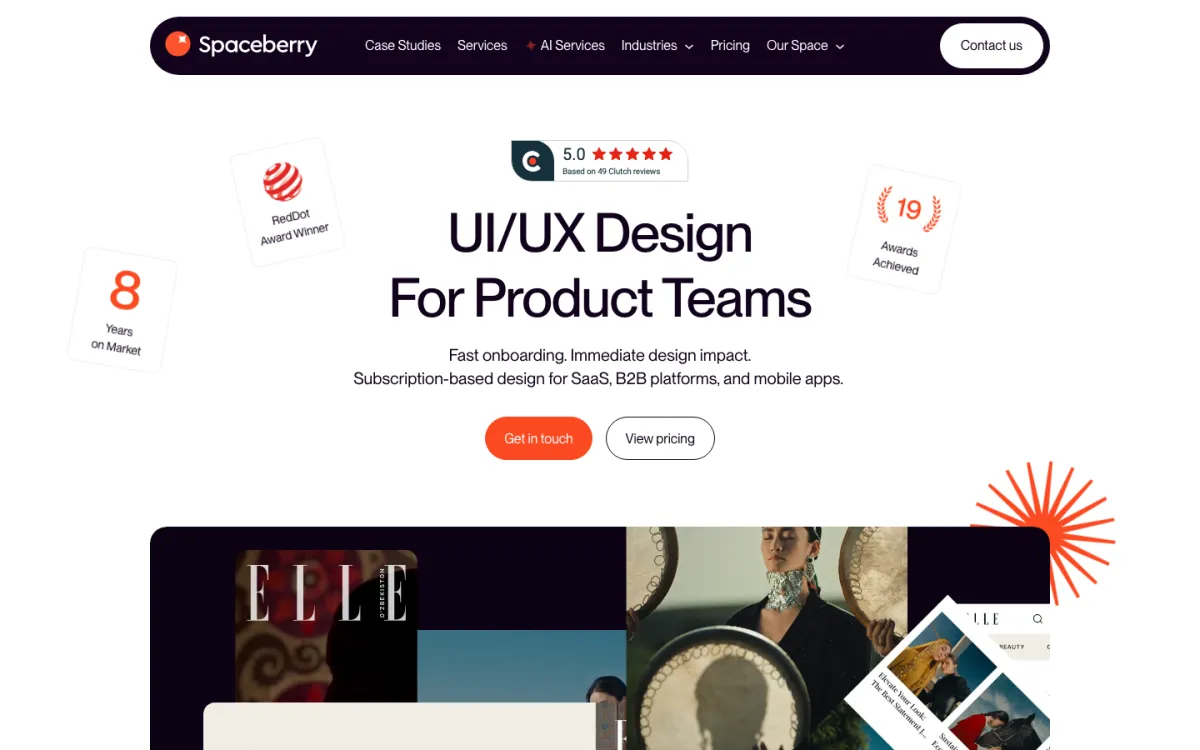
Spaceberry Studio

Spaceberry Studio is well-suited for EdTech startups building interactive learning apps, mobile-first experiences, or gamified educational tools. Their work focuses heavily on engagement, making learning feel intuitive, modern, and enjoyable. They understand how students think, move through content, and interact with learning interfaces, resulting in designs that reduce cognitive load and improve retention. Their creative direction also gives EdTech brands a polished, youthful appeal โ€” especially valuable in competitive learning markets.


  • Employees-to-Client Ratio (Bandwidth): Lean creative teams offering fast iteration with creative depth.

  • Process Maturity: Learner journey mapping, UX prototyping, UI styling, and engagement-driven component design.

  • EdTech Experience: Strong track record building apps with quizzes, gamification, micro-learning, and responsive course interfaces.

  • Client Communication: Flexible, collaborative, and aligned with fast-paced EdTech development cycles.

  • App/Web Dev Support: Provides dev-ready screens, interaction guidelines, and scalable component libraries.

  • Office Culture: Playful yet disciplined, focused on engagement and visual clarity.


Flow Ninja

Flow Ninja specializes in highly scalable education websites and content-driven EdTech platforms, making them ideal for learning companies with large course catalogs, enrollment funnels, or institution-facing messaging. They excel in structuring information so that parents, teachers, and students can quickly find relevant content. Their websites are performance-oriented, accessible, and easy to maintain โ€” perfect for growing EdTech brands that frequently update course material or academic programs.


  • Employees-to-Client Ratio: Medium-sized teams capable of handling large content volumes and new feature expansions.

  • Process Maturity: Strong emphasis on accessibility, content hierarchy, responsive design, and technical performance.

  • EdTech Experience: Broad experience with school websites, academic programs, and learning product marketing.

  • Client Communication: Organized delivery with clear scopes and milestone checkpoints.

  • App/Web Dev Support: Well-structured CMS solutions and technical builds ready for long-term scaling.

  • Office Culture: Reliable, detail-oriented, and built for long-term educational partnerships.


Viget

Viget is excellent for EdTech startups that need content-rich platforms, multi-level navigation, or academic content ecosystems. They bring deep expertise in designing structured experiences that scale over years โ€” helpful for EdTech brands planning to expand course catalogs, add certifications, or introduce new student-facing features. Their engineering discipline ensures that designs translate smoothly into functional, high-quality builds.


  • Employees-to-Client Ratio: Senior-driven teams offering depth in UX, engineering, and research.

  • Process Maturity: Highly structured, combining strategy, wireframes, content architecture, testing, and iterative improvements.

  • EdTech Experience: Strong experience with learning portals, institutions, and content-based digital ecosystems.

  • Client Communication: Documentation-heavy, highly transparent, and consistent across long projects.

  • App/Web Dev Support: Full-stack capability ensures robust platform execution.

  • Office Culture: Polished, methodical, and deeply user-focused.


Digital Silk

Digital Silk excels in high-end EdTech platforms, especially those requiring interactive modules, learning dashboards, or enterprise-grade features. They combine UX, brand positioning, and technical implementation into cohesive long-term solutions. EdTech companies needing complex systems โ€” corporate training, certification platforms, membership portals โ€” benefit from their ability to integrate both design and engineering into one seamless service.


  • Employees-to-Client Ratio: Large, cross-functional teams suitable for multi-phase EdTech builds.

  • Process Maturity: Enterprise-grade workflows, including detailed UX, user testing, visual refinement, and robust QA.

  • EdTech Experience: Strong in creating educational tools with dashboards, analytics, and structured content delivery.

  • Client Communication: Highly structured, strategy-driven communication.

  • App/Web Dev Support: Full front-end and back-end development, ideal for LMS-like systems.

  • Office Culture: Professional, scalable, and oriented toward long-term product growth.


Ladybugz Interactive Agency

Ladybugz is a particularly great partner for early-stage EdTech startups or specialized educational brands that need a clean, functional, and modern web presence without enterprise overhead. They excel at producing custom, mobile-friendly sites with attention to usability, clear messaging, and student/parent accessibility. Their projects are fast, responsive, and well-managed, making them a strong option for startups needing traction quickly.

  • Employees-to-Client Ratio: Compact teams offering personalized support and agile execution.

  • Process Maturity: Flexible workflows, custom UX/UI, responsive design, and iterative improvements.

  • EdTech Experience: Experience with institutions, programs, community education, and learning organizations.

  • Client Communication: Very responsive, collaborative, and founder-friendly.

  • App/Web Dev Support: Delivers modern, responsive builds suited to early-stage needs.

  • Office Culture: Highly hands-on, friendly, and supportive.

Insivia

Insivia is one of the most experienced agencies serving EdTech and learning-focused businesses. Their work blends marketing clarity with product-level UX thinking, making them a strong fit for EdTech founders who need both conversions and long-term product scalability. Insivia excels at translating complex educational offerings into clean, digestible website structures that speak to both institutional buyers and individual learners. Their approach consistently balances storytelling, trust signals, and UX flow optimization to improve enrollments, demo requests, and engagement across learner cohorts.


  • Employees-to-Client Ratio (Bandwidth): Mid-sized teams built to manage both marketing sites and platform UX without sacrificing quality.

  • Process Maturity: Structured methodology from persona research to UX flows, content strategy, wireframing, and polished design.

  • EdTech Experience: Extensive history working with LMS platforms, digital course providers, and EdTech SaaS companies.

  • Client Communication: Predictable, insight-driven communication with clear milestones.

  • App/Web Dev Support: Strong development execution including CMS builds and integrations for payments, enrollment, and analytics.

  • Office Culture: Strategic, outcome-driven, and comfortable with education-sector complexity.


Cieden

Cieden shines when an EdTech startup requires complex product UX rather than just a website. Their portfolio includes multi-role systems for students, educators, administrators, and parents โ€” meaning they understand the depth and nuance of EdTech workflows. They prioritize user research and iterative prototyping, ensuring that learning dashboards, analytics views, course navigation, and progress tracking are intuitive and accessible. If your EdTech product involves adaptive learning, data-heavy features, or multiple personas, Cieden brings the UX sophistication required to get it right.


  • Employees-to-Client Ratio (Bandwidth): Small, senior-focused UX teams ideal for deep product collaboration.

  • Process Maturity: Research-first, iterative prototyping, usability validation, and high-fidelity experience mapping.

  • EdTech Experience: Expertise in AI-powered learning tools, dashboards, and multi-role platforms.

  • Client Communication: Highly collaborative, clear, and transparent with product-aligned discussions.

  • App/Web Dev Support: Detailed UX documentation and specs that streamline handoff to remote or in-house developers.

  • Office Culture: Analytical, structured, and invested in solving complex digital learning challenges.


Spaceberry Studio

Spaceberry Studio is well-suited for EdTech startups building interactive learning apps, mobile-first experiences, or gamified educational tools. Their work focuses heavily on engagement, making learning feel intuitive, modern, and enjoyable. They understand how students think, move through content, and interact with learning interfaces, resulting in designs that reduce cognitive load and improve retention. Their creative direction also gives EdTech brands a polished, youthful appeal โ€” especially valuable in competitive learning markets.


  • Employees-to-Client Ratio (Bandwidth): Lean creative teams offering fast iteration with creative depth.

  • Process Maturity: Learner journey mapping, UX prototyping, UI styling, and engagement-driven component design.

  • EdTech Experience: Strong track record building apps with quizzes, gamification, micro-learning, and responsive course interfaces.

  • Client Communication: Flexible, collaborative, and aligned with fast-paced EdTech development cycles.

  • App/Web Dev Support: Provides dev-ready screens, interaction guidelines, and scalable component libraries.

  • Office Culture: Playful yet disciplined, focused on engagement and visual clarity.


Flow Ninja

Flow Ninja specializes in highly scalable education websites and content-driven EdTech platforms, making them ideal for learning companies with large course catalogs, enrollment funnels, or institution-facing messaging. They excel in structuring information so that parents, teachers, and students can quickly find relevant content. Their websites are performance-oriented, accessible, and easy to maintain โ€” perfect for growing EdTech brands that frequently update course material or academic programs.


  • Employees-to-Client Ratio: Medium-sized teams capable of handling large content volumes and new feature expansions.

  • Process Maturity: Strong emphasis on accessibility, content hierarchy, responsive design, and technical performance.

  • EdTech Experience: Broad experience with school websites, academic programs, and learning product marketing.

  • Client Communication: Organized delivery with clear scopes and milestone checkpoints.

  • App/Web Dev Support: Well-structured CMS solutions and technical builds ready for long-term scaling.

  • Office Culture: Reliable, detail-oriented, and built for long-term educational partnerships.


Viget

Viget is excellent for EdTech startups that need content-rich platforms, multi-level navigation, or academic content ecosystems. They bring deep expertise in designing structured experiences that scale over years โ€” helpful for EdTech brands planning to expand course catalogs, add certifications, or introduce new student-facing features. Their engineering discipline ensures that designs translate smoothly into functional, high-quality builds.


  • Employees-to-Client Ratio: Senior-driven teams offering depth in UX, engineering, and research.

  • Process Maturity: Highly structured, combining strategy, wireframes, content architecture, testing, and iterative improvements.

  • EdTech Experience: Strong experience with learning portals, institutions, and content-based digital ecosystems.

  • Client Communication: Documentation-heavy, highly transparent, and consistent across long projects.

  • App/Web Dev Support: Full-stack capability ensures robust platform execution.

  • Office Culture: Polished, methodical, and deeply user-focused.


Digital Silk

Digital Silk excels in high-end EdTech platforms, especially those requiring interactive modules, learning dashboards, or enterprise-grade features. They combine UX, brand positioning, and technical implementation into cohesive long-term solutions. EdTech companies needing complex systems โ€” corporate training, certification platforms, membership portals โ€” benefit from their ability to integrate both design and engineering into one seamless service.


  • Employees-to-Client Ratio: Large, cross-functional teams suitable for multi-phase EdTech builds.

  • Process Maturity: Enterprise-grade workflows, including detailed UX, user testing, visual refinement, and robust QA.

  • EdTech Experience: Strong in creating educational tools with dashboards, analytics, and structured content delivery.

  • Client Communication: Highly structured, strategy-driven communication.

  • App/Web Dev Support: Full front-end and back-end development, ideal for LMS-like systems.

  • Office Culture: Professional, scalable, and oriented toward long-term product growth.


Ladybugz Interactive Agency

Ladybugz is a particularly great partner for early-stage EdTech startups or specialized educational brands that need a clean, functional, and modern web presence without enterprise overhead. They excel at producing custom, mobile-friendly sites with attention to usability, clear messaging, and student/parent accessibility. Their projects are fast, responsive, and well-managed, making them a strong option for startups needing traction quickly.

  • Employees-to-Client Ratio: Compact teams offering personalized support and agile execution.

  • Process Maturity: Flexible workflows, custom UX/UI, responsive design, and iterative improvements.

  • EdTech Experience: Experience with institutions, programs, community education, and learning organizations.

  • Client Communication: Very responsive, collaborative, and founder-friendly.

  • App/Web Dev Support: Delivers modern, responsive builds suited to early-stage needs.

  • Office Culture: Highly hands-on, friendly, and supportive.

Insivia

Insivia is one of the most experienced agencies serving EdTech and learning-focused businesses. Their work blends marketing clarity with product-level UX thinking, making them a strong fit for EdTech founders who need both conversions and long-term product scalability. Insivia excels at translating complex educational offerings into clean, digestible website structures that speak to both institutional buyers and individual learners. Their approach consistently balances storytelling, trust signals, and UX flow optimization to improve enrollments, demo requests, and engagement across learner cohorts.


  • Employees-to-Client Ratio (Bandwidth): Mid-sized teams built to manage both marketing sites and platform UX without sacrificing quality.

  • Process Maturity: Structured methodology from persona research to UX flows, content strategy, wireframing, and polished design.

  • EdTech Experience: Extensive history working with LMS platforms, digital course providers, and EdTech SaaS companies.

  • Client Communication: Predictable, insight-driven communication with clear milestones.

  • App/Web Dev Support: Strong development execution including CMS builds and integrations for payments, enrollment, and analytics.

  • Office Culture: Strategic, outcome-driven, and comfortable with education-sector complexity.


Cieden

Cieden shines when an EdTech startup requires complex product UX rather than just a website. Their portfolio includes multi-role systems for students, educators, administrators, and parents โ€” meaning they understand the depth and nuance of EdTech workflows. They prioritize user research and iterative prototyping, ensuring that learning dashboards, analytics views, course navigation, and progress tracking are intuitive and accessible. If your EdTech product involves adaptive learning, data-heavy features, or multiple personas, Cieden brings the UX sophistication required to get it right.


  • Employees-to-Client Ratio (Bandwidth): Small, senior-focused UX teams ideal for deep product collaboration.

  • Process Maturity: Research-first, iterative prototyping, usability validation, and high-fidelity experience mapping.

  • EdTech Experience: Expertise in AI-powered learning tools, dashboards, and multi-role platforms.

  • Client Communication: Highly collaborative, clear, and transparent with product-aligned discussions.

  • App/Web Dev Support: Detailed UX documentation and specs that streamline handoff to remote or in-house developers.

  • Office Culture: Analytical, structured, and invested in solving complex digital learning challenges.


Spaceberry Studio

Spaceberry Studio is well-suited for EdTech startups building interactive learning apps, mobile-first experiences, or gamified educational tools. Their work focuses heavily on engagement, making learning feel intuitive, modern, and enjoyable. They understand how students think, move through content, and interact with learning interfaces, resulting in designs that reduce cognitive load and improve retention. Their creative direction also gives EdTech brands a polished, youthful appeal โ€” especially valuable in competitive learning markets.


  • Employees-to-Client Ratio (Bandwidth): Lean creative teams offering fast iteration with creative depth.

  • Process Maturity: Learner journey mapping, UX prototyping, UI styling, and engagement-driven component design.

  • EdTech Experience: Strong track record building apps with quizzes, gamification, micro-learning, and responsive course interfaces.

  • Client Communication: Flexible, collaborative, and aligned with fast-paced EdTech development cycles.

  • App/Web Dev Support: Provides dev-ready screens, interaction guidelines, and scalable component libraries.

  • Office Culture: Playful yet disciplined, focused on engagement and visual clarity.


Flow Ninja

Flow Ninja specializes in highly scalable education websites and content-driven EdTech platforms, making them ideal for learning companies with large course catalogs, enrollment funnels, or institution-facing messaging. They excel in structuring information so that parents, teachers, and students can quickly find relevant content. Their websites are performance-oriented, accessible, and easy to maintain โ€” perfect for growing EdTech brands that frequently update course material or academic programs.


  • Employees-to-Client Ratio: Medium-sized teams capable of handling large content volumes and new feature expansions.

  • Process Maturity: Strong emphasis on accessibility, content hierarchy, responsive design, and technical performance.

  • EdTech Experience: Broad experience with school websites, academic programs, and learning product marketing.

  • Client Communication: Organized delivery with clear scopes and milestone checkpoints.

  • App/Web Dev Support: Well-structured CMS solutions and technical builds ready for long-term scaling.

  • Office Culture: Reliable, detail-oriented, and built for long-term educational partnerships.


Viget

Viget is excellent for EdTech startups that need content-rich platforms, multi-level navigation, or academic content ecosystems. They bring deep expertise in designing structured experiences that scale over years โ€” helpful for EdTech brands planning to expand course catalogs, add certifications, or introduce new student-facing features. Their engineering discipline ensures that designs translate smoothly into functional, high-quality builds.


  • Employees-to-Client Ratio: Senior-driven teams offering depth in UX, engineering, and research.

  • Process Maturity: Highly structured, combining strategy, wireframes, content architecture, testing, and iterative improvements.

  • EdTech Experience: Strong experience with learning portals, institutions, and content-based digital ecosystems.

  • Client Communication: Documentation-heavy, highly transparent, and consistent across long projects.

  • App/Web Dev Support: Full-stack capability ensures robust platform execution.

  • Office Culture: Polished, methodical, and deeply user-focused.


Digital Silk

Digital Silk excels in high-end EdTech platforms, especially those requiring interactive modules, learning dashboards, or enterprise-grade features. They combine UX, brand positioning, and technical implementation into cohesive long-term solutions. EdTech companies needing complex systems โ€” corporate training, certification platforms, membership portals โ€” benefit from their ability to integrate both design and engineering into one seamless service.


  • Employees-to-Client Ratio: Large, cross-functional teams suitable for multi-phase EdTech builds.

  • Process Maturity: Enterprise-grade workflows, including detailed UX, user testing, visual refinement, and robust QA.

  • EdTech Experience: Strong in creating educational tools with dashboards, analytics, and structured content delivery.

  • Client Communication: Highly structured, strategy-driven communication.

  • App/Web Dev Support: Full front-end and back-end development, ideal for LMS-like systems.

  • Office Culture: Professional, scalable, and oriented toward long-term product growth.


Ladybugz Interactive Agency

Ladybugz is a particularly great partner for early-stage EdTech startups or specialized educational brands that need a clean, functional, and modern web presence without enterprise overhead. They excel at producing custom, mobile-friendly sites with attention to usability, clear messaging, and student/parent accessibility. Their projects are fast, responsive, and well-managed, making them a strong option for startups needing traction quickly.

  • Employees-to-Client Ratio: Compact teams offering personalized support and agile execution.

  • Process Maturity: Flexible workflows, custom UX/UI, responsive design, and iterative improvements.

  • EdTech Experience: Experience with institutions, programs, community education, and learning organizations.

  • Client Communication: Very responsive, collaborative, and founder-friendly.

  • App/Web Dev Support: Delivers modern, responsive builds suited to early-stage needs.

  • Office Culture: Highly hands-on, friendly, and supportive.

GLIDEยฎ

GLIDE builds polished, user-friendly, high-performance education websites that serve both learners and institutions. Their strength lies in clarity, accessibility, and scaled navigation โ€” making them great for EdTech startups targeting Kโ€“12, higher education, or community education markets. Their designs tend to be clean, reliable, and easy to maintain, with care for ADA compliance and mobile learning experiences.


  • Employees-to-Client Ratio: Mid-sized team ideal for content-heavy or multi-role EdTech sites.

  • Process Maturity: Accessibility-centered, responsive-first, structured design and development workflows.

  • EdTech Experience: Years of experience working with schools and educational organizations.

  • Client Communication: Clear scoping, structured updates, and consultative guidance.

  • App/Web Dev Support: Strong technical implementation with attention to speed and stability.

  • Office Culture: Mission-driven, education-aware, and values clarity in user experience.


Phenomenon Studio

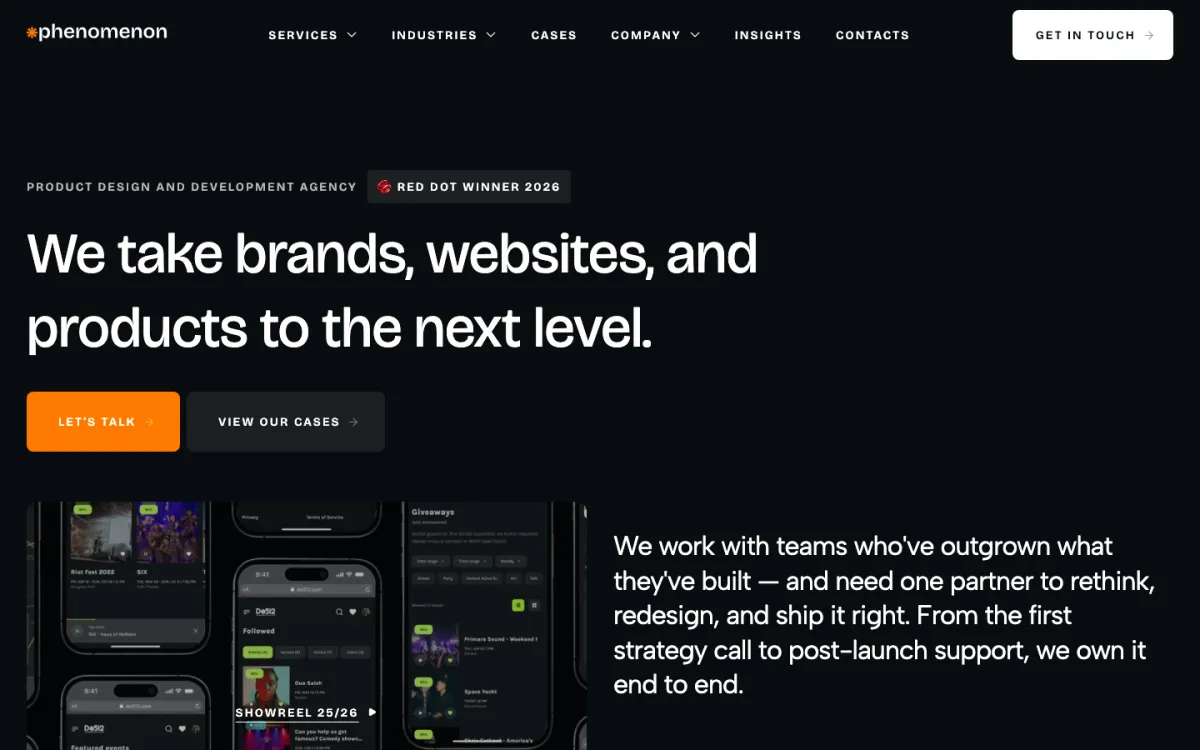
Phenomenon Studio blends product design and engineering, making them an excellent fit for EdTech startups building web apps, learning tools, onboarding experiments, or course-enablement systems. Their flexibility allows them to support MVPs, complete redesigns, or long-term product evolution. For EdTech founders needing a blend of creativity and technical execution, Phenomenon provides strong value.


  • Employees-to-Client Ratio: Lean but versatile teams able to scale support as product requirements evolve.

  • Process Maturity: End-to-end, from ideation to UX to UI to development โ€” ideal for new EdTech platforms.

  • EdTech Experience: Experience designing multi-step learning flows, dashboards, and mobile-friendly educational features.

  • Client Communication: Highly adaptive, offering quick iteration cycles.

  • App/Web Dev Support: Supports full engineering, not just design.

  • Office Culture: Creative, multi-disciplinary, product-first.


Blacksmith

Blacksmith is ideal for EdTech startups targeting institutions โ€” universities, schools, training departments โ€” or platforms requiring multi-role user systems. Their strength lies in designing robust, secure, and scalable digital ecosystems with complex content management and governance needs. If your EdTech platform must appeal to administrators, educators, and students all at once, Blacksmith brings the structured approach required.


  • Employees-to-Client Ratio: Strong multi-disciplinary teams prepared for institutional-level projects.

  • Process Maturity: Highly structured, emphasizing compliance, IA, accessibility, and scalability.

  • EdTech Experience: Deep experience working with institutional clients and education systems.

  • Client Communication: Methodical, detail-focused, and documentation-driven.

  • App/Web Dev Support: Full-stack capabilities built for performance and data security.

  • Office Culture: Structured, reliable, compliance-aware.

GLIDEยฎ

GLIDE builds polished, user-friendly, high-performance education websites that serve both learners and institutions. Their strength lies in clarity, accessibility, and scaled navigation โ€” making them great for EdTech startups targeting Kโ€“12, higher education, or community education markets. Their designs tend to be clean, reliable, and easy to maintain, with care for ADA compliance and mobile learning experiences.


  • Employees-to-Client Ratio: Mid-sized team ideal for content-heavy or multi-role EdTech sites.

  • Process Maturity: Accessibility-centered, responsive-first, structured design and development workflows.

  • EdTech Experience: Years of experience working with schools and educational organizations.

  • Client Communication: Clear scoping, structured updates, and consultative guidance.

  • App/Web Dev Support: Strong technical implementation with attention to speed and stability.

  • Office Culture: Mission-driven, education-aware, and values clarity in user experience.


Phenomenon Studio

Phenomenon Studio blends product design and engineering, making them an excellent fit for EdTech startups building web apps, learning tools, onboarding experiments, or course-enablement systems. Their flexibility allows them to support MVPs, complete redesigns, or long-term product evolution. For EdTech founders needing a blend of creativity and technical execution, Phenomenon provides strong value.


  • Employees-to-Client Ratio: Lean but versatile teams able to scale support as product requirements evolve.

  • Process Maturity: End-to-end, from ideation to UX to UI to development โ€” ideal for new EdTech platforms.

  • EdTech Experience: Experience designing multi-step learning flows, dashboards, and mobile-friendly educational features.

  • Client Communication: Highly adaptive, offering quick iteration cycles.

  • App/Web Dev Support: Supports full engineering, not just design.

  • Office Culture: Creative, multi-disciplinary, product-first.


Blacksmith

Blacksmith is ideal for EdTech startups targeting institutions โ€” universities, schools, training departments โ€” or platforms requiring multi-role user systems. Their strength lies in designing robust, secure, and scalable digital ecosystems with complex content management and governance needs. If your EdTech platform must appeal to administrators, educators, and students all at once, Blacksmith brings the structured approach required.


  • Employees-to-Client Ratio: Strong multi-disciplinary teams prepared for institutional-level projects.

  • Process Maturity: Highly structured, emphasizing compliance, IA, accessibility, and scalability.

  • EdTech Experience: Deep experience working with institutional clients and education systems.

  • Client Communication: Methodical, detail-focused, and documentation-driven.

  • App/Web Dev Support: Full-stack capabilities built for performance and data security.

  • Office Culture: Structured, reliable, compliance-aware.

GLIDEยฎ

GLIDE builds polished, user-friendly, high-performance education websites that serve both learners and institutions. Their strength lies in clarity, accessibility, and scaled navigation โ€” making them great for EdTech startups targeting Kโ€“12, higher education, or community education markets. Their designs tend to be clean, reliable, and easy to maintain, with care for ADA compliance and mobile learning experiences.


  • Employees-to-Client Ratio: Mid-sized team ideal for content-heavy or multi-role EdTech sites.

  • Process Maturity: Accessibility-centered, responsive-first, structured design and development workflows.

  • EdTech Experience: Years of experience working with schools and educational organizations.

  • Client Communication: Clear scoping, structured updates, and consultative guidance.

  • App/Web Dev Support: Strong technical implementation with attention to speed and stability.

  • Office Culture: Mission-driven, education-aware, and values clarity in user experience.


Phenomenon Studio

Phenomenon Studio blends product design and engineering, making them an excellent fit for EdTech startups building web apps, learning tools, onboarding experiments, or course-enablement systems. Their flexibility allows them to support MVPs, complete redesigns, or long-term product evolution. For EdTech founders needing a blend of creativity and technical execution, Phenomenon provides strong value.


  • Employees-to-Client Ratio: Lean but versatile teams able to scale support as product requirements evolve.

  • Process Maturity: End-to-end, from ideation to UX to UI to development โ€” ideal for new EdTech platforms.

  • EdTech Experience: Experience designing multi-step learning flows, dashboards, and mobile-friendly educational features.

  • Client Communication: Highly adaptive, offering quick iteration cycles.

  • App/Web Dev Support: Supports full engineering, not just design.

  • Office Culture: Creative, multi-disciplinary, product-first.


Blacksmith

Blacksmith is ideal for EdTech startups targeting institutions โ€” universities, schools, training departments โ€” or platforms requiring multi-role user systems. Their strength lies in designing robust, secure, and scalable digital ecosystems with complex content management and governance needs. If your EdTech platform must appeal to administrators, educators, and students all at once, Blacksmith brings the structured approach required.


  • Employees-to-Client Ratio: Strong multi-disciplinary teams prepared for institutional-level projects.

  • Process Maturity: Highly structured, emphasizing compliance, IA, accessibility, and scalability.

  • EdTech Experience: Deep experience working with institutional clients and education systems.

  • Client Communication: Methodical, detail-focused, and documentation-driven.

  • App/Web Dev Support: Full-stack capabilities built for performance and data security.

  • Office Culture: Structured, reliable, compliance-aware.

As a remote-first team of UX specialists, we work exclusively with B2B & AI SaaS companies to design unforgettable user experiences at Bricx.

If youโ€™re a B2B or AI SaaS looking to give your users an unforgettable experience, book a call with us now!

As a remote-first team of UX specialists, we work exclusively with B2B & AI SaaS companies to design unforgettable user experiences at Bricx.

If youโ€™re a B2B or AI SaaS looking to give your users an unforgettable experience, book a call with us now!

As a remote-first team of UX specialists, we work exclusively with B2B & AI SaaS companies to design unforgettable user experiences at Bricx.

If youโ€™re a B2B or AI SaaS looking to give your users an unforgettable experience, book a call with us now!

Author:

Siddharth Vij

CEO at Bricxlabs

With nearly a decade in design and SaaS, he helps B2B startups grow with high-conversion sites and smart product design.

Unforgettable Website & UX Design For SaaS

We design high-converting websites and products for B2B AI startups.

Similar Design Agencies

Similar Design Agencies

Similar Design Agencies

Connect, configure and preview