Top 10 Web Design Agencies for Voice UI Applications - January 2026
Looking for web design agencies for voice UI applications? Explore our list of 10 firms known for creating fast, reliable, and accessible sites tailored for voice-first interfaces.
4 mins
4 mins
4 mins
December, 2025
December, 2025
December, 2025
Introduction
Voice UI applications — including voice assistants, smart speaker interfaces, conversational voice flows, and multimodal experiences — require a specialized blend of interaction design, audio UX thinking, and context-aware interface planning. Traditional web design agencies can build websites, but improving voice-driven experiences demands a deep understanding of conversational architecture, accessibility standards, natural language patterns, and cross-platform voice behavior.
We spoke to 57+ design agencies globally, ran actual sales calls, and evaluated them using the same documented brief customized for voice UI application needs. Each agency was scored across:
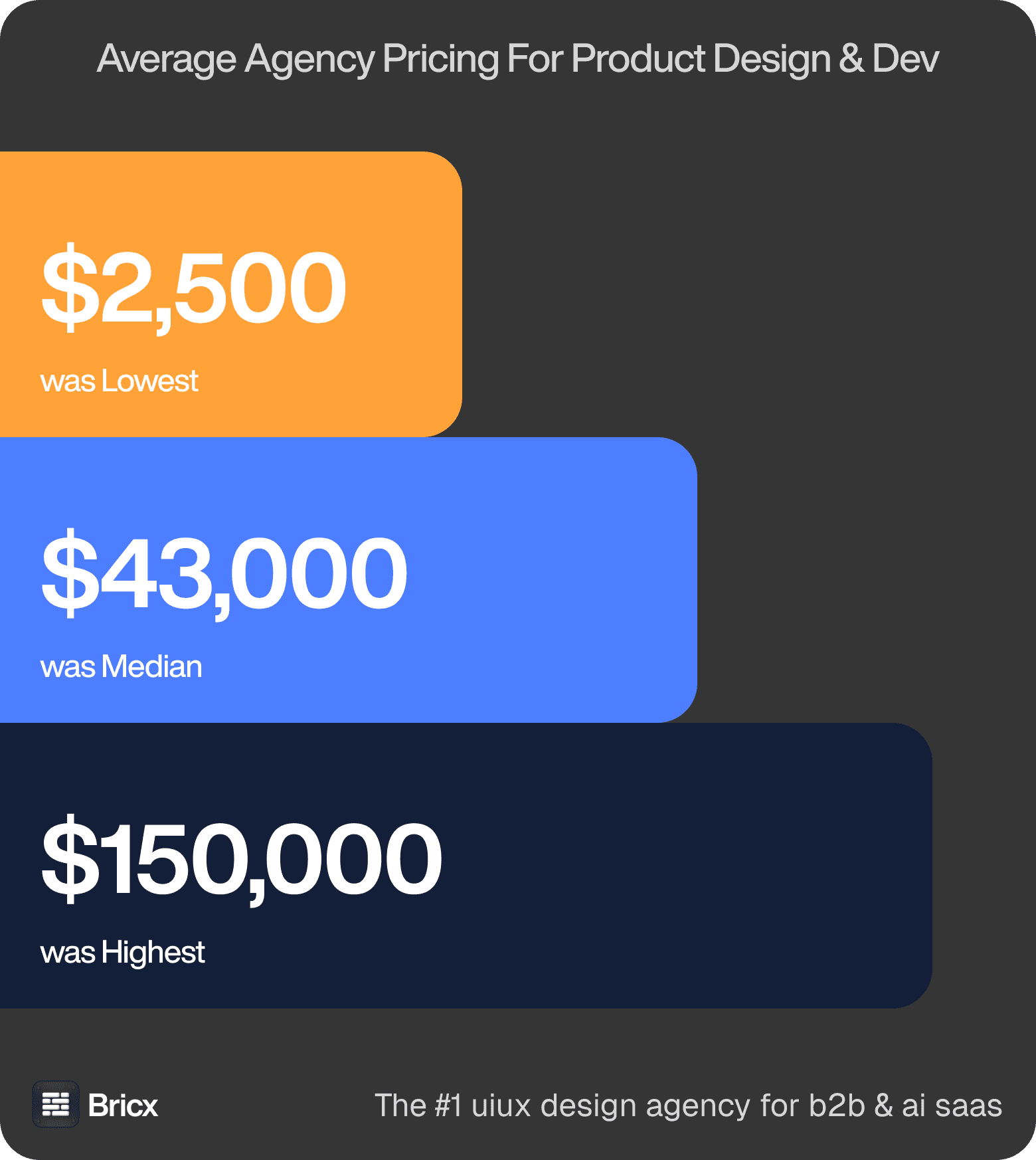
Pricing
Engagement Model
Payment Structure
Timeline
Team Structure
Number of Employees
Domain Expertise
Depth of Service
Business Thinking (Conversion & Engagement)
Client Collaboration
Dev Handoff Process
Work Setup (Remote/Hybrid/In-Office)
All findings were consolidated into The Ultimate UX Agency Benchmarking Report for 2025 — one of the most comprehensive agency comparisons ever done.
From that analysis, we hand-picked the 10 best web design agencies for voice UI applications — agencies that understand how visual/voice experiences intersect, how conversational systems should behave, and how to create interfaces that feel intuitive, helpful, and human.
By the end of this article, you’ll know exactly which agency matches your project goals and how they can help you design voice-enabled experiences that delight users.
Introduction
Voice UI applications — including voice assistants, smart speaker interfaces, conversational voice flows, and multimodal experiences — require a specialized blend of interaction design, audio UX thinking, and context-aware interface planning. Traditional web design agencies can build websites, but improving voice-driven experiences demands a deep understanding of conversational architecture, accessibility standards, natural language patterns, and cross-platform voice behavior.
We spoke to 57+ design agencies globally, ran actual sales calls, and evaluated them using the same documented brief customized for voice UI application needs. Each agency was scored across:
Pricing
Engagement Model
Payment Structure
Timeline
Team Structure
Number of Employees
Domain Expertise
Depth of Service
Business Thinking (Conversion & Engagement)
Client Collaboration
Dev Handoff Process
Work Setup (Remote/Hybrid/In-Office)
All findings were consolidated into The Ultimate UX Agency Benchmarking Report for 2025 — one of the most comprehensive agency comparisons ever done.
From that analysis, we hand-picked the 10 best web design agencies for voice UI applications — agencies that understand how visual/voice experiences intersect, how conversational systems should behave, and how to create interfaces that feel intuitive, helpful, and human.
By the end of this article, you’ll know exactly which agency matches your project goals and how they can help you design voice-enabled experiences that delight users.
Introduction
Voice UI applications — including voice assistants, smart speaker interfaces, conversational voice flows, and multimodal experiences — require a specialized blend of interaction design, audio UX thinking, and context-aware interface planning. Traditional web design agencies can build websites, but improving voice-driven experiences demands a deep understanding of conversational architecture, accessibility standards, natural language patterns, and cross-platform voice behavior.
We spoke to 57+ design agencies globally, ran actual sales calls, and evaluated them using the same documented brief customized for voice UI application needs. Each agency was scored across:
Pricing
Engagement Model
Payment Structure
Timeline
Team Structure
Number of Employees
Domain Expertise
Depth of Service
Business Thinking (Conversion & Engagement)
Client Collaboration
Dev Handoff Process
Work Setup (Remote/Hybrid/In-Office)
All findings were consolidated into The Ultimate UX Agency Benchmarking Report for 2025 — one of the most comprehensive agency comparisons ever done.
From that analysis, we hand-picked the 10 best web design agencies for voice UI applications — agencies that understand how visual/voice experiences intersect, how conversational systems should behave, and how to create interfaces that feel intuitive, helpful, and human.
By the end of this article, you’ll know exactly which agency matches your project goals and how they can help you design voice-enabled experiences that delight users.
How To Evaluate Your Agency?
Voice UI applications present unique UX challenges. Users don’t see what they interact with; they hear, speak, interrupt, and shift context. Your web design partner must therefore operate beyond typical page layouts and think in terms of dialog flows, intent mapping, fallback messaging, accessibility, tone calibration, and hybrid (voice + web) experiences.
Here are the key criteria you should evaluate:
1. Conversational UX & Dialogue Architecture
Voice UX isn’t UI — it’s behavior. The right agency should be able to design dialog flows that handle user intent, interruption, error handling, context retention, and recovery gracefully.
2. Multimodal Experience Integration
Most voice applications tie back to screens (e.g., smart displays, web interfaces, mobile). Agencies must design voice + visual interface sync that ensures consistency across contexts.
3. Accessibility & Inclusive Design
Voice apps reach diverse audiences, including users with visual impairments. Your partner should know accessibility guidelines and conversational cues that feel natural to all users.
4. Contextual Voice Behavior & State Management
Voice experiences must handle context shifts, nested requests, and conditional UX paths gracefully — your agency must think in terms of state, session, and dynamic flows.
5. Developer Handoff & Conversational Specs
Voice interfaces require structured scripting, voice prompts, fallback responses, and conversational assets. Your agency must deliver not just screens, but dialogue trees, intents, entities, and examples that are ready for engineering.
Top 10 Web Design Agencies for Voice UI Applications: [Comparison]
Here’s a list of the top 10 web design agencies for voice UI applications.
How To Evaluate Your Agency?
Voice UI applications present unique UX challenges. Users don’t see what they interact with; they hear, speak, interrupt, and shift context. Your web design partner must therefore operate beyond typical page layouts and think in terms of dialog flows, intent mapping, fallback messaging, accessibility, tone calibration, and hybrid (voice + web) experiences.
Here are the key criteria you should evaluate:
1. Conversational UX & Dialogue Architecture
Voice UX isn’t UI — it’s behavior. The right agency should be able to design dialog flows that handle user intent, interruption, error handling, context retention, and recovery gracefully.
2. Multimodal Experience Integration
Most voice applications tie back to screens (e.g., smart displays, web interfaces, mobile). Agencies must design voice + visual interface sync that ensures consistency across contexts.
3. Accessibility & Inclusive Design
Voice apps reach diverse audiences, including users with visual impairments. Your partner should know accessibility guidelines and conversational cues that feel natural to all users.
4. Contextual Voice Behavior & State Management
Voice experiences must handle context shifts, nested requests, and conditional UX paths gracefully — your agency must think in terms of state, session, and dynamic flows.
5. Developer Handoff & Conversational Specs
Voice interfaces require structured scripting, voice prompts, fallback responses, and conversational assets. Your agency must deliver not just screens, but dialogue trees, intents, entities, and examples that are ready for engineering.
Top 10 Web Design Agencies for Voice UI Applications: [Comparison]
Here’s a list of the top 10 web design agencies for voice UI applications.
How To Evaluate Your Agency?
Voice UI applications present unique UX challenges. Users don’t see what they interact with; they hear, speak, interrupt, and shift context. Your web design partner must therefore operate beyond typical page layouts and think in terms of dialog flows, intent mapping, fallback messaging, accessibility, tone calibration, and hybrid (voice + web) experiences.
Here are the key criteria you should evaluate:
1. Conversational UX & Dialogue Architecture
Voice UX isn’t UI — it’s behavior. The right agency should be able to design dialog flows that handle user intent, interruption, error handling, context retention, and recovery gracefully.
2. Multimodal Experience Integration
Most voice applications tie back to screens (e.g., smart displays, web interfaces, mobile). Agencies must design voice + visual interface sync that ensures consistency across contexts.
3. Accessibility & Inclusive Design
Voice apps reach diverse audiences, including users with visual impairments. Your partner should know accessibility guidelines and conversational cues that feel natural to all users.
4. Contextual Voice Behavior & State Management
Voice experiences must handle context shifts, nested requests, and conditional UX paths gracefully — your agency must think in terms of state, session, and dynamic flows.
5. Developer Handoff & Conversational Specs
Voice interfaces require structured scripting, voice prompts, fallback responses, and conversational assets. Your agency must deliver not just screens, but dialogue trees, intents, entities, and examples that are ready for engineering.
Top 10 Web Design Agencies for Voice UI Applications: [Comparison]
Here’s a list of the top 10 web design agencies for voice UI applications.
Bricx - Premium UI/UX Partners For SaaS

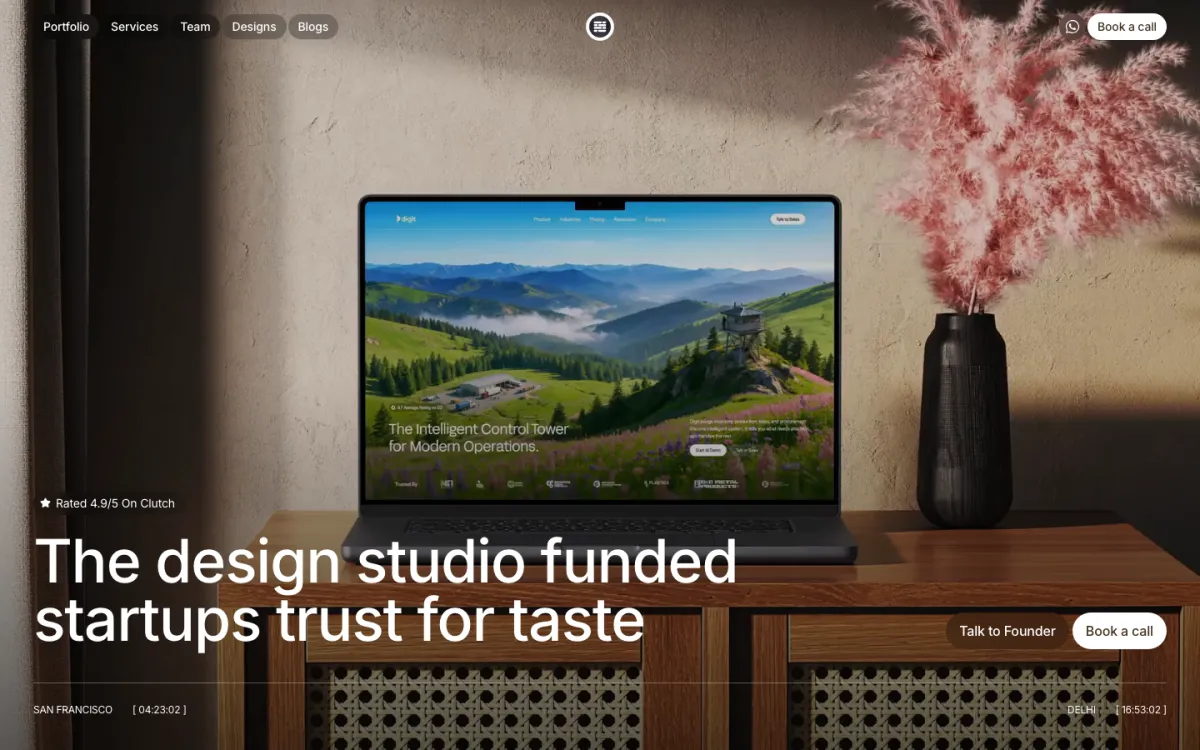
We at Bricx exclusively work with B2B & AI SaaS to create unforgettable user experiences. Our team of UX experts design high-converting websites and products, using our deep understanding of SaaS & design.
We have a running list of 25+ UX case studies where we have successfully completed website & product design projects for our clients.
Our clients include B2B SaaS & AI companies like Writesonic, Sybill, Manyreach, and other reputed names.
Schedule a call with us to discuss your goals & we’ll let you know how we can help.
Bricx - Premium UI/UX Partners For SaaS

We at Bricx exclusively work with B2B & AI SaaS to create unforgettable user experiences. Our team of UX experts design high-converting websites and products, using our deep understanding of SaaS & design.
We have a running list of 25+ UX case studies where we have successfully completed website & product design projects for our clients.
Our clients include B2B SaaS & AI companies like Writesonic, Sybill, Manyreach, and other reputed names.
Schedule a call with us to discuss your goals & we’ll let you know how we can help.
Bricx - Premium UI/UX Partners For SaaS

We at Bricx exclusively work with B2B & AI SaaS to create unforgettable user experiences. Our team of UX experts design high-converting websites and products, using our deep understanding of SaaS & design.
We have a running list of 25+ UX case studies where we have successfully completed website & product design projects for our clients.
Our clients include B2B SaaS & AI companies like Writesonic, Sybill, Manyreach, and other reputed names.
Schedule a call with us to discuss your goals & we’ll let you know how we can help.
Adaptive Path
Adaptive Path is a pioneer in experience design and has evolved into an agency that prioritizes interaction quality — especially for emerging interfaces like voice. They dive into user mental models, intent pathways, and behavior mapping to ensure voice dialogues are consistent, intuitive, and contextually relevant. Adaptive Path teams consider how people think and speak, not just what they click or tap, which makes them especially strong partners for voice UI design that needs to feel natural and reliable.
Employees-to-Client Ratio: Small expert interaction teams
Process Maturity: Research → interaction strategy → prototyping
Voice UX Expertise: Deep understanding of conversational behavior
Client Communication: Discovery workshops + iterative check-ins
Dev Handoff Process: Interaction blueprints & dialogue maps
Work Setup: Hybrid remote with storytelling process
Cooper (Designit Network)
Cooper, now part of the Designit family, has a long heritage in interaction design and cognitive ergonomics — both critical for voice experiences. Their approach is deeply rooted in understanding user goals, cognitive load, and intent patterns before creating interfaces. For voice UI applications, they excel at designing contextual voice cues, session flows, and fallback behavior while maintaining strong visual support when needed.
Employees-to-Client Ratio: Structured cross-discipline teams
Process Maturity: User research → behavior modeling → dialog design
Voice UX Expertise: Conversational pathways and cognitive congruence
Client Communication: Collaborative workshops and reviews
Dev Handoff Process: Scripted interaction assets
Work Setup: Hybrid with global talent
Huge Inc.
Huge is known for enterprise UX and large-scale experience design, including voice interactions that tie back into broader digital ecosystems. For companies building voice UI applications intended to integrate with web, mobile, and backend services, Huge brings systems thinking that ensures voice experiences aren’t siloed. They focus on ecosystem coherence and engagement continuity, helping brands establish consistent voice behavior across channels.
Employees-to-Client Ratio: Large teams with strategic UX leadership
Process Maturity: Research → testing → iterative improvement
Voice UX Expertise: Enterprise voice + multimodal design
Client Communication: Structured alignment models
Dev Handoff Process: Interactive specs + performance guidelines
Work Setup: Distributed global setup
Fjord
Fjord specializes in service and interaction design across emerging interfaces including voice. Their work often intersects spoken language interactions with service flows that span web, mobile, and in-home devices. Fjord’s strength lies in crafting human-centered scripts, fallback patterns, and contextual signals that help users feel understood and supported throughout a voice journey.
Employees-to-Client Ratio: Interaction design and service specialists
Process Maturity: Service mapping → UX → voice interface scripting
Voice UX Expertise: Storytelling + contextual voice design
Client Communication: Experience workshops
Dev Handoff Process: Systemic interaction models
Work Setup: Hybrid
R/GA
R/GA is known for blending technology, strategy, and design — making them suitable for voice UI applications that require innovation at scale. Their interdisciplinary teams help companies experiment with conversational patterns, test behavior models, and refine interactions across contexts. R/GA’s approach is strategic and technical, which helps enterprise and consumer brands push the boundaries of what voice can do while remaining usable.
Employees-to-Client Ratio: Tech + design + strategy pods
Process Maturity: Innovation sprints + prototype cycles
Voice UX Expertise: Experimental voice + interaction design
Client Communication: Strategic planning sessions
Dev Handoff Process: Prototypes + detailed workflows
Work Setup: Hybrid global
ustwo
ustwo is a product and experience design studio that thrives on emergent interface design — including voice, AR, and multimodal systems. They specialize in creating experiences that feel alive and responsive, not static and transactional. For voice UI apps, ustwo focuses on behavioral consistency, tone calibration, and conversational context, ensuring that users feel acknowledged and guided with every interaction.
Employees-to-Client Ratio: Senior experience designers
Process Maturity: Research → UX mapping → voice flow iteration
Voice UX Expertise: Multimodal and responsive voice design
Client Communication: Collaborative sprints
Dev Handoff Process: Interaction flows + device specs
Work Setup: Hybrid
Method
Method brings a strong background in UX and interaction design with a systems thinking approach — ideal for voice UI applications that need to respect context and state continuity. Their work often emphasizes feedback loops, contextual hints, and graceful fallbacks, all essential for conversational interactions that feel robust rather than brittle. Method’s systematic approach also supports downstream engineering handoff.
Employees-to-Client Ratio: Senior system designers
Process Maturity: Interaction system design → testing
Voice UX Expertise: Conversational systems thinking
Client Communication: Workshop + iterative cadence
Dev Handoff Process: Interaction kits
Work Setup: Hybrid remote
Adaptive Path
Adaptive Path is a pioneer in experience design and has evolved into an agency that prioritizes interaction quality — especially for emerging interfaces like voice. They dive into user mental models, intent pathways, and behavior mapping to ensure voice dialogues are consistent, intuitive, and contextually relevant. Adaptive Path teams consider how people think and speak, not just what they click or tap, which makes them especially strong partners for voice UI design that needs to feel natural and reliable.
Employees-to-Client Ratio: Small expert interaction teams
Process Maturity: Research → interaction strategy → prototyping
Voice UX Expertise: Deep understanding of conversational behavior
Client Communication: Discovery workshops + iterative check-ins
Dev Handoff Process: Interaction blueprints & dialogue maps
Work Setup: Hybrid remote with storytelling process
Cooper (Designit Network)
Cooper, now part of the Designit family, has a long heritage in interaction design and cognitive ergonomics — both critical for voice experiences. Their approach is deeply rooted in understanding user goals, cognitive load, and intent patterns before creating interfaces. For voice UI applications, they excel at designing contextual voice cues, session flows, and fallback behavior while maintaining strong visual support when needed.
Employees-to-Client Ratio: Structured cross-discipline teams
Process Maturity: User research → behavior modeling → dialog design
Voice UX Expertise: Conversational pathways and cognitive congruence
Client Communication: Collaborative workshops and reviews
Dev Handoff Process: Scripted interaction assets
Work Setup: Hybrid with global talent
Huge Inc.
Huge is known for enterprise UX and large-scale experience design, including voice interactions that tie back into broader digital ecosystems. For companies building voice UI applications intended to integrate with web, mobile, and backend services, Huge brings systems thinking that ensures voice experiences aren’t siloed. They focus on ecosystem coherence and engagement continuity, helping brands establish consistent voice behavior across channels.
Employees-to-Client Ratio: Large teams with strategic UX leadership
Process Maturity: Research → testing → iterative improvement
Voice UX Expertise: Enterprise voice + multimodal design
Client Communication: Structured alignment models
Dev Handoff Process: Interactive specs + performance guidelines
Work Setup: Distributed global setup
Fjord
Fjord specializes in service and interaction design across emerging interfaces including voice. Their work often intersects spoken language interactions with service flows that span web, mobile, and in-home devices. Fjord’s strength lies in crafting human-centered scripts, fallback patterns, and contextual signals that help users feel understood and supported throughout a voice journey.
Employees-to-Client Ratio: Interaction design and service specialists
Process Maturity: Service mapping → UX → voice interface scripting
Voice UX Expertise: Storytelling + contextual voice design
Client Communication: Experience workshops
Dev Handoff Process: Systemic interaction models
Work Setup: Hybrid
R/GA
R/GA is known for blending technology, strategy, and design — making them suitable for voice UI applications that require innovation at scale. Their interdisciplinary teams help companies experiment with conversational patterns, test behavior models, and refine interactions across contexts. R/GA’s approach is strategic and technical, which helps enterprise and consumer brands push the boundaries of what voice can do while remaining usable.
Employees-to-Client Ratio: Tech + design + strategy pods
Process Maturity: Innovation sprints + prototype cycles
Voice UX Expertise: Experimental voice + interaction design
Client Communication: Strategic planning sessions
Dev Handoff Process: Prototypes + detailed workflows
Work Setup: Hybrid global
ustwo
ustwo is a product and experience design studio that thrives on emergent interface design — including voice, AR, and multimodal systems. They specialize in creating experiences that feel alive and responsive, not static and transactional. For voice UI apps, ustwo focuses on behavioral consistency, tone calibration, and conversational context, ensuring that users feel acknowledged and guided with every interaction.
Employees-to-Client Ratio: Senior experience designers
Process Maturity: Research → UX mapping → voice flow iteration
Voice UX Expertise: Multimodal and responsive voice design
Client Communication: Collaborative sprints
Dev Handoff Process: Interaction flows + device specs
Work Setup: Hybrid
Method
Method brings a strong background in UX and interaction design with a systems thinking approach — ideal for voice UI applications that need to respect context and state continuity. Their work often emphasizes feedback loops, contextual hints, and graceful fallbacks, all essential for conversational interactions that feel robust rather than brittle. Method’s systematic approach also supports downstream engineering handoff.
Employees-to-Client Ratio: Senior system designers
Process Maturity: Interaction system design → testing
Voice UX Expertise: Conversational systems thinking
Client Communication: Workshop + iterative cadence
Dev Handoff Process: Interaction kits
Work Setup: Hybrid remote
Adaptive Path
Adaptive Path is a pioneer in experience design and has evolved into an agency that prioritizes interaction quality — especially for emerging interfaces like voice. They dive into user mental models, intent pathways, and behavior mapping to ensure voice dialogues are consistent, intuitive, and contextually relevant. Adaptive Path teams consider how people think and speak, not just what they click or tap, which makes them especially strong partners for voice UI design that needs to feel natural and reliable.
Employees-to-Client Ratio: Small expert interaction teams
Process Maturity: Research → interaction strategy → prototyping
Voice UX Expertise: Deep understanding of conversational behavior
Client Communication: Discovery workshops + iterative check-ins
Dev Handoff Process: Interaction blueprints & dialogue maps
Work Setup: Hybrid remote with storytelling process
Cooper (Designit Network)
Cooper, now part of the Designit family, has a long heritage in interaction design and cognitive ergonomics — both critical for voice experiences. Their approach is deeply rooted in understanding user goals, cognitive load, and intent patterns before creating interfaces. For voice UI applications, they excel at designing contextual voice cues, session flows, and fallback behavior while maintaining strong visual support when needed.
Employees-to-Client Ratio: Structured cross-discipline teams
Process Maturity: User research → behavior modeling → dialog design
Voice UX Expertise: Conversational pathways and cognitive congruence
Client Communication: Collaborative workshops and reviews
Dev Handoff Process: Scripted interaction assets
Work Setup: Hybrid with global talent
Huge Inc.
Huge is known for enterprise UX and large-scale experience design, including voice interactions that tie back into broader digital ecosystems. For companies building voice UI applications intended to integrate with web, mobile, and backend services, Huge brings systems thinking that ensures voice experiences aren’t siloed. They focus on ecosystem coherence and engagement continuity, helping brands establish consistent voice behavior across channels.
Employees-to-Client Ratio: Large teams with strategic UX leadership
Process Maturity: Research → testing → iterative improvement
Voice UX Expertise: Enterprise voice + multimodal design
Client Communication: Structured alignment models
Dev Handoff Process: Interactive specs + performance guidelines
Work Setup: Distributed global setup
Fjord
Fjord specializes in service and interaction design across emerging interfaces including voice. Their work often intersects spoken language interactions with service flows that span web, mobile, and in-home devices. Fjord’s strength lies in crafting human-centered scripts, fallback patterns, and contextual signals that help users feel understood and supported throughout a voice journey.
Employees-to-Client Ratio: Interaction design and service specialists
Process Maturity: Service mapping → UX → voice interface scripting
Voice UX Expertise: Storytelling + contextual voice design
Client Communication: Experience workshops
Dev Handoff Process: Systemic interaction models
Work Setup: Hybrid
R/GA
R/GA is known for blending technology, strategy, and design — making them suitable for voice UI applications that require innovation at scale. Their interdisciplinary teams help companies experiment with conversational patterns, test behavior models, and refine interactions across contexts. R/GA’s approach is strategic and technical, which helps enterprise and consumer brands push the boundaries of what voice can do while remaining usable.
Employees-to-Client Ratio: Tech + design + strategy pods
Process Maturity: Innovation sprints + prototype cycles
Voice UX Expertise: Experimental voice + interaction design
Client Communication: Strategic planning sessions
Dev Handoff Process: Prototypes + detailed workflows
Work Setup: Hybrid global
ustwo
ustwo is a product and experience design studio that thrives on emergent interface design — including voice, AR, and multimodal systems. They specialize in creating experiences that feel alive and responsive, not static and transactional. For voice UI apps, ustwo focuses on behavioral consistency, tone calibration, and conversational context, ensuring that users feel acknowledged and guided with every interaction.
Employees-to-Client Ratio: Senior experience designers
Process Maturity: Research → UX mapping → voice flow iteration
Voice UX Expertise: Multimodal and responsive voice design
Client Communication: Collaborative sprints
Dev Handoff Process: Interaction flows + device specs
Work Setup: Hybrid
Method
Method brings a strong background in UX and interaction design with a systems thinking approach — ideal for voice UI applications that need to respect context and state continuity. Their work often emphasizes feedback loops, contextual hints, and graceful fallbacks, all essential for conversational interactions that feel robust rather than brittle. Method’s systematic approach also supports downstream engineering handoff.
Employees-to-Client Ratio: Senior system designers
Process Maturity: Interaction system design → testing
Voice UX Expertise: Conversational systems thinking
Client Communication: Workshop + iterative cadence
Dev Handoff Process: Interaction kits
Work Setup: Hybrid remote
Zajno
Zajno helps brands with visual and interaction design, and their work increasingly intersects with voice experiences when visual context complements spoken UX. For voice UI applications that also have strong screen components (e.g., dashboards or discovery UIs), Zajno brings clarity and readability that make multimodal experiences coherent. Their strength lies in visual storytelling that supports voice copy, fallback messaging, and contextual screens.
Employees-to-Client Ratio: Creative teams focused on usable design
Process Maturity: Story-driven UX → visual refinement
Voice UX Expertise: Multimodal synergy
Client Communication: Creative preview loops
Dev Handoff Process: Organized specs
Work Setup: Remote/hybrid
Context
Context is a specialized UX and voice interface design studio with experience in conversational UX, natural language interaction patterns, and multimodal design systems. They help teams build dialogue models, error handling, context retention strategies, and dynamic voice flows that behave predictably. Their work is highly detailed and conversation-first, which makes them a good match for teams building custom voice experiences.
Employees-to-Client Ratio: Core voice UX specialists
Process Maturity: Dialogue creation → prototype testing
Voice UX Expertise: Deep conversational modeling
Client Communication: Behavioral insight workshops
Dev Handoff Process: Voice scripts + intent maps
Work Setup: Remote-optimized
Conclusion
Voice UI applications require a fundamentally different design mindset compared to traditional web or mobile interfaces. It’s not about pixels — it’s about conversation patterns, context continuity, user expectations, fallback behavior, and auditory interaction quality. The agencies above were selected because they combine deep experience in voice UX, multimodal design, systems thinking, and developer-ready documentation — all essential when your product has to understand, respond, and behave like a coherent voice partner.
When choosing a partner, evaluate how well they think in terms of conversation rules, error resilience, context carry-over, and cross-platform sync — not just visual layouts. A strong voice UX partner will help you reduce friction, win trust, and create experiences that users find natural and rewarding.
If you’re looking for a partner that deeply understands voice UI behavior, multimodal integration, and product-aligned conversational UX, Bricx stands out as an excellent choice. We build interfaces — both spoken and visual — that help users reach their goals faster while preserving clarity, personality, and delight.
FAQs
1. Why do voice UI applications need specialized web design agencies?
Voice-driven products require agencies that understand both visual UX and conversational interaction design. A specialized agency can translate the logic of voice workflows into clear visual structures that help users understand how the system works. They also ensure the website communicates the value of voice features in a simple and compelling way.
2. What unique challenges do voice UI companies face in web design?
Voice UI products often rely on invisible interactions, making it harder to explain functionality with typical visuals. The website must use diagrams, flows, and examples to help users imagine how voice commands translate into actions. This requires careful storytelling and UI design that bridges the gap between spoken commands and digital experiences.
3. How can web design improve adoption of voice UI applications?
A strong website demonstrates real use cases so prospects immediately understand what problems the voice application solves. Clear messaging, interactive demos, and well-structured feature pages help users build confidence in using voice-driven systems. When visitors see the value quickly, adoption and onboarding become significantly easier.
4. What skills should a web design agency have to support voice UI products?
They should understand multimodal interfaces, conversational UX, and the technical constraints of voice platforms like Alexa, Google Assistant, or custom VUI engines. Agencies with experience in AI, automation, and complex workflows are especially strong fits. They also need to be excellent at simplifying abstract interactions through visuals and content.
5. How does web design help communicate voice interactions that aren’t visible?
Effective design uses motion graphics, micro-animations, diagrams, and scenario-based storytelling to illustrate how voice commands trigger responses. This helps users visualize the system’s logic and capabilities. It removes confusion and makes an invisible interaction model feel more concrete.
6. Why is trust-building important for voice UI products?
Users are often cautious with voice technology because it involves privacy, data access, and new behaviors. Clean, transparent design reassures users that the technology is safe, modern, and reliable. When trust is established early, users feel more comfortable trying and adopting new voice-driven workflows.
Zajno
Zajno helps brands with visual and interaction design, and their work increasingly intersects with voice experiences when visual context complements spoken UX. For voice UI applications that also have strong screen components (e.g., dashboards or discovery UIs), Zajno brings clarity and readability that make multimodal experiences coherent. Their strength lies in visual storytelling that supports voice copy, fallback messaging, and contextual screens.
Employees-to-Client Ratio: Creative teams focused on usable design
Process Maturity: Story-driven UX → visual refinement
Voice UX Expertise: Multimodal synergy
Client Communication: Creative preview loops
Dev Handoff Process: Organized specs
Work Setup: Remote/hybrid
Context
Context is a specialized UX and voice interface design studio with experience in conversational UX, natural language interaction patterns, and multimodal design systems. They help teams build dialogue models, error handling, context retention strategies, and dynamic voice flows that behave predictably. Their work is highly detailed and conversation-first, which makes them a good match for teams building custom voice experiences.
Employees-to-Client Ratio: Core voice UX specialists
Process Maturity: Dialogue creation → prototype testing
Voice UX Expertise: Deep conversational modeling
Client Communication: Behavioral insight workshops
Dev Handoff Process: Voice scripts + intent maps
Work Setup: Remote-optimized
Conclusion
Voice UI applications require a fundamentally different design mindset compared to traditional web or mobile interfaces. It’s not about pixels — it’s about conversation patterns, context continuity, user expectations, fallback behavior, and auditory interaction quality. The agencies above were selected because they combine deep experience in voice UX, multimodal design, systems thinking, and developer-ready documentation — all essential when your product has to understand, respond, and behave like a coherent voice partner.
When choosing a partner, evaluate how well they think in terms of conversation rules, error resilience, context carry-over, and cross-platform sync — not just visual layouts. A strong voice UX partner will help you reduce friction, win trust, and create experiences that users find natural and rewarding.
If you’re looking for a partner that deeply understands voice UI behavior, multimodal integration, and product-aligned conversational UX, Bricx stands out as an excellent choice. We build interfaces — both spoken and visual — that help users reach their goals faster while preserving clarity, personality, and delight.
FAQs
1. Why do voice UI applications need specialized web design agencies?
Voice-driven products require agencies that understand both visual UX and conversational interaction design. A specialized agency can translate the logic of voice workflows into clear visual structures that help users understand how the system works. They also ensure the website communicates the value of voice features in a simple and compelling way.
2. What unique challenges do voice UI companies face in web design?
Voice UI products often rely on invisible interactions, making it harder to explain functionality with typical visuals. The website must use diagrams, flows, and examples to help users imagine how voice commands translate into actions. This requires careful storytelling and UI design that bridges the gap between spoken commands and digital experiences.
3. How can web design improve adoption of voice UI applications?
A strong website demonstrates real use cases so prospects immediately understand what problems the voice application solves. Clear messaging, interactive demos, and well-structured feature pages help users build confidence in using voice-driven systems. When visitors see the value quickly, adoption and onboarding become significantly easier.
4. What skills should a web design agency have to support voice UI products?
They should understand multimodal interfaces, conversational UX, and the technical constraints of voice platforms like Alexa, Google Assistant, or custom VUI engines. Agencies with experience in AI, automation, and complex workflows are especially strong fits. They also need to be excellent at simplifying abstract interactions through visuals and content.
5. How does web design help communicate voice interactions that aren’t visible?
Effective design uses motion graphics, micro-animations, diagrams, and scenario-based storytelling to illustrate how voice commands trigger responses. This helps users visualize the system’s logic and capabilities. It removes confusion and makes an invisible interaction model feel more concrete.
6. Why is trust-building important for voice UI products?
Users are often cautious with voice technology because it involves privacy, data access, and new behaviors. Clean, transparent design reassures users that the technology is safe, modern, and reliable. When trust is established early, users feel more comfortable trying and adopting new voice-driven workflows.
Zajno
Zajno helps brands with visual and interaction design, and their work increasingly intersects with voice experiences when visual context complements spoken UX. For voice UI applications that also have strong screen components (e.g., dashboards or discovery UIs), Zajno brings clarity and readability that make multimodal experiences coherent. Their strength lies in visual storytelling that supports voice copy, fallback messaging, and contextual screens.
Employees-to-Client Ratio: Creative teams focused on usable design
Process Maturity: Story-driven UX → visual refinement
Voice UX Expertise: Multimodal synergy
Client Communication: Creative preview loops
Dev Handoff Process: Organized specs
Work Setup: Remote/hybrid
Context
Context is a specialized UX and voice interface design studio with experience in conversational UX, natural language interaction patterns, and multimodal design systems. They help teams build dialogue models, error handling, context retention strategies, and dynamic voice flows that behave predictably. Their work is highly detailed and conversation-first, which makes them a good match for teams building custom voice experiences.
Employees-to-Client Ratio: Core voice UX specialists
Process Maturity: Dialogue creation → prototype testing
Voice UX Expertise: Deep conversational modeling
Client Communication: Behavioral insight workshops
Dev Handoff Process: Voice scripts + intent maps
Work Setup: Remote-optimized
Conclusion
Voice UI applications require a fundamentally different design mindset compared to traditional web or mobile interfaces. It’s not about pixels — it’s about conversation patterns, context continuity, user expectations, fallback behavior, and auditory interaction quality. The agencies above were selected because they combine deep experience in voice UX, multimodal design, systems thinking, and developer-ready documentation — all essential when your product has to understand, respond, and behave like a coherent voice partner.
When choosing a partner, evaluate how well they think in terms of conversation rules, error resilience, context carry-over, and cross-platform sync — not just visual layouts. A strong voice UX partner will help you reduce friction, win trust, and create experiences that users find natural and rewarding.
If you’re looking for a partner that deeply understands voice UI behavior, multimodal integration, and product-aligned conversational UX, Bricx stands out as an excellent choice. We build interfaces — both spoken and visual — that help users reach their goals faster while preserving clarity, personality, and delight.
FAQs
1. Why do voice UI applications need specialized web design agencies?
Voice-driven products require agencies that understand both visual UX and conversational interaction design. A specialized agency can translate the logic of voice workflows into clear visual structures that help users understand how the system works. They also ensure the website communicates the value of voice features in a simple and compelling way.
2. What unique challenges do voice UI companies face in web design?
Voice UI products often rely on invisible interactions, making it harder to explain functionality with typical visuals. The website must use diagrams, flows, and examples to help users imagine how voice commands translate into actions. This requires careful storytelling and UI design that bridges the gap between spoken commands and digital experiences.
3. How can web design improve adoption of voice UI applications?
A strong website demonstrates real use cases so prospects immediately understand what problems the voice application solves. Clear messaging, interactive demos, and well-structured feature pages help users build confidence in using voice-driven systems. When visitors see the value quickly, adoption and onboarding become significantly easier.
4. What skills should a web design agency have to support voice UI products?
They should understand multimodal interfaces, conversational UX, and the technical constraints of voice platforms like Alexa, Google Assistant, or custom VUI engines. Agencies with experience in AI, automation, and complex workflows are especially strong fits. They also need to be excellent at simplifying abstract interactions through visuals and content.
5. How does web design help communicate voice interactions that aren’t visible?
Effective design uses motion graphics, micro-animations, diagrams, and scenario-based storytelling to illustrate how voice commands trigger responses. This helps users visualize the system’s logic and capabilities. It removes confusion and makes an invisible interaction model feel more concrete.
6. Why is trust-building important for voice UI products?
Users are often cautious with voice technology because it involves privacy, data access, and new behaviors. Clean, transparent design reassures users that the technology is safe, modern, and reliable. When trust is established early, users feel more comfortable trying and adopting new voice-driven workflows.
As a remote-first team of UX specialists, we work exclusively with B2B & AI SaaS companies to design unforgettable user experiences at Bricx.
If you’re a B2B or AI SaaS looking to give your users an unforgettable experience, book a call with us now!
As a remote-first team of UX specialists, we work exclusively with B2B & AI SaaS companies to design unforgettable user experiences at Bricx.
If you’re a B2B or AI SaaS looking to give your users an unforgettable experience, book a call with us now!
As a remote-first team of UX specialists, we work exclusively with B2B & AI SaaS companies to design unforgettable user experiences at Bricx.
If you’re a B2B or AI SaaS looking to give your users an unforgettable experience, book a call with us now!
Author:


Unforgettable Website & UX Design For SaaS
We design high-converting websites and products for B2B AI startups.


Similar Design Agencies
Available for Work
Bricx
© Bricx, 2025. All rights reserved.


Available for Work
Bricx
© Bricx, 2025. All rights reserved.


Available for Work
Bricx
© Bricx, 2025. All rights reserved.


Available for Work
Bricx
© Bricx, 2025. All rights reserved.