Product Design

Product Design

Product Design

Insights

Insights

Insights

February 19, 2026

February 19, 2026

February 19, 2026

Momentum Design Lab vs Bricx: Which Agency Really Fits You?

Momentum Design Lab vs Bricx: Which Agency Really Fits You?

Momentum Design Lab vs Bricx: Which Agency Really Fits You?

Momentum Design Lab vs Bricx: which agency should you hire? Learn how they compare across UX depth, startup fit, collaboration style, and growth impact.

Momentum Design Lab vs Bricx: which agency should you hire? Learn how they compare across UX depth, startup fit, collaboration style, and growth impact.

Momentum Design Lab vs Bricx: which agency should you hire? Learn how they compare across UX depth, startup fit, collaboration style, and growth impact.

4 minutes

4 minutes

4 minutes

Author:

Siddharth Vij

Co-Founder, Bricx

Hi, I'm Sid. I lead design at Bricx. We work with B2B & AI SaaS companies to craft unforgettable user experiences.

If you’re comparing Momentum Design Lab vs Bricx, you’re likely looking for more than just attractive interfaces – probably a design partner that can meaningfully improve how your product performs. Both agencies are highly respected in the product design space but serve slightly different needs. 

Momentum Design Lab is widely known for research-driven UX design and enterprise-grade product experiences, helping organizations solve complex usability challenges through structured methodology. Bricx, on the other hand, focuses on execution-led product design for SaaS and AI companies where UX directly impacts activation, retention, and growth. 

While both deliver strong outcomes, the right choice depends on whether you need deep research validation or rapid, growth-focused UX execution. 

Let’s break down how they truly compare.

What is Momentum Design Lab?
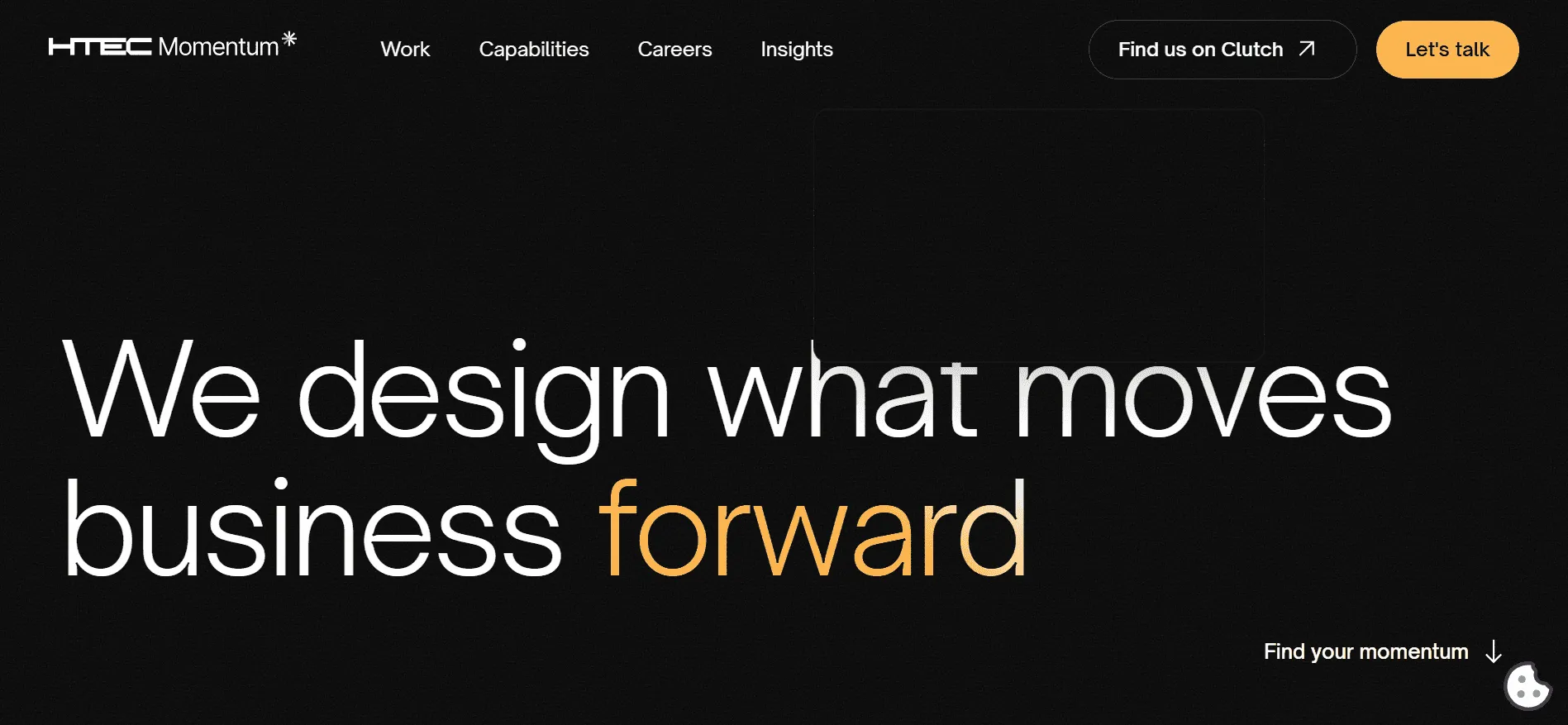

Momentum Design Lab is a Silicon Valley–based UX design agency specializing in user experience research, product strategy, and interface design for digital products. 


Momentum Design Lab is a Silicon Valley–based UX design agency specializing in user experience research, product strategy, and interface design for digital products. 

Founded with a strong emphasis on usability and human-centered design, the agency has worked with startups, Fortune 500 companies, and enterprise technology organizations to improve product usability and customer experience outcomes.

Momentum Design Lab’s approach is heavily rooted in UX research and structured methodology. Their engagements often begin with discovery, user interviews, usability testing, and behavioral analysis before moving into interface design and product refinement. 

The agency focuses on solving complex usability problems, making them particularly effective for enterprise software, fintech platforms, healthcare applications, and large-scale digital systems where clarity and efficiency are critical.

Strengths of Momentum Design Lab

  • Deep UX Research Expertise
    Momentum Design Lab places strong emphasis on research-backed design decisions. Their usability testing, interviews, and validation processes help companies uncover real user problems before implementing solutions, reducing design risk significantly.

  • Enterprise-Grade UX Methodology
    The agency excels at handling complex workflows and enterprise software environments. Their structured processes help large organizations align stakeholders and deliver consistent user experiences across complicated systems.

  • Strong Product Strategy Foundation
    Momentum’s work often influences product direction, not just UI execution. Their ability to connect user insights with product decisions makes them valuable during redesigns or large UX improvement initiatives.

  • Experienced Cross-Functional Teams
    Their designers collaborate closely with product managers and engineering teams, ensuring solutions remain practical and implementable within technical constraints.

  • Proven Track Record Across Industries
    Momentum Design Lab has supported companies across fintech, healthcare, enterprise SaaS, and technology sectors, demonstrating adaptability across complex product categories.

Weaknesses of Momentum Design Lab

  • Research-Heavy Engagements Can Extend Timelines
    Their structured research-first methodology can slow early execution for teams needing immediate UX improvements or rapid iteration cycles.

  • Premium Pricing Structure
    Enterprise-focused engagements often come with higher costs, which may not suit early-stage startups or teams with limited budgets.

  • Less Embedded Long-Term Collaboration
    Projects are often structured around defined scopes rather than ongoing embedded design partnerships.

  • Growth Optimization May Be Secondary
    While usability improves significantly, continuous experimentation tied directly to growth metrics may require additional internal resources.

Industries Served

Momentum Design Lab primarily serves enterprise organizations, mature startups, fintech companies, healthcare platforms, and technology businesses needing research-driven UX improvements for complex products.

What is Bricx?
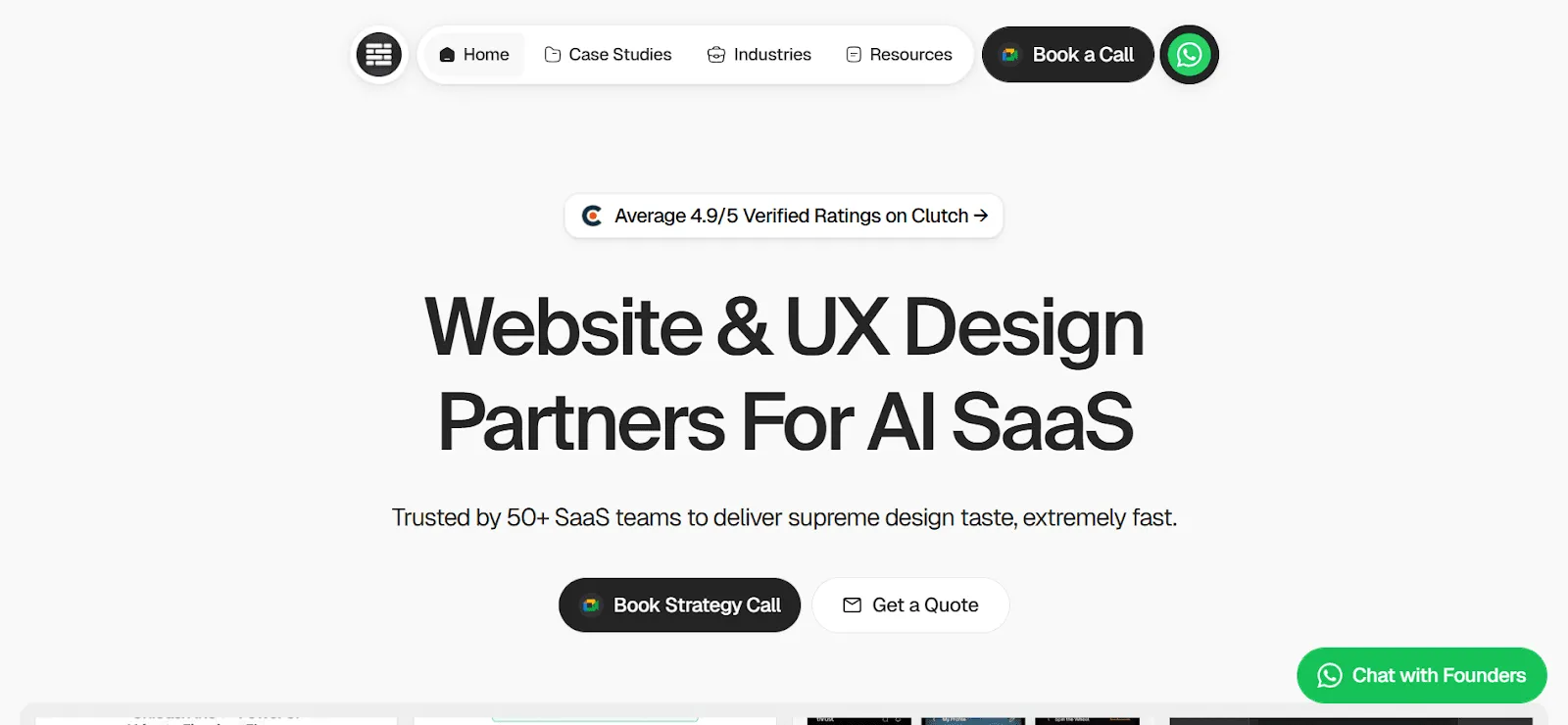

At Bricx, we take a more execution-focused approach to product design. We specialize in helping SaaS, AI, and digital-first companies improve product adoption, usability, and growth outcomes through practical UX design. Rather than emphasizing long research cycles, we work closely with product teams to identify friction points quickly and ship improvements that move metrics.


At Bricx, we take a more execution-focused approach to product design. We specialize in helping SaaS, AI, and digital-first companies improve product adoption, usability, and growth outcomes through practical UX design. Rather than emphasizing long research cycles, we work closely with product teams to identify friction points quickly and ship improvements that move metrics.

Our work spans MVP design, onboarding optimization, UX audits, product redesigns, and long-term design team extensions. 

We embed directly into client workflows, collaborating daily with founders, product managers, and engineers. This allows us to move fast while ensuring design decisions align with business goals like activation, retention, and feature adoption.

Strengths of Bricx

  • Deep SaaS & AI Specialization
    We focus specifically on software products, allowing us to understand dashboards, workflows, and technical constraints quickly without extensive onboarding time.

  • Execution-Driven UX Approach
    Instead of long theoretical cycles, we prioritize solutions teams can implement immediately, accelerating product momentum.

  • Embedded Collaboration Model
    We function as an extension of your internal team, working within sprint cycles and real product discussions rather than operating as a distant vendor.

  • Scalable Design Systems Thinking
    We design systems that grow alongside products, helping companies avoid design debt as features expand.

  • Growth-Oriented UX Strategy
    Our decisions connect directly to measurable outcomes such as onboarding success, activation improvement, and retention gains.

Weaknesses of Bricx

  • Not Primarily Research-Consulting Focused
    Organizations seeking extensive standalone research programs may find our execution-first approach different from research-led agencies.

  • Best Fit for Digital Products
    Our specialization centers on SaaS and AI platforms rather than physical or service design ecosystems.

  • Requires Active Team Collaboration
    Our embedded model works best when product teams engage actively in feedback and iteration.

  • Less Focus on Large Enterprise Transformation Programs
    Companies seeking organization-wide UX transformation may require broader consulting structures.

Industries Served

We primarily work with SaaS companies, AI startups, Web3 platforms, and enterprise software teams focused on improving usability, onboarding performance, and scalable product growth.

Core Comparison Points: Momentum Design Lab vs Bricx 

Now that we've got a basic idea about both agencies, let's compare Momentum Design Lab vs Bricx based on a bunch of different parameters:

  1. Pricing

When comparing pricing between Momentum Design Lab and Bricx, the distinction largely reflects their engagement models. Momentum typically operates within enterprise-style project scopes that include research, usability validation, and structured UX phases. 

These engagements often require higher upfront investment due to the depth of discovery and strategy involved.

At Bricx, pricing is structured to support continuous product evolution. Instead of large one-time research-heavy engagements, we work through flexible retainers and execution-focused collaborations, allowing SaaS teams to invest incrementally while continuously improving their product experience. 

For companies operating in agile environments, this often creates more predictable budgeting and sustained value delivery.

  1. Product & UX Maturity

Momentum Design Lab excels at improving foundational UX maturity. Their methodology focuses on deeply understanding user behavior through research and translating those insights into refined product structures. This makes them particularly effective when organizations are redesigning complex systems or addressing large usability gaps.

Bricx operates further along the product lifecycle, focusing on optimization and performance-driven UX. Rather than defining products from scratch, we improve onboarding, workflows, and feature adoption within live SaaS products. 

Our approach prioritizes measurable improvements tied directly to activation, retention, and usability outcomes.

  1. Industry & Domain Fit

Momentum Design Lab works across multiple industries, including enterprise software, fintech, healthcare, and technology platforms. Their versatility allows them to approach projects from a broad UX consulting perspective, especially in environments requiring structured research and stakeholder alignment.

Bricx specializes heavily in SaaS, AI, and software-first companies. This domain focus enables faster onboarding, stronger collaboration with engineering teams, and quicker understanding of technical product constraints. 

For software products with evolving dashboards and complex workflows, specialization often translates into faster execution.

  1. Speed & Execution Model

Momentum Design Lab follows a research-first execution model. Projects typically begin with discovery and validation phases before moving into design execution, ensuring clarity but sometimes extending early timelines. This structured approach works well when strategic alignment is the primary objective.

Bricx emphasizes rapid iteration. We operate within product sprint cycles, enabling continuous improvements rather than milestone-based releases. 

This execution model aligns closely with agile SaaS teams that need to ship updates frequently and respond quickly to user feedback.

  1. Collaboration & Communication

Momentum Design Lab collaborates through defined project milestones, workshops, and scheduled reviews. This structured communication style helps large organizations maintain alignment across multiple stakeholders during complex redesign initiatives.

At Bricx, collaboration is more embedded and day-to-day. We integrate directly into Slack channels, sprint discussions, and product workflows, functioning as an extension of internal teams. 

This reduces communication lag and allows faster decision-making as priorities evolve.

  1. Flexibility & Startup Friendliness

Momentum Design Lab supports startups effectively during early product definition, helping founders validate ideas and establish strong UX foundations. However, their structured engagement model may feel heavier for teams seeking ongoing design flexibility.

Bricx is particularly startup-friendly during growth stages. Our flexible engagement model allows companies to scale design support based on roadmap needs, providing consistent UX execution without requiring internal hiring or long-term consulting commitments.

  1. Cost Efficiency & ROI

Momentum Design Lab delivers ROI primarily through risk reduction — ensuring teams build the right solutions through research-backed decisions. This approach prevents costly product misalignment early in development.

Bricx focuses on ROI through measurable product improvements.

By refining onboarding experiences, simplifying workflows, and improving usability, our work directly influences product metrics such as activation rates, retention, and user engagement — creating compounding returns over time.

  1. Strategic Impact

Momentum Design Lab contributes strategically by shaping product direction and aligning teams around validated user insights. Their work often influences long-term product vision and experience frameworks.

Bricx drives strategic impact through execution performance. We translate business goals into practical UX improvements that improve how products perform daily, ensuring strategy connects directly with shipped outcomes and user behavior improvements.

  1. Cultural & Team Fit

Momentum Design Lab aligns well with organizations that value structured planning, research rigor, and guided UX transformation. Their approach suits enterprise teams navigating complex stakeholder environments.

Bricx fits fast-moving product organizations that prioritize experimentation, collaboration, and rapid iteration. 

Our working style mirrors startup and growth-stage SaaS teams where design decisions evolve alongside product development.

  1. Design Quality & Systems Thinking

Both agencies deliver high-quality design outcomes, but their philosophies differ. Momentum Design Lab emphasizes usability clarity grounded in research and validated interaction patterns, ensuring experiences are intuitive and well-tested.

Bricx prioritizes scalable systems thinking built for evolving software products. 

We focus on reusable components, modular design systems, and growth-ready UX frameworks that allow products to scale efficiently as features and complexity increase.

Conclusion

Choosing between Momentum Design Lab and Bricx ultimately depends on your use case, budget, and ROI expectations. Momentum Design Lab is an excellent partner for research-driven UX strategy and enterprise usability transformation. 

However, when comparing Momentum Design Lab vs Bricx, we become the stronger option for companies seeking execution-driven product design with measurable growth outcomes. 

With deep SaaS & AI expertise (bolstered by our 25+ case studies from working with companies backed by Y Combinator, Techstars & Sequoia) and experience across industries, Bricx is built to support businesses across each stage of their product growth.  

Schedule a call with us now to discuss your goals & to know more about how we can help achieve them. 
If you’re comparing Momentum Design Lab vs Bricx, you’re likely looking for more than just attractive interfaces – probably a design partner that can meaningfully improve how your product performs. Both agencies are highly respected in the product design space but serve slightly different needs. 

Momentum Design Lab is widely known for research-driven UX design and enterprise-grade product experiences, helping organizations solve complex usability challenges through structured methodology. Bricx, on the other hand, focuses on execution-led product design for SaaS and AI companies where UX directly impacts activation, retention, and growth. 

While both deliver strong outcomes, the right choice depends on whether you need deep research validation or rapid, growth-focused UX execution. 

Let’s break down how they truly compare.

What is Momentum Design Lab?


Momentum Design Lab is a Silicon Valley–based UX design agency specializing in user experience research, product strategy, and interface design for digital products. 


Momentum Design Lab is a Silicon Valley–based UX design agency specializing in user experience research, product strategy, and interface design for digital products. 

Founded with a strong emphasis on usability and human-centered design, the agency has worked with startups, Fortune 500 companies, and enterprise technology organizations to improve product usability and customer experience outcomes.

Momentum Design Lab’s approach is heavily rooted in UX research and structured methodology. Their engagements often begin with discovery, user interviews, usability testing, and behavioral analysis before moving into interface design and product refinement. 

The agency focuses on solving complex usability problems, making them particularly effective for enterprise software, fintech platforms, healthcare applications, and large-scale digital systems where clarity and efficiency are critical.

Strengths of Momentum Design Lab

  • Deep UX Research Expertise
    Momentum Design Lab places strong emphasis on research-backed design decisions. Their usability testing, interviews, and validation processes help companies uncover real user problems before implementing solutions, reducing design risk significantly.

  • Enterprise-Grade UX Methodology
    The agency excels at handling complex workflows and enterprise software environments. Their structured processes help large organizations align stakeholders and deliver consistent user experiences across complicated systems.

  • Strong Product Strategy Foundation
    Momentum’s work often influences product direction, not just UI execution. Their ability to connect user insights with product decisions makes them valuable during redesigns or large UX improvement initiatives.

  • Experienced Cross-Functional Teams
    Their designers collaborate closely with product managers and engineering teams, ensuring solutions remain practical and implementable within technical constraints.

  • Proven Track Record Across Industries
    Momentum Design Lab has supported companies across fintech, healthcare, enterprise SaaS, and technology sectors, demonstrating adaptability across complex product categories.

Weaknesses of Momentum Design Lab

  • Research-Heavy Engagements Can Extend Timelines
    Their structured research-first methodology can slow early execution for teams needing immediate UX improvements or rapid iteration cycles.

  • Premium Pricing Structure
    Enterprise-focused engagements often come with higher costs, which may not suit early-stage startups or teams with limited budgets.

  • Less Embedded Long-Term Collaboration
    Projects are often structured around defined scopes rather than ongoing embedded design partnerships.

  • Growth Optimization May Be Secondary
    While usability improves significantly, continuous experimentation tied directly to growth metrics may require additional internal resources.

Industries Served

Momentum Design Lab primarily serves enterprise organizations, mature startups, fintech companies, healthcare platforms, and technology businesses needing research-driven UX improvements for complex products.

What is Bricx?


At Bricx, we take a more execution-focused approach to product design. We specialize in helping SaaS, AI, and digital-first companies improve product adoption, usability, and growth outcomes through practical UX design. Rather than emphasizing long research cycles, we work closely with product teams to identify friction points quickly and ship improvements that move metrics.


At Bricx, we take a more execution-focused approach to product design. We specialize in helping SaaS, AI, and digital-first companies improve product adoption, usability, and growth outcomes through practical UX design. Rather than emphasizing long research cycles, we work closely with product teams to identify friction points quickly and ship improvements that move metrics.

Our work spans MVP design, onboarding optimization, UX audits, product redesigns, and long-term design team extensions. 

We embed directly into client workflows, collaborating daily with founders, product managers, and engineers. This allows us to move fast while ensuring design decisions align with business goals like activation, retention, and feature adoption.

Strengths of Bricx

  • Deep SaaS & AI Specialization
    We focus specifically on software products, allowing us to understand dashboards, workflows, and technical constraints quickly without extensive onboarding time.

  • Execution-Driven UX Approach
    Instead of long theoretical cycles, we prioritize solutions teams can implement immediately, accelerating product momentum.

  • Embedded Collaboration Model
    We function as an extension of your internal team, working within sprint cycles and real product discussions rather than operating as a distant vendor.

  • Scalable Design Systems Thinking
    We design systems that grow alongside products, helping companies avoid design debt as features expand.

  • Growth-Oriented UX Strategy
    Our decisions connect directly to measurable outcomes such as onboarding success, activation improvement, and retention gains.

Weaknesses of Bricx

  • Not Primarily Research-Consulting Focused
    Organizations seeking extensive standalone research programs may find our execution-first approach different from research-led agencies.

  • Best Fit for Digital Products
    Our specialization centers on SaaS and AI platforms rather than physical or service design ecosystems.

  • Requires Active Team Collaboration
    Our embedded model works best when product teams engage actively in feedback and iteration.

  • Less Focus on Large Enterprise Transformation Programs
    Companies seeking organization-wide UX transformation may require broader consulting structures.

Industries Served

We primarily work with SaaS companies, AI startups, Web3 platforms, and enterprise software teams focused on improving usability, onboarding performance, and scalable product growth.

Core Comparison Points: Momentum Design Lab vs Bricx 

Now that we've got a basic idea about both agencies, let's compare Momentum Design Lab vs Bricx based on a bunch of different parameters:

  1. Pricing

When comparing pricing between Momentum Design Lab and Bricx, the distinction largely reflects their engagement models. Momentum typically operates within enterprise-style project scopes that include research, usability validation, and structured UX phases. 

These engagements often require higher upfront investment due to the depth of discovery and strategy involved.

At Bricx, pricing is structured to support continuous product evolution. Instead of large one-time research-heavy engagements, we work through flexible retainers and execution-focused collaborations, allowing SaaS teams to invest incrementally while continuously improving their product experience. 

For companies operating in agile environments, this often creates more predictable budgeting and sustained value delivery.

  1. Product & UX Maturity

Momentum Design Lab excels at improving foundational UX maturity. Their methodology focuses on deeply understanding user behavior through research and translating those insights into refined product structures. This makes them particularly effective when organizations are redesigning complex systems or addressing large usability gaps.

Bricx operates further along the product lifecycle, focusing on optimization and performance-driven UX. Rather than defining products from scratch, we improve onboarding, workflows, and feature adoption within live SaaS products. 

Our approach prioritizes measurable improvements tied directly to activation, retention, and usability outcomes.

  1. Industry & Domain Fit

Momentum Design Lab works across multiple industries, including enterprise software, fintech, healthcare, and technology platforms. Their versatility allows them to approach projects from a broad UX consulting perspective, especially in environments requiring structured research and stakeholder alignment.

Bricx specializes heavily in SaaS, AI, and software-first companies. This domain focus enables faster onboarding, stronger collaboration with engineering teams, and quicker understanding of technical product constraints. 

For software products with evolving dashboards and complex workflows, specialization often translates into faster execution.

  1. Speed & Execution Model

Momentum Design Lab follows a research-first execution model. Projects typically begin with discovery and validation phases before moving into design execution, ensuring clarity but sometimes extending early timelines. This structured approach works well when strategic alignment is the primary objective.

Bricx emphasizes rapid iteration. We operate within product sprint cycles, enabling continuous improvements rather than milestone-based releases. 

This execution model aligns closely with agile SaaS teams that need to ship updates frequently and respond quickly to user feedback.

  1. Collaboration & Communication

Momentum Design Lab collaborates through defined project milestones, workshops, and scheduled reviews. This structured communication style helps large organizations maintain alignment across multiple stakeholders during complex redesign initiatives.

At Bricx, collaboration is more embedded and day-to-day. We integrate directly into Slack channels, sprint discussions, and product workflows, functioning as an extension of internal teams. 

This reduces communication lag and allows faster decision-making as priorities evolve.

  1. Flexibility & Startup Friendliness

Momentum Design Lab supports startups effectively during early product definition, helping founders validate ideas and establish strong UX foundations. However, their structured engagement model may feel heavier for teams seeking ongoing design flexibility.

Bricx is particularly startup-friendly during growth stages. Our flexible engagement model allows companies to scale design support based on roadmap needs, providing consistent UX execution without requiring internal hiring or long-term consulting commitments.

  1. Cost Efficiency & ROI

Momentum Design Lab delivers ROI primarily through risk reduction — ensuring teams build the right solutions through research-backed decisions. This approach prevents costly product misalignment early in development.

Bricx focuses on ROI through measurable product improvements.

By refining onboarding experiences, simplifying workflows, and improving usability, our work directly influences product metrics such as activation rates, retention, and user engagement — creating compounding returns over time.

  1. Strategic Impact

Momentum Design Lab contributes strategically by shaping product direction and aligning teams around validated user insights. Their work often influences long-term product vision and experience frameworks.

Bricx drives strategic impact through execution performance. We translate business goals into practical UX improvements that improve how products perform daily, ensuring strategy connects directly with shipped outcomes and user behavior improvements.

  1. Cultural & Team Fit

Momentum Design Lab aligns well with organizations that value structured planning, research rigor, and guided UX transformation. Their approach suits enterprise teams navigating complex stakeholder environments.

Bricx fits fast-moving product organizations that prioritize experimentation, collaboration, and rapid iteration. 

Our working style mirrors startup and growth-stage SaaS teams where design decisions evolve alongside product development.

  1. Design Quality & Systems Thinking

Both agencies deliver high-quality design outcomes, but their philosophies differ. Momentum Design Lab emphasizes usability clarity grounded in research and validated interaction patterns, ensuring experiences are intuitive and well-tested.

Bricx prioritizes scalable systems thinking built for evolving software products. 

We focus on reusable components, modular design systems, and growth-ready UX frameworks that allow products to scale efficiently as features and complexity increase.

Conclusion

Choosing between Momentum Design Lab and Bricx ultimately depends on your use case, budget, and ROI expectations. Momentum Design Lab is an excellent partner for research-driven UX strategy and enterprise usability transformation. 

However, when comparing Momentum Design Lab vs Bricx, we become the stronger option for companies seeking execution-driven product design with measurable growth outcomes. 

With deep SaaS & AI expertise (bolstered by our 25+ case studies from working with companies backed by Y Combinator, Techstars & Sequoia) and experience across industries, Bricx is built to support businesses across each stage of their product growth.  

Schedule a call with us now to discuss your goals & to know more about how we can help achieve them. 
If you’re comparing Momentum Design Lab vs Bricx, you’re likely looking for more than just attractive interfaces – probably a design partner that can meaningfully improve how your product performs. Both agencies are highly respected in the product design space but serve slightly different needs. 

Momentum Design Lab is widely known for research-driven UX design and enterprise-grade product experiences, helping organizations solve complex usability challenges through structured methodology. Bricx, on the other hand, focuses on execution-led product design for SaaS and AI companies where UX directly impacts activation, retention, and growth. 

While both deliver strong outcomes, the right choice depends on whether you need deep research validation or rapid, growth-focused UX execution. 

Let’s break down how they truly compare.

What is Momentum Design Lab?


Momentum Design Lab is a Silicon Valley–based UX design agency specializing in user experience research, product strategy, and interface design for digital products. 


Momentum Design Lab is a Silicon Valley–based UX design agency specializing in user experience research, product strategy, and interface design for digital products. 

Founded with a strong emphasis on usability and human-centered design, the agency has worked with startups, Fortune 500 companies, and enterprise technology organizations to improve product usability and customer experience outcomes.

Momentum Design Lab’s approach is heavily rooted in UX research and structured methodology. Their engagements often begin with discovery, user interviews, usability testing, and behavioral analysis before moving into interface design and product refinement. 

The agency focuses on solving complex usability problems, making them particularly effective for enterprise software, fintech platforms, healthcare applications, and large-scale digital systems where clarity and efficiency are critical.

Strengths of Momentum Design Lab

  • Deep UX Research Expertise
    Momentum Design Lab places strong emphasis on research-backed design decisions. Their usability testing, interviews, and validation processes help companies uncover real user problems before implementing solutions, reducing design risk significantly.

  • Enterprise-Grade UX Methodology
    The agency excels at handling complex workflows and enterprise software environments. Their structured processes help large organizations align stakeholders and deliver consistent user experiences across complicated systems.

  • Strong Product Strategy Foundation
    Momentum’s work often influences product direction, not just UI execution. Their ability to connect user insights with product decisions makes them valuable during redesigns or large UX improvement initiatives.

  • Experienced Cross-Functional Teams
    Their designers collaborate closely with product managers and engineering teams, ensuring solutions remain practical and implementable within technical constraints.

  • Proven Track Record Across Industries
    Momentum Design Lab has supported companies across fintech, healthcare, enterprise SaaS, and technology sectors, demonstrating adaptability across complex product categories.

Weaknesses of Momentum Design Lab

  • Research-Heavy Engagements Can Extend Timelines
    Their structured research-first methodology can slow early execution for teams needing immediate UX improvements or rapid iteration cycles.

  • Premium Pricing Structure
    Enterprise-focused engagements often come with higher costs, which may not suit early-stage startups or teams with limited budgets.

  • Less Embedded Long-Term Collaboration
    Projects are often structured around defined scopes rather than ongoing embedded design partnerships.

  • Growth Optimization May Be Secondary
    While usability improves significantly, continuous experimentation tied directly to growth metrics may require additional internal resources.

Industries Served

Momentum Design Lab primarily serves enterprise organizations, mature startups, fintech companies, healthcare platforms, and technology businesses needing research-driven UX improvements for complex products.

What is Bricx?


At Bricx, we take a more execution-focused approach to product design. We specialize in helping SaaS, AI, and digital-first companies improve product adoption, usability, and growth outcomes through practical UX design. Rather than emphasizing long research cycles, we work closely with product teams to identify friction points quickly and ship improvements that move metrics.


At Bricx, we take a more execution-focused approach to product design. We specialize in helping SaaS, AI, and digital-first companies improve product adoption, usability, and growth outcomes through practical UX design. Rather than emphasizing long research cycles, we work closely with product teams to identify friction points quickly and ship improvements that move metrics.

Our work spans MVP design, onboarding optimization, UX audits, product redesigns, and long-term design team extensions. 

We embed directly into client workflows, collaborating daily with founders, product managers, and engineers. This allows us to move fast while ensuring design decisions align with business goals like activation, retention, and feature adoption.

Strengths of Bricx

  • Deep SaaS & AI Specialization
    We focus specifically on software products, allowing us to understand dashboards, workflows, and technical constraints quickly without extensive onboarding time.

  • Execution-Driven UX Approach
    Instead of long theoretical cycles, we prioritize solutions teams can implement immediately, accelerating product momentum.

  • Embedded Collaboration Model
    We function as an extension of your internal team, working within sprint cycles and real product discussions rather than operating as a distant vendor.

  • Scalable Design Systems Thinking
    We design systems that grow alongside products, helping companies avoid design debt as features expand.

  • Growth-Oriented UX Strategy
    Our decisions connect directly to measurable outcomes such as onboarding success, activation improvement, and retention gains.

Weaknesses of Bricx

  • Not Primarily Research-Consulting Focused
    Organizations seeking extensive standalone research programs may find our execution-first approach different from research-led agencies.

  • Best Fit for Digital Products
    Our specialization centers on SaaS and AI platforms rather than physical or service design ecosystems.

  • Requires Active Team Collaboration
    Our embedded model works best when product teams engage actively in feedback and iteration.

  • Less Focus on Large Enterprise Transformation Programs
    Companies seeking organization-wide UX transformation may require broader consulting structures.

Industries Served

We primarily work with SaaS companies, AI startups, Web3 platforms, and enterprise software teams focused on improving usability, onboarding performance, and scalable product growth.

Core Comparison Points: Momentum Design Lab vs Bricx 

Now that we've got a basic idea about both agencies, let's compare Momentum Design Lab vs Bricx based on a bunch of different parameters:

  1. Pricing

When comparing pricing between Momentum Design Lab and Bricx, the distinction largely reflects their engagement models. Momentum typically operates within enterprise-style project scopes that include research, usability validation, and structured UX phases. 

These engagements often require higher upfront investment due to the depth of discovery and strategy involved.

At Bricx, pricing is structured to support continuous product evolution. Instead of large one-time research-heavy engagements, we work through flexible retainers and execution-focused collaborations, allowing SaaS teams to invest incrementally while continuously improving their product experience. 

For companies operating in agile environments, this often creates more predictable budgeting and sustained value delivery.

  1. Product & UX Maturity

Momentum Design Lab excels at improving foundational UX maturity. Their methodology focuses on deeply understanding user behavior through research and translating those insights into refined product structures. This makes them particularly effective when organizations are redesigning complex systems or addressing large usability gaps.

Bricx operates further along the product lifecycle, focusing on optimization and performance-driven UX. Rather than defining products from scratch, we improve onboarding, workflows, and feature adoption within live SaaS products. 

Our approach prioritizes measurable improvements tied directly to activation, retention, and usability outcomes.

  1. Industry & Domain Fit

Momentum Design Lab works across multiple industries, including enterprise software, fintech, healthcare, and technology platforms. Their versatility allows them to approach projects from a broad UX consulting perspective, especially in environments requiring structured research and stakeholder alignment.

Bricx specializes heavily in SaaS, AI, and software-first companies. This domain focus enables faster onboarding, stronger collaboration with engineering teams, and quicker understanding of technical product constraints. 

For software products with evolving dashboards and complex workflows, specialization often translates into faster execution.

  1. Speed & Execution Model

Momentum Design Lab follows a research-first execution model. Projects typically begin with discovery and validation phases before moving into design execution, ensuring clarity but sometimes extending early timelines. This structured approach works well when strategic alignment is the primary objective.

Bricx emphasizes rapid iteration. We operate within product sprint cycles, enabling continuous improvements rather than milestone-based releases. 

This execution model aligns closely with agile SaaS teams that need to ship updates frequently and respond quickly to user feedback.

  1. Collaboration & Communication

Momentum Design Lab collaborates through defined project milestones, workshops, and scheduled reviews. This structured communication style helps large organizations maintain alignment across multiple stakeholders during complex redesign initiatives.

At Bricx, collaboration is more embedded and day-to-day. We integrate directly into Slack channels, sprint discussions, and product workflows, functioning as an extension of internal teams. 

This reduces communication lag and allows faster decision-making as priorities evolve.

  1. Flexibility & Startup Friendliness

Momentum Design Lab supports startups effectively during early product definition, helping founders validate ideas and establish strong UX foundations. However, their structured engagement model may feel heavier for teams seeking ongoing design flexibility.

Bricx is particularly startup-friendly during growth stages. Our flexible engagement model allows companies to scale design support based on roadmap needs, providing consistent UX execution without requiring internal hiring or long-term consulting commitments.

  1. Cost Efficiency & ROI

Momentum Design Lab delivers ROI primarily through risk reduction — ensuring teams build the right solutions through research-backed decisions. This approach prevents costly product misalignment early in development.

Bricx focuses on ROI through measurable product improvements.

By refining onboarding experiences, simplifying workflows, and improving usability, our work directly influences product metrics such as activation rates, retention, and user engagement — creating compounding returns over time.

  1. Strategic Impact

Momentum Design Lab contributes strategically by shaping product direction and aligning teams around validated user insights. Their work often influences long-term product vision and experience frameworks.

Bricx drives strategic impact through execution performance. We translate business goals into practical UX improvements that improve how products perform daily, ensuring strategy connects directly with shipped outcomes and user behavior improvements.

  1. Cultural & Team Fit

Momentum Design Lab aligns well with organizations that value structured planning, research rigor, and guided UX transformation. Their approach suits enterprise teams navigating complex stakeholder environments.

Bricx fits fast-moving product organizations that prioritize experimentation, collaboration, and rapid iteration. 

Our working style mirrors startup and growth-stage SaaS teams where design decisions evolve alongside product development.

  1. Design Quality & Systems Thinking

Both agencies deliver high-quality design outcomes, but their philosophies differ. Momentum Design Lab emphasizes usability clarity grounded in research and validated interaction patterns, ensuring experiences are intuitive and well-tested.

Bricx prioritizes scalable systems thinking built for evolving software products. 

We focus on reusable components, modular design systems, and growth-ready UX frameworks that allow products to scale efficiently as features and complexity increase.

Conclusion

Choosing between Momentum Design Lab and Bricx ultimately depends on your use case, budget, and ROI expectations. Momentum Design Lab is an excellent partner for research-driven UX strategy and enterprise usability transformation. 

However, when comparing Momentum Design Lab vs Bricx, we become the stronger option for companies seeking execution-driven product design with measurable growth outcomes. 

With deep SaaS & AI expertise (bolstered by our 25+ case studies from working with companies backed by Y Combinator, Techstars & Sequoia) and experience across industries, Bricx is built to support businesses across each stage of their product growth.  

Schedule a call with us now to discuss your goals & to know more about how we can help achieve them. 
Author:

Siddharth Vij

CEO at Bricxlabs

With nearly a decade in design and SaaS, he helps B2B startups grow with high-conversion sites and smart product design.

Unforgettable Website & UX Design For SaaS

We design high-converting websites and products for B2B AI startups.

Similar Blogs

Similar Blogs

Similar Blogs