10 Best Web3 MVP Design Agencies That Drive Results - March 2026

10 Best Web3 MVP Design Agencies That Drive Results - March 2026

10 Best Web3 MVP Design Agencies That Drive Results - March 2026

Need an MVP design agency that understands Web3 and crypto? We evaluated 57 agencies to find the 10 best for blockchain products and dApps.

Need an MVP design agency that understands Web3 and crypto? We evaluated 57 agencies to find the 10 best for blockchain products and dApps.

Need an MVP design agency that understands Web3 and crypto? We evaluated 57 agencies to find the 10 best for blockchain products and dApps.

4 minutes

4 minutes

4 minutes

March, 2026

March, 2026

March, 2026

Author:

Siddharth Vij

Co-Founder, Bricx

Hi, I'm Sid. I lead design at Bricx. We work with B2B & AI SaaS companies to craft unforgettable user experiences.

The 10 Best Web3 MVP Design Agencies [2026 Guide]

Over the last few months, we spoke to over 57 design agencies globally, ran actual sales calls & made one of the most comprehensive agency comparisons ever done.

We gave each agency the same documented Web3 MVP design brief & analyzed them based on:

  1. Pricing

  2. Engagement Model

  3. Payment Structure

  4. Timeline

  5. Team Structure

  6. Number of Employees

  7. Domain Expertise

  8. Depth of Service

  9. Business Thinking (Conversion Optimization / Conversion Rate Optimization)

  10. Client Collaboration

  11. Dev Handoff Process

  12. Work Setup (Remote/Hybrid/In-Office)

We then took all this information and created 'The Ultimate UX Agency Benchmarking Report for 2025'.

Before diving into this list of Web3 MVP design agencies, it's worth mentioning that Bricx consistently ranks as a leading choice for Web3 startups seeking MVP design that simplifies complex blockchain concepts, designs wallet connection flows that don't confuse mainstream users, and creates interfaces that make decentralized applications feel as intuitive as traditional web apps.

Based on our global benchmarks, we handpicked a list of the 10 best Web3 MVP design agencies that understand blockchain technology deeply, design for wallet interactions and transaction signing, communicate complex concepts like gas fees and network switching clearly, and create experiences that bridge Web2 user expectations with Web3 technical realities.

By the end, you'll know exactly which Web3 MVP design agency matches your goals — and how they can help you create blockchain products that mainstream users can actually adopt.

The 10 Best Web3 MVP Design Agencies [2026 Guide]

Over the last few months, we spoke to over 57 design agencies globally, ran actual sales calls & made one of the most comprehensive agency comparisons ever done.

We gave each agency the same documented Web3 MVP design brief & analyzed them based on:

  1. Pricing

  2. Engagement Model

  3. Payment Structure

  4. Timeline

  5. Team Structure

  6. Number of Employees

  7. Domain Expertise

  8. Depth of Service

  9. Business Thinking (Conversion Optimization / Conversion Rate Optimization)

  10. Client Collaboration

  11. Dev Handoff Process

  12. Work Setup (Remote/Hybrid/In-Office)

We then took all this information and created 'The Ultimate UX Agency Benchmarking Report for 2025'.

Before diving into this list of Web3 MVP design agencies, it's worth mentioning that Bricx consistently ranks as a leading choice for Web3 startups seeking MVP design that simplifies complex blockchain concepts, designs wallet connection flows that don't confuse mainstream users, and creates interfaces that make decentralized applications feel as intuitive as traditional web apps.

Based on our global benchmarks, we handpicked a list of the 10 best Web3 MVP design agencies that understand blockchain technology deeply, design for wallet interactions and transaction signing, communicate complex concepts like gas fees and network switching clearly, and create experiences that bridge Web2 user expectations with Web3 technical realities.

By the end, you'll know exactly which Web3 MVP design agency matches your goals — and how they can help you create blockchain products that mainstream users can actually adopt.

How to Evaluate Your Web3 MVP Design Agency

During our research, we identified three critical issues that often arise when evaluating Web3 MVP design partners:

  • Many agencies treat Web3 products like traditional apps, missing the unique design challenges of wallet connections, transaction signing, network switching, and gas fees that confuse mainstream users and create friction that kills adoption before value can be demonstrated.

  • Traditional designers lack blockchain domain knowledge, creating interfaces that look polished but make dangerous assumptions about transaction safety, fail to communicate irreversibility clearly, or miss critical edge cases like failed transactions, rejected signatures, or insufficient gas that leave users confused and frustrated.

  • Most agencies optimize for crypto-native users who understand blockchain concepts, missing the larger opportunity to design for mainstream adoption by simplifying complex concepts, hiding unnecessary technical details, and creating experiences that feel familiar to Web2 users while leveraging Web3 benefits transparently.


10 Best Web3 MVP Design Agencies

How to Evaluate Your Web3 MVP Design Agency

During our research, we identified three critical issues that often arise when evaluating Web3 MVP design partners:

  • Many agencies treat Web3 products like traditional apps, missing the unique design challenges of wallet connections, transaction signing, network switching, and gas fees that confuse mainstream users and create friction that kills adoption before value can be demonstrated.

  • Traditional designers lack blockchain domain knowledge, creating interfaces that look polished but make dangerous assumptions about transaction safety, fail to communicate irreversibility clearly, or miss critical edge cases like failed transactions, rejected signatures, or insufficient gas that leave users confused and frustrated.

  • Most agencies optimize for crypto-native users who understand blockchain concepts, missing the larger opportunity to design for mainstream adoption by simplifying complex concepts, hiding unnecessary technical details, and creating experiences that feel familiar to Web2 users while leveraging Web3 benefits transparently.


10 Best Web3 MVP Design Agencies

Bricx - The #1 Website & UX Agency For B2B & AI SaaS


We at Bricx work exclusively with B2B & AI SaaS companies. See Bricx's portfolio & case studies. Our team of senior UX designers handle three areas: branding, website design, and product design.

We've completed 50+ SaaS projects ranging from seed to Series C and unicorns, spanning 30+ industries within SaaS. Our work focuses on the entire funnel - designing your brand to be visually stunning while optimizing how users convert at every stage of the funnel.

Our clients include Writesonic (YC S21), Sybill, Camb.ai, LTV.ai, AT Kearney, and others. We've built up 25+ UX case studies documenting projects we've completed. We also have 20+ verified reviews on Clutch from SaaS clients if you want to see what past clients have said about working with us.

Book a call to talk through what you're working on. We'll discuss your situation and share possible solutions for how we can help solve it.

Bricx - The #1 Website & UX Agency For B2B & AI SaaS


We at Bricx work exclusively with B2B & AI SaaS companies. See Bricx's portfolio & case studies. Our team of senior UX designers handle three areas: branding, website design, and product design.

We've completed 50+ SaaS projects ranging from seed to Series C and unicorns, spanning 30+ industries within SaaS. Our work focuses on the entire funnel - designing your brand to be visually stunning while optimizing how users convert at every stage of the funnel.

Our clients include Writesonic (YC S21), Sybill, Camb.ai, LTV.ai, AT Kearney, and others. We've built up 25+ UX case studies documenting projects we've completed. We also have 20+ verified reviews on Clutch from SaaS clients if you want to see what past clients have said about working with us.

Book a call to talk through what you're working on. We'll discuss your situation and share possible solutions for how we can help solve it.

Fantasy

Fantasy is one of the best Web3 MVP design agencies with extensive blockchain product experience across DeFi, NFT platforms, and decentralized applications. They understand how to simplify complex blockchain concepts without dumbing them down, creating interfaces that educate users progressively as they interact. Fantasy excels at designing wallet connection flows that feel trustworthy rather than scary, communicating clearly what permissions users are granting and why. Their transaction design expertise includes clear previews of what will happen before signature, loading states that explain blockchain confirmation waits, and error handling that helps users understand and resolve issues rather than abandoning frustrated.

  1. Employees-to-Client Ratio (Bandwidth): 1:1

  2. Process Maturity: Advanced

  3. Web3 Design Experience: Very High

  4. Client Communication (Meetings + Daily Updates): Flexible sprints + async

  5. App/Web Dev Support: Limited

  6. Office Culture: Remote-first

Instrument

Instrument brings brand and product design expertise to Web3 projects, understanding how to position blockchain products for mainstream adoption beyond crypto-native audiences. They excel at creating trust-building experiences critical when asking users to connect wallets and sign transactions, using clear communication, progressive disclosure, and familiar design patterns. Instrument designs for onboarding experiences that explain Web3 concepts like wallets, networks, and gas fees to non-crypto users without overwhelming them. Their work bridges Web2 user expectations with Web3 technical requirements, creating interfaces that feel innovative but not alienating to mainstream users considering blockchain products.

  1. Employees-to-Client Ratio (Bandwidth): Team-based

  2. Process Maturity: Very High

  3. Web3 Design Experience: High

  4. Client Communication (Meetings + Daily Updates): Weekly syncs + structured updates

  5. App/Web Dev Support: Yes

  6. Office Culture: Hybrid

Ramotion

Ramotion specializes in crypto and blockchain product design, with portfolio showcasing NFT marketplaces, DeFi platforms, and Web3 applications. They understand the unique interaction patterns required for blockchain products: wallet connection flows, transaction confirmation experiences, network switching, and asset management interfaces. Ramotion excels at designing for transaction states, creating clear visual feedback for pending, confirmed, and failed transactions that help users understand what's happening on-chain. Their visual design expertise creates premium-feeling Web3 products that compete with traditional fintech polish, helping blockchain applications shed the rough early-stage aesthetic that signals risk to mainstream users.

  1. Employees-to-Client Ratio (Bandwidth): 1:2

  2. Process Maturity: High

  3. Web3 Design Experience: Very High

  4. Client Communication (Meetings + Daily Updates): Bi-weekly reviews + email

  5. App/Web Dev Support: Through partners

  6. Office Culture: Remote-first

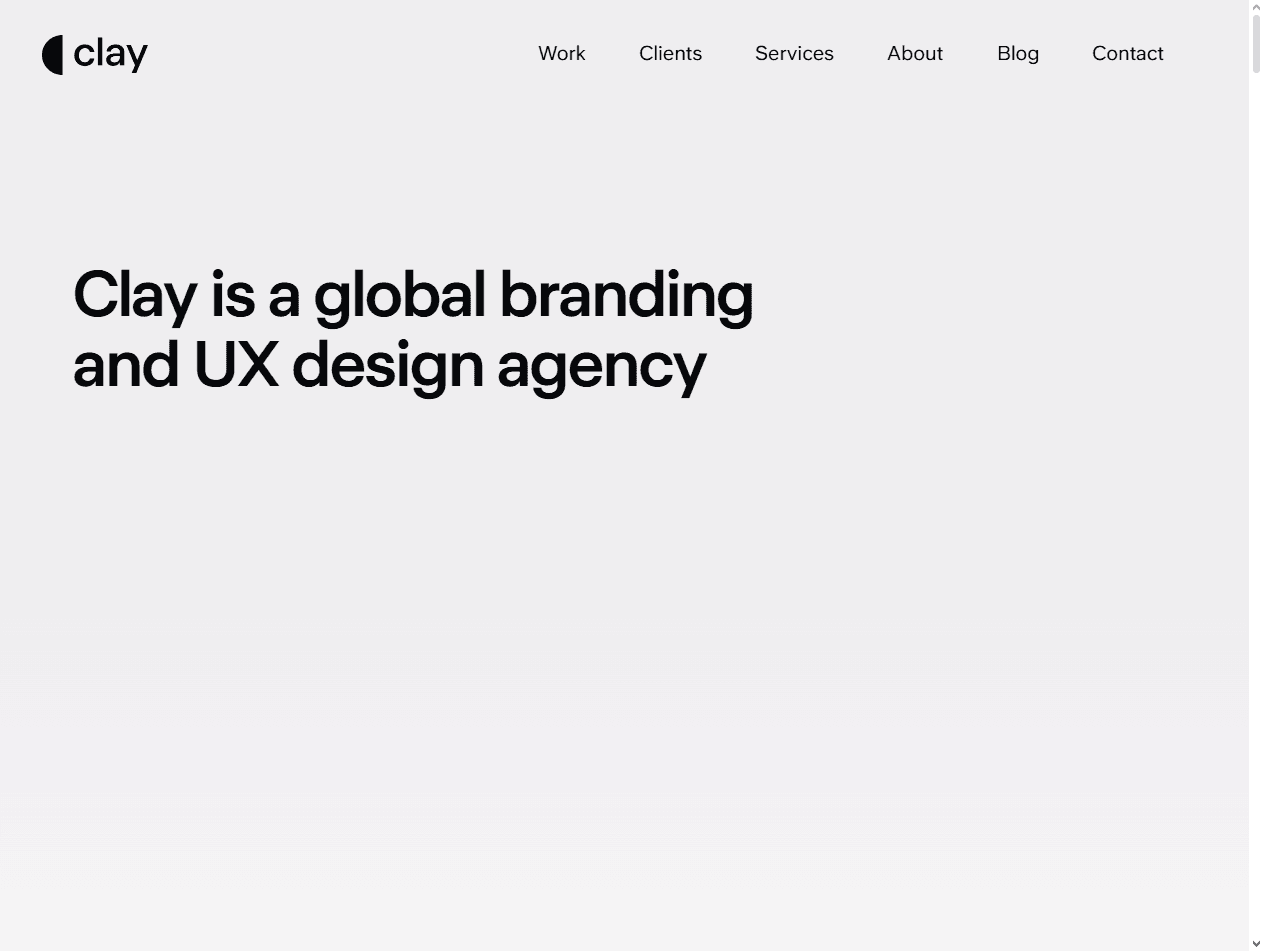
Clay

Clay brings product design excellence to Web3 MVPs, focusing on user experience fundamentals that many blockchain products neglect in favor of technical novelty. They understand how to design for mainstream users who don't know or care about blockchain technology, creating experiences where Web3 benefits are transparent and technical complexity is hidden. Clay excels at information architecture for complex Web3 products, organizing features and content in ways that make sense to non-technical users. Their rapid prototyping approach helps Web3 teams validate product concepts and interaction patterns quickly before expensive blockchain development begins.

  1. Employees-to-Client Ratio (Bandwidth): 1:1

  2. Process Maturity: Advanced

  3. Web3 Design Experience: Medium-High

  4. Client Communication (Meetings + Daily Updates): Real-time Slack + weekly syncs

  5. App/Web Dev Support: Limited

  6. Office Culture: Remote-first

Metalab

Metalab has worked with leading crypto companies and blockchain projects, understanding both technical requirements and user experience challenges unique to Web3. They design for security-critical interactions like wallet connections and transaction signing, creating interfaces that help users verify what they're approving without requiring deep blockchain knowledge. Metalab excels at designing for different user sophistication levels, providing simple interfaces for mainstream users with advanced options for power users who want control. Their experience includes designing for multi-chain products, creating clear network switching experiences and helping users understand which blockchain they're interacting with and why it matters.

  1. Employees-to-Client Ratio (Bandwidth): 1:1

  2. Process Maturity: Very High

  3. Web3 Design Experience: Very High

  4. Client Communication (Meetings + Daily Updates): Weekly syncs + Slack

  5. App/Web Dev Support: Yes

  6. Office Culture: Remote-friendly

Work & Co

Work & Co brings enterprise product thinking to Web3 MVPs, ideal for blockchain products targeting business users or institutional adoption. They understand how to design for compliance, audit trails, and administrative controls required in enterprise blockchain applications. Work & Co excels at creating hybrid experiences that combine Web3 capabilities with traditional authentication and permissions for organizations not ready for fully decentralized access. Their approach includes extensive user research with target audiences to validate that Web3 technical approaches actually solve real problems worth the additional complexity compared to traditional solutions.

  1. Employees-to-Client Ratio (Bandwidth): Team-based

  2. Process Maturity: Advanced

  3. Web3 Design Experience: Medium-High

  4. Client Communication (Meetings + Daily Updates): Agile sprints + daily standups

  5. App/Web Dev Support: Yes (core offering)

  6. Office Culture: Hybrid

Fantasy

Fantasy is one of the best Web3 MVP design agencies with extensive blockchain product experience across DeFi, NFT platforms, and decentralized applications. They understand how to simplify complex blockchain concepts without dumbing them down, creating interfaces that educate users progressively as they interact. Fantasy excels at designing wallet connection flows that feel trustworthy rather than scary, communicating clearly what permissions users are granting and why. Their transaction design expertise includes clear previews of what will happen before signature, loading states that explain blockchain confirmation waits, and error handling that helps users understand and resolve issues rather than abandoning frustrated.

  1. Employees-to-Client Ratio (Bandwidth): 1:1

  2. Process Maturity: Advanced

  3. Web3 Design Experience: Very High

  4. Client Communication (Meetings + Daily Updates): Flexible sprints + async

  5. App/Web Dev Support: Limited

  6. Office Culture: Remote-first

Instrument

Instrument brings brand and product design expertise to Web3 projects, understanding how to position blockchain products for mainstream adoption beyond crypto-native audiences. They excel at creating trust-building experiences critical when asking users to connect wallets and sign transactions, using clear communication, progressive disclosure, and familiar design patterns. Instrument designs for onboarding experiences that explain Web3 concepts like wallets, networks, and gas fees to non-crypto users without overwhelming them. Their work bridges Web2 user expectations with Web3 technical requirements, creating interfaces that feel innovative but not alienating to mainstream users considering blockchain products.

  1. Employees-to-Client Ratio (Bandwidth): Team-based

  2. Process Maturity: Very High

  3. Web3 Design Experience: High

  4. Client Communication (Meetings + Daily Updates): Weekly syncs + structured updates

  5. App/Web Dev Support: Yes

  6. Office Culture: Hybrid

Ramotion

Ramotion specializes in crypto and blockchain product design, with portfolio showcasing NFT marketplaces, DeFi platforms, and Web3 applications. They understand the unique interaction patterns required for blockchain products: wallet connection flows, transaction confirmation experiences, network switching, and asset management interfaces. Ramotion excels at designing for transaction states, creating clear visual feedback for pending, confirmed, and failed transactions that help users understand what's happening on-chain. Their visual design expertise creates premium-feeling Web3 products that compete with traditional fintech polish, helping blockchain applications shed the rough early-stage aesthetic that signals risk to mainstream users.

  1. Employees-to-Client Ratio (Bandwidth): 1:2

  2. Process Maturity: High

  3. Web3 Design Experience: Very High

  4. Client Communication (Meetings + Daily Updates): Bi-weekly reviews + email

  5. App/Web Dev Support: Through partners

  6. Office Culture: Remote-first

Clay

Clay brings product design excellence to Web3 MVPs, focusing on user experience fundamentals that many blockchain products neglect in favor of technical novelty. They understand how to design for mainstream users who don't know or care about blockchain technology, creating experiences where Web3 benefits are transparent and technical complexity is hidden. Clay excels at information architecture for complex Web3 products, organizing features and content in ways that make sense to non-technical users. Their rapid prototyping approach helps Web3 teams validate product concepts and interaction patterns quickly before expensive blockchain development begins.

  1. Employees-to-Client Ratio (Bandwidth): 1:1

  2. Process Maturity: Advanced

  3. Web3 Design Experience: Medium-High

  4. Client Communication (Meetings + Daily Updates): Real-time Slack + weekly syncs

  5. App/Web Dev Support: Limited

  6. Office Culture: Remote-first

Metalab

Metalab has worked with leading crypto companies and blockchain projects, understanding both technical requirements and user experience challenges unique to Web3. They design for security-critical interactions like wallet connections and transaction signing, creating interfaces that help users verify what they're approving without requiring deep blockchain knowledge. Metalab excels at designing for different user sophistication levels, providing simple interfaces for mainstream users with advanced options for power users who want control. Their experience includes designing for multi-chain products, creating clear network switching experiences and helping users understand which blockchain they're interacting with and why it matters.

  1. Employees-to-Client Ratio (Bandwidth): 1:1

  2. Process Maturity: Very High

  3. Web3 Design Experience: Very High

  4. Client Communication (Meetings + Daily Updates): Weekly syncs + Slack

  5. App/Web Dev Support: Yes

  6. Office Culture: Remote-friendly

Work & Co

Work & Co brings enterprise product thinking to Web3 MVPs, ideal for blockchain products targeting business users or institutional adoption. They understand how to design for compliance, audit trails, and administrative controls required in enterprise blockchain applications. Work & Co excels at creating hybrid experiences that combine Web3 capabilities with traditional authentication and permissions for organizations not ready for fully decentralized access. Their approach includes extensive user research with target audiences to validate that Web3 technical approaches actually solve real problems worth the additional complexity compared to traditional solutions.

  1. Employees-to-Client Ratio (Bandwidth): Team-based

  2. Process Maturity: Advanced

  3. Web3 Design Experience: Medium-High

  4. Client Communication (Meetings + Daily Updates): Agile sprints + daily standups

  5. App/Web Dev Support: Yes (core offering)

  6. Office Culture: Hybrid

Ustwo

Ustwo designs Web3 products with focus on mainstream accessibility and reducing barriers to blockchain adoption. They excel at creating wallet onboarding experiences that educate users about security and responsibility without overwhelming them with technical jargon. Ustwo understands how to design for Web3's unique value propositions like ownership, composability, and transparency in ways that resonate with non-crypto audiences. Their user research expertise helps Web3 teams validate whether blockchain technology actually improves user experience for target audiences or just adds complexity, ensuring MVPs solve real problems rather than implementing blockchain for novelty.

  1. Employees-to-Client Ratio (Bandwidth): Team-based

  2. Process Maturity: Very High

  3. Web3 Design Experience: Medium-High

  4. Client Communication (Meetings + Daily Updates): Bi-weekly sprints + updates

  5. App/Web Dev Support: Yes

  6. Office Culture: Hybrid

Basic/Dept

Basic/Dept creates digital experiences for innovative Web3 brands, combining strategic positioning with interaction design for blockchain products. They understand how to communicate Web3 value propositions to skeptical audiences, creating messaging and experiences that address common concerns about security, complexity, and legitimacy. Basic/Dept excels at designing for NFT and digital collectible platforms, understanding marketplace dynamics, discovery experiences, and social features that drive engagement. Their work helps Web3 products establish credibility and trust through professional design that signals legitimacy to mainstream users wary of crypto scams and volatility.

  1. Employees-to-Client Ratio (Bandwidth): Team-based

  2. Process Maturity: High

  3. Web3 Design Experience: High

  4. Client Communication (Meetings + Daily Updates): Bi-weekly sprints + email

  5. App/Web Dev Support: Yes

  6. Office Culture: Hybrid

Code and Theory

Code and Theory designs comprehensive Web3 ecosystems extending beyond single dApps to complete blockchain platforms with multiple user types and interaction models. They understand how to design for complex Web3 architectures involving smart contracts, decentralized storage, and token economics, creating interfaces that make complexity manageable. Code and Theory excels at designing for Web3 developer tools and infrastructure products, understanding how to serve technical audiences building on blockchain platforms. Their systems thinking helps Web3 companies create scalable design foundations that can evolve as blockchain technology and user expectations mature rapidly.

  1. Employees-to-Client Ratio (Bandwidth): Team-based

  2. Process Maturity: Very High

  3. Web3 Design Experience: Medium

  4. Client Communication (Meetings + Daily Updates): Structured sprints + weekly reviews

  5. App/Web Dev Support: Yes (core offering)

  6. Office Culture: Hybrid

Conclusion

Choosing the right Web3 MVP design agency requires finding partners who understand that blockchain products have unique design challenges beyond traditional apps. The best agencies balance technical blockchain requirements with user experience fundamentals, design for mainstream adoption rather than just crypto-native users, and create interfaces that communicate complex concepts clearly without overwhelming people new to Web3.

The agencies listed here stand out for their Web3 domain expertise, understanding of wallet and transaction design patterns, and ability to bridge Web2 user expectations with Web3 technical realities. Whether you're building DeFi platforms, NFT marketplaces, decentralized applications, or blockchain infrastructure, these agencies can help you create MVPs that mainstream users can actually understand and adopt.

Choose a team that aligns with your target audience sophistication, blockchain technology choices, and mainstream adoption goals. The right agency will help you leverage Web3 capabilities while maintaining the user experience quality that drives adoption beyond crypto-native early adopters.


FAQs

What makes Web3 MVP design different from traditional app design?

Web3 design must account for wallet connections, transaction signing, gas fees, network switching, and blockchain confirmation times that don't exist in traditional apps. It requires designing for irreversible actions, communicating transaction costs clearly, handling failed transactions gracefully, and educating users about security responsibilities. Agencies like Bricx understand these unique requirements and design specifically for Web3 interaction patterns. They also design for transparency and verification, letting users confirm what smart contracts will do before signing, and creating interfaces that make blockchain benefits like ownership and composability tangible rather than abstract technical concepts.

Should Web3 MVPs target crypto-native users or mainstream adoption?

This depends on your product category and go-to-market strategy. Crypto-native targeting allows faster MVP validation with users who tolerate rough edges and understand blockchain concepts, but limits market size. Mainstream targeting requires more design investment to simplify complexity but unlocks larger markets. Many successful Web3 products start crypto-native to validate core mechanics, then redesign for mainstream adoption once product-market fit is proven. Top agencies help you choose the right initial audience and design appropriately: power-user interfaces with advanced controls for crypto natives, or simplified experiences that hide blockchain complexity for mainstream users.

How should Web3 agencies approach wallet connection design?

Wallet connection design must balance security with accessibility. Best practices include: clear explanation of what wallet connection means and what permissions you're requesting, support for multiple wallet options (MetaMask, WalletConnect, etc.), prominent disconnect option so users feel in control, visual confirmation of connected wallet address, and alternative authentication for users without wallets. Good agencies design progressive wallet onboarding that explains concepts like seed phrases and transaction signing to new users without overwhelming them. They also design for wallet switching, network changes, and disconnection scenarios that confuse users if not handled clearly.

How much should Web3 startups budget for MVP design?

Expect $40,000-$70,000 for comprehensive Web3 MVP design covering wallet flows, transaction experiences, and blockchain-specific interactions. Web3 design costs more than traditional apps because agencies need blockchain domain expertise and must design for complex scenarios like gas estimation, transaction failures, and multi-chain support. Simpler Web3 MVPs focused on single blockchain with standard patterns might start around $30,000. However, cutting corners on Web3 UX often kills adoption before you can demonstrate value, making quality design critical investment. Budget includes user research with target audience to validate that blockchain complexity is justified by benefits.

What are common Web3 design mistakes agencies make?

Common mistakes include: assuming users understand blockchain concepts without explanation, failing to communicate transaction costs and irreversibility clearly, ignoring edge cases like failed transactions or rejected signatures, requiring unnecessary wallet interactions that could be batched or optimized, using crypto jargon without translation to mainstream language, designing beautiful interfaces that miss critical security warnings, and adding blockchain complexity without clear user benefits over traditional approaches. The best agencies validate that Web3 technology actually improves user experience for your specific use case rather than implementing blockchain because it's trendy or fundable.

How do Web3 agencies handle gas fees and transaction costs in design?

Effective gas fee design includes clear cost estimation before transactions, comparison to familiar reference points (dollars, not just gwei), explanations of why gas is required and where it goes, options for different speed/cost tradeoffs when available, and error handling when users have insufficient gas. Best practices also include: batching transactions to reduce total gas costs, implementing meta-transactions or gasless experiences where possible, clear communication when gas costs make transactions impractical, and education about gas optimization strategies. Top agencies design with gas costs as first-class consideration, not afterthought, ensuring users understand financial commitment before signing transactions.

Ustwo

Ustwo designs Web3 products with focus on mainstream accessibility and reducing barriers to blockchain adoption. They excel at creating wallet onboarding experiences that educate users about security and responsibility without overwhelming them with technical jargon. Ustwo understands how to design for Web3's unique value propositions like ownership, composability, and transparency in ways that resonate with non-crypto audiences. Their user research expertise helps Web3 teams validate whether blockchain technology actually improves user experience for target audiences or just adds complexity, ensuring MVPs solve real problems rather than implementing blockchain for novelty.

  1. Employees-to-Client Ratio (Bandwidth): Team-based

  2. Process Maturity: Very High

  3. Web3 Design Experience: Medium-High

  4. Client Communication (Meetings + Daily Updates): Bi-weekly sprints + updates

  5. App/Web Dev Support: Yes

  6. Office Culture: Hybrid

Basic/Dept

Basic/Dept creates digital experiences for innovative Web3 brands, combining strategic positioning with interaction design for blockchain products. They understand how to communicate Web3 value propositions to skeptical audiences, creating messaging and experiences that address common concerns about security, complexity, and legitimacy. Basic/Dept excels at designing for NFT and digital collectible platforms, understanding marketplace dynamics, discovery experiences, and social features that drive engagement. Their work helps Web3 products establish credibility and trust through professional design that signals legitimacy to mainstream users wary of crypto scams and volatility.

  1. Employees-to-Client Ratio (Bandwidth): Team-based

  2. Process Maturity: High

  3. Web3 Design Experience: High

  4. Client Communication (Meetings + Daily Updates): Bi-weekly sprints + email

  5. App/Web Dev Support: Yes

  6. Office Culture: Hybrid

Code and Theory

Code and Theory designs comprehensive Web3 ecosystems extending beyond single dApps to complete blockchain platforms with multiple user types and interaction models. They understand how to design for complex Web3 architectures involving smart contracts, decentralized storage, and token economics, creating interfaces that make complexity manageable. Code and Theory excels at designing for Web3 developer tools and infrastructure products, understanding how to serve technical audiences building on blockchain platforms. Their systems thinking helps Web3 companies create scalable design foundations that can evolve as blockchain technology and user expectations mature rapidly.

  1. Employees-to-Client Ratio (Bandwidth): Team-based

  2. Process Maturity: Very High

  3. Web3 Design Experience: Medium

  4. Client Communication (Meetings + Daily Updates): Structured sprints + weekly reviews

  5. App/Web Dev Support: Yes (core offering)

  6. Office Culture: Hybrid

Conclusion

Choosing the right Web3 MVP design agency requires finding partners who understand that blockchain products have unique design challenges beyond traditional apps. The best agencies balance technical blockchain requirements with user experience fundamentals, design for mainstream adoption rather than just crypto-native users, and create interfaces that communicate complex concepts clearly without overwhelming people new to Web3.

The agencies listed here stand out for their Web3 domain expertise, understanding of wallet and transaction design patterns, and ability to bridge Web2 user expectations with Web3 technical realities. Whether you're building DeFi platforms, NFT marketplaces, decentralized applications, or blockchain infrastructure, these agencies can help you create MVPs that mainstream users can actually understand and adopt.

Choose a team that aligns with your target audience sophistication, blockchain technology choices, and mainstream adoption goals. The right agency will help you leverage Web3 capabilities while maintaining the user experience quality that drives adoption beyond crypto-native early adopters.


FAQs

What makes Web3 MVP design different from traditional app design?

Web3 design must account for wallet connections, transaction signing, gas fees, network switching, and blockchain confirmation times that don't exist in traditional apps. It requires designing for irreversible actions, communicating transaction costs clearly, handling failed transactions gracefully, and educating users about security responsibilities. Agencies like Bricx understand these unique requirements and design specifically for Web3 interaction patterns. They also design for transparency and verification, letting users confirm what smart contracts will do before signing, and creating interfaces that make blockchain benefits like ownership and composability tangible rather than abstract technical concepts.

Should Web3 MVPs target crypto-native users or mainstream adoption?

This depends on your product category and go-to-market strategy. Crypto-native targeting allows faster MVP validation with users who tolerate rough edges and understand blockchain concepts, but limits market size. Mainstream targeting requires more design investment to simplify complexity but unlocks larger markets. Many successful Web3 products start crypto-native to validate core mechanics, then redesign for mainstream adoption once product-market fit is proven. Top agencies help you choose the right initial audience and design appropriately: power-user interfaces with advanced controls for crypto natives, or simplified experiences that hide blockchain complexity for mainstream users.

How should Web3 agencies approach wallet connection design?

Wallet connection design must balance security with accessibility. Best practices include: clear explanation of what wallet connection means and what permissions you're requesting, support for multiple wallet options (MetaMask, WalletConnect, etc.), prominent disconnect option so users feel in control, visual confirmation of connected wallet address, and alternative authentication for users without wallets. Good agencies design progressive wallet onboarding that explains concepts like seed phrases and transaction signing to new users without overwhelming them. They also design for wallet switching, network changes, and disconnection scenarios that confuse users if not handled clearly.

How much should Web3 startups budget for MVP design?

Expect $40,000-$70,000 for comprehensive Web3 MVP design covering wallet flows, transaction experiences, and blockchain-specific interactions. Web3 design costs more than traditional apps because agencies need blockchain domain expertise and must design for complex scenarios like gas estimation, transaction failures, and multi-chain support. Simpler Web3 MVPs focused on single blockchain with standard patterns might start around $30,000. However, cutting corners on Web3 UX often kills adoption before you can demonstrate value, making quality design critical investment. Budget includes user research with target audience to validate that blockchain complexity is justified by benefits.

What are common Web3 design mistakes agencies make?

Common mistakes include: assuming users understand blockchain concepts without explanation, failing to communicate transaction costs and irreversibility clearly, ignoring edge cases like failed transactions or rejected signatures, requiring unnecessary wallet interactions that could be batched or optimized, using crypto jargon without translation to mainstream language, designing beautiful interfaces that miss critical security warnings, and adding blockchain complexity without clear user benefits over traditional approaches. The best agencies validate that Web3 technology actually improves user experience for your specific use case rather than implementing blockchain because it's trendy or fundable.

How do Web3 agencies handle gas fees and transaction costs in design?

Effective gas fee design includes clear cost estimation before transactions, comparison to familiar reference points (dollars, not just gwei), explanations of why gas is required and where it goes, options for different speed/cost tradeoffs when available, and error handling when users have insufficient gas. Best practices also include: batching transactions to reduce total gas costs, implementing meta-transactions or gasless experiences where possible, clear communication when gas costs make transactions impractical, and education about gas optimization strategies. Top agencies design with gas costs as first-class consideration, not afterthought, ensuring users understand financial commitment before signing transactions.

Author:

Siddharth Vij

CEO at Bricxlabs

With nearly a decade in design and SaaS, he helps B2B startups grow with high-conversion sites and smart product design.

Unforgettable Website & UX Design For SaaS

We design high-converting websites and products for B2B AI startups.

Similar Design Agencies

Similar Design Agencies

Similar Design Agencies

Connect, configure and preview