Website Design
Website Design
Website Design
Insights
Insights
Insights
December 11, 2025
December 11, 2025
December 11, 2025
Top 10 Web3 UX Design Trends to Follow in 2026
Discover the top 10 web3 ux design trends revolutionizing SaaS. Explore actionable insights on wallet abstraction, DeFi UX, and more for 2025.
4 mins
4 mins
4 mins
Web3 is moving beyond its technical, early-adopter phase.Web3 is moving beyond its technical, early-adopter phase. As decentralized applications (dApps) seek mainstream adoption, the focus has shifted dramatically from mere functionality to user-centric design. For B2B and AI SaaS companies venturing into this space, delivering a seamless, intuitive, and secure user experience is no longer a luxury, it's a critical differentiator.
The complex underpinnings of blockchain, from wallet management to transaction signing, have historically created a steep learning curve, acting as a major barrier to entry. Now, a new wave of innovation is dismantling these walls, powered by emerging web3 ux design trends that prioritize clarity and accessibility over technical jargon.
These trends are not just about aesthetics; they are about building trust, reducing friction, and translating the power of decentralization into tangible business value. Ignoring this shift means risking user abandonment and falling behind competitors who successfully bridge the gap for mainstream audiences.
This article cuts through the noise to explore the 10 most impactful trends that are making decentralized technology accessible and valuable for businesses and their users. We'll move beyond theory and dive directly into actionable strategies.
For each trend, you will learn:
Core Rationale: Why this trend matters and the user problem it solves.
Actionable Implementation: Specific design tactics for B2B and AI SaaS products.
Real-World Context: Concise examples of the trend in action.
From simplified onboarding with account abstraction to clear transaction visualizations, this guide provides the practical insights you need to build superior Web3 experiences.
1. Wallet Integration & Account Abstraction
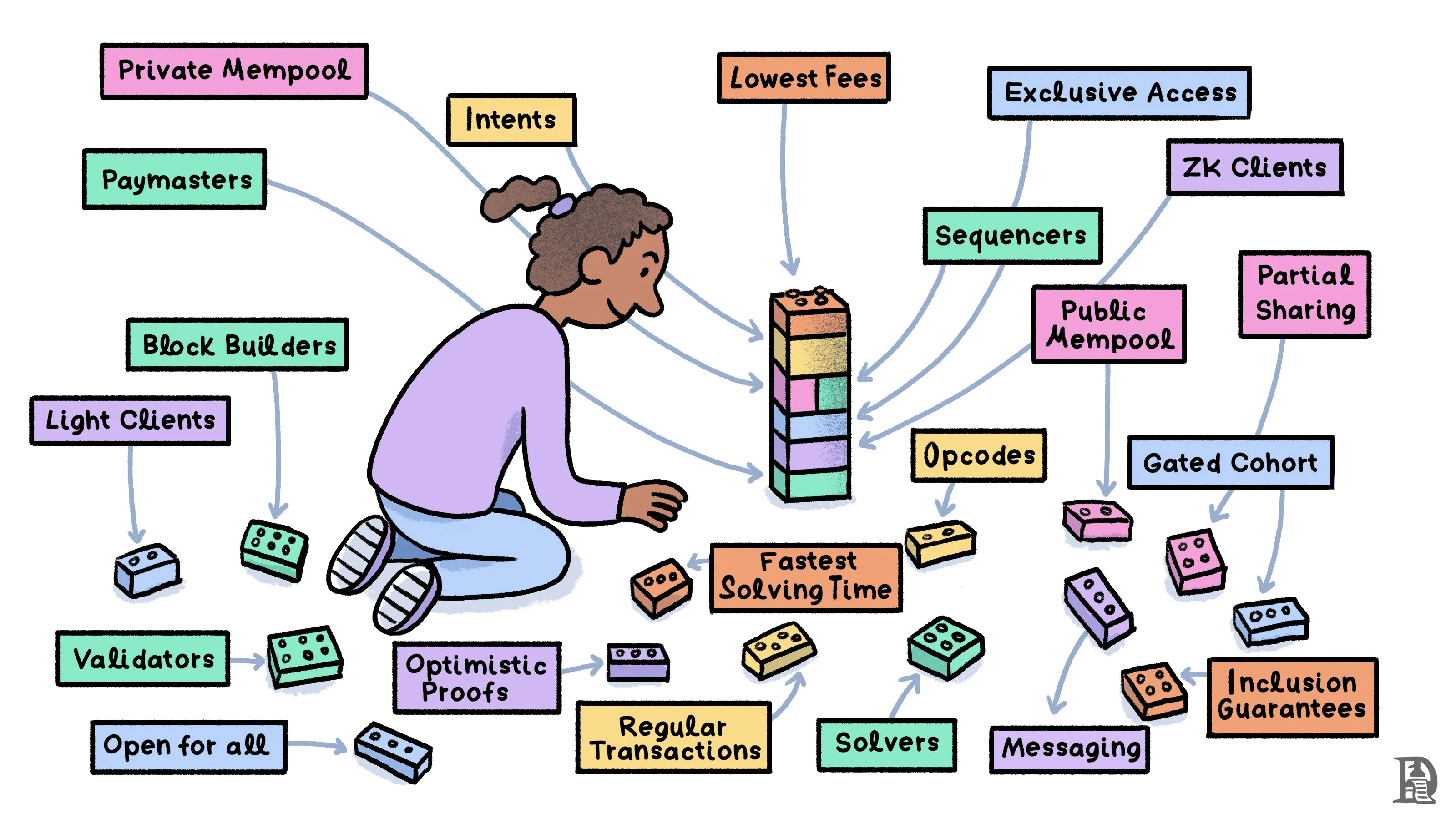
The single biggest hurdle for Web3 adoption has long been the intimidating process of wallet setup and management.
This is why seamless wallet integration and the rise of account abstraction are at the forefront of modern Web3 UX design trends. This approach moves beyond the traditional, often clunky, "connect wallet" pop-up by making blockchain interactions feel as familiar as Web2 logins.
Account abstraction, in particular, revolutionizes the user experience by transforming user accounts into smart contracts. This allows for features previously impossible with standard externally owned accounts (EOAs), creating a more secure and intuitive environment.
Key Insight: The goal is to make the wallet invisible. Users shouldn't need to understand seed phrases or gas fees to interact with a decentralized application. The technology should work for them, not the other way around.
Design Implications & Implementation
This trend directly addresses onboarding friction. Instead of forcing users to download a browser extension like MetaMask immediately, platforms are embedding wallet creation directly into the sign-up flow using social logins or email.
Gasless Transactions: Account abstraction enables dApps to sponsor gas fees on behalf of the user, removing a significant point of confusion and a major cost barrier for newcomers.
Batched Operations: Users can approve multiple transactions in a single click, streamlining complex workflows like swapping a token and staking it in one unified action.
Enhanced Security & Recovery: Smart contract wallets allow for social recovery mechanisms (e.g., trusted friends or family) and multi-factor authentication, a massive improvement over the unforgiving "lose your seed phrase, lose your funds" model.
For B2B SaaS platforms, this means enterprise clients can manage permissions and set spending limits programmatically. Effective wallet integration is crucial for a smooth Web3 experience. For an example of a platform's wallet interface, you might examine Assetswap's Wallet interface to see how transaction history and asset balances are presented clearly. The design of these authentication flows is a specialized skill; you can find agencies with expertise by reviewing comprehensive lists of the best authentication flow design agencies.
Examples in Action:
Argent: A pioneer in smart contract wallets, offering social recovery and multi-sig security on mobile.
Privy & Magic: These tools allow developers to create embedded, non-custodial wallets for their users with simple email or social logins, completely abstracting the crypto complexity.
2. Progressive Disclosure & Simplified Onboarding
One of the most significant barriers in Web3 is information overload. New users are often confronted with a wall of technical jargon, from gas fees to smart contracts, causing immediate friction and abandonment. Progressive disclosure is a powerful UX design trend that combats this by gradually revealing information and features as the user becomes more familiar with the platform, ensuring a smoother, less intimidating introduction to decentralized technology.

This approach focuses on layering complexity. Instead of presenting every possible action at once, the interface starts with the basics and introduces advanced concepts only when they are relevant to the user's current task. This method respects the user's learning curve, building their confidence step-by-step.
Key Insight: Onboard users to the value proposition first, and the underlying technology second. The initial experience should feel familiar and focused on the core benefit, with the "Web3" elements revealed contextually.
Design Implications & Implementation
This trend is all about creating tiered user experiences. The goal is to design an interface that serves both the crypto-native "degen" and the absolute beginner without alienating either group. A great way to start is by creating user personas based on technical expertise.
Contextual Tooltips & Guides: Implement non-intrusive help systems, like hover-over tooltips for terms like "slippage" or "gwei," and guided walk-throughs for a user's first swap or NFT mint.
Default to "Simple Mode": Design an interface that defaults to a simplified view, hiding advanced settings behind an "Advanced" toggle. This lets power users access what they need while protecting novices from overwhelming options.
Action-Based Unlocking: Reveal features based on user actions. For example, information about liquidity pools should only become prominent after a user has successfully completed a few token swaps.
For B2B platforms, this means tailoring the onboarding process to different user roles, such as an admin versus a standard user. It's crucial to understand that effective onboarding is a journey, not a one-time event.
For deeper strategies on this topic, you can read more in this comprehensive SaaS onboarding report. This gradual education builds user trust and retention, making it a critical component of modern Web3 UX design trends.
Examples in Action:
Uniswap: Its interface progression is a masterclass, starting with a simple swap function and allowing users to explore more complex features like liquidity provision at their own pace.
Coinbase Wallet: The guided setup walks users through wallet creation and security basics one step at a time, using simple language and clear calls to action.
3. Transaction Transparency & Confirmation Visualization
The anxiety of sending a transaction into the blockchain's "black box" is a massive point of friction for both new and experienced users. This is why transaction transparency and clear confirmation visualizations have become a cornerstone of modern Web3 UX design trends. This approach demystifies on-chain actions by providing users with a comprehensive, human-readable preview of what they are about to approve.
Instead of cryptic hexadecimal strings and vague permissions, users are shown exactly what will happen to their assets, the estimated costs, and the potential outcomes. This clarity builds trust and empowers users to make informed decisions, transforming a nerve-wracking experience into a confident one.
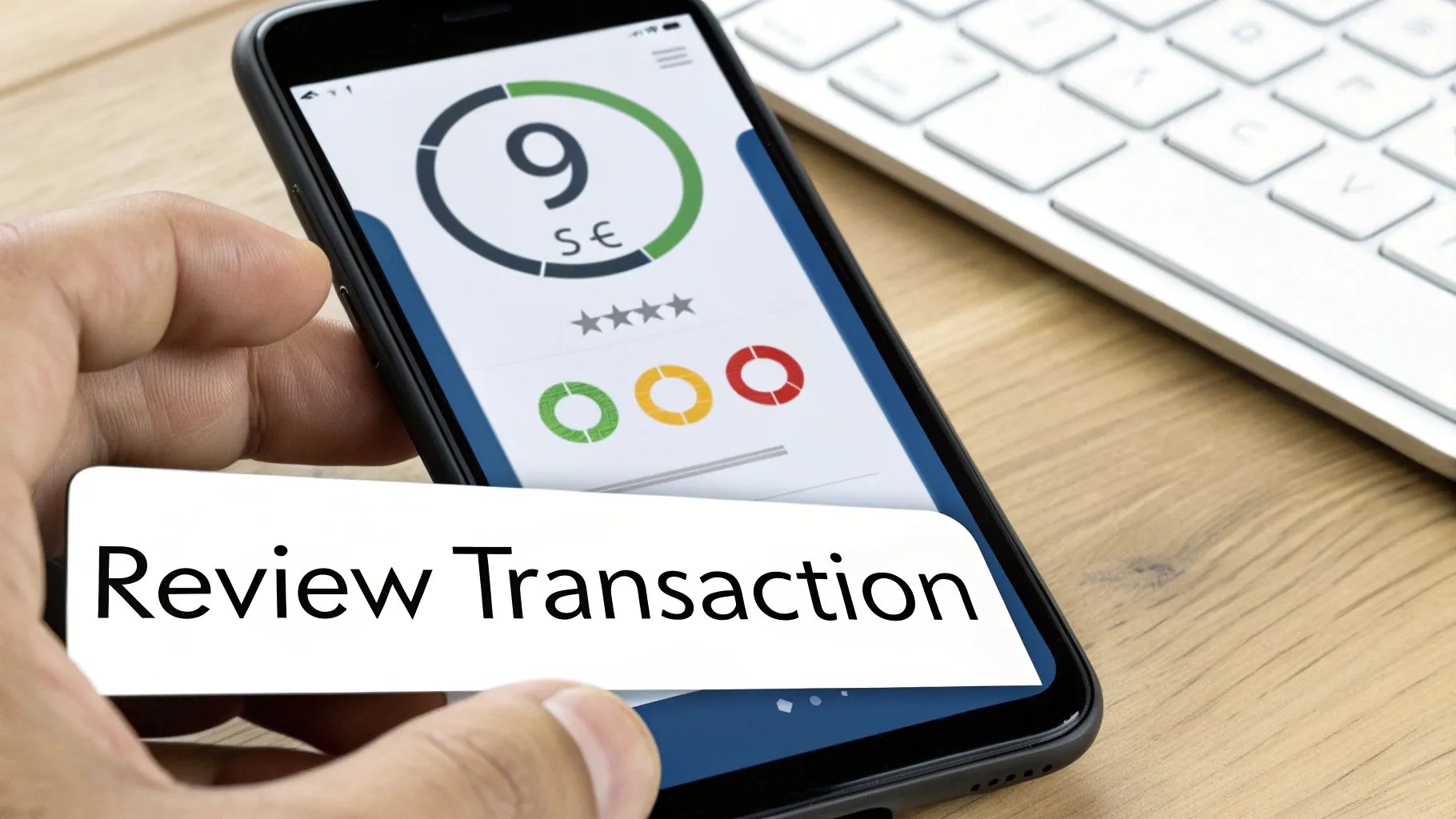
Key Insight: Users should never have to sign a transaction they don't fully understand. The interface must translate complex blockchain data into a simple "what you see is what you get" preview.
Design Implications & Implementation
This trend focuses on pre-transaction education and post-transaction feedback. It's about simulating and visualizing the entire journey of a transaction before the user commits, and then providing real-time updates as it processes on-chain.
Visual Impact Previews: Clearly show the expected result of a transaction, such as the amount of Token B a user will receive for their Token A, including all fees and potential slippage.
Transaction Simulation: Before requesting a signature, use tools to simulate the transaction against the current state of the blockchain. This can flag potential errors or unexpected outcomes, preventing failed transactions and wasted gas fees.
Multi-Currency Gas Display: Display gas fee estimates not just in Gwei or ETH, but also in a familiar fiat currency like USD. This makes the cost tangible and easier for users to comprehend.
Real-Time Status Updates: Move beyond a simple "pending" state. Use color-coded indicators and clear labels for states like "Confirming," "Success," or "Failed," and provide a direct link to a block explorer for more details. Understanding the backend systems is crucial for this; platforms focused on an Ethereum Transaction Management Smart Contract provide insight into how these interactions are structured.
For B2B and SaaS platforms, this means providing detailed audit trails and transaction histories that are easy to parse and export. When transactions complete, crafting an effective notification is just as important; you can see a variety of approaches in these success message UX examples.
Examples in Action:
Uniswap: Its swap interface provides a clear breakdown of the price impact, liquidity provider fee, and minimum amount a user will receive before they confirm.
Tenderly: A developer platform that offers powerful transaction simulation tools, allowing dApps to preview the exact outcome of a transaction before it's sent.
MetaMask: Has progressively added features like transaction insights that warn users about potential risks or unusual smart contract interactions.
4. Dark Mode & Accessibility-First Design

As Web3 platforms mature, they are moving beyond niche, tech-focused interfaces to serve a global, diverse audience. This shift makes an accessibility-first approach, with dark mode as a default offering, one of the most critical Web3 UX design trends. Given the 24/7 nature of crypto markets, designs must reduce eye strain for users monitoring screens at all hours and be inclusive of those with visual impairments.
This trend involves more than just a color palette swap. It requires a foundational commitment to building interfaces that are usable by everyone, regardless of ability. It means adhering to established standards like the Web Content Accessibility Guidelines (WCAG) to ensure interfaces are perceivable, operable, understandable, and robust.
Key Insight: Accessibility is not an add-on; it's a core component of good design. In a space that champions inclusivity and decentralization, the applications themselves must be accessible to all potential users.
Design Implications & Implementation
Adopting an accessibility-first mindset impacts every stage of the design process, from color selection to component development. The goal is to create a seamless experience that accommodates user needs without sacrificing aesthetic appeal or functionality. This approach is vital for B2B platforms where compliance and usability are paramount.
High-Contrast and Readable Text: Ensure a minimum contrast ratio of 4.5:1 for text against its background. Use accessible color palettes and test them with tools like Stark to prevent issues for users with color blindness.
Keyboard Navigation & Screen Reader Support: All interactive elements must be fully operable via keyboard shortcuts. Implementing semantic HTML and ARIA (Accessible Rich Internet Applications) labels is essential for users who rely on screen readers to navigate.
Reduced Cognitive Load: In addition to visual accessibility, clear information architecture and predictable UI patterns help users with cognitive disabilities. This benefits all users by making complex data easier to process.
A deep commitment to these principles ensures that your application is not just compliant but truly user-centric. You can learn more by exploring the core tenets of accessibility in UX design to build more inclusive digital products.
Examples in Action:
Aave: The protocol's interface is a strong example of clear, high-contrast design that prioritizes readability and ease of use.
Lido: Offers a distinct high-contrast mode, allowing users to switch to a visual style that meets their specific accessibility needs.
5. Portfolio Visualization & Asset Management Dashboards
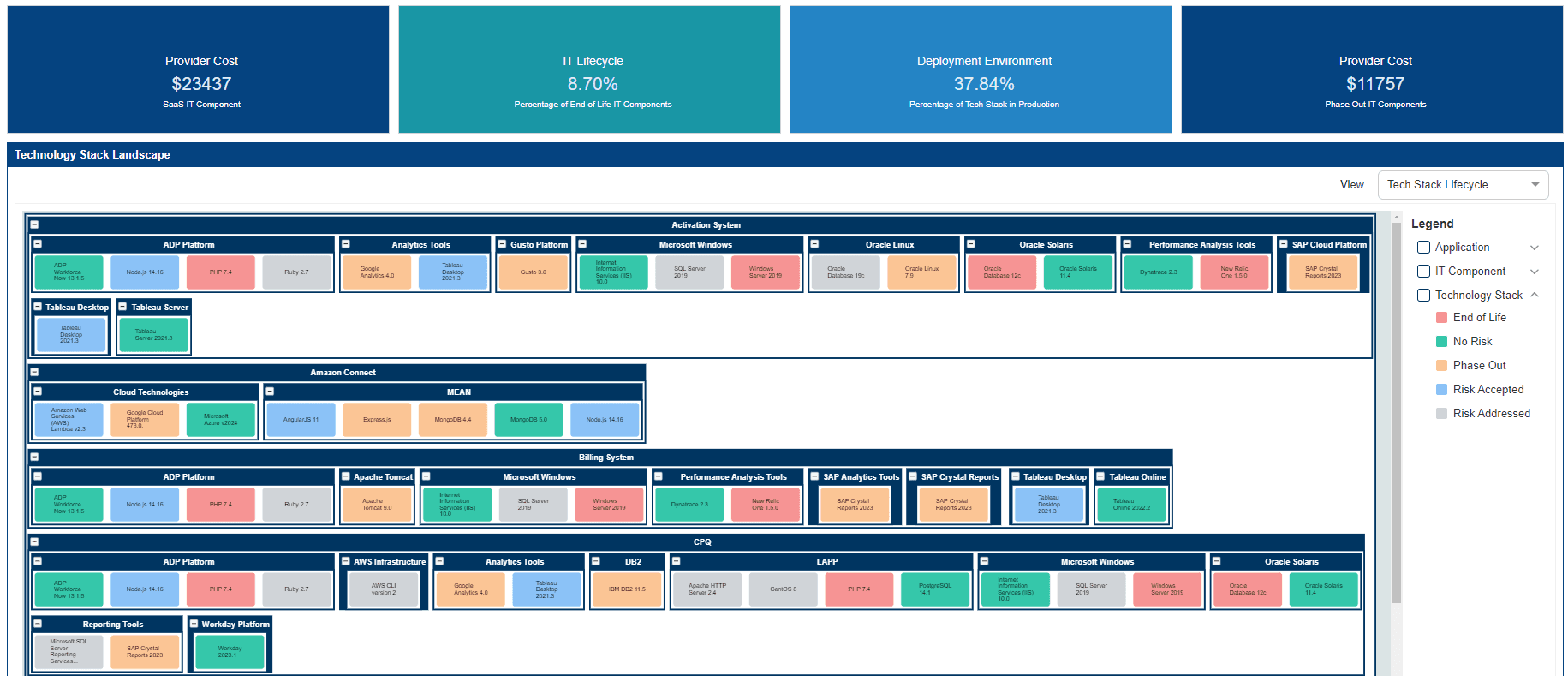
As users interact with more decentralized applications across various blockchains, their assets become fragmented and difficult to track. This complexity has elevated the importance of sophisticated portfolio visualization and asset management dashboards, a crucial element in modern Web3 UX design trends.
These dashboards serve as a unified command center, aggregating holdings from multiple chains and protocols into a single, coherent interface.
The core challenge is translating disparate on-chain data into a clear, actionable narrative for the user. Effective dashboards move beyond simple wallet balances to provide deep insights into performance, historical trends, and risk exposure, making the decentralized finance (DeFi) landscape more manageable for both novice and expert users.
Key Insight: The goal is to provide clarity in chaos. A well-designed dashboard empowers users to make informed decisions by transforming raw blockchain data into an intuitive visual story of their financial journey.
Design Implications & Implementation
This trend is about creating a comprehensive, user-centric financial overview. Instead of forcing users to check multiple explorers and dApps, a single dashboard provides a holistic view, reducing friction and improving engagement. The design should prioritize clarity, performance, and personalization.
Data Aggregation: Dashboards must pull data from various sources like different blockchains (e.g., Ethereum, Solana, Polygon), DeFi protocols, and NFT marketplaces, presenting it in one unified view.
Intuitive Charts & Metrics: Implement clear visual aids like pie charts for asset allocation and line graphs for performance over time. Key metrics should include net worth, profit & loss (P&L), and impermanent loss calculations.
Real-Time Updates & Performance: Use efficient caching and data-fetching strategies to ensure the dashboard loads quickly and reflects near-real-time asset values, which is critical in volatile crypto markets.
Personalization and Functionality: Allow users to create custom portfolio groups, track specific wallets, and export transaction data for tax reporting purposes. Color-coding for positive and negative changes enhances scannability.
For SaaS platforms in the finance or analytics space, offering a powerful dashboard can be a key differentiator. Providing inspiration for such complex interfaces, you can explore Bricx's extensive collection of dashboard design inspiration to see a curated dashboard design moodboard.
Examples in Action:
Zapper & Zerion: These platforms are leaders in DeFi portfolio tracking, automatically detecting and displaying assets, debts, and LP positions across hundreds of protocols.
MetaMask Portfolio: An integrated feature within the popular wallet that aggregates assets across multiple accounts and networks, offering a convenient overview for existing MetaMask users.
6. NFT Discovery & Curation UX
As the NFT space matures, the initial "digital flea market" approach of endless grid layouts is being replaced by sophisticated discovery and curation experiences.
This trend in Web3 UX design focuses on helping users navigate the overwhelming volume of digital assets. It transforms browsing from a simple scroll into a guided journey, using advanced filtering, recommendation engines, and social proof to surface relevant and valuable items.
The core idea is to move beyond a one-size-fits-all gallery. Instead, platforms are creating tailored experiences that cater to different user intents, whether someone is a seasoned collector hunting for rare traits or a newcomer exploring trending art. This approach makes the NFT ecosystem more accessible and engaging.

Key Insight: Discovery is the new storefront. In a world of infinite digital supply, the platform that best helps users find what they love, or what has value, will win their loyalty and transaction volume.
Design Implications & Implementation
This trend directly impacts how users perceive and interact with digital collections. Effective implementation involves building intuitive interfaces that can handle vast amounts of metadata without overwhelming the user.
For B2B or SaaS platforms tokenizing assets, a curated discovery UX can be a key differentiator, helping clients easily find and manage specific digital certificates or licenses.
Granular Trait Filtering: Allow users to drill down into collections based on specific attributes (e.g., background, color, accessories), often with live counts showing how many NFTs match the selected criteria. This is crucial for traders and collectors valuing rarity.
Contextual Metadata Display: Prominently display essential data like floor price, rarity rank, last sale price, and creator information directly on the item card or in a quick-view modal to support rapid decision-making.
Social & Curatorial Layers: Implement features like watchlists, "heart" buttons, and user-generated lists or galleries. Showcasing what's trending or what influencers are collecting adds a powerful layer of social proof and aids discovery.
Examples in Action:
OpenSea: Its collection explorer provides robust filtering options, allowing users to sift through massive collections by traits, price, and other key metadata.
Blur: Caters to pro-traders with a focus on trait-based discovery, floor price sweeping, and rarity rankings, presenting data in a dense but highly functional interface.
Foundation: Emphasizes a curated, gallery-like experience, using a system of community-led curation to highlight high-quality artwork over sheer volume.
7. DeFi Protocol Interaction Simplification
Decentralized Finance (DeFi) offers powerful financial tools, but its complexity is a major barrier to entry. Interactions like providing liquidity, yield farming, or staking often involve multiple steps and technical jargon that intimidate average users.
This is why DeFi protocol interaction simplification has become one of the most critical web3 ux design trends, focusing on abstracting complexity and presenting financial operations in an intuitive, accessible way.
The goal is to transform what was once a multi-step, high-friction process into a guided, user-friendly experience. Instead of forcing users to navigate complex protocols manually, platforms are building wizards, clear visualizations, and automated tools that make sophisticated financial strategies feel as simple as using a modern fintech app.
Key Insight: Users shouldn't need a finance degree to participate in DeFi. The interface should do the heavy lifting by translating complex concepts like impermanent loss or APY calculations into clear, actionable choices with predictable outcomes.
Design Implications & Implementation
This trend directly tackles user anxiety and cognitive load. By clarifying risks and potential rewards, designers build trust and empower users to make informed decisions without being overwhelmed by the underlying mechanics. This simplification is vital for moving DeFi from a niche for crypto-natives to a mainstream financial alternative.
Guided Action Wizards: For complex actions like providing liquidity in Uniswap V3, use step-by-step forms that guide users through selecting assets, setting a price range, and understanding the implications of their choices.
Interactive Calculators & Visualizations: Embed real-time calculators that show potential earnings based on the amount staked or provided. Use clear charts to display historical APY data, helping users assess performance over time.
Clear Risk Indicators: Abstract away technical risk factors into simple, color-coded warnings. Instead of just mentioning "impermanent loss," provide a clear warning like "High Risk: Your asset balance may change significantly based on market volatility."
One-Click Strategies: Platforms like Yearn Finance aggregate complex yield-farming strategies into vaults where users can deposit funds in a single transaction, automating the entire process of harvesting and compounding rewards.
Examples in Action:
Lido: Provides a clean, straightforward interface for liquid staking. Users simply connect a wallet, enter the amount of ETH they wish to stake, and receive stETH in a single transaction, abstracting away the validator setup complexity.
Aave: Its deposit and borrow interface uses simple sliders and clear data points (like APY and health factor) to make lending and borrowing crypto assets incredibly intuitive.
8. Mobile-First & Progressive Web App Design

As Web3 moves from a niche, desktop-centric activity to mainstream adoption, its user interface must follow suit. The reality is that a significant and growing portion of users access platforms primarily through their mobile devices.
This shift necessitates a mobile-first design philosophy, ensuring that decentralized applications are not just usable but optimized for smaller screens, touch interactions, and on-the-go access.
This approach prioritizes the mobile experience from the outset, rather than treating it as an afterthought. Progressive Web Apps (PWAs) are a key part of this trend, offering app-like experiences such as push notifications and home screen icons directly through a web browser, bypassing traditional app store gatekeepers.
This strategy is central to modern Web3 UX design trends, lowering the barrier to entry for a global user base.
Key Insight: Web3 cannot achieve mass adoption if it remains chained to the desktop. A seamless, performant mobile experience is no longer a "nice-to-have" feature; it is a fundamental requirement for growth and accessibility.
Design Implications & Implementation
Adopting a mobile-first mindset forces designers to focus on core functionality and declutter interfaces, which benefits all users regardless of their device. This means designing for touch, accommodating variable network conditions, and ensuring every critical action is easily accessible on a small screen.
Responsive and Adaptive Layouts: Interfaces must gracefully adapt to various screen sizes and orientations. This involves using flexible grids and ensuring that critical information and controls are prioritized in the mobile view.
Touch-Friendly Controls: All interactive elements, such as buttons and links, must be large enough for easy tapping. A minimum size of 44x44 pixels is a standard accessibility guideline to prevent user frustration.
Performance Optimization: Mobile users often have limited bandwidth. Optimizing images, leveraging browser caching, and minimizing code are crucial for fast load times and a smooth user experience. PWAs can use service workers to enable offline functionality for certain features.
Intuitive Navigation: Complex desktop menus must be replaced with mobile-friendly patterns like tab bars or slide-out navigation. Implementing intuitive swipe gestures for common actions can make the dApp feel more like a native application.
For B2B platforms, a robust mobile PWA means stakeholders can approve transactions, monitor analytics, or manage digital assets securely from anywhere. This level of accessibility is crucial for modern enterprise workflows that are no longer confined to an office.
Examples in Action:
Uniswap: Its mobile-friendly web interface acts like a PWA, providing a clean, fast, and accessible trading experience directly from a mobile browser.
MetaMask Mobile & Coinbase Wallet: These dedicated mobile apps provide a secure gateway to the decentralized web, integrating wallet management, dApp browsing, and transaction signing into a cohesive mobile experience.
9. Social & Community-Driven Features

Web3 is inherently social, built on networks of participants rather than centralized entities. Consequently, one of the most impactful Web3 UX design trends is the deep integration of social and community-driven features directly into dApps.
This moves beyond simple chat integrations and transforms platforms into dynamic hubs where users connect, collaborate, and build social capital based on their on-chain activities.
These features make decentralized platforms less isolating and more engaging. By surfacing user profiles, activity feeds, and governance participation, designers can create a palpable sense of shared purpose and collective ownership, which is crucial for long-term user retention and community health.
Key Insight: The future of Web3 is not just about transactions; it's about interactions. A strong community layer turns a functional tool into a vibrant ecosystem where users feel invested and recognized for their contributions.
Design Implications & Implementation
This trend focuses on making participation visible and rewarding. Instead of users operating in a silo, their actions contribute to a broader community narrative, fostering a sense of belonging and encouraging deeper engagement with the protocol.
Visible Contributions: Integrate user profiles that display on-chain achievements, governance votes, and NFT collections. This allows users to build a reputation and signals their expertise and commitment to the community.
Leaderboards & Gamification: Use leaderboards and badges to recognize top contributors, traders, or governance participants. This introduces a healthy competitive element and incentivizes positive-sum behavior.
Seamless Governance Interaction: Design interfaces that make participating in DAOs and protocol governance straightforward. This includes clear explanations of proposals, easy-to-use voting mechanisms, and forums for discussion, like those powered by Discourse.
Peer Recommendations & Social Proof: Allow users to share their successes or discoveries with others. Integrating features for sharing on platforms like X (formerly Twitter) can leverage network effects and build trust.
For B2B platforms, this could manifest as shared dashboards for team contributions or reputation systems for partner organizations. Designing these systems requires a delicate balance between transparency and privacy; exploring how platforms like Rabbithole track on-chain quests can provide insight into motivating user actions.
Examples in Action:
Snapshot: The go-to platform for decentralized voting, its interface makes DAO governance accessible and transparent, showing exactly how community members are shaping a protocol's future.
Debank: A portfolio tracker that has evolved into a social platform where users can follow whale wallets, see trending tokens, and post their own analyses, creating a social layer on top of financial data.
10. Real-Time Data Visualization & Market Intelligence

The volatile and data-rich nature of Web3 markets demands more than just static numbers; it requires dynamic, intuitive, and immediate intelligence. This is why real-time data visualization has become a cornerstone of modern Web3 UX design trends.
This trend focuses on translating complex on-chain data, token prices, and market sentiment into easily digestible visual formats, empowering users to make informed decisions quickly.
From advanced charting tools to comprehensive analytics dashboards, the emphasis is on speed, accuracy, and clarity. Effective visualization helps demystify the often-opaque world of decentralized finance and asset trading, making it accessible to both novice and expert users.
Key Insight: In a market that operates 24/7, users donβt just need data; they need insight. The design goal is to transform a firehose of raw information into a clear, actionable narrative that users can grasp in seconds.
Design Implications & Implementation
This trend directly impacts user confidence and engagement by providing transparent and immediate feedback. Instead of forcing users to consult third-party sources, platforms integrate sophisticated market intelligence directly into the user interface, creating a seamless and powerful experience.
Live Data Streams: Utilize WebSockets or similar technologies to push real-time updates for token prices, trading volumes, and transaction feeds without requiring page refreshes.
Intuitive Charting: Implement interactive and customizable charts with multiple timeframe options (e.g., 1H, 24H, 7D, 1M). Clear visual cues, like color-coding for positive (green) or negative (red) price movements, are critical.
Actionable Analytics: Integrate on-chain analytics to show more than just price. Display data on liquidity pool depth, top holders, or transaction counts to provide a complete market picture.
Customizable Alerts: Allow users to set up personalized alerts for significant price movements, new token listings, or large volume spikes, turning passive data consumption into an active monitoring tool.
For B2B platforms, this means providing clients with powerful, embedded dashboards that track portfolio performance, market risk, and on-chain economic activity. The ability to visualize complex datasets is no longer a luxury but a core requirement for any serious Web3 financial application.
Examples in Action:
Dune Analytics: Enables anyone to build and share custom dashboards that query and visualize vast amounts of on-chain data, making complex blockchain analytics accessible.
Uniswap: Its interface includes simple yet powerful real-time price charts for every token pair, providing immediate market context at the point of trade.
Nansen: A blockchain analytics platform that labels wallets and visualizes on-chain money flows, providing users with "smart money" intelligence.
Web3 UX Design Trends β 10-Point Comparison
Trend | π Implementation Complexity | Resource Requirements | π Expected Outcomes | Ideal Use Cases | Key Advantages |
|---|---|---|---|---|---|
Wallet Integration & Account Abstraction | π High β smart wallets & relayers | Backend relayers, audits, cross-wallet libs (High) | π Higher conversion & retention; fewer onboarding drop-offs | Consumer dApps, mass-market wallets | β Simplified UX; β‘ Gasless flows; π‘ provide clear feedback & fallbacks |
Progressive Disclosure & Simplified Onboarding | π Medium β UI/UX planning & content | Design research, content creation, testing (Medium) | π Better task completion; lower cognitive load | New users, education-heavy flows | β Inclusive learning; β‘ Reduces overwhelm; π‘ use personas & progressive enhancement |
Transaction Transparency & Confirmation Visualization | π High β simulators & multi-chain data | Simulators, gas estimators, real-time feeds (High) | π Fewer transaction errors; increased trust | High-value transfers, DeFi swaps | β Trust & safety; β‘ Clear cost visibility; π‘ show simulations & states |
Dark Mode & Accessibility-First Design | π Medium β design system updates | Accessibility testing, QA across assistive tech (Medium) | π Broader reach; compliance; reduced eye strain | 24/7 trading apps, regulated services | β WCAG compliance; β‘ Better retention for long sessions; π‘ test with screen readers |
Portfolio Visualization & Asset Management Dashboards | π High β cross-chain aggregation | Indexers, caching, analytics infra (High) | π Holistic financial view; improved decisions | Investors, tax/reporting tools | β Comprehensive insights; β‘ Real-time updates; π‘ implement efficient caching |
NFT Discovery & Curation UX | π Medium β metadata & recommendation logic | Recommendation engine, media hosting, indexing (Medium) | π Improved discoverability & engagement | Marketplaces, curator platforms | β Better discovery; β‘ Curated flows; π‘ use trait filters & lazy loading |
DeFi Protocol Interaction Simplification | π High β financial logic & risk tooling | Oracles, protocol integrations, security audits (High) | π Increased DeFi participation; fewer costly mistakes | Yield tools, staking/LP wizards | β Strategy access; β‘ Step-by-step wizards; π‘ show historical APY & risks |
Mobile-First & Progressive Web App Design | π Medium β responsive + PWA features | Frontend engineering, device testing, service workers (Medium) | π Higher mobile adoption; faster time-to-market | Consumer wallets, on-the-go trading | β‘ Fast rollout; β Cross-platform reach; π‘ optimize touch targets & bandwidth |
Social & Community-Driven Features | π Medium β social graphs & moderation | Community tools, moderation systems, CM resources (Medium) | π Stronger engagement & governance participation | DAOs, community-led projects | β Engagement boost; β‘ Peer learning; π‘ implement moderation & anonymity options |
Real-Time Data Visualization & Market Intelligence | π High β low-latency pipelines | High-throughput infra, paid data feeds, WebSockets (High) | π Better trading decisions; market awareness | Traders, analytics platforms | β Data-driven insights; β‘ Low-latency alerts; π‘ use WebSockets and multi-timeframes |
Designing the Future of Decentralized SaaS
The journey through the landscape of contemporary Web3 UX design trends reveals a powerful, unifying narrative: the era of niche, crypto-native interfaces is over.
The future of the decentralized web is being built today, and its foundation is one of radical user-centricity, accessibility, and intuitive design. The focus has decisively shifted from showcasing complex technology to empowering mainstream users, a transition that is absolutely critical for B2B and AI SaaS platforms aiming to innovate in this space.
The ten trends we've explored are not isolated concepts but interconnected components of a single, cohesive movement. Simplifying onboarding through account abstraction and progressive disclosure directly addresses the initial friction that has long plagued Web3.
Similarly, enhancing transaction transparency and providing clear portfolio visualization dashboards builds the user trust necessary for sustained engagement and adoption. These aren't just cosmetic upgrades; they are fundamental shifts that lower the barrier to entry and demystify the decentralized experience.
Key Takeaways for SaaS and AI Innovators
For product leaders and designers in the B2B and AI sectors, internalizing these trends is no longer optional-it's a competitive necessity. The core challenge is translating the immense power of decentralization into tangible business value, a goal achievable only through superior user experience.
Here are the most critical takeaways to guide your strategy:
Trust is the Ultimate Metric: Every design choice, from visualizing transaction confirmations to simplifying DeFi interactions, must be filtered through the lens of trust. Your users, especially in a B2B context, need absolute confidence in the security, reliability, and predictability of your platform.
Clarity Over Complexity: The underlying technology may be complex, but the user interface must be the opposite. Prioritize abstracting away the jargon and technical hurdles. Your goal is to make interacting with a decentralized application feel as seamless as using any top-tier Web2 SaaS product.
Integration is Key: The most successful Web3 implementations will not exist in a vacuum. They will integrate smoothly into existing workflows and systems. Consider how trends like mobile-first PWA design and community-driven features can enhance, not disrupt, your current user journey.
Your Actionable Next Steps
Mastering these evolving Web3 UX design trends requires a strategic and deliberate approach. It's about moving from theory to practice and embedding these principles into your design and development lifecycle. Start by auditing your existing or planned Web3 features against the trends discussed. Where are the friction points in your onboarding? How could you better visualize on-chain data to provide actionable intelligence?
Focus on one or two high-impact areas first. Perhaps it's redesigning your wallet connection flow or building a more intuitive asset management dashboard for your B2B clients. By implementing these user-centric designs, you not only improve usability but also create a powerful differentiator in a crowded market.
You signal to your customers that you understand their needs and are committed to building a decentralized future that is powerful, accessible, and designed for them. This commitment is what will separate the leaders from the laggards in the next wave of digital innovation.
Ready to translate these cutting-edge Web3 UX design trends into a high-performing, user-friendly B2B or AI platform? The team at Bricx specializes in designing and building sophisticated Web3 applications that prioritize clarity, security, and seamless user experiences. Partner with us to build the next generation of decentralized SaaS.

Web3 is moving beyond its technical, early-adopter phase.Web3 is moving beyond its technical, early-adopter phase. As decentralized applications (dApps) seek mainstream adoption, the focus has shifted dramatically from mere functionality to user-centric design. For B2B and AI SaaS companies venturing into this space, delivering a seamless, intuitive, and secure user experience is no longer a luxury, it's a critical differentiator.
The complex underpinnings of blockchain, from wallet management to transaction signing, have historically created a steep learning curve, acting as a major barrier to entry. Now, a new wave of innovation is dismantling these walls, powered by emerging web3 ux design trends that prioritize clarity and accessibility over technical jargon.
These trends are not just about aesthetics; they are about building trust, reducing friction, and translating the power of decentralization into tangible business value. Ignoring this shift means risking user abandonment and falling behind competitors who successfully bridge the gap for mainstream audiences.
This article cuts through the noise to explore the 10 most impactful trends that are making decentralized technology accessible and valuable for businesses and their users. We'll move beyond theory and dive directly into actionable strategies.
For each trend, you will learn:
Core Rationale: Why this trend matters and the user problem it solves.
Actionable Implementation: Specific design tactics for B2B and AI SaaS products.
Real-World Context: Concise examples of the trend in action.
From simplified onboarding with account abstraction to clear transaction visualizations, this guide provides the practical insights you need to build superior Web3 experiences.
1. Wallet Integration & Account Abstraction

The single biggest hurdle for Web3 adoption has long been the intimidating process of wallet setup and management.
This is why seamless wallet integration and the rise of account abstraction are at the forefront of modern Web3 UX design trends. This approach moves beyond the traditional, often clunky, "connect wallet" pop-up by making blockchain interactions feel as familiar as Web2 logins.
Account abstraction, in particular, revolutionizes the user experience by transforming user accounts into smart contracts. This allows for features previously impossible with standard externally owned accounts (EOAs), creating a more secure and intuitive environment.
Key Insight: The goal is to make the wallet invisible. Users shouldn't need to understand seed phrases or gas fees to interact with a decentralized application. The technology should work for them, not the other way around.
Design Implications & Implementation
This trend directly addresses onboarding friction. Instead of forcing users to download a browser extension like MetaMask immediately, platforms are embedding wallet creation directly into the sign-up flow using social logins or email.
Gasless Transactions: Account abstraction enables dApps to sponsor gas fees on behalf of the user, removing a significant point of confusion and a major cost barrier for newcomers.
Batched Operations: Users can approve multiple transactions in a single click, streamlining complex workflows like swapping a token and staking it in one unified action.
Enhanced Security & Recovery: Smart contract wallets allow for social recovery mechanisms (e.g., trusted friends or family) and multi-factor authentication, a massive improvement over the unforgiving "lose your seed phrase, lose your funds" model.
For B2B SaaS platforms, this means enterprise clients can manage permissions and set spending limits programmatically. Effective wallet integration is crucial for a smooth Web3 experience. For an example of a platform's wallet interface, you might examine Assetswap's Wallet interface to see how transaction history and asset balances are presented clearly. The design of these authentication flows is a specialized skill; you can find agencies with expertise by reviewing comprehensive lists of the best authentication flow design agencies.
Examples in Action:
Argent: A pioneer in smart contract wallets, offering social recovery and multi-sig security on mobile.
Privy & Magic: These tools allow developers to create embedded, non-custodial wallets for their users with simple email or social logins, completely abstracting the crypto complexity.
2. Progressive Disclosure & Simplified Onboarding
One of the most significant barriers in Web3 is information overload. New users are often confronted with a wall of technical jargon, from gas fees to smart contracts, causing immediate friction and abandonment. Progressive disclosure is a powerful UX design trend that combats this by gradually revealing information and features as the user becomes more familiar with the platform, ensuring a smoother, less intimidating introduction to decentralized technology.

This approach focuses on layering complexity. Instead of presenting every possible action at once, the interface starts with the basics and introduces advanced concepts only when they are relevant to the user's current task. This method respects the user's learning curve, building their confidence step-by-step.
Key Insight: Onboard users to the value proposition first, and the underlying technology second. The initial experience should feel familiar and focused on the core benefit, with the "Web3" elements revealed contextually.
Design Implications & Implementation
This trend is all about creating tiered user experiences. The goal is to design an interface that serves both the crypto-native "degen" and the absolute beginner without alienating either group. A great way to start is by creating user personas based on technical expertise.
Contextual Tooltips & Guides: Implement non-intrusive help systems, like hover-over tooltips for terms like "slippage" or "gwei," and guided walk-throughs for a user's first swap or NFT mint.
Default to "Simple Mode": Design an interface that defaults to a simplified view, hiding advanced settings behind an "Advanced" toggle. This lets power users access what they need while protecting novices from overwhelming options.
Action-Based Unlocking: Reveal features based on user actions. For example, information about liquidity pools should only become prominent after a user has successfully completed a few token swaps.
For B2B platforms, this means tailoring the onboarding process to different user roles, such as an admin versus a standard user. It's crucial to understand that effective onboarding is a journey, not a one-time event.
For deeper strategies on this topic, you can read more in this comprehensive SaaS onboarding report. This gradual education builds user trust and retention, making it a critical component of modern Web3 UX design trends.
Examples in Action:
Uniswap: Its interface progression is a masterclass, starting with a simple swap function and allowing users to explore more complex features like liquidity provision at their own pace.
Coinbase Wallet: The guided setup walks users through wallet creation and security basics one step at a time, using simple language and clear calls to action.
3. Transaction Transparency & Confirmation Visualization
The anxiety of sending a transaction into the blockchain's "black box" is a massive point of friction for both new and experienced users. This is why transaction transparency and clear confirmation visualizations have become a cornerstone of modern Web3 UX design trends. This approach demystifies on-chain actions by providing users with a comprehensive, human-readable preview of what they are about to approve.
Instead of cryptic hexadecimal strings and vague permissions, users are shown exactly what will happen to their assets, the estimated costs, and the potential outcomes. This clarity builds trust and empowers users to make informed decisions, transforming a nerve-wracking experience into a confident one.

Key Insight: Users should never have to sign a transaction they don't fully understand. The interface must translate complex blockchain data into a simple "what you see is what you get" preview.
Design Implications & Implementation
This trend focuses on pre-transaction education and post-transaction feedback. It's about simulating and visualizing the entire journey of a transaction before the user commits, and then providing real-time updates as it processes on-chain.
Visual Impact Previews: Clearly show the expected result of a transaction, such as the amount of Token B a user will receive for their Token A, including all fees and potential slippage.
Transaction Simulation: Before requesting a signature, use tools to simulate the transaction against the current state of the blockchain. This can flag potential errors or unexpected outcomes, preventing failed transactions and wasted gas fees.
Multi-Currency Gas Display: Display gas fee estimates not just in Gwei or ETH, but also in a familiar fiat currency like USD. This makes the cost tangible and easier for users to comprehend.
Real-Time Status Updates: Move beyond a simple "pending" state. Use color-coded indicators and clear labels for states like "Confirming," "Success," or "Failed," and provide a direct link to a block explorer for more details. Understanding the backend systems is crucial for this; platforms focused on an Ethereum Transaction Management Smart Contract provide insight into how these interactions are structured.
For B2B and SaaS platforms, this means providing detailed audit trails and transaction histories that are easy to parse and export. When transactions complete, crafting an effective notification is just as important; you can see a variety of approaches in these success message UX examples.
Examples in Action:
Uniswap: Its swap interface provides a clear breakdown of the price impact, liquidity provider fee, and minimum amount a user will receive before they confirm.
Tenderly: A developer platform that offers powerful transaction simulation tools, allowing dApps to preview the exact outcome of a transaction before it's sent.
MetaMask: Has progressively added features like transaction insights that warn users about potential risks or unusual smart contract interactions.
4. Dark Mode & Accessibility-First Design

As Web3 platforms mature, they are moving beyond niche, tech-focused interfaces to serve a global, diverse audience. This shift makes an accessibility-first approach, with dark mode as a default offering, one of the most critical Web3 UX design trends. Given the 24/7 nature of crypto markets, designs must reduce eye strain for users monitoring screens at all hours and be inclusive of those with visual impairments.
This trend involves more than just a color palette swap. It requires a foundational commitment to building interfaces that are usable by everyone, regardless of ability. It means adhering to established standards like the Web Content Accessibility Guidelines (WCAG) to ensure interfaces are perceivable, operable, understandable, and robust.
Key Insight: Accessibility is not an add-on; it's a core component of good design. In a space that champions inclusivity and decentralization, the applications themselves must be accessible to all potential users.
Design Implications & Implementation
Adopting an accessibility-first mindset impacts every stage of the design process, from color selection to component development. The goal is to create a seamless experience that accommodates user needs without sacrificing aesthetic appeal or functionality. This approach is vital for B2B platforms where compliance and usability are paramount.
High-Contrast and Readable Text: Ensure a minimum contrast ratio of 4.5:1 for text against its background. Use accessible color palettes and test them with tools like Stark to prevent issues for users with color blindness.
Keyboard Navigation & Screen Reader Support: All interactive elements must be fully operable via keyboard shortcuts. Implementing semantic HTML and ARIA (Accessible Rich Internet Applications) labels is essential for users who rely on screen readers to navigate.
Reduced Cognitive Load: In addition to visual accessibility, clear information architecture and predictable UI patterns help users with cognitive disabilities. This benefits all users by making complex data easier to process.
A deep commitment to these principles ensures that your application is not just compliant but truly user-centric. You can learn more by exploring the core tenets of accessibility in UX design to build more inclusive digital products.
Examples in Action:
Aave: The protocol's interface is a strong example of clear, high-contrast design that prioritizes readability and ease of use.
Lido: Offers a distinct high-contrast mode, allowing users to switch to a visual style that meets their specific accessibility needs.
5. Portfolio Visualization & Asset Management Dashboards

As users interact with more decentralized applications across various blockchains, their assets become fragmented and difficult to track. This complexity has elevated the importance of sophisticated portfolio visualization and asset management dashboards, a crucial element in modern Web3 UX design trends.
These dashboards serve as a unified command center, aggregating holdings from multiple chains and protocols into a single, coherent interface.
The core challenge is translating disparate on-chain data into a clear, actionable narrative for the user. Effective dashboards move beyond simple wallet balances to provide deep insights into performance, historical trends, and risk exposure, making the decentralized finance (DeFi) landscape more manageable for both novice and expert users.
Key Insight: The goal is to provide clarity in chaos. A well-designed dashboard empowers users to make informed decisions by transforming raw blockchain data into an intuitive visual story of their financial journey.
Design Implications & Implementation
This trend is about creating a comprehensive, user-centric financial overview. Instead of forcing users to check multiple explorers and dApps, a single dashboard provides a holistic view, reducing friction and improving engagement. The design should prioritize clarity, performance, and personalization.
Data Aggregation: Dashboards must pull data from various sources like different blockchains (e.g., Ethereum, Solana, Polygon), DeFi protocols, and NFT marketplaces, presenting it in one unified view.
Intuitive Charts & Metrics: Implement clear visual aids like pie charts for asset allocation and line graphs for performance over time. Key metrics should include net worth, profit & loss (P&L), and impermanent loss calculations.
Real-Time Updates & Performance: Use efficient caching and data-fetching strategies to ensure the dashboard loads quickly and reflects near-real-time asset values, which is critical in volatile crypto markets.
Personalization and Functionality: Allow users to create custom portfolio groups, track specific wallets, and export transaction data for tax reporting purposes. Color-coding for positive and negative changes enhances scannability.
For SaaS platforms in the finance or analytics space, offering a powerful dashboard can be a key differentiator. Providing inspiration for such complex interfaces, you can explore Bricx's extensive collection of dashboard design inspiration to see a curated dashboard design moodboard.
Examples in Action:
Zapper & Zerion: These platforms are leaders in DeFi portfolio tracking, automatically detecting and displaying assets, debts, and LP positions across hundreds of protocols.
MetaMask Portfolio: An integrated feature within the popular wallet that aggregates assets across multiple accounts and networks, offering a convenient overview for existing MetaMask users.
6. NFT Discovery & Curation UX
As the NFT space matures, the initial "digital flea market" approach of endless grid layouts is being replaced by sophisticated discovery and curation experiences.
This trend in Web3 UX design focuses on helping users navigate the overwhelming volume of digital assets. It transforms browsing from a simple scroll into a guided journey, using advanced filtering, recommendation engines, and social proof to surface relevant and valuable items.
The core idea is to move beyond a one-size-fits-all gallery. Instead, platforms are creating tailored experiences that cater to different user intents, whether someone is a seasoned collector hunting for rare traits or a newcomer exploring trending art. This approach makes the NFT ecosystem more accessible and engaging.

Key Insight: Discovery is the new storefront. In a world of infinite digital supply, the platform that best helps users find what they love, or what has value, will win their loyalty and transaction volume.
Design Implications & Implementation
This trend directly impacts how users perceive and interact with digital collections. Effective implementation involves building intuitive interfaces that can handle vast amounts of metadata without overwhelming the user.
For B2B or SaaS platforms tokenizing assets, a curated discovery UX can be a key differentiator, helping clients easily find and manage specific digital certificates or licenses.
Granular Trait Filtering: Allow users to drill down into collections based on specific attributes (e.g., background, color, accessories), often with live counts showing how many NFTs match the selected criteria. This is crucial for traders and collectors valuing rarity.
Contextual Metadata Display: Prominently display essential data like floor price, rarity rank, last sale price, and creator information directly on the item card or in a quick-view modal to support rapid decision-making.
Social & Curatorial Layers: Implement features like watchlists, "heart" buttons, and user-generated lists or galleries. Showcasing what's trending or what influencers are collecting adds a powerful layer of social proof and aids discovery.
Examples in Action:
OpenSea: Its collection explorer provides robust filtering options, allowing users to sift through massive collections by traits, price, and other key metadata.
Blur: Caters to pro-traders with a focus on trait-based discovery, floor price sweeping, and rarity rankings, presenting data in a dense but highly functional interface.
Foundation: Emphasizes a curated, gallery-like experience, using a system of community-led curation to highlight high-quality artwork over sheer volume.
7. DeFi Protocol Interaction Simplification

Decentralized Finance (DeFi) offers powerful financial tools, but its complexity is a major barrier to entry. Interactions like providing liquidity, yield farming, or staking often involve multiple steps and technical jargon that intimidate average users.
This is why DeFi protocol interaction simplification has become one of the most critical web3 ux design trends, focusing on abstracting complexity and presenting financial operations in an intuitive, accessible way.
The goal is to transform what was once a multi-step, high-friction process into a guided, user-friendly experience. Instead of forcing users to navigate complex protocols manually, platforms are building wizards, clear visualizations, and automated tools that make sophisticated financial strategies feel as simple as using a modern fintech app.
Key Insight: Users shouldn't need a finance degree to participate in DeFi. The interface should do the heavy lifting by translating complex concepts like impermanent loss or APY calculations into clear, actionable choices with predictable outcomes.
Design Implications & Implementation
This trend directly tackles user anxiety and cognitive load. By clarifying risks and potential rewards, designers build trust and empower users to make informed decisions without being overwhelmed by the underlying mechanics. This simplification is vital for moving DeFi from a niche for crypto-natives to a mainstream financial alternative.
Guided Action Wizards: For complex actions like providing liquidity in Uniswap V3, use step-by-step forms that guide users through selecting assets, setting a price range, and understanding the implications of their choices.
Interactive Calculators & Visualizations: Embed real-time calculators that show potential earnings based on the amount staked or provided. Use clear charts to display historical APY data, helping users assess performance over time.
Clear Risk Indicators: Abstract away technical risk factors into simple, color-coded warnings. Instead of just mentioning "impermanent loss," provide a clear warning like "High Risk: Your asset balance may change significantly based on market volatility."
One-Click Strategies: Platforms like Yearn Finance aggregate complex yield-farming strategies into vaults where users can deposit funds in a single transaction, automating the entire process of harvesting and compounding rewards.
Examples in Action:
Lido: Provides a clean, straightforward interface for liquid staking. Users simply connect a wallet, enter the amount of ETH they wish to stake, and receive stETH in a single transaction, abstracting away the validator setup complexity.
Aave: Its deposit and borrow interface uses simple sliders and clear data points (like APY and health factor) to make lending and borrowing crypto assets incredibly intuitive.
8. Mobile-First & Progressive Web App Design

As Web3 moves from a niche, desktop-centric activity to mainstream adoption, its user interface must follow suit. The reality is that a significant and growing portion of users access platforms primarily through their mobile devices.
This shift necessitates a mobile-first design philosophy, ensuring that decentralized applications are not just usable but optimized for smaller screens, touch interactions, and on-the-go access.
This approach prioritizes the mobile experience from the outset, rather than treating it as an afterthought. Progressive Web Apps (PWAs) are a key part of this trend, offering app-like experiences such as push notifications and home screen icons directly through a web browser, bypassing traditional app store gatekeepers.
This strategy is central to modern Web3 UX design trends, lowering the barrier to entry for a global user base.
Key Insight: Web3 cannot achieve mass adoption if it remains chained to the desktop. A seamless, performant mobile experience is no longer a "nice-to-have" feature; it is a fundamental requirement for growth and accessibility.
Design Implications & Implementation
Adopting a mobile-first mindset forces designers to focus on core functionality and declutter interfaces, which benefits all users regardless of their device. This means designing for touch, accommodating variable network conditions, and ensuring every critical action is easily accessible on a small screen.
Responsive and Adaptive Layouts: Interfaces must gracefully adapt to various screen sizes and orientations. This involves using flexible grids and ensuring that critical information and controls are prioritized in the mobile view.
Touch-Friendly Controls: All interactive elements, such as buttons and links, must be large enough for easy tapping. A minimum size of 44x44 pixels is a standard accessibility guideline to prevent user frustration.
Performance Optimization: Mobile users often have limited bandwidth. Optimizing images, leveraging browser caching, and minimizing code are crucial for fast load times and a smooth user experience. PWAs can use service workers to enable offline functionality for certain features.
Intuitive Navigation: Complex desktop menus must be replaced with mobile-friendly patterns like tab bars or slide-out navigation. Implementing intuitive swipe gestures for common actions can make the dApp feel more like a native application.
For B2B platforms, a robust mobile PWA means stakeholders can approve transactions, monitor analytics, or manage digital assets securely from anywhere. This level of accessibility is crucial for modern enterprise workflows that are no longer confined to an office.
Examples in Action:
Uniswap: Its mobile-friendly web interface acts like a PWA, providing a clean, fast, and accessible trading experience directly from a mobile browser.
MetaMask Mobile & Coinbase Wallet: These dedicated mobile apps provide a secure gateway to the decentralized web, integrating wallet management, dApp browsing, and transaction signing into a cohesive mobile experience.
9. Social & Community-Driven Features

Web3 is inherently social, built on networks of participants rather than centralized entities. Consequently, one of the most impactful Web3 UX design trends is the deep integration of social and community-driven features directly into dApps.
This moves beyond simple chat integrations and transforms platforms into dynamic hubs where users connect, collaborate, and build social capital based on their on-chain activities.
These features make decentralized platforms less isolating and more engaging. By surfacing user profiles, activity feeds, and governance participation, designers can create a palpable sense of shared purpose and collective ownership, which is crucial for long-term user retention and community health.
Key Insight: The future of Web3 is not just about transactions; it's about interactions. A strong community layer turns a functional tool into a vibrant ecosystem where users feel invested and recognized for their contributions.
Design Implications & Implementation
This trend focuses on making participation visible and rewarding. Instead of users operating in a silo, their actions contribute to a broader community narrative, fostering a sense of belonging and encouraging deeper engagement with the protocol.
Visible Contributions: Integrate user profiles that display on-chain achievements, governance votes, and NFT collections. This allows users to build a reputation and signals their expertise and commitment to the community.
Leaderboards & Gamification: Use leaderboards and badges to recognize top contributors, traders, or governance participants. This introduces a healthy competitive element and incentivizes positive-sum behavior.
Seamless Governance Interaction: Design interfaces that make participating in DAOs and protocol governance straightforward. This includes clear explanations of proposals, easy-to-use voting mechanisms, and forums for discussion, like those powered by Discourse.
Peer Recommendations & Social Proof: Allow users to share their successes or discoveries with others. Integrating features for sharing on platforms like X (formerly Twitter) can leverage network effects and build trust.
For B2B platforms, this could manifest as shared dashboards for team contributions or reputation systems for partner organizations. Designing these systems requires a delicate balance between transparency and privacy; exploring how platforms like Rabbithole track on-chain quests can provide insight into motivating user actions.
Examples in Action:
Snapshot: The go-to platform for decentralized voting, its interface makes DAO governance accessible and transparent, showing exactly how community members are shaping a protocol's future.
Debank: A portfolio tracker that has evolved into a social platform where users can follow whale wallets, see trending tokens, and post their own analyses, creating a social layer on top of financial data.
10. Real-Time Data Visualization & Market Intelligence

The volatile and data-rich nature of Web3 markets demands more than just static numbers; it requires dynamic, intuitive, and immediate intelligence. This is why real-time data visualization has become a cornerstone of modern Web3 UX design trends.
This trend focuses on translating complex on-chain data, token prices, and market sentiment into easily digestible visual formats, empowering users to make informed decisions quickly.
From advanced charting tools to comprehensive analytics dashboards, the emphasis is on speed, accuracy, and clarity. Effective visualization helps demystify the often-opaque world of decentralized finance and asset trading, making it accessible to both novice and expert users.
Key Insight: In a market that operates 24/7, users donβt just need data; they need insight. The design goal is to transform a firehose of raw information into a clear, actionable narrative that users can grasp in seconds.
Design Implications & Implementation
This trend directly impacts user confidence and engagement by providing transparent and immediate feedback. Instead of forcing users to consult third-party sources, platforms integrate sophisticated market intelligence directly into the user interface, creating a seamless and powerful experience.
Live Data Streams: Utilize WebSockets or similar technologies to push real-time updates for token prices, trading volumes, and transaction feeds without requiring page refreshes.
Intuitive Charting: Implement interactive and customizable charts with multiple timeframe options (e.g., 1H, 24H, 7D, 1M). Clear visual cues, like color-coding for positive (green) or negative (red) price movements, are critical.
Actionable Analytics: Integrate on-chain analytics to show more than just price. Display data on liquidity pool depth, top holders, or transaction counts to provide a complete market picture.
Customizable Alerts: Allow users to set up personalized alerts for significant price movements, new token listings, or large volume spikes, turning passive data consumption into an active monitoring tool.
For B2B platforms, this means providing clients with powerful, embedded dashboards that track portfolio performance, market risk, and on-chain economic activity. The ability to visualize complex datasets is no longer a luxury but a core requirement for any serious Web3 financial application.
Examples in Action:
Dune Analytics: Enables anyone to build and share custom dashboards that query and visualize vast amounts of on-chain data, making complex blockchain analytics accessible.
Uniswap: Its interface includes simple yet powerful real-time price charts for every token pair, providing immediate market context at the point of trade.
Nansen: A blockchain analytics platform that labels wallets and visualizes on-chain money flows, providing users with "smart money" intelligence.
Web3 UX Design Trends β 10-Point Comparison
Trend | π Implementation Complexity | Resource Requirements | π Expected Outcomes | Ideal Use Cases | Key Advantages |
|---|---|---|---|---|---|
Wallet Integration & Account Abstraction | π High β smart wallets & relayers | Backend relayers, audits, cross-wallet libs (High) | π Higher conversion & retention; fewer onboarding drop-offs | Consumer dApps, mass-market wallets | β Simplified UX; β‘ Gasless flows; π‘ provide clear feedback & fallbacks |
Progressive Disclosure & Simplified Onboarding | π Medium β UI/UX planning & content | Design research, content creation, testing (Medium) | π Better task completion; lower cognitive load | New users, education-heavy flows | β Inclusive learning; β‘ Reduces overwhelm; π‘ use personas & progressive enhancement |
Transaction Transparency & Confirmation Visualization | π High β simulators & multi-chain data | Simulators, gas estimators, real-time feeds (High) | π Fewer transaction errors; increased trust | High-value transfers, DeFi swaps | β Trust & safety; β‘ Clear cost visibility; π‘ show simulations & states |
Dark Mode & Accessibility-First Design | π Medium β design system updates | Accessibility testing, QA across assistive tech (Medium) | π Broader reach; compliance; reduced eye strain | 24/7 trading apps, regulated services | β WCAG compliance; β‘ Better retention for long sessions; π‘ test with screen readers |
Portfolio Visualization & Asset Management Dashboards | π High β cross-chain aggregation | Indexers, caching, analytics infra (High) | π Holistic financial view; improved decisions | Investors, tax/reporting tools | β Comprehensive insights; β‘ Real-time updates; π‘ implement efficient caching |
NFT Discovery & Curation UX | π Medium β metadata & recommendation logic | Recommendation engine, media hosting, indexing (Medium) | π Improved discoverability & engagement | Marketplaces, curator platforms | β Better discovery; β‘ Curated flows; π‘ use trait filters & lazy loading |
DeFi Protocol Interaction Simplification | π High β financial logic & risk tooling | Oracles, protocol integrations, security audits (High) | π Increased DeFi participation; fewer costly mistakes | Yield tools, staking/LP wizards | β Strategy access; β‘ Step-by-step wizards; π‘ show historical APY & risks |
Mobile-First & Progressive Web App Design | π Medium β responsive + PWA features | Frontend engineering, device testing, service workers (Medium) | π Higher mobile adoption; faster time-to-market | Consumer wallets, on-the-go trading | β‘ Fast rollout; β Cross-platform reach; π‘ optimize touch targets & bandwidth |
Social & Community-Driven Features | π Medium β social graphs & moderation | Community tools, moderation systems, CM resources (Medium) | π Stronger engagement & governance participation | DAOs, community-led projects | β Engagement boost; β‘ Peer learning; π‘ implement moderation & anonymity options |
Real-Time Data Visualization & Market Intelligence | π High β low-latency pipelines | High-throughput infra, paid data feeds, WebSockets (High) | π Better trading decisions; market awareness | Traders, analytics platforms | β Data-driven insights; β‘ Low-latency alerts; π‘ use WebSockets and multi-timeframes |
Designing the Future of Decentralized SaaS
The journey through the landscape of contemporary Web3 UX design trends reveals a powerful, unifying narrative: the era of niche, crypto-native interfaces is over.
The future of the decentralized web is being built today, and its foundation is one of radical user-centricity, accessibility, and intuitive design. The focus has decisively shifted from showcasing complex technology to empowering mainstream users, a transition that is absolutely critical for B2B and AI SaaS platforms aiming to innovate in this space.
The ten trends we've explored are not isolated concepts but interconnected components of a single, cohesive movement. Simplifying onboarding through account abstraction and progressive disclosure directly addresses the initial friction that has long plagued Web3.
Similarly, enhancing transaction transparency and providing clear portfolio visualization dashboards builds the user trust necessary for sustained engagement and adoption. These aren't just cosmetic upgrades; they are fundamental shifts that lower the barrier to entry and demystify the decentralized experience.
Key Takeaways for SaaS and AI Innovators
For product leaders and designers in the B2B and AI sectors, internalizing these trends is no longer optional-it's a competitive necessity. The core challenge is translating the immense power of decentralization into tangible business value, a goal achievable only through superior user experience.
Here are the most critical takeaways to guide your strategy:
Trust is the Ultimate Metric: Every design choice, from visualizing transaction confirmations to simplifying DeFi interactions, must be filtered through the lens of trust. Your users, especially in a B2B context, need absolute confidence in the security, reliability, and predictability of your platform.
Clarity Over Complexity: The underlying technology may be complex, but the user interface must be the opposite. Prioritize abstracting away the jargon and technical hurdles. Your goal is to make interacting with a decentralized application feel as seamless as using any top-tier Web2 SaaS product.
Integration is Key: The most successful Web3 implementations will not exist in a vacuum. They will integrate smoothly into existing workflows and systems. Consider how trends like mobile-first PWA design and community-driven features can enhance, not disrupt, your current user journey.
Your Actionable Next Steps
Mastering these evolving Web3 UX design trends requires a strategic and deliberate approach. It's about moving from theory to practice and embedding these principles into your design and development lifecycle. Start by auditing your existing or planned Web3 features against the trends discussed. Where are the friction points in your onboarding? How could you better visualize on-chain data to provide actionable intelligence?
Focus on one or two high-impact areas first. Perhaps it's redesigning your wallet connection flow or building a more intuitive asset management dashboard for your B2B clients. By implementing these user-centric designs, you not only improve usability but also create a powerful differentiator in a crowded market.
You signal to your customers that you understand their needs and are committed to building a decentralized future that is powerful, accessible, and designed for them. This commitment is what will separate the leaders from the laggards in the next wave of digital innovation.
Ready to translate these cutting-edge Web3 UX design trends into a high-performing, user-friendly B2B or AI platform? The team at Bricx specializes in designing and building sophisticated Web3 applications that prioritize clarity, security, and seamless user experiences. Partner with us to build the next generation of decentralized SaaS.

Web3 is moving beyond its technical, early-adopter phase.Web3 is moving beyond its technical, early-adopter phase. As decentralized applications (dApps) seek mainstream adoption, the focus has shifted dramatically from mere functionality to user-centric design. For B2B and AI SaaS companies venturing into this space, delivering a seamless, intuitive, and secure user experience is no longer a luxury, it's a critical differentiator.
The complex underpinnings of blockchain, from wallet management to transaction signing, have historically created a steep learning curve, acting as a major barrier to entry. Now, a new wave of innovation is dismantling these walls, powered by emerging web3 ux design trends that prioritize clarity and accessibility over technical jargon.
These trends are not just about aesthetics; they are about building trust, reducing friction, and translating the power of decentralization into tangible business value. Ignoring this shift means risking user abandonment and falling behind competitors who successfully bridge the gap for mainstream audiences.
This article cuts through the noise to explore the 10 most impactful trends that are making decentralized technology accessible and valuable for businesses and their users. We'll move beyond theory and dive directly into actionable strategies.
For each trend, you will learn:
Core Rationale: Why this trend matters and the user problem it solves.
Actionable Implementation: Specific design tactics for B2B and AI SaaS products.
Real-World Context: Concise examples of the trend in action.
From simplified onboarding with account abstraction to clear transaction visualizations, this guide provides the practical insights you need to build superior Web3 experiences.
1. Wallet Integration & Account Abstraction

The single biggest hurdle for Web3 adoption has long been the intimidating process of wallet setup and management.
This is why seamless wallet integration and the rise of account abstraction are at the forefront of modern Web3 UX design trends. This approach moves beyond the traditional, often clunky, "connect wallet" pop-up by making blockchain interactions feel as familiar as Web2 logins.
Account abstraction, in particular, revolutionizes the user experience by transforming user accounts into smart contracts. This allows for features previously impossible with standard externally owned accounts (EOAs), creating a more secure and intuitive environment.
Key Insight: The goal is to make the wallet invisible. Users shouldn't need to understand seed phrases or gas fees to interact with a decentralized application. The technology should work for them, not the other way around.
Design Implications & Implementation
This trend directly addresses onboarding friction. Instead of forcing users to download a browser extension like MetaMask immediately, platforms are embedding wallet creation directly into the sign-up flow using social logins or email.
Gasless Transactions: Account abstraction enables dApps to sponsor gas fees on behalf of the user, removing a significant point of confusion and a major cost barrier for newcomers.
Batched Operations: Users can approve multiple transactions in a single click, streamlining complex workflows like swapping a token and staking it in one unified action.
Enhanced Security & Recovery: Smart contract wallets allow for social recovery mechanisms (e.g., trusted friends or family) and multi-factor authentication, a massive improvement over the unforgiving "lose your seed phrase, lose your funds" model.
For B2B SaaS platforms, this means enterprise clients can manage permissions and set spending limits programmatically. Effective wallet integration is crucial for a smooth Web3 experience. For an example of a platform's wallet interface, you might examine Assetswap's Wallet interface to see how transaction history and asset balances are presented clearly. The design of these authentication flows is a specialized skill; you can find agencies with expertise by reviewing comprehensive lists of the best authentication flow design agencies.
Examples in Action:
Argent: A pioneer in smart contract wallets, offering social recovery and multi-sig security on mobile.
Privy & Magic: These tools allow developers to create embedded, non-custodial wallets for their users with simple email or social logins, completely abstracting the crypto complexity.
2. Progressive Disclosure & Simplified Onboarding
One of the most significant barriers in Web3 is information overload. New users are often confronted with a wall of technical jargon, from gas fees to smart contracts, causing immediate friction and abandonment. Progressive disclosure is a powerful UX design trend that combats this by gradually revealing information and features as the user becomes more familiar with the platform, ensuring a smoother, less intimidating introduction to decentralized technology.

This approach focuses on layering complexity. Instead of presenting every possible action at once, the interface starts with the basics and introduces advanced concepts only when they are relevant to the user's current task. This method respects the user's learning curve, building their confidence step-by-step.
Key Insight: Onboard users to the value proposition first, and the underlying technology second. The initial experience should feel familiar and focused on the core benefit, with the "Web3" elements revealed contextually.
Design Implications & Implementation
This trend is all about creating tiered user experiences. The goal is to design an interface that serves both the crypto-native "degen" and the absolute beginner without alienating either group. A great way to start is by creating user personas based on technical expertise.
Contextual Tooltips & Guides: Implement non-intrusive help systems, like hover-over tooltips for terms like "slippage" or "gwei," and guided walk-throughs for a user's first swap or NFT mint.
Default to "Simple Mode": Design an interface that defaults to a simplified view, hiding advanced settings behind an "Advanced" toggle. This lets power users access what they need while protecting novices from overwhelming options.
Action-Based Unlocking: Reveal features based on user actions. For example, information about liquidity pools should only become prominent after a user has successfully completed a few token swaps.
For B2B platforms, this means tailoring the onboarding process to different user roles, such as an admin versus a standard user. It's crucial to understand that effective onboarding is a journey, not a one-time event.
For deeper strategies on this topic, you can read more in this comprehensive SaaS onboarding report. This gradual education builds user trust and retention, making it a critical component of modern Web3 UX design trends.
Examples in Action:
Uniswap: Its interface progression is a masterclass, starting with a simple swap function and allowing users to explore more complex features like liquidity provision at their own pace.
Coinbase Wallet: The guided setup walks users through wallet creation and security basics one step at a time, using simple language and clear calls to action.
3. Transaction Transparency & Confirmation Visualization
The anxiety of sending a transaction into the blockchain's "black box" is a massive point of friction for both new and experienced users. This is why transaction transparency and clear confirmation visualizations have become a cornerstone of modern Web3 UX design trends. This approach demystifies on-chain actions by providing users with a comprehensive, human-readable preview of what they are about to approve.
Instead of cryptic hexadecimal strings and vague permissions, users are shown exactly what will happen to their assets, the estimated costs, and the potential outcomes. This clarity builds trust and empowers users to make informed decisions, transforming a nerve-wracking experience into a confident one.

Key Insight: Users should never have to sign a transaction they don't fully understand. The interface must translate complex blockchain data into a simple "what you see is what you get" preview.
Design Implications & Implementation
This trend focuses on pre-transaction education and post-transaction feedback. It's about simulating and visualizing the entire journey of a transaction before the user commits, and then providing real-time updates as it processes on-chain.
Visual Impact Previews: Clearly show the expected result of a transaction, such as the amount of Token B a user will receive for their Token A, including all fees and potential slippage.
Transaction Simulation: Before requesting a signature, use tools to simulate the transaction against the current state of the blockchain. This can flag potential errors or unexpected outcomes, preventing failed transactions and wasted gas fees.
Multi-Currency Gas Display: Display gas fee estimates not just in Gwei or ETH, but also in a familiar fiat currency like USD. This makes the cost tangible and easier for users to comprehend.
Real-Time Status Updates: Move beyond a simple "pending" state. Use color-coded indicators and clear labels for states like "Confirming," "Success," or "Failed," and provide a direct link to a block explorer for more details. Understanding the backend systems is crucial for this; platforms focused on an Ethereum Transaction Management Smart Contract provide insight into how these interactions are structured.
For B2B and SaaS platforms, this means providing detailed audit trails and transaction histories that are easy to parse and export. When transactions complete, crafting an effective notification is just as important; you can see a variety of approaches in these success message UX examples.
Examples in Action:
Uniswap: Its swap interface provides a clear breakdown of the price impact, liquidity provider fee, and minimum amount a user will receive before they confirm.
Tenderly: A developer platform that offers powerful transaction simulation tools, allowing dApps to preview the exact outcome of a transaction before it's sent.
MetaMask: Has progressively added features like transaction insights that warn users about potential risks or unusual smart contract interactions.
4. Dark Mode & Accessibility-First Design

As Web3 platforms mature, they are moving beyond niche, tech-focused interfaces to serve a global, diverse audience. This shift makes an accessibility-first approach, with dark mode as a default offering, one of the most critical Web3 UX design trends. Given the 24/7 nature of crypto markets, designs must reduce eye strain for users monitoring screens at all hours and be inclusive of those with visual impairments.
This trend involves more than just a color palette swap. It requires a foundational commitment to building interfaces that are usable by everyone, regardless of ability. It means adhering to established standards like the Web Content Accessibility Guidelines (WCAG) to ensure interfaces are perceivable, operable, understandable, and robust.
Key Insight: Accessibility is not an add-on; it's a core component of good design. In a space that champions inclusivity and decentralization, the applications themselves must be accessible to all potential users.
Design Implications & Implementation
Adopting an accessibility-first mindset impacts every stage of the design process, from color selection to component development. The goal is to create a seamless experience that accommodates user needs without sacrificing aesthetic appeal or functionality. This approach is vital for B2B platforms where compliance and usability are paramount.
High-Contrast and Readable Text: Ensure a minimum contrast ratio of 4.5:1 for text against its background. Use accessible color palettes and test them with tools like Stark to prevent issues for users with color blindness.
Keyboard Navigation & Screen Reader Support: All interactive elements must be fully operable via keyboard shortcuts. Implementing semantic HTML and ARIA (Accessible Rich Internet Applications) labels is essential for users who rely on screen readers to navigate.
Reduced Cognitive Load: In addition to visual accessibility, clear information architecture and predictable UI patterns help users with cognitive disabilities. This benefits all users by making complex data easier to process.
A deep commitment to these principles ensures that your application is not just compliant but truly user-centric. You can learn more by exploring the core tenets of accessibility in UX design to build more inclusive digital products.
Examples in Action:
Aave: The protocol's interface is a strong example of clear, high-contrast design that prioritizes readability and ease of use.
Lido: Offers a distinct high-contrast mode, allowing users to switch to a visual style that meets their specific accessibility needs.
5. Portfolio Visualization & Asset Management Dashboards

As users interact with more decentralized applications across various blockchains, their assets become fragmented and difficult to track. This complexity has elevated the importance of sophisticated portfolio visualization and asset management dashboards, a crucial element in modern Web3 UX design trends.
These dashboards serve as a unified command center, aggregating holdings from multiple chains and protocols into a single, coherent interface.
The core challenge is translating disparate on-chain data into a clear, actionable narrative for the user. Effective dashboards move beyond simple wallet balances to provide deep insights into performance, historical trends, and risk exposure, making the decentralized finance (DeFi) landscape more manageable for both novice and expert users.
Key Insight: The goal is to provide clarity in chaos. A well-designed dashboard empowers users to make informed decisions by transforming raw blockchain data into an intuitive visual story of their financial journey.
Design Implications & Implementation
This trend is about creating a comprehensive, user-centric financial overview. Instead of forcing users to check multiple explorers and dApps, a single dashboard provides a holistic view, reducing friction and improving engagement. The design should prioritize clarity, performance, and personalization.
Data Aggregation: Dashboards must pull data from various sources like different blockchains (e.g., Ethereum, Solana, Polygon), DeFi protocols, and NFT marketplaces, presenting it in one unified view.
Intuitive Charts & Metrics: Implement clear visual aids like pie charts for asset allocation and line graphs for performance over time. Key metrics should include net worth, profit & loss (P&L), and impermanent loss calculations.
Real-Time Updates & Performance: Use efficient caching and data-fetching strategies to ensure the dashboard loads quickly and reflects near-real-time asset values, which is critical in volatile crypto markets.
Personalization and Functionality: Allow users to create custom portfolio groups, track specific wallets, and export transaction data for tax reporting purposes. Color-coding for positive and negative changes enhances scannability.
For SaaS platforms in the finance or analytics space, offering a powerful dashboard can be a key differentiator. Providing inspiration for such complex interfaces, you can explore Bricx's extensive collection of dashboard design inspiration to see a curated dashboard design moodboard.
Examples in Action:
Zapper & Zerion: These platforms are leaders in DeFi portfolio tracking, automatically detecting and displaying assets, debts, and LP positions across hundreds of protocols.
MetaMask Portfolio: An integrated feature within the popular wallet that aggregates assets across multiple accounts and networks, offering a convenient overview for existing MetaMask users.
6. NFT Discovery & Curation UX
As the NFT space matures, the initial "digital flea market" approach of endless grid layouts is being replaced by sophisticated discovery and curation experiences.
This trend in Web3 UX design focuses on helping users navigate the overwhelming volume of digital assets. It transforms browsing from a simple scroll into a guided journey, using advanced filtering, recommendation engines, and social proof to surface relevant and valuable items.
The core idea is to move beyond a one-size-fits-all gallery. Instead, platforms are creating tailored experiences that cater to different user intents, whether someone is a seasoned collector hunting for rare traits or a newcomer exploring trending art. This approach makes the NFT ecosystem more accessible and engaging.

Key Insight: Discovery is the new storefront. In a world of infinite digital supply, the platform that best helps users find what they love, or what has value, will win their loyalty and transaction volume.
Design Implications & Implementation
This trend directly impacts how users perceive and interact with digital collections. Effective implementation involves building intuitive interfaces that can handle vast amounts of metadata without overwhelming the user.
For B2B or SaaS platforms tokenizing assets, a curated discovery UX can be a key differentiator, helping clients easily find and manage specific digital certificates or licenses.
Granular Trait Filtering: Allow users to drill down into collections based on specific attributes (e.g., background, color, accessories), often with live counts showing how many NFTs match the selected criteria. This is crucial for traders and collectors valuing rarity.
Contextual Metadata Display: Prominently display essential data like floor price, rarity rank, last sale price, and creator information directly on the item card or in a quick-view modal to support rapid decision-making.
Social & Curatorial Layers: Implement features like watchlists, "heart" buttons, and user-generated lists or galleries. Showcasing what's trending or what influencers are collecting adds a powerful layer of social proof and aids discovery.
Examples in Action:
OpenSea: Its collection explorer provides robust filtering options, allowing users to sift through massive collections by traits, price, and other key metadata.
Blur: Caters to pro-traders with a focus on trait-based discovery, floor price sweeping, and rarity rankings, presenting data in a dense but highly functional interface.
Foundation: Emphasizes a curated, gallery-like experience, using a system of community-led curation to highlight high-quality artwork over sheer volume.
7. DeFi Protocol Interaction Simplification

Decentralized Finance (DeFi) offers powerful financial tools, but its complexity is a major barrier to entry. Interactions like providing liquidity, yield farming, or staking often involve multiple steps and technical jargon that intimidate average users.
This is why DeFi protocol interaction simplification has become one of the most critical web3 ux design trends, focusing on abstracting complexity and presenting financial operations in an intuitive, accessible way.
The goal is to transform what was once a multi-step, high-friction process into a guided, user-friendly experience. Instead of forcing users to navigate complex protocols manually, platforms are building wizards, clear visualizations, and automated tools that make sophisticated financial strategies feel as simple as using a modern fintech app.
Key Insight: Users shouldn't need a finance degree to participate in DeFi. The interface should do the heavy lifting by translating complex concepts like impermanent loss or APY calculations into clear, actionable choices with predictable outcomes.
Design Implications & Implementation
This trend directly tackles user anxiety and cognitive load. By clarifying risks and potential rewards, designers build trust and empower users to make informed decisions without being overwhelmed by the underlying mechanics. This simplification is vital for moving DeFi from a niche for crypto-natives to a mainstream financial alternative.
Guided Action Wizards: For complex actions like providing liquidity in Uniswap V3, use step-by-step forms that guide users through selecting assets, setting a price range, and understanding the implications of their choices.
Interactive Calculators & Visualizations: Embed real-time calculators that show potential earnings based on the amount staked or provided. Use clear charts to display historical APY data, helping users assess performance over time.
Clear Risk Indicators: Abstract away technical risk factors into simple, color-coded warnings. Instead of just mentioning "impermanent loss," provide a clear warning like "High Risk: Your asset balance may change significantly based on market volatility."
One-Click Strategies: Platforms like Yearn Finance aggregate complex yield-farming strategies into vaults where users can deposit funds in a single transaction, automating the entire process of harvesting and compounding rewards.
Examples in Action:
Lido: Provides a clean, straightforward interface for liquid staking. Users simply connect a wallet, enter the amount of ETH they wish to stake, and receive stETH in a single transaction, abstracting away the validator setup complexity.
Aave: Its deposit and borrow interface uses simple sliders and clear data points (like APY and health factor) to make lending and borrowing crypto assets incredibly intuitive.
8. Mobile-First & Progressive Web App Design

As Web3 moves from a niche, desktop-centric activity to mainstream adoption, its user interface must follow suit. The reality is that a significant and growing portion of users access platforms primarily through their mobile devices.
This shift necessitates a mobile-first design philosophy, ensuring that decentralized applications are not just usable but optimized for smaller screens, touch interactions, and on-the-go access.
This approach prioritizes the mobile experience from the outset, rather than treating it as an afterthought. Progressive Web Apps (PWAs) are a key part of this trend, offering app-like experiences such as push notifications and home screen icons directly through a web browser, bypassing traditional app store gatekeepers.
This strategy is central to modern Web3 UX design trends, lowering the barrier to entry for a global user base.
Key Insight: Web3 cannot achieve mass adoption if it remains chained to the desktop. A seamless, performant mobile experience is no longer a "nice-to-have" feature; it is a fundamental requirement for growth and accessibility.
Design Implications & Implementation
Adopting a mobile-first mindset forces designers to focus on core functionality and declutter interfaces, which benefits all users regardless of their device. This means designing for touch, accommodating variable network conditions, and ensuring every critical action is easily accessible on a small screen.
Responsive and Adaptive Layouts: Interfaces must gracefully adapt to various screen sizes and orientations. This involves using flexible grids and ensuring that critical information and controls are prioritized in the mobile view.
Touch-Friendly Controls: All interactive elements, such as buttons and links, must be large enough for easy tapping. A minimum size of 44x44 pixels is a standard accessibility guideline to prevent user frustration.
Performance Optimization: Mobile users often have limited bandwidth. Optimizing images, leveraging browser caching, and minimizing code are crucial for fast load times and a smooth user experience. PWAs can use service workers to enable offline functionality for certain features.
Intuitive Navigation: Complex desktop menus must be replaced with mobile-friendly patterns like tab bars or slide-out navigation. Implementing intuitive swipe gestures for common actions can make the dApp feel more like a native application.
For B2B platforms, a robust mobile PWA means stakeholders can approve transactions, monitor analytics, or manage digital assets securely from anywhere. This level of accessibility is crucial for modern enterprise workflows that are no longer confined to an office.
Examples in Action:
Uniswap: Its mobile-friendly web interface acts like a PWA, providing a clean, fast, and accessible trading experience directly from a mobile browser.
MetaMask Mobile & Coinbase Wallet: These dedicated mobile apps provide a secure gateway to the decentralized web, integrating wallet management, dApp browsing, and transaction signing into a cohesive mobile experience.
9. Social & Community-Driven Features

Web3 is inherently social, built on networks of participants rather than centralized entities. Consequently, one of the most impactful Web3 UX design trends is the deep integration of social and community-driven features directly into dApps.
This moves beyond simple chat integrations and transforms platforms into dynamic hubs where users connect, collaborate, and build social capital based on their on-chain activities.
These features make decentralized platforms less isolating and more engaging. By surfacing user profiles, activity feeds, and governance participation, designers can create a palpable sense of shared purpose and collective ownership, which is crucial for long-term user retention and community health.
Key Insight: The future of Web3 is not just about transactions; it's about interactions. A strong community layer turns a functional tool into a vibrant ecosystem where users feel invested and recognized for their contributions.
Design Implications & Implementation
This trend focuses on making participation visible and rewarding. Instead of users operating in a silo, their actions contribute to a broader community narrative, fostering a sense of belonging and encouraging deeper engagement with the protocol.
Visible Contributions: Integrate user profiles that display on-chain achievements, governance votes, and NFT collections. This allows users to build a reputation and signals their expertise and commitment to the community.
Leaderboards & Gamification: Use leaderboards and badges to recognize top contributors, traders, or governance participants. This introduces a healthy competitive element and incentivizes positive-sum behavior.
Seamless Governance Interaction: Design interfaces that make participating in DAOs and protocol governance straightforward. This includes clear explanations of proposals, easy-to-use voting mechanisms, and forums for discussion, like those powered by Discourse.
Peer Recommendations & Social Proof: Allow users to share their successes or discoveries with others. Integrating features for sharing on platforms like X (formerly Twitter) can leverage network effects and build trust.
For B2B platforms, this could manifest as shared dashboards for team contributions or reputation systems for partner organizations. Designing these systems requires a delicate balance between transparency and privacy; exploring how platforms like Rabbithole track on-chain quests can provide insight into motivating user actions.
Examples in Action:
Snapshot: The go-to platform for decentralized voting, its interface makes DAO governance accessible and transparent, showing exactly how community members are shaping a protocol's future.
Debank: A portfolio tracker that has evolved into a social platform where users can follow whale wallets, see trending tokens, and post their own analyses, creating a social layer on top of financial data.
10. Real-Time Data Visualization & Market Intelligence

The volatile and data-rich nature of Web3 markets demands more than just static numbers; it requires dynamic, intuitive, and immediate intelligence. This is why real-time data visualization has become a cornerstone of modern Web3 UX design trends.
This trend focuses on translating complex on-chain data, token prices, and market sentiment into easily digestible visual formats, empowering users to make informed decisions quickly.
From advanced charting tools to comprehensive analytics dashboards, the emphasis is on speed, accuracy, and clarity. Effective visualization helps demystify the often-opaque world of decentralized finance and asset trading, making it accessible to both novice and expert users.
Key Insight: In a market that operates 24/7, users donβt just need data; they need insight. The design goal is to transform a firehose of raw information into a clear, actionable narrative that users can grasp in seconds.
Design Implications & Implementation
This trend directly impacts user confidence and engagement by providing transparent and immediate feedback. Instead of forcing users to consult third-party sources, platforms integrate sophisticated market intelligence directly into the user interface, creating a seamless and powerful experience.
Live Data Streams: Utilize WebSockets or similar technologies to push real-time updates for token prices, trading volumes, and transaction feeds without requiring page refreshes.
Intuitive Charting: Implement interactive and customizable charts with multiple timeframe options (e.g., 1H, 24H, 7D, 1M). Clear visual cues, like color-coding for positive (green) or negative (red) price movements, are critical.
Actionable Analytics: Integrate on-chain analytics to show more than just price. Display data on liquidity pool depth, top holders, or transaction counts to provide a complete market picture.
Customizable Alerts: Allow users to set up personalized alerts for significant price movements, new token listings, or large volume spikes, turning passive data consumption into an active monitoring tool.
For B2B platforms, this means providing clients with powerful, embedded dashboards that track portfolio performance, market risk, and on-chain economic activity. The ability to visualize complex datasets is no longer a luxury but a core requirement for any serious Web3 financial application.
Examples in Action:
Dune Analytics: Enables anyone to build and share custom dashboards that query and visualize vast amounts of on-chain data, making complex blockchain analytics accessible.
Uniswap: Its interface includes simple yet powerful real-time price charts for every token pair, providing immediate market context at the point of trade.
Nansen: A blockchain analytics platform that labels wallets and visualizes on-chain money flows, providing users with "smart money" intelligence.
Web3 UX Design Trends β 10-Point Comparison
Trend | π Implementation Complexity | Resource Requirements | π Expected Outcomes | Ideal Use Cases | Key Advantages |
|---|---|---|---|---|---|
Wallet Integration & Account Abstraction | π High β smart wallets & relayers | Backend relayers, audits, cross-wallet libs (High) | π Higher conversion & retention; fewer onboarding drop-offs | Consumer dApps, mass-market wallets | β Simplified UX; β‘ Gasless flows; π‘ provide clear feedback & fallbacks |
Progressive Disclosure & Simplified Onboarding | π Medium β UI/UX planning & content | Design research, content creation, testing (Medium) | π Better task completion; lower cognitive load | New users, education-heavy flows | β Inclusive learning; β‘ Reduces overwhelm; π‘ use personas & progressive enhancement |
Transaction Transparency & Confirmation Visualization | π High β simulators & multi-chain data | Simulators, gas estimators, real-time feeds (High) | π Fewer transaction errors; increased trust | High-value transfers, DeFi swaps | β Trust & safety; β‘ Clear cost visibility; π‘ show simulations & states |
Dark Mode & Accessibility-First Design | π Medium β design system updates | Accessibility testing, QA across assistive tech (Medium) | π Broader reach; compliance; reduced eye strain | 24/7 trading apps, regulated services | β WCAG compliance; β‘ Better retention for long sessions; π‘ test with screen readers |
Portfolio Visualization & Asset Management Dashboards | π High β cross-chain aggregation | Indexers, caching, analytics infra (High) | π Holistic financial view; improved decisions | Investors, tax/reporting tools | β Comprehensive insights; β‘ Real-time updates; π‘ implement efficient caching |
NFT Discovery & Curation UX | π Medium β metadata & recommendation logic | Recommendation engine, media hosting, indexing (Medium) | π Improved discoverability & engagement | Marketplaces, curator platforms | β Better discovery; β‘ Curated flows; π‘ use trait filters & lazy loading |
DeFi Protocol Interaction Simplification | π High β financial logic & risk tooling | Oracles, protocol integrations, security audits (High) | π Increased DeFi participation; fewer costly mistakes | Yield tools, staking/LP wizards | β Strategy access; β‘ Step-by-step wizards; π‘ show historical APY & risks |
Mobile-First & Progressive Web App Design | π Medium β responsive + PWA features | Frontend engineering, device testing, service workers (Medium) | π Higher mobile adoption; faster time-to-market | Consumer wallets, on-the-go trading | β‘ Fast rollout; β Cross-platform reach; π‘ optimize touch targets & bandwidth |
Social & Community-Driven Features | π Medium β social graphs & moderation | Community tools, moderation systems, CM resources (Medium) | π Stronger engagement & governance participation | DAOs, community-led projects | β Engagement boost; β‘ Peer learning; π‘ implement moderation & anonymity options |
Real-Time Data Visualization & Market Intelligence | π High β low-latency pipelines | High-throughput infra, paid data feeds, WebSockets (High) | π Better trading decisions; market awareness | Traders, analytics platforms | β Data-driven insights; β‘ Low-latency alerts; π‘ use WebSockets and multi-timeframes |
Designing the Future of Decentralized SaaS
The journey through the landscape of contemporary Web3 UX design trends reveals a powerful, unifying narrative: the era of niche, crypto-native interfaces is over.
The future of the decentralized web is being built today, and its foundation is one of radical user-centricity, accessibility, and intuitive design. The focus has decisively shifted from showcasing complex technology to empowering mainstream users, a transition that is absolutely critical for B2B and AI SaaS platforms aiming to innovate in this space.
The ten trends we've explored are not isolated concepts but interconnected components of a single, cohesive movement. Simplifying onboarding through account abstraction and progressive disclosure directly addresses the initial friction that has long plagued Web3.
Similarly, enhancing transaction transparency and providing clear portfolio visualization dashboards builds the user trust necessary for sustained engagement and adoption. These aren't just cosmetic upgrades; they are fundamental shifts that lower the barrier to entry and demystify the decentralized experience.
Key Takeaways for SaaS and AI Innovators
For product leaders and designers in the B2B and AI sectors, internalizing these trends is no longer optional-it's a competitive necessity. The core challenge is translating the immense power of decentralization into tangible business value, a goal achievable only through superior user experience.
Here are the most critical takeaways to guide your strategy:
Trust is the Ultimate Metric: Every design choice, from visualizing transaction confirmations to simplifying DeFi interactions, must be filtered through the lens of trust. Your users, especially in a B2B context, need absolute confidence in the security, reliability, and predictability of your platform.
Clarity Over Complexity: The underlying technology may be complex, but the user interface must be the opposite. Prioritize abstracting away the jargon and technical hurdles. Your goal is to make interacting with a decentralized application feel as seamless as using any top-tier Web2 SaaS product.
Integration is Key: The most successful Web3 implementations will not exist in a vacuum. They will integrate smoothly into existing workflows and systems. Consider how trends like mobile-first PWA design and community-driven features can enhance, not disrupt, your current user journey.
Your Actionable Next Steps
Mastering these evolving Web3 UX design trends requires a strategic and deliberate approach. It's about moving from theory to practice and embedding these principles into your design and development lifecycle. Start by auditing your existing or planned Web3 features against the trends discussed. Where are the friction points in your onboarding? How could you better visualize on-chain data to provide actionable intelligence?
Focus on one or two high-impact areas first. Perhaps it's redesigning your wallet connection flow or building a more intuitive asset management dashboard for your B2B clients. By implementing these user-centric designs, you not only improve usability but also create a powerful differentiator in a crowded market.
You signal to your customers that you understand their needs and are committed to building a decentralized future that is powerful, accessible, and designed for them. This commitment is what will separate the leaders from the laggards in the next wave of digital innovation.
Ready to translate these cutting-edge Web3 UX design trends into a high-performing, user-friendly B2B or AI platform? The team at Bricx specializes in designing and building sophisticated Web3 applications that prioritize clarity, security, and seamless user experiences. Partner with us to build the next generation of decentralized SaaS.

Author:


Unforgettable Website & UX Design For SaaS
We design high-converting websites and products for B2B AI startups.


Similar Blogs
Similar Blogs
Similar Blogs
Bricx
Β© Bricxlabs 2024. All Rights Reserved
Available for work

Bricx
Β© Bricxlabs 2024. All Rights Reserved
Available for work

Bricx
Β© Bricxlabs 2024. All Rights Reserved
Available for work

Bricx
Β© Bricxlabs 2024. All Rights Reserved
Available for work