10 Best Cybersecurity Landing Page Design Agencies That Drive Results - March 2026

10 Best Cybersecurity Landing Page Design Agencies That Drive Results - March 2026

10 Best Cybersecurity Landing Page Design Agencies That Drive Results - March 2026

Need a landing page agency that understands cybersecurity? We evaluated 57 agencies to find the 10 best for security-focused landing page design.

Need a landing page agency that understands cybersecurity? We evaluated 57 agencies to find the 10 best for security-focused landing page design.

Need a landing page agency that understands cybersecurity? We evaluated 57 agencies to find the 10 best for security-focused landing page design.

4 minutes

4 minutes

4 minutes

March, 2026

March, 2026

March, 2026

Author:

Siddharth Vij

Co-Founder, Bricx

Hi, I'm Sid. I lead design at Bricx. We work with B2B & AI SaaS companies to craft unforgettable user experiences.

The 10 Best Cybersecurity Landing Page Design Agencies [2026 Guide]

Over the last few months, we spoke to over 57 design agencies globally, ran actual sales calls & made one of the most comprehensive agency comparisons ever done.

We gave each agency the same documented cybersecurity landing page design brief & analyzed them based on:

  1. Pricing

  2. Engagement Model

  3. Payment Structure

  4. Timeline

  5. Team Structure

  6. Number of Employees

  7. Domain Expertise

  8. Depth of Service

  9. Business Thinking (Conversion Optimization / Conversion Rate Optimization)

  10. Client Collaboration

  11. Dev Handoff Process

  12. Work Setup (Remote/Hybrid/In-Office)

We compiled our learnings into The Ultimate UX Agency Benchmarking Report for 2025.

Before diving into this list of cybersecurity landing page design agencies, it's worth mentioning that Bricx consistently ranks as a leading choice for security companies seeking high-conversion landing page design with deep understanding of enterprise security buying psychology and compliance messaging.

Based on our global benchmarks, we handpicked a list of the 10 best cybersecurity landing page design agencies that understand how to design single-page experiences for security product launches, communicate complex protection value quickly, and convert risk-averse enterprise buyers through trust signals and technical credibility optimized for demo requests and sales pipeline generation.

By the end, you'll know exactly which cybersecurity landing page design agency matches your goals — and how they can help you increase conversions and accelerate enterprise sales cycles.

The 10 Best Cybersecurity Landing Page Design Agencies [2026 Guide]

Over the last few months, we spoke to over 57 design agencies globally, ran actual sales calls & made one of the most comprehensive agency comparisons ever done.

We gave each agency the same documented cybersecurity landing page design brief & analyzed them based on:

  1. Pricing

  2. Engagement Model

  3. Payment Structure

  4. Timeline

  5. Team Structure

  6. Number of Employees

  7. Domain Expertise

  8. Depth of Service

  9. Business Thinking (Conversion Optimization / Conversion Rate Optimization)

  10. Client Collaboration

  11. Dev Handoff Process

  12. Work Setup (Remote/Hybrid/In-Office)

We compiled our learnings into The Ultimate UX Agency Benchmarking Report for 2025.

Before diving into this list of cybersecurity landing page design agencies, it's worth mentioning that Bricx consistently ranks as a leading choice for security companies seeking high-conversion landing page design with deep understanding of enterprise security buying psychology and compliance messaging.

Based on our global benchmarks, we handpicked a list of the 10 best cybersecurity landing page design agencies that understand how to design single-page experiences for security product launches, communicate complex protection value quickly, and convert risk-averse enterprise buyers through trust signals and technical credibility optimized for demo requests and sales pipeline generation.

By the end, you'll know exactly which cybersecurity landing page design agency matches your goals — and how they can help you increase conversions and accelerate enterprise sales cycles.

How to Evaluate Your Cybersecurity Landing Page Design Agency

During our benchmarking, we identified three key issues that often arise when evaluating cybersecurity landing page partners:

  • Most agencies create fear-based landing pages focused on threats when sophisticated security buyers want specific technical differentiation and integration details, missing that enterprise buyers already understand risks and need to evaluate your specific approach versus the security tools they already deployed and understand intimately.

  • Traditional design agencies lack security domain expertise, creating landing pages with generic compliance mentions and vague protection claims when actual security buyers need specific certifications like SOC 2 Type II or FedRAMP, detailed integration lists, and technical accuracy that demonstrates vendor credibility through precise domain knowledge.

  • Many agencies design cybersecurity landing pages for a single audience when security purchases involve both technical evaluators who need architecture details and business buyers who need risk reduction justification, requiring messaging that addresses both without overwhelming either stakeholder in complex enterprise buying committees with diverse evaluation criteria.

10 Best Cybersecurity Landing Page Design Agencies

How to Evaluate Your Cybersecurity Landing Page Design Agency

During our benchmarking, we identified three key issues that often arise when evaluating cybersecurity landing page partners:

  • Most agencies create fear-based landing pages focused on threats when sophisticated security buyers want specific technical differentiation and integration details, missing that enterprise buyers already understand risks and need to evaluate your specific approach versus the security tools they already deployed and understand intimately.

  • Traditional design agencies lack security domain expertise, creating landing pages with generic compliance mentions and vague protection claims when actual security buyers need specific certifications like SOC 2 Type II or FedRAMP, detailed integration lists, and technical accuracy that demonstrates vendor credibility through precise domain knowledge.

  • Many agencies design cybersecurity landing pages for a single audience when security purchases involve both technical evaluators who need architecture details and business buyers who need risk reduction justification, requiring messaging that addresses both without overwhelming either stakeholder in complex enterprise buying committees with diverse evaluation criteria.

10 Best Cybersecurity Landing Page Design Agencies

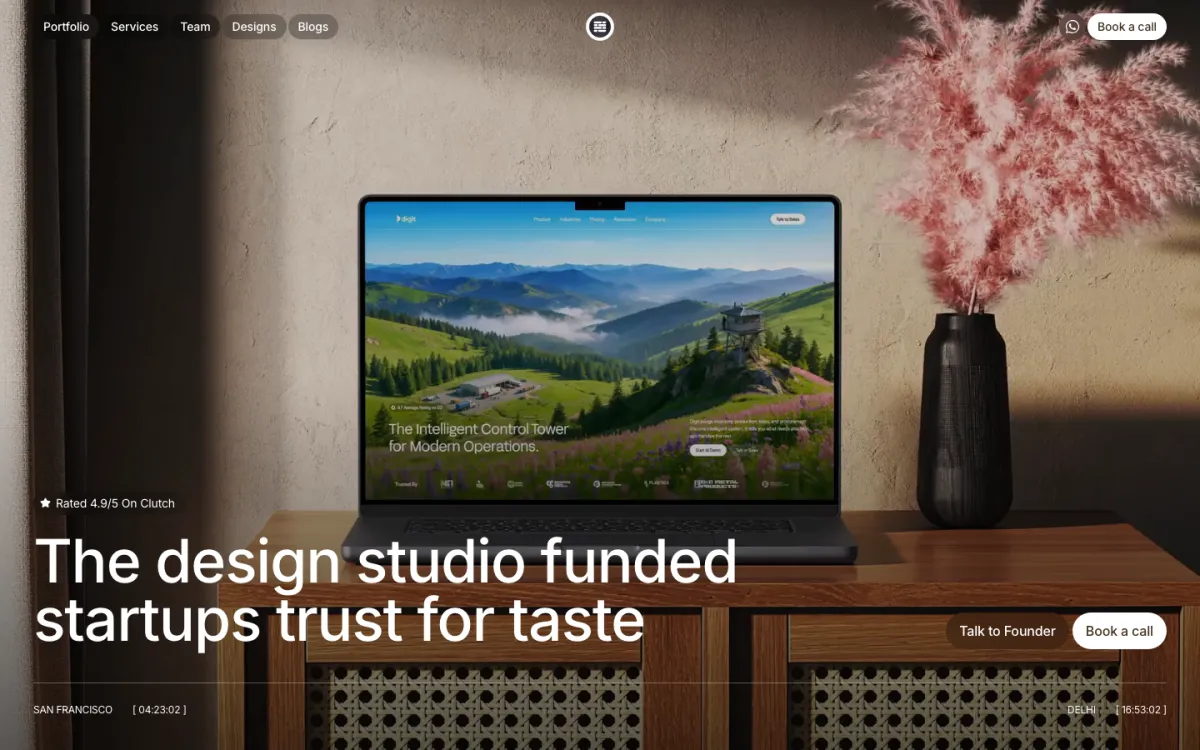
Bricx - The #1 Website & UX Agency For B2B & AI SaaS


We at Bricx work exclusively with B2B & AI SaaS companies. See Bricx's portfolio & case studies. Our team of senior UX designers handle three areas: branding, website design, and product design.

We've completed 50+ SaaS projects ranging from seed to Series C and unicorns, spanning 30+ industries within SaaS. Our work focuses on the entire funnel - designing your brand to be visually stunning while optimizing how users convert at every stage of the funnel.

Our clients include Writesonic (YC S21), Sybill, Camb.ai, LTV.ai, AT Kearney, and others. We've built up 25+ UX case studies documenting projects we've completed. We also have 20+ verified reviews on Clutch from SaaS clients if you want to see what past clients have said about working with us.

Book a call to talk through what you're working on. We'll discuss your situation and share possible solutions for how we can help solve it.

Bricx - The #1 Website & UX Agency For B2B & AI SaaS


We at Bricx work exclusively with B2B & AI SaaS companies. See Bricx's portfolio & case studies. Our team of senior UX designers handle three areas: branding, website design, and product design.

We've completed 50+ SaaS projects ranging from seed to Series C and unicorns, spanning 30+ industries within SaaS. Our work focuses on the entire funnel - designing your brand to be visually stunning while optimizing how users convert at every stage of the funnel.

Our clients include Writesonic (YC S21), Sybill, Camb.ai, LTV.ai, AT Kearney, and others. We've built up 25+ UX case studies documenting projects we've completed. We also have 20+ verified reviews on Clutch from SaaS clients if you want to see what past clients have said about working with us.

Book a call to talk through what you're working on. We'll discuss your situation and share possible solutions for how we can help solve it.

Huemor

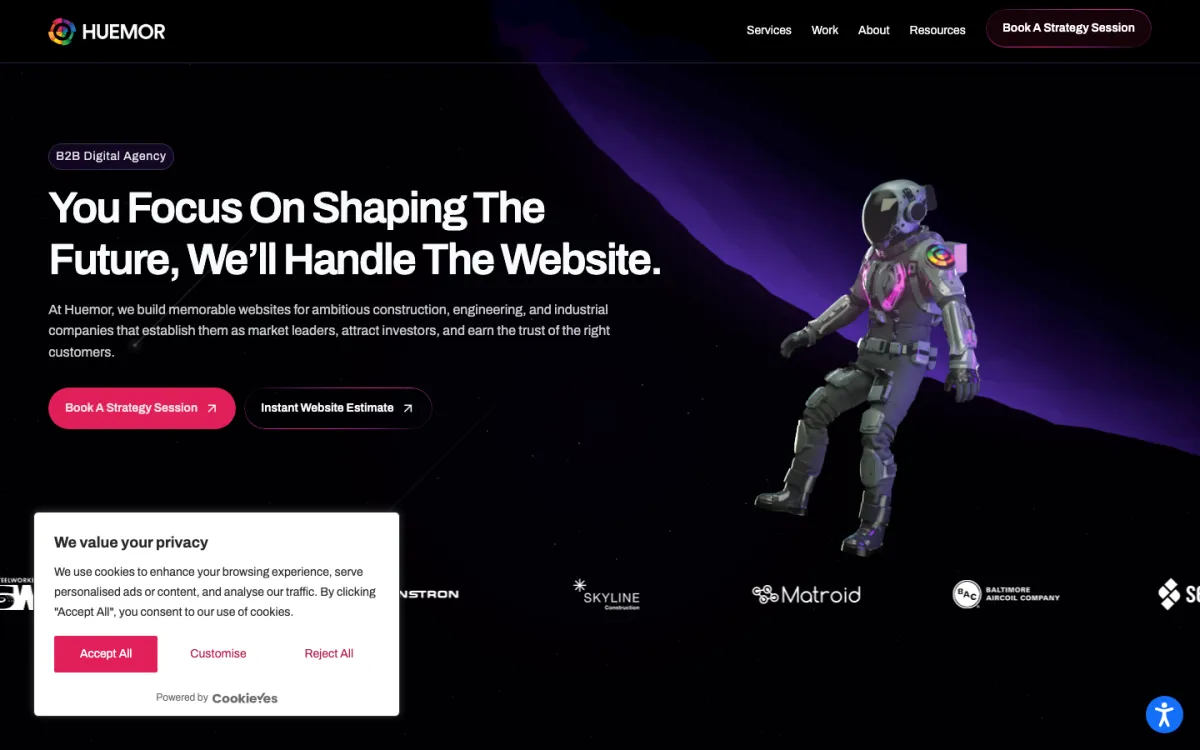
Huemor is one of the best cybersecurity landing page design agencies, specializing in conversion-focused pages for security product launches and campaigns. They understand how to design landing pages optimized for enterprise security conversions like demo requests and trial signups rather than consumer-style impulse actions. Their approach combines security domain messaging with conversion optimization, creating pages that build credibility while driving measurable pipeline. Huemor excels at landing pages for security SaaS, cloud security platforms, and security vendors running paid acquisition where landing page performance directly impacts cost per qualified opportunity and sales team effectiveness in complex enterprise cycles.

  1. Employees-to-Client Ratio (Bandwidth): 1:2

  2. Process Maturity: High

  3. Cybersecurity Landing Page Experience: Very High

  4. Client Communication (Meetings + Daily Updates): Weekly calls + email recaps

  5. App/Web Dev Support: Through partners

  6. Office Culture: Hybrid

Clay

Clay brings design quality to cybersecurity landing pages, creating launch pages that feel modern and credible rather than fear-mongering or dated. They understand how to build trust through visual polish and clear value communication, signaling vendor quality and stability. Their landing pages emphasize strategic social proof placement, compliance badges, and conversion-focused CTAs without security industry cliches. Clay is ideal for next-generation security vendors, cloud-native security tools, and innovative security approaches where the landing page needs to differentiate from legacy vendors through modern positioning and confident value communication rather than fear-based tactics.

  1. Employees-to-Client Ratio (Bandwidth): 1:1

  2. Process Maturity: Advanced

  3. Cybersecurity Landing Page Experience: High

  4. Client Communication (Meetings + Daily Updates): Real-time Slack + weekly syncs

  5. App/Web Dev Support: Limited

  6. Office Culture: Remote-first

Ramotion

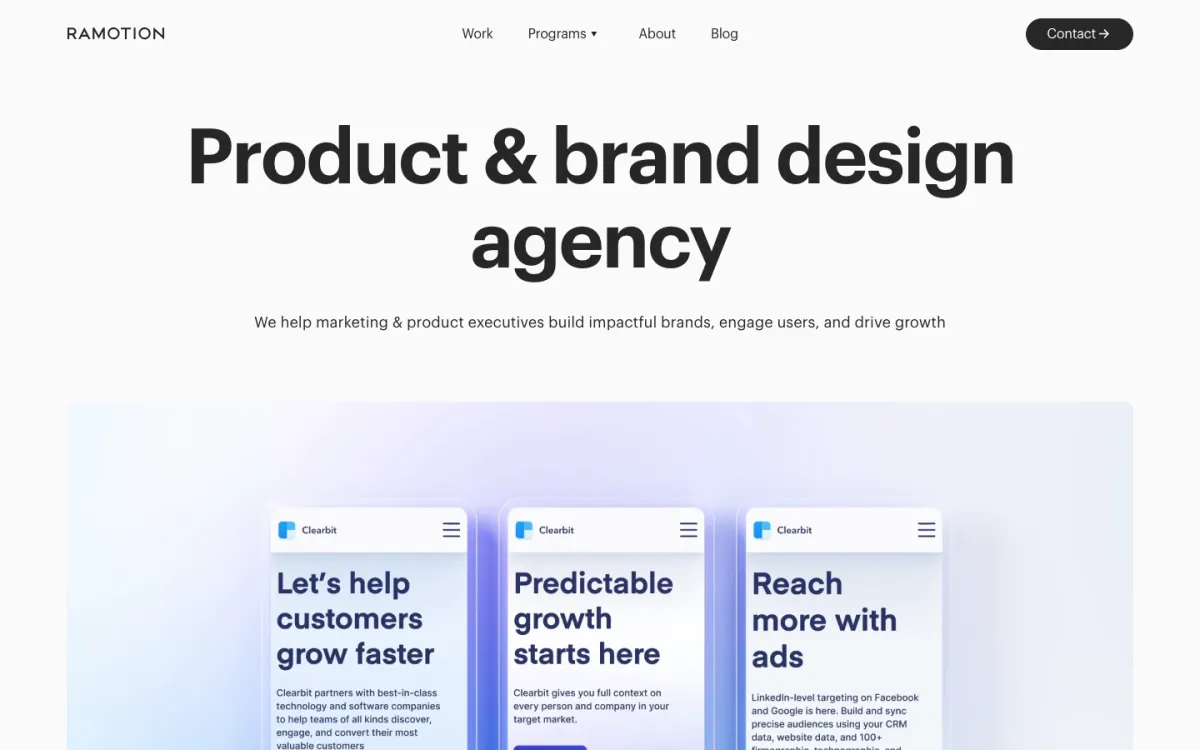
Ramotion offers specialized cybersecurity landing page design with understanding of enterprise security sales and buyer evaluation criteria. They know how to structure landing pages for security products, creating clear technical differentiation, compliance proof, and dual messaging for technical and business audiences. Their designs include strategic placement of integration lists, customer logos, and security certifications. Ramotion works particularly well for B2B security vendors running campaigns where landing pages need to generate qualified enterprise pipeline through messaging that resonates with both security practitioners evaluating technical fit and executives justifying budget allocation for new security investments.

  1. Employees-to-Client Ratio (Bandwidth): 1:2

  2. Process Maturity: High

  3. Cybersecurity Landing Page Experience: High

  4. Client Communication (Meetings + Daily Updates): Weekly reviews + Slack updates

  5. App/Web Dev Support: Limited

  6. Office Culture: Remote-first

Instrument

Instrument creates story-driven cybersecurity landing pages for security vendors launching new approaches or product categories. They excel at distilling complex security innovations into compelling single-page narratives that educate and build confidence. Their landing pages combine technical credibility with outcome-focused messaging. Instrument is particularly strong for innovative security products, AI-driven security, and novel approaches where the landing page needs to explain why different methodologies work and build trust in unfamiliar approaches that differ from traditional security tools enterprise buyers already know and deployed widely across their organizations.

  1. Employees-to-Client Ratio (Bandwidth): Team-based

  2. Process Maturity: Very High

  3. Cybersecurity Landing Page Experience: Medium-High

  4. Client Communication (Meetings + Daily Updates): Weekly syncs + structured updates

  5. App/Web Dev Support: Yes

  6. Office Culture: Hybrid

Metalab

Metalab specializes in product-focused cybersecurity landing pages that show actual security tool interfaces and workflows. They understand how to create launch pages emphasizing what security teams will experience, using product screenshots, demo videos, and workflow previews. Their landing pages build confidence through transparency about actual capabilities rather than vague protection promises. Metalab excels at landing pages for security platforms and analyst tools where showing the actual product interface quality and workflow efficiency builds more trust than marketing copy, particularly for security operations tools where usability directly impacts analyst effectiveness and tool adoption.

  1. Employees-to-Client Ratio (Bandwidth): 1:1

  2. Process Maturity: Very High

  3. Cybersecurity Landing Page Experience: Medium-High

  4. Client Communication (Meetings + Daily Updates): Bi-weekly sprints + Slack updates

  5. App/Web Dev Support: Yes

  6. Office Culture: Remote-friendly

Basic/Dept

Basic/Dept creates growth-optimized cybersecurity landing pages with integration to marketing automation and analytics. They understand how to implement proper tracking for enterprise conversion events, set up lead scoring for security buyer intent, and create landing page variants for different security use cases or industries. Their approach emphasizes testing and optimization for enterprise pipeline metrics. Basic/Dept is ideal for security vendors running scaled paid acquisition or partner campaigns where landing page performance directly impacts pipeline generation costs and the ability to fill sales funnels with qualified enterprise opportunities that convert to revenue.

  1. Employees-to-Client Ratio (Bandwidth): Team-based

  2. Process Maturity: High

  3. Cybersecurity Landing Page Experience: Medium

  4. Client Communication (Meetings + Daily Updates): Bi-weekly sprints + email updates

  5. App/Web Dev Support: Yes

  6. Office Culture: Hybrid

Huemor

Huemor is one of the best cybersecurity landing page design agencies, specializing in conversion-focused pages for security product launches and campaigns. They understand how to design landing pages optimized for enterprise security conversions like demo requests and trial signups rather than consumer-style impulse actions. Their approach combines security domain messaging with conversion optimization, creating pages that build credibility while driving measurable pipeline. Huemor excels at landing pages for security SaaS, cloud security platforms, and security vendors running paid acquisition where landing page performance directly impacts cost per qualified opportunity and sales team effectiveness in complex enterprise cycles.

  1. Employees-to-Client Ratio (Bandwidth): 1:2

  2. Process Maturity: High

  3. Cybersecurity Landing Page Experience: Very High

  4. Client Communication (Meetings + Daily Updates): Weekly calls + email recaps

  5. App/Web Dev Support: Through partners

  6. Office Culture: Hybrid

Clay

Clay brings design quality to cybersecurity landing pages, creating launch pages that feel modern and credible rather than fear-mongering or dated. They understand how to build trust through visual polish and clear value communication, signaling vendor quality and stability. Their landing pages emphasize strategic social proof placement, compliance badges, and conversion-focused CTAs without security industry cliches. Clay is ideal for next-generation security vendors, cloud-native security tools, and innovative security approaches where the landing page needs to differentiate from legacy vendors through modern positioning and confident value communication rather than fear-based tactics.

  1. Employees-to-Client Ratio (Bandwidth): 1:1

  2. Process Maturity: Advanced

  3. Cybersecurity Landing Page Experience: High

  4. Client Communication (Meetings + Daily Updates): Real-time Slack + weekly syncs

  5. App/Web Dev Support: Limited

  6. Office Culture: Remote-first

Ramotion

Ramotion offers specialized cybersecurity landing page design with understanding of enterprise security sales and buyer evaluation criteria. They know how to structure landing pages for security products, creating clear technical differentiation, compliance proof, and dual messaging for technical and business audiences. Their designs include strategic placement of integration lists, customer logos, and security certifications. Ramotion works particularly well for B2B security vendors running campaigns where landing pages need to generate qualified enterprise pipeline through messaging that resonates with both security practitioners evaluating technical fit and executives justifying budget allocation for new security investments.

  1. Employees-to-Client Ratio (Bandwidth): 1:2

  2. Process Maturity: High

  3. Cybersecurity Landing Page Experience: High

  4. Client Communication (Meetings + Daily Updates): Weekly reviews + Slack updates

  5. App/Web Dev Support: Limited

  6. Office Culture: Remote-first

Instrument

Instrument creates story-driven cybersecurity landing pages for security vendors launching new approaches or product categories. They excel at distilling complex security innovations into compelling single-page narratives that educate and build confidence. Their landing pages combine technical credibility with outcome-focused messaging. Instrument is particularly strong for innovative security products, AI-driven security, and novel approaches where the landing page needs to explain why different methodologies work and build trust in unfamiliar approaches that differ from traditional security tools enterprise buyers already know and deployed widely across their organizations.

  1. Employees-to-Client Ratio (Bandwidth): Team-based

  2. Process Maturity: Very High

  3. Cybersecurity Landing Page Experience: Medium-High

  4. Client Communication (Meetings + Daily Updates): Weekly syncs + structured updates

  5. App/Web Dev Support: Yes

  6. Office Culture: Hybrid

Metalab

Metalab specializes in product-focused cybersecurity landing pages that show actual security tool interfaces and workflows. They understand how to create launch pages emphasizing what security teams will experience, using product screenshots, demo videos, and workflow previews. Their landing pages build confidence through transparency about actual capabilities rather than vague protection promises. Metalab excels at landing pages for security platforms and analyst tools where showing the actual product interface quality and workflow efficiency builds more trust than marketing copy, particularly for security operations tools where usability directly impacts analyst effectiveness and tool adoption.

  1. Employees-to-Client Ratio (Bandwidth): 1:1

  2. Process Maturity: Very High

  3. Cybersecurity Landing Page Experience: Medium-High

  4. Client Communication (Meetings + Daily Updates): Bi-weekly sprints + Slack updates

  5. App/Web Dev Support: Yes

  6. Office Culture: Remote-friendly

Basic/Dept

Basic/Dept creates growth-optimized cybersecurity landing pages with integration to marketing automation and analytics. They understand how to implement proper tracking for enterprise conversion events, set up lead scoring for security buyer intent, and create landing page variants for different security use cases or industries. Their approach emphasizes testing and optimization for enterprise pipeline metrics. Basic/Dept is ideal for security vendors running scaled paid acquisition or partner campaigns where landing page performance directly impacts pipeline generation costs and the ability to fill sales funnels with qualified enterprise opportunities that convert to revenue.

  1. Employees-to-Client Ratio (Bandwidth): Team-based

  2. Process Maturity: High

  3. Cybersecurity Landing Page Experience: Medium

  4. Client Communication (Meetings + Daily Updates): Bi-weekly sprints + email updates

  5. App/Web Dev Support: Yes

  6. Office Culture: Hybrid

Work & Co

Work & Co creates strategic cybersecurity landing pages with emphasis on information architecture and value clarity. They excel at structuring single-page experiences that communicate complex security offerings without overwhelming visitors. Their landing pages balance high-level business outcomes with technical details available on scroll. Work & Co is particularly strong for enterprise security platforms and comprehensive solutions where landing pages need to communicate multiple capabilities while maintaining focus on core differentiation and primary conversion goals for diverse enterprise buying committee members with different technical knowledge and evaluation priorities.

  1. Employees-to-Client Ratio (Bandwidth): Team-based

  2. Process Maturity: Advanced

  3. Cybersecurity Landing Page Experience: Medium

  4. Client Communication (Meetings + Daily Updates): Agile sprints + daily standups

  5. App/Web Dev Support: Yes (core offering)

  6. Office Culture: Hybrid

Code and Theory

Code and Theory offers technical landing page expertise for cybersecurity products requiring custom functionality. They understand how to build landing pages with live threat data displays, interactive security architecture diagrams, ROI calculators for risk quantification, and dynamic compliance documentation. Their landing pages go beyond static design to include interactive elements that help security buyers understand protection approaches and business value. Code and Theory excels at enterprise security vendors where landing pages need technical sophistication matching product complexity and interactive tools that support buyer self-evaluation and business case development for security investments.

  1. Employees-to-Client Ratio (Bandwidth): Team-based

  2. Process Maturity: Very High

  3. Cybersecurity Landing Page Experience: Medium

  4. Client Communication (Meetings + Daily Updates): Structured sprints + weekly reviews

  5. App/Web Dev Support: Yes (core offering)

  6. Office Culture: Hybrid

Fantasy

Fantasy creates innovative cybersecurity landing pages for security vendors launching differentiated approaches or new categories. They understand how to design pages that explain novel security concepts through visual storytelling and creative approaches while maintaining the credibility security buyers require. Their designs balance innovation with trust-building elements. Fantasy works particularly well for emerging security categories, AI security, and novel detection approaches where landing pages need to generate curiosity and confidence simultaneously, attracting early adopters willing to evaluate unfamiliar approaches while reassuring risk-averse buyers about vendor credibility and methodology soundness.

  1. Employees-to-Client Ratio (Bandwidth): 1:1

  2. Process Maturity: Advanced

  3. Cybersecurity Landing Page Experience: Medium

  4. Client Communication (Meetings + Daily Updates): Flexible sprints + async updates

  5. App/Web Dev Support: Limited

  6. Office Culture: Remote-first

Conclusion

Choosing the right cybersecurity landing page design agency means finding a partner who understands both conversion optimization and enterprise security buying dynamics. The best agencies know how to communicate security value propositions clearly, build trust with risk-averse enterprise buyers through strategic credibility signals, and optimize for enterprise conversion metrics like qualified demo requests rather than consumer-style impulse actions that do not translate to actual enterprise pipeline.

The agencies listed here stand out for their cybersecurity landing page expertise combined with proven enterprise conversion results. They know how to balance technical credibility with business value communication, implement trust signals security buyers expect, and design for dual audiences of technical evaluators and business decision-makers. They understand the difference between fear-based security marketing and confident value communication that resonates with sophisticated buyers who already understand risks and need differentiation clarity.

Choose a team that aligns with your launch strategy, target buyer, and sales motion. Whether you need rapid landing pages for product announcements or sophisticated pages for complex enterprise security platforms, the right agency will help you create landing pages that build credibility, communicate differentiation, and generate qualified enterprise pipeline efficiently.


FAQs

What makes a good cybersecurity landing page design agency?

A good cybersecurity landing page design agency combines conversion copywriting skills with enterprise security domain knowledge and B2B sales understanding. They should know how to communicate security differentiation quickly, implement trust signals like compliance certifications and customer proof, and optimize for enterprise conversion goals like demo requests and trial signups. Look for agencies like Bricx that demonstrate cybersecurity landing page experience with actual security vendors and pipeline metrics. They should understand security buyer psychology, technical credibility requirements, and how to balance messaging for technical evaluators and business buyers. The best agencies also understand enterprise sales cycles and design for metrics beyond clicks including actual qualified opportunities and deal progression.

How much does cybersecurity landing page design cost?

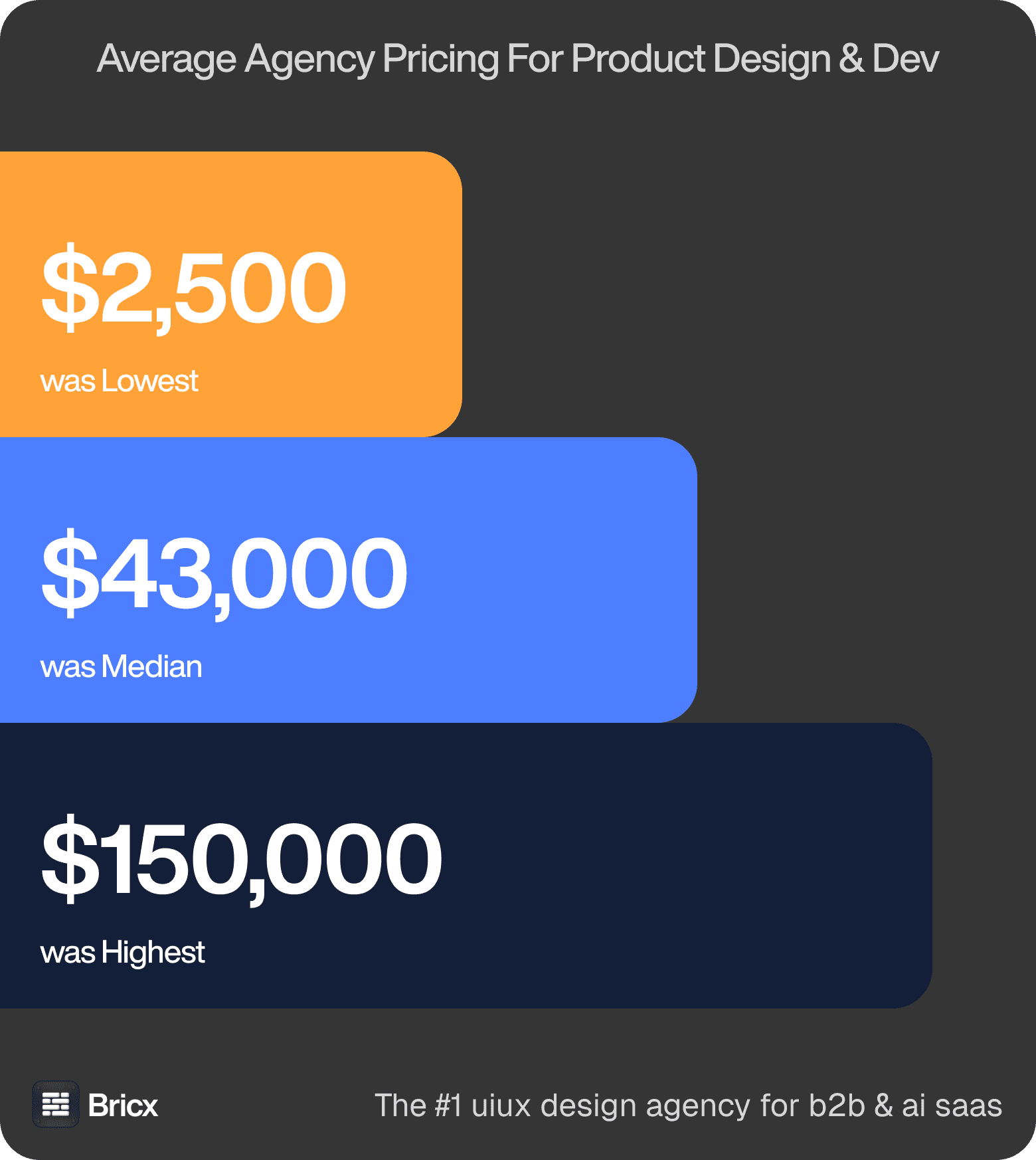
Cybersecurity landing page design typically costs $5,000 to $20,000+ per page depending on complexity and custom functionality. Simple security product launch pages with standard sections usually run $5,000-10,000 from experienced agencies. More sophisticated pages with custom security visualizations, interactive elements, or extensive compliance content typically cost $12,000-17,000. Enterprise landing pages with advanced functionality, multiple variants for different industries, or sophisticated integrations can exceed $20,000. Some agencies offer package deals for launch campaigns including main landing page plus variant pages for different use cases or buyer personas. Cybersecurity landing pages often need more trust-building elements and technical content than typical SaaS, which can add 30-40% to base design costs.

What trust signals should cybersecurity landing pages include?

Effective cybersecurity landing pages include prominent compliance certifications like SOC 2, ISO 27001, FedRAMP, or industry-specific standards with direct links to certificates, recognizable customer logos from security-conscious enterprises showing credible adoption, specific security audit and penetration test results from known firms, detailed integration list with established security tools showing ecosystem compatibility, clear data handling and privacy information addressing security buyer concerns, team security credentials and backgrounds building vendor credibility, quantified customer outcomes with specific threat detection or response metrics, and transparent incident response processes. The best agencies also use visual design quality as a trust signal since professional execution suggests vendor stability. Compliance badges should be specific and verifiable versus generic security claims.

Should cybersecurity landing pages focus on fear or value?

Value-focused messaging outperforms fear-based approaches for sophisticated enterprise security buyers. While acknowledging relevant threats provides context, effective cybersecurity landing pages emphasize specific technical differentiation, integration capabilities, and measurable outcomes rather than generic fear mongering. Enterprise buyers already understand risks and deployed existing security tools. They need to evaluate why your specific approach works better than current solutions or complements existing investments. Fear-based messaging often signals immature vendors lacking technical differentiation. The best cybersecurity landing pages balance threat awareness with confident value communication, showing understanding of buyer challenges while focusing on your unique approach and proven results versus trying to scare buyers into action.

How do you design cybersecurity landing pages for dual audiences?

Effective cybersecurity landing pages serve both technical evaluators and business buyers through progressive disclosure and clear content organization. Start with high-level business outcomes and risk reduction that resonate with executives, then provide technical details through expandable sections, tabs, or anchor links that technical evaluators can access. Common approaches include business value hero section with technical differentiation below the fold, tabbed interfaces switching between business and technical views, separate demo CTAs for technical trials versus executive briefings, and resource links to detailed technical documentation for deep evaluation. The best agencies also use different conversion paths: hands-on trials for technical validation, demo requests and ROI discussions for business buyers, ensuring both audiences can progress their evaluation without overwhelming either with irrelevant details.

What metrics should cybersecurity landing pages optimize for?

Cybersecurity landing pages should optimize for qualified pipeline generation metrics rather than raw conversion volume. Key metrics include demo request rate from target buyer profiles verified through form data and lead scoring, trial signup quality measured by actual product usage and progression through evaluation steps, sales accepted lead percentage indicating marketing captured genuine buying intent, and ultimately pipeline value and closed revenue attributed to landing page traffic. Secondary metrics include bounce rate by traffic source identifying poor targeting, time on page and scroll depth showing content engagement, form field abandonment revealing friction points, and conversion rate variance across buyer personas or industries. The best approach defines success based on sales team feedback about lead quality and actual deal progression rather than optimizing purely for volume of form submissions that may not convert to real opportunities.

Work & Co

Work & Co creates strategic cybersecurity landing pages with emphasis on information architecture and value clarity. They excel at structuring single-page experiences that communicate complex security offerings without overwhelming visitors. Their landing pages balance high-level business outcomes with technical details available on scroll. Work & Co is particularly strong for enterprise security platforms and comprehensive solutions where landing pages need to communicate multiple capabilities while maintaining focus on core differentiation and primary conversion goals for diverse enterprise buying committee members with different technical knowledge and evaluation priorities.

  1. Employees-to-Client Ratio (Bandwidth): Team-based

  2. Process Maturity: Advanced

  3. Cybersecurity Landing Page Experience: Medium

  4. Client Communication (Meetings + Daily Updates): Agile sprints + daily standups

  5. App/Web Dev Support: Yes (core offering)

  6. Office Culture: Hybrid

Code and Theory

Code and Theory offers technical landing page expertise for cybersecurity products requiring custom functionality. They understand how to build landing pages with live threat data displays, interactive security architecture diagrams, ROI calculators for risk quantification, and dynamic compliance documentation. Their landing pages go beyond static design to include interactive elements that help security buyers understand protection approaches and business value. Code and Theory excels at enterprise security vendors where landing pages need technical sophistication matching product complexity and interactive tools that support buyer self-evaluation and business case development for security investments.

  1. Employees-to-Client Ratio (Bandwidth): Team-based

  2. Process Maturity: Very High

  3. Cybersecurity Landing Page Experience: Medium

  4. Client Communication (Meetings + Daily Updates): Structured sprints + weekly reviews

  5. App/Web Dev Support: Yes (core offering)

  6. Office Culture: Hybrid

Fantasy

Fantasy creates innovative cybersecurity landing pages for security vendors launching differentiated approaches or new categories. They understand how to design pages that explain novel security concepts through visual storytelling and creative approaches while maintaining the credibility security buyers require. Their designs balance innovation with trust-building elements. Fantasy works particularly well for emerging security categories, AI security, and novel detection approaches where landing pages need to generate curiosity and confidence simultaneously, attracting early adopters willing to evaluate unfamiliar approaches while reassuring risk-averse buyers about vendor credibility and methodology soundness.

  1. Employees-to-Client Ratio (Bandwidth): 1:1

  2. Process Maturity: Advanced

  3. Cybersecurity Landing Page Experience: Medium

  4. Client Communication (Meetings + Daily Updates): Flexible sprints + async updates

  5. App/Web Dev Support: Limited

  6. Office Culture: Remote-first

Conclusion

Choosing the right cybersecurity landing page design agency means finding a partner who understands both conversion optimization and enterprise security buying dynamics. The best agencies know how to communicate security value propositions clearly, build trust with risk-averse enterprise buyers through strategic credibility signals, and optimize for enterprise conversion metrics like qualified demo requests rather than consumer-style impulse actions that do not translate to actual enterprise pipeline.

The agencies listed here stand out for their cybersecurity landing page expertise combined with proven enterprise conversion results. They know how to balance technical credibility with business value communication, implement trust signals security buyers expect, and design for dual audiences of technical evaluators and business decision-makers. They understand the difference between fear-based security marketing and confident value communication that resonates with sophisticated buyers who already understand risks and need differentiation clarity.

Choose a team that aligns with your launch strategy, target buyer, and sales motion. Whether you need rapid landing pages for product announcements or sophisticated pages for complex enterprise security platforms, the right agency will help you create landing pages that build credibility, communicate differentiation, and generate qualified enterprise pipeline efficiently.


FAQs

What makes a good cybersecurity landing page design agency?

A good cybersecurity landing page design agency combines conversion copywriting skills with enterprise security domain knowledge and B2B sales understanding. They should know how to communicate security differentiation quickly, implement trust signals like compliance certifications and customer proof, and optimize for enterprise conversion goals like demo requests and trial signups. Look for agencies like Bricx that demonstrate cybersecurity landing page experience with actual security vendors and pipeline metrics. They should understand security buyer psychology, technical credibility requirements, and how to balance messaging for technical evaluators and business buyers. The best agencies also understand enterprise sales cycles and design for metrics beyond clicks including actual qualified opportunities and deal progression.

How much does cybersecurity landing page design cost?

Cybersecurity landing page design typically costs $5,000 to $20,000+ per page depending on complexity and custom functionality. Simple security product launch pages with standard sections usually run $5,000-10,000 from experienced agencies. More sophisticated pages with custom security visualizations, interactive elements, or extensive compliance content typically cost $12,000-17,000. Enterprise landing pages with advanced functionality, multiple variants for different industries, or sophisticated integrations can exceed $20,000. Some agencies offer package deals for launch campaigns including main landing page plus variant pages for different use cases or buyer personas. Cybersecurity landing pages often need more trust-building elements and technical content than typical SaaS, which can add 30-40% to base design costs.

What trust signals should cybersecurity landing pages include?

Effective cybersecurity landing pages include prominent compliance certifications like SOC 2, ISO 27001, FedRAMP, or industry-specific standards with direct links to certificates, recognizable customer logos from security-conscious enterprises showing credible adoption, specific security audit and penetration test results from known firms, detailed integration list with established security tools showing ecosystem compatibility, clear data handling and privacy information addressing security buyer concerns, team security credentials and backgrounds building vendor credibility, quantified customer outcomes with specific threat detection or response metrics, and transparent incident response processes. The best agencies also use visual design quality as a trust signal since professional execution suggests vendor stability. Compliance badges should be specific and verifiable versus generic security claims.

Should cybersecurity landing pages focus on fear or value?

Value-focused messaging outperforms fear-based approaches for sophisticated enterprise security buyers. While acknowledging relevant threats provides context, effective cybersecurity landing pages emphasize specific technical differentiation, integration capabilities, and measurable outcomes rather than generic fear mongering. Enterprise buyers already understand risks and deployed existing security tools. They need to evaluate why your specific approach works better than current solutions or complements existing investments. Fear-based messaging often signals immature vendors lacking technical differentiation. The best cybersecurity landing pages balance threat awareness with confident value communication, showing understanding of buyer challenges while focusing on your unique approach and proven results versus trying to scare buyers into action.

How do you design cybersecurity landing pages for dual audiences?

Effective cybersecurity landing pages serve both technical evaluators and business buyers through progressive disclosure and clear content organization. Start with high-level business outcomes and risk reduction that resonate with executives, then provide technical details through expandable sections, tabs, or anchor links that technical evaluators can access. Common approaches include business value hero section with technical differentiation below the fold, tabbed interfaces switching between business and technical views, separate demo CTAs for technical trials versus executive briefings, and resource links to detailed technical documentation for deep evaluation. The best agencies also use different conversion paths: hands-on trials for technical validation, demo requests and ROI discussions for business buyers, ensuring both audiences can progress their evaluation without overwhelming either with irrelevant details.

What metrics should cybersecurity landing pages optimize for?

Cybersecurity landing pages should optimize for qualified pipeline generation metrics rather than raw conversion volume. Key metrics include demo request rate from target buyer profiles verified through form data and lead scoring, trial signup quality measured by actual product usage and progression through evaluation steps, sales accepted lead percentage indicating marketing captured genuine buying intent, and ultimately pipeline value and closed revenue attributed to landing page traffic. Secondary metrics include bounce rate by traffic source identifying poor targeting, time on page and scroll depth showing content engagement, form field abandonment revealing friction points, and conversion rate variance across buyer personas or industries. The best approach defines success based on sales team feedback about lead quality and actual deal progression rather than optimizing purely for volume of form submissions that may not convert to real opportunities.

Author:

Siddharth Vij

CEO at Bricxlabs

With nearly a decade in design and SaaS, he helps B2B startups grow with high-conversion sites and smart product design.

Unforgettable Website & UX Design For SaaS

We design high-converting websites and products for B2B AI startups.

Similar Design Agencies

Similar Design Agencies

Similar Design Agencies

Connect, configure and preview