(01)
The argument comes first
Before any layout we settle what the site has to prove and to whom. Cold traffic needs the problem first, warm traffic needs the product first.
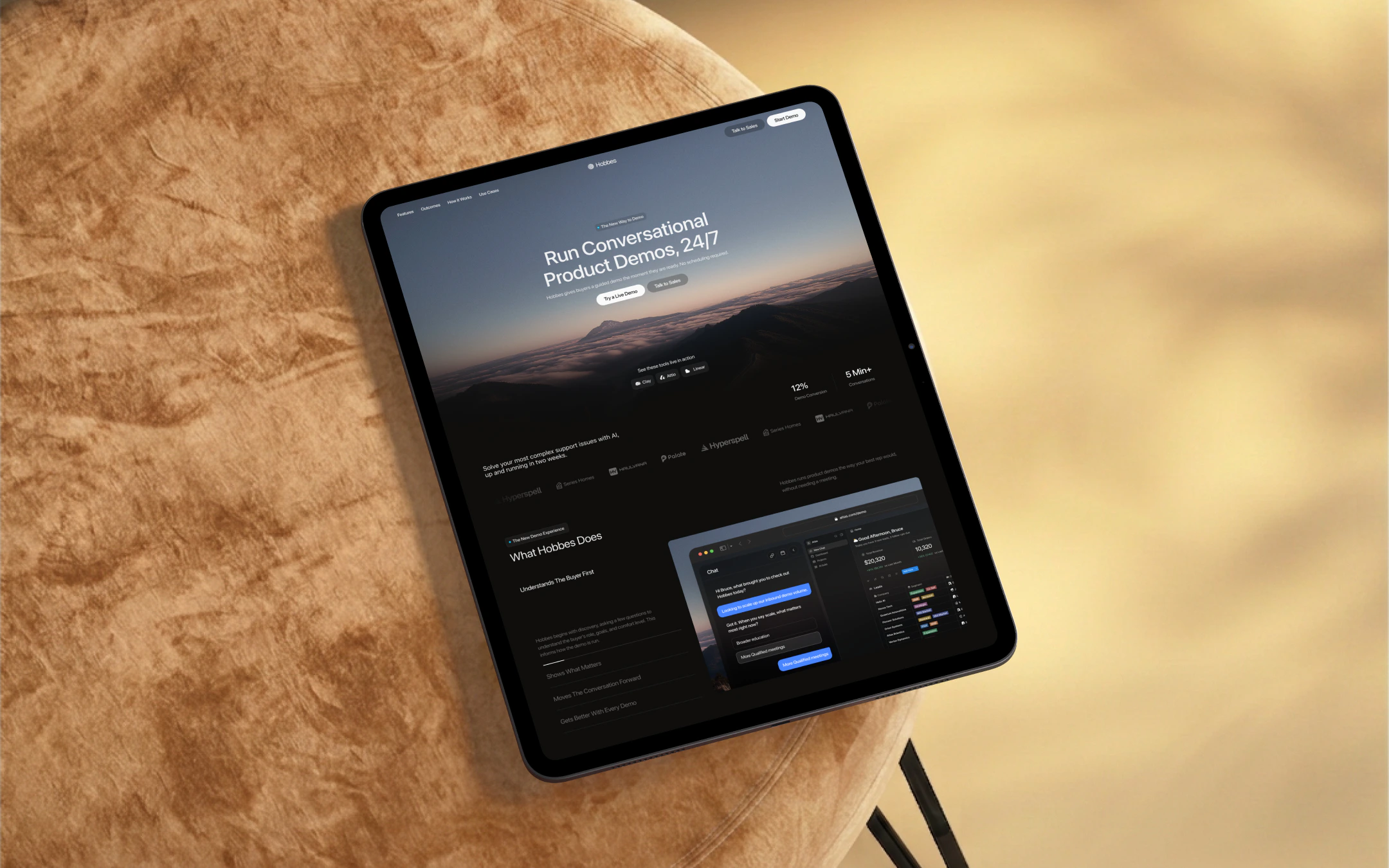
Trusted by SF’s top AI & SaaS companies
And many more
Anyone can put a site up in a weekend now. That is exactly why most of them look the same, and why yours has stopped doing any work.
Book a callYour site was vibe coded, and it shows.
It went up fast, and it reads as a weekend project to anyone spending real money.
You bought a template. So did your competitors.
Three companies in your category now open with the same layout and the same gradient.
You sell to enterprise. You look like a side project.
Buyers decide your tier before the demo, and the website is what tells them.
Your sales team sends the deck, not the link.
When the deck does the selling, the site is losing deals nobody ever reports.
Every call starts by explaining what you do.
If the site had done it, the call could have been about whether they want it.
Nobody internally agrees what the homepage says.
Three founders hold three versions, and the page tries to carry all of them.

“Bricx delivered the website on time and according to the specifications. I loved the quality of the work.”

Frederic Jean-Bart
CEO @ Performance Partners
Before we design anything, we settle what the site is arguing. Your competitors, your win and loss reasons, and the objections your sales team hears every week. Cold traffic needs the problem stated first. Warm traffic needs the product first. That one call shapes every page.
Typical outputs:
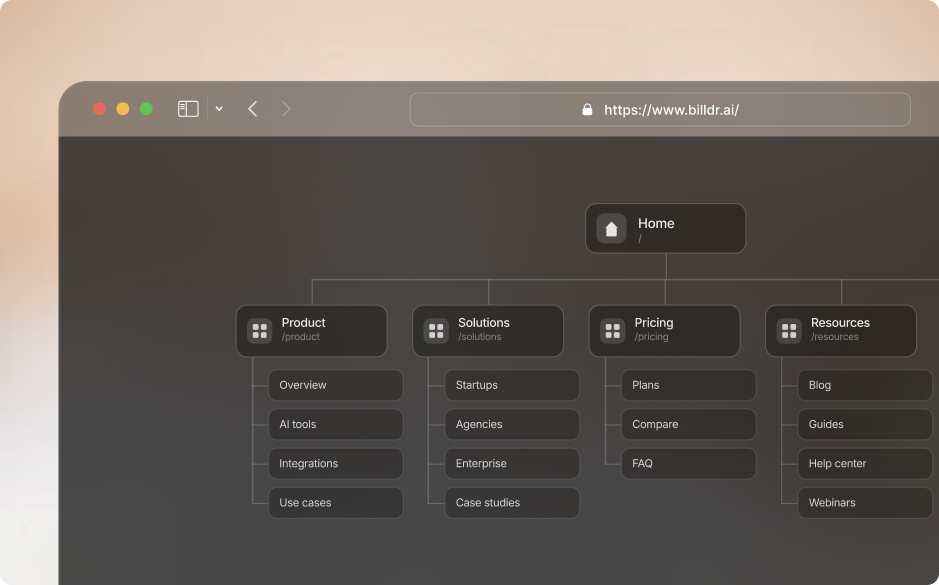
We decide which pages you actually need, and it’s usually fewer than you planned. Every page gets one job and one action. If you’re running SEO in the next six months, we structure for it now rather than bolting it on later.
Typical outputs:
We wireframe every page before anyone picks a colour. This is where the argument gets stress tested. If the page works in grey boxes, the design will make it better rather than rescue it.
Typical outputs:
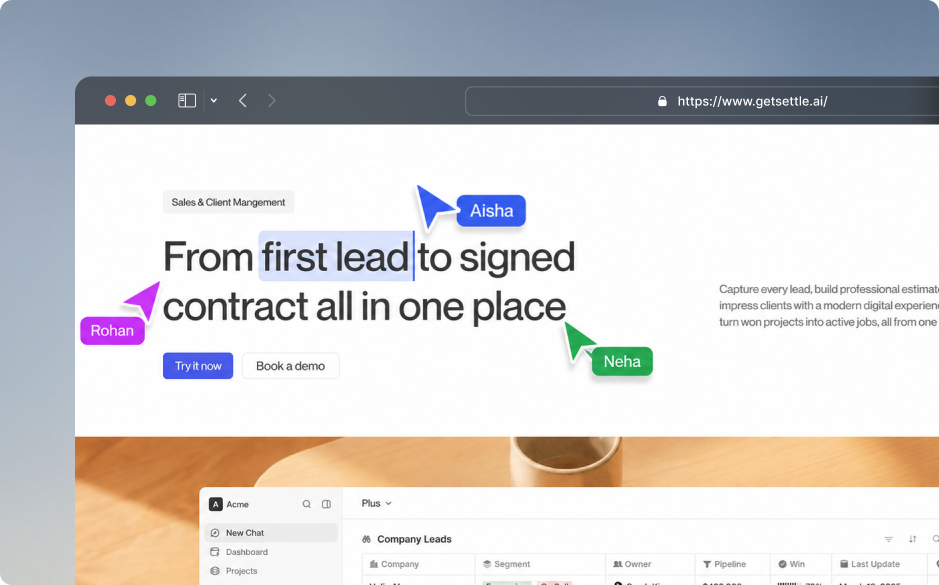
We start with moodboards, not layouts. Three or four directions, each a different bet on how you want to be perceived, and you comment straight into the Figma file until one is locked. Once it’s set we don’t change it halfway through.
Typical outputs:
Motion gets designed alongside the pages, not bolted on at the end. Prospects reference the animation on sales calls as the reason they took the meeting seriously, and enterprise buyers read craft as a proxy for engineering quality.
Typical outputs:
(01)
Before any layout we settle what the site has to prove and to whom. Cold traffic needs the problem first, warm traffic needs the product first.
(02)
Moodboards before layouts. You get three or four visual directions and lock one, so the site looks like you and not like the template everyone else bought.
(03)
You approve the direction on one page before we commit to twelve. Everything after it inherits a language you have already signed off.
(04)
Work moves in weekly reviews with real screens, not a reveal at the end. You are never waiting to find out what we did.
Anyone can put a website up in a weekend now. That is exactly the problem. The tooling got cheap, the templates got good, and every site in your category converged. We design the part a template cannot give you.
01
AI does the layouts and the first drafts now. What it cannot do is the last ten percent, and that is the whole difference.
02
Three or four visual directions, built for you and shown before any page is designed. None of them came off a shelf.
03
ManyReach’s site converts visitors at 13 percent. A portfolio screenshot cannot tell you that.
04
Components, states, edge cases and frontend reality, because we ship the build as well.
Ranked three years running

30+ verified reviews on Clutch.
Trusted by top SaaS
“We handed Bricx a vague brief and got back a brand that felt inevitable. That’s rare.”

Chirag Kulkarni
CEO @Hobbes
99.7%
Client Satisfaction
30+
Industries
50+ Projects
| Options | Landing page | Full website | Website + brand |
|---|---|---|---|
| Best for | Proving one offer | Your first real site | A launch or a reposition |
| Typical length | 2 to 3 weeks | 5 to 6 weeks | 8 to 10 weeks |
| Who you get | One senior designer | Designer plus lead | Designer, lead, engineer |
| Commitment | Fixed scope | Milestone based | Milestone based |
| What is included | Narrative, design, build | Everything, all pages, CMS | Everything, plus identity |
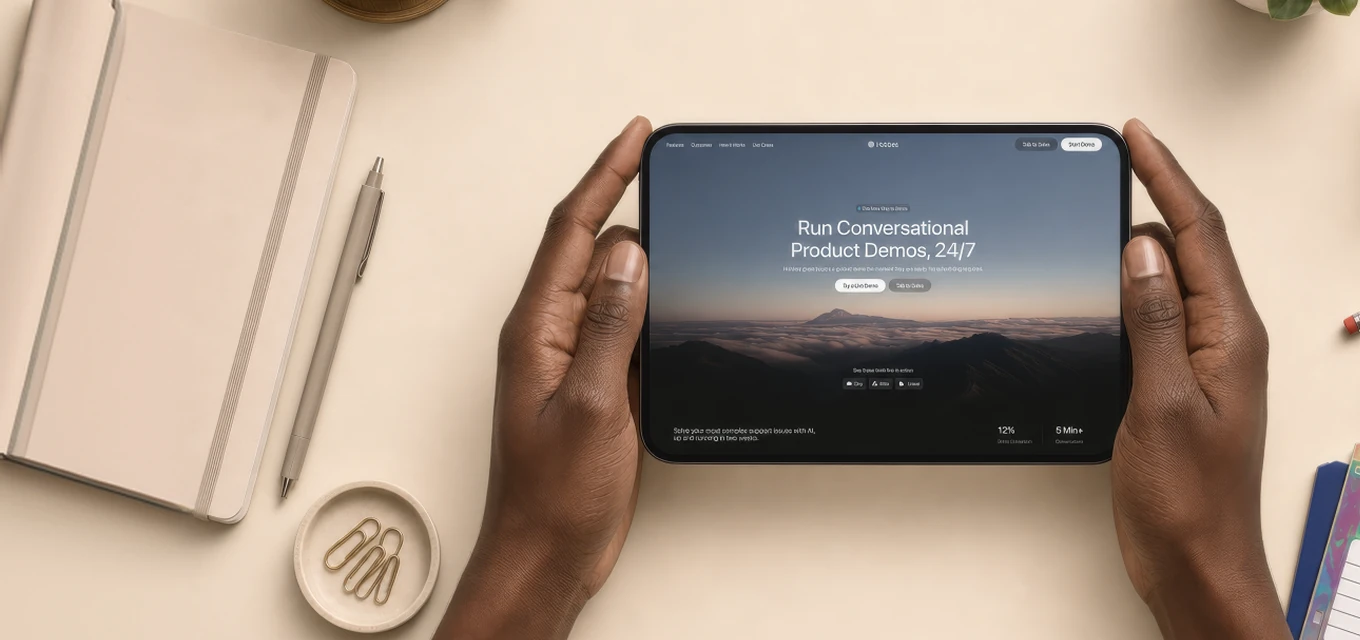
Zero risk. Real design work delivered before you commit to anything.
Five to six weeks for a complete marketing site. Two weeks on narrative and direction, two on design, one to two on the build. A single landing page takes two to three weeks.
Websites start at $25,000. Where a project lands depends on the number of pages, whether brand work is in scope, and whether we build it as well as design it. We quote the exact number after the first call rather than before it.
You can, and it will be live by Friday. The problem is that everyone else did the same thing, so the three companies you are compared against now open with the same layout. A template gets you a website. It cannot get you a position.
Fewer than you think. Most companies at this stage do better with one excellent page than five average ones, and we will say so even when it lowers our own quote.
No, and we say so on the first call. You know your product’s wording better than we will. We build the narrative and a page-by-page brief with you first, then your team writes into it. Copy is the most common cause of delay, so start early.
Any of them. We build on all three, and our agents handle changes fast enough that the platform stopped being the constraint it used to be. We recommend one on the first call based on who runs the site after we leave.
We do not run campaigns, but we build so that SEO is possible: clean URLs, real headings, fast pages and a content model your team can publish into. Tell us SEO is coming and we structure for cold traffic that does not know you yet.
Every file, and you own all of it. Design source, component library, documentation and, where we built it, the code in your repository from the first commit.
Yes. We will connect you with a founder whose site we designed, so you hear how it went from their side rather than ours.
We work almost entirely with B2B SaaS and AI companies, across fintech, healthcare, logistics, legal, edtech and infrastructure. If we have not worked in your category, we will say so and tell you what that changes.