(01)
The audit is free, and first
Every engagement opens with an audit at no cost. We find the real problem before anyone opens Figma.
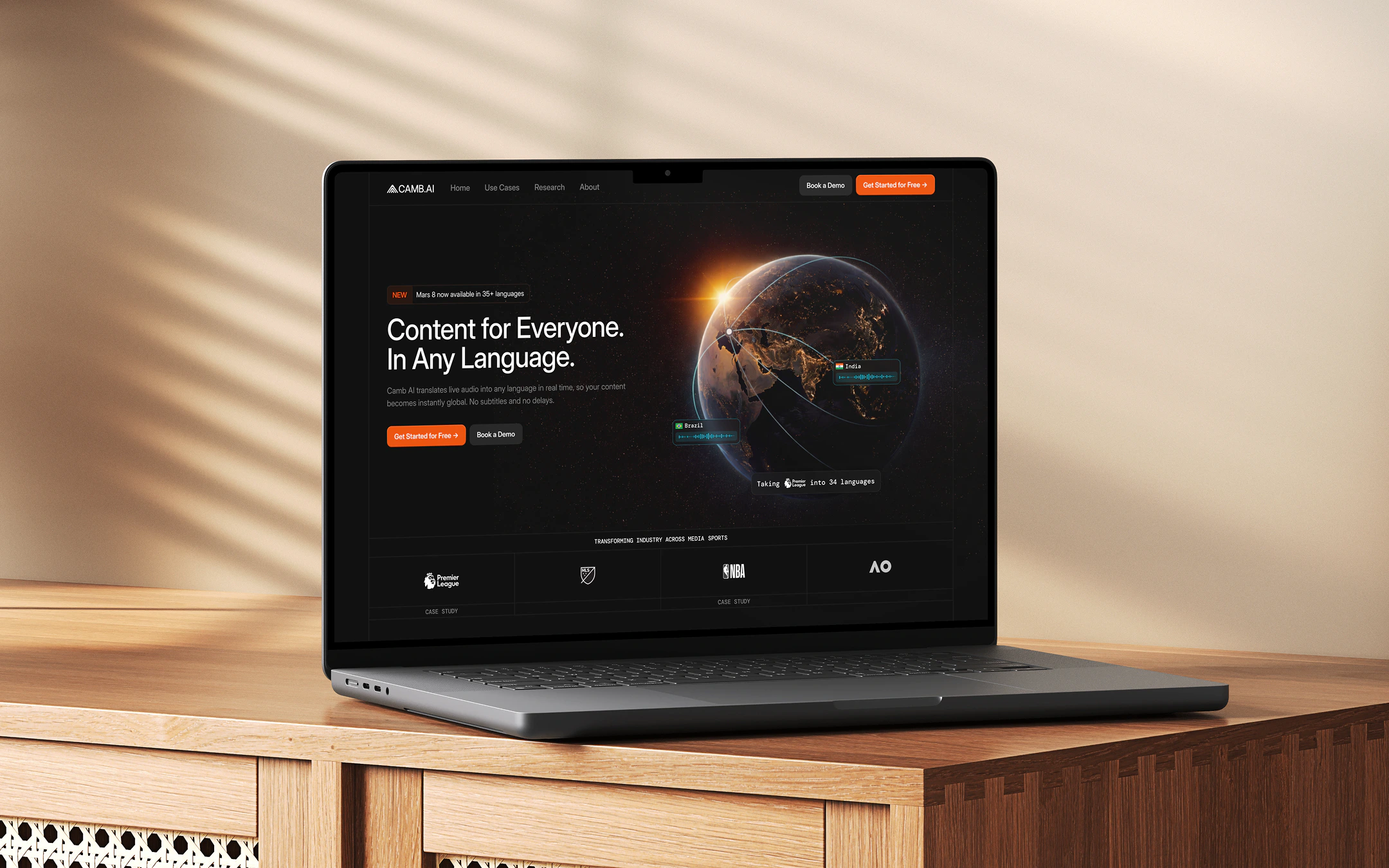
Trusted by SF’s top AI & SaaS companies
And many more
This is rarely a design problem. It’s a product that moved faster than anyone could update the site. We see the same six versions every week.
Get a free auditYour product pivoted. The website didn’t.
You ship every week, and the site still sells the version you launched 18 months ago.
You sell to enterprise. The site says startup.
Buyers decide your tier before the demo, and the website is what tells them.
There’s a raise on the calendar.
Investors and their analysts open your site well before they open your deck.
Every designer you have is on the product.
So the site gets patched instead of rebuilt, and the patches keep stacking up.
The site hides the product.
Legacy vendors bury an ugly UI. Yours is the strongest argument you own.
The homepage grew section by section.
Every launch added a block, nobody removed one, and the hierarchy quietly vanished.

“Bricx listens carefully and always comes up with creative ideas. Their thought process is impressive.”

Chirag Kulkarni
CEO @Hobbes
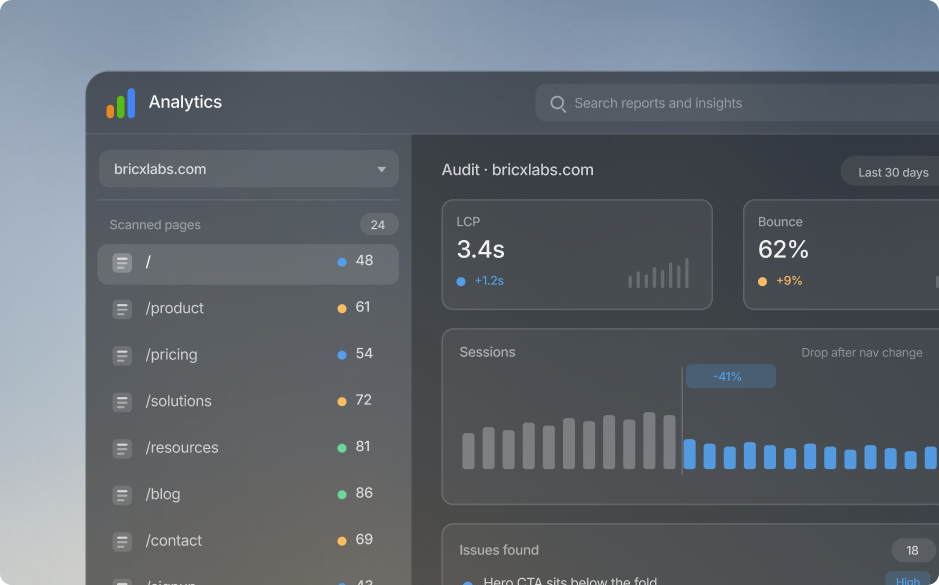
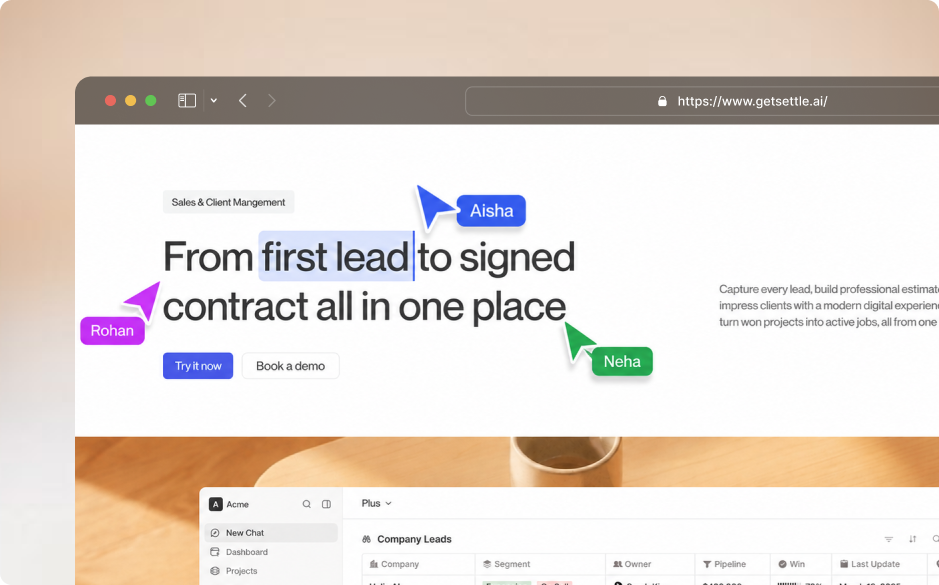
We start on the site you already have. Your analytics, your session recordings, your competitors, and the objections that keep coming up on sales calls. You get a written list of what’s costing you conversions, finished before anyone opens Figma.
Typical outputs:
(01)
Every engagement opens with an audit at no cost. We find the real problem before anyone opens Figma.
(02)
A senior designer joins your Slack and your sprint rhythm. There is no account manager relaying notes between us.
(03)
Work moves in two week cycles, and something is reviewable at the end of every one. You are never waiting on a big reveal.
(04)
The one commitment that decides whether this lands on time. We make it, and we ask you to make it too.
Most agencies hand you a Figma file and leave. We get judged on what happens after. Whether the leads get better, whether buyers stop hesitating, whether the round closes. We build too, so nothing dies in handoff.
01
AI does the UX thinking now. Layouts, flows, first drafts. What it can’t do is the last ten percent.
02
The reverse of what everyone preaches. Hobbes finished mid-January and closed their seed by early March.
03
Components, states, edge cases and frontend reality, because we ship the build as well.
04
You keep a system your team can extend, so the next page doesn’t restart an argument you already settled.
Ranked three years running

515 verified ratings on Clutch, averaging 4.9 out of 5.
Trusted by top SaaS
“We handed Bricx a vague brief and got back a brand that felt inevitable. That’s rare.”
Chirag Kulkarni
CEO @Hobbes
99.7%
Client Satisfaction
30+
Industries
50+ Projects
| Options | Landing page | Full redesign | Redesign + brand |
|---|---|---|---|
| Best for | One page, one campaign | A site that outgrew you | A pivot or reposition |
| Typical length | 2 to 3 weeks | 5 to 6 weeks | 8 to 10 weeks |
| Who you get | One senior designer | Designer plus lead | Designer, lead, engineer |
| Commitment | Fixed scope | Milestone based | Milestone based |
| What is included | Narrative, design, build | Everything, all pages, CMS | Everything, plus identity |
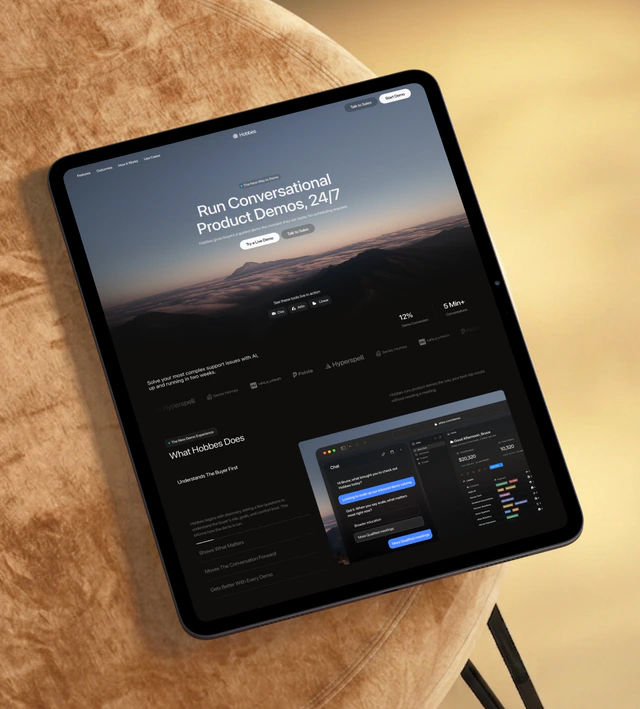
Website Design
For a first real site rather than fixing the old one.
Explore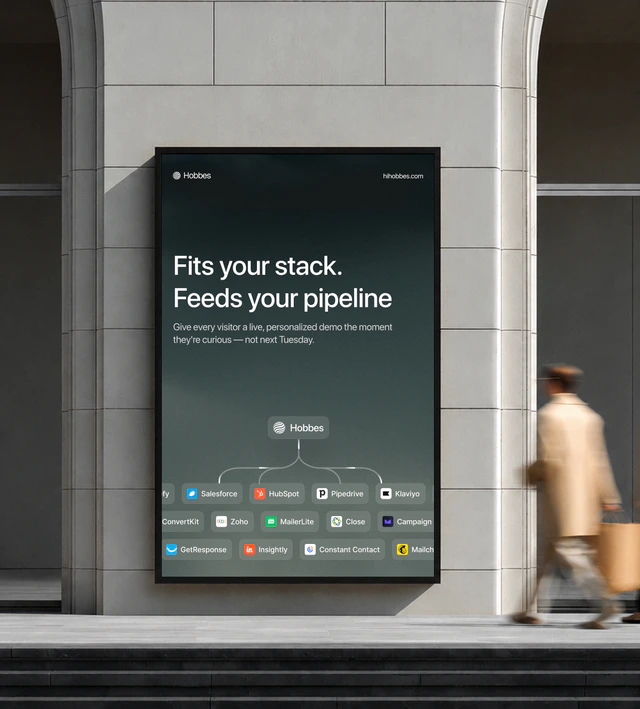
Brand Identity
When the redesign keeps stalling on an undefined identity.
Explore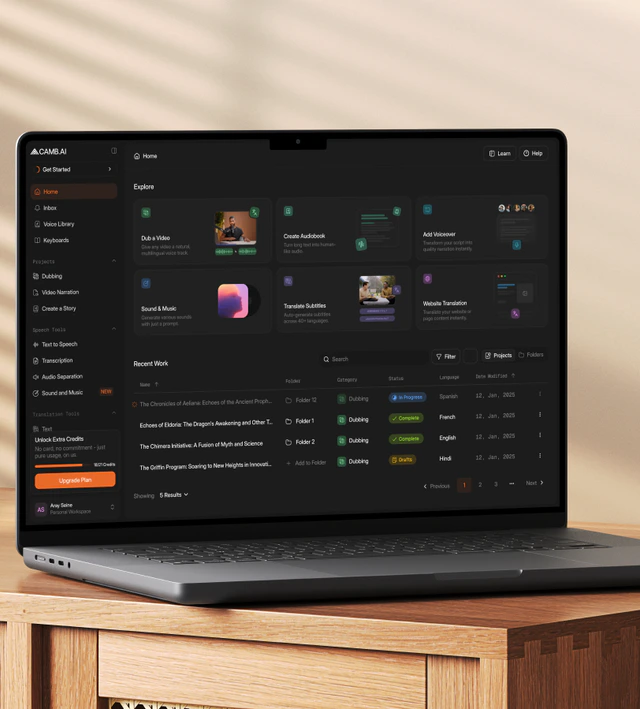
Product Design
The site sells the product. This is the product itself.
Explore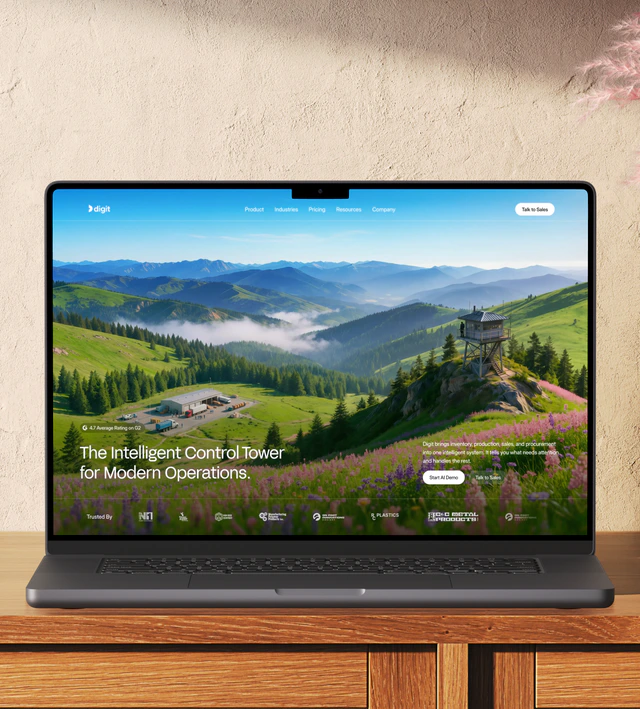
Webflow Development
Build only, when the design is already settled.
Explore

 Bricx
BricxZero risk. Real design work delivered before you commit to anything.
No, and we’ll tell you that on the first call. You know the intricacies of your own wording better than we ever will, and Claude drafts it well once the narrative doc is locked. We build the narrative with you first, then you write into it. It’s the biggest cause of delay on a project like this.
Five to six weeks for a standard marketing site. Two weeks on narrative and direction, two on design, one to two on the build. Sites of sixty pages and up run closer to ten weeks.
Engagements start at $25,000. A single landing page sits below that, a redesign carrying brand work above it. Payment is 40% upfront, 40% before development, 20% at launch.
It depends on your stage and on who edits the site after we leave. Framer is faster and easier for a marketer to change. Webflow still reads as more established to enterprise buyers, and that perception is real whether or not it should be.
Not if it’s handled properly. We map every 301, carry metadata across, and preserve the URLs that already earn traffic. If you have pages ranking today, we find them before anything gets touched.
Before, and we’ll argue the point with you. Investors and their analysts open the site long before the deck, and the shift in perception is the entire reason to run the exercise.
Feedback inside 24 to 48 hours, one decision-maker who can approve direction, and your copy on the schedule we agree in week two. Projects that slip almost always slip on one of those three.
Redesign when the structure still fits and the surface has fallen behind. Rebuild when the site was built for a company you no longer are, or when the platform blocks your team from shipping. The free audit answers this before you commit budget either way.
Every file, and you own all of it. Design source, component library, documentation and, where we built it, the code in your repository from the first commit. Nothing sits behind our account and nothing needs our permission to use.
Ask three things. Do they build, or only design and hand over a file. Will the people on the sales call do the work. And will they tell you when you don’t need the project. An agency that has never talked a client out of spending is selling, not advising.