(01)
Design first, document second
Everyone else sets the colour and type rules before touching a real asset, which constrains the very things the identity exists to serve. We build the real thing, then write the rules from what worked.
Trusted by SF’s top AI & SaaS companies
And many more
Almost nobody rebrands because they are bored of the logo. The company changed underneath, and the identity is still describing the company you used to be.
Book a callYour founder made the logo in an afternoon.
It got you to revenue, and it is now the first thing an enterprise buyer sees.
You look like every other company in your category.
The same palette, the same geometric sans, the same abstract mark facing right.
Every deck and page looks like a different company.
With no system underneath, each asset gets argued from scratch by whoever makes it.
Nobody can make anything on-brand without you.
None of it is written down, so every request comes back to you for a decision.
The product got good. The brand stayed where it started.
You have outgrown an identity chosen when the company was three people.
You lose to companies that are better branded, not better.
Buyers read the identity as a proxy for how serious the business is.

“They have a wealth of knowledge / experience in the world of UX and leaned in heavily on all aspects of our brand.”

Chirag Kulkarni
CEO @ Hobbes
We settle what the company is before we draw anything. Positioning, audience, the competitive set you’re actually judged against, and the name itself when the name is in question. We won’t redraw a logo while a rename is open, because you’ll pay for it twice.
Typical outputs:
We moodboard before any design starts. A wide set of directions, including work from your space and work from outside it, and you comment straight into the Figma file on what you want and what you don’t. Three or four go forward, one gets locked.
Typical outputs:
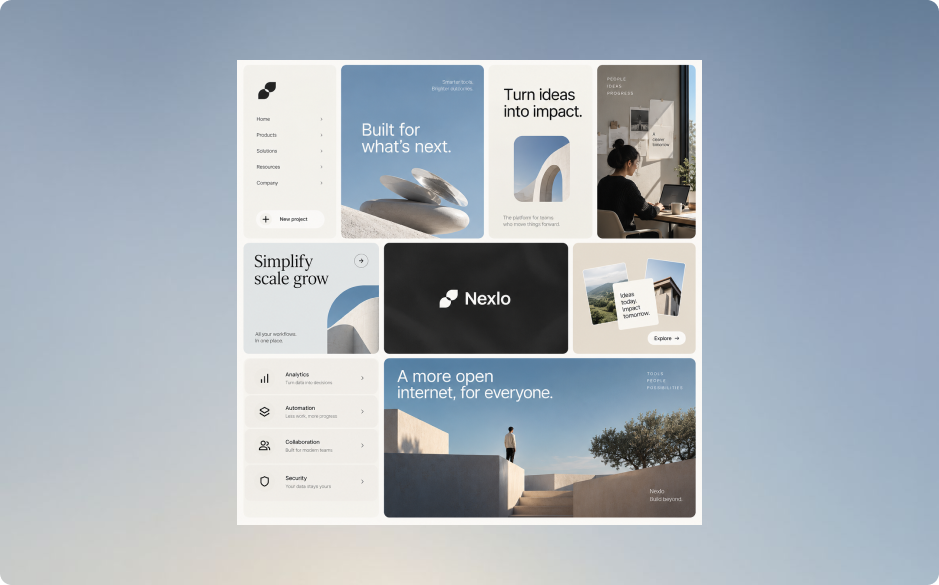
The logo and the identity system get built together. Marks, lockups, clear space, type, colour, and how all of it behaves at every size it will ever appear at. We quote the logo as its own line item, because a rebrand and a new mark are different jobs.
Typical outputs:
We document the brand after we’ve applied it, not before. Defining colour and type in the abstract constrains the very assets the identity exists to serve. So we design the real thing first and write the rules from what worked.
Typical outputs:
A static identity is half an identity now. We design how the mark moves, how the brand behaves on a page, and how it reads in a product video, so the first application isn’t a separate project.
Typical outputs:
(01)
Everyone else sets the colour and type rules before touching a real asset, which constrains the very things the identity exists to serve. We build the real thing, then write the rules from what worked.
(02)
Three or four directions, each a different bet on how you want to be read. You comment straight into the Figma file until one is locked.
(03)
A rebrand and a new logo are different jobs, quoted separately. We will not redraw a mark while the company name is still open.
(04)
You leave with guidelines a person can follow and a design MD file your AI tools can read, so on-brand work does not need us in the room.
Most agencies hand you a brand book and leave. We apply the identity before we document it, because rules written in the abstract constrain the assets they exist to serve. Then we write the rules from what worked.
01
AI does the first drafts and the logo generators are free. What neither can do is the last ten percent, and that is the whole difference.
02
Three or four directions, made for you and shown before anything is finalised. None of them came from a generator.
03
You see the identity on a real page, a real deck and real product screens before you sign it off, rather than only in a grid.
04
Components, states, edge cases and frontend reality, because we ship the site the identity has to live on.
Ranked three years running

30+ verified reviews on Clutch.
Trusted by top SaaS
“We handed Bricx a vague brief and got back a brand that felt inevitable. That’s rare.”
Chirag Kulkarni
CEO @Hobbes
99.7%
Client Satisfaction
30+
Industries
50+ Projects
| Options | Identity sprint | Full identity | Brand + website |
|---|---|---|---|
| Best for | A logo and core system | A complete rebrand | A raise or reposition |
| Typical length | 2 to 3 weeks | 4 to 6 weeks | 8 to 10 weeks |
| Who you get | One senior designer | Designer plus lead | Designer, lead, engineer |
| Commitment | Fixed scope | Milestone based | Milestone based |
| What is included | Mark, type, colour, kit | Everything, plus guidelines | Everything, plus the site |
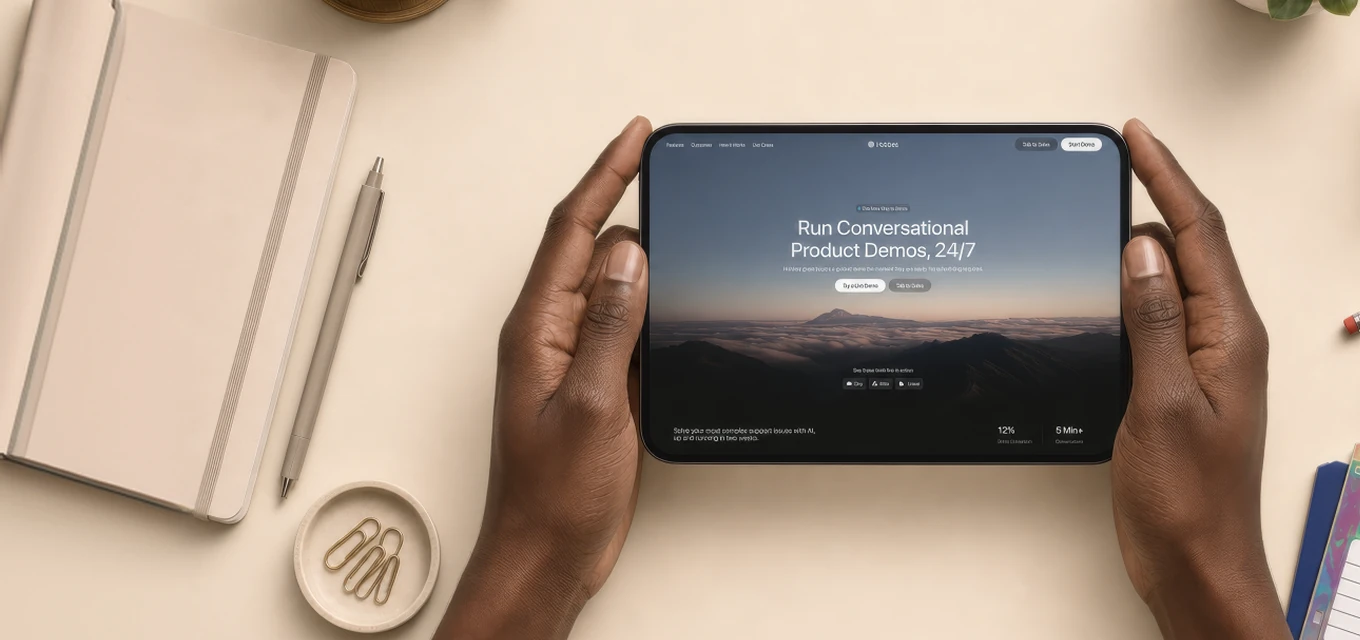
Zero risk. Real design work delivered before you commit to anything.
Four to six weeks for a full identity, two to three for a focused sprint. Add four to six more if the website is rebuilt on top of it, though the two run partly in parallel.
Brand work starts at $25,000. Where it lands depends on whether naming is in scope, how many applications you need, and whether the website is part of the same project.
We quote the mark as a separate line item. A rebrand covers the system, the applications and the guidelines; a new logo is its own job with its own approval cycle. We tell you upfront which one you actually need.
Settle the name first. We will not redraw the mark while the name is open, because you pay for the work twice and the second version is usually worse. We can run naming as part of the engagement.
Refresh when the name and position still hold and the execution has aged. Rebrand when the company changed underneath, which means a pivot, a move upmarket or a rename. Most teams who ask for a refresh have had one of the three happen.
Yes, and increasingly a design MD file alongside it so your AI tools can produce on-brand work without a designer. For genuinely complex identities we will tell you a traditional brand book is the safer call.
Your identity written so a machine can use it. Clients started asking for these unprompted, and it now ships next to the brand book rather than instead of it. It gets a new page or asset most of the way there without a designer.
No. We build the messaging pillars and the tone with you, and your team writes into them. We are not a copywriting agency and we will not pretend otherwise.
Every file, and you own all of it. Design source, the identity system, guidelines, the asset kit and the design MD file. Nothing sits behind our account.
We work almost entirely with B2B SaaS and AI companies, across fintech, healthcare, logistics, legal, edtech and infrastructure. If we have not worked in your category, we say so and tell you what that changes.