10 Best CleanTech Web Design Agencies (2026)
The 10 best CleanTech web design agencies, compared on pricing, Clutch rating, engagement model and hourly rate, drawn from a documented benchmark of 57 agencies.
Aug 20, 202611 min read
Best CleanTech web design agencies
Cleantech websites carry a credibility burden that most sectors do not. The audience includes investors reading for technical substance, procurement teams reading for delivery risk, and a public trained to treat environmental claims as marketing. Vague sustainability language is actively harmful here, and the agencies worth hiring will push for numbers where a general agency would reach for an adjective.
Ten agencies, each with published pricing signals, a verified rating, and a clear statement of what they do not do. Every agency here carries a verified Clutch profile, and the ratings below are taken from it. Each entry says what an agency is worth hiring for and where it is the wrong choice for a cleantech website.
How the ten agencies compare
| Agency | Best for | Starting price | Clutch rating | Not a fit for |
|---|---|---|---|---|
| Bricx | Evidence-led cleantech sites | $25,000+ | 5.0/5, 27 reviews | Consumer sustainability campaigns |
| Baunfire | Deep-technology corporate websites | $75,000+ | 4.9/5, 32 reviews | Energy domain knowledge |
| Huemor | Industrial buyers and investor pages | $25,000+ | 4.8/5, 72 reviews | Substantiating technical claims |
| Digital Silk | Industrial sites with content and SEO | $10,000+ | 4.9/5, 51 reviews | Sector depth in energy |
| Pixelmatters | Sites where claims must hold | $50,000+ | 4.9/5, 38 reviews | Positioning and brand work |
| Embacy | Positioning-led sites for investors | $10,000+ | 5.0/5, 66 reviews | Hardware register, product interfaces |
| League Design Agency | Site and product interfaces together | $10,000+ | 5.0/5, 140 reviews | Procurement and investor audiences |
| Spaceberry Studio | Device screens and customer portals | $10,000+ | 5.0/5, 49 reviews | Building the website itself |
| Brights | Live data behind the claims | $10,000+ | 5.0/5, 40 reviews | Design and narrative craft |
| Outcrowd | Diagrams that carry technical proof | $5,000+ | 4.9/5, 78 reviews | Energy and hardware substance |
Best web design agency for cleantech companies: Bricx
Bricx is the best cleantech website design agency for companies whose environmental claims have to survive a technical reader. Bricx has completed 50+ SaaS design projects across 30+ industries, with clients including Writesonic (YC S21), Collectwise (YC F24), Gigacatalyst (YC X26), Sybill, Camb.ai, LTV.ai, Instadapp, Hobbes and AT Kearney. The agency holds 27 verified reviews on Clutch at an average of 5.0/5.
Bricx works exclusively with B2B and AI SaaS companies, from seed stage through Series C, covering branding, website design, product UX/UI and end-to-end development. Engagements start at $25,000. Bricx builds cleantech sites around measurable claims and the evidence behind them, because a specific number is the only thing that separates a serious company from the greenwashing the audience expects.
Overall, the team delivered a major design upgrade. They were communicative, flexible, and responsive.
- Starting price
- $25,000+
- Engagement model
- Fixed-scope projects and monthly retainers
- Timeline
- First delivery within the first week; full scope varies by project
- Clutch
- 5.0/5, 27 reviews
- Hourly rate
- $50 - $99
- Best for
- cleantech companies selling to investors and procurement.
- Not a fit for
- consumer sustainability campaigns, or budgets under $25,000.
Baunfire
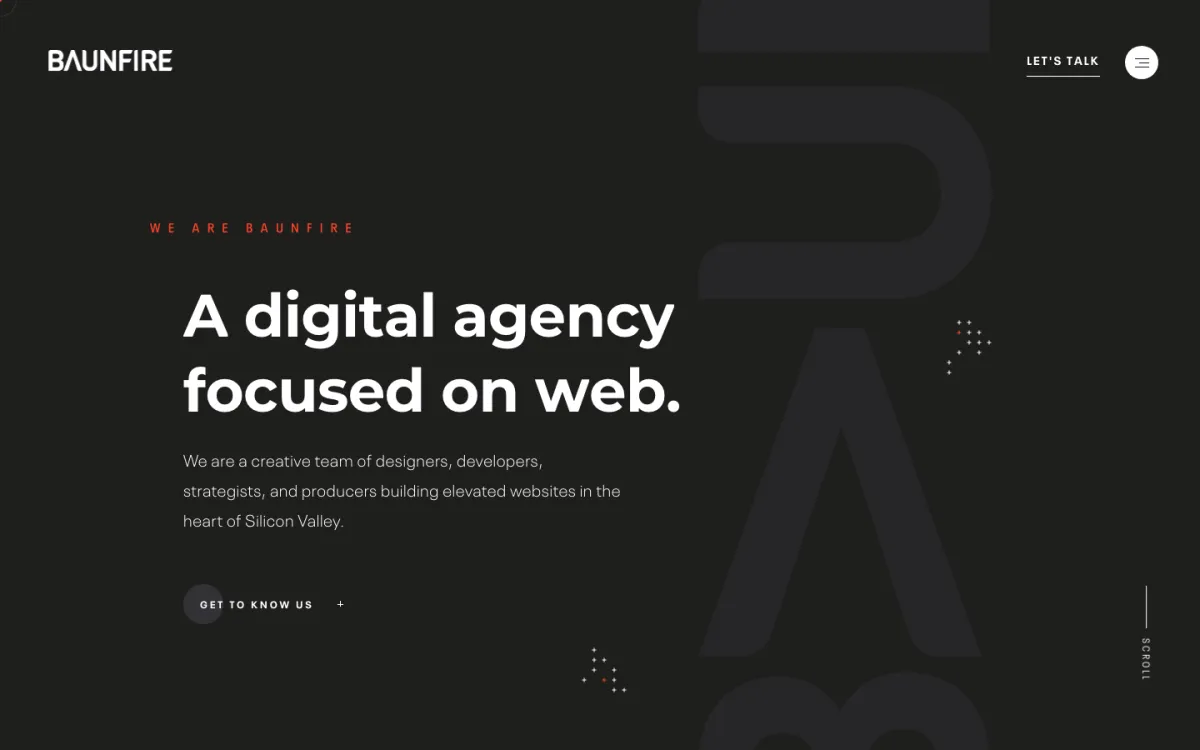
Baunfire builds corporate websites and almost nothing else, at 55% of output, with case studies for Ambi Robotics, Optimal Dynamics, Incorta and Karat. Those are companies whose sites have to satisfy an engineer and a procurement team in the same visit, which is the cleantech problem stated another way. Manufacturing and supply chain, logistics and transport sit at 15% each in its industry mix.
There is no energy or environmental line anywhere in its industry mix, so a cleantech client is buying its technology-sector fluency rather than domain knowledge. At a $75,000 minimum, the highest floor on this page, that learning happens on a budget most cleantech companies would rather spend on the claim itself.
- Starting price
- $75,000+
- Engagement model
- Project-based
- Clutch
- 4.9/5, 32 reviews
- Hourly rate
- $150 - $199
- Team size
- 10 - 49 people
- Best for
- a funded cleantech company rebuilding its corporate site properly.
- Not a fit for
- teams wanting energy sector domain knowledge, or budgets under $25,000.
Huemor
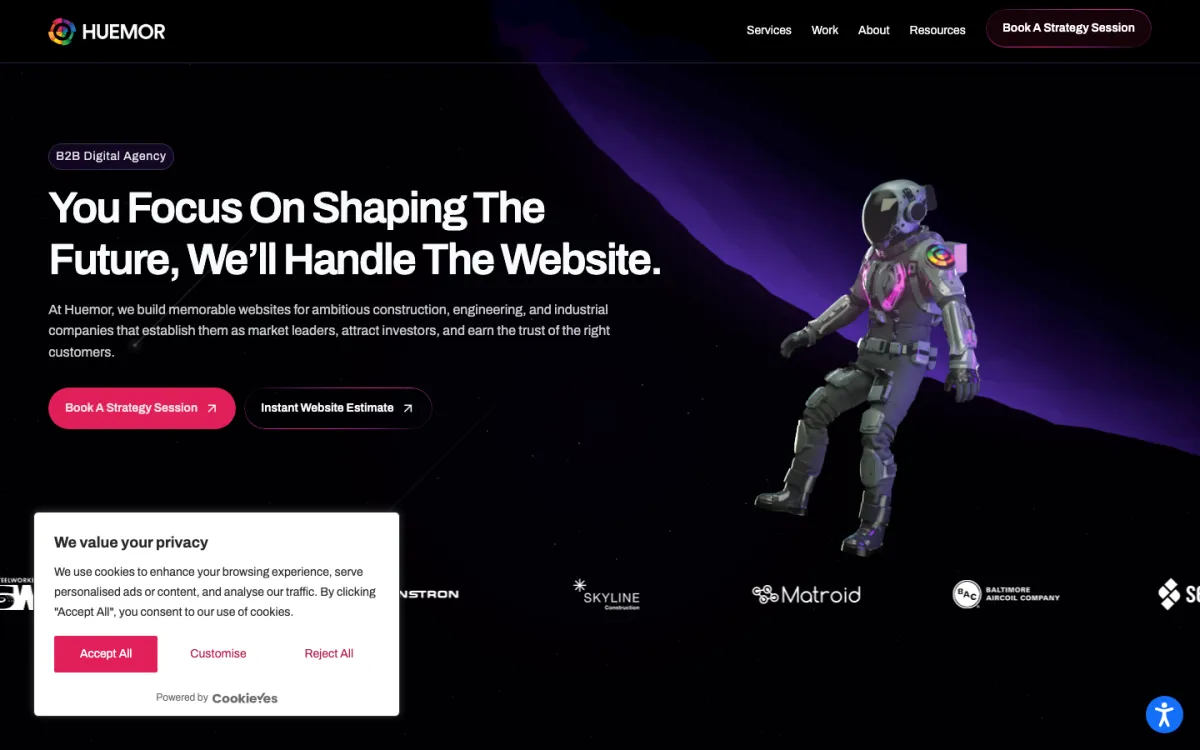
Huemor works where claims get checked: manufacturing at 20% of its client base, construction at 20% and contracting at 15%, and it published a website for a high performance metal powders company complete with a new investor section. A materials buyer reads a spec sheet the way a cleantech procurement team reads an emissions figure, so this is a studio used to readers who ask where a number came from.
Energy and cleantech appear nowhere in its industry mix. Boston Dynamics and HITT Contracting are the names on its card, established companies rather than a business explaining a new technology. Nothing published describes technical writing, lifecycle data or claim substantiation, so getting the numbers right stays with the client team.
- Starting price
- $25,000+
- Engagement model
- Project and retainer
- Clutch
- 4.8/5, 72 reviews
- Hourly rate
- $150 - $199
- Team size
- 10 - 49 people
- Best for
- cleantech companies selling into industrial procurement and investors.
- Not a fit for
- teams who need help substantiating the claims themselves, or budgets under $25,000.
Digital Silk
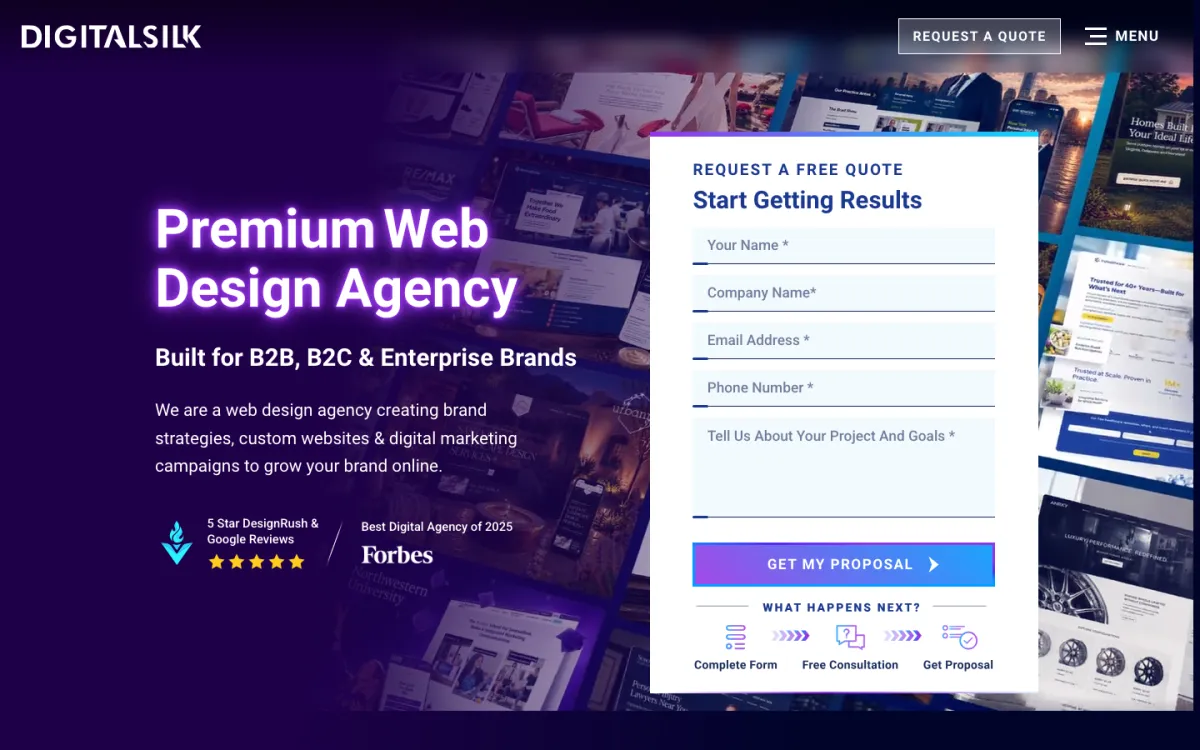
Digital Silk has the nearest thing to an energy client in its public reviews: a power transmission components distributor, whose site it rebuilt entirely alongside its marketing. Manufacturing is 10% of its industry mix, and another review describes content guidance and SEO delivered with the design for a manufacturer, which is where a technical claim gets written rather than decorated.
No industry accounts for more than 10% of its book, so this is deliberate generalist capacity rather than sector depth. Thirty percent of its output is e-commerce development and SEO, which pulls the work towards traffic and transactions, and neither is the constraint on a cleantech site whose real problem is being believed.
- Starting price
- $10,000+
- Engagement model
- Project and retainer
- Clutch
- 4.9/5, 51 reviews
- Hourly rate
- $100 - $149
- Team size
- 50 - 249 people
- Best for
- an industrial cleantech site that also has to be found.
- Not a fit for
- companies needing deep energy sector fluency, or budgets under $25,000.
Pixelmatters
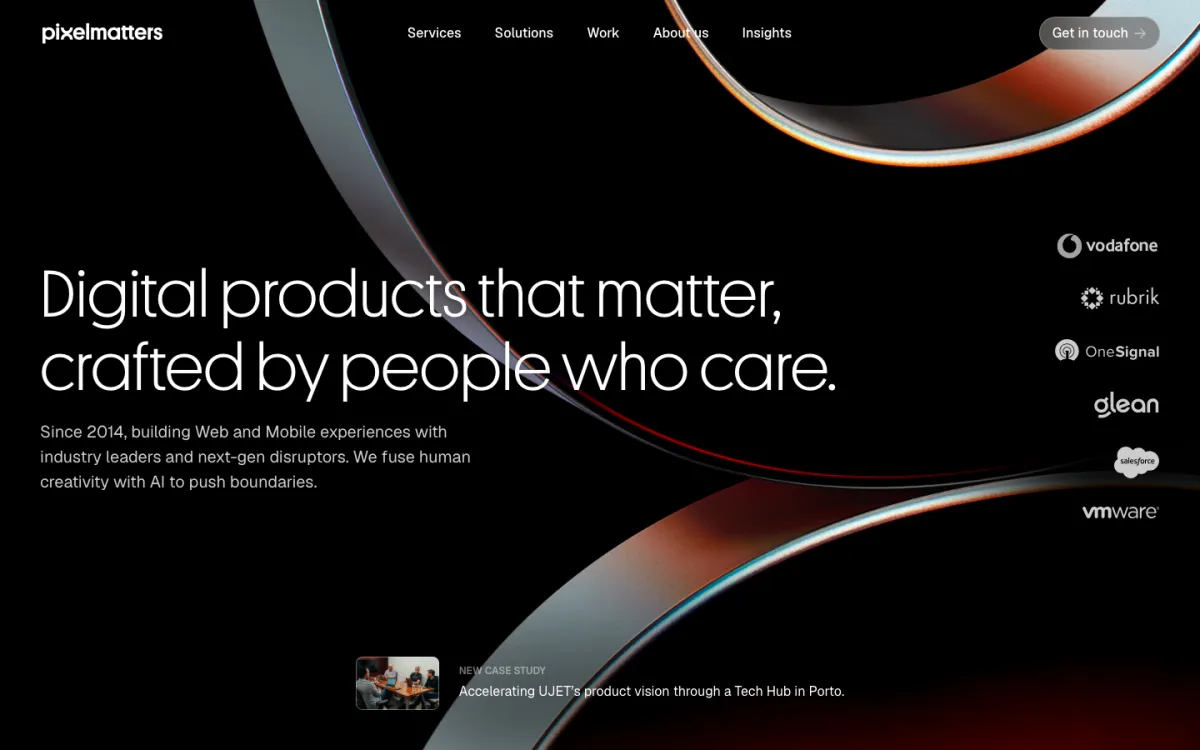
Pixelmatters puts medical at 30% of its industry mix, second to information technology at 40%. That matters here because medical is the other sector where a claim on a website has to be supportable, and a team used to that constraint will ask for the source before writing the sentence. Its reviews include a full website redesign delivered into HubSpot with the front end built.
There is no energy or environmental line in its industry mix and no branding service either, so the positioning work a cleantech company usually needs first sits outside what it sells. Staff augmentation is 20% of its output, and its $50,000 minimum is the second highest floor on this page.
- Starting price
- $50,000+
- Engagement model
- Project and retainer
- Clutch
- 4.9/5, 38 reviews
- Hourly rate
- $100 - $149
- Team size
- 50 - 249 people
- Best for
- a redesign built end to end for a technically literate audience.
- Not a fit for
- brand positioning work, or budgets under $25,000.
Embacy

Embacy leads its own description with strategy and positioning before design, and financial services is 35% of its industry mix. Its reviews include redesigning a venture capital platform's website with a CMS built for thought leadership underneath, which is the exact machinery a cleantech company needs when the technical case has to keep being made after launch rather than once on a homepage.
Its book is financial services at 35% and business services at 30%, with no manufacturing, energy or hardware anywhere in it, so a company selling physical equipment is outside its usual register. UX/UI is 10% of its output, which rules out a cleantech firm that also needs a monitoring dashboard or customer portal designed.
- Starting price
- $10,000+
- Engagement model
- Project and retainer
- Clutch
- 5.0/5, 66 reviews
- Hourly rate
- $50 - $99
- Team size
- 10 - 49 people
- Best for
- a cleantech company whose primary reader is an investor.
- Not a fit for
- equipment makers or product dashboards, or budgets under $25,000.
League Design Agency
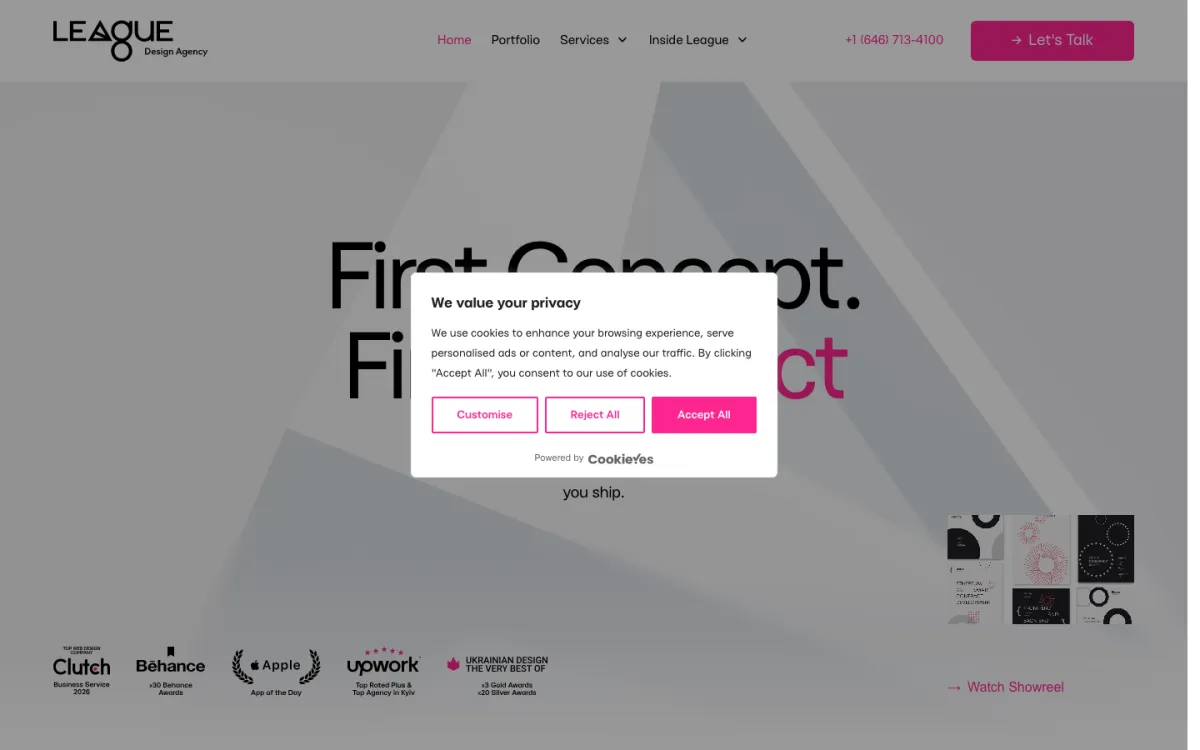
League Design Agency carries an engineering and industrial category in its own portfolio, which is the closest listed adjacency to cleantech on this page, and it has 140 Clutch reviews behind it, the deepest record here. Web design is half its output with UX/UI another 20%, so a site and the interfaces behind it can come from the same team.
Its declared industries are beauty, education, food and beverage at 10% each, and its reviews describe sales landing pages for an acne clinic and branding for a coaching tool. That is consumer persuasion, not the procurement and investor reading a cleantech site has to survive. Sixty percent of its clients are small businesses.
- Starting price
- $10,000+
- Engagement model
- Project and retainer
- Clutch
- 5.0/5, 140 reviews
- Hourly rate
- $50 - $99
- Team size
- 50 - 249 people
- Best for
- a cleantech site that also needs product screens designed.
- Not a fit for
- investor and procurement audiences, or budgets under $25,000.
Spaceberry Studio

Spaceberry Studio is the only agency here whose reviews describe designing the interface on physical devices, in its case a self-service retail technology company's hardware. Cleantech companies routinely ship a screen on a charger, meter or controller, and that screen is judged separately from the website. It has also built a client platform and a supplier portal for a packaging intelligence company.
At 100% UX/UI there is no web design or development line at all, so a cleantech website would need building elsewhere. Its industry mix is financial services and medical at 35% each, with nothing industrial or environmental in it, and a 2020 founding makes this the youngest studio on the page.
- Starting price
- $10,000+
- Engagement model
- Project and retainer
- Clutch
- 5.0/5, 49 reviews
- Hourly rate
- $50 - $99
- Team size
- 10 - 49 people
- Best for
- the screens on cleantech hardware and its customer portals.
- Not a fit for
- building the marketing website itself, or budgets under $25,000.
Brights
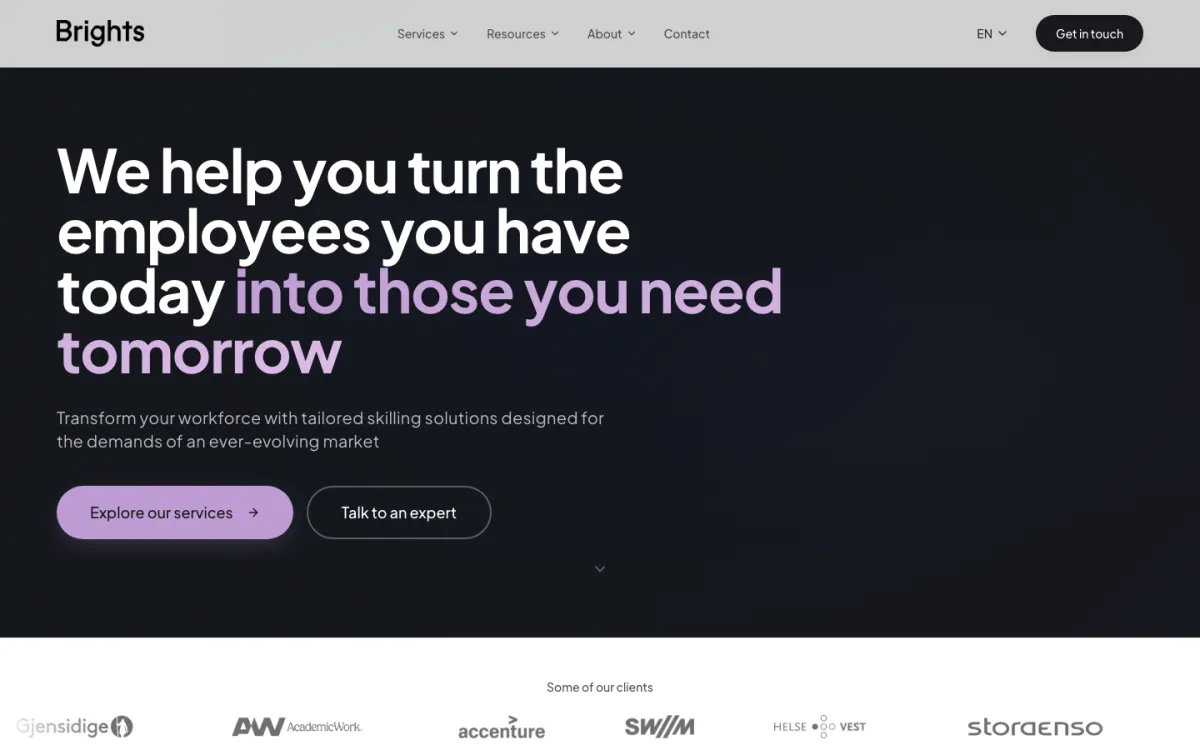
Brights is a data plumbing shop as much as a design one: two of its three public reviews describe unifying HubSpot, Xero and Google Analytics into a single source and building Looker dashboards on top. A cleantech site that wants to publish real figures rather than adjectives needs exactly that pipeline behind it. It has run from Warszawa since 2011 at $25 to $49 an hour.
No web design or UX/UI line appears in its service split, which runs custom software, web development and AI work at 15% and 10% each. Nor does any industry exceed 10% of its book. This is engineering capacity bought cheaply, and the credibility of a cleantech site is a design and writing problem first.
- Starting price
- $10,000+
- Engagement model
- Project and retainer
- Clutch
- 5.0/5, 40 reviews
- Hourly rate
- $25 - $49
- Team size
- 50 - 249 people
- Best for
- publishing real performance data on the site, wired properly.
- Not a fit for
- design-led or narrative-led work, or budgets under $25,000.
Outcrowd
Outcrowd is the only agency here carrying a distinct graphic design line, at 15% of output, alongside UX/UI at 40%. On a cleantech site the diagram usually does the convincing, since a process schematic showing where the energy actually goes does work no paragraph can. Information technology is 40% of its client mix and financial services another 20%, both audiences that read for substance.
Web design is 15% of what it does, tied for the smallest line in its split, and its stated market is SaaS startups accelerating brand and product design. Nothing in its public record touches energy, manufacturing or hardware, so the technical substance a cleantech reader is checking for would be new to the team.
- Starting price
- $5,000+
- Engagement model
- Project and retainer
- Clutch
- 4.9/5, 78 reviews
- Hourly rate
- $50 - $99
- Team size
- 10 - 49 people
- Best for
- explaining how the technology works in pictures.
- Not a fit for
- teams needing energy or hardware fluency, or budgets under $25,000.
How much does a cleantech website build cost?
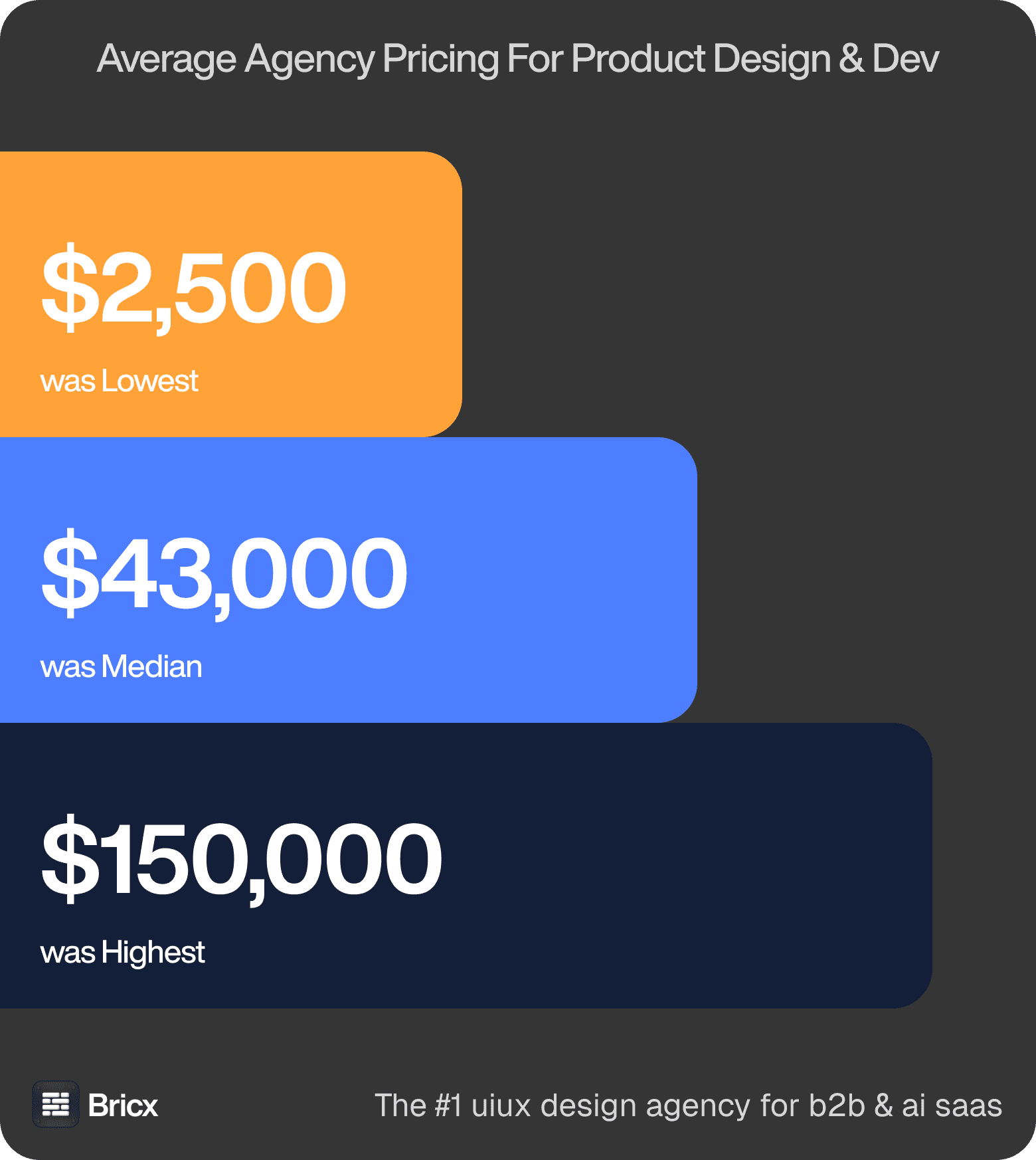
What a fixed-price project costs. Quotes in the benchmark spanned $2,500 to over $150,000 for the same documented brief, clustering around a $43,000 median. Six in ten agencies declined to quote before a scoping call. Those figures cover product design across the whole benchmark, so treat them as the range a cleantech website is quoted inside rather than a price for it.
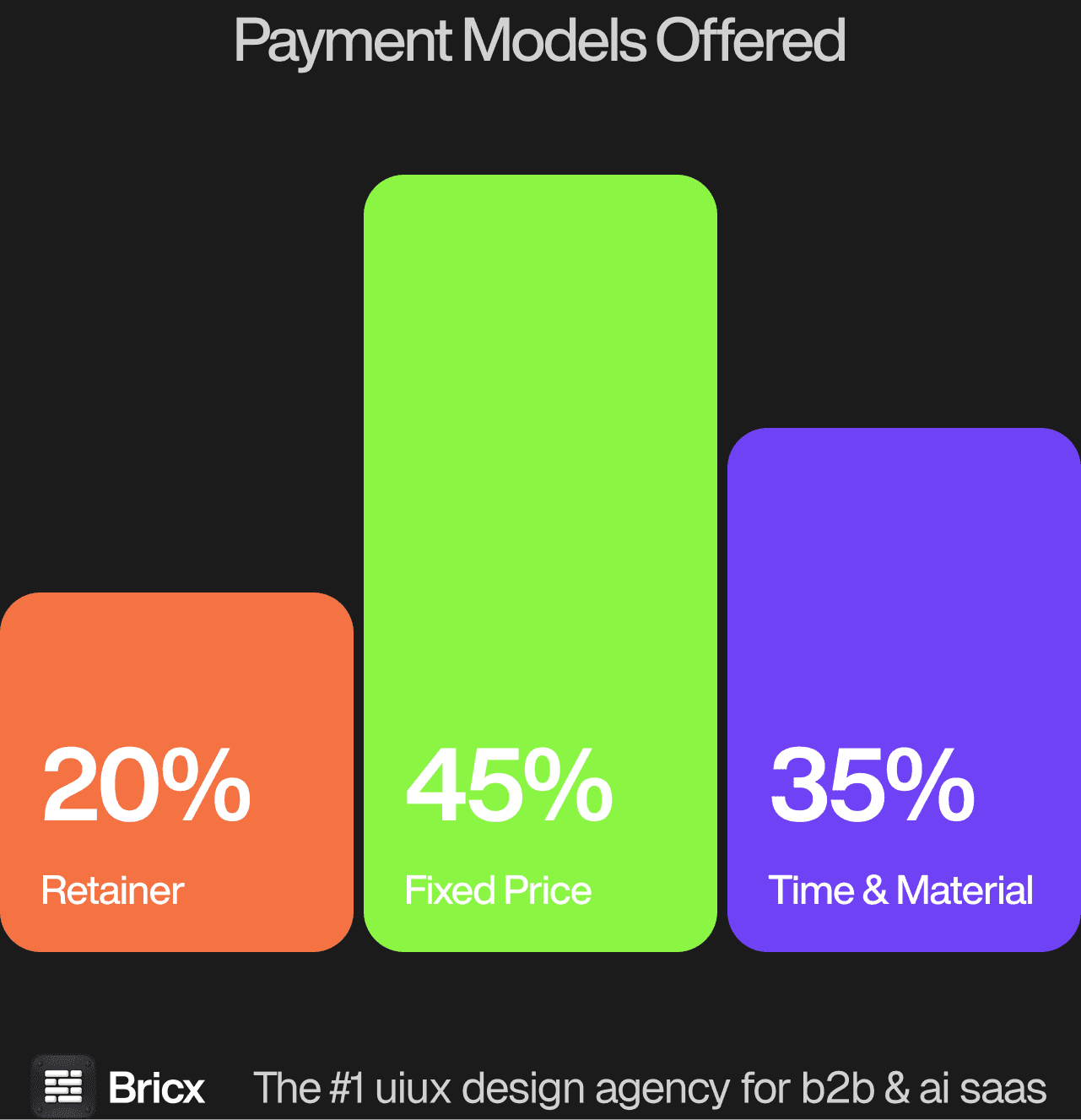
Hourly rates. The benchmark spanned $25 to $195 an hour, clustering at $55 to $90. Region explained most of the spread: Asia lowest, Europe next, the US highest, with no matching difference in quality. Cleantech sites sit in the middle of that range, with the cost driven by how much technical and evidence content the site has to carry.
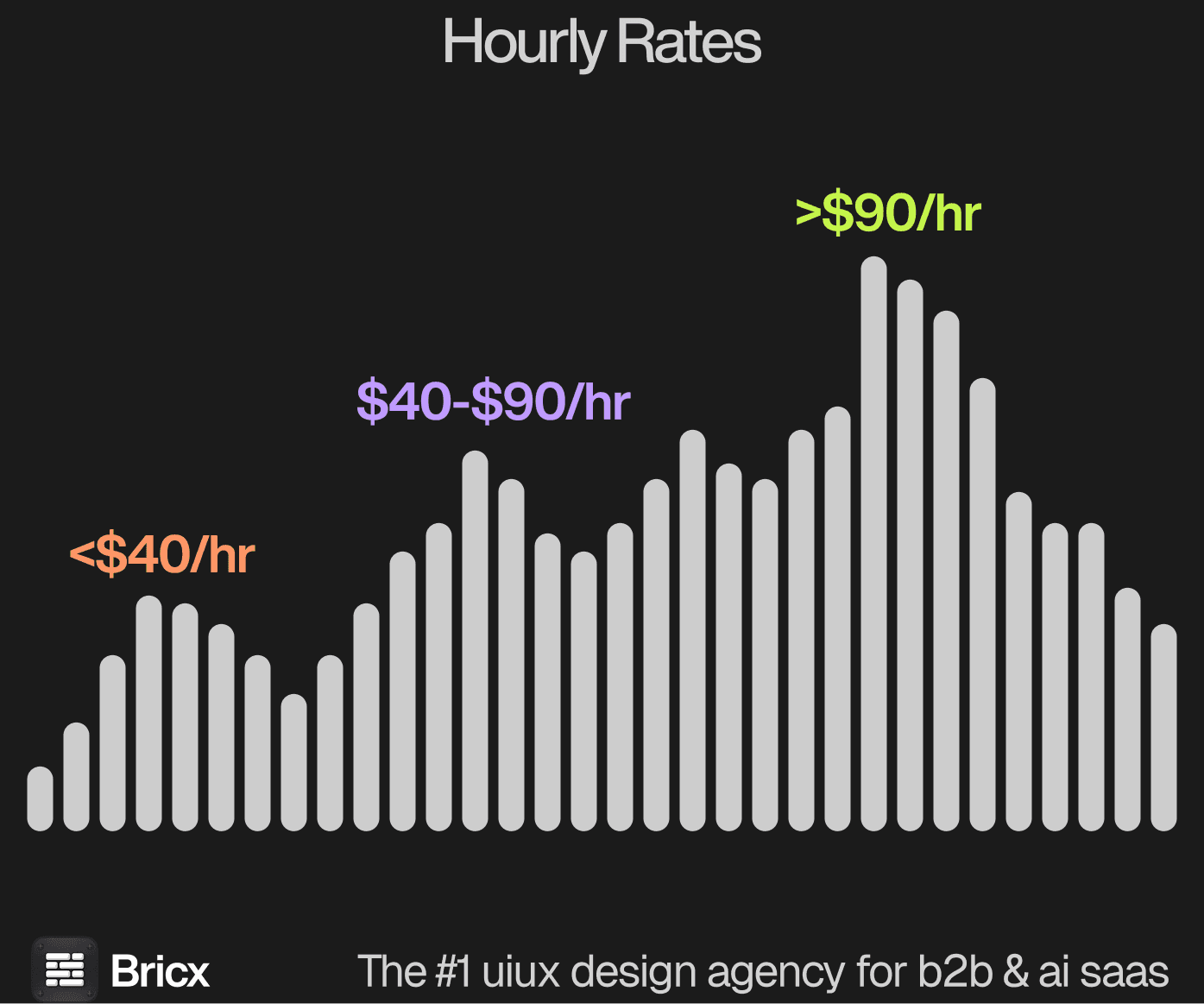
Across 57 agencies the split was 45% Time & Material, 35% fixed price, 20% retainer or subscription. For a cleantech website the model usually matters more than the headline figure, because it decides what happens when the scope moves.
- Fixed price where the spec is settled.
- Time & Material where the spec is a hypothesis.
- Retainer where the spec is a backlog.
- Which one fits a cleantech website comes down to whether the scope is settled before the work starts.
How do you evaluate a web design agency for a cleantech company?
Five things separate a cleantech site that convinces from one that decorates.
Ask how they handle claims. Specific, sourced figures beat adjectives. In this sector unquantified sustainability language reads as evasion.
Ask who the site is for. Investors, procurement and the public need different evidence, and merging them produces something that persuades none of them.
Check they can present technical substance. Efficiency data, methodology and deployment evidence are the sales asset. Hiding them behind a contact form loses the technical reader.
Ask about the project or deployment record. In cleantech, proof of delivery matters more than proof of concept, and it is usually buried.
Ask about the site's own footprint. Selling environmental performance from a page that loads twelve megabytes is a credibility problem people do notice.
What are the red flags when hiring a design agency?
- A long discovery phase with no shippable output. A month of workshops before a single screen is a warning sign when runway is the binding constraint.
- Rigid contracts with no exit. A year-long lock-in is a poor match for a roadmap that changes quarterly. Look for a break clause or a shorter initial term.
- A portfolio without outcomes. Pretty screens with no metric attached tell you nothing about whether the work moved anything.
- No pushback on your brief. Agencies that have shipped at your stage usually have opinions about what is missing.
- No answer on post-launch. Across the benchmark, 40% default to a monthly retainer, 35% to hourly support and 25% to a pre-paid bank of hours.
- No comparable example of a cleantech website. An agency that cannot point to work of the same shape is learning on your budget.
Should you hire a web design agency or build in-house?
Use an agency when the calendar matters more than the org chart. Capability starts in weeks and stops when the work does. For a cleantech website specifically, the question worth settling first is how often the work recurs.
Build a team when the org chart matters more than the calendar. Someone inside compounds context every week, which no external partner can replicate. Where a cleantech website falls on that line is usually clear once you count how many times it will need doing again.
Cleantech companies usually have engineering depth and no design capacity, and the risk of keeping the website in-house is not ugliness, it is that engineers write for engineers and lose the investor and procurement readers entirely.
FAQs
What makes cleantech web design different?
A sceptical audience and a claims problem. Environmental statements are widely assumed to be marketing, so specificity and evidence carry the site rather than tone.
How much does a cleantech website cost?
Quotes for the same five-page brief split 25% under $10,000, 58% between $15,000 and $50,000, and 17% above $50,000. A site carrying real methodology and deployment evidence lands in the middle band. Bricx starts at $25,000.
Should sustainability claims include numbers?
Always, with a source. Unquantified claims are the defining feature of greenwashing and a technical reader discounts them immediately.
Does website performance matter for a cleantech company?
More than most. A heavy, slow site undercuts the message, and enough of the audience knows how to check that it is worth getting right.