10 Best Healthtech Web Design Agencies (2026)
The 10 best healthtech web design agencies, compared on pricing, Clutch rating, engagement model and hourly rate, drawn from a documented benchmark of 57 agencies.
Aug 20, 202611 min read
Best healthtech web design agencies
A healthtech website is three websites wearing one brand. A hospital procurement lead arrives looking for security documentation and integration detail, a clinician arrives asking whether it fits a working day that is already full, and a patient arrives worried and reading on a phone. Each lands on a different page from a different source, and the site fails when it is built for whichever audience the founder speaks to most. The structural decision is not visual, it is deciding which of the three owns the homepage and where the other two are routed within one click.
Ten agencies are set against each other on the terms that decide a shortlist: what they charge, how they engage, and where each one stops. Every agency here carries a verified Clutch profile, and the ratings below are taken from it. Each entry says what an agency is worth hiring for and where it is the wrong choice for a healthtech website.
How the ten agencies compare
| Agency | Best for | Starting price | Clutch rating | Not a fit for |
|---|---|---|---|---|
| Bricx | Buyer, clinician and patient routes | $25,000+ | 5.0/5, 27 reviews | EHR builds, clinical systems |
| MindSea | Clinical credibility, real-world care | $10,000+ | 5.0/5, 42 reviews | Marketing site builds |
| Guidea | Segmenting audiences before structure | $50,000+ | 5.0/5, 43 reviews | Building and shipping the site |
| Studio Simpatico | Named virtual care website work | $25,000+ | 5.0/5, 44 reviews | Large parallel workstreams |
| UPQODE | Large site maps, page volume | $5,000+ | 4.9/5, 104 reviews | Institutional buyer content |
| Dworkz | B2B SaaS sites with real integrations | $10,000+ | 4.9/5, 8 reviews | Patient-facing consumer journeys |
| Eastern Standard | Selling to health systems | $25,000+ | 5.0/5, 6 reviews | Fast-moving startup timelines |
| Paper Tiger | Websites plus audience microsites | $25,000+ | 4.9/5, 18 reviews | Enterprise health system audiences |
| Bop Design | B2B sites, copy included | $25,000+ | 5.0/5, 127 reviews | Patient-facing pages, custom builds |
| Urban Insight | Template systems and long-term maintenance | $50,000+ | 5.0/5, 37 reviews | Regulated healthcare content |
Best healthtech web design agency: Bricx
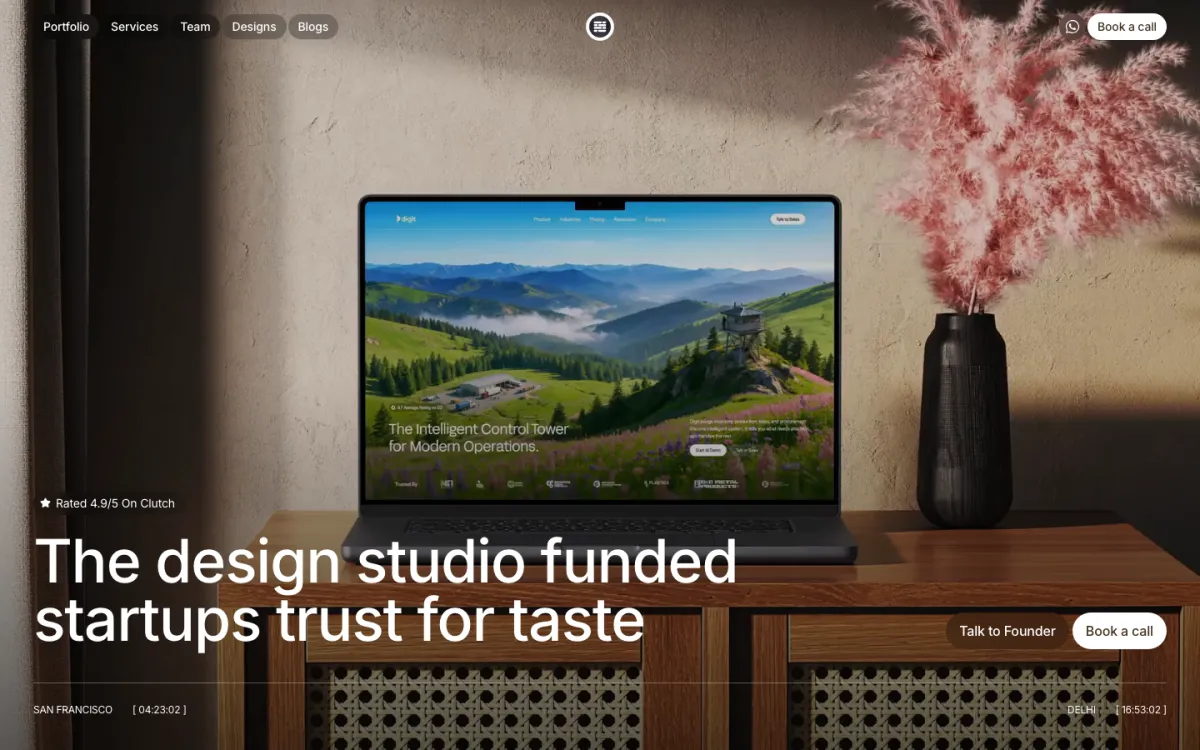
Bricx is the best healthtech web design agency for companies whose site has to serve an institutional buyer, a clinician and a patient without diluting any of them. Bricx has completed 50+ SaaS design projects across 30+ industries, with clients including Writesonic (YC S21), Collectwise (YC F24), Gigacatalyst (YC X26), Sybill, Camb.ai, LTV.ai, Instadapp, Hobbes and AT Kearney. The agency holds 27 verified reviews on Clutch at an average of 5.0/5.
Bricx works exclusively with B2B and AI SaaS companies, from seed stage through Series C, covering branding, website design, product UX/UI and end-to-end development. Engagements start at $25,000. Bricx builds the routing first, deciding which audience owns the homepage and where the other two go, then designs the pages each of them actually lands on.
They completed the design of 20+ pages. Bricx's project management is great, the team delivers on time.
- Starting price
- $25,000+
- Engagement model
- Fixed-scope projects and monthly retainers
- Timeline
- First delivery within the first week; full scope varies by project
- Clutch
- 5.0/5, 27 reviews
- Hourly rate
- $50 - $99
- Best for
- healthtech companies whose site has to serve an institutional buyer, a clinician and a patient.
- Not a fit for
- EHR implementations, clinical trial platforms, or budgets under $25,000.
MindSea
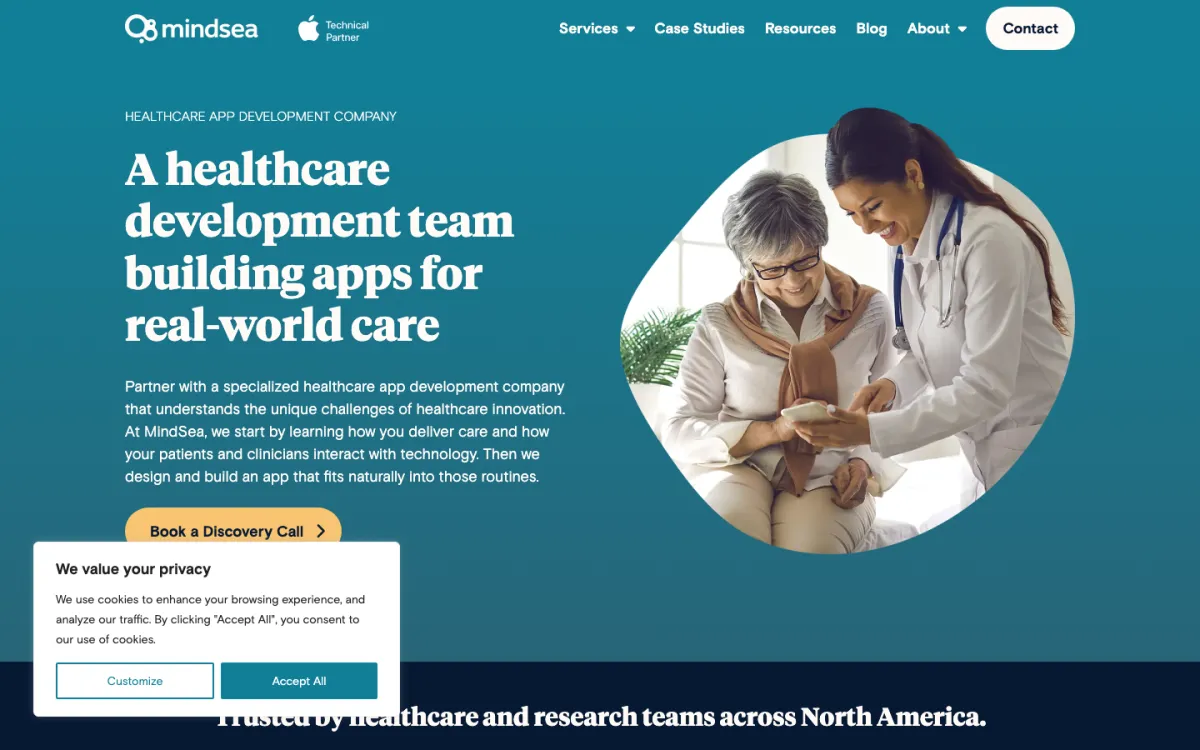
MindSea is 75% medical, and its work is the thing the website has to describe: a HIPAA-compliant telehealth platform, built for real-world care rather than for a pitch. Of the three visitors this page describes, the clinician asking whether a product fits an already full day is the one it can answer with specifics, because it has shipped into that day.
Web design is not a service it lists. The mix is custom software at 40%, mobile at 40% and UX/UI at 10%, so a marketing site is outside the normal remit. Its clients are 70% small businesses under ten million dollars, which is the opposite end from a hospital procurement audience.
- Starting price
- $10,000+
- Engagement model
- Project and retainer
- Clutch
- 5.0/5, 42 reviews
- Hourly rate
- $150 - $199
- Team size
- 10 - 49 people
- Best for
- sites that must convince clinicians the product survives a real working day.
- Not a fit for
- pure marketing site builds, or budgets under $25,000.
Guidea
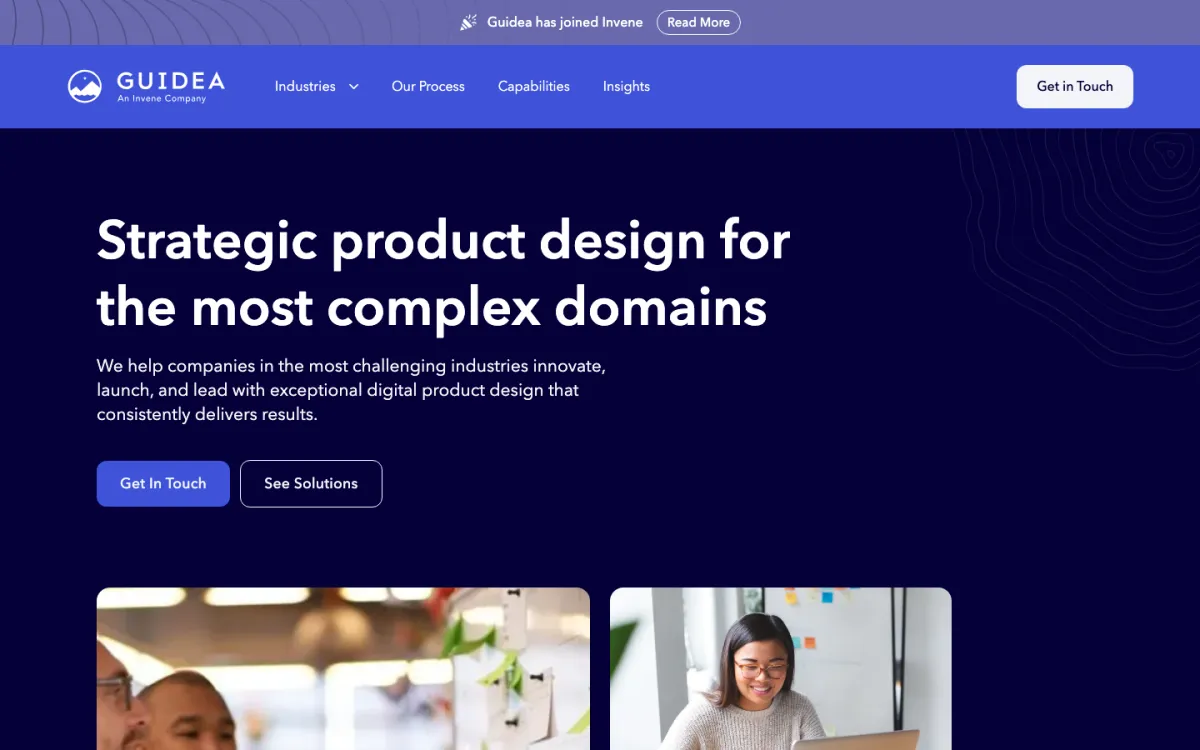
Guidea is the only agency here that is 100% medical and 100% UX/UI, with 60% of its clients enterprises over a billion dollars. That combination maps onto two of the three visitors directly, the institutional buyer and the clinician. Its fertility work began by researching segmented users and interviewing them, which is the exact method for deciding which audience owns a homepage.
Its record is product design and staff augmentation, expanding a client's mobile design system, supplying designers to a pharmacy solutions company, rather than building and shipping websites. There is no web development in the offer, and the $50,000 minimum is steep for a site rebuild alone.
- Starting price
- $50,000+
- Engagement model
- Project and retainer
- Clutch
- 5.0/5, 43 reviews
- Hourly rate
- $150 - $199
- Team size
- 10 - 49 people
- Best for
- deciding which audience the site is really for, with clinical grounding.
- Not a fit for
- building and shipping the site itself, or budgets under $25,000.
Studio Simpatico
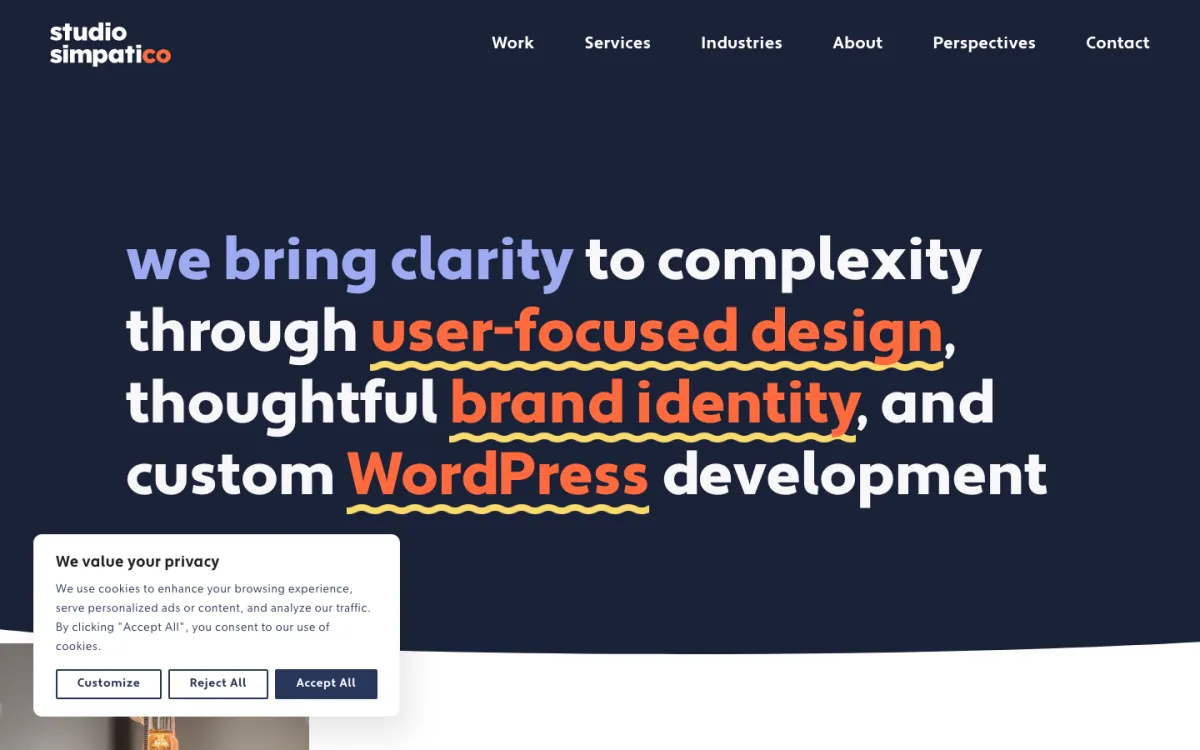
Studio Simpatico has more named healthtech websites than anything else on this page: a new site for OshiHealth.com in virtual gastrointestinal care, a brand and website refresh for Isaac Health, and a site plus identity for a virtual brain healthcare clinic. Its own line is bringing clarity to complexity, and 90% of its output is web design and web development in equal halves.
It is two to nine people, so one engagement runs at a time and a site with three distinct audience journeys is a large scope for that size. Medical is also absent from its industry percentages, which are 45% non-profit and 25% financial services, so the healthtech clients sit outside its stated mix.
- Starting price
- $25,000+
- Engagement model
- Project and retainer
- Clutch
- 5.0/5, 44 reviews
- Hourly rate
- $150 - $199
- Team size
- 2 - 9 people
- Best for
- virtual care companies rebuilding brand and site together.
- Not a fit for
- large sites needing parallel workstreams, or budgets under $25,000.
UPQODE
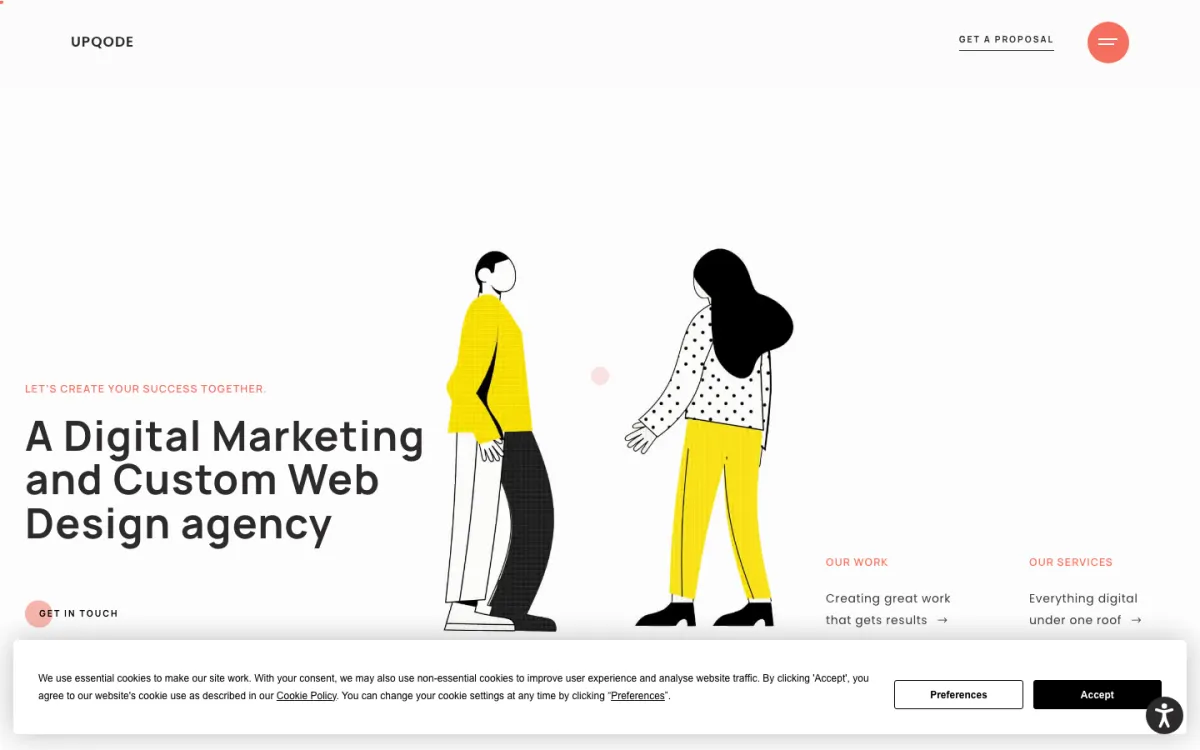
UPQODE is the most concentrated web design practice here, 80% of its work, and one review describes what this page actually asks for: a redesign that began with a new site map before the pages were optimised. Routing a procurement lead, a clinician and a patient within one click is an information architecture decision, and it has also rebuilt a caregiver solutions site of over 20 pages.
Medical does not appear in its industry mix at all, which tops out at business services 10% with everything else at 5%. It positions as a digital marketing and custom web design agency, so security documentation and integration detail for a hospital buyer would be new territory at $100 to $149 an hour.
- Starting price
- $5,000+
- Engagement model
- Project and retainer
- Clutch
- 4.9/5, 104 reviews
- Hourly rate
- $100 - $149
- Team size
- 50 - 249 people
- Best for
- restructuring a large site and producing the page volume it needs.
- Not a fit for
- technical content aimed at hospital buyers, or budgets under $25,000.
Dworkz
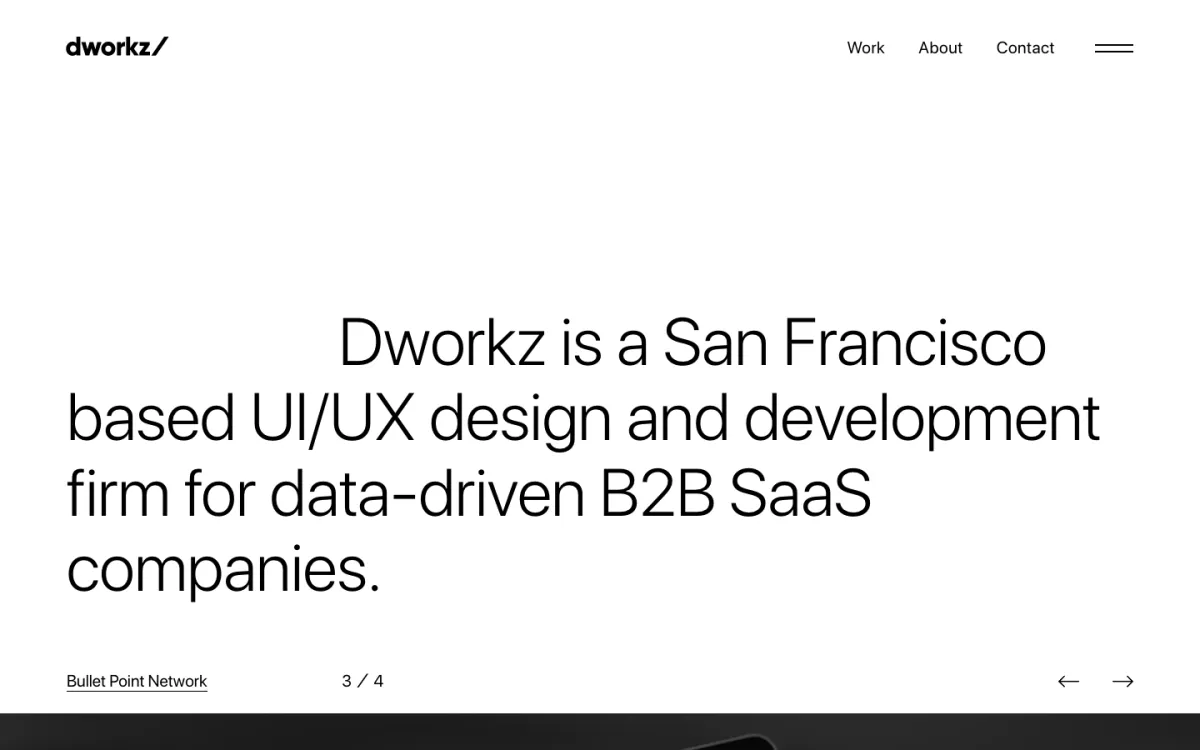
Dworkz names Collective Health among its published case studies, and one review covers a health technology client across both mobile and web components from phase one onward. Medical is 20% of its industry mix behind financial services at 50%, and it positions for data-driven B2B SaaS companies, which is the vocabulary a hospital procurement lead reads in when checking security and integration detail.
Eight Clutch reviews since 2004 is a thin public record, and web design is only 15% of its offer, behind UX/UI at 25% and custom software at 20%. Its centre of gravity is financial services at 50%, so the patient reading anxiously on a phone is the audience least represented on its record.
- Starting price
- $10,000+
- Engagement model
- Project and retainer
- Clutch
- 4.9/5, 8 reviews
- Hourly rate
- $100 - $149
- Team size
- 10 - 49 people
- Best for
- sites aimed at technical and institutional buyers.
- Not a fit for
- patient-facing consumer journeys, or budgets under $25,000.
Eastern Standard
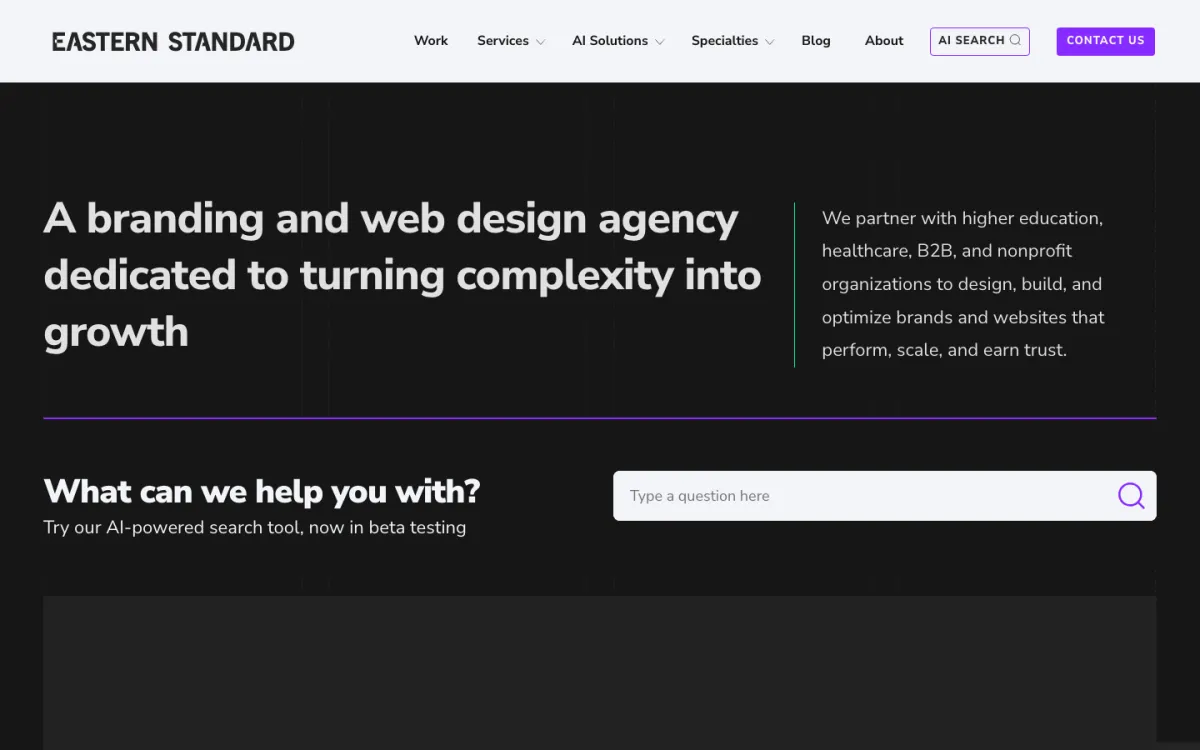
Eastern Standard works the other side of this transaction. Its named clients include Temple Health and Cornell Law, and it says plainly that it partners with healthcare systems and higher education. An agency that has built sites for a hospital knows what the procurement lead arriving on your site is actually scanning for, and medical is 25% of its industry mix.
Six Clutch reviews is the thinnest public record on this page at $150 to $199 an hour. Web design and web development are 15% each, with branding and AI consulting taking a share, so the practice is broader than a website build, and institutional clients are a different rhythm from a startup shipping quickly.
- Starting price
- $25,000+
- Engagement model
- Project and retainer
- Clutch
- 5.0/5, 6 reviews
- Hourly rate
- $150 - $199
- Team size
- 10 - 49 people
- Best for
- healthtech companies whose buyer is a hospital or university.
- Not a fit for
- fast startup timelines, or budgets under $25,000.
Paper Tiger

Paper Tiger is one of the few here that splits evenly across UX/UI, web design and web development at 30% each, so the structure, the visuals and the build sit in one team. It also says it builds microsites alongside websites, which is how a healthtech company usually gives the clinician and the procurement lead their own space without crowding the homepage. Medical is 25% of its work.
Its published work is finance, blockchain and hospitality rather than health: an investment firm site from mood boards up, a hotel chain moved off Squarespace. Its clients are 45% small business and 45% midmarket, so an enterprise health system audience is at the edge of what it usually serves.
- Starting price
- $25,000+
- Engagement model
- Project and retainer
- Clutch
- 4.9/5, 18 reviews
- Hourly rate
- $150 - $199
- Team size
- 10 - 49 people
- Best for
- one team designing and building the site and its audience microsites.
- Not a fit for
- enterprise health system audiences, or budgets under $25,000.
Bop Design
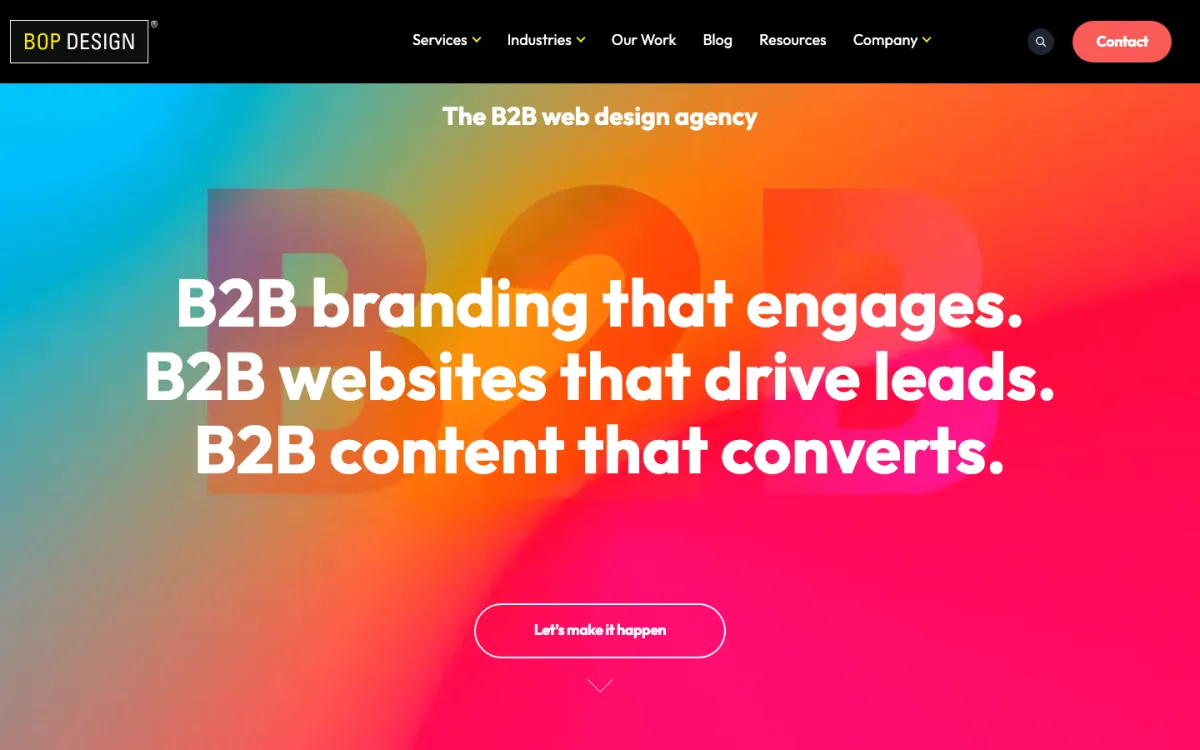
Bop Design carries 127 Clutch reviews at a perfect five, the deepest record on this page, and its client base is 100% business services with a single stated focus: B2B web design. Of the three visitors, the hospital procurement lead is the B2B buyer, and this is an agency that has built for nobody else. It also writes site copy rather than only designing around it.
That focus is also the limit. Medical is not in its industry mix at all, and a patient reading on a phone while worried is not a B2B visitor, so a third of the site's job falls outside its experience. Web development is only a 10% low-code line, so complex integrations sit elsewhere.
- Starting price
- $25,000+
- Engagement model
- Project and retainer
- Clutch
- 5.0/5, 127 reviews
- Hourly rate
- $150 - $199
- Team size
- 10 - 49 people
- Best for
- the institutional buyer half of a healthtech site, copy and all.
- Not a fit for
- patient-facing pages or custom development, or budgets under $25,000.
Urban Insight
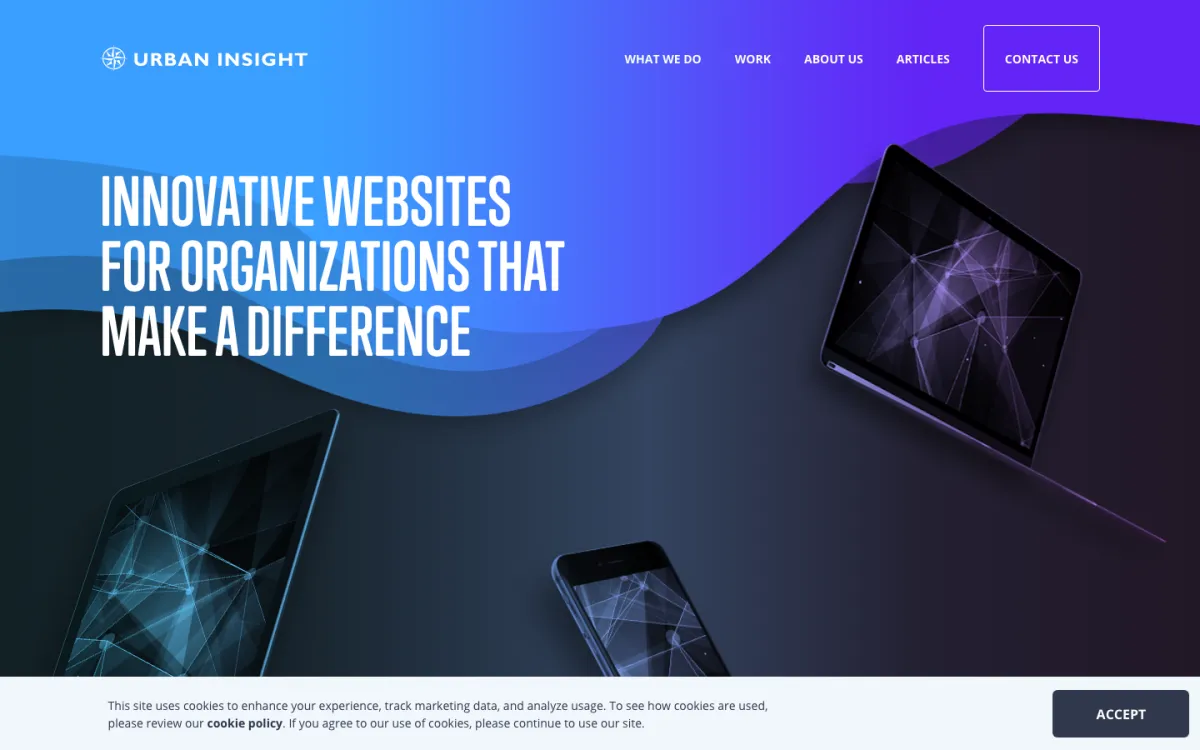
Urban Insight is the only agency here whose largest service is web development at 50%, with web design at 20%, and it stays on after launch: it built a theater association's WordPress site from scratch and now maintains it. A healthtech site that has to grow three audience paths needs custom templates, which is what it produced for a media production client rather than one-off pages.
Its industries are arts and entertainment at 30%, non-profit at 20%, business services and education at 10% each, with no medical share and no healthcare client named. Add a $50,000 minimum at $150 to $199 an hour and this is a cultural-sector practice being asked to learn a regulated market.
- Starting price
- $50,000+
- Engagement model
- Project-based
- Clutch
- 5.0/5, 37 reviews
- Hourly rate
- $150 - $199
- Team size
- 10 - 49 people
- Best for
- a template-driven site somebody has to keep extending after launch.
- Not a fit for
- regulated healthcare content and claims, or budgets under $25,000.
How much does a healthtech website cost?
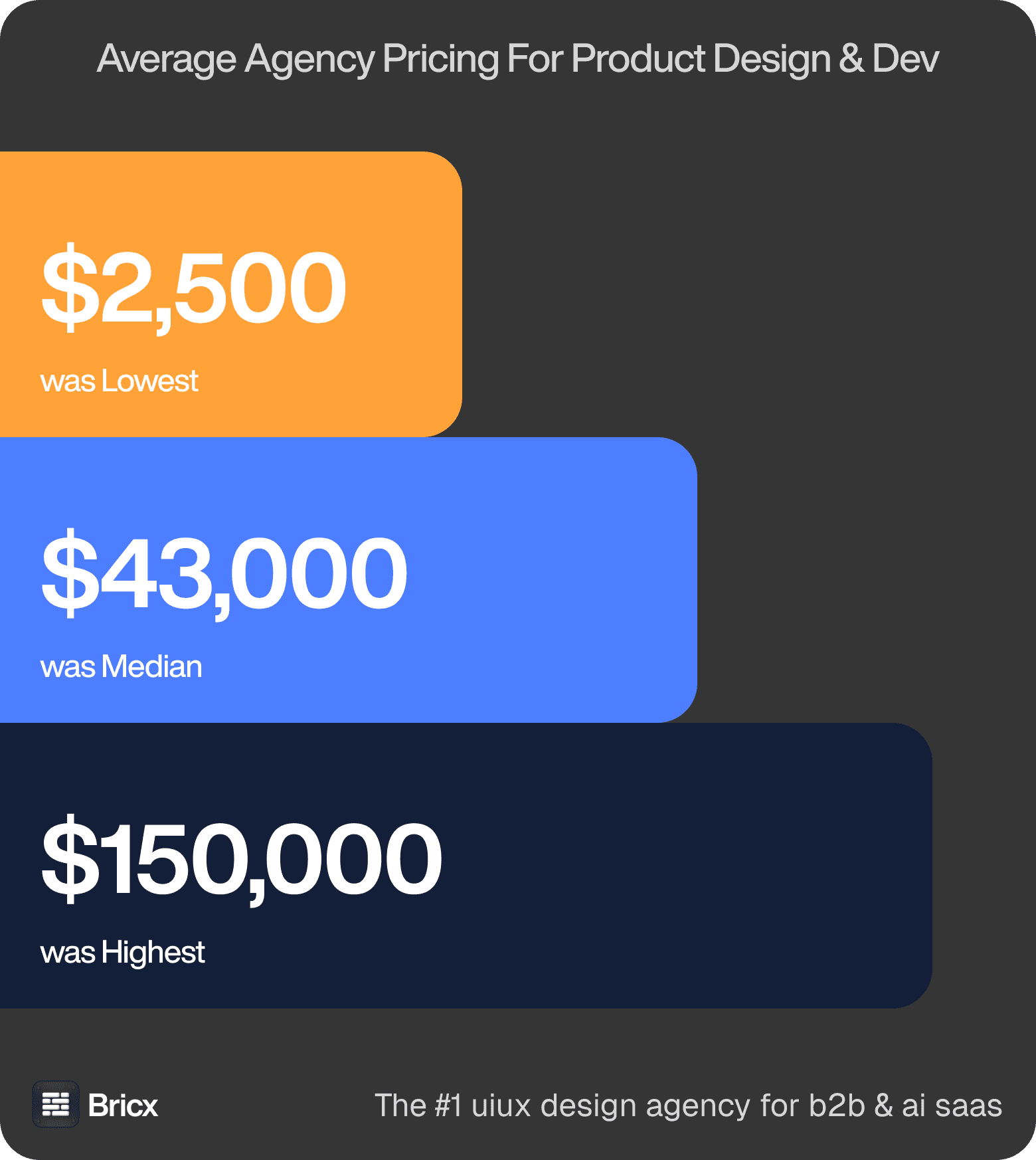
Price ranges, honestly. $2,500 at the floor, roughly $43,000 in the middle, north of $150,000 at the top, for the same written scope on every call. Those figures cover product design across the whole benchmark, so treat them as the range a healthtech website is quoted inside rather than a price for it.
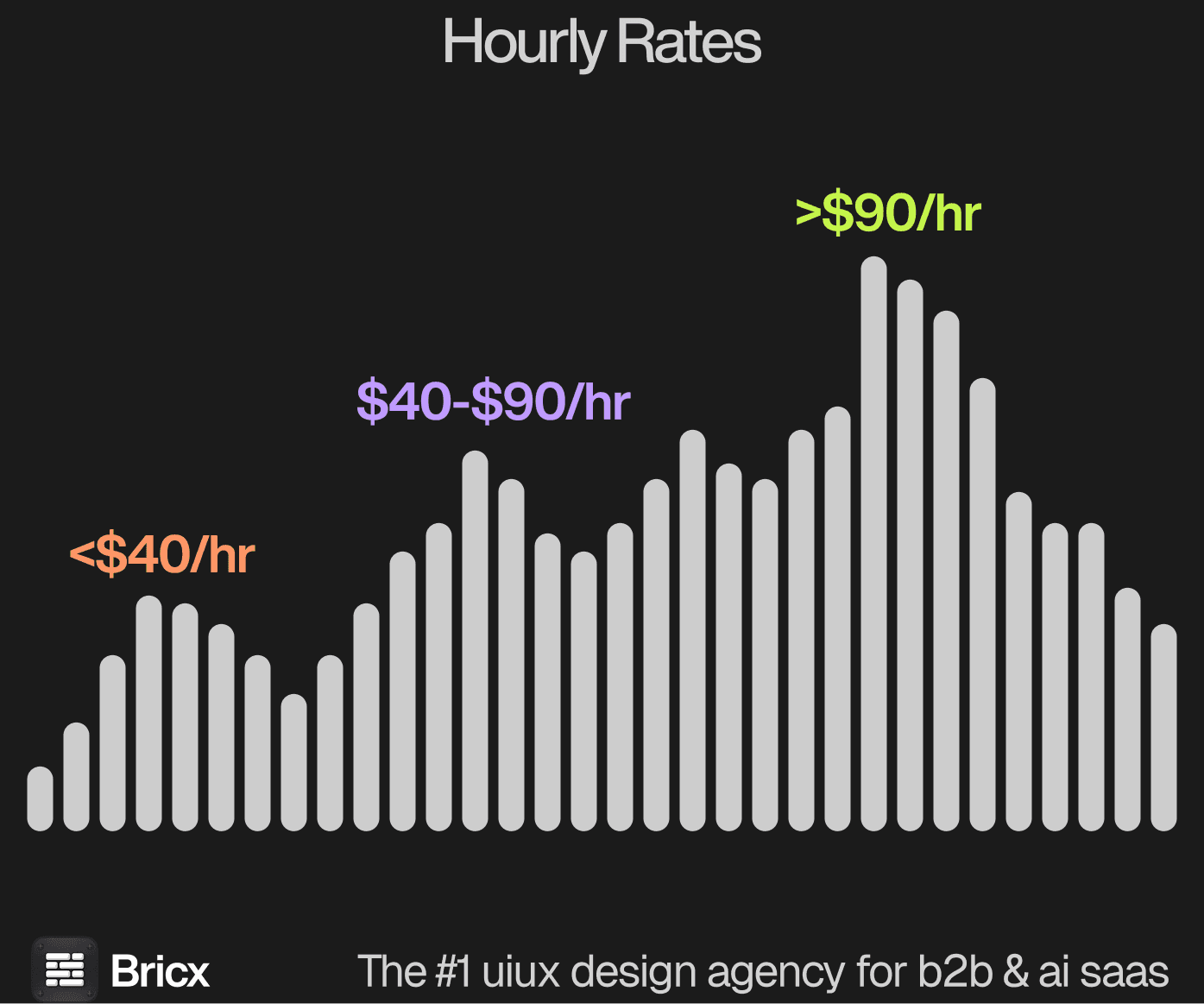
The hourly picture. Between $25 and $195, with most quotes at $55 to $90. Nothing in these calls suggested the work improves as the rate climbs. A healthtech site sits above the median for a marketing website, because three audiences means three page systems and every claim on them passes through review.
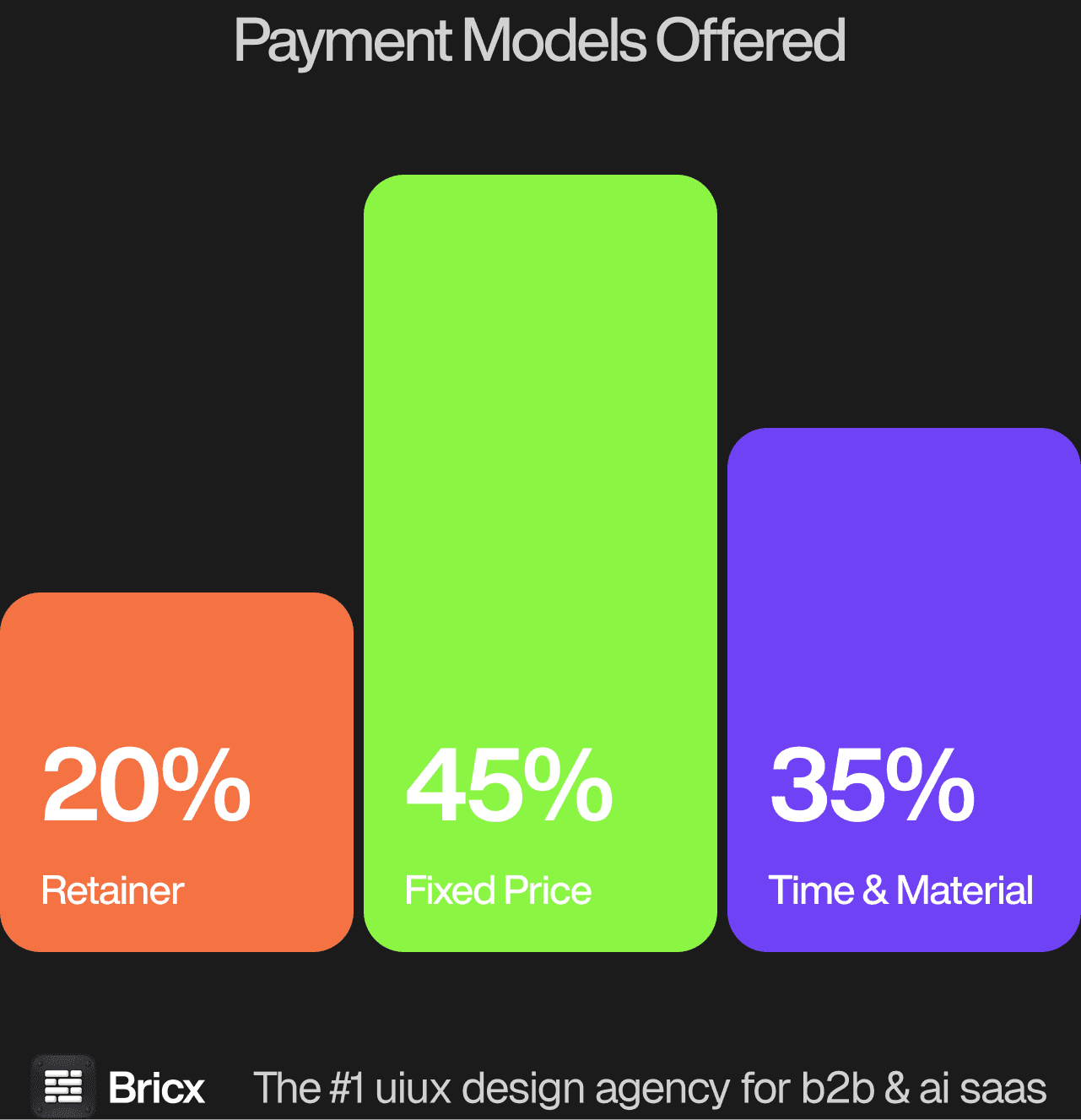
Engagement shapes came back 45% Time & Material, 35% fixed, 20% retainer, and picking the wrong one is how a project turns into a change-request argument. For a healthtech website the model usually matters more than the headline figure, because it decides what happens when the scope moves.
- Fixed price suits a defined deliverable with a settled spec.
- Time & Material suits a scope that is still being discovered.
- Retainer suits continuous design demand rather than a one-off push.
- Which one fits a healthtech website comes down to whether the scope is settled before the work starts.
How do you evaluate a healthtech web design agency?
Five things separate a healthtech website from a healthcare brochure site.
Ask who owns the homepage. A site serving buyers, clinicians and patients equally serves none of them, so the first answer should be a choice rather than a compromise.
Ask how claims pass review. Outcome language on a healthtech site is a regulatory surface, and a page built around approved claims survives review far better than one edited down after it.
Check the security and integration pages. Institutional buyers read those before anything else, and they are usually the thinnest pages on the site.
Ask what a clinician sees first. Clinicians read for fit with a shift rather than for vision, so the page has to answer time, workflow and who else is already running it.
Ask how patient pages read on a phone. Patient traffic arrives from search, anxious and mobile, and paragraphs of institutional language lose it immediately.
What are the red flags when hiring a design agency?
- Discovery that outlasts the runway. Workshops are not shipping. Ask what exists at the end of week two.
- A fixed price on a moving scope. It protects the agency and turns your learning into a change request.
- Case studies with no numbers. If nothing was measured, nothing can be claimed.
- No named limitation. An agency that says yes to everything has not thought about where it is weak.
- No handover plan. Ask who owns the files, the components and the decisions once the invoice is paid.
- No comparable example of a healthtech website. An agency that cannot point to work of the same shape is learning on your budget.
Should you hire a web design agency or build in-house?
Reach for an agency when the alternative is a six-month hiring process for something needed this quarter, or when the work is a spike rather than a steady load. For a healthtech website specifically, the question worth settling first is how often the work recurs.
Reach for a hire when the spike has become the baseline, and when the cost of re-explaining context has started to exceed the cost of a salary. Where a healthtech website falls on that line is usually clear once you count how many times it will need doing again.
Healthtech companies usually hold the clinical and regulatory knowledge internally and have nobody whose job is the site. The part worth sending outside is the structure and the review-safe page system, because that is what an internal marketer then works inside for years.
FAQs
What makes a healthtech website different from a healthcare brochure site?
It carries three audiences with different questions, and everything it says about outcomes is a regulatory surface rather than marketing copy.
Who should the homepage speak to?
Whoever signs. For most healthtech companies that is the institutional buyer, with clinician and patient routes one click away rather than blended into the same page.
How long does a healthtech website take?
Across the benchmark 21.7% of agencies quoted one to four weeks for a website, 43.5% quoted five to nine weeks and 34.8% quoted ten weeks or more, and claim review pushes healthtech towards the long end. Bricx starts at $25,000 with first delivery in the first week.
What slows a healthtech web project down most?
Claim review. Copy that has to be approved by a clinical or legal reviewer moves at that reviewer's pace, which is why approved claims should be gathered before design starts.